
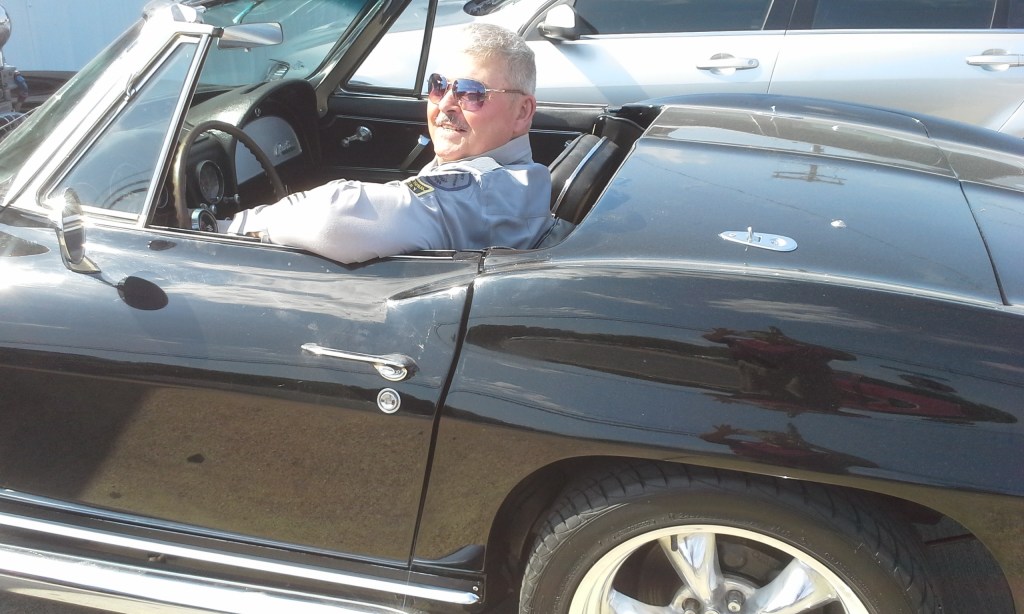
☝☝👇👇
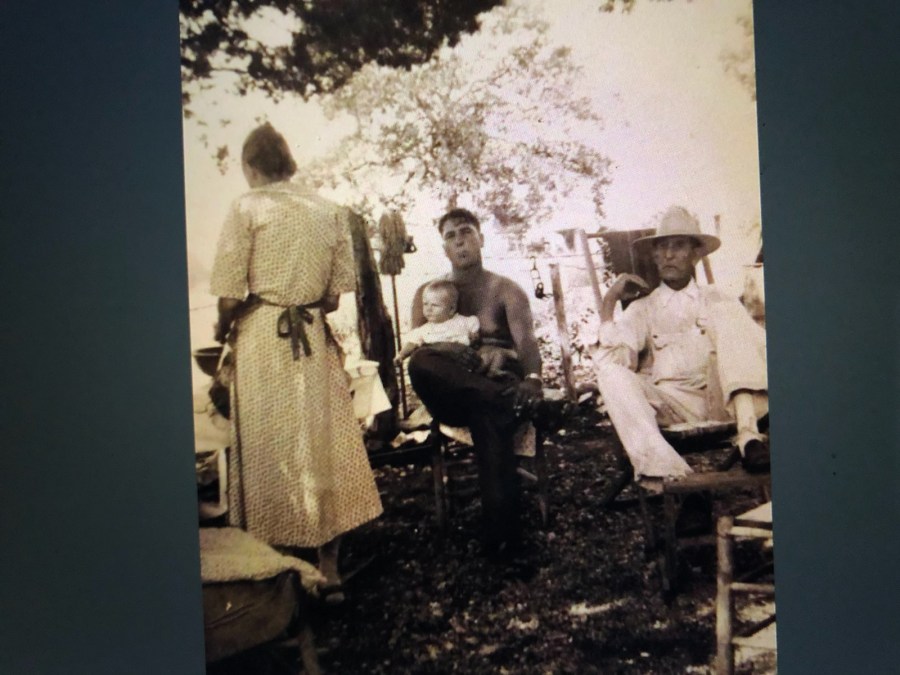
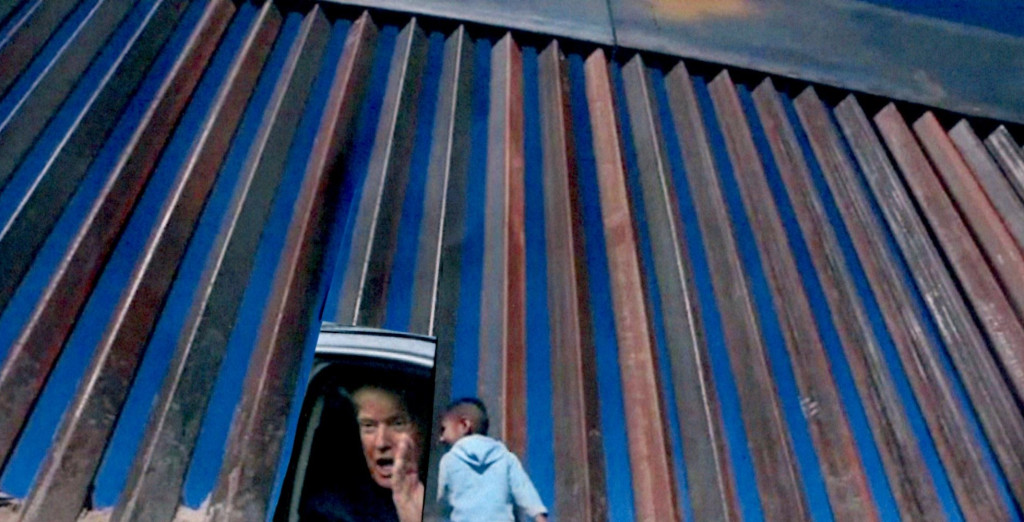
“Hey Kid, stay on your side of My Wall!“
**************
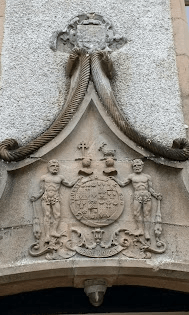
Lords of Leigh Hall
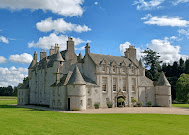
My Ancestry. A man in Scotland traced it completely for us using DNA.
Our Descendant?
John Laith of Bucharne and New Leslie
1605–1670
Margery Forbes
1563–1648
Faith Leith
1656–1702
Faith Leith 1656-1702
My 9th great-grandmother
https://www.wikitree.com/wiki/Johnston-909
“Clan Johnstone”
Johnstone comes from “John’s toun”, not “John’s stone” or John’s son.” Historically, “Johnston” has been an alternate spelling of the surname. The first known person of this name was John of Johnstone, who in 1174 gave his name to the lands of Annandale in Dumfrieshire which he had been granted. His son, called Gilbert Johnstone (“Gillibertus de Johnistoun”) appears on records between 1194-1214 and onwards, presumably taking his surname from the town his father had established – “Johnstone” or “John’s toun”.
Gilbert’s Grandson called Sir John Johnstone was a Knight of the county of Dumfries. [4] Sir John Johnstone signed the Ragman Roll of King Edward I of England in 1296.
At this time Perth was known as St Johnston and Johnstonburn in East Lothian was then called Jonystoun. These two areas have records of the Johnstone Clan. A third area of Johnstones which came from Stephen the Clerk and Margaret the heiress of Sir Andrew Garioch used the family name of Johnston.
Stephen de Johnston, called The Clerk, married Margaret de Garviach, before April 1380. It was through this marriage to Margaret, daughter and heiress of Sir Andrew Garioch, knight, of Caskieben that he got the lands of Caskieben, Crimond, Kinburn and others, which he called Johnston, from his own name, and from him are descended all the Johnstons of the North.
Johnston of Caskieben is one of the most ancient families of the name of Johnston, and have always competed with the Johnstons of Annandale for the chiefship. They have long been designated “Of That Ilk”; which generally denotes head.
https://quod.lib.umich.edu/e/ecco/004896980.0001.000/1:18?rgn=div1;view=fulltext
JOHNSTON Marquis of ANNANDALE.
THE Johnstons were a bold and hardy race of men, always distinguished for their bravery in repelling the insults of the English borderers, and avenging the injuries done to their country.
They began to make a figure in Scotland in the reign of king Alexander II. who suc∣ceeded to the crown, anno 1214: soon there∣after they became numerous, and were pos∣sessed of considerable estates in many different counties, which is sufficiently documented by charters under the great seal in the public re∣gister.
There were two families of this surname, who both designed themselves by the title of Johnston of that ilk, viz. those of Annandale in the south, and Caskieben in the north; but we cannot pretend to connect them with one another.
James Johnston
New Kent County VA GenWeb
https://usgenwebsites.org/vagenweb/newkent/nk_deeds.html
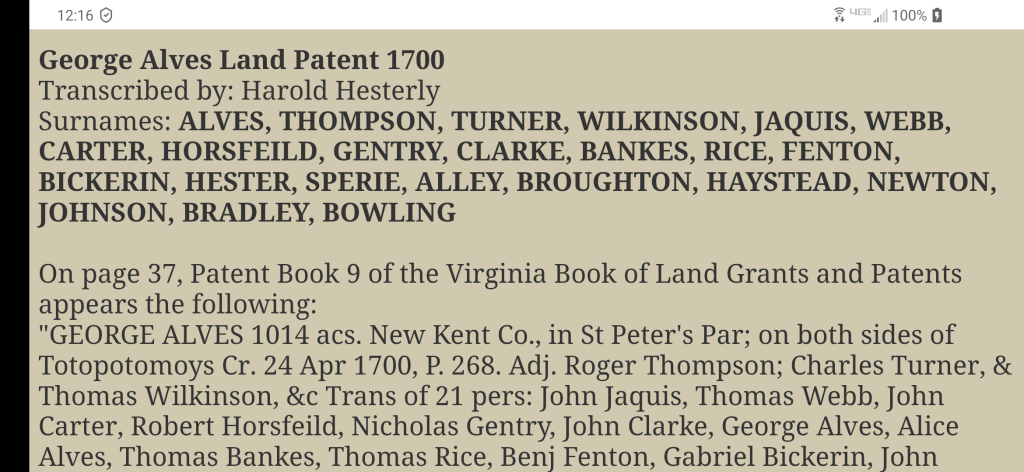
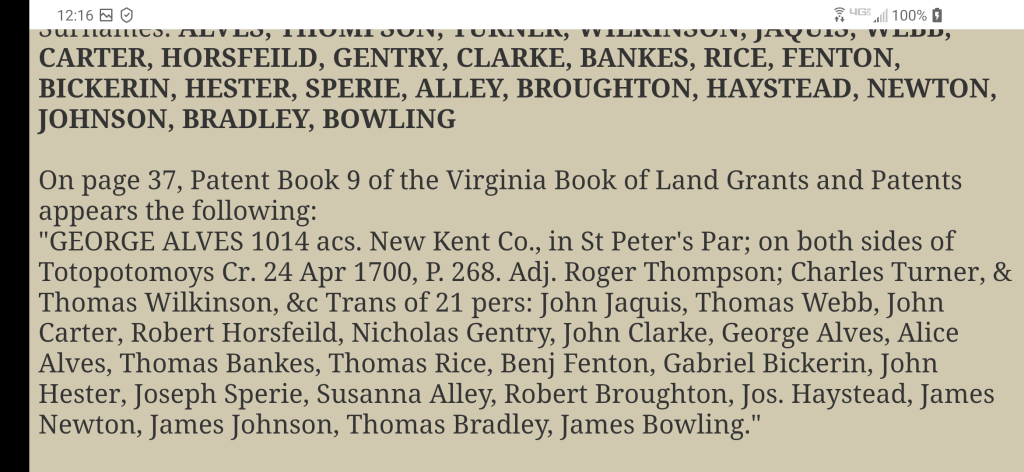
On 1700 date. Our 9th great grandfather had land on the following site-
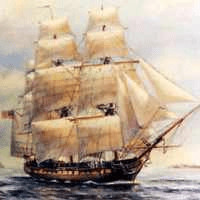
ship owned by Charles Dun
James Johnston arrived in New Kent Co. Va. in St. Peter’s Parish by Apr. 1700 as a headright for Geo. Alves on Totopotomoy’s Creek. In Apr. 1702 he acquired, after a two year indenture,
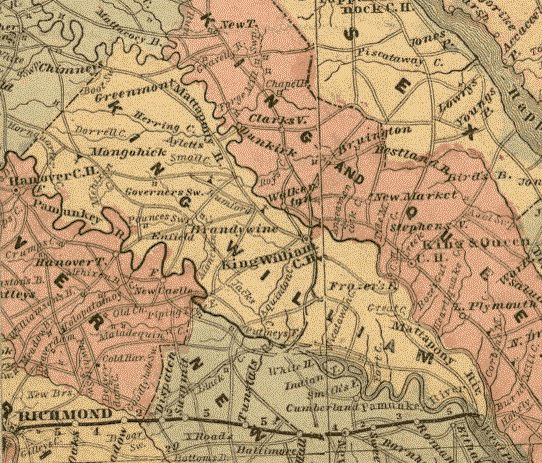
on a small 110 ac. plantation, “Pamunkey Neck”.
The Pamunkey Neck was administratively part of New Kent County until 1691 when it became part of the new county of King & Queen. The settlers of Pamunkey Neck almost immediately began petitioning to be split off into a new county. Although the settlers were few in number, the area was naturally isolated by the two rivers that defined its boundaries making it difficult to conduct official business in the distant court of King and Queen County. A petition dated 19 December 1700, signed by a mere 89 landowners, was finally granted. An act to form King William County was passed in August 1701 to be effective on 11 April 1702. The new county was named for the sitting King.
This tract was, “Part of land laid out according to-
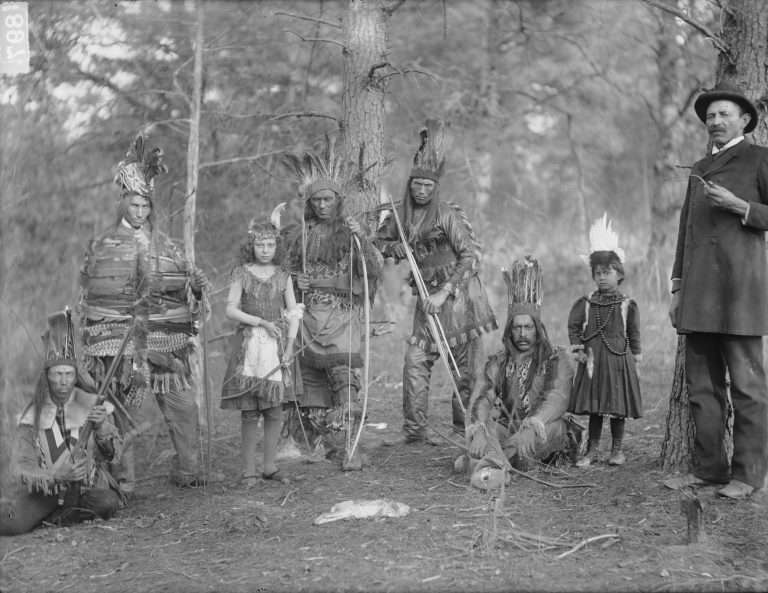
(The Pamunkey Indians were the largest tribe within the powerful Powhatan Chiefdom when the English arrived to settle Jamestown in 1607. Today, they are over 200 members strong and have 1,200 acres of reservation lands established through treaties signed with the English in 1646 and 1677.)
https://encyclopediavirginia.org/entries/pamunkey-tribe/
-articles of peace for the Pamunkey Indians, who at a Gen. Court 22 Oct. 1701 relinquished their right.” This area was in a part of King William Co. Va. that had been a part of King and Queen Co. Va. which earlier was New Kent Co. Va. He seems to have conveyed 70 ac. of this parcel. “James Johnson, 40 ac., King William Co. Va., in Pamunkey Neck…whereon sd. Johnson liveth, 23 Oct. 1703, part of land according to peace agreement with Pamunkey Indians.” See, “Cavaliers And Pioneers”, 1695-1732, by Nugent.
Born in Dyce, Aberdeen, ScotlandANCESTORS 
Son of Thomas Johnston and Mary (Irvine) Johnston
Brother of Margaret Johnston [half], Elizabeth (Johnston) Leith [half], William Johnston, John (Johnston) Johnston of Bishopstown, Anna Johnston and Barbara Johnston
Husband of Faith (Leith) Johnston — married about 1673 in Aberdeen, Scotland DESCENDANTS 
James Johnston had two wives and that he had four sons by first wife Margaret Alexander and one daughter by second wife Faith Leith. Records from the Aberdeen Quaker Monthly Meeting show that James married Faith Leith in 1686 and that a daughter, Elisabeth, was born 26 Dec 1688 in Aberdeen.
Father of James Johnston, William Johnson, John Johnson Sr. and Benjamin (Johnston) Johnson
Died after after age 46 in Pamunkey Neck, King William County, Virginia
- microfilm 993,524.
- ↑ Genealogical account of the family of Johnston of that Ilk Author: Alexander Johnston, Writer to the Signet. Published Edinburgh 1832. Page: 16 & 17 Parent #X, Child 4th.
- ↑ Peerage.com person #488080
- ↑ Mosley, Charles, editor. Burke’s Peerage, Baronetage & Knightage, 107th edition, 3 volumes. Wilmington, Delaware, U.S.A.: Burke’s Peerage (Genealogical Books) Ltd, 2003.
- ↑ Electric Scotland Author: Geraldine Drake 1999. Clan Leith.
- Book, “Cavaliers And Pioneers” 1695-1732, by Nugent (On the
immigration of James Johnston). Genealogical account of the family of Johnston of that Ilk Author: Alexander Johnston, Writer to the Signet. Published Edinburgh 1832. Page: 17 Parent X, Child 4th male.
- Short memoir of James Young, merchant burgess of Aberdeen, and Rachel Cruickshank, his spouse, and of their descendants Author: Alexander Johnston 1809 – 1880. Publisher: Aberdeen : J. Craighead. 1861. Appendix: xlv.
- National Genealogical Society Quarterly, Volume 21; Volumes 27-30 Descendants of William and John Johnson of Viriginia, by William Wade Henshaw, Washington DC
- Clan Johnston/e of America Caskieben
- Our Southern Cousins Stiven “The Clerk” JOHNSTON of Caskieben; Founder of family in Aberdeenshire & Descendants
- Researching the Virginia and Aberdeen Jonnstons
enitive case of the Middle English personal name Johan, Jon (see John ) + Middle English ton ‘town, village, settlement’.History: As far as can be ascertained, most Scottish bearers of this surname are descendants of John, probably a Norman baron from England, who held lands at Johnstone in Annandale from the Bruce family in the late 12th century. His son Gilbert was the first to take the surname Johnstone and their descendants later held the earldom of Annandale.
Dictionary of American Family Names © Patrick Hanks 2003, 2006.
It’s very confusing while studying the past when things take place that are not explained.
Here is the confusing-
In about 1700 in America, my 9th grandfather changed his last name from Johnston to Johnson for a number of possible reasons:
- Misspelling: It is possible that the name was misspelled when it was recorded in America. This was not uncommon at the time, as there was no standardized way of spelling surnames.
- Personal preference: Your 9th grandfather may have simply preferred the spelling Johnson. This was a more common spelling of the name at the time, and it may have been easier for him to pronounce or spell.
- To avoid confusion: There may have been other people with the surname Johnston in the area, and your 9th grandfather may have changed his name to avoid confusion.
- To assimilate: It is also possible that your 9th grandfather changed his name to Johnson in an attempt to assimilate into American culture. This was a common practice for immigrants at the time, as they often felt pressure to conform to American norms.
Ultimately, the reason why your 9th grandfather changed his last name to Johnson is unknown. However, the reasons I mentioned above are some of the most likely possibilities.
The last name changed from Johnston in Scotland to Johnson in America in the 1700s.
Possible Related Names
John
Johnstone
Story Highlight
Leaving their Mother Country
Leaving their Mother Country James and Margaret Alexander Johnston John and Elizabeth [Lucretia?] Massie Johnson James looked out over the wind-swept waves rolling off the edges of the ship as it …
Sources (26)
- James Johnston in entry for William Johnston, “Scotland Births and Baptisms, 1564-1950”
- Family Data Collection – Marriages
- Family Data Collection – Deaths
James Johnston
Leaving their Mother Country
Leaving their Mother Country James and Margaret Alexander Johnston John and Elizabeth [Lucretia?] Massie Johnson James looked out over the wind-swept waves rolling off the edges of the ship as it sailed its way westward. He was leaving behind his home of Scotland and his son, Thomas who had chosen to stay and inherit what James had left to give him. James had come from a long line of nobility dating from a great grandfather, Stephen, in 1350, who came north and made a good life for himself and his posterity through his good marriage, acquiring lands and fortune that had passed down to the first born sons for many generations. James, however, was not the first son and heir and neither was his father, although his father had received lands through his mother who was the second wife. James was the fourth son and had been given the tittle of Lister of Aberdeen. James had married Margaret Alexander on Nov. 23, 1672 at
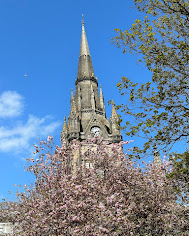
St. Nicholas Church in Aberdeen. The couple had four sons and two daughters before Margaret died around 1685. He had later married Faith Leith in 1686 and they had made the decision to move their family to the New World.
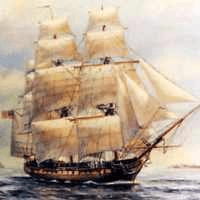
Now he and his family were on a ship owned by Charles Dun. (It is probable that James had used his influence and that of a relative, Alexander, a commissioner to Parliament, to secure for his son’s appointments to the Colony of Virginia.) Once in Virginia, James had acquired two patents of land, one for 110 acres in 1701 and another for 40 acres in 1703 in newly opened Indian lands in
the Pamunkey Neck of the Pamunkey river in Northern Virginia. The land was known as Old Town. James set about clearing land and building a home for the family with the help of his strong sons. This was hard work, but the family was adventurous and eager to make a grand life here in this land of opportunities. James died there in 1701 and his land went to his son John. John married Elizabeth Massie, daughter of Peter and Penelope Massie. They were descendants of adventurous prominent English families that joined the many royal families in crossing the ocean and making a new life in Virginia. Peter Massie was a man of means and had come to New Kent by November of 1670 because he had patented lands there. He probably married Penelope Ashley in England. The Name of Massie came from a family who had come from France with William the Conqueror and settled in the northwest in Cheshire, England. The family seat became Dunham Massey. They had become a very powerful family in that area. Over time, Peter’s branch had moved to Coddington, Cheshire near the coast along the River Mersey. Penelope was thought to be the illegitimate daughter of Sir Anthony Ashley Cooper who was prominent in the development of the Carolina colonies. He became a baron in 1661. He and several others were granted ownership of the Colonial Carolinas. He had fame for a while and became lord chancellor and president of the King’s privy council but was deposed in 1679 and died shortly thereafter in Holland. Peter and Penelope’s daughter Elizabeth Massie married John Johnson before 1699 in New Kent County, Virginia. (There has been speculation that her name was Lucretia.) John and Elizabeth had a large family. One of their sons was James Massie Johnson who married Lucy Mildred Moorman. John and his brothers settled alongside each other in the portion of New Kent County that became Hanover County in 1721 in the St. Paul’s Parish. Over time, John and his wife became active Quakers in the Henrico Monthly Meeting. He and others of the higher class in the vicinity became Quaker Friends and built up the Camp Creek Monthly Meeting and the congregations which composed it. He was appointed overseer of the meeting of Friends in that county. In 1736 a selective meeting called Cedar Creek, was set up near Montpelier Hanover County, Virginia with John as a delegate member. He and his wife moved to Campbell County in 1766, and this is where they died. They became known as trustworthy and good members of the congregation. THERE ARE THOSE WHO SAY THAT JOHN JOHNSON’S WIFE WAS NAMED LUCRETIA MASSIE INSTEAD OF ELIZABETH MASSIE. IT SEEMS THERE NEEDS TO BE MORE RESEARCH. James and Margaret Alexander Johnston are the parents of John Johnson who married Elizabeth Massie and they are the parents of James Johnson who married Rebekah Elizabeth Martin and they are the parents of Martin Johnson who married Sarah Coombs and they are the parents of William M Johnson who married Mary “Polly” Logue Johnson and they are the parents of James Calvin Johnson who married Elizabeth Dyer and they are the parents of Sarah “Sallie” Johnson McClure who married James Patrick McClure and they are the parents of Elizabeth McClure who married William Sullivan Clemons or Willie, and they are the parents of Bertha Mae Clemons Lindsey who married John Isaac Lindsey Jr. and they are the parents of Valous Rhe, Lindsey, John William “Bill” Lindsey, Vinnie Vaylene Lindsey Roberts, Willard Leon “Purt” Lindsey, Veda Carrie Lindsey Dew, Mary Elizabeth Lindsey Burton, James Delmos Lindsey, and Rebecca Ann Lindsey Wallace. Sources: Family Search John Johnston K2YH-79D Family Search James Johnston LXSK-JNW Descendants of Stephen de Johnstone http://freepages.rootsweb.com/~genealogyquest/genealogy/j ohnston-e.htm Johnstons ~ The Johns(t)ons from Caskieben to Missouri by Randy McConnell https://christiancomogenealogy.org/index.php/family-histories-2/item/20-johnstons-the-johnstons-from-caskieben-to-missouri
Life Summary of Faith Leigh
When Faith Leith was born in 1656, in Kirkton of Rayne, Aberdeenshire, Scotland, her father, John Laith of Bucharne and New Leslie, was 51 and her mother, Margery Forbes, was 93.
She died on 6 September 1702, in King William, Virginia, United States, at the age of 46.
Her daughter was Elizabeth Johnson
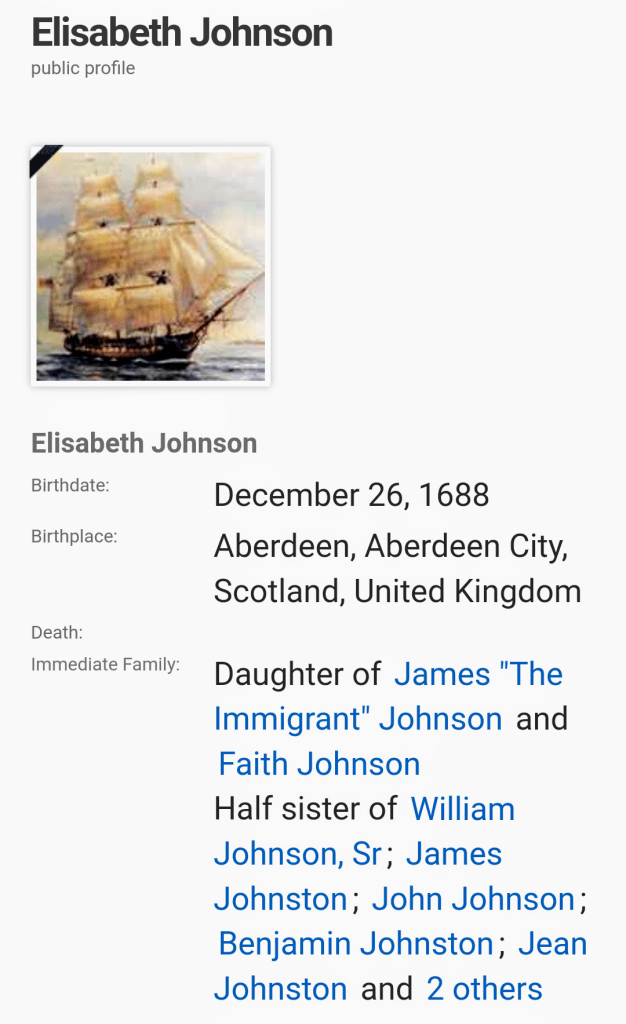
Elizabeth “Eliza” Johnston 1688-1738
Daughter of Faith Leith
Mary Tribble 1696-1775
Daughter of Elizabeth “Eliza” Johnston
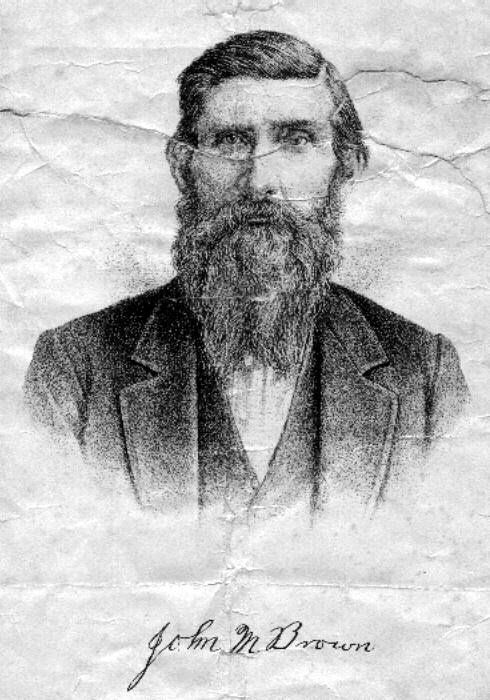
John C Brown 1721-1780
Son of Mary Tribble
John Dunlap Brown 1759-1834
Son of John C Brown
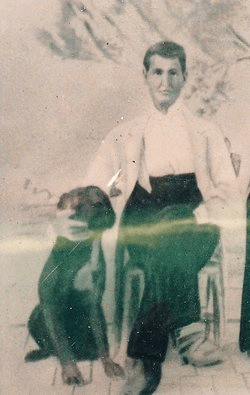
Nimrod Doggett Brown 1796-1878
Son of John Dunlap Brown
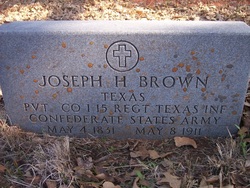
Joseph Hansbrough “Joe” Brown 1831-1911
Son of Nimrod Doggett Brown
Michael ‘Mike’ Brown 1855-1915
Son of Joseph Hansbrough “Joe” Brown
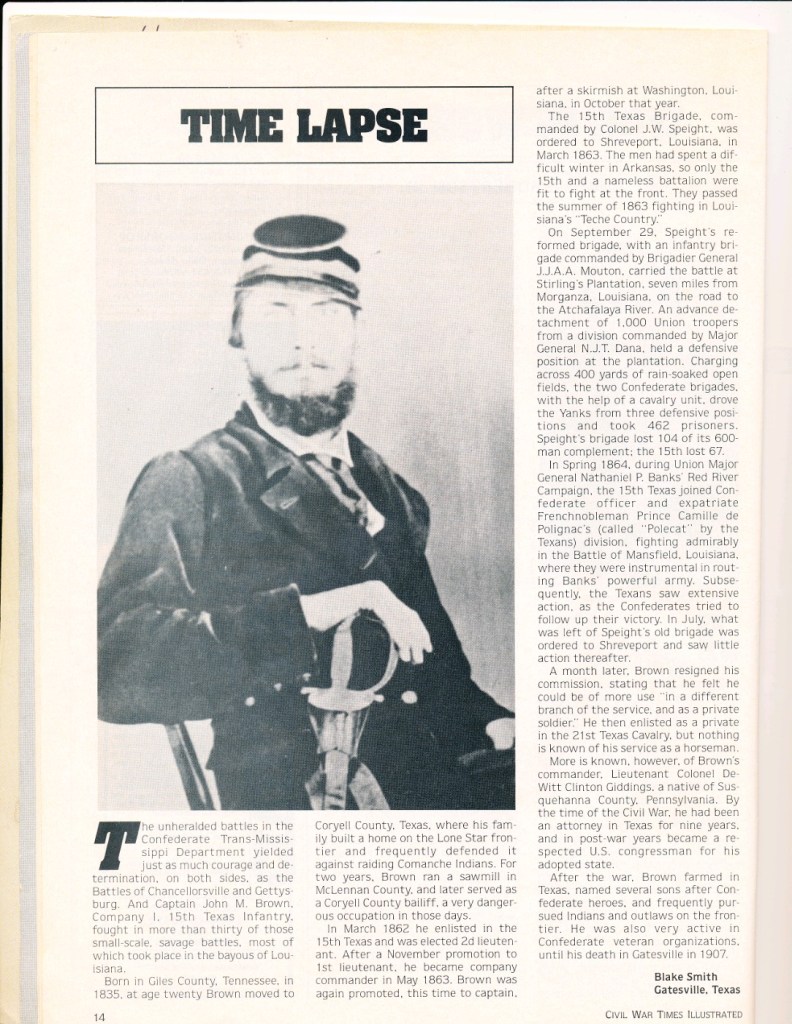
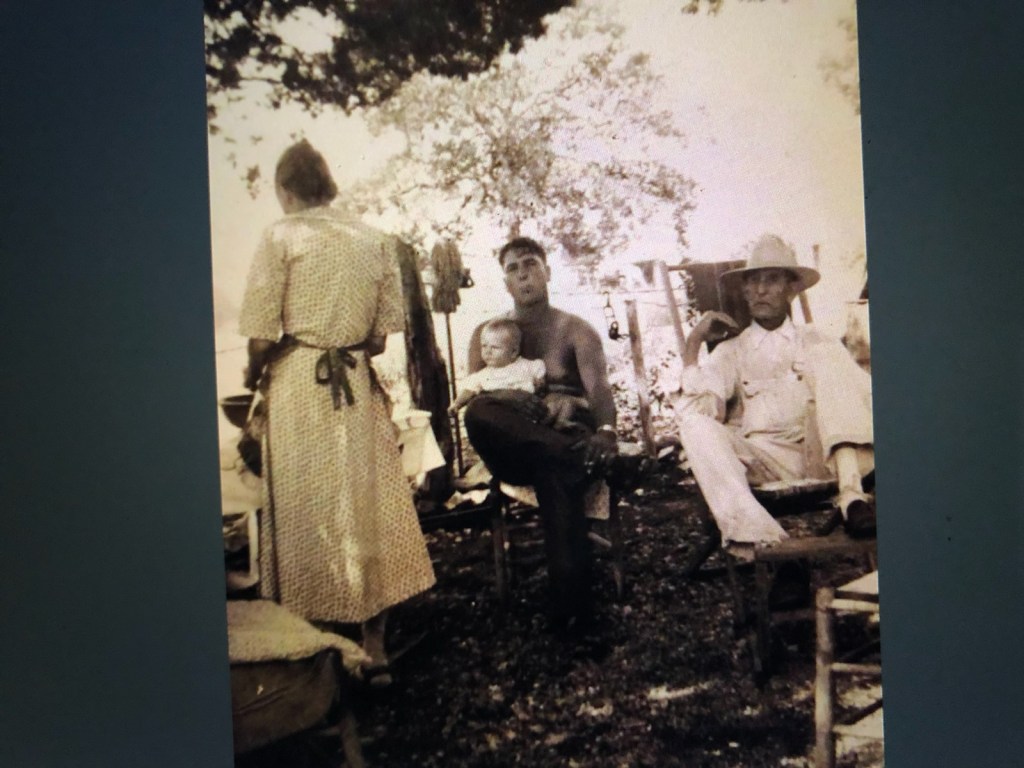
Franklin Jeremiah Brown 1889-1937
Son of Michael ‘Mike’ Brown
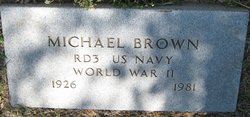
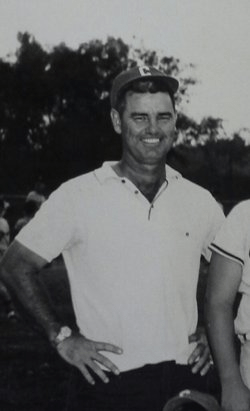
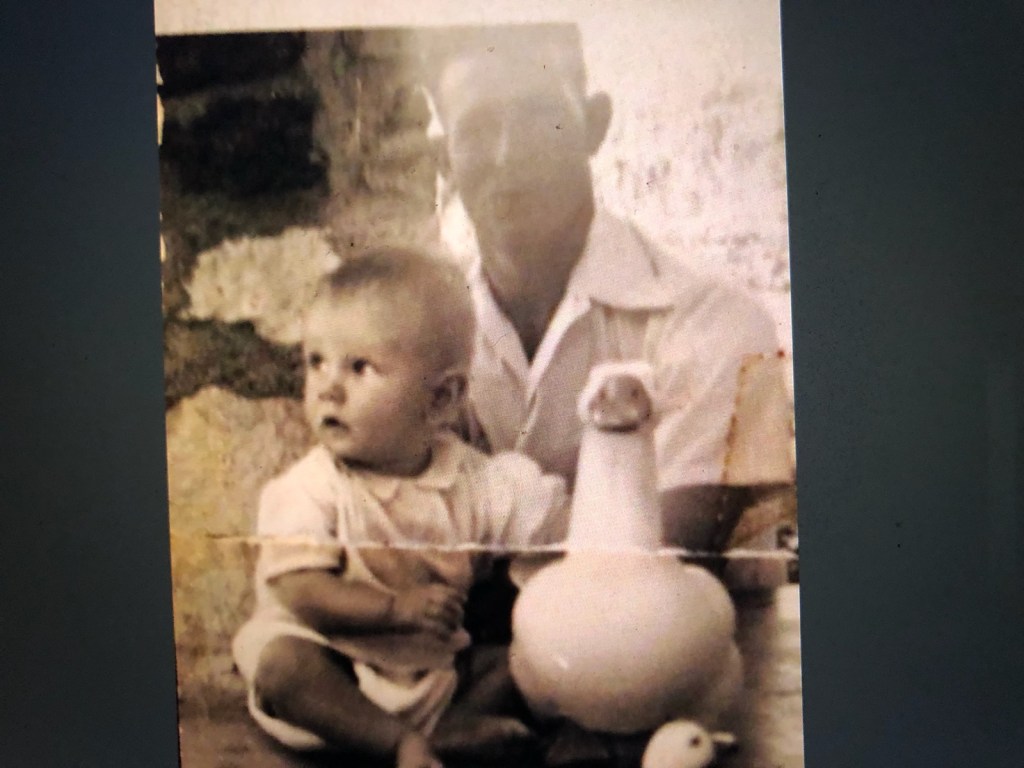
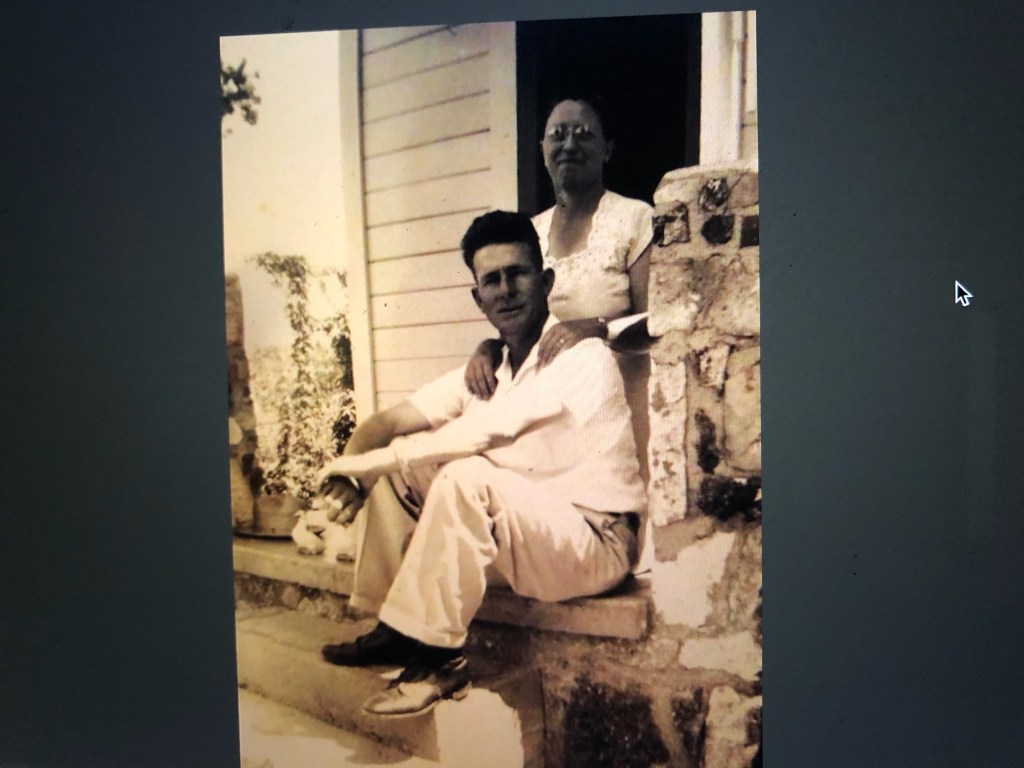
Michael Brown 1926-1981
Son of Franklin Jeremiah Brown
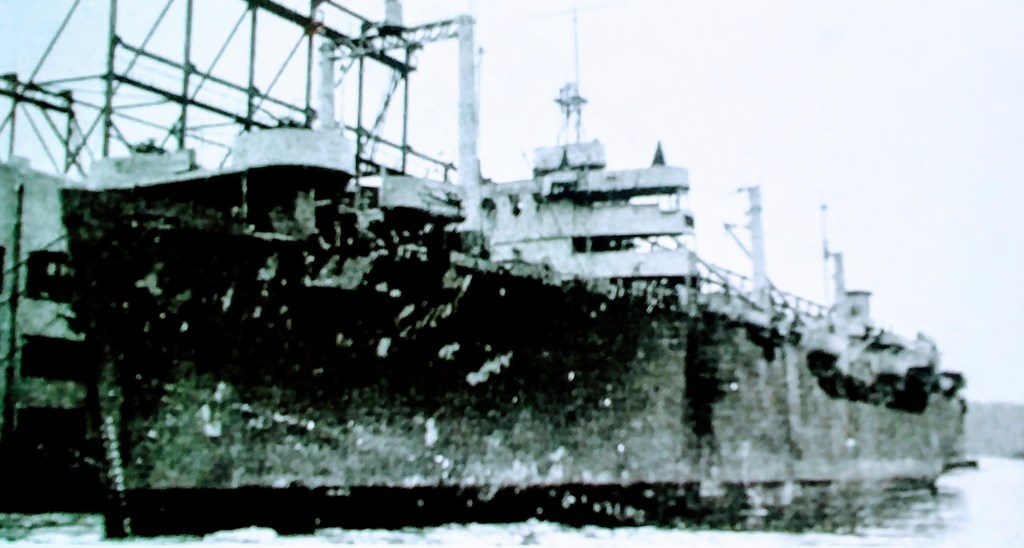
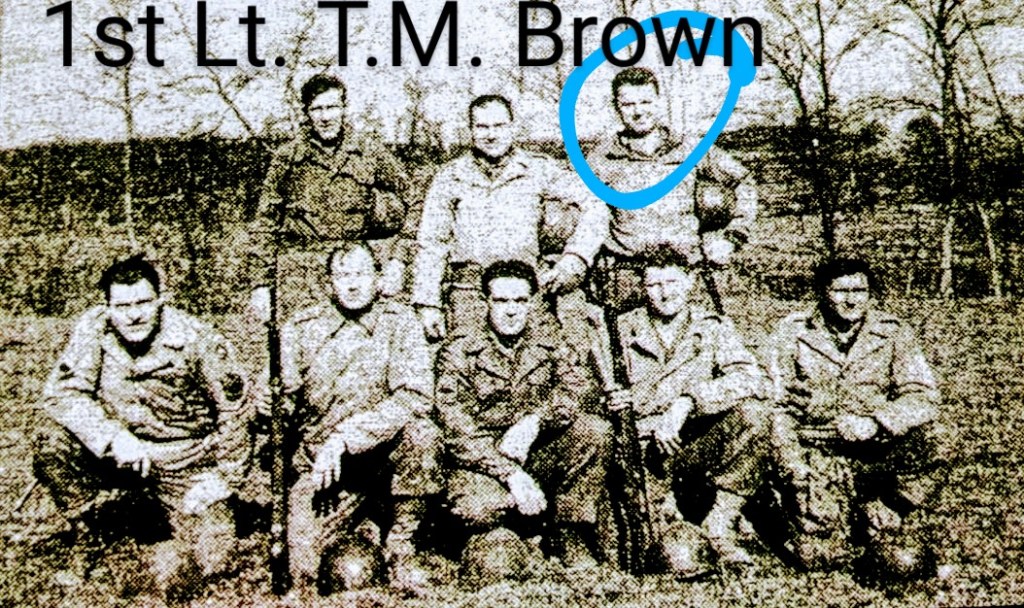
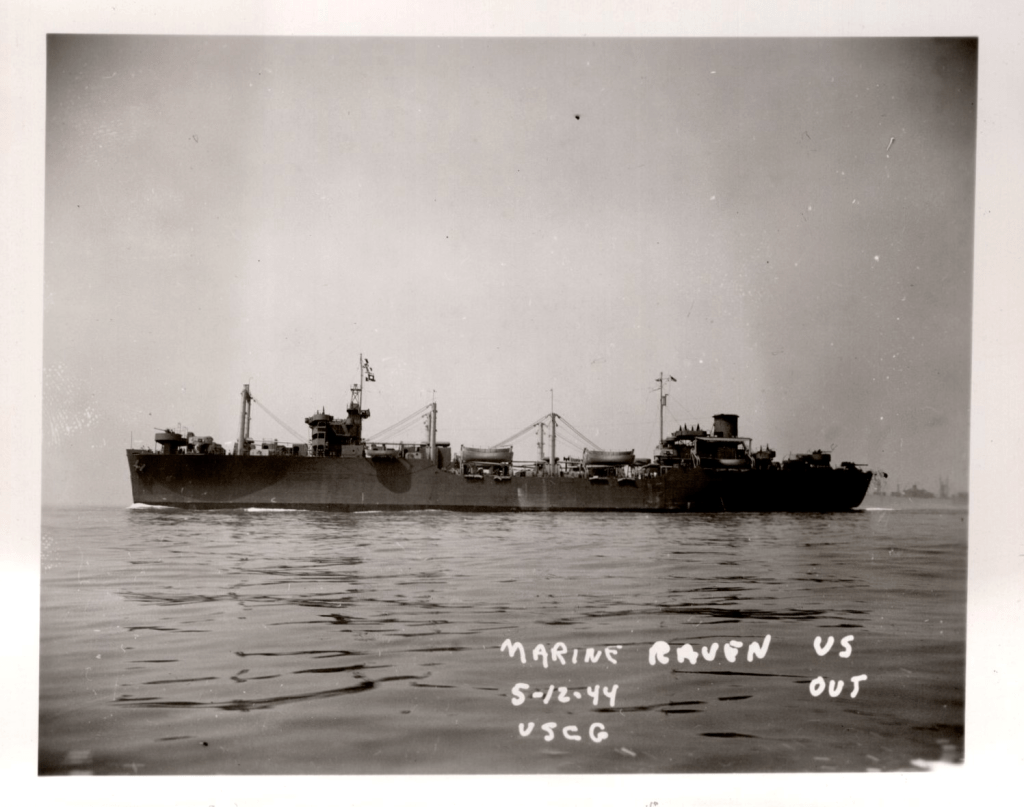
Michael “Mike” Brown served in WW-II on the Troopship SS MARINE RAVEN
https://goinnorth.org/items/show/152
SUN SHIPYARD LAUNCHES SECOND VESSEL BUILT BY ALL COLORED LABOR

James Brown 1954-
Son of Michael Brown
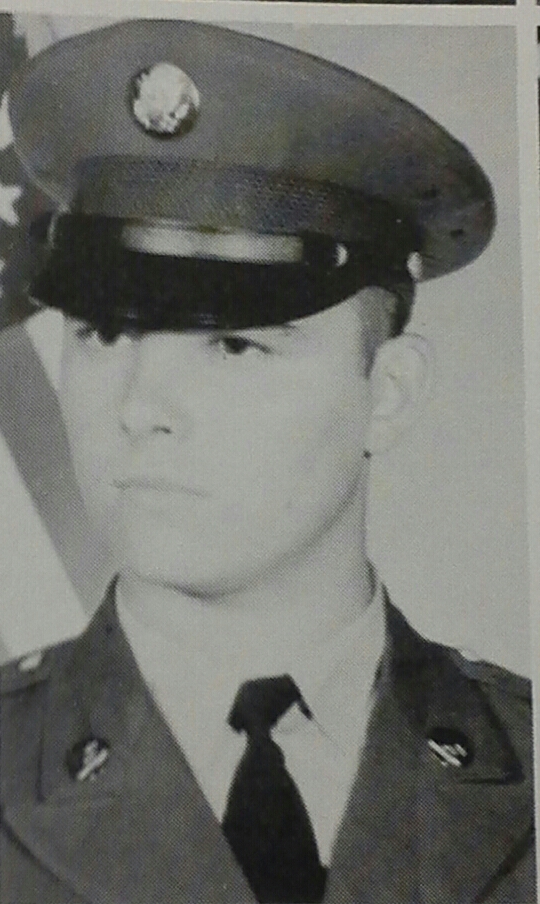
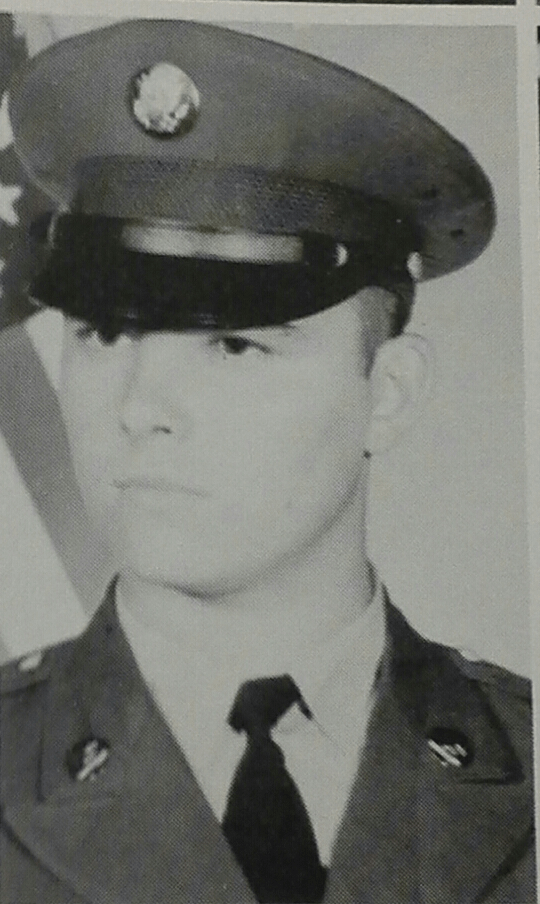
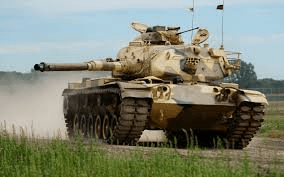
He was a Gunner on a M60 Tank Overseas in South Korea, Camp Casey in the United States Army and First Cav. Fort Hood, Texas
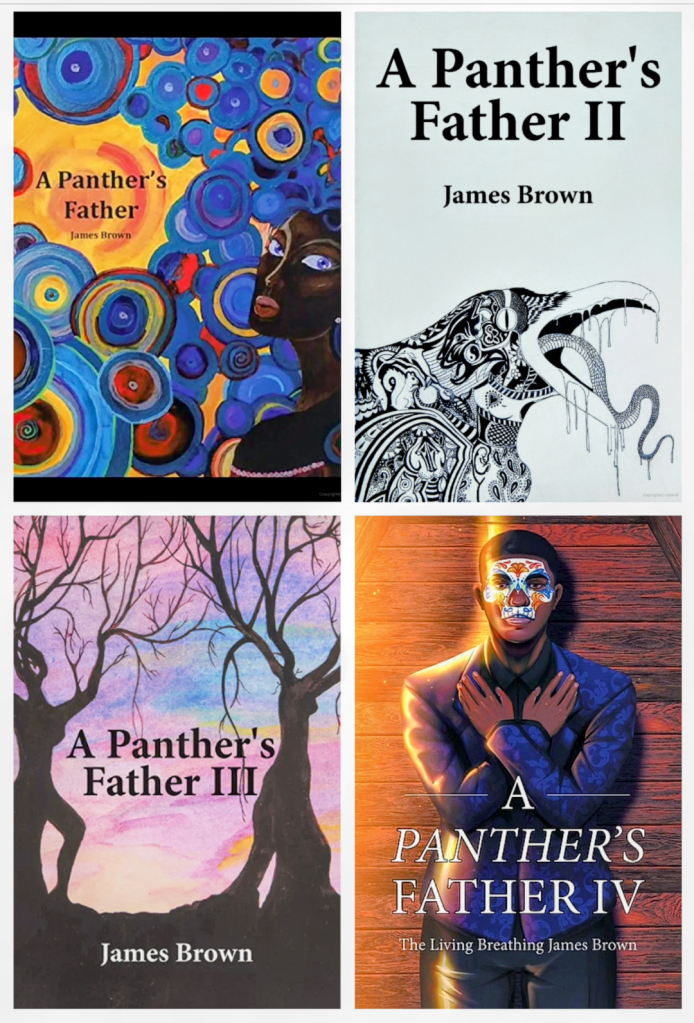
James Brown known for his pen name The Living Breathing James Brown, an author of A PANTHER’S FATHER Book Series
Mr. Brown also Retired as a Texas Prison Guard having worked at four different Texas Prisons-Ellis, Wynne, Luther, and Hamilton Units (1978-2019)
James Brown 1954-
Son of Michael Brown
Jessica Brown
Daughter of James Brown
Brandon Brown
Son of James Brown
Jennifer Brown
Daughter of James Brown
Ayden Brown
Son of Brandon Brown
From Man from Scotland traced our Heritage for us…
DNA tool turned our Ancestry Route to a completely different route not previously observed. And the names of all the wives add up exactly in our Family line showing a Scottish Heritage for Our Family. And my wife loved Outlander and until recently. I never knew. Lol
https://www.geni.com/people/James-The-Immigrant-Johnson/6000000007191834406
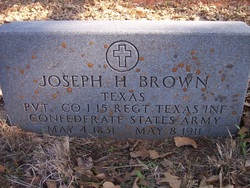
https://en.m.wikipedia.org/wiki/15th_Texas_Infantry_Regiment
The 15th Texas Infantry Regiment was a unit of volunteers recruited in Texas that fought in the Confederate States Army during the American Civil War. The regiment organized in early 1862 and throughout the war served west of the Mississippi River in the Trans-Mississippi Department. In October 1863, the unit was assigned to a brigade led by the French aristocrat Prince Camille de Polignac. The 15th Texas Infantry fought at Stirling’s Plantation and Bayou Bourbeux in 1863 and Mansfield, Pleasant Hill, and Yellow Bayou in 1864. The regiment disbanded in May 1865, though the formal surrender date was 26 May 1865.
| 15th Texas Infantry Regiment | |
|---|---|
| The regiment fought at the Battle of Bayou Bourbeux. | |
| Active | Early 1862 – 26 May 1865 |
| Country |  Confederate States of America Confederate States of America |
| Allegiance | Confederate States of America,  Texas Texas |
| Branch |  Confederate States Army Confederate States Army |
| Type | Infantry |
| Size | Regiment |
| Engagements | American Civil WarBattle of Stirling’s Plantation (1863)Battle of Bayou Bourbeux (1863)Battle of Mansfield (1864)Battle of Pleasant Hill (1864)Battle of Yellow Bayou (1864) |
| Commanders | |
| Notable commanders | Joseph Warren Speight |
https://en.m.wikipedia.org/wiki/Battle_of_Stirling%27s_Plantation
https://en.m.wikipedia.org/wiki/Battle_of_Bayou_Bourbeux
https://en.m.wikipedia.org/wiki/Battle_of_Mansfield
https://en.m.wikipedia.org/wiki/Battle_of_Pleasant_Hill
https://en.m.wikipedia.org/wiki/Battle_of_Yellow_Bayou
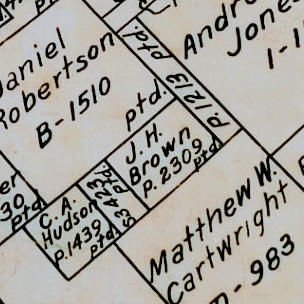
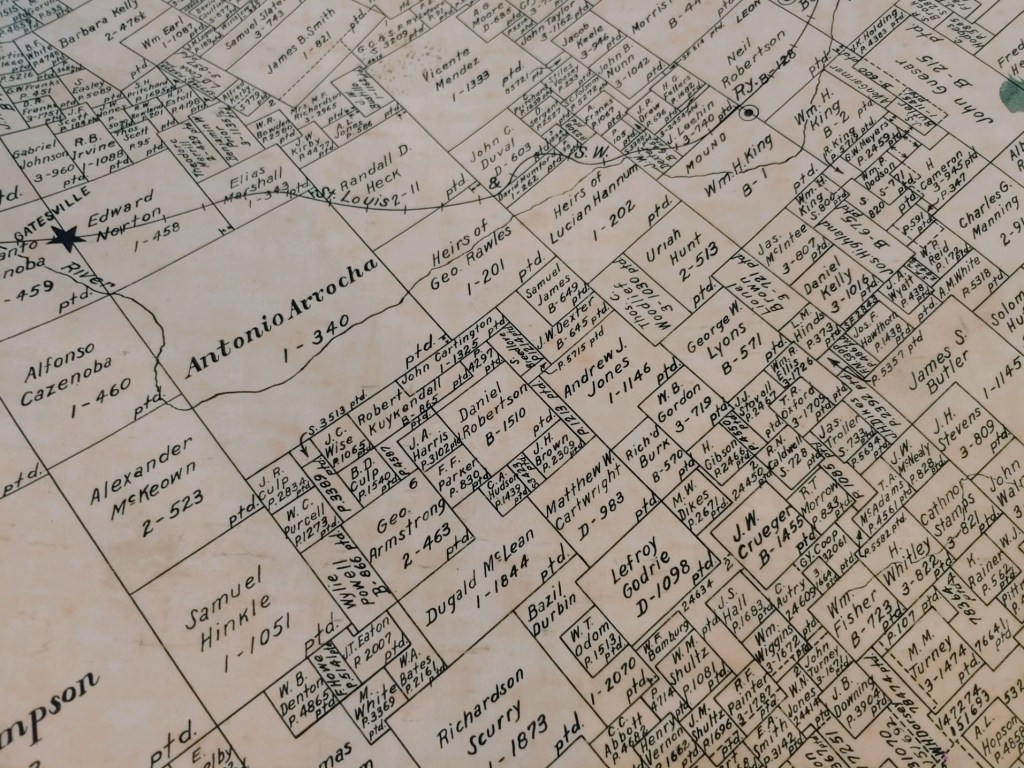
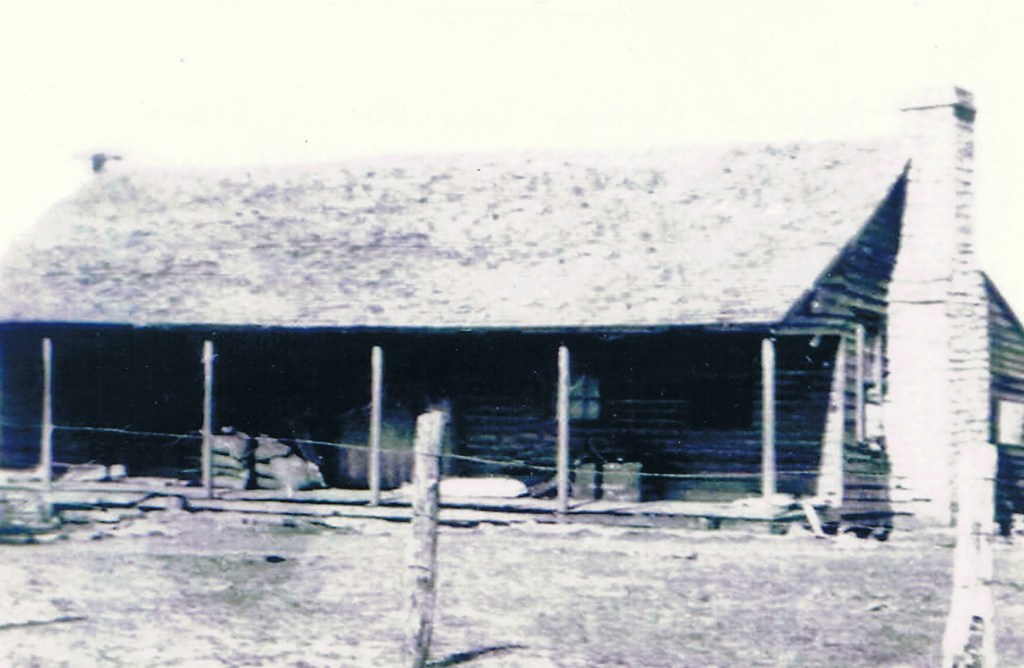
Above is His Homestead on what became Camp Hood and then FORT HOOD.
People were a whole lot not Happy with having to get off their Lands, but if they didn’t do that, they were accused of being Traitors or Treasonous to the United States of America. Deep seeded Hate for this was instilled in many generations after people got run off their homesteads to make Land for the Fort Hood Lands and they aren’t Happy in any way and then they Stole the Name of the Fort that was the only healing thing done towards these pissed off Landowners who mostly fought in the Civil War. Cowardly Men Stole “Hood” and name changed it making it a Mexican Fort. (smh)
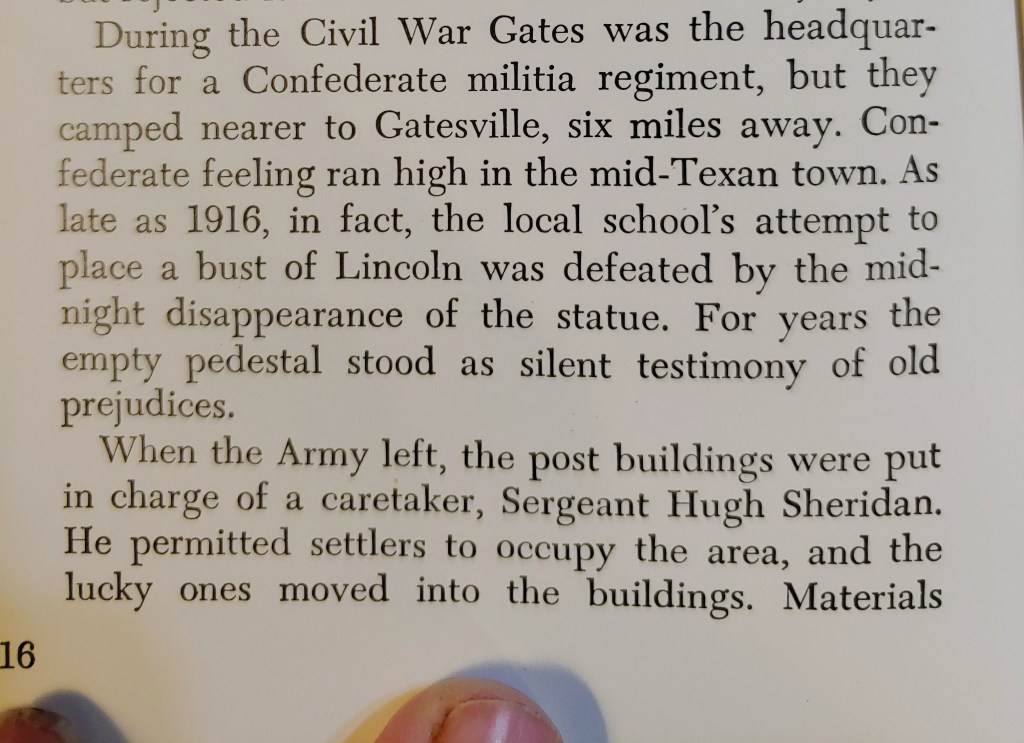
An exert from the Book, OLD FORTS OF THE FAR WEST by Herbert M. Hart. Above is discussion of Fort Gates in Texas
I saw how pissed off my uncles and aunts and others were. We visited those Old farms all the Time while We were growing up. But my Uncles and Father and grandfather and aunt fought in WW-II, in uncle and two cousins in Vietnam War. I was in the Army but became an Era Veteran because I was never sent to Vietnam but Korea instead.
Maybe you need to read the full story about it-
But many won’t join the Armed Forces today because of why? 20 years of Never Ending Wars just like Vietnam in many ways leaves a Sting. Politician Wars. We won’t forget…
 thelivingbreathingjamesbrown.com

You must be logged in to post a comment.