

Easter is a Christian holiday that commemorates the resurrection of Jesus Christ from the dead. It is celebrated on the first Sunday after the first full moon following the vernal equinox, which falls between March 22 and April 25 each year. In addition to its religious significance, Easter has also become associated with the arrival of spring and is celebrated with various traditions and symbols, such as Easter eggs, bunnies, and baskets filled with candy and treats.
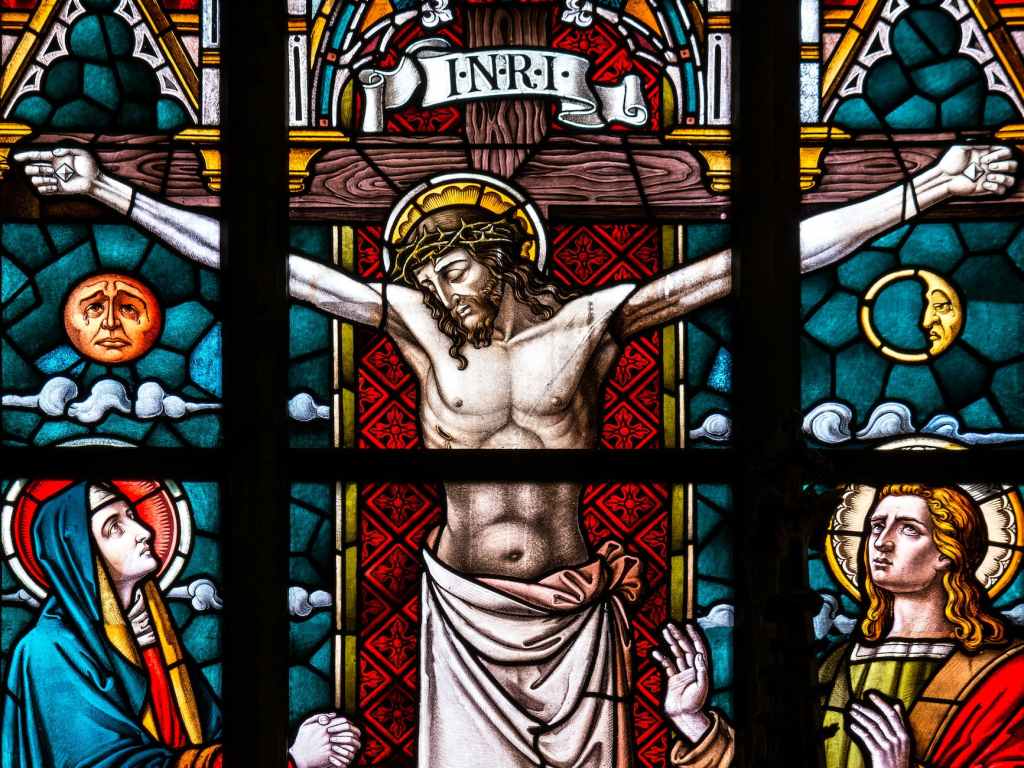
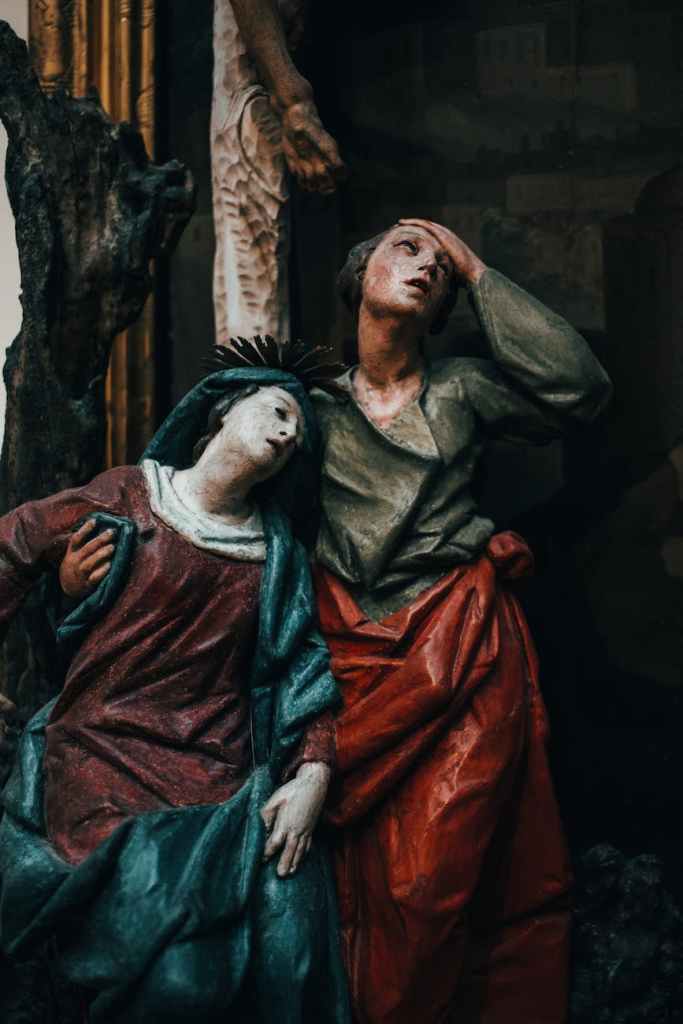
The Crucifixion of Jesus is an event in history that is believed to have occurred around 30 AD. According to the Bible, Jesus was crucified by the Romans under the orders of Pontius Pilate, the governor of Judea at the time. The reasons for Jesus’ crucifixion are both religious and political in nature.
Religiously, the Jewish leaders believed Jesus was a false prophet who claimed to be the Messiah, and they saw his teachings as a threat to their authority and the traditional Jewish faith. Politically, the Romans viewed Jesus as a potential revolutionary who could threaten their control over the region. His teachings of peace and love were in direct opposition to the Roman Empire’s values of power and domination.
Ultimately, the crucifixion of Jesus played a significant role in the development of Christian theology and the spread of Christianity throughout the world. The belief that Jesus died for the sins of humanity is a central tenet of Christian belief.
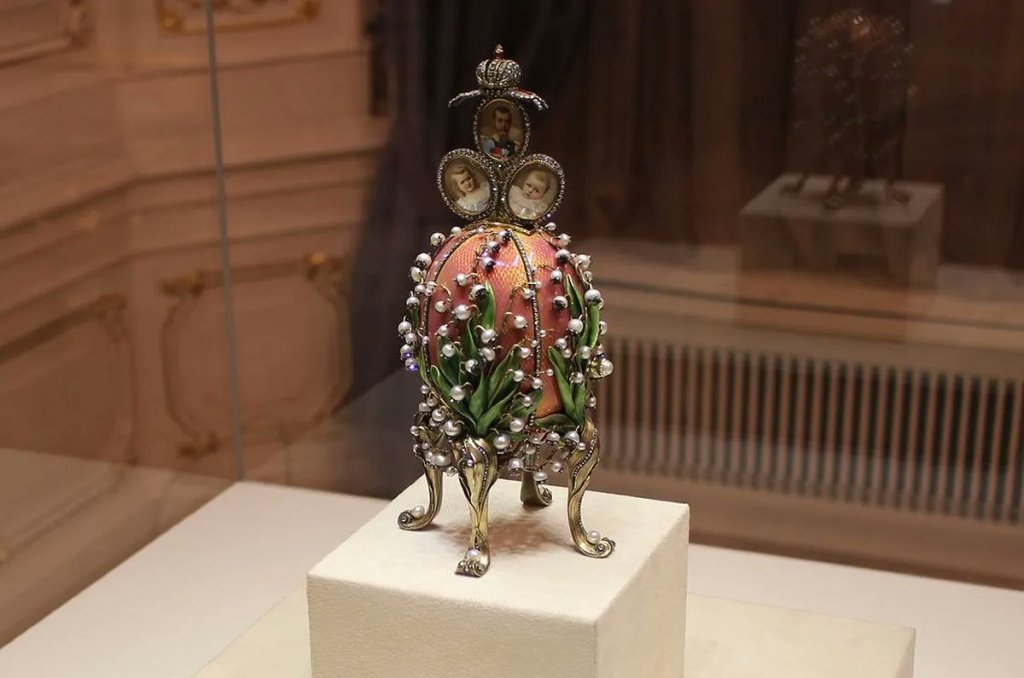
In April 1898—125 years ago this month—Emperor Nicholas II of Russia celebrated Orthodox Easter by presenting his wife, Empress Alexandra Feodorovna, with a beautiful bejeweled Easter egg.
Orthodox Easter, also known as Pascha, is a Christian holiday that celebrates the resurrection of Jesus Christ. It is observed by many Orthodox Christians on a different date than Western Christians, as it is based on the Julian calendar rather than the Gregorian calendar. In 2023, Orthodox Easter falls on Sunday, April 16th.
While there are certainly theological and cultural differences between Orthodox Christians and Western Christians, it is fair to say that there is often goodwill and cooperation between the two groups. For example, in many parts of the world, such as the United States and Canada, Orthodox and Western Christians often work together on charitable and social justice initiatives, such as feeding the hungry or addressing homelessness. Likewise, there are occasions when Orthodox and Western Christians come together for worship services or other events, showing that they are indeed friendly with one another. Overall, while there may be some differences between the two communities, it is important to remember that they both share a commitment to following Jesus Christ, and that can be a powerful basis for mutual respect and cooperation.
May your Easter be a blessed event. And happiness and joy and forgiveness enter you like the Love of Christ is with you always.




 thelivingbreathingjamesbrown.com
You must be logged in to post a comment.