
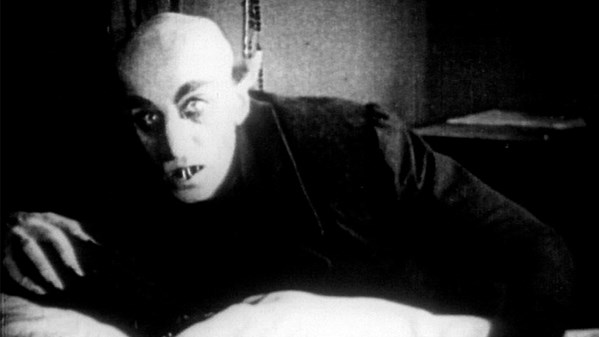
Nosferatu (1922)

The grandfather of all vampire movies. F.W. Murnau’s direction and use of light and shadow makes the film creepy to this day.
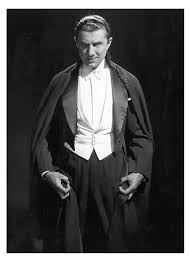
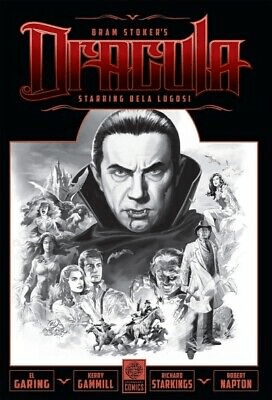
Dracula (1931)
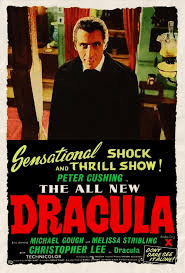
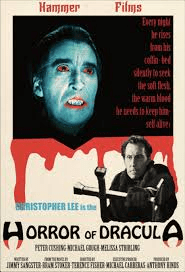
1958!
And 6000 other movies with Vampires followed.
The belief in vampires has been present in various cultures around the world for centuries. It’s challenging to pinpoint precisely where it originated, as it appears in folklore from different regions with varying interpretations. However, some of the most significant early literary works that contributed to the development of the vampire legend originated in eastern Europe. In this essay, we will explore the origins and evolution of the vampire myth to gain a better understanding of this haunting legend.
The word vampire comes from the Slavic word “vampir,” which means “to drink.” The first vampire-like creatures appear in ancient Mesopotamian mythology. The legend of Lilith, the first wife of Adam, dates back to the Jewish mythology of the 8th – 10th centuries BCE. She was believed to be a blood-drinking demoness and the mother of all vampires. The Ancient Greeks, also had legends of creatures that drank human blood, such as the Empusa that would seduce young men in order to drink their bloodThe belief in vampires is one of the most fascinating and well-known supernatural phenomena throughout history. It has captured the imagination of people from all around the world and all walks of life. From Transylvania to New Orleans, people have been telling stories of blood-sucking monsters that prey on the living for centuries. But where did this belief come from, and when did it start?
One of the oldest references to the vampire myth can be found in ancient Mesopotamia, where there were stories of demons or spirits that would drink the blood of living humans. In Greece, there were tales of a creature known as the Empusa, which was said to seduce young men in order to drink their blood. Similarly, in Roman mythology, there were stories of a creature called the stryx, which was said to have a thirst for blood.
However, the modern idea of vampires as undead beings that rise from their graves to prey on the living really took hold in Europe during the medieval period. The fearand fascination with vampires can be traced back to ancient civilizations such as the Sumerians and Egyptians who believed in demons and blood-sucking creatures. However, it was during the medieval period that belief in vampires really took hold in Europe. This belief was fueled by widespread superstition, fear of the unknown, and a lack of medical understanding.
In medieval Europe, people often attributed deaths to supernatural causes. Many believed that if a person died a sudden or violent death, they would return as a vampire. This belief was reinforced by the lack of understanding of how diseases spread, and the fact that bodies buried in shallow graves could appear to be emerging from the ground.
The concept of vampires as we know them today can be traced back to Eastern European folklore. In these stories, vampires were often depicted as undead beings that preyed on the living, sucking their blood to prolong their own lives. These tales were often used to explain unexplained deaths, plagues or other epidemics, and the superstitions surroundingvampires have been present in various cultures for centuries. The belief in vampires is thought to have originated in ancient folklore and mythology, but it has been most popularized in 18th and 19th century Gothic literature.
The concept of vampires can be traced back to ancient cultures such as the Assyrians and Babylonians, who believed in demonic entities that sucked blood from their victims. In ancient Greece, stories about Lamia, a female monster with vampiric tendencies, were common. In early Slavic folklore, the vampiric creatures were referred to as “upir” or “vampyr,” which translates to “one who drinks”.
It wasn’t until the 18th century that the vampire came into its own in popular culture when Bram Stoker’s novel “Dracula” was published, which followed the story of a vampire from Transylvania who traveled to England to spread his curse. Stoker’s depiction of the vampire was modeled off several prior depictions, including theThe belief in vampires can be traced back to ancient civilizations, including ancient Greece and Rome. However, the modern-day image of a vampire as a blood-sucking immortal creature with fangs and aversion to sunlight can be credited to the Eastern European folklore of the 18th and 19th centuries.

The word “vampire” is believed to have originated from the Serbian word “vampir,” which then spread to other Slavic languages. The first written accounts of vampires come from early Serbian and Bulgarian folklore in the form of burial rituals and stories of reanimated corpses that would come back to life and attack villagers.
The belief in vampires became more widespread in the 18th century, with reports of vampire sightings and attacks in Eastern European villages becoming common. The Austrian Empress Maria Theresa even took action by issuing laws to prevent the spread of vampirism.
It wasn’t until the publication of John Polidori’s “The Vampyre” in 1819 that the vampire mythbecame a popular literary and cultural phenomenon. However, the concept of creatures with vampiric traits has been present in various forms in cultures around the world for centuries.
In ancient Mesopotamia, the demon Lilitu was depicted as a blood-drinking demon. Ancient Greek mythology featured similar creatures, such as Lamia and Empusa, who consumed the blood or flesh of humans. These myths were also present in ancient Persian and Indian cultures, where the creatures were referred to as a “vampire-like demon” and “Rakshasa,” respectively.
The modern concept of the vampire as an undead creature emerged in Europe in the Middle Ages, particularly in Eastern European folklore. In these stories, vampires were typically depicted as either reanimated corpses or living human beings with an insatiable thirst for blood. Some folklore suggested that vampires could be created by being bitten by one or being born under certain conditions.
The belief in vampires was fueled by superstition and fear, often leading to hysteriaThe legend of vampires has been around for centuries and has captured the imagination of people throughout the world. While there is no concrete evidence to support the existence of these mythical creatures, the belief in them has persisted throughout history. The origins of the vampire mythos can be traced back to ancient civilizations, such as the Babylonians and Assyrians, who had tales of blood-drinking demons.
However, it wasn’t until the Middle Ages and the Renaissance era that the belief in vampires truly began to take hold in Europe. This was a time of great upheaval and uncertainty, marked by war, famine, and disease. As people struggled to make sense of these hardships, supernatural explanations emerged.
One of the earliest accounts of vampires comes from the Slavic region of Eastern Europe, where tales of the “Upir” emerged. These were creatures who were said to rise from the dead and attack the living to drink their blood. In the 17th and 18th centuries, these legends evolved into themodern-day vampire myth. Vampires are almost as old as civilization itself, with the first mentions of bloodsucking beings appearing in ancient folklore from Mesopotamia and ancient Greece.
One of the oldest recorded vampire-like creatures was the Lilith, a female demon from Jewish mythology who reportedly seduced men and fed on their blood. Later, in ancient Greece, there was the story of the Strigoi, creatures that rose from the dead at night to consume the blood of the living.
However, the modern-day vampire legend as we know it today started to take shape in the 17th and 18th centuries in Eastern Europe. Belief in vampires flourished in Romania and Serbia, where many people claimed to have seen or been attacked by vampires.
The word “vampire” first appeared in English in the early 1700s where it was defined as “a reanimated corpse that rises from the grave at night to suck the blood of the living.” In Eastern Europe,the vampire figure has been a staple of folklore and mythology for centuries. But where did this belief in vampires come from, and how did it develop?
The origins of the vampire myth are difficult to trace, as tales of supernatural beings that prey on humans have existed in many cultures throughout history. However, the modern depiction of vampires as pale, fanged creatures that sleep in coffins and feed on blood can be traced back to 18th-century Europe.
One of the earliest accounts of the vampire myth in Europe comes from Serbia, where stories of the “strigoi” or “living dead” have been told for centuries. These beings were said to be people who had died but had not been properly buried, or who had been cursed by a witch. They would rise from their graves at night and attack the living, draining their blood in order to regain strength and vitality.
In the 18th century, these stories caught the attention of Western scholars and travelers, who were fascinated by the conceptThe belief in vampires has been a part of human folklore for centuries. Stories of creatures who feed on the blood of the living have been passed down through generations, and their origins can be traced back to ancient cultures and civilizations.
One of the earliest accounts of vampire-like creatures comes from ancient Mesopotamia, where a demon named Lilitu was said to prey on young children and mothers. In ancient Greece, the Lamia was a female demon who was believed to feed on the blood and flesh of children. The Romans had a similar creature called the Strix, which was said to have a thirst for blood.
The belief in vampires really took off in Eastern Europe during the medieval period. In countries like Romania, Hungary, and Serbia, stories of creatures known as strigoi were widespread. These were believed to be the souls of the dead who had returned to the earth to feed on the blood of the living.
The origin of the vampire legend as we know it today is often attributed toEastern European folklore, particularly in countries such as Romania and Serbia. However, the concept of a blood-sucking entity has existed in various cultures since ancient times. The ancient Greeks had the tale of the Lamia, a woman who transformed into a creature that preyed on children, while the Jewish demon Lilith was said to feast on the blood of infants. The Mesopotamian goddess Lamashtu was also believed to drink the blood of children.
Despite these different tales, the concept of the vampire as we know it today originated in Eastern Europe in the 17th and 18th centuries. During this time, superstitions and belief in the supernatural were widespread, and people were often fearful of threats that could come from both the living and the dead.
One of the earliest known tales of a vampire dates back to the 1700s, in the small town of Kisilova in Serbia. It is said that several people died mysteriously, and the villagers believed the cause wasa vampire. This led to the emergence of various myths and legends, as well as the belief in vampires. The origin of vampire folklore is a topic of much debate among historians and folklorists. Some argue that the concept of vampires originated in ancient Mesopotamia, while others attribute its origins to ancient Greek mythology.
One of the earliest written accounts of vampirism can be traced back to ancient Babylonian and Assyrian folklore, where the goddess Lilith was described as a blood-drinking demoness who preyed on men and newborn babies. This tale was later incorporated into Jewish folklore and became an integral part of vampire mythology.
However, the modern-day belief in vampires is largely attributed to Eastern European folklore, particularly in countries like Romania, Serbia, and Hungary. The word “vampire” itself has its roots in the Serbian word “vampir,” which koomeans “a revenant that feeds on blood.”
In the 18th century, the belief in vampires became widespread in EuropeThe belief in vampires, the legendary creatures reputed to feed on the blood of the living, has a long and complex history. Vampires have been a subject of folklore and superstition for centuries and every culture seems to have at least one version of vampire myths.
It’s difficult to track the exact origin of the vampire legend, but it is generally believed that vampires are rooted in ancient folklore and mythology. The first recorded account of a vampire-like creature was in the Epic of Gilgamesh, a poem written in ancient Mesopotamia over 4,000 years ago, which described the existence of a creature who ate human flesh and drank human blood.
In the 12th century, stories of vampires began circulating in Eastern Europe, especially in Serbia and Bulgaria. It was believed that these mythical creatures were born when an animal or a human died with unresolved problems or unfulfilled desires. Such beliefs implied that if one was not properly laid to rest or if someone dies an unnatural death, theymay become a vampire. Beliefs in vampires have been around for centuries and have been documented in many societies around the world. In this essay, we will explore the origins of the belief in vampires and how it evolved over time.
The origins of the vampire legend can be traced back to ancient civilizations such as the Babylonians, Assyrians, and Egyptians, who believed in blood-sucking spirits or demons. The Greeks and Romans also had similar beliefs, and stories about these creatures were often included in their literature. In fact, the word vampire itself has its origins in the Greek word “vampyr,” meaning “to drink.”
One of the most famous early accounts of a vampire legend comes from Slavic folklore. In these stories, vampires were believed to be undead beings who had risen from the dead and fed on the blood of the living. They were said to be able to transform into animals, fly, and had superhuman strength. These legends became popular in Eastern Europe during the 18thcentury, and spread across the world through literature such as Bram Stoker’s “Dracula” and movies like “Interview with the Vampire.”
The origins of vampire beliefs are shrouded in mystery, with some historians suggesting they have roots in ancient mythology and folklore. In ancient Greece, there were tales of monsters with sharp fangs who drank human blood, such as the Empusa and Lamia. Similarly, ancient Norse folklore had stories of undead creatures who drank blood, like the Draugr.
The modern vampire legend, however, is believed to have originated in Eastern Europe during the late 17th and early 18th centuries. At the time, many of the people in these countries were superstitious and believed in supernatural creatures like witches, demons, and vampires. The harsh living conditions of the time also contributed to this belief, as people were more likely to attribute mysterious deaths or illnesses to supernatural causes rather than medical ones.
One of the most famous cases of vampire hysteria occurred inEurope during the 18th century, where locals believed that corpses were rising from the dead to feed on the blood of the living. This belief was not limited to one particular region, as similar stories of vampire attacks were commonly reported from Austria, Germany, and even as far east as Romania.
But where did this belief in vampires come from, and when did it start? The origins of the vampire legend are complex and varied, with different cultures contributing their own unique beliefs and practices to the myth.
One of the earliest recorded mention of vampires comes from ancient Assyria, where a demon called Lilitu was said to attack pregnant women and their babies. The ancient Greeks also hakoid their own vampire-like creatures, such as the Lamia, who were believed to be seductive women with the ability to suck the blood of children.
The modern concept of a vampire, however, is typically associated with Eastern European folklore, particularly that of the Slavic people. The word “vampire” itself is believedto have originated from the Slavic word “upir,” meaning “one who drinks.” Legends of the undead drinking the blood of the living have been a part of many cultures throughout history, but it was the Slavic region that gave rise to the specific vampire myth as we know it today.
The belief in vampires can be traced back to ancient times. The fear of the undead has existed since prehistoric times, with evidence of vampire-like creatures appearing in the mythology of many cultures, such as the Babylonians and the Egyptians. However, it was not until the Middle Ages that the vampire became a distinct figure in folklore.
The origins of the vampire legend can be traced back to the superstitions and beliefs of the Slavic people. In these early days, it was believed that people who led evil or sinful lives would be doomed to walk the earth after death, preying on the living. These creatures were known as vampires, and they were feared and reviled by the people of the time.
The belief in vampires is a longstanding superstition that has gripped the imaginations of people for centuries. Vampires are typically portrayed as undead creatures that drink the blood of the living, and are often depicted as charismatic, dangerous, and seductive. While the precise origins of the vampire myth are difficult to trace, scholars have identified various historical and cultural factors that contributed to the development of this enduring legend.
One of the earliest recorded mentions of vampires can be found in the Babylonian epic poem “The Epic of Gilgamesh,” which dates back to the 18th century BCE. In this story, a goddess named Ishtar was said to have threatened to raise the dead from their graves to feast on the living if her advances were rejected. Later classical references to vampires can be found in ancient Greek and Roman mythology, where the creatures were often associated with dark magic and cursed lands.
The belief in vampires as we know them today emerged during the medieval period in Europe, where epidemics of diseaseand death were rampant. The belief in vampires is deeply rooted in ancient folklore and mythology, with various legends of blood-sucking creatures found in almost every culture around the world. The earliest recorded accounts of vampire-like beings come from ancient Greek and Roman mythology, where tales of revenants — undead beings who had returned from the afterlife — were common.
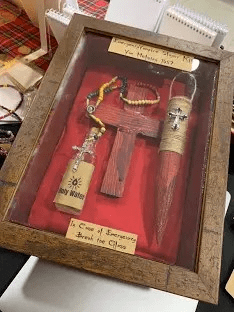
In Slavic mythology, tales of the strigoi — a type of vampire-like creature — have been traced back to the 9th century. These were said to be spirits of people who died unexpectedly and violently, seeking revenge on the living by drinking their blood. The strigoi were said to be able to transform into animals such as bats or wolves, and were known for their ability to fly.
The word “vampire” comes from the Slavic vampir, which means “corpse.” The modern vampire legend, however, began to take shape in the 18th century. The most famous vampire story is the novel “Dracula” by Bram Stoker, published in 1897, but the belief in vampires has existed for centuries.
The word vampire comes from the Serbian word “vampir,” which means “undead.” Legends of vampires could be found in many cultures throughout history, but the modern popular version of vampires that we are familiar with today was shaped in Europe during the Middle Ages. The vampire myth was born out of a mix of superstition, folklore and actual medical conditions.
Some scholars believe that vampire myths originated from the bubonic plague that swept through Europe in the 14th century. The disease caused symptoms like pale skin, bleeding from the nose and mouth, and a slowed heart rate – all of which could be mistaken for signs of vampirism. The plague also caused some corpses to bloat and give the illusion of having been drinking blood, leading people to believe that the dead were returning to life and feeding on the living.
Another possible explanation for the origin of vampires is the rare geneticdisorder called Porphyria. This disorder affects the production of heme in the body, which can lead to sensitivity to sunlight, paleness, and other symptoms that could have been interpreted as vampiric traits.
The belief in vampires can be traced back to ancient civilizations such as Egypt and Greece, where blood-drinking deities and demons were depicted in art and mythology. However, the modern concept of the vampire likely originated in Eastern Europe during the late Middle Ages and the early Renaissance.
One of the
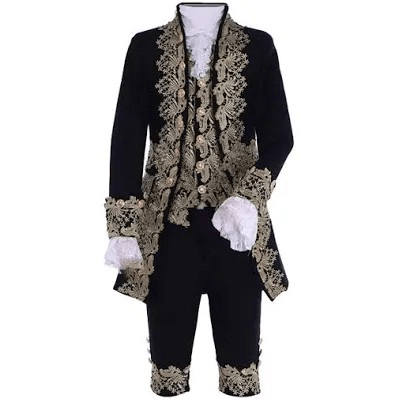
earliest recorded accounts of vampire-like creatures comes from Slavic folklore, where they were known as “strigoi” or “vrolok.” These creatures were typically portrayed as undead beings who returned from the grave to prey on the living. They were said to be able to transform into animals such as wolves or bats, and they were thought to be able to control the weather.
The spread of vampire lore throughout Europe can be attributed in part to the publication of a 18th-century Serbian textThe belief in vampires has been around for centuries, with roots in many cultures and folklore traditions. While the exact origins are difficult to pinpoint, the concept of vampires can be traced back to ancient civilizations such as Mesopotamia and Egypt. However, it was the publication of an 18th-century Serbian text that contributed significantly to the belief in vampires throughout Europe.
The text in question is the “Travels of Four Slaves” by Serbian author and traveller, Miloš Crnjanski. Within this text, Crnjanski describes his encounters with vampires, detailing their appearance, behavior, and the rituals associated with their defeat. He describes the vulnerability of vampires to garlic and the need for stakes through the heart to kill them, both of which have become common traits in vampire lore.
While Crnjanski’s text was not the first to mention vampires, it was widely circulated throughout Europe and became a source of inspiration for many authors and storytellers. This led to the proliferation ofvampire folklore and mythology throughout history.
The belief in vampires can be traced back to ancient civilizations such as the Babylonians, Assyrians, and Egyptians. These cultures believed in blood-drinking demons or spirits that fed on the life-force of humans. However, the most well-known stories of vampires come from Eastern Europe, particularly Romania and Hungary, during the Middle Ages.
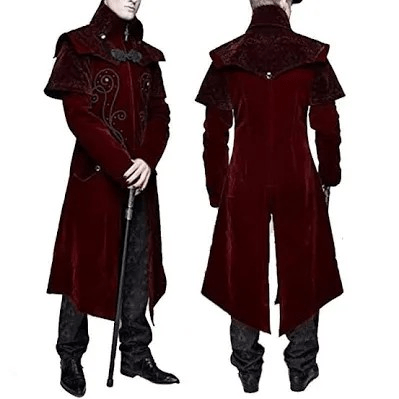
During this time, there was a widespread fear of the undead and a belief in the existence of vampires. This fear was fueled by superstitions and folklore that claimed that a person who died suddenly or without a proper burial could return from the dead and prey on the living. It was also believed that those who were born with physical abnormalities or deformities, such as a cleft palate or extra fingers, were likely to be a vampire. These individuals were often accused of being vampires and subjected to violence and persecution.
The first written record of a vampire comes from a Serbian legend in the early 18th century. The story of avampire is a bloodthirsty creature that preys on unsuspecting victims, draining them of their blood, and often causing death. The belief in vampires dates back to ancient times, and it has evolved over the centuries to become one of the most popular and enduring legends in modern times.
The origins of the belief in vampires are difficult to pinpoint, as many cultures have their own version of the vampire myth. However, it is generally accepted that the belief in vampires first originated in the East Slavic region of Europe. The Slavs had a strong oral tradition, and many of their legends were passed down through generations by word of mouth. The Slavs believed that certain individuals had the ability to come back from the dead, and these individuals were often feared and avoided by the living.
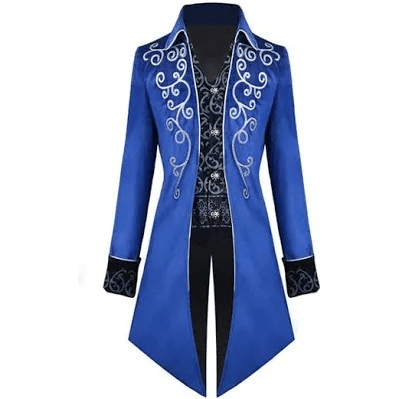
The vampire legend reached its peak in the 18th century, when vampire hysteria swept across Europe. Many people believed that vampires were real, and numerous accounts of vampire attacks were reported. In some cases, bodies were even exhumed and staked to prevent them from rising and feeding on the blood of the living. However, the modern-day belief in vampires as immortal, seductive, and blood-sucking creatures of fiction has its roots in the folklore of ancient cultures.
The word “vampire” itself comes from the Serbian “vampir” and has been a part of Balkan folklore for centuries. In these tales, vampires were said to be the reanimated corpses of those who had committed evil deeds in life or had been cursed by a witch. They had the ability to transform into bats, wolves, or mist, and would attack and drain the blood of their victims in order to attain eternal life.
The belief in vampires spread throughout Europe in the 18th century, with the publication of books such as The Vampire by John Polidori and Bram Stoker’s Dracula. These works depicted vampires as charismatic, sensual beings who seduced their prey and had supernatural powers.
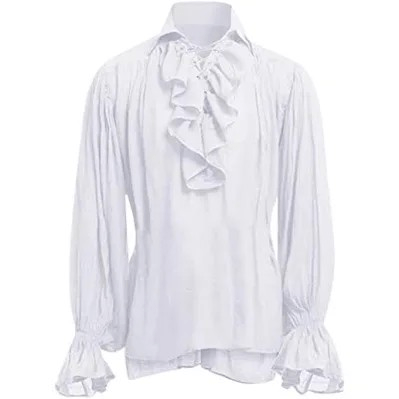
This romanticized view of vampires has been popularized in novels, movies, and TV shows in recent years. However, the origins of the belief in vampires are rooted in ancient folklore and superstition.
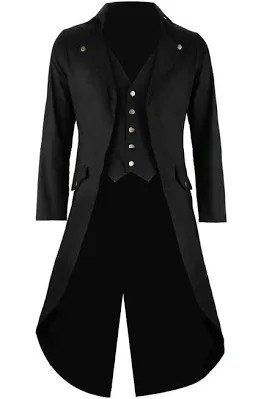
The concept of a blood-sucking creature is found in many cultures throughout history. One of the earliest examples dates back to ancient Babylon, where a demon called the ekimmu was believed to attack people in their sleep and drink their blood. In ancient Greece, the lamia was said to be a monstrous woman who devoured children and drank their blood.
However, it was in Eastern Europe, particularly in the Balkans, where the belief in vampires as we know them today began to take shape. In the 16th century, reports of vampire attacks began to circulate in the region. These attacks were attributed to the undead, who rose from their graves at night and preyed on the living. The attacks were often explained through natural causes, such as the spread of disease, but the belief in vampires persisted. The exact origins of the belief in vampires are unclear, but it is a myth that has transcended time and cultural boundaries. Vampires have been the subject of countless books, movies, and television shows. The word “vampire” comes from the Serbian “vampir,” which refers to an undead being that feeds on the blood of the living.
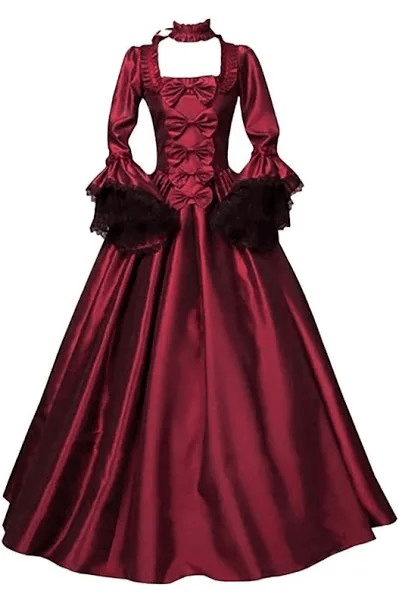
One of the earliest accounts of vampires dates back to ancient Assyria, where a demon called “Lilu” was believed to have the ability to turn into a vampire-like creature and attack sleeping people. Similarly, in Greek mythology, the Lamia was a monster who would feed on the blood of children. However, it was not until the Middle Ages that the belief in vampires evolved into the form we know today.
In medieval Europe, people believed that vampires were the undead who had risen from their graves to feed on the living. This belief was fueled by a lack of understanding of natural processes, such as the decomposition of corpses. Manyancient civilizations believed in the existence of supernatural beings, including vampires. The beliefs and practices associated with vampires have evolved throughout history and vary across cultures. The concept of vampires has been depicted in various forms of literature, films, and television shows, making it a fascinating subject for study.
The belief in vampires can be traced back several centuries to ancient civilizations such as the Mesopotamians, Assyrians, and Persians. These cultures believed that a demon, called a lilu, could possess a person’s mind and body and drain them of their life force. These beliefs were passed down through the centuries and evolved to include elements from other cultures such as the Greek and Roman mythologies.

The earliest written accounts and legends of vampires were from Eastern Europe, where many people believed in the existence of undead creatures. The word “vampire” itself derives from the Slavic word “upyr,” which means “one who rises.” The Slavic folklore depicted vampires as corpses that rose from the grave andfed on the blood of the living, often causing illness and death.
The belief in vampires is believed to have originated in Eastern Europe, particularly in regions such as Hungary, Serbia, and Romania. However, similar myths and legends regarding blood-sucking creatures can be found throughout various cultures worldwide. The vampire we know today has been shaped by a combination of various cultural influences, superstitions, and religious beliefs.
One theory is that the fear of vampires stemmed from public health concerns that arose during times of epidemics such as the Plague. People who fell ill were often seen as cursed or possessed and were shunned by their communities. In some cases, people who were buried during cholera outbreaks were later found to have scratch marks on the inside of their coffins, leading to the belief that they had “risen from the dead” and caused the spread of the disease.
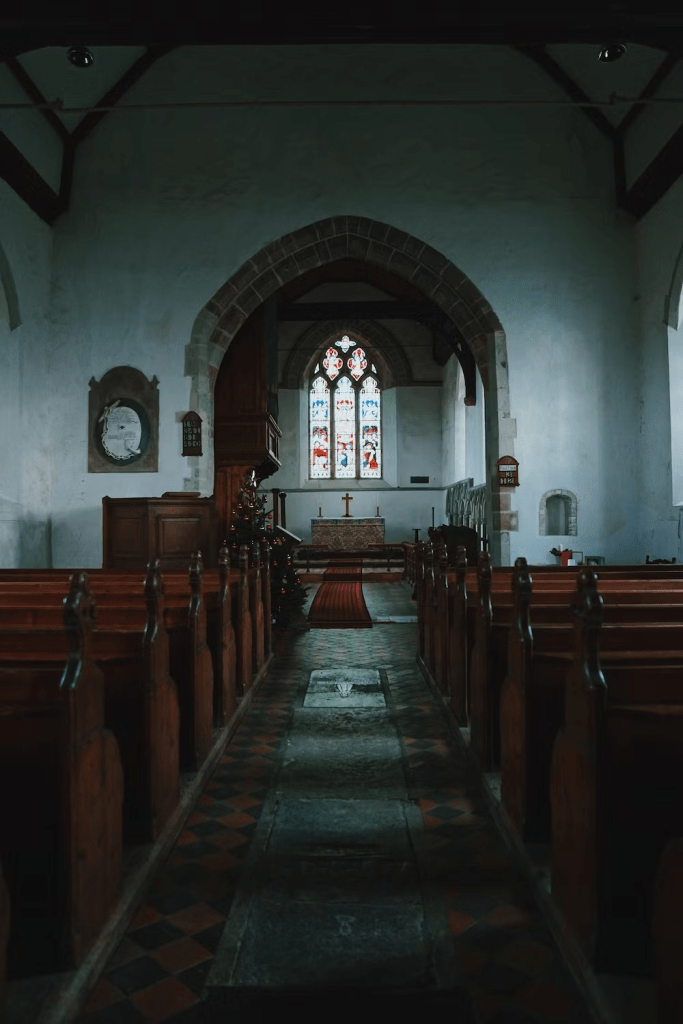
Another theory is that the Christian church played a significant role in creating the modern vampire legend. During medieval times, the Christian church was the central authority in Europe and wielded significant influence over the beliefs and cultural practices of the people. As Christianity spread, it absorbed elements of pagan folklore, including the notion of blood-sucking creatures.
The concept of vampirism originated from ancient folklore, particularly in the Balkans, where the term ‘vampir’ was first used to describe a type of demonic creature that was believed to defile and consume the living. These creatures were thought to be former humans who had died unnatural deaths or committed heinous crimes, whose restless spirits returned to torment the living. In many cases, the belief in vampires served as a means of explaining sudden illnesses, deaths, and other misfortunes.
The rise of vampires as supernatural beings capable of physical resurrection and an insatiable thirst for blood is attributed to the work of vampire novelists like Bram Stoker, whose 1897 novel, Dracula, became a cultural phenomenon. It was the first literary work to introduce the idea ofvampires as blood-sucking creatures with supernatural abilities.
However, the belief in vampires predates the publication of Dracula by centuries, with various accounts of vampiric creatures existing in folklore and mythology from different parts of the world. Some scholars believe that the myth of the vampire originated in ancient Mesopotamia, where demons and evil spirits were believed to prey on the living. In other cultures, such as those in India and China, vampire-like creatures were believed to exist long before they were introduced to the West.
The modern concept of the vampire, as we know it, likely originated in Eastern European folklore. In these traditions, vampires were often thought to be the reanimated corpses of people who had died in unnatural ways or had been cursed by witches. It was believed that these creatures would rise from their graves at night to prey on unsuspecting villagers, using their supernatural abilities to drain their victims’ blood or life force. Folk tales and legends about vampires often portrayed them asmysterious, dangerous creatures that preyed on unwary travelers or unsuspecting villagers. These tales were often used as cautionary tales to teach people about the dangers of temptation, sin, and moral decay.
The belief in vampires can be traced back to ancient times, with similar legends and tales existing in cultures throughout the world. In ancient Greece, for example, stories were told of vampires called “Empusas” who would seduce young men and drink their blood. In Egypt, it was believed that certain creatures could drain the life force of humans and animals.
However, it was in Eastern Europe during the medieval period that the belief in vampires became widespread and deeply ingrained in local folklore. In countries such as Romania, Bulgaria, and Serbia, stories were told of undead creatures who rose from their graves at night to feed on the blood of the living. These vampires were often depicted as pale, gaunt figures with sharp teeth and glowing eyes, who could only be defeated by means of a woodenstake through their heart or exposure to sunlight, are some of the common characteristics associated with vampires. These mythical creatures that prey on the blood of the living have a long and fascinating history. The belief in the existence of vampires has been traced back to ancient civilizations, including Mesopotamia and Egypt, but it was during the medieval period that the legend of the vampire in its current form began to take shape.
The root of the vampire legend can be traced back to several myths and legends that existed in various forms in different cultures, mostly in Eastern Europe. These legends often referred to malevolent ghosts or demons that would rise from the dead to haunt the living. A key difference between these earlier legends and the vampire myth was the concept of blood-drinking. It is believed that the concept of blood-drinking was introduced to the legends in the 17th century, most likely by accounts of actual medical conditions, such as porphyria, that produced symptoms that evoked the fear and suspicion associatedThe belief in vampires has a long and complex history, stretching back to the ancient world with stories of blood-drinking demons and ghosts. However, the modern idea of a human transformed into a supernatural creature with a thirst for blood emerged in Eastern Europe in the 18th century, particularly in areas such as Serbia, Hungary, and Romania.
One explanation for this sudden surge in vampire folklore is rooted in the superstitions and fears of rural communities during a time of upheaval and uncertainty. As Europe moved towards the Enlightenment period, traditional hierarchies and belief systems were being dismantled, and people were searching for new ways to understand the world around them. Amidst this backdrop, legends of bloodsucking monsters provided a way to comprehend the mysterious deaths and illnesses that plagued rural communities.
However, it is also possible that medical conditions, such as porphyria, played a role in fostering the belief in vampires. Porphyria is a group of rare genetic disorders that affect the production of hemeVampires have long been a popular subject in folklore and mythology, with their presence spanning across cultures and time periods. The belief in vampires has origins in ancient civilizations, but it gained popularity in Europe during the 18th century. The modern concept of vampires, as popularized by literature and film, has become an integral part of popular culture.
The idea of vampires can be traced back to ancient Mesopotamia and ancient Greece with legends of blood-drinking demons or spirits. However, the modern concept of the vampire had roots in Eastern European folklore, particularly in the Balkan region. In the Balkans, tales emerged of “strigoi,” spirits of the dead that could rise from the grave at night and torment the living.
During the 18th century, the concept of the vampire began to take hold in the West. This was particularly evident in the Gothic literature of the time, with works like “The Vampyre” by John Polidori and “Dracula”by Bram Stoker, popularized the image of vampires in the Western world. But the concept of bloodsucking undead beings has existed in various cultures throughout history.

The word “vampire” can be traced back to the Slavic word “upir” or “obir,” meaning “one who drinks.” Slavic folklore depicts vampires as soulless creatures who rise from the grave at night to feed on the blood and energy of the living.
Similar beliefs exist in other cultures, such as the Chinese “jiangshi,” the Indian “bhuta,” and the Greek “vrykolakas.” In ancient Greece, the “strigoi” were believed to be women who had died in childbirth and returned to torment the living.
In medieval Europe, the fear of vampires was linked to the fear of disease and the unknown. Plagues and epidemics were common, and the people would exhume corpses and stake them to prevent them from rising again. It wasn’t until the 18thThe belief in vampires is not only fascinating but also complex. The concept of a vampire has existed in some form or the other throughout history and culture, with varying interpretations. The idea of these undead creatures that feed on the blood of the living has captured the imagination of people all over the world. In this essay, we will explore the origins of the belief in vampires and how it evolved over the centuries.
The word “vampire” has its roots in the Old Slavic word “upir,” meaning “someone who rises from the grave.” However, the belief in vampires dates back even further than the Slavic cultures. Ancient Greeks spoke of Lamia, a demonic entity that was said to seduce and devour young children. In Mesopotamia, the Akkadian goddess Lamashtu was believed to drink the blood of infants. In China and India, similar myths existed about demons that fed on human blood.
But it was in Eastern Europe, particularly in Romania and Bulgaria, wherethe belief in vampires became most prevalent.
The first mention of a vampire-like creature dates back to ancient Mesopotamia around 4,000 BCE. However, the belief in vampires as we commonly know them today can be traced back to ancient Greece and Rome. They believed in spirits called lamia or strix, which were female monsters that sucked the blood of children.
During the medieval period, the belief in vampires became more widespread. In Europe, people believed that vampires were undead beings that rose at night to feed on the blood of the living. The vampire was often believed to be a recently deceased person who had been cursed or had lived a particularly sinful life.
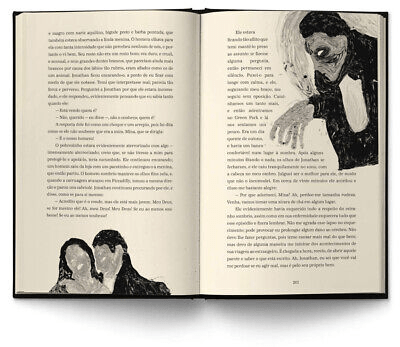
In the Balkans, the belief in vampires was particularly strong. The people of Bulgaria and Romania believed in the strigoi, which were undead creatures that were created when a person died with unfinished business, such as failing to confess their sins. People believed that strigoi could be identified by their red eyes and sharp fangsThe belief in vampires is a fascinating tale that spans back many centuries. Historically, we find traces of vampire-like creatures in many different cultures, including Ancient Mesopotamia, Greece, and Rome.
One of the earliest vampire-like creatures can be traced back to the Babylonian demon Lilitu or Lilith, who was thought to prey on babies and young children. Similarly, the Greeks had the Empusa, a shape-shifting demon with the ability to transform into a beautiful woman or a frightful creature with one leg of bronze and the other that of an ass. They were also known to drink the blood of the unsuspecting.
However, the modern concept of the vampire can be traced back to 18th century Eastern Europe. The word “vampire” comes from the Serbian word “vampir” and the Turkish word “ubir.” The first written documentation of the vampire comes from the Serbian language in the form of “The Story of a Serbian Vampire” from 173The belief in vampires has been present in many cultures throughout history, but its origins are largely debated. Most theories suggest that the belief in vampires likely emerged from a combination of superstition, myth, and history. In this essay, we will explore the history and origins of vampire folklore, examining its earliest recorded accounts and how it has evolved over time.
One of the earliest recorded vampire legends dates back to ancient Greece, where the myth of the Lamia existed. The Lamia was a creature that devoured children and was often depicted as a woman with serpent-like features. This myth may have inspired later vampire lore, as it shares some similarities to the concept of the vampire in modern popular culture. However, it is unclear how much of an influence the Lamia had on later vampire legends.
It was not until the 18th century that the vampire as we know it today began to emerge in Europe. The first recorded instance of a vampire in literature appeared in 1732 in a poem written bythe Serbian poet Arnaut Pavle, which told the story of a vampire attacking villagers. However, the belief in vampires predates this poem by many centuries, and is rooted in ancient folklore and mythology from various cultures around the world.
One of the earliest recorded instances of vampire-like creatures can be traced back to ancient cultures such as the Mesopotamians, Greeks, and Romans. The ancient Babylonians believed in a demonic creature known as the ekimmu, which was said to be a type of ghost or spirit that could possess the living and feed on their blood. The Greeks spoke of Lamia, a half-human half-serpent seductress who preyed on children, and the Romans feared the strix, a bird-like creature that would drink the blood of infants while they slept.
The belief in vampires in its current form, however, is most closely associated with Eastern European folklore, particularly that of the Slavic and Romanian peoples. In these cultures, the vampire is typically portrayed asan undead creature that sucks the blood of living beings, often associated with evil and supernatural powers. The belief in vampires has a long and varied history, with roots in different cultures and mythologies from around the world.
One of the oldest known vampire myths comes from ancient Mesopotamia, where the goddess Lamashtu was said to attack and kill newborns and pregnant women. Similar beliefs can also be found in ancient Greek and Roman mythology, as well as in ancient Egypt, where the blood-sucking god Sekhmet was worshipped.
However, the most significant contribution to the modern vampire legend comes from Slavic and Romanian folklore. In these cultures, the vampire is often depicted as a creature that rises from the dead and attacks the living in order to drink their blood. This idea was likely influenced by the practice of burying the dead with a stake through their heart, believed to prevent them from rising as a vampire.
The term “vampire” itself comes from the Slavic wordThe belief in vampires is one that has fascinated and terrified people for centuries. The concept of undead beings that drink the blood of the living has been depicted in literature, movies, and other forms of media. However, the origins of vampires can be traced back to ancient cultures and civilizations.
The belief in vampires is believed to have originated from the Slavic region of Europe during the 12th century. It was during this time that the word “vampire” first appeared in Slavic folklore. Legends about vampirism centered on evil spirits that roamed the earth and had the ability to drain the life force from their victims.
One of the earliest accounts of vampire lore comes from Greek mythology. The story of Lamia, a beautiful queen who was cursed by the goddess Hera and transformed into a child-eating monster, could be considered a precursor to modern vampire myths. Another possible influencer is the ancient Egyptian goddess Sekhmet, who was known for her thirst for blood and represented war and destructionThe belief in vampires can be traced back to ancient civilizations such as the Egyptians and the Greeks. In Egyptian mythology, the goddess Sekhmet was known for her thirst for blood and represented war and destruction. Similarly, the Greeks had tales of the Lamia, a female demon who feasted on children’s blood.
However, the modern depiction of vampires is largely influenced by Eastern European folklore, particularly in Transylvania, a region in Romania. In the 18th and 19th centuries, there were numerous reports of people displaying vampiric tendencies such as being pale and gaunt, having sharp teeth, and exhibiting aversion to sunlight. These reports led to a widespread fear of vampires, with people believing they were the undead who fed on the blood of the living.
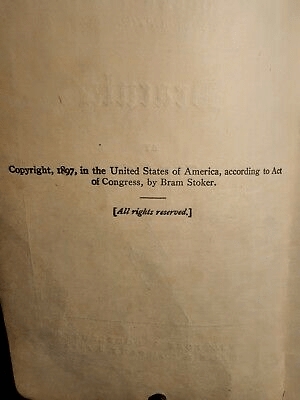
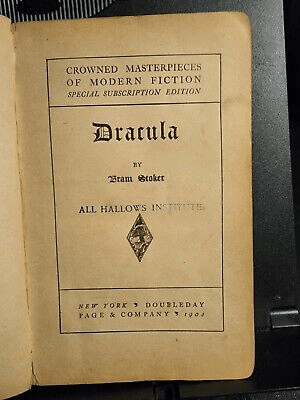
One of the most famous works of literature that further popularized the vampire myth was Bram Stoker’s Dracula, published in 1897. The novel featured an aristocratic vampire from Transylvania who traveled to England to spreadhis curse of the undead. This is probably the most popular representation of a vampire in our modern times. However, the belief and myth of vampires stretches back much further than the publication of Bram Stoker’s famous novel.
The exact origins of the concept of vampires are unclear, but they can be traced back to ancient Mesopotamia, some 4,000 years ago. It was believed that certain demons had the ability to enter the body of the living and take control. In ancient civilizations like the Greeks, Romans and Egyptians, it was also believed that ghosts or the spirits of the dead could return to the living, causing weird and unexplained occurrences.
One of the earliest known stories of vampires comes from ancient Greek mythology. The story is about Ambrogio, a handsome and charismatic youth who becomes obsessed with his own beauty and tries to cheat death. He drinks the blood of animals and eventually murders a person to drink their blood. After drinking the blood, Ambrogio is transformed into a vampire and cursed to roam the earth for all eternity, feeding on the blood of humans to survive.
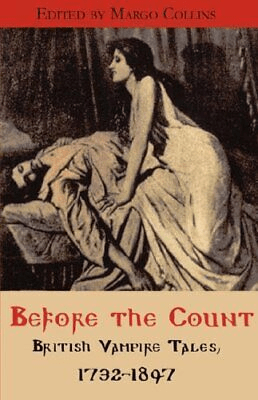
Throughout history, vampire stories have taken on various forms and interpretations. In European folklore, vampires were often portrayed as creatures who rose from the dead after being buried with their clothes on backwards and with soil from their homeland in their coffins. They were said to feed on the blood of the living, often leaving puncture wounds on their victims’ necks.
The vampire legend became more popular in the 19th century with the publication of Bram Stoker’s novel, Dracula. Stoker’s Dracula was described as an imposing, aristocratic figure who lured his victims with his charm and suave demeanor. Stoker’s novel portrayed vampires as seductive and alluring creatures that preyed on the vulnerable.
Today, vampire stories continue to fascinate and captivate audiences. The Twilight series, for example, presents vampires as a romantic and mysterious species that avoids the spotlight to protect themselves fromhumans. However, this was not always the case. In the early days of vampire folklore, vampires were feared and reviled as monsters that preyed on innocent people, sucking their blood and leaving them lifeless.
In fact, the word “vampire” comes from the Slavic language, where it means “a fiendish revenant.” According to Slavic folklore, vampires were people who had died and returned to life as blood-sucking monsters. They were said to live in graveyards and crypts, and to prey on the living at night.
The image of the vampire as a charming and seductive creature emerged in the 19th century, with the publication of Bram Stoker’s novel “Dracula.” Stoker’s vampire was a complex character, capable of both great charm and terrible violence. He was also portrayed as having a deep and mysterious connection to the ancient land of Transylvania, which helped to fuel the romantic and exotic image of vampires that persists to this day.
In the 19th century, literary works such as Bram Stoker’s Dracula helped to further popularize the image of the vampire. Stoker’s depiction of Dracula as a sophisticated, aristocratic figure with powers of mind control and shapeshifting captivated readers and set the standard for many vampire stories to come.
In modern times, vampires have continued to be a popular subject in various forms of media, such as movies, TV shows, and books. Some popular examples include the Twilight series by Stephanie Meyer and the TV series True Blood.
While the image of the vampire has evolved over time, certain aspects remain consistent. Vampires are often depicted as supernatural creatures who survive by feeding on the blood of living beings. They have powers such as immortality, enhanced strength, and the ability to shape-shift into animals or mist. They are also vulnerable to certain items such as sunlight, garlic, and silver.
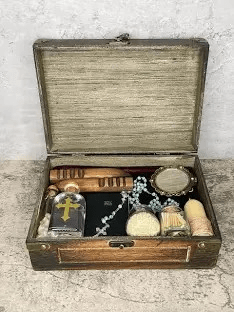
Despite the fictional nature of vampires, the legend and lore surrounding them continues to fascinate people to this day. One of the reasons why vampires are so intriguing is because they embody both fear and desire. On the one hand, vampires are seen as terrifying creatures who prey on humans and drain them of their life force. On the other hand, vampires are often portrayed as alluring and seductive, with the power to hypnotize and control their victims.
Over the years, vampires have evolved into complex characters in books, movies, and television shows. For example, in Bram Stoker’s classic novel “Dracula,” the vampire is depicted as a powerful and charismatic aristocrat who is able to manipulate and control his victims. In the hit TV series “Buffy the Vampire Slayer,” vampires are shown to struggle with their own morality, with some characters like Spike and Angel choosing to fight against their instincts and protect humanity.
One of the most interesting aspects of vampire lore is the way that it changes depending on the culture and time period. For example, in Eastern European folklore,vampires were often depicted as evil creatures who rose from the dead to seek revenge on the living. They were said to be able to transform into bats or wolves, and had an aversion to garlic and holy symbols.
In contrast, in modern Western popular culture, vampires are often portrayed as suave and sophisticated characters. They are often romanticized and portrayed as misunderstood beings seeking love and acceptance, instead of evil monsters.
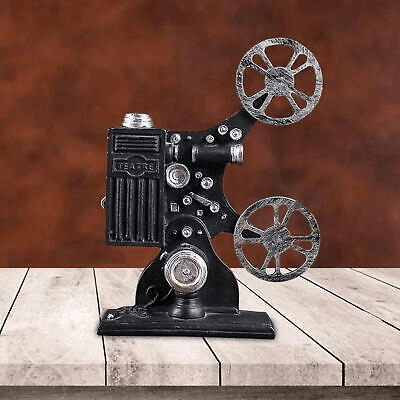
Regardless of how vampires are depicted, their popularity as a cultural trope continues to intrigue and captivate people all over the world. From literature to film, from gaming to fashion, vampires remain a pervasive and fascinating subject of exploration and entertainment. As such, they will likely continue to be a beloved aspect of human culture for years to come.

There have been many movies made about vampires over the years. According to the IMDb database, there are over 6,000 movies or TV shows that mention or feature vampires in some way. If we narrow it down to movies specifically about vampires, there are over 1,000 titles. However, the exact number may vary based on how strictly we define a “vampire movie.” A vampire movie is a film that focuses on the mythological creature known as a vampire. Typically, vampire movies involve a predatory, undead creature that feeds on the blood of human victims to sustain its immortal existence. These movies often have elements of horror, romance, and fantasy, and are known for their rich, Gothic aesthetic. Popular examples of vampire movies include Dracula, Interview with the Vampire, and the Twilight series.
It’s difficult to determine the exact number of books that have been written about vampires, as new ones are constantly being published and some may not be documented. However, it’s safe to say that there are thousands of books written on the topic, ranging from classic literature like Bram Stoker’s “Dracula” to modern paranormal romance novels.
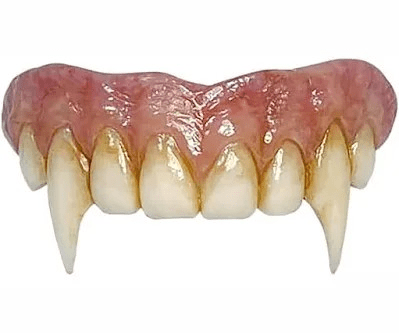
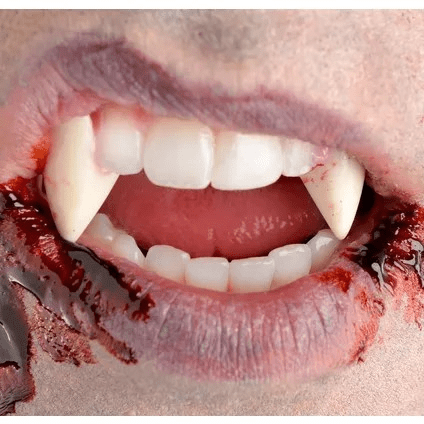
And are you feeling kind of Vampirish? Huh? Hmm….? Okay then, looks like it might bedtime to scratch that Vampire Itch and get some real Vampire Teeth? Yes, you can buy vampire teeth from various Halloween or costume stores both online and in-person. You can also find them on online marketplaces like Amazon and Etsy. Just make sure to do some research and read reviews before making a purchase to ensure you get a quality product.
 thelivingbreathingjamesbrown.com
You must be logged in to post a comment.