

Can’t put the ‘squawk’ back in the ‘Squawk Box’ and it’s nearly impossible to identify what the squawk actually is? So, what is it? Do you know or do you care to know? Now, millions are suffering from the Squawking? And millions have Died…and millions more quite possibly will too. Yes, they will…
Over the past few years, the world has witnessed Putin’s unchecked expansionist policies, culminating in his decision to invade Ukraine in 2022. While many factors may have contributed to Putin’s decision to invade Ukraine, one key factor that cannot be ignored is his successful intervention in the Syrian conflict preceding the invasion.
In 2015, Putin sent in his army and planes to support the regime of Bashar al-Assad in Syria, turning the tide of the conflict in favor of the Syrian government. This intervention was marked by the widespread use of brutal tactics, including the bombing of civilian areas and the targeting of hospitals and aid convoys. Despite international outcry and condemnation, Putin continued his campaign, with seemingly no repercussions.
This success in Syria had significant implications for Putin’s future foreign policy decisions. It fostered a sense of confidence in Putin that he could act with impunity on the international stage, without fear of reprisal. The fact that he was able to intervene in Syria with little opposition emboldened Russian President Vladimir Putin and bolstered his confidence in asserting his military might. This played a key role in his decision to invade Ukraine, as he believed that he could act with impunity and disregard the international community’s condemnation.
In Syria, Putin showed that he was willing to use force to protect his political interests and support his ally, President Bashar al-Assad. The Russian military used devastating air strikes, artillery bombardment, and ground offensives to ruthlessly crush the opposition and retake territory held by rebel groups. Despite criticisms from the West on Russia’s human rights record and its support of the Assad regime, Putin faced little resistance in implementing his goals.
This success in Syria gave Putin an aura of invincibility and a sense of impunity on the global stage. He believed that he could continue to assert his influence and project his military power abroad without consequence. This overconfidence prompted him to pursue more aggressive policies, including his fingerprints in the conflict in Ukraine.
In 2014, Putin annexed Crimea and supported separatist rebels in the eastern regions of Ukraine. The conflict in Ukraine has since become one of the most volatile disputes in Europe, with thousands of people killed and millions displaced from their homes.
The question of why Putin decided to act so aggressively in Ukraine has many complex answers, but a significant factor is his confidence in getting away with similar actions in Syria. In Syria, Putin was able to support the regime of President Bashar al-Assad by deploying his army and planes to target rebel forces. He led a brutal military campaign that resulted in the death of hundreds of thousands of Syrians and displacement of millions. Despite international outcry, Putin’s regime managed to advance its agenda in Syria with relatively little opposition.
This lack of opposition in Syria emboldened Putin to take more aggressive moves, such as annexing Crimea and supporting separatists in Ukraine. He likely believed that the international community, including the United States, would not take decisive action against him, and that this lack of opposition would make it possible for him to continue his expansionist ambitions unchecked.
The crisis in Syria, which began in 2011 as a popular uprising against the regime of Bashar al-Assad, quickly escalated into a full-blown civil war. The Assad regime, facing increasing pressure from the opposition, turned to Russia for support. The Kremlin saw an opportunity to revive its influence in the Middle East and began providing military assistance to the Assad regime in September 2015. This included air strikes and ground support for Assad’s forces.

Putin’s intervention in Syria was met with mixed reactions from the international community. While some countries, such as Iran and China, supported Russia’s actions, others, including the United States, condemned it as an unwarranted intrusion into Syrian affairs. Putin, however, appeared unmoved by the criticism and continued to pursue his agenda in Syria with impunity.
This success in Syria undoubtedly emboldened Putin and bolstered his sense of confidence. He had successfully intervened in a foreign conflict, without significant opposition, and had managed to prop up his ally, Bashar al-Assad, in Syria. This gave him the feeling of being invincible and emboldened him to take further aggressive actions, such as the invasion of Ukraine.
The Syrian conflict was a turning point for Russia’s foreign policy as Putin saw an opportunity to expand his influence in the Middle East. By supporting Assad, who was battling rebels and terrorist groups, Putin wanted to demonstrate Russia’s ability to act as a global power and safeguard its interests in the region. As the conflict raged on, Putin deployed Russian troops and planes to Syria, further indicating his commitment to the Syrian government and his willingness to use military force to achieve his objectives.
Putin was largely successful in his mission in Syria, and the lack of significant opposition to his intervention enhanced his confidence in the effectiveness of his military and diplomatic strategies. As he saw it, if the United States, Europe and other countries were unwilling or unable to take significant action against him, he could continue toact with impunity. This sense of impunity was a natural outgrowth of the lack of consequences he faced for his actions in Syria. In that country, Putin had made a deal with the Syrian regime of Bashar al-Assad, pledging to support him in his fight against rebel factions. Putin deployed troops and military hardware such as planes and bombs to help Assad’s forces regain lost territory.
During the course of the conflict, Syrian government forces under the direction of Assad were accused of using chemical weapons against civilians, bombing hospitals, and generally carrying out brutal attacks on their opposition. Despite international outcry and condemnation against these actions, Putin seemed unfazed, continuing to support Assad and allowing him to act with impunity. This lack of accountability and consequences sent a dangerous message to Putin that he could do as he pleased on the international stage without any repercussions.
As a result, Putin continued to use his military might to flex his muscles in the region. In 2014, he invaded Ukraine, annexing Crimea and backing separatist rebels in eastern Ukraine. The international community was outraged, and sanctions were imposed on Russia. However, Putin remained steadfast in his actions, and many speculate that this was due to his success in Syria.
In Syria, Putin provided military aid to President Bashar al-Assad’s regime, which was embroiled in a civil war against various rebel factions. Putin’s intervention turned the tide of the conflict in favor of Assad, helping him to garner a strong foothold in the country. The supremacy that Putin established in Syria bolstered his image as a dominant military power, both domestically and internationally.
The success of the Syrian intervention showed Putin that he has the ability to achieve his aims without much opposition. This gave him the confidence to proceed with his aggressive actions in Ukraine, despite warnings from the international community. Putin saw that he could carry out his own interests with little resistance, while other world leaders were busy tackling their own problems.
Putin’s actions in Ukraine were perceived internationally as a violation of sovereignty andterritorial integrity, leading to significant political and economic consequences. While Putin’s decision to invade Ukraine may have been influenced by a variety of factors, including long-standing historical and cultural ties between the two countries, his actions in Syria likely played a significant role in emboldening him to take such aggressive action.
In Syria, Putin effectively supported the brutal regime of Bashar al-Assad, which has been widely accused of committing war crimes and atrocities against its own citizens. Putin’s support allowed Assad to continue his campaign of violence and repression against those who opposed him, including the use of chemical weapons on civilian populations. Despite widespread condemnation from the international community, Putin remained committed to supporting Assad, showing a willingness to use military force to protect his interests in the region.
This success in Syria likely gave Putin a sense of confidence in his ability to exert military force abroad and get away with it. He appeared to believe that, despite international criticism, he could act with impunity in the face of weak opposition from the global community. The atrocities committed in Syria by the Russian-backed government of Bashar al-Assad have been well-documented and widely condemned by the international community. However, despite the outrage at these actions, there was little real opposition to Russia’s involvement in the conflict, which may have emboldened Russian President Vladimir Putin to take further aggressive actions, such as the invasion of Ukraine.
When Russia initially became involved in the Syrian conflict, much of the world’s attention was focused on the fight against ISIS. With the international community united in its desire to see the terrorist group defeated, few were willing to speak out against Russia’s support for the Assad government. Additionally, the conflict in Syria was highly complex, with a wide range of actors involved and a patchwork of alliances and rivalries. This complexity made it difficult for any one country or group to take decisive action against Russia’s involvement.
Furthermore, Putin’s government has a long history of using military force to achieve its goals, both at home and abroad. The annexation of Crimea in 2014 was a clear indication of Russia’s willingness to use military might to assert its dominance in the international arena. However, the events in Syria leading up to the conflict in Ukraine played a significant role in emboldening Putin to pursue his territorial ambitions.
When the Syrian civil war broke out in 2011, Putin saw an opportunity to support his ally, President Bashar al-Assad, and establish a Russian foothold in the Middle East. He dispatched troops and military hardware to Syria, where they played a crucial role in turning the tide of the war in favor of the Assad regime.
The Russian military intervention in Syria strengthened Putin’s political position at home, as he was seen as a decisive leader who was willing to defend Russian interests abroad. This newfound confidence in the face of international criticism and sanctions emboldened Putin to take more aggressive actions on the world stage, culminating in the annexation of Crimea and the conflict in eastern Ukraine.
Furthermore, Russia’s involvement in Syria allowed Russian President Vladimir Putin to flex his military prowess and test his boundaries in the global arena. Putin’s decision to intervene in the Syrian conflict on behalf of Syrian President Bashar al-Assad was a strategic move to protect Russia’s interests in the Middle East, but it also allowed him to showcase Russia’s military might. This confidence of being able to act with impunity and without facing any significant opposition from the international community emboldened Putin to take his next aggressive step – the invasion of Ukraine.
The annexation of Crimea by Russia in 2014 was the first major move in Putin’s territorial expansionist agenda. This move was not unexpected as Russia had always considered Crimea as part of its sphere of influence. The annexation was widely condemned by the international community, but Putin was resolute in his actions and showed no signs of backing down. Russia’s military hardware, including naval vessels and aircraft, were used to blockade and annex Crimea while troops were also deployed to eastern Ukraine to support separatist movements.
Putin’s actions have been widely condemned by the international community, which has imposed numerous economic sanctions on Russia in response. However, despite this pressure, Putin has remained defiant and continues to pursue his aggressive foreign policy.

The roots of Putin’s aggressive foreign policy can be traced back to his early years in power. After coming to power in 2000, Putin sought to reassert Russia’s dominance in the region and restore the country’s status as a major world power. He saw the collapse of the Soviet Union as a major setback for Russia and was determined to reverse this trend.
Putin’s first major foreign policy test came in 2008 when Russia invaded Georgia, a former Soviet republic that was seeking closer ties with the West. The short but brutal conflict saw Russian troops seize control of several Georgian territories, including Abkhazia and South Ossetia. The move was widely criticized by the international community but Putin brushed off the criticism, claiming that Russia was simply defending its interests.
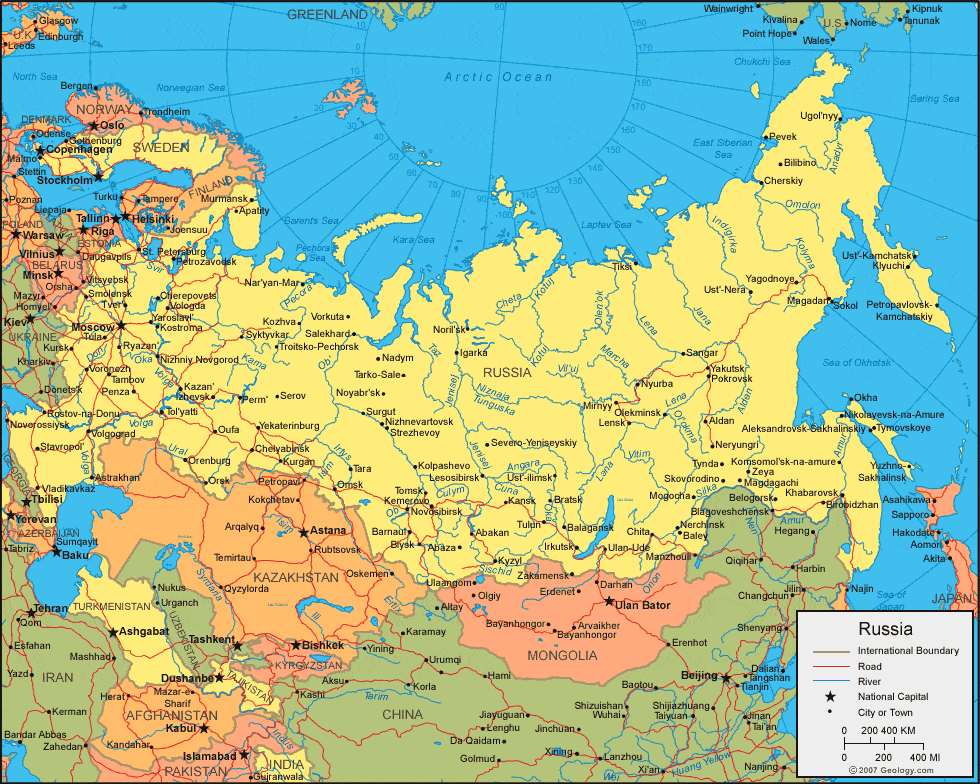
The conflict in Georgia set the stage for Russia’s intervention in Syria and ultimately, its invasion of Ukraine. In 2008, Russia invaded Georgia, crushed the Georgian military in a matter of weeks, and recognized the independence of two Georgian breakaway regions, Abkhazia and South Ossetia. This action, which was widely condemned by the international community, demonstrated that Russia was willing to use military force to redraw borders and expand its sphere of influence.
After a few years of relative calm, the Syrian Civil War erupted in 2011, and Russia saw an opportunity to reassert itself on the global stage. In 2015, Russian President Vladimir Putin ordered a military intervention in Syria, claiming that he was responding to a request from Syrian President Bashar al-Assad for help in fighting terrorism. However, it quickly became clear that Russia’s primary goal was to prop up the Assad regime and maintain its strategic naval base in Tartus.
Russia’s intervention in Syria was a turning point in the conflict, as it shifted the balance of power in favor of the Syrian government, which had been struggling to combat a variety of opposition forces, including rebel groups and foreign fighters. For years, the Syrian civil war had been raging, with no clear end in sight. However, when Putin decided to intervene, he provided a significant advantage to the Syrian military, which allowed them to retake key regions that they had lost to the opposition forces.
Putin’s decision to intervene in Syria was fueled in part by his desire to maintain Russia’s military presence in the Middle East, as well as to protect the Assad regime, which was a longtime ally of Russia. Putin saw an opportunity to gain an upper hand in the region, and he took it, sending hundreds of troops and planes to fight on behalf of the Syrian government.
This intervention had the effect of emboldening Putin, as he saw that there was little opposition to his actions. He had managed to get away with a significant escalation of military force without incurring any significant repercussions from the international community is a clear indication that Russia’s President Vladimir Putin is a powerful and determined leader. The atrocities committed in Syria by Russia’s military, under Putin’s leadership, were a clear signal that Putin was willing to take bold and decisive actions to protect his interests.
The Syrian conflict provided Putin with a valuable opportunity to showcase Russia’s military prowess and cement its position as a key player in the Middle East. By supporting Syria’s government, Russia was able to assert its influence in the region and strengthen its relations with key allies, such as Iran. The use of military force in Syria also demonstrated Russia’s willingness to defend its interests and project power beyond its borders.
As Russia’s military intervention in Syria drew to a close, Putin’s confidence in his military capabilities and lack of international opposition emboldened him to make another bold move – the annexation of Crimea in 2014. Putin’s justification for this action was the protection of the ethnic Russian population in Ukraine, but many saw it as a clear act of aggression on the part of Russian President Vladimir Putin. While Putin cited concerns over the treatment of ethnically Russian Ukrainians, his actions were perceived by many as an opportunistic power grab.
Putin’s actions in Syria played a significant role in emboldening him to invade Ukraine. When Putin intervened in Syria in 2015, he did so with overwhelming force, utilizing both ground troops and airstrikes. His actions were controversial, with many arguing that the Russian military was targeting civilian populations and using indiscriminate weapons of war.
Despite global condemnation, Putin was ultimately able to secure his interests in Syria without facing serious repercussions. The lack of international opposition resulted in a perception of impunity for the Russian leader.
This confidence in his ability to act without opposition likely contributed to Putin’s decision to invade Ukraine. Despite international backlash and economic sanctions, Russia has been able to maintain its position in Crimea and continue to support separatists in eastern Ukraine.
Moreover, the annexation of Crimea and the ongoing conflict in Ukraine have been a source of international concern since 2014. Many people attribute the boldness that Russia exhibited in the events leading up to the invasion of Ukraine to the fact that Putin was able to get away with horrible atrocities in Syria, where he helped the Assad regime using his army and planes.
Throughout the Syrian conflict, Putin has ignored calls from the international community to recognize and address the human rights violations that were occurring there. The Russian military intervention in Syria initially started out as an effort to support the Syrian government and its president in order to prevent his overthrow. Putin saw himself as the only one willing and able to step in and take action, while other world leaders hesitated, either due to conflicts of interest or because of opposition from the public.
As a result of Putin’s actions in Syria, the Russian government was able to gain leverage and achieve some degree of success on the global stage, at least in the short term. By backing the Assad regime, Putin displayed to the world a clear assertion of Russian power in the Middle East. As the Syrian conflict unfolded, Putin saw an opportunity to back a long-time ally and, at the same time, assert Russia’s military might in the region. By committing Russian troops, aircraft, and weaponry to the conflict, Putin projected an image of strength, holding his ground while the international community condemned Assad’s actions.
The lack of significant opposition or retribution for Russian involvement in Syria likely emboldened Putin to escalate his actions in Ukraine. With an already-established presence in Syria, Putin could focus his attention and resources on Ukraine without worrying about potential backlash from the international community. Putin likely calculated that the global powers would not risk a military confrontation with Russia over Ukraine, particularly as Ukraine is not a member of NATO and therefore not covered by the alliance’s collective defense clause.
Additionally, Putin may have also envisioned that an expansion of Russian influence into Ukraine would strengthen Russia’s strategic position in Eastern Europe. By annexing Crimea and backing separatist rebels in Donbass, Russia has effectively created a buffer zone between itself and NATO countries like Poland and the Baltic States. However, Russian President Vladimir Putin’s decision to send troops and planes to support Syrian President Bashar al-Assad’s regime in its civil war may have emboldened him to further aggression.
The Syrian conflict is complex and multifaceted, with a variety of actors and interests at play. Russia’s involvement, in support of the Assad regime, has been aimed at protecting its interests in the Middle East, including maintaining access to a naval base in the warm water port of Tartus. The conflict has also allowed Russia to project its military strength and build partnerships with other countries in the region.
However, Putin’s decision to support Assad in Syria may have given him a false sense of confidence in his ability to act with impunity on the international stage. The lack of significant opposition to Russia’s actions in Syria, both from the international community and from within Russia itself, may have encouraged Putin to pursue similar actions inUkraine after successfully intervening in Syria. Putin’s move to support Bashar al-Assad’s government in Syria began in September 2015 and despite harsh criticisms from various countries, he continued to pursue this intervention. Putin’s military intervention in Syria was focused on defeating ISIS, but he also used this opportunity to demonstrate Russian military capabilities, showcase his support for an authoritarian government, and gain an upper hand in the geopolitical arena.
The success of the operation in Syria created a boost of confidence for Putin, and he may have felt that he could apply similar tactics to Ukraine as well. Putin’s desire to keep Ukraine under the Russian sphere of influence has been longstanding, which was evident in his annexation of Crimea in 2014. Putin’s supporters in Russia believed that part of Ukraine, particularly the Crimea region, historically belonged to Russia, and they were in favor of the annexation.
Lower oil prices and sanctions imposed by the west for the annexation of Crimea had led to economic challenges in Russia. As result, Putin was looking for ways to boost the image of his ruling party and provide a distraction from the struggles at home. Thus, in September 2015, Russia began conducting airstrikes in Syria to assist President Bashar al-Assad’s regime in the ongoing civil war. The intervention was heavily criticized by the international community, with accusations of war crimes being committed by Russian soldiers.
However, Putin was not deterred by the criticism and continued to provide significant military support to Assad’s regime. This allowed the Syrian government to continue its brutal tactics against rebel forces and civilian populations. The lack of opposition against Russia’s involvement in Syria only emboldened Putin, who saw that he could act with impunity on the international stage.
This newfound confidence led Putin to take a bold step in 2014 by annexing Crimea, a region of Ukraine with a significant Russian-speaking population. The move was met with strong condemnation from the United States and European Union, who imposed economic sanctions on Russia in response. However, Putin remainedundeterred in his pursuit of expanding Russian influence, as evidenced by his decision to intervene in the Syrian Civil War in support of the Assad regime. By sending in the Russian army and planes, Putin was able to prop up a dictator who was on the brink of collapse, making him a valuable ally in the Middle East.
This success in Syria emboldened Putin to take further aggressive actions, including his invasion of Ukraine. The lack of opposition he faced in Syria reinforced Putin’s belief that he could act with impunity and that no country or international organization would dare stand up to him. This allowed him to move forward with his ambitions to annex Crimea and support separatists in Eastern Ukraine.
Unfortunately, Putin’s willingness to engage in such blatant violations of international law has had far-reaching consequences. The annexation of Crimea has been condemned by the international community and has led to ongoing tensions between Russia and Ukraine. Moreover, Putin’s actions in Syria have led to a significant humanitarian crisis, with millions displaced and thousandsdead. Putin’s decision to intervene in Syria by sending in his army and planes was met with international condemnation, but he continued to provide military support to the regime of Bashar al-Assad. By doing so, Putin asserted his dominance on the world stage and showed that he was willing to flout international norms and commit war crimes to achieve his goals.
The confidence that Putin gained from his successful military intervention in Syria emboldened him to engage in further aggression, such as the invasion of Ukraine. He likely saw this as another opportunity to assert Russian dominance and expand its influence in the region.
It is clear that Putin has little regard for international law or human rights, using military force to achieve his objectives with little regard for the consequences. His actions in Syria and Ukraine have resulted in significant human suffering and demonstrate the need for a strong, united international response to prevent further atrocities.
The international community must hold Putin accountable for his actions and demonstrate that violations of international law will not be tolerated. Sanctions, diplomatic isolations, and other measures have been taken against Russia in response to their actions in Syria and Ukraine. However, to fully understand why Putin felt confident enough to act as he did, we need to look at the broader context of Russian foreign policy and Putin’s personal ambitions.
From the outset, Putin’s foreign policy has been marked by a sense of assertiveness and an unwillingness to be pushed around by the West. In Putin’s view, Russia had been humiliated for too long, and it was time to reassert Russian strength and influence on the world stage. This sentiment was clearly evident in Russia’s intervention in Syria. By sending in the Russian military and propping up the Assad regime, Putin was able to project Russian power and demonstrate that Russia was a major player in the Middle East.
However, the sense of impunity that Putin may have felt from his actions in Syria also played a role in his decision to invade Ukraine. The lack of a meaningful response from the international community to Russia’s intervention in Syria, where Putin supported the regime of Bashar al-Assad in the country’s civil war, seems to have emboldened the Russian leader to take further aggressive actions, including the annexation of Crimea and an ongoing military intervention in Ukraine.
Putin’s actions in Syria showed the world that he was willing to use military force to defend his interests, including those of his allies. With no serious impediments to his actions in Syria, Putin may have felt that he could act with impunity, knowing that the international community was either unwilling or unable to offer any effective resistance.
This confidence was further bolstered by the fact that the US and other western powers were less engaged in international affairs under Donald Trump’s presidency, which seemed to have emboldened Putin to push forward with his agenda with less fear of consequence.
In addition, Putin likely saw Ukraine as an extension of Russia’s traditional sphere of influence and a crucial buffer zone against potential NATO encroachment. As such, Putin saw the seizure of Crimea as critically important to Russia’s national security interests. However, Putin’s military intervention was met with condemnation from the international community, particularly the United States and its NATO allies.
Despite this pushback, Putin continued to flex his military might by sending troops and planes to support Syrian President Bashar al-Assad in the ongoing civil war. This intervention gave Assad an advantage in the conflict and enabled him to maintain his grip on power.
Putin’s success in Syria gave him a sense of confidence, and he felt emboldened to further test the international community by invading Ukraine. Putin saw Ukraine as a critical piece of the puzzle in advancing Russia’s geopolitical goals. Not only was it an important economic partner, but Ukraine also had strategic significance as a gateway to Europe.
Putin’s decision to invade Ukraine was met with widespread international condemnation, and the resulting conflict has resulted in thousands of deaths and strained relations between Russia and its neighbors, as well as with the United States and its NATO allies.
In conclusion, Putin’s Aggressive actions in Syria undoubtedly contributed to his decision to invade Ukraine.
When Putin intervened in the Syrian civil war in 2015, he did so primarily to prop up the regime of Bashar al-Assad, which was on the brink of collapse. Putin provided military support in the form of air strikes and ground troops, which helped turn the tide of the conflict in Assad’s favor. However, this military intervention came at a great cost. The Syrian conflict is one of the bloodiest and most brutal conflicts in recent memory, with hundreds of thousands of people killed and millions displaced from their homes. Putin’s backing of the Syrian regime led to widespread condemnation from the international community, with many accusing Putin of enabling Assad’s atrocities against his own people.
Despite this international outrage, Putin was able to carry out his intervention in Syria with little opposition. This gave him a sense of impunity, as he saw that no one was willing to stand up to him and his aggressive actions. Putin saw this as a sign that He could act with impunity in the international arena, without fear of serious consequences. This boldness manifested itself in Putin’s decision to send Russian military forces into Syria in support of the Assad regime in 2015.
Putin’s decision to intervene in Syria was largely driven by strategic and economic interests. The Assad regime was a long-standing ally of Russia, and the Russian military presence in Syria allowed Russia to assert its influence in the Middle East and counterbalance US power in the region. Additionally, Russia had significant economic incentives to support Assad, as it had invested heavily in the country’s energy sector and sought to maintain access to Syrian ports.
While Putin’s intervention in Syria was met with international criticism, there was little serious action taken against Russia as a result. This emboldened Putin to take further aggressive actions on the international stage, including the annexation of Crimea and the invasion of eastern Ukraine in 2014.
Putin’s actions in Ukraine were met with swift condemnation and economic sanctions from the West,but they did not come out of nowhere. In fact, his invasion of Ukraine was a direct result of his previous actions in the Syrian conflict.
Putin’s intervention in Syria in support of Bashar al-Assad’s regime was a brazen display of Russia’s military might. Putin sent in troops and planes, allowing Assad to hold on to power despite a years-long civil war that had already claimed hundreds of thousands of lives. This intervention was risky for Putin, as it put Russia at odds with the United States and other Western nations who had opposed Assad’s regime. However, Putin’s army had seen little opposition, and this confidence emboldened him to take more risks.
These risks took the form of the invasion of Ukraine, which began in 2014. Putin saw an opportunity to expand Russian territory and to bring Ukraine back under Russian control. This invasion was met with widespread condemnation from the international community, including the United States and the European Union. Economic sanctions were imposed on Russia, which has had lasting effects on both the Russian and global economy. However, despite these actions, Putin has consistently been able to evade serious consequences for his actions.
One of the key factors enabling Putin’s actions in Syria was his confidence that he would not face serious opposition from other world powers. Despite condemnations from various countries, Russia was not met with significant resistance in its intervention in Syria, which helped boost Putin’s sense of power and control.
This confidence was further enhanced when no significant repercussions came to Russian forces for their actions in Syria. The lack of a strong response from other countries signaled to Putin that he could act with impunity, which ultimately drove him in his decision to invade Ukraine.
While the situation may appear grim, there are steps that can be taken by the international community to effectively address Putin’s aggressive behavior. One important step is for countries to unite and form a unified front against Russian aggression. This would involve not only economic sanctions, but also diplomatic pressure and possibly military support for Ukraine.
Another key factor isthe lack of consequences for Russian actions in Syria.
In September 2015, Russian forces entered Syria to aid the embattled regime of Bashar al-Assad. With the support of Russian air power, the Syrian army was able to reclaim lost territory from rebel forces, winning significant victories in the process. Despite widespread allegations of human rights abuses by Russian forces during the course of the conflict, international opposition was relatively muted.
One possible reason for this lack of opposition is the fact that Russia has a permanent seat on the United Nations Security Council, giving it veto power over any resolutions condemning its actions. Additionally, many Western countries were focused on fighting the Islamic State in Syria, and were therefore willing to overlook Russian abuses in the interest of achieving their shared goal of defeating the terrorist group.
However, the lack of consequences for Russian actions in Syria likely had a larger impact on President Putin’s decision-making than diplomatic maneuverings alone. With no significant pushback from the international community, Putin may have felt that he hada firm grip on his power as the leader of Russia. This apparent sense of invincibility emboldened him to push the boundaries of his influence in neighboring countries, notably Ukraine.
Putin’s involvement in Syria, and his apparent success in ensuring Assad’s hold on power, may have given him a sense that there was little risk in intervening in Ukraine. The international response to Russia’s intervention in Syria was mostly lackluster, with limited sanctions and few military interventions in response. This perceived lack of consequences for Russia’s actions may have reinforced Putin’s belief that he could act with impunity in other conflicts.
Furthermore, Putin’s domestic approval ratings in Russia were already high when he intervened in Syria. The intervention likely boosted his popularity even further, giving him more political capital to pursue other actions in the region.
Putin’s actions in Ukraine were not sudden or unexpected, but rather the culmination of years of efforts by Russia to expand its influence in the region. However, it is fair to say that Russian President Vladimir Putin’s aggression in Syria and Ukraine were not solely motivated by the desire to expand Russian influence in the region.
In 2015, Putin sent Russian military forces to Syria to help the government led by Bashar al-Assad. Russia’s involvement in the Syrian conflict was a significant turning point in the country’s civil war. Russian airpower played a crucial role in turning the tide of the conflict in favor of the Assad government. Putin’s decision to intervene in Syria was driven by a desire to secure Russia’s strategic interests in the region, particularly its military base in Tartus.
The intervention in Syria also served as a way for Russia to assert its role as a major player in the Middle East. By intervening in a conflict that had become a proxy war between various regional and international actors, Russia demonstrated its ability to project power and influence on the global stage.
The success of Russia’s intervention in Syria emboldened Putin to take further aggressive actions, including the annexation of Crimea and the ongoing conflict in eastern Ukraine.
The international community has long been decrying the actions of Russian President Vladimir Putin, who has been accused of countless atrocities in Syria, including aiding the Assad regime in carrying out war crimes against Syrian civilians. Putin’s blatant disregard for international law in Syria, combined with his success in getting away with it without any significant consequences, created a dangerous sense of confidence that emboldened him to look for further opportunities to flex his muscles and expand Russia’s influence.
This sense of confidence was a major factor in Putin’s decision to invade Ukraine in 2014. The move was a clear violation of international law and sparked widespread condemnation from the international community. However, Putin seemed to believe that he could get away with it, just as he had in Syria. He was confident that he could scare the West into submission and that his aggressive actions would go unpunished.
Putin’s annexation of Crimea and ongoing aggression in eastern Ukraine have resulted in devastating consequences for both Ukraine and Russia.The actions of Russian President Vladimir Putin and his government in Syria have emboldened them to pursue further aggressive actions in other regions. Putin’s decision to send troops and planes to support Syrian President Bashar al-Assad in the civil war sent a clear message that he was willing to use force to achieve his objectives. The lack of international opposition to Russia’s involvement in Syria, despite strong evidence of war crimes committed by Russian forces, further reinforced this message.
This emboldened Putin to pursue aggressive action in Ukraine, a former Soviet state that has long been a target of Russian influence. In 2014, Russian troops moved into the Crimean Peninsula, a move that was widely condemned as an illegal annexation. Since then, fighting has escalated in eastern Ukraine, where Russian-backed separatists have been fighting Ukrainian government forces.
The ongoing conflict in Ukraine has had devastating consequences for both Ukraine and Russia. Thousands of people have been killed, and the conflict continues to destabilize the region. The annexation of Crimea by Russia in 2014, followed by their support of separatists in eastern Ukraine and subsequent military invasion, has resulted in a devastating war that has claimed more than 13,000 lives.
Many analysts believe that Putin’s actions in Syria emboldened him to pursue these aggressive policies in Ukraine. When Russia intervened in Syria in 2015, they did so with relative ease and faced little opposition from the international community. This success gave Putin confidence that he could act with impunity and push the boundaries of Russian influence even further.
Furthermore, Putin’s intervention in Syria served multiple purposes. It allowed Russia to prop up their ally, Syrian President Bashar al-Assad, and solidify their presence in the Middle East. It also allowed Putin to showcase Russia’s military capabilities and assert their dominance on the world stage.
This success in Syria undoubtedly gave Putin the confidence he needed to take more aggressive action towards Ukraine. Despite facing international condemnation and economic sanctions, Putin has continued to support separatists in eastern Ukraine and pursue his expansionist agenda. This aggressive behavior by Russia can be linked back to their involvement in Syria, where Putin created a sense of impunity by intervening militarily to support the Assad regime.
In 2015, Russia began military intervention in Syria, asserting that it was there to fight terrorism. However, the primary objective was to bolster the regime of Bashar Al-Assad, a long-time ally of Putin. Russia’s military operations in Syria included conducting air strikes, deploying troops, and providing military equipment to the Syrian military. This intervention allowed the Assad regime to regain control over key areas that were previously held by the opposition.
The military intervention in Syria was not received well by the international community. Many countries, including the United States, condemned Russia’s actions and called on them to cease their involvement. However, Russia remained steadfast in their support for the Assad regime, and their military intervention paved the way for them to pursue their expansionist agenda further.
The intervention in Syria created a sense of confidence and impunity for Russian President Vladimir Putin. Putin was able to deploy Russian troops and airpower in support of Syrian President Bashar al-Assad, despite widespread domestic and international condemnation of Syrian regime atrocities against their own people. This allowed Putin to restart Russia’s military adventurism and assertiveness on the international stage, a policy that had been sidelined since the end of the Cold War.
Putin’s ability to act in Syria without serious consequences was aided by several factors. First, the intervention was sold as a humanitarian effort to combat terrorism and extremism, which allowed Putin to portray himself as a force for stability and order. Second, the absence of a clear alternative to the Assad regime meant that Western powers were hesitant to take military action against Syria, lest it lead to a power vacuum and further destabilization in the region. Lastly, the Russian president deftly exploited the mistrust and discord between Western powers to push his agenda forward.
As a result, Putin gained the confidence to pursue further regional ambitions, most notably his invasion of Ukraine in 2014.
The Russian intervention in Syria, which began in 2015, was a significant turning point in Putin’s quest for regional influence. Russian military involvement in the Syrian conflict helped the Assad regime regain control of key territories and ensured that the Syrian government remained in power.
The intervention in Syria was a significant foreign policy success for Putin, as Russia’s military capabilities were showcased to the world. It also provided Putin with the confidence to pursue further regional ambitions, including the annexation of Crimea in 2014 and the ongoing military conflict in eastern Ukraine.
Putin’s confidence in pursuing further regional ambitions was also fueled by the fact that the international community did not impose significant consequences for his actions in Syria. Many countries were hesitant to intervene in the Syrian conflict due to the complex nature of the conflict and the involvement of numerous actors.
The lack of opposition against Putin’s actions in Syria led to a sense of impunity, emboldening the Russian leader to pursue further aggressive actions inthe region.
The conflict in Syria saw Putin provide military and political support to the Assad regime, despite evidence of war crimes and atrocities committed by Syrian government forces. This support helped the Assad regime gain the upper hand in the conflict, giving Putin confidence in his ability to exert influence and shape events in the region.
This sense of impunity led Putin to take more aggressive actions, one of which was invading Ukraine in 2014. Putin saw Ukraine as a strategic prize, viewed as a buffer zone between Russia and the West, and was emboldened by the lack of effective opposition from the international community. Putin’s military intervention in Ukraine was a clear violation of international law, and marked a significant escalation in the conflict between Russia and the West.
Overall, Putin’s success in Syria gave him the confidence to pursue more aggressive actions, and his invasion of Ukraine was a clear example of this. The international community must stand up to Russian aggression and hold Putin accountable for his actions, in order to prevent further escalation and human suffering
The Russian involvement in Syria has been a contentious issue for many years now. As a key ally of the Syrian government, Russia has been heavily involved in the conflict, providing military and diplomatic support to the regime of President Bashar al-Assad. The Syrian conflict has been marked by some of the worst atrocities of recent times, including the use of chemical weapons against civilians, and the targeting of hospitals and other civilian infrastructure.
Despite the serious human rights violations committed by the Syrian government and its allies, including Russia, the international community has largely been powerless to stop the carnage. Part of the reason for this is the fact that Russia enjoys a significant amount of power and influence on the world stage, which has allowed it to act with impunity in Syria and elsewhere.
However, this confidence of impunity that Putin enjoyed in Syria emboldened him to make further aggressive moves, like the invasion of Ukraine in 2014. The annexation of Crimea and further support for the separatist rebels in eastern Ukraine by Russian President Vladimir Putin has raised concerns about his aggressive foreign policy and disregard for international law. Putin’s involvement in Syria, where he supported the regime of President Bashar al-Assad, further emboldened him to act with impunity, knowing that there would be little opposition to his actions.
The Syrian conflict had already been raging for years when Putin began directing military operations in support of al-Assad in 2015. The war had become a complicated web of alliances and factions, with the United States and several European nations supporting various rebel groups in an effort to oust al-Assad from power. Russia, on the other hand, saw al-Assad as a key ally in the Middle East and was eager to support his regime.
Putin’s decision to intervene in Syria was met with mixed reactions. Many hailed it as a sign of Russia’s reemergence on the world stage, while others criticized the Russian government for supporting a regime accused of committing numerous human rights abuses. However, Putin’s intervention in Syria and subsequent lack of consequences likely played a role in his decision to invade Ukraine.
In 2015, Putin deployed Russian troops and planes to Syria to support the regime of Bashar al-Assad. Despite numerous reports of war crimes and human rights abuses committed by the Assad regime, Putin continued to support him. Putin’s confidence in his ability to act with impunity in Syria likely emboldened him to make a similar move in Ukraine.
In February 2014, Ukraine experienced a revolution that ousted pro-Russian President Viktor Yanukovych. Putin saw this as a threat to his influence in the region and shortly afterwards, Russian forces annexed Crimea and began supporting separatist rebels in eastern Ukraine. Despite international condemnation and sanctions, Putin has continued to support the rebels and maintain his control over Crimea.
The lack of significant consequences for Putin’s actions in Syria likely played a role in his decision to take further aggressive actions in Ukraine. He likely believed that he could act with impunity and avoid any real consequences from the international community due to his previous actions in Syria. Putin saw that the world did very little to stop him from intervening in the Syrian conflict and was able to secure a decisive victory alongside the Assad regime. By facing no significant backlash or opposition from either regional or global powers, Putin became more confident and bolder in his actions.
As a result, he decided to invade Ukraine, believing that he could repeat his success in Syria without any significant repercussions. Putin’s confidence in his ability to act with impunity was also aided by his belief that the Western countries were weak and would not put up a fight.
In reality, however, Putin severely underestimated the resolve of the Ukrainian people and their willingness to resist his aggression. Furthermore, he also underestimated the capacity of the international community to mobilize against his actions, causing him to face increasing isolation and pressure over time.
Although Putin’s actions in Syria paved the way for his invasion of Ukraine, they also contributed to his own undoing. As his aggression against Ukraine Escalated, he faced increasing pushback from the international community, leading to economic sanctions, diplomatic isolation, and a tarnished reputation.
One factor that enabled Putin’s aggression in Syria and Ukraine was the perception of his unchecked power. In Syria, Putin saw an opportunity to prop up his ally, President Bashar al-Assad, and showcase Russian military might. He deployed troops, planes, and weaponry, and carried out brutal bombing campaigns that killed tens of thousands of civilians. The lack of substantial opposition from the US or other Western powers gave Putin the confidence to act with impunity.
The success of his intervention in Syria emboldened Putin to start a new conflict in Ukraine. In 2014, Russian forces annexed Crimea from Ukraine, claiming it as Russian territory. Putin also provided military support to separatist rebels in eastern Ukraine, leading to a protracted conflict that has killed over 13,000 people. Once again, Putin saw an opportunity to flex his military muscle and expand Russian influence, this time in Syria. As the civil war in the country dragged on, Putin sent in Russian troops and planes to aid the Assad government, ostensibly to fight against ISIS and other terrorist groups. However, the Russian military also targeted rebel groups that were opposed to the Assad regime, effectively helping to keep him in power.
The fact that Putin was able to carry out these actions without significant international opposition likely emboldened him to take further aggressive actions. In 2014, he ordered the annexation of Crimea from Ukraine, citing the large Russian-speaking population in the region and historical ties to Russia. When fighting broke out in eastern Ukraine between Ukrainian government forces and Russian-backed separatists, Putin again sent in Russian troops and weaponry to aid the separatists.
It is clear that Putin saw an opportunity to expand Russian territory and influence, and felt emboldened to do so due to the lack of significant international pushback against his actions in Syria. The annexation of Crimea and the ongoing conflict in eastern Ukraine have led to increased scrutiny of Russian President Vladimir Putin’s foreign policy decisions. One of the key events that has contributed to this scrutiny is Putin’s involvement in the Syrian conflict.

When the Syrian civil war began in 2011, Putin initially supported President Bashar al-Assad’s regime. However, Russian involvement in the conflict escalated in 2015, when Putin sent in Russian troops and planes to support Assad’s forces. This military intervention allowed Assad’s regime to gain the upper hand in the conflict and ultimately helped him to maintain power.
This success in Syria had a number of consequences for Putin’s foreign policy. Firstly, it demonstrated to Putin and the world that he was able to act with relative impunity in foreign conflicts. Despite international condemnation for Russia’s actions in Syria, Putin was able to achieve his objectives without significant opposition from other world powers.
Secondly, Putin’s success in Syria emboldened him to pursue other foreign policy ambitions, including the invasion of Ukraine. In 2014, Russia annexed Crimea and has been supporting separatist movements in eastern Ukraine ever since. The reasons behind Russia’s aggressive foreign policy approach can be linked to a number of factors, including Putin’s personal ambitions, Russia’s historical desire for influence in neighboring regions, and strategic concerns over NATO’s expansion and the perceived threat it poses to Russia’s security.
One key factor that has contributed to Putin’s aggressive foreign policy approach is his desire to consolidate power domestically. Putin is known for being an authoritarian leader who has centralized power within his own government and has limited opposition and dissent within his country. By establishing a strong presence abroad, Putin is able to bolster his image domestically and reinforce his position as a powerful leader.
Additionally, Russia has a long history of seeking to exert influence over neighboring regions. This desire to maintain a sphere of influence has been a key driver behind Russia’s aggressive foreign policy approach. With Ukraine, in particular, Russia has had a longstanding interest in maintaining influence over the country and has been deeply involved in Ukrainian politics sincethe fall of the Soviet Union. However, it was Putin’s actions in Syria that ultimately emboldened him to invade Ukraine.
In the early years of the Syrian conflict, Putin supported the Assad regime with military aid and political support. However, as the war dragged on and humanitarian atrocities mounted, tensions between Russia and the West began to rise. Despite this, Putin remained steadfast in his support for Assad and continued to provide military assistance.
This demonstrated to Putin that he could act with impunity on the international stage, as there was no one willing to challenge his actions in Syria. This confidence in turn emboldened him to take further aggressive actions, such as the annexation of Crimea and the invasion of eastern Ukraine.
Additionally, Putin’s actions in Syria allowed him to test the capabilities of his military and to gain valuable experience in modern warfare. This provided him with the confidence to pursue further military objectives, knowing that he had a well-trained and battle-tested military at his disposal.
In conclusion, while Putin had already gained international notoriety for brutally suppressing dissent and invading neighboring countries, his actions in Syria undoubtedly played a role in emboldening him to take even more aggressive actions.
When Putin first sent troops and planes into Syria in September 2015, he claimed it was to fight against ISIS and other terrorist groups. However, Russia’s military intervention soon turned into a full-scale operation to prop up the Assad regime and crush opposition forces. Putin’s forces committed numerous war crimes, including indiscriminate bombing of civilian areas and intentional targeting of hospitals and schools. Despite repeated calls from the international community for Russia to cease its actions in Syria and be held accountable for its crimes, Putin remained largely immune to criticism and punishment.
The fact that Putin was able to get away with such blatant violations of international law and human rights in Syria undoubtedly emboldened him to further assert Russia’s military power in the region. Putin’s invasion of Ukraine in 2014 had already signaled his willingness to use force to achieve his goals. However, it was not until his intervention in the Syrian Civil War that Vladimir Putin truly demonstrated his willingness to do whatever it takes to support his allies and achieve his objectives. By sending in Russian troops and planes to prop up the regime of Bashar al-Assad, Putin showed that there were no limits to his willingness to use force to further his interests.
This newfound confidence in his ability to act with impunity emboldened Putin to make his next move: the annexation of Crimea and the subsequent invasion of Ukraine. Putin justified these actions by claiming that Crimea was historically part of Russia and that he was protecting Russian-speaking Ukrainians from the Ukrainian government, which he claimed was controlled by fascists.
However, it is clear that Putin’s actions were driven by a desire to expand Russia’s influence and weaken Western influence in the region. By annexing Crimea, Putin was able to project strength both domestically and internationally, while also securing control of a strategic Black Sea port.
Furthermore, the invasion of eastern Ukraine by Russian forces starting in 2014 was not an isolated event, but rather the culmination of several factors that had been building up over time. Among the most important of these factors was Russia’s involvement in Syria, and particularly its support for the regime of President Bashar al-Assad.
When Russia first became involved in the Syrian Civil War in 2015, it did so ostensibly to fight against extremist groups like ISIS. However, it quickly became clear that Russian forces were primarily interested in propping up the Assad regime, which had been teetering on the brink of collapse. Russia provided extensive military support to the Syrian government, including air strikes and direct combat operations, and helped to tip the balance of power in Assad’s favor. As a result, Assad was able to consolidate his grip on power and even expand his territory, with support from Russia.
This success in Syria had an important impact on Putin’s mindset and his foreign policy calculations. It demonstrated to him that he could intervene in another country’s affairs without any significant repercussion. Russia’s military intervention in Syria, which began in 2015, was a turning point in President Vladimir Putin’s foreign policy calculations. The Syrian regime, led by Bashar al-Assad, was on the brink of collapse, and Russia’s intervention swung the war in the regime’s favor.
The Syrian intervention allowed Putin to demonstrate the capabilities of the Russian military, which was restructured and modernized under his leadership. Additionally, Putin used the crisis in Syria to showcase Russian weapons systems to potential foreign buyers, thereby boosting Russia’s global arms sales.
The lack of significant opposition to Russia’s intervention in Syria emboldened Putin to be more aggressive in his foreign policy calculations. Putin saw that the international community was reluctant to challenge Russia’s military moves, and he could get away with it. With this newfound confidence, Russia annexed Crimea and intervened in Ukraine’s eastern regions, leading to a full-blown conflict.
Moreover, Putin’s strategic calculus in Ukraine was shapedby his previous success in supporting Syrian President Bashar al-Assad in his civil war. In Syria, Putin was able to use his military might to prop up Assad’s regime, despite numerous allegations of war crimes and human rights violations. This gave Putin a sense of confidence in his own power and convinced him that he could pursue his military objectives with impunity.
When it came to Ukraine, Putin saw an opportunity to expand his geopolitical influence by annexing the Crimean peninsula and supporting separatist rebels in the eastern regions of Ukraine. He believed that the West would not intervene militarily, given their reluctance to get involved in Syria. This, combined with a perception of weakness in the Ukrainian government, made him believe that he could achieve his objectives without significant opposition.
However, Putin’s actions in Ukraine have led to a full-blown conflict, resulting in thousands of deaths, devastating economic sanctions on Russia, and a heightened sense of instability in the region. While Putin may have initially believed that he could act with impunity, his actions in Syria and Ukraine have had significant consequences. Putin’s involvement in Syria, where he supported the regime of President Bashar al-Assad, involved the use of Russian troops and planes to launch airstrikes against rebel forces. This support helped Assad to remain in power, but it also had negative repercussions for Putin, as accusations of war crimes and atrocities were leveled against him and the Russian military.
Despite the outcry from the international community, Putin felt emboldened by his success. This newfound confidence likely played a role in his decision to invade Ukraine in 2014, annexing Crimea and backing separatist rebels in the eastern Donbass region. Putin’s actions in Ukraine have resulted in economic sanctions being imposed against Russia, alienating it from much of the international community.
Furthermore, Putin’s actions have resulted in a destabilization of the region, with Ukraine still facing ongoing conflict in the Donbass and tensions remaining high along its border with Russia. The conflict has cost thousands of lives and created tensions between Russia and the West. The roots of this conflict can be traced back to Russian involvement in Syria, where Putin committed his military in support of the Shia regime led by Bashar al-Assad.
Russia’s military support for the Assad regime caused international condemnation due to the regime’s atrocities against civilians. However, Putin managed to evade international accountability, with the UN failing to take any significant action. This emboldened Putin, and he saw an opportunity to expand Russian influence further by invading Ukraine.
By annexing Crimea and providing military support to separatist rebels in Ukraine, Putin demonstrated his willingness to redraw borders and expand his sphere of influence. However, this move also led to further international condemnation, with harsh economic sanctions imposed on Russia by the US and EU, further straining their relations.
In conclusion, Putin’s ability to get away with his actions in Syria, without any significant consequences, emboldened him to attempt further expansionist moves in Ukraine. This shows the importance of holding leaders accountable for their actions and the consequences that may follow. The situation in Syria and Ukraine serves as a prime example of how unchecked aggression can lead to further acts of violence and oppression.
In Syria, Putin provided military assistance to the Assad regime in the form of troops, weapons, and air support. This allowed the regime to crush opposition groups and suppress dissent, resulting in countless human rights abuses and civilian casualties. Despite international outcry and condemnation, Putin remained steadfast in his support of the Assad regime, effectively shirking responsibility for the atrocities committed.
This lack of accountability and consequences emboldened Putin to pursue further expansionist moves, leading to the invasion of Ukraine. Putin used the pretext of protecting Russian-speaking minorities in Ukraine to justify his actions, but it was clear that his true motive was to assert his dominance and expand Russia’s sphere of influence.
The invasion of Ukraine sparked international outrage, with sanctions and condemnation from the international community. However, Putin remained undeterred and continued to pursue his aggressive tactics, annexing Crimea and intensifying fighting in Eastern Ukraine. Putin’s actions in Syria can be seen as a key factor in his subsequent aggression towards Ukraine.
Following President Bashar al-Assad’s request for military assistance in 2015, Putin deployed Russian troops and planes to Syria. Despite widespread condemnation from the international community regarding the brutalities inflicted on Syrian civilians, Putin appeared to be able to act with impunity. His moves in Syria enabled him to test the limits of the international community’s reactions, and he found that there were few real consequences for crossing those limits. This gave Putin a sense of confidence, which he saw as a green light to pursue further expansionist policies in Ukraine.
Putin’s annexation of Crimea occurred in March 2014, less than a year after he sent Russian troops and planes to Syria. Putin’s actions in Ukraine were arguably a result of the perceived weakness of Western nations and their unwillingness to pursue more aggressive measures against him. The Syrian conflict showed Putin that the international community was somewhat passive and powerless to stop his aggressive military campaigns. This lack of opposition gave Putin confidence to pursue even more aggressive actions, leading him to invade Ukraine.
The Syrian conflict began in 2011, when anti-government protests erupted in Syria. In response, the Syrian government, led by President Bashar al-Assad, launched a military crackdown on the protesters. This escalated into a full-blown civil war, with multiple factions fighting for control of the country. In 2015, Russia under the leadership of Vladimir Putin entered the conflict to support Assad’s regime.
Putin’s military intervention in Syria allowed the Syrian government to regain control of territory it had lost to rebel groups. Russian forces provided air support and military training to Syrian troops, giving them an edge on the battlefield. Putin’s involvement in the conflict drew criticism from the international community, but there were no significant consequences for Russia’s actions.
As Putin’s forces continued to aid Assad in Syria, the international community became increasingly alarmed by Russia’s aggressive military tactics and its disregard for human rights. Despite this, Putin appeared confident and unopposed in his actions, which emboldened him to take further aggressive steps, including invading Ukraine.
Throughout the Syrian conflict, Putin stood by President Bashar al-Assad, providing military support in the form of soldiers, aircraft, and funding. This military intervention was instrumental in helping the Assad regime retain power, despite its brutal tactics against its own citizens. Putin’s continued support of Assad was seen as a blatant disregard for human rights and the international rule of law, and sparked international concern about Russia’s intentions in the region.
As Putin’s support for Assad continued, his confidence grew. He appeared to be operating with impunity, immune to international criticism or intervention. This confidence was ultimately what emboldened Putin to take the next step and invade Ukraine.
In 2014, Putin ordered Russian troops to annex Crimea, a region in southern Ukraine. This move violated international law and sparked a crisis that has yet to be resolved. Putin’s actions in Ukraine were directly linked to his successful intervention in Syria. In Syria, Putin was able to assist the regime of Bashar al-Assad in fighting off rebels and jihadist groups, effectively cementing Russia’s role as a major player in the Middle East.
However, Putin’s actions in Syria were not just about asserting Russia’s military might. They were also about sending a signal both to his own people and to the world that he was willing to use force to achieve his foreign policy objectives. And when he observed that the international community did not respond effectively to his intervention in Syria, Putin became emboldened to take further aggressive action in Ukraine.
In March 2014, Russian forces annexed Crimea, which had previously been part of Ukraine. Putin justified this move by citing the need to protect ethnic Russians in Crimea from the Ukrainian government. However, this justification was not convincing to many observers, who pointed out that Russia had violated Ukrainian sovereignty and territorial integrity. The annexation of Crimea was widely condemned by the international community and resulted in sanctions being imposed on Russia by several countries. Nevertheless, Putin did not seem to be deterred and continued to engage in military action in Ukraine. One possible explanation for his boldness is his success in Syria.
Russian military intervention in Syria, which began in 2015, played a crucial role in helping Syrian President Bashar al-Assad regain control over much of the territory that had been lost to rebel groups during the civil war. Putin’s intervention demonstrated Russia’s military might and showcased its willingness to use force to achieve its goals, regardless of international condemnation. Moreover, the lack of significant opposition from Western countries allowed Putin to leverage his success in Syria to strengthen his position in Russia and to expand his influence in the region.
This confidence in his ability to act with impunity emboldened Putin to take aggressive action in Ukraine. The annexation of Crimea and the support for separatist rebels in eastern Ukraine were seen by many as a direct challenge to the post-World War II international order that had established a framework for the sovereignty of nations, and Russia’s actions were widely condemned by the international community. However, Putin appeared to be undeterred by this criticism, and continued his aggressive policies in the region.
There are a number of factors that may have contributed to Putin’s decision to invade Ukraine, including his belief that the Ukrainian government was illegitimate, his desire to regain control over a strategically important region, and his desire to reassert Russian power on the world stage.
One key factor that may have emboldened Putin to take these actions was his success in Syria. Putin had sent Russian troops and planes to help support Syrian President Bashar al-Assad, and had largely succeeded in propping up his regime. This success may have given Putin the impression that he could act with impunity on the world stage, and that he would not be held accountable for his actions.
In addition, Putin likely saw the conflict in Ukraine as an opportunity to regain control over a strategically important region.The Syrian conflict was a turning point for Putin and his regime. His brutal use of military force against the Syrian people was a clear sign that he was willing to go to extreme lengths to protect Russia’s strategic interests. The international community was busy responding to global crisis and power like USA and EU has been distracted by crises, providing Putin the confidence that he could effectively pursue his agenda with little or no opposition.
This confidence emboldened Putin to invade Ukraine in 2014, which was another strategically important region for Russia. The reasons behind the invasion are believed to be rooted in history, geopolitics, and energy. Ukraine has always been considered a part of Russia’s sphere of influence because of their historical ties, the presence of Russian-speaking populations, and the importance of Ukraine as an agrarian and industrial hub. Putin saw the opportunity to regain control over this important region for Russia’s strategic gains.
Moreover, Ukraine’s strategic location made it a key transit country for Russian gas exports to Europe. Putin sawan opportunity to expand Russian influence in Syria, by supporting the government and its leader, Bashar al-Assad. Despite facing massive protests, civil unrest, and even violence from opposition groups, Assad was able to maintain his grip on power with help from Russia.
Through a combination of military, diplomatic, and economic aid, Putin was able to help Assad fight off his opponents and eventually regain control of much of the country. This success not only bolstered Putin’s reputation at home, but it also showcased his willingness to take risks and stand up to Western powers such as the United States and its allies.
However, the victory in Syria also emboldened Putin to be more aggressive in his foreign policy. In 2014, when the pro-Russian government in Ukraine was overthrown in a popular uprising, Putin saw an opportunity to expand Russian territory and secure his interests in the region.
He sent in Russian military forces and annexed Crimea, a Ukrainian territory with a significant Russian-speaking population. This move was met with international condemnation and sanctions, but Putin remained undeterred. He continued to provide military and political support to separatist rebels in eastern Ukraine, leading to a bloody conflict that has claimed over 13,000 lives.
It is important to understand the context in which Putin made these bold moves. In the early years of his presidency, Putin presided over a period of relative stability and prosperity in Russia. However, he also faced numerous challenges, including a faltering economy, widespread corruption, and a growing opposition movement.
In 2011 and 2012, large-scale protests erupted across Russia, fueled by allegations of widespread fraud in parliamentary and presidential elections. Putin responded to these protests with a fierce crackdown on dissent, including the imprisonment of protest leaders and the passage of restrictive new laws.
Against this backdrop, Putin sought to bolster his domestic legitimacy by projecting strength abroad. In 2015, he launched a bold intervention in Syria, sending Russian troops and planes to support the regime of Bashar al-Assad.The Russian intervention in Syria can be seen as a turning point in Russian foreign policy under the leadership of President Vladimir Putin. The intervention was widely seen as a move to bolster Russia’s influence in the Middle East region and to protect its strategic interests in the region, particularly in relation to its ally – Syria.
The Russian military intervention in Syria began in 2015 after a request from the Syrian government. The objective was to provide military support to help the Syrian government regain control of the country from various rebel groups, including the Islamic State of Iraq and Syria (ISIS). Russia’s intervention significantly changed the course of the conflict, as the Syrian military, supported by Russian troops and planes, was able to push back against the rebels and recapture lost territories.
The success of Russia’s intervention in Syria has been touted by President Putin and his supporters as a clear signal of Russia’s return to great power status in the Middle East. The intervention has also cemented Russia’s position as a key player in the Syrian conflict, with a military presence that has enabled the Assad regime to regain control over much of the country. However, this success has come at a great cost, with allegations of war crimes and human rights abuses committed by Russian forces and their Syrian allies. Despite international condemnation, Putin has faced little opposition to his actions in Syria, emboldening him to pursue other aggressive policies, such as the invasion of Ukraine.
Putin’s actions in Syria illustrate his willingness to use military force to achieve his goals, regardless of the consequences. By intervening on behalf of Assad, Putin was able to counterbalance the influence of Western powers, such as the United States, in the region. This not only secured Russia’s strategic interests, but also provided a valuable opportunity for Putin to demonstrate Russia’s military prowess and assert its presence on the world stage.
However, the success of Russia’s intervention in Syria has also come at a great humanitarian cost. There have been numerous reports of atrocities committed by Russian forces and their Syrian allies in Syria in recent years. President Putin has been heavily involved in supporting the Assad regime, sending troops and planes to the region. This intervention has allowed Putin to consolidate his power in the area, which has emboldened him to make further aggressive moves, such as invading Ukraine.
The actions of Putin and his forces in Syria have been widely criticized by the international community. Reports have surfaced of chemical weapon attacks, indiscriminate bombing of civilians and hospitals, and the use of torture and extrajudicial killings against political dissidents. Despite these allegations, Putin has continued to support Assad, which has given him greater leverage in the region.
This confidence has led Putin to take further aggressive actions, such as the annexation of Crimea and the invasion of eastern Ukraine. These moves have caused widespread condemnation from the international community and have resulted in economic sanctions being placed on Russia.
The link between Putin’s actions in Syria and Ukraine is clear. His interventionism in Syria has given him an unrivaled foothold in the Middle East, making him a crucial player in the region. Putin, through his military and political support for Bashar al-Assad, has helped the Syrian regime quell the opposition to its rule, often by brutal means. The world has watched in horror as Syrian civilians have been killed, bombed, and driven from their homes, with little meaningful international intervention.
However, the situation in Syria has also given Putin the confidence to pursue his geopolitical goals more brazenly. The world’s inaction in Syria has been interpreted as a signal by Putin that he can act with impunity. In particular, it has emboldened his expansionist plans in Eastern Europe, specifically Ukraine.
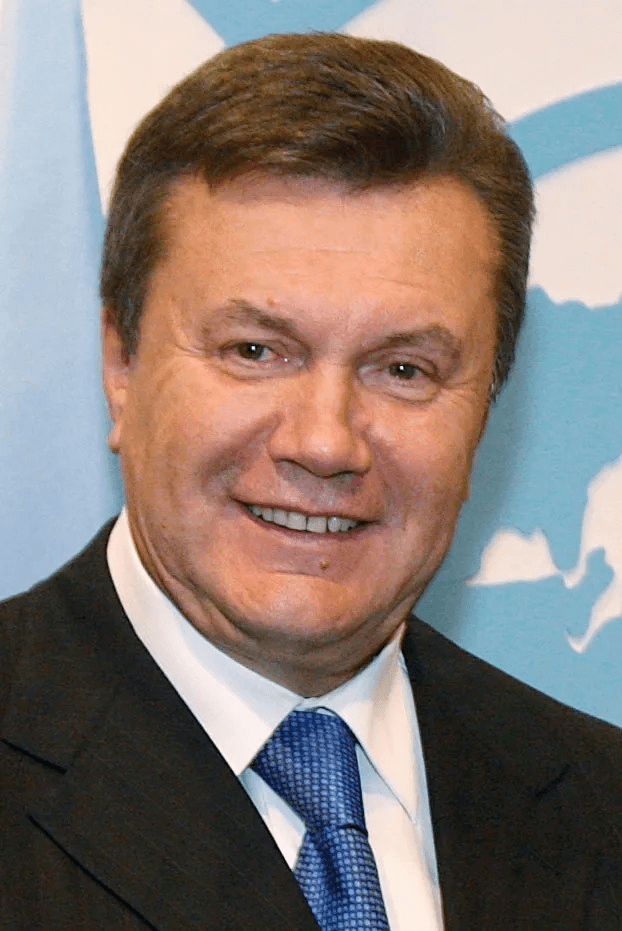
Putin has long had a keen interest in Ukraine, especially given the large ethnic Russian population there. But Ukraine’s turn towards the West and away from Russia under President Yanukovich (above in pic) in 2014 was a line in the sand for Putin. He viewed this as a clear challenge to Russian hegemony in the region, and hewas determined to demonstrate to the international community that he would not hesitate to use force to preserve Russia’s interests. The war in Syria allowed Putin to test Russia’s military capabilities and showcase its weaponry, and this success gave him the confidence to take even bolder actions in Ukraine.
Putin’s intervention in Syria was primarily motivated by his desire to maintain Russia’s influence in the Middle East and safeguard the Assad regime, which had been a long-standing ally. The Syrian conflict had dragged on for several years, and Bashar al-Assad’s regime was on the verge of collapse due to the efforts of rebel groups backed by Western powers. Putin saw an opportunity to protect his ally and showcase Russia’s military prowess at the same time. He authorized the deployment of Russian troops, tanks, and planes to support the Syrian army, and this intervention turned the tide of the war in Assad’s favor.
The success of the intervention in Syria gave Putin a significant boost in domestic and international standing, and he was hailed as a strong and decisive leader. However, underlying this apparent success was a dangerous trend, which was Putin’s growing confidence in his power and ability to act with impunity in pursuit of his goals.
This trend was clearly evident in Putin’s actions in Syria. He dispatched Russian troops and planes in support of the brutal Assad regime, which has been responsible for horrific war crimes against its own people. Despite international condemnation and human rights violations, Putin continued to support Assad, emboldened by the lack of opposition and criticism from his peers.
This sense of invincibility was further reinforced by Putin’s ability to help Assad turn the tide of the war in Syria’s favor. With Russian air support, Assad was able to retake key territories and suppress rebel fighters. This success bolstered Putin’s image both at home and abroad, and put him in a position of strength to pursue further expansions of Russian influence.
And so when the opportunity presented itself in Ukraine, Putin saw a chance to further expand Russian territoryand influence. But what led to this bold move by Putin?
To understand the situation, it is crucial to look back at Putin’s actions in Syria. Putin unilaterally sent in his army and planes to aid Syrian President Bashar al-Assad in his fight against opposition groups. In the process, the Russian military committed numerous atrocities, including bombing and targeting civilian areas.
What is important to note is that Putin faced little to no opposition from the international community for his actions in Syria. This lack of consequences emboldened Putin and gave him the confidence to flex his muscles in other areas.
This translated into Putin’s invasion of Ukraine, which began in 2014. Putin saw an opportunity to further expand Russian territory and influence by annexing Crimea and supporting separatist rebels in eastern Ukraine.
It is clear that Putin’s actions in Syria paved the way for his aggression in Ukraine. The international community’s failure to hold Putin accountable for the atrocities committed in Syria sent a message to Putin thathe could act with impunity and go unchecked in pursuing his political and military objectives. This confidence in his power and protection allowed him to act even more forcefully in the future, ultimately leading to the invasion of Ukraine.
Putin’s intervention in Syria began in 2015, in support of the Assad regime, which was widely accused of committing war crimes and crimes against humanity. The Russian military carried out indiscriminate bombings of civilian areas, targeting hospitals, schools, and markets, leading to massive civilian casualties as well as massive displacement of Syrians.
Despite international protests and criticism, Putin refused to withdraw from Syria or condemn the regime’s actions, instead justifying such brutal means as necessary to protect Russian interests in the region. This lack of accountability emboldened Putin and led him to believe that he could act with impunity in support of his political objectives.
The invasion of Ukraine began in 2014, shortly after Putin’s intervention in Syria. Russian troops entered Crimea, a region historically part of Ukraine, and annexedit in 2014. This action sparked international condemnation and sanctions against Russia. However, Putin did not stop there – he continued to intervene in the Syrian civil war on the side of the Assad regime. By providing military aid, troops, and air support, Putin gave Assad the upper hand in the conflict and ultimately helped him remain in power.
This intervention in Syria was a significant move for Putin, as it demonstrated his willingness to use military force to support friendly regimes and assert Russian influence in the region. Moreover, it showed that Putin was not afraid to act unilaterally, even in the face of international condemnation.
However, the intervention in Syria was just the beginning. Putin’s confidence in being able to act without opposition emboldened him to take even bolder steps, such as the invasion of Ukraine. In February 2014, Russian-backed separatists seized control of the Crimean Peninsula, which had been part of Ukraine since 1954. In March of that year, Putin orchestrateda series of events that led to the annexation of Crimea by Russia. The move was condemned by the international community, with many countries enforcing sanctions against Russia in response. However, Putin remained defiant and showed no signs of backing down.
Following the annexation of Crimea, Putin’s attention turned to Ukraine’s eastern regions, which have large concentrations of ethnic Russians. The situation in these regions was volatile, with pro-Russian separatists agitating for closer ties with Moscow. Putin used this unrest as a pretext to intervene, sending Russian troops and weapons into eastern Ukraine and annexing the Crimean Peninsula.
The lack of a strong response from the international community to the annexation of Crimea emboldened Putin to take bold actions in Ukraine. With the world failing to hold him accountable for his actions, Putin was emboldened to continue his aggressive foreign policy. Putin’s actions in Ukraine have destabilized the region, and caused widespread destruction and loss of life.
The consequences of Putin’s actions in Ukraine have been devastating, with significant loss of life and displacement of thousands of civilians.
However, it’s important to note that the invasion of Ukraine was not an abrupt decision by Putin, but the culmination of a series of events that go as far back as Russia’s military intervention in Syria in 2015.
Russian support for Bashar al-Assad’s regime in Syria was critical to his victory in the ongoing civil war that began in 2011. The conflict had caused widespread destruction and loss of life, with millions displaced and over 500,000 people killed.
Despite international criticism of Russia’s involvement in Syria, Putin was emboldened by the perceived lack of action from the international community. The Assad regime had been able to continue its atrocities against the Syrian people with impunity, and Putin had undoubtedly taken note of this.
Therefore, Putin felt confident in extending his aggressive posturing beyond Syria. In February 2014, several incidents occurred that eventually led to his annexation of Crimea, followed byan invasion of the eastern regions of Ukraine. At that time, Putin had sent his armed forces to suppress protests in Ukraine’s pro-Russian eastern regions, with the pretext of defending Russian-speaking and ethnic Russian minorities from the supposed “fascist” government in Kiev.
However, it was clear that Putin’s ultimate goal was to reassert Russia’s sphere of influence over Ukraine, which he regards as an integral part of the Russian civilization and a buffer zone against the West. Putin was emboldened by his perceived success in Syria, where he had intervened militarily in support of Assad’s regime, which was facing a popular uprising backed by the West and regional powers such as Saudi Arabia and Turkey.
In Syria, Russia demonstrated its military prowess and strategic depth, projecting power beyond its traditional sphere of influence in the Middle East. Putin saw an opportunity to exploit the vacuum left by the Obama administration’s reluctance to engage directly in Syria, and to challenge the US-led global order that he deemed hostile to Russia’s interests, Russian President Vladimir Putin made the fateful decision to back Syrian President Bashar al-Assad in that country’s brutal civil war. Putin committed Russia’s military forces, including air power and ground troops, to bolster the Syrian regime’s fight against an array of rebel forces, some of which were supported by the United States and its allies.
While Russia was already facing international isolation over its annexation of Crimea and its support for separatist rebels in eastern Ukraine, Putin’s bold move in Syria further elevated tensions with the West. But Putin clearly believed that the risks of that level of confrontation were outweighed by what he saw as the benefits of backing Assad and establishing Russia’s military dominance in the Middle East.
As Putin’s forces waged an aggressive campaign against the rebels, including targeting civilian areas, hospitals and aid convoys, the international outrage was muted. Despite calls for action by some Western leaders, Russia was not effectively challenged on the international stage or held accountable for the atrocities that had been committed.
Theconflict in Syria has been ongoing since 2011, with Russia’s intervention beginning in 2015. Vladimir Putin, the President of the Russian Federation, has been a key player in this conflict as he provided support to the Syrian President Bashar al-Assad and his government forces. In doing so, Putin has been accused of committing human rights violations and war crimes, including the use of chemical weapons against innocent civilians.
Despite these accusations, Putin has largely been able to avoid any serious consequences or international condemnation for his actions. This impunity has emboldened Putin to take further aggressive actions on the international stage, including the invasion of Ukraine in 2014.
Putin’s confidence in avoiding repercussions for his actions in Syria likely played a significant role in his decision to invade Ukraine. He may have believed that the international community would once again turn a blind eye to his behavior, or that any criticisms or sanctions issued would be relatively minor and ineffectual.
Furthermore, Putin may have felt that he had a strategic advantage in supporting Assad in Syria. The region is strategically important due to its location at the crossroads of Europe, Asia, and the Middle East, and is home to significant oil reserves. By propping up Assad, Putin was able to maintain his influence in the region and secure Russia’s economic and military interests in the Middle East.
However, the success of Putin’s intervention in Syria may have also emboldened him to expand his influence beyond the country’s borders. This was evident in 2014 when Putin authorized the annexation of Crimea, sparking a conflict with Ukraine. Putin saw Ukraine, a neighboring country with a significant Russian-speaking population, as part of Russia’s historical sphere of influence. He used the pretext of protecting Russian speakers in Ukraine to justify the annexation, marking the first time since the end of the Cold War that a European country had been forcibly annexed.
The international community heavily condemned Putin’s actions in Ukraine, and economic sanctions were imposed on Russia. However, Putin seems to have shown little concern for these sanctions and continues to assert his authority in the region. Many people believe that Putin’s actions in Ukraine were simply an extension of his actions in Syria, where he also used military force to support the regime of Bashar al-Assad.
One theory is that Putin felt emboldened to act aggressively in Ukraine because he was able to get away with his actions in Syria. When Putin sent in his army and planes to assist Assad, there was little opposition from other world powers. This gave Putin the confidence to believe that he could act with impunity in other areas as well. In addition, Putin may have felt that he needed to assert his dominance in the region in order to counteract perceived threats from NATO and other Western powers.

The situation in Ukraine is complex and there are many factors at play. Some experts argue that Putin may also have been motivated by a desire to protect the ethnic Russian population in Ukraine, or to regain territory lost when the Soviet Union collapsed. Others believe that Russian President Vladimir Putin saw an opportunity to expand Russia’s sphere of influence and impose his own brand of authoritarian rule on neighboring countries.
However, understanding why Putin felt confident enough to take such aggressive actions requires looking at his earlier actions in Syria. In September 2015, Putin authorized the deployment of Russian military forces to Syria to support President Bashar al-Assad’s regime in its fight against rebels and terrorist groups.
By intervening in Syria, Putin demonstrated his willingness to use military force to protect Russian interests abroad. He also sent a signal to other countries that Russia was not afraid to take bold actions to protect its allies or secure strategic objectives.
Moreover, Putin’s intervention in Syria was met with little opposition from the international community. While some countries, such as the United States, criticized Russia’s role in the conflict, they refrained from taking any direct military action that might have provoked a larger confrontation.
The lack of a strong response from the West likely emboldened Putin to pursue more aggressive actionsThe Russian government, under the leadership of Vladimir Putin, has been involved in multiple international conflicts in recent years. One of the most notable conflicts has been the Syrian Civil War, where Putin has been strongly supporting the authoritarian regime of Bashar al-Assad. Putin’s decision to intervene in Syria by sending in Russian troops and planes was initially met with limited opposition from the Western powers.
This lack of a strong response from the West may have emboldened Putin to pursue more aggressive actions, such as his invasion of Ukraine in 2014. Putin saw that he could act with impunity, knowing that the Western powers would be hesitant to engage in a military conflict with Russia.
Furthermore, Putin may have been motivated by a desire to reassert Russian dominance in the region. Russia has historically viewed Ukraine as part of its sphere of influence, and Putin likely saw the annexation of Crimea and the subsequent conflict in eastern Ukraine as a way to regain control over Ukraine and demonstrate Russia’s strength and influence in the region.
The events that have transpired in Syria and Ukraine over the past few years have highlighted the role of Russian President Vladimir Putin in these conflicts and how his actions in Syria emboldened him to launch an invasion of Ukraine.
In 2015, Putin sent in the Russian Army and deployed Russian planes to Syria to help bolster the regime of Syrian President Bashar al-Assad. Putin’s intervention in Syria was widely seen as a major political and military gamble, as it exposed Russian troops to the dangers of a protracted conflict with a range of opposition forces, including the Islamic State. However, Putin’s intervention in Syria also served to boost his personal profile and reinforce Russia’s reputation as a great power in the region.
The success of Putin’s intervention in Syria is believed to have played a key role in emboldening him to invade Ukraine in 2014. In fact, Putin’s intervention in Syria suggested to him that he possessed the military muscle and political influence necessary to intervene in Ukraine, which had been on the agenda of Russian leader Vladimir Putin for quite some time, most likely stemmed from the perceived lack of consequence following Russia’s intervention in Syria. Putin’s decision to intervene in Syria, on behalf of the Assad regime, was met with condemnation from the international community, but ultimately, Russian forces were allowed to operate with relative impunity.
This lack of meaningful opposition bolstered Putin’s confidence and likely led him to feel emboldened in his efforts to intervene in Ukraine. The annexation of Crimea, which was previously a part of Ukraine, was a clear demonstration of Putin’s aggressive foreign policy, fueled by his perceived success in Syria. In addition to the annexation of Crimea, Russian-backed separatists in Eastern Ukraine directed combat operations, which resulted in the deaths of over 10,000 people.
The military capability to undertake these operations, and the political influence needed to garner support, came primarily from Russia’s successful intervention in Syria. Putin’s ability to project power beyond Russia’s borders, and his willingness touse military force to defend Russian interests, became clearly evident in 2015 when he ordered the Russian military to intervene in the Syrian Civil War on the side of Syrian President Bashar al-Assad. Putin’s stated goal of intervening in Syria was to combat terrorism, but the Russian military’s actions in Syria have also helped to shore up the Assad government and maintain Russian influence in the Middle East.
The intervention in Syria was a significant milestone in Putin’s foreign policy, demonstrating Russia’s ability to project power beyond its borders and effectively advance its interests in the region. Putin’s success in Syria gave him confidence and strengthened his belief that he could act with impunity on the world stage.
This perceived confidence led Putin to undertake further aggressive actions, including the annexation of Crimea in 2014 and the support for separatists in eastern Ukraine. In 2014, Russia began providing military and political support to separatists in eastern Ukraine, a move that many in the international community believe was a direct violation of Ukraine’s territorial. Events of recent years have had a significant impact on the global political landscape. One of the most significant events in recent times has been the actions of Russian President Vladimir Putin in Syria and Ukraine. Putin’s actions in these countries have been closely linked, as the confidence he gained from being able to act with impunity in Syria emboldened him to take aggressive action in Ukraine.
In 2015, Russia began a military intervention in Syria, supporting the government of President Bashar al-Assad against rebel groups seeking to overthrow him. This intervention allowed Russian forces to test out new weapons and tactics in real-world combat situations, and Putin could demonstrate Russia’s military capabilities to the world. The fighting in Syria also gave Putin the opportunity to build closer ties with other governments in the region, as well as with Iran.
By achieving a significant victory in Syria, Putin was able to solidify his domestic support and demonstrate his strength to the world. This newfound confidence provided him with the impetus to invade Ukraine.
The roots of the current conflict in Ukraine lie in Russia’s annexation of Crimea in 2014, which Putin justified by claiming that the peninsula was historically Russian and that Russian speakers there were being oppressed by the Ukrainian government. However, the annexation came at a time when Putin was feeling increasingly confident on the world stage, due in part to his perceived success in Syria.
Prior to the annexation, Putin had intervened in the Syrian civil war in 2015, sending Russian troops and planes to help prop up the regime of Bashar al-Assad. This intervention marked a new level of assertiveness by Russia, which had largely stayed out of international conflicts since the end of the Cold War. Putin’s decision to send in Russian forces was driven by several factors, including a desire to protect Russia’s ally Syria and to demonstrate Russia’s military power to the world.
The intervention in Syria turned out to be a watershed moment for Putin. Despite initial doubts about the effectiveness and success of the operation, Putin’s involvement in Syria ultimately proved to have significant strategic implications that led to his increased confidence and emboldened him to take further aggressive actions, such as the invasion of Ukraine.
In 2015, the Syrian Civil War had been raging for several years, with the Assad regime struggling to hold its ground against various opposition groups. Putin sensed an opportunity to establish a foothold in the Middle East and flex Russia’s military might on the global stage. He ordered the deployment of Russian troops and heavy military equipment to Syria, escalating the conflict and effectively placing himself as a key player in the region.
Despite international criticism and concern about the humanitarian toll of the conflict, Putin justified Russian intervention as necessary to defeat terrorism and protect Russia’s interests. This stance allowed him to rally domestic support by presenting himself as a strong and decisive leader who was willing to take bold action to defend national security.
As Russian forces began to achieve successes on the battlefield, Putin’s confidence in his military capabilities grew, as did his belief that he could act with impunity in the global arena. This confidence manifested itself in Putin’s decision to invade Ukraine in 2014. However, this was not a sudden development, but rather the culmination of several years of Russian aggression in the region.
Starting with the Syrian conflict, Putin committed Russian forces in support of Bashar al-Assad’s regime in 2015. This military intervention proved to be a success for Russia, with Syrian government forces regaining significant territory and western powers hesitant to confront Russian troops. With no real pushback against Russian intervention in Syria, Putin became emboldened and began to flex his muscles in other regions.
In 2014, Ukraine was grappling with political turmoil resulting from November 2013 Euromaidan protests that ousted the pro-Russian president, Viktor Yanukovych. In response, Russia annexed Crimea from Ukraine and provided military support to separatist rebels in eastern Ukraine. Despite increasing sanctions and condemnation by the international community,Russian President Vladimir Putin has continued to escalate his military aggression in Ukraine. The question that many are asking is, why did Putin feel confident in launching such a bold move? The answer lies in his previous actions in Syria.
In 2015, Putin deployed Russian military forces in support of Syrian President Bashar al-Assad. Russian planes and troops helped turn the tide of the Syrian civil war in favor of the Assad regime. Putin was emboldened by his success in Syria, which allowed him to showcase Russia’s military might and assert Russian influence in the region.
However, this success came at a heavy cost. The Russian military committed numerous atrocities in Syria, including bombing civilian targets and using chemical weapons. These actions drew international condemnation, but Putin was able to sidestep most of the criticism due to the weakness of the international community.
Moreover, Putin understood that the Islamic State was and would be a global problem, thus the support to the regime in Syria by Russia was a strategic move to help wipe out opposition forces and secure a strong foothold in the Middle East. Putin saw an opportunity to support a fellow authoritarian leader, President Bashar al-Assad, and assert Russia’s influence in the region. By committing ground troops, air support, and advanced weaponry, Russia was able to make significant gains and ultimately help turn the tide of the Syrian civil war in favor of Assad’s regime.
This military intervention was met with international criticism and condemnation, as well as accusations of war crimes committed by the Russian military. However, Putin remained steadfast in his support of Assad and showed little concern for the opinions of the international community.
The success of the Russian military intervention in Syria gave Putin a sense of confidence and emboldened him to take further aggressive actions, such as the invasion of Ukraine. Putin had long been interested in exerting control over Ukraine, which had been historically tied to Russia through culture and geography.
In 2014, Putin saw an opportunity to annex Crimea, a Ukrainian territory with a significant Russian-speaking population, claiming it was a historical part of Russia. He deployed his army and propaganda machine to justify this action, which was condemned by the international community as a violation of Ukraine’s sovereignty.
As the conflict in Ukraine escalated, Putin continued to support separatist rebels in the eastern part of the country with military assistance, emboldened by the lack of forceful opposition from other world powers.
Meanwhile, in Syria, Putin also saw an opportunity to intervene and prop up the regime of Bashar al-Assad, who was facing rebellion from various factions. The Russian military launched an intense bombing campaign in support of Assad, causing significant civilian deaths and destruction.
The lack of a strong response from the international community to his actions in both Ukraine and Syria created a sense of impunity for Putin. He believed that he could take aggressive actions without significant consequences or pushback.
This confidence ultimately led to the invasion of Ukraine in 2022, as Putin sought to increase Russia’s influence and territory while testing the limits of what the international community was willing to tolerate, he began by intervening in the Syrian civil war. In doing so, he not only helped prop up the regime of Syrian President Bashar al-Assad, but also demonstrated the reach of Russian military power and the willingness to use it beyond Russia’s borders.
The success that Putin found in Syria had multiple implications for his future foreign policy decisions. Firstly, it emboldened Russia’s confidence in its military capabilities, both in terms of technology and combat readiness. Secondly, it made it clear that Russia could project power effectively in regions well beyond its borders. Lastly, it showed the world that Russia was capable of and willing to directly challenge the West and the global order.
The Syrian intervention also helped Putin to achieve very clear strategic gains. By propping up the Syrian government, Russia secured a critical foothold in the Middle East and access to the Mediterranean Sea. Russia also built a strong alliance with Iran, which is critical in opposing US influence in the region.
However, Putin’s involvement in Syria did not just end with supporting Assad. Putin’s forces were accused of committing numerous atrocities including indiscriminate bombing of
civilians, hospitals, and schools.
This created a devastating humanitarian crisis in the country with thousands of people losing their lives and being displaced.
Despite these accusations, Putin was able to avoid international condemnation and prosecution largely due to his alliance with countries like China and Iran who support his actions. This emboldened Putin to further expand his influence in the region and led to the invasion of Ukraine.
Putin saw an opportunity to expand his sphere of influence in Ukraine, a country that shares a border with Russia and has a significant Russian-speaking population. He exploited political unrest in the country to annex Crimea in 2014 and later supported separatist movements in eastern Ukraine. The international community imposed sanctions on Russia for its actions in Ukraine, but Putin remained defiant and refused to withdraw his forces.
The lack of opposition to Putin’s actions in Syria gave him the confidence to take further aggressive actions on the global stage, ultimately leading to his invasion of Ukraine. Putin’s decision to support Bashar al-Assad’s regime in Syria demonstrated to the international community that he was willing to use military force to achieve his goals, regardless of the human suffering caused. The use of Russian military and air support in Syria not only allowed the Assad regime to maintain its grip on power but also quashed any opposition to Putin’s aggressive tactics.
This lack of international opposition emboldened Putin to make further aggressive moves, including the annexation of Crimea and the invasion of eastern Ukraine. Putin’s actions in Ukraine were a clear display of his desire to expand Russian influence and power, as well as his disregard for international law and the sovereignty of other nations.
Furthermore, Putin’s actions have shown his willingness to use military force to achieve his goals, a clear threat to global stability and security. The West’s initial response to Putin’s actions in Syria was too weak and did not deter him from further aggression. This highlights the need fora stronger international response to prevent the escalation of conflicts and human rights abuses.
Throughout history, numerous leaders have exploited their power to commit heinous acts against their own people and neighboring countries. One of the most recent examples of this was the Syrian civil war, which broke out in 2011 and quickly turned into a deadly conflict that claimed hundreds of thousands of lives. At the heart of this crisis was the brutal regime of Bashar al-Assad, who sought to cling onto power at all costs.
****€
In 2015, as Assad’s forces were on the brink of defeat, Russian President Vladimir Putin decided to intervene on his behalf by sending in his army and planes to tip the scales of the conflict in favor of the regime. While the official line was to combat terrorism, the real goal was to assert Russia’s influence in the Middle East and gain access to Syria’s strategic ports and resources. With its advanced weaponry and military might, Russia quickly achieved its objective and helped to turn the tide in favor of Assad in Syria, using military force to bomb and attack rebel forces in the country. This move was widely criticized by the international community and sparked global concern over Russia’s agenda in the region.
****€
Sadly, the lack of a strong response from other nations emboldened Russian President Vladimir Putin to pursue his own interests further. Putin erroneously took the lack of any substantial opposition as a sign of approval, and it motivated him to continue his bold agenda on the world stage.
Putin was thus confident enough to make an aggressive land-grab and annex Crimea in 2014. When the West imposed economic sanctions, Putin had predicted that they would have little impact and that his military ambitions would be achieved regardless. His subsequent actions proved him right when he continued to supply weapons and support to separatist militias in eastern Ukraine, sparking a protracted conflict in the region.
At the same time, Putin took a strategic decision to interfere in the U.S. presidential election of 2016 in support of Donald Trump, escalating tensions Vladimir Putin, the President of Russia, has been accused of committing horrible atrocities in Syria by supporting the regime of Bashar al-Assad. Putin deployed his military and air force in the civil war in Syria, backing Assad, who has been accused of war crimes and crimes against humanity by the international community. Despite the accusations, Putin faced no significant opposition in his actions, which might have emboldened him to take further aggressive actions.
In 2014, Russia annexed Crimea from Ukraine, which led to international condemnation and sanctions against Russia. Putin’s confidence in Syria might have convinced him that he could similarly get away with a military invasion of Ukraine. In 2014, pro-Russian separatists in eastern Ukraine allegedly received support from Russia, which led to a conflict that still persists. Putin denied the allegations, but the evidence indicated otherwise.
Moreover, Putin interfered in the U.S. presidential election of 2016, in support of Donald Trump, which further escalated tensions between Russia and other nations.
The Syrian conflict has been one of the deadliest and most destructive conflicts of recent years. Since it began in 2011, over 500,000 people have been killed and millions displaced. Russian President Vladimir Putin took an active role in the conflict in 2015, sending in his army and planes to support Syrian President Bashar al-Assad.
Russia’s support for the Assad regime allowed them to stay in power and commit crimes against humanity with impunity. Putin’s military intervention showed the world that he was willing to use force to protect his allies, even if it meant committing atrocities. This showed Putin’s opponents that he was willing to go to great lengths to protect his interests, which made them hesitant to challenge him.
This same confidence emboldened Putin to invade Ukraine in 2014. The annexation of Crimea and the ongoing conflict in eastern Ukraine showed that Putin was willing to use military force to expand his territory and to protect ethnic Russians living outside of Russia proper.
Putin’s actions inSyria were indeed brutal and atrocious, as he provided military and logistical support to the regime of Bashar al-Assad, which committed numerous war crimes against its own people. This included the use of chemical weapons on multiple occasions, which led to the death of thousands of civilians.
Despite international condemnation and sanctions, Putin was able to continue his support for Assad with relative impunity. This undoubtedly emboldened him to believe that he could also act with impunity in neighboring Ukraine.
In February 2014, Ukraine underwent a political revolution that overthrew its pro-Russian president, Viktor Yanukovych. Putin saw this as a direct challenge to Russia’s influence in its former Soviet sphere of influence and began to pursue a policy of aggression towards Ukraine.
At first, Putin relied on covert operations and the support of separatist militias in eastern Ukraine. However, as these efforts proved insufficient, he launched a full-scale military invasion in 2014, annexing the Crimean peninsula and supporting separatist rebels in the eastern regions of Ukraine, Putin’s aggressive actions have continued to create chaos and conflict in the region. The roots of Putin’s actions in Syria can be traced back to his desire to maintain a foothold in the Middle East and bolster Russia’s influence in the region. In 2011, as the Syrian civil war began, Putin saw an opportunity to support the embattled Syrian dictator Bashar al-Assad and assert his dominance in the region. He sent in troops and planes to aid in the fight against opposition forces and solidify Russia’s position.
With little opposition and few consequences for his brutal actions in Syria, Putin felt emboldened to continue his aggressive foreign policy. In 2014, he made the decision to annex Crimea, a move that was met with international condemnation but did little to deter him. In the years since, Putin has continued to support separatist rebels in eastern Ukraine, exacerbating the conflict and destabilizing the region.
Throughout these events, Putin has demonstrated a willingness to use military force to further his political objectives, with little concern for the humanitarian consequences of his actions.
The situation in Syria is a prime example of Putin’s willingness to use military force to prop up a regime that supports his interests. In 2015, Putin began a military intervention in Syria in support of the Bashar al-Assad regime. This intervention involved the active deployment of Russian troops and planes to target opposition forces and civilians alike. Despite reports of human rights abuses and war crimes committed by Russian forces in Syria, Putin has continued to support Assad and maintain his military presence in the country.
This success in Syria gave Putin the confidence to expand his military interventions into Ukraine. In 2014, Putin annexed Crimea, a move that was widely criticized by the international community as a blatant violation of Ukraine’s sovereignty. Putin also provided support to separatist rebels in eastern Ukraine, leading to a protracted conflict that persists to this day. Despite numerous ceasefire agreements and diplomatic efforts to resolve the conflict, Putin has continued to escalate the situation in both Syria and Ukraine. His unchecked military intervention in Syria, in support of the Assad regime, has allowed the Syrian government to commit terrible atrocities against its own people. This has created a sense of impunity for Putin and his government, as they have not faced any significant opposition or repercussions for their actions.
Furthermore, Putin’s actions in Syria have emboldened him to act similarly in Ukraine. Following the annexation of Crimea in 2014, Putin has continued to fuel the conflict in eastern Ukraine by supporting pro-Russian separatists with military hardware and personnel. The conflict has resulted in the deaths of thousands of people, and has caused a humanitarian crisis.
The lack of opposition to Putin’s aggressive actions in Syria has emboldened him to continue with his aggressive behavior in Ukraine. Putin has used his military might to bully and intimidate other countries in the region, including Georgia and Moldova, and has threatened other European countries with military action.
The international community has imposed economic sanctions. The actions of Russian President Vladimir Putin in Syria and Ukraine have been a source of concern and criticism from the international community. Putin’s decision to support Syrian leader Bashar al-Assad in his brutal crackdown on opposition forces has been widely condemned. Putin sent in his army and planes to aid Assad, resulting in numerous atrocities against Syrian civilians.
The international community’s failure to hold Putin accountable for these actions only served to embolden him. Putin saw that he could carry out such atrocities in Syria with little opposition and no major repercussions. This confidence that he could act with impunity led to his decision to invade Ukraine in 2014.
The Russian annexation of Crimea and support for separatist rebels in eastern Ukraine triggered a conflict that has claimed thousands of lives. Putin’s decision to invade Ukraine was a clear violation of international law, but he did not face any serious consequences for his actions.
This has led to concerns that Putin may try to take similar actions in other European countries. His use of military maneuvers and threats have led many to question Putin’s true intentions and the extent of his power.
The Syrian Civil War has been ongoing since 2011, and during this time Russia has been a strong supporter of Syrian President Bashar al-Assad. Russia’s intervention in the conflict began in September 2015, when Russian forces entered Syria and began airstrikes against rebel forces. These actions were widely criticized by the international community, as they were seen as a violation of Syrian sovereignty and a threat to regional stability.
Despite these criticisms, Putin continued to support Assad and his regime throughout the conflict. This confidence in his ability to act with impunity has emboldened Putin to take further aggressive actions, such as the annexation of Crimea in 2014 and the ongoing conflict in eastern Ukraine.
Putin’s actions in Syria and Ukraine have raised questions about Russia’s larger geopolitical ambitions. Many have speculated that Putin is seeking to expand Russian influence beyond its borders and reassert its dominance on the world stage. His military maneuvers and threats have also caused concern among neighboring countries in Eastern Europe and raised alarm bells across the international community.
The situation in Syria was a turning point for Putin’s Russia. As a staunch ally of President Bashar al-Assad, Putin was committed to supporting the Syrian regime against opposition forces. This led to a brutal military campaign that resulted in the deaths of tens of thousands of people and the displacement of millions. Despite international condemnation, Putin felt confident in his decision to intervene in Syria, as he believed that no major power would dare to challenge him.
This confidence proved to be justified, as Putin was able to carry out his campaign in Syria with impunity, largely due to the reluctance of the US and other Western powers to get involved. With no significant opposition, Putin felt emboldened to assert Russia’s dominance in the region and pursue his own interests.
However, Putin’s actions in Syria also heightened tensions with neighboring Ukraine, which had struggled to maintain its independence from Russia for years. With no pushback in Syria, Putin Felt increasingly confident in his ability to pursue aggressive actions in other countries, such as Ukraine.
The conflict in Syria began in 2011, and Putin’s support for the Assad regime was well established by the time Russia intervened militarily in 2015. With Russia’s intervention, the tide of the Syrian conflict shifted in favor of Assad, despite widespread condemnation and allegations of war crimes.
The lack of significant pushback against Russia’s actions in Syria may have emboldened Putin to take further aggressive actions, such as the annexation of Crimea in 2014 and the subsequent invasion of eastern Ukraine.
Furthermore, Russia has long considered Ukraine to be within its sphere of influence, and Putin likely saw an opportunity to assert Russia’s dominance and reclaim it as part of its territory. Putin may have also calculated that the international community would not be willing to take significant action against Russia in response to its military aggression.
This confidence extended beyond Ukraine, as Russia has also been involved in conflicts in Georgia And Crimea, and has been accused of meddling in elections in various countries. The question then arises, why has Russia been able to get away with such actions without significant consequences? Why, indeed? One might establish a link between Why Nations won’t truly hold Putin responsible because of his predisposition he boasts publicly about his free hand use of Nukes.
To understand this issue, it is important to recognize that international relations are complex and often driven by a balance of power. Russia is a nuclear power, which gives it significant clout in global affairs. And Nations are constantly wondering what would cause Putin to actually use nukes. And this may have caused a serious hesitant to oppose him. Additionally, Russia’s position as a permanent member of the United Nations Security Council gives it veto power, allowing it to block any action by the international community that it sees as unfavorable. Thus giving Russia a free hand to do as Putin pleases.
Furthermore, Russia’s “sphere of influence,” which includes former Soviet republics and satellite states, is regarded as vital to its national security. This is why it was so swift to react when it believed that its interests were threatened in Ukraine. Putin saw the ousting of Ukraine’s pro-Russian president Victor Yanukovych in 2014 as a direct affront to Russia’s sphere of influence, and responded by annexing Crimea and backing separatists in eastern Ukraine. Putin’s actions in Ukraine caused an international uproar and led to economic sanctions against Russia, but he has remained defiant and unapologetic.
The roots of Putin’s aggressive foreign policy can be traced back to his early years in office. When Putin became president in 2000, Russia was still recovering from the economic turmoil of the 1990s and struggling to assert itself on the world stage. Putin saw this as a major challenge and made it a priority to restore Russia’s status as a major global power.
One way Putin sought to do this was by strengthening Russia’s military capabilities. Shortly after taking office, he began a massive military modernization campaign that included the development of new weapons systems and the expansion of Russia’s military presence in strategic regions such as the Black Sea and the Arctic. Putin also sought to assert Russia’s influence in neighboring countries, particularly those with large populations of ethnic Russians.
This aggressive approach was on full display in Syria, where Russia, under the leadership of President Putin, launched a military intervention in 2015 to support the regime of Syrian President Bashar al-Assad. The intervention, which involved the deployment of troops and aircraft, was controversial from the start, with many accusing Russia of war crimes and indiscriminately targeting civilians.
Despite widespread condemnation from the international community, Putin remained steadfast in his support of the Syrian regime, and his willingness to intervene militarily was seen by many as a demonstration of Russia’s military capabilities and willingness to assert its power on the global stage.
The success of the Russian intervention in Syria gave Putin a sense of confidence and invincibility that emboldened him to take aggressive actions elsewhere, most notably in Ukraine. Putin’s decision to annex Crimea and support separatist rebels in Eastern Ukraine was fueled in part by his belief that he would face little resistance from the West.
This confidence came, in part, from the lack of any significant pushback against Russia’s actions in Syria. Despite repeated calls for intervention and sanctions from the international community, Russia was able to conduct its military operations in Syria with near impunity. This sense of invincibility emboldened Russian President Vladimir Putin to take further aggressive actions, such as the invasion of Ukraine.
Putin’s decision to send Russian military forces into Syria in 2015 was met with widespread condemnation from many parts of the world. The Syrian conflict was already one of the most complex and deadly conflicts in modern times, and the introduction of Russian firepower only served to escalate it further.
However, despite calls for the imposition of sanctions and other measures, Russia was able to continue its military operations in Syria largely unchecked. The Assad regime was strengthened by the presence of Russian forces, and they were able to make significant gains against opposition groups.
This lack of significant pushback from the international community gave Putin the confidence to embark on further aggressive actions. In 2014, Russia began a covert operation to annex Crimea, a region of Ukraine that had been under Russian controlThe Russian government, under the leadership of President Vladimir Putin, has been known for its aggressive tactics in foreign relations. In recent years, Putin’s confidence that no one would challenge him has grown, leading to the use of his military in conflicts such as the Syrian civil war and the invasion of Ukraine.
In 2015, Russia intervened in the Syrian civil war by deploying troops and planes to support President Bashar al-Assad’s regime. This move was widely criticized by the international community as Russian forces were accused of committing atrocities against civilians. However, Putin ignored these criticisms, and his forces continued to support Assad’s regime.
This confidence that no one would oppose him even in the face of such brutal actions emboldened Putin to take further aggressive actions. In 2014, Russia carried out a covert operation to annex Crimea, a region in Ukraine that had been under Russian control in the past. Putin’s forces seized control of key facilities, such as airports and government buildings, and held a referendum allowing theOn March 15, 2014, Putin witnessed the successful annexation of Crimea – an event that marked an important turning point in Russia’s foreign policy. Following this event, Putin became more assertive in projecting Russian power and influence in the region, and later in other parts of the world.
The Syrian conflict provided President Putin with an opportunity to showcase Russia’s military might and demonstrate its willingness to support its allies in the Middle East. Russia’s intervention in Syria allowed Putin to showcase his country’s upgraded military technology and capabilities, including the deployment of state-of-the-art fighter jets, missiles, and naval vessels. This move created a sense of confidence among the Russian leadership, both domestically and internationally, that Russia could exercise its foreign policy interests without significant opposition.
Unfortunately, this confidence emboldened Putin to invade Ukraine, throwing the entire region into a geopolitical crisis. Ukraine has always been within Russia’s sphere of influence and is considered its strategic backyard. Therefore, when the country started looking to the east and forming closer ties with the European Union (EU) and NATO, Russia became increasingly concerned about losing its influence over Ukraine. This led to tensions between the two nations and eventually, in March 2014, Russian forces annexed Crimea from Ukraine.
However, Russia’s aggression towards Ukraine didn’t stop there. Putin continued to support separatist rebels in eastern Ukraine, providing them with weapons and military training. This resulted in a prolonged conflict that has claimed over 13,000 lives to date.
So, how did Russia become emboldened to invade Ukraine? Some experts point to Putin’s success in Syria as a factor. In 2015, Russia intervened in the Syrian civil war, supporting the Assad regime. This move was widely seen as a success for Putin, as Russia was able to back its ally and exert its influence in the region.
The confidence gained from the Syrian intervention may have given Putin the impression that he could act with impunity in other regions as well. Additionally, the lack of international opposition to his actions in Syria only reinforced this belief. Putin believed that if he could carry out a military intervention in Syria without significant repercussions, he could do the same in Ukraine.
The Syrian conflict provided an opportunity for Putin to reinforce his image as a strong leader and demonstrate Russia’s military capabilities. The military intervention in Syria was aimed at supporting Syrian President Bashar al-Assad’s regime, which was facing growing opposition from rebel groups backed by Western countries. Putin saw an opportunity to play a leading role in the conflict, and Russia’s military intervention allowed him to secure Russia’s strategic interests in the region.
However, the lack of opposition from Western countries to Russia’s intervention in Syria, despite widespread reports of human rights abuses committed by the Russian military, emboldened Putin. He saw that the international community was not willing to take decisive action against him, and this gave him the confidence to extend his sphere of influence beyond Syria. Putin believed that his military intervention in Syria had been successful in securing Russia’s interests in the region. By providing military support to Bashar al-Assad’s regime, Putin was able to maintain a strong ally in the Middle East while also securing access to Syrian ports and ensuring the continuation of Russian military bases in the country. Additionally, the success of Russian military intervention in Syria projected an image of Russian strength and power in the region, which bolstered Putin’s domestic support and international influence.
Having successfully intervened in Syria, Putin likely felt emboldened to continue pursuing his geopolitical objectives in Ukraine. As a former Soviet republic that was key to Russian economic and military interests, Ukraine had long been viewed as a crucial piece of the puzzle for Putin’s vision of a restored Russian sphere of influence. Putin’s actions in Ukraine, including the annexation of Crimea and ongoing support for separatist rebels in eastern Ukraine, have been widely viewed as a direct challenge to the post-Cold War international order and a brazen display of Russian aggression.
Putin’s confidence in pursuing these actions in Ukraine can be partially attributed to his perceived success in Syria. In Syria, Putin was able to prop up the dictatorship of Bashar al-Assad, by sending in troops and planes to bomb civilian areas, resulting in a high number of civilian casualties.
Despite widespread international condemnation of this flagrant violation of human rights, Putin was able to get away with these actions largely unchecked. This emboldened him to take a more aggressive stance in Ukraine.
In Ukraine, Putin’s aggression took the form of a military invasion, with Russian troops crossing the border and supporting separatist forces in the eastern part of the country. His soldiers were not wearing any insignia, leading to speculation about who was behind these actions. However, it was later revealed that Russian troops were responsible for the invasion.
The invasion of Ukraine was a clear violation of international law, and it resulted in significant unrest in the region. Putin, however, continued to be defiant, even as western countries imposed various economic sanctions on Russia.
The fact that Putin was able to go largely unchecked in his actions in Syria only strengthened his resolve to continue down this path of aggression.
In 2015, Russian forces intervened in the Syrian Civil War with the purported goal of supporting the government of Bashar al-Assad in fighting against rebel forces. However, it quickly became clear that Russia’s true objective was to establish a stronger foothold in the Middle East and exert influence in the region. Russian troops and warplanes carried out merciless bombings and attacks on civilian targets, causing countless casualties and destruction. Despite international outrage and condemnation, Putin continued to support Assad’s regime, disregarding calls for a ceasefire or any other diplomatic solution.
The success of Russia’s intervention in Syria emboldened Putin to pursue further expansionist goals. In 2014, Russia annexed Crimea from Ukraine, sparking international condemnation and economic sanctions against Russia. Despite this, Putin continued to provide support to separatist rebels in eastern Ukraine, sending troops and weapons to the region. In 2022, Putin’s actions in Syria emboldened him to expand his territorial ambitions and further destabilize the region by invading Ukraine.
Putin’s intervention in Syria began in 2015, when he launched a military campaign to support his ally, the Syrian President Bashar al-Assad. Putin provided air support, ground troops, and weapons to the Syrian government, allowing it to regain control over territory previously held by rebel forces. This intervention was successful, and Putin gained a powerful reputation as a strong, decisive leader who was willing to use force to achieve his objectives.
With this success, Putin felt emboldened and confident in his ability to assert Russian power and influence in other parts of the world. In 2022, he turned his attention to Ukraine, a neighboring country with a large Russian-speaking population that had been the focus of Russian aggression for years. Putin saw an opportunity to intervene and support Russian separatists in the Donetsk and Luhansk regions of eastern Ukraine, which had declared independence from Ukraine in 2014The conflict between Ukraine and Russia can be traced back to Russia’s annexation of Crimea in 2014. This illegal annexation was followed by the rebellion and subsequent declaration of independence by Donetsk and Luhansk regions of eastern Ukraine, which Russia supported. The situation in Ukraine was further complicated by the involvement of Russian military forces on Ukrainian soil, which Russia initially denied.
The Kremlin’s involvement in the Ukrainian crisis can be attributed to a number of factors, including Putin’s vision of a Greater Russia, the strategic importance of Ukraine for the Russian Federation, and the perceived threat of NATO expansion into Ukraine. However, it is widely believed that Putin’s military intervention in Syria in support of Bashar al-Assad in 2015 was a turning point in the conflict.
Russia’s involvement in Syria demonstrated to the world that Putin was willing and able to use military force to protect his interests and allies, without fear of opposition from the international community. This confidence led Putin to believe that he could engage in further military interventions with impunity. This is apparent in his decision to invade Ukraine, a move that has been condemned by many countries around the world. However, to fully understand how Putin was able to get away with these atrocities, it is important to examine his actions in Syria.
In Syria, Putin provided significant military and diplomatic support to the regime of President Bashar al-Assad. This support included airstrikes, weapons, and troops, which helped Assad to maintain his hold on power despite the ongoing civil war in the country. Putin’s intervention in Syria was a bold move, as it went against the wishes of many Western countries who had been calling for Assad to step down.
However, Putin knew that he could get away with his actions in Syria due to the lack of strong opposition from the international community. While many countries condemned Russia’s activities in Syria, few were willing to take strong, decisive action to stop them. This was in part due to concerns over how Russia might respond if faced with more aggressive opposition.
As a result, it is imperative that we understand the events that have led to Russia’s continuing acts of aggression in Ukraine and its appetite for intervention in Syria.
In recent years, Russian President Vladimir Putin has deployed his armed forces to support Syrian President Bashar al-Assad in his brutal campaign to suppress a civil war that has ravaged the country. Russia’s military intervention in Syria has been widely seen as a key factor in saving the Assad regime from defeat and restoring at least some measure of stability to the country. In doing so, Putin has shown that Russia is willing to use force to achieve its geopolitical goals, and that he is not afraid to act unilaterally if he believes it is in Russia’s interest to do so.
However, the confidence that Putin gained from his success in Syria was not limited to the Middle East. In 2014, Russia annexed the Crimean Peninsula from Ukraine, sparking a conflict that has led to more than 13,000 deaths and the displacement of over 1.5 million Ukrainians began in 2014, when Russian President Vladimir Putin annexed Crimea and sent his troops into eastern Ukraine to support secessionists. Putin’s actions represented a gross violation of international law and Ukraine’s territorial integrity, but he showed little concern for diplomatic niceties or global opinion. Indeed, he seemed to relish his ability to act with impunity, secure in the knowledge that few countries would be willing to challenge his provocative behavior.
Putin’s confidence in his own abilities was not unfounded. During the conflict in Syria, Putin was able to provide critical military aid to President Bashar al-Assad’s regime, which was fighting a brutal civil war against various rebel groups. Russia’s intervention helped turn the tide of the conflict in Assad’s favor, demonstrating Putin’s effectiveness as a military strategist and bolstering his image as a powerful leader on the world stage. The successful intervention also sent a clear message to other potential adversaries, including Ukraine, that Russia was not to be trifled with.
The international community was left stunned by Russia’s intervention in Syria in 2015, which was particularly brutal, as it included bombing civilian areas, hospitals, and schools. But what really surprised everyone was the fact that Putin didn’t face any significant backlash from the international community for his actions. This lack of consequences for his aggression in Syria set a dangerous precedent that gave Putin the confidence to escalate his aggressive behavior by invading Ukraine in 2022.
The situation in Syria provided Putin with an opportunity to showcase his military might, demonstrate his support for a key ally, and establish Russia as a player on the global stage. He viewed the crisis in Syria as an opportunity to project Russian power and influence beyond its borders, proving that Russia was a force to be reckoned with.
The international community’s silence in the face of his brutality in Syria sent a signal to Putin that he could act with impunity. He saw that his military intervention in Syria had not resulted in any harmful consequences for Russia, despite attracting worldwide criticism.In recent years, Russian President Vladimir Putin has engaged in a number of military interventions, both inside and outside of his country’s borders. One of the most notable of these interventions occurred in Syria, where Putin sent in Russian troops and aircraft to support the regime of President Bashar al-Assad.
Despite widespread criticism from other countries and human rights organizations, Putin was able to get away with these actions. This lack of consequences emboldened Putin and provided him with confidence that he could act with impunity.
As a result, in 2014, Putin seized the opportunity to invade Ukraine, taking control of Crimea and sparking a lengthy conflict in the country’s eastern regions. While this move was met with more widespread condemnation than Putin’s actions in Syria, he still managed to avoid serious consequences, such as imposed sanctions or a major military response from other countries.
The factors that contributed to Putin’s ability to get away with these actions are complex, but one important factor is the perceived weakness of other countries and international institutions inresponding to Putin’s actions in Syria. When Putin sent in his army and planes to assist Syrian leader Bashar al-Assad in the country’s civil war, there was limited worldwide condemnation or military response. This sent a signal to Putin that he could act with impunity, as other countries were unlikely to challenge him or impose consequences for his actions.
Moreover, Putin’s intervention in Syria helped the Assad regime retain power and regain territories that had been lost. This success likely emboldened Putin and reinforced his belief in the effectiveness of military action. As a result, he may have concluded that he could use military force to achieve his goals in other parts of the world, including Ukraine.
Additionally, Putin may have calculated that other countries and international institutions would not be willing or able to take meaningful action to prevent him from invading Ukraine. While the international community did impose sanctions on Russia in response to the annexation of Crimea in 2014, the impact of these measures is debatable. Furthermore, Putin may have been emboldened in his foreign policy decisions by the lack of strong opposition to his actions in Syria.
The conflict in Syria began in 2011 as a popular uprising against President Bashar al-Assad’s regime. Over the years, the conflict has become increasingly complex, with multiple factions fighting for control over the country. Russia became involved in the conflict in September 2015, when it began bombing ISIS targets in Syria. However, it quickly became clear that Russia was primarily supporting the Assad regime, which was also being backed by Iran. Russia’s involvement has been crucial in helping Assad remain in power, even as he has been accused of committing numerous human rights atrocities, including the use of chemical weapons.
Russian President Vladimir Putin has faced little international opposition to his actions in Syria. While some countries, such as the United States, have expressed concern and imposed economic sanctions, these measures have not been strong enough to force Russia to change its behavior. This lack of strong opposition may have emboldened Putin to act with impunity in his support for the regime of Syrian President Bashar al-Assad. Beginning in 2015, Russia deployed troops and aircraft to Syria under the guise of assisting the Syrian government in its fight against rebel factions. However, these actions have been widely criticized as a bid to prop up the brutal regime of Assad and prolong the ongoing conflict, which has resulted in untold casualties and displaced millions of civilians.
Despite international condemnation, including sanctions imposed by the United States and other Western countries, Putin has continued to support the Syrian government, enabling it to commit numerous atrocities against its own citizens. This pattern of behavior has not only shown a disregard for human rights but has also challenged the international order and the primacy of international law.
This lack of strong pushback from the international community may have encouraged Putin to act more aggressively, as evidenced by the 2014 annexation of Crimea and the ongoing conflict in Ukraine. After the ousting of Ukraine’s President Viktor Yanukovych, Russian troops began moving into the Crimea region of Ukraine in late February 2014. This sparked a series of events that led to a full-blown conflict between Russia and Ukraine, with the former annexing Crimea and engaging in military intervention in Ukraine. While the roots of the conflict can be traced back to the historical and cultural ties between Ukraine and Russia, it is the actions of Russian President Vladimir Putin that have escalated the situation to a dangerous level.
One of the key factors that enabled Putin to pursue his aggressive policies towards Ukraine is his confidence that he would face little opposition from the international community. Putin had previously tested this confidence in 2015 when he intervened in Syria to support the regime of Bashar al-Assad. He sent Russian troops and planes to help Assad’s forces in the Syrian civil war, which allowed the Syrian government to regain control of territories lost to rebel forces.
Putin’s success in supporting Assad and achieving his objectives in Syria gave him the confidence to pursue similar tactics in Ukraine. He saw that his actions in Syria went largely unopposed by the international community, and he perceived this as a weakness that he could exploit. Putin used military force to prop up the Syrian regime led by Bashar al-Assad, which was accused of using chemical weapons on its own citizens and committing human rights violations. Despite this, Putin faced little backlash or significant intervention from the international community.
This lack of opposition emboldened Putin to take further aggressive actions, including his invasion of Ukraine in 2014. Putin saw this as an opportunity to regain territory that he perceived as belonging to Russia, and he acted under the guise of protecting Russian-speaking citizens in Crimea and eastern Ukraine.
Putin deployed troops and confiscated Ukrainian military assets, and a war broke out in eastern Ukraine. Despite condemnations from the international community, including sanctions from the United States and the European Union, Putin continued his aggression and annexed Crimea from Ukraine.
Putin’s actions underscore the importance of international intervention and the consequences of allowing a dictatorship to act with impunity. The ongoing conflict in Syria and Ukraine has highlighted the potentially disastrous consequences of allowing dictatorial regimes such as Russia to act with impunity in their foreign interventions. Despite the severe human rights abuses committed by the Syrian government under the leadership of Bashar al-Assad, Russia has consistently supported the regime, both diplomatically and militarily.
Throughout the Syrian conflict, Putin’s regime was accused of providing arms, funding, and military support to Assad’s government. At the same time, Russia was also providing vital diplomatic cover and protection for the Syrian government at the UN. Putin’s decision to back the Assad regime emboldened him to commit numerous atrocities against his own people, including the use of chemical weapons, indiscriminate bombings, and civilian massacres in opposition-held areas.
Moreover, Putin’s intervention in Syria seemingly went unopposed by major powers, leaving him unchecked to increase his regional influence. This emboldened Russia to attempt to illegally annex Ukraine’s Crimea in 2014, leading to the ongoing war in the Don’t worry, I can help you with that!
The rise of Vladimir Putin to power in Russia marked a significant shift in the country’s foreign policy, particularly in its relations with neighboring countries. Under Putin’s leadership, Russia has been accused of carrying out various human rights violations, including brutal attacks in Syria, which resulted in the displacement of millions of civilians and a significant loss of life.
Putin’s successful involvement in Syria gave him confidence that he could achieve his political goals without much opposition. This confidence emboldened him in 2014 to attempt to illegally annex Crimea from Ukraine, a step that triggered a conflict and ongoing war.
Prior to the annexation of Crimea, Ukraine had undergone significant political turmoil, which led to the ousting of the pro-Russian government. Putin saw this as a threat to his interests, and in response, he sent troops and planes into the region, establishing a claim for annexation by Russia. However, this move was met with strong international condemnation, with many countries imposing economic sanctions on Russia in response to its aggression.
But how did the situation in Syria impact Russia’s decision to invade Ukraine?
In 2015, Russia began a military intervention in the Syrian Civil War. The primary goal was to prop up the regime of Syrian President Bashar al-Assad, a longtime ally of Russia. Russia provided military support to Assad’s forces, including air support, while also targeting opposition forces, including those backed by Western countries. The intervention was seen as a significant shift in Russian foreign policy, as it marked Russia’s return to the Middle East as a major military player.
Russia’s intervention in Syria was largely successful. By mid-2017, the Assad regime had regained control of most of the country, thanks in large part to Russian military support. The international community, including the United States, largely failed to respond to Russia’s military intervention in Syria, leading many to believe that Russia was becoming bolder and more assertive on the world stage.
This newfound confidence and aggression can be traced back to their military intervention in Syria, where they provided military support to the beleaguered regime of Bashar al-Assad. In many ways, this intervention was a game changer, allowing Russia to project its power and influence far beyond its own borders.
By intervening in Syria, Russia showed that it was willing to use its military might to defend its allies and interests, even if that meant supporting a brutal authoritarian regime responsible for countless human rights abuses. Putin’s willingness to prop up Assad, despite widespread international condemnation, sent a clear message to other nations: Russia was not afraid to violate international norms and disregard the opinions of the international community in pursuit of its own goals.
This boldness was further reinforced by the lack of pushback from other world powers. Despite strong statements of condemnation from the West, no one was willing to intervene militarily in Syria or take significant measures to force Russia’s hand. This lack of opposition likely emboldened Putin and his advisors, convincing them that they could continue to act with impunity without fear of serious consequences. This was clearly demonstrated by Russia’s later invasion of Ukraine in 2014, which was met with only limited resistance from the international community.
Russia’s support of the Assad regime in Syria was not the main cause of Moscow’s subsequent aggression towards Ukraine, but it played a significant role in emboldening Putin and his inner circle to undertake further provocative actions. By intervening in Syria, Russia demonstrated to the world that it was willing to use military force to achieve its objectives, even if it meant violating the sovereignty of other nations.
The lack of any substantial response from the international community to Russia’s activities in Syria may have led Putin to believe that he could act with impunity in other areas, such as Ukraine. Russian officials have publicly cited the need to protect Russian speakers in Ukraine as the pretext for their annexation of Crimea and their subsequent backing of separatist rebels in the Donbass region of eastern Ukraine.
It is clear that Putin’s actions in Syria played a significant role in emboldening him to invade Ukraine. Putin’s intervention in Syria, in which he sent in his army and planes to help Syrian President Bashar al-Assad, demonstrated to the world that he was willing to use military force to achieve his objectives. This intervention was widely condemned by the international community, and there were calls for Putin to be held accountable for the atrocities committed by his forces in Syria.
However, Putin managed to brush off this criticism and continue with his military campaign in Syria, largely because he felt confident that he could get away with it. There was a perception that the international community would not be willing or able to take strong action against him, and so he felt that he could pursue his goals without fear of repercussions.
The ultimate success of Putin’s Syrian intervention further strengthened his confidence, and he became increasingly bold in his actions. This confidence manifested itself in his decision to invade Ukraine in 2014, following the overthrow of pro-Kremlin President Viktor Yanukovych. However, Putin’s confidence that he would face minimal opposition in Ukraine was rooted in earlier events – specifically, his involvement in Syria.
In 2015, Putin sent Russian troops and planes to Syria to support the government of President Bashar al-Assad in its fight against rebels and terrorist groups. By intervening militarily in Syria, Putin was able to achieve several key objectives: he secured Russia’s position as a major player in the Middle East, he demonstrated the capabilities of Russia’s military and weapons systems, and he proved to the world that he was willing to use force to protect Russian interests.
The success of Russia’s intervention in Syria had a profound impact on Putin’s thinking about foreign policy. It reinforced his belief that military strength was the key to protecting Russia’s interests and that the international community would be unlikely to challenge him if he used force to achieve his goals. It also gave him a sense of invincibility – if he could deploy troops to Syria without facing significant opposition, he might have reasoned, why not take the same aggressive approach in Ukraine? Putin’s handling of the Syrian conflict, which involved bombing neighborhoods and hospitals and pushing millions of people into refugee status, put him in a position to project strength and confidence on the global stage. The Russian people, for whom Putin is more popular than ever, cheered his decision to defend the Syrian government against extremist groups, which were supported in part by the West.
Critics, however, pointed out that Putin’s tactics in Syria were brutal and indiscriminate. Human rights groups documented numerous cases in which Russian planes intentionally targeted residential neighborhoods, killing hundreds of innocent civilians. The Russian government dismissed these accusations as propaganda, but the evidence was hard to ignore.
Regardless of the moral implications of Putin’s actions in Syria, there is no question that his confidence grew as a result. By showing that he was willing to take bold, decisive action on the world stage, Putin sent a clear message to his rivals that he was not afraid to use military force to achieve his goals. When Russian forces entered Syria to support the Assad regime in 2015, many pundits predicted that Putin was overreaching and that he would quickly become bogged down in a quagmire. However, Putin managed to quickly stabilize the situation and cement his foothold in Syria, while also projecting an image of Russian military might and competence.
This successful intervention in Syria gave Putin a newfound confidence on the global stage. He had tested the waters and found that the international community was unwilling to take serious action against him for his blatant intervention in a foreign conflict. This emboldened Putin to take even more aggressive actions, such as the annexation of Crimea in 2014 and the subsequent invasion of eastern Ukraine.
Putin likely saw Ukraine as a low-risk opportunity to expand Russian influence and gain more territory. He may have believed that the West would not intervene in Ukraine, either because they lacked the political will or capability to do so, or because of a strategic need, had not posed a significant opposition to Russia’s ally, Syria. This inaction, combined with Russia’s military and diplomatic intervention in Syria, allowed Putin to gain confidence in his ability to act with impunity. As the Syrian conflict continued, Putin demonstrated his willingness to use force to achieve his objectives, and the absence of any significant response from the international community further emboldened him.
Thus, when the opportunity presented itself, Putin seized Crimea and launched an invasion of Ukraine in 2014. This was the result of his belief that he could act without fear of serious consequences, and it was the culmination of the confidence he had gained through his actions in Syria. Putin’s actions, both in Syria and Ukraine, were driven by a number of factors, including strategic interests, regional influence, and national pride.
In Syria, Putin sought to defend his ally, preserve access to Russia’s only warm-water military port, and position himself as a major player in the Middle East.Over the past few years, Vladimir Putin, the President of Russia, has been making headlines for his involvement in the conflict in Syria as well as his invasion of Ukraine. While these actions may seem unrelated at first, there is actually a clear connection between the two. Putin’s successful intervention in Syria gave him the confidence and freedom to invade Ukraine without fear of opposition.
In 2015, Putin sent in the Russian army and air force to support Syrian President Bashar al-Assad’s regime in their fight against rebel forces. The decision to intervene in Syria was significant not only for its impact on the Syrian conflict, but also for the message it sent to the rest of the world. Putin had made it clear that he was willing to use military force to protect his interests and allies, and that he would not be deterred by international pressure or criticism.

The intervention in Syria also gave Putin the opportunity to establish a permanent Russian military presence in the region. Russia gained access to a warm-water port in Tartus, Syria in 1971, which has been a strategic advantage for their naval operations in the Mediterranean Sea. In addition, Russia has been a longstanding ally of Syria, providing military and economic support since the Cold War. When the Syrian conflict erupted in 2011, Russia used its influence at the United Nations Security Council to block resolutions condemning the regime of Bashar al-Assad and provided military aid to the Syrian government in the form of weapons, ammunition, and training for troops. This military presence allowed Russia to establish a foothold in the Middle East and expand its regional influence.
As the war in Syria dragged on, the world witnessed atrocities committed by the Syrian government against its own people including the use of chemical weapons on civilians. Despite worldwide condemnation, Russia continued to support the government of President Bashar al-Assad. This support not only allowed the Syrian regime to remain in power but also gave Russia an opportunity to showcase its military might to the global community.
The confidence gained from its actions in Syria emboldened Russian President Vladimir Putin to escalate his aggressive tactics further by invading Ukraine. The deployment of the Russian military in Syria allowed Putin to showcase the effectiveness of his military might to the entire world. Putin’s decision to intervene in Syria was driven by several factors, including Russia’s strategic interests in the Middle East, its close alliance with the Syrian government, and the desire to project military power on an international stage.
By intervening in Syria, Russia solidified its position as a major player in the Middle East and sent a message to the global community that it will protect its interests by force if necessary. Putin’s decision to support Syrian President Bashar al-Assad against rebels and opposition groups demonstrated his commitment to his allies and the lengths he is willing to go to protect them. Putin’s unwavering support for the Syrian regime, despite the alleged use of chemical weapons, also sent a message to other countries that Russia is not afraid to confront the West head-on.
Furthermore, the intervention in Syria allowed Putin to demonstrate the capabilities of the Russian military and showcase the strength of the country to the world. By partnering with the Assad regime, Putin was able to establish a foothold in the Middle East and extend Russia’s influence in a region that has traditionally been dominated by the West.
As Putin’s actions in Syria faced minimal opposition, he became emboldened to extend his aggressive foreign policy to Ukraine. Putin believed that he could act with impunity, knowing that the West would not intervene in Russia’s domestic affairs. He seized Crimea in 2014 and backed separatist rebels in the Donbass region of Ukraine, provoking a conflict that has continued for several years.
Putin’s actions in Syria and Ukraine demonstrate the dangerous potential of excessive confidence and a lack of opposition. When nations feel that they will face minimal consequences for their actions, they will often act in their self-interest without regard for the impact on other nations or international stability.
Furthermore, Putin’s aggressive foreign policy has put Russia on a collision course with the West.Vladimir Putin, the President of Russia, has been routinely criticized for his actions in the Syrian conflict. In particular, his decision to support Bashar al-Assad’s regime has led to widespread condemnation from the international community. Putin deployed his military forces and planes to Syria and carried out a brutal bombing campaign. This ruthless approach has allowed the Syrian government, which was widely expected to fail, to gain a foothold in the ongoing conflict. And this was made largely possible due to Putin’s support.
Many experts believe that Putin’s seemingly unchecked aggression in Syria may have emboldened him to take further aggressive action, culminating in the annexation of Crimea in 2014 and the subsequent invasion of Ukraine. It is widely believed that Putin saw an opportunity to enlarge Russia’s territory and bolster its geopolitical power, in addition to securing access to the Black Sea. Furthermore, Putin’s decision-making and his overall approach to foreign policy have put Russia at loggerheads with the West.
The international backlash against Putin’s Actions in Syria has been significant, with many countries condemning Russia’s military intervention on behalf of Assad. Despite this outcry, Putin was ultimately able to achieve his objective of propping up the Syrian regime and cementing Russia’s influence in the Middle East.
However, this apparent success also had unintended consequences. Putin likely saw that he was able to pursue his foreign policy aims without fear of significant opposition from the West. His confidence in his ability to operate with impunity emboldened him to move more aggressively in Ukraine.
Russia’s invasion of Ukraine in 2014 was a clear violation of international law and territorial sovereignty. Putin saw an opportunity to assert Russia’s interests and increase its influence in Eastern Europe. By annexing Crimea and supporting separatist movements in Donbas, Putin demonstrated a willingness to use force to pursue his objectives.
The international response to Russia’s actions in Ukraine has been strong, with sanctions and diplomatic pressure aimed at forcing Putin to change course. However, it is clear that the Syrian intervention played a significant role in emboldening Russian President Vladimir Putin to take further aggressive actions, such as the invasion of Ukraine.
When Putin sent his military forces into Syria in 2015 to assist President Bashar al-Assad’s regime in the ongoing civil war, he did so with relative impunity. There was no significant opposition from the international community, and the United States, in particular, took a somewhat hands-off approach to the conflict.
This lack of resistance likely gave Putin a heightened sense of confidence regarding his ability to pursue his foreign policy goals unchecked. He may have seen the response to the Syrian intervention as a sign that he could act with impunity, without fear of significant repercussions.
Eventually, this newfound confidence led Putin to take the risky and aggressive step of invading Ukraine in 2014. While the exact reasons behind this decision are complex and multifaceted, Putin’s sense of invincibility was almost certainly a factor.
Moreover, the lack of resistance from the international community to the Syrian intervention meant that Putin, the President of Russia, felt that he had carte blanche to act with impunity in the region. With little to no pushback from other world powers concerning his actions in Syria, Putin saw it as an opportunity to flex his military muscles and establish Russia as a power player in the Middle East.
Russia’s involvement in Syria began in 2015, with the aim of propping up the regime of Bashar al-Assad in the Syrian civil war. The Russian intervention helped to turn the tide in the conflict, with Assad’s forces regaining ground from the rebels with the help of Russian air and ground forces. However, the tactics used by the Russian military during the conflict were incredibly controversial; they were accused of war crimes such as targeting civilian areas and hospitals.
Despite these accusations, there was little willingness among the international community to take concrete action against Russia and its allies. Putin realized that he could continue to act with near-impunity in the region, and to further assert Russia’s influence over its near neighbors, President Putin deployed the Russian military to Syria in September 2015 to provide support to the Syrian government led by Bashar al-Assad in its ongoing civil war. Putin’s primary goals in this effort were to maintain Russian influence in the Middle East, to strengthen the Syrian government, and to fight against extremist groups in the region.
Over the course of the Syrian operation, Russia’s military intervention proved to be a significant turning point in the conflict. With Russian support, the Syrian government was able to regain control of lost territory, roll back rebel forces, and ultimately re-assert its control over the majority of the country. For Putin, this was a major victory, which bolstered his image as a strong leader who could deliver tangible results on the international stage.
However, this victory also had a downside. Putin’s support of the Syrian government and its brutal military tactics caused widespread human suffering, leading to accusations of war crimes and crimes against humanity. Despite international condemnation, Russia continued to provide military support to the Syrian government led by Bashar al-Assad. Putin’s involvement in the Syrian Civil War gave him the confidence that he could act with impunity and disregard international law.
By sending in Russian troops and planes, Putin effectively circumvented the United Nations Security Council and any other international bodies that may have been able to intervene. The horrors that were committed in Syria by the Assad regime, and with the support of Putin, have been well-documented. Chemical attacks, bombings of civilian areas, and the targeting of medical facilities were just a few of the many brutal tactics used by the regime during the conflict.
It is possible that Putin saw the lack of effective action to stop his involvement in the Syrian Civil War as a sign of weakness from the international community. This emboldened Putin to move forward with his intentions in Ukraine. In 2014, Russia annexed Crimea, a move that was widely condemned and seen as a violation of international law.
In the following years, Russian-backed separatists in eastern Ukraine Have continued to wage a brutal conflict that has resulted in thousands of deaths and displacement of families. The invasion of Ukraine has been condemned by the international community, with sanctions imposed on Russia in response.
But what emboldened Putin to take such aggressive actions in the first place? Many point to his previous success in Syria, where he was able to help keep the Assad regime in power through a brutal military campaign that included the use of chemical weapons against civilians. Despite widespread condemnation, Putin faced few consequences for these actions.
This lack of condemnation gave Putin the confidence to continue his aggressive tactics, emboldening him to invade Ukraine in 2014. His belief that there would be little opposition to his actions proved to be true, with the international community slow to respond and initially only imposing limited sanctions.
However, the ongoing conflict in Ukraine has since changed the way the world views Putin’s actions. The violence and destruction caused by Russian-backed separatists in Ukraine have led to increased international condemnation, along with more aggressive sanctions against Russia. While Ukraine has long been a point of contention between Russia and the West, the recent military intervention by Russia has caused tensions to rise even further.
One key factor in Russia’s actions was the perceived success of their intervention in Syria. By providing military support to the Assad regime, Putin was able to prop up a dictator who likely would have been toppled by rebel forces. The intervention was seen as a major win for Russia, and it led to a feeling of confidence among Russian leaders.
This confidence may have made Putin more willing to take aggressive action in Ukraine. With the knowledge that there would likely be little international opposition to his actions, Putin saw an opportunity to advance Russian interests in Ukraine. By supporting separatist movements, he hoped to create a situation where Russia would have increased influence in Ukraine.
However, Putin’s decision to invade Ukraine ultimately backfired. The move led to widespread international condemnation, and it prompted the West to take action against Russia. Sanctions were imposed, diplomatic relations were strained, and tensions between Russia and the rest of the world were heightened. However, prior to these events, Putin had seen little to no pushback for his actions in Syria, which likely contributed to his decision to invade Ukraine.
In Syria, Putin backed the regime of Bashar al-Assad, providing military support in the form of troops and planes. This support allowed the Syrian government to quell opposition forces, even in the face of accusations of human rights violations and the use of chemical weapons against civilians. Putin’s intervention in Syria demonstrated to the world that he was willing and able to use military force in support of his interests, and did so without any significant backlash from the international community.
This lack of resistance likely emboldened Putin, as he felt that he could continue to act with impunity without any real consequences. This confidence was evident in his decision to invade Ukraine in 2014, which saw Russian troops move into Crimea in an attempt to annex the region. This Move by Vladimir Putin and the Russian government was met with swift international condemnation and placed Ukraine on high alert for a potential invasion by Russian forces. The situation in Syria had given Putin the confidence that he could act with impunity and invade another sovereign nation without significant consequences.
The Russian military intervention in Syria began in 2015, at the request of Syrian President Bashar al-Assad. The intervention was aimed at supporting the Syrian government’s fight against rebel forces and terrorist groups, but it also allowed Russia to establish a military foothold in the region. With this military presence in Syria, Putin was able to project Russian power and influence in the Middle East and beyond.
The success of the Russian military operation in Syria bolstered Putin’s confidence in his country’s ability to project power and influence beyond its borders. The lack of significant push-back from the international community also convinced Putin that he was able to act without fear of significant consequences for his actions.
This confidence was put to the test in 2014, with Russia’s invasion of Ukraine, which has had significant consequences for Putin and his regime.
To understand how Putin’s intervention in Syria led to his invasion of Ukraine, it is important to examine the context of Russia’s involvement in these conflicts. In 2011, a popular uprising in Syria against President Bashar al-Assad’s regime led to a civil war that has continued for over a decade. The conflict drew in various external actors, including Russia, which supported the Assad regime with military aid and intervention.
Putin’s intervention in Syria had several goals. First, he hoped to protect Russia’s strategic interests in the region, including access to a warm-water port and geostrategic influence. Second, he aimed to demonstrate Russia’s military capabilities and establish the country as a global power. Finally, Putin sought to align with other authoritarian regimes in the region and undercut Western influence.
Putin’s intervention in Syria was successful in achieving these goals, and he was able to project an image of strength and confidence on the global stage.Vladimir Putin, the President of Russia, has been able to maintain a firm grip on power in his country for over two decades, and during that time he has been known for his aggressive foreign policy stances. Putin’s actions in Syria and Ukraine represent a clear example of his willingness to use military force to achieve his goals.
In Syria, Putin backed the regime of President Bashar al-Assad during the country’s long, brutal civil war. Assad’s government was accused of multiple war crimes, including the use of chemical weapons against civilians. Despite international condemnation and calls for intervention, Putin continued to support Assad’s regime with weapons, intelligence, and military advisors.
This support helped Assad to turn the tide of the war in his favor, ultimately leading to his victory over the opposition forces. Putin’s support for a brutal dictator was a clear signal to the world that he would not tolerate any attempts to interfere with his allies.
This confidence was evident when Putin decided to invade Ukraine in 2014. The atrocities committed by Putin in Syria had already established him as a leader who was willing to use extreme measures to achieve his goals. With the lack of international opposition to his actions, Putin felt that he could continue to expand his power without consequence. This proved to be true as Putin successfully annexed Crimea and continued to support separatist rebels in the Donetsk and Luhansk regions of Ukraine.
The lack of opposition to Putin’s actions in Syria was due in part to the complex nature of the conflict. Many countries were hesitant to get involved in a conflict that involved numerous groups with conflicting interests. Additionally, Russia’s position as a veto-holding member of the United Nations Security Council gave them significant power to prevent action against them.
The success of Putin’s actions in Syria also gave him the confidence to act more aggressively in Ukraine. He had already demonstrated his willingness to use military force and saw an opportunity to further his expansionist agenda. The lack of a strong response from the international community only further emboldened Russian President Vladimir Putin to continue with his aggressive foreign policy. One of the most notable examples of this was his intervention in the Syrian civil war. Putin sent in Russian military forces and planes to help Syrian President Bashar al-Assad fight against rebel groups. This move was widely criticized by the international community, with many accusing Putin of supporting a regime that had committed numerous human rights violations.
However, Putin’s confidence in his ability to act with impunity was only bolstered by the lack of significant consequences for his actions in Syria. Despite condemnation from Western governments and the imposition of economic sanctions, Putin continued to enjoy his position of power with little opposition.
This emboldened behavior eventually led to Putin’s invasion of Ukraine in 2014. The annexation of Crimea and the ensuing conflict in Eastern Ukraine were met with international condemnation, but the response was largely ineffective in halting Putin’s aggression.
It is clear that Putin’s expansionist agenda has been fueled by a perception of weakness in the international community.Beginning with the Syrian conflict, Putin has been able to intervene without significant opposition. He sent in his army and planes to aid Assad, helping him to maintain his grip on power despite the ongoing violence and human rights abuses. Putin was emboldened by the lack of serious pushback from other nations or international organizations, and through this confidence, he grew even bolder.
This led to Putin’s invasion of Ukraine, which began in 2014. By then, Putin had already made clear his strategic goals, which included the expansion of Russia’s territorial footprint and an increase in its influence on the global stage. Putin viewed Ukraine as an integral part of this strategy and saw the country’s pro-EU stance as a threat to Russia’s interests.
Putin’s success in Syria gave him the impetus he needed to proceed with his invasion plans. Russia’s military was able to engage in fighting in Ukraine, providing support to pro-Russian separatists fighting against Ukraine’s government forces. Putin thus secured greater control over the strategically significant area of Crimea, and extended his sphere of influence within the region. This move also reflected his desire to assert Russian dominance over its former Soviet republics, the importance of which cannot be overstated.
Putin’s invasion of Ukraine can be traced back to his ambition of rebuilding a modern-day version of the Soviet Union. This often requires him to use aggressive tactics, such as military force, to exert control over neighboring countries, and to manipulate politics within them to his advantage. With the situation in Syria, Putin felt that he had been able to get away with egregious human rights violations, and this newfound confidence served as a catalyst for his later aggressive moves in Ukraine.
In Ukraine, Putin believed that the government which came to power after the Maidan, or the popular uprising,was hostile towards Russia and sought to align Ukraine closely with Western Europe. This threatened Putin’s strategic interests and led him to believe that it was essential to invade Ukraine to maintain Russian control over this important region.
Starting in2014, Russia annexed Crimea and began supporting separatist movements in eastern Ukraine, sparking a conflict that has killed over 10,000 people.
But the roots of Russia’s aggression can be traced back to its intervention in Syria. As the country descended into civil war, Russian President Vladimir Putin saw an opportunity to assert his country’s influence in the Middle East and support a longtime ally in Assad.
With no serious opposition from the international community, Russia was able to carry out airstrikes and send in ground troops to prop up the Syrian government. This allowed Putin to project an image of strength and effectiveness at home and abroad, while also securing Russia’s strategic interests in the region.
Encouraged by this success, Putin felt emboldened to take a more assertive posture in other parts of the world. Ukraine, which had long been considered within Russia’s sphere of influence, became a prime target.
In 2014, Ukraine was in a state of political turmoil following the ousting of President Viktor Yanukovych. Russia, under the leadership of Vladimir Putin, saw an opportunity to expand its sphere of influence and annexed the Crimean peninsula. This act of aggression was not met with any significant opposition from the international community, which emboldened Putin to further assert his authority.
Putin’s success in Ukraine and lack of consequences for his actions gave him the confidence to intervene in the Syrian conflict. In 2015, Putin sent in Russian troops and planes to aid Syrian President Bashar al-Assad in his fight against rebel groups. The Russian military intervention turned the tide of the conflict in favor of Assad, allowing him to remain in power despite numerous accusations of war crimes and human rights violations.
The lack of action from the international community in response to Putin’s actions in Syria further emboldened him to push his agenda in other regions. In 2022, Putin ordered a full-scale invasion of Ukraine under the guise of protecting ethnic Russians living in the country. This brazen actof aggression by Russian President Vladimir Putin has caused an international outcry and sanctions against Russia. However, Putin’s ability to confidently carry out such actions without fear of opposition can be traced back to his actions in Syria.
In 2015, Putin sent Russian military forces and planes to Syria to assist dictator Bashar al-Assad in his fight against the Syrian opposition. The Russian military’s actions in Syria were brutal and caused widespread destruction and civilian casualties. However, Putin was able to get away with these heinous acts without facing any significant opposition from the international community.
The lack of response to Putin’s actions in Syria gave him the confidence to continue his aggressive behavior in Ukraine. Putin claimed that he was protecting ethnic Russians living in Ukraine, a claim that was not substantiated by evidence. Regardless, Putin saw this as an opportunity to assert Russian dominance and carry out his agenda of reviving the USSR.
By invading Ukraine, Putin hoped to make a statement to the world that Russia was a force to be reckoned withIn recent years, the world has witnessed the rise of Russia as a dominant force in global politics. Putin’s bold move to intervene in the Syrian conflict to help Assad was a clear indication of Russia’s increasing assertiveness in international affairs. His decision to send in troops and planes to Syria demonstrated not only his willingness to intervene in other countries’ internal affairs but also his confidence in getting away with it. As we all saw, Putin succeeded in helping Assad to remain in power, but this also emboldened him to push his limits further.
Unfortunately, this confidence led to Putin’s latest move, invading Ukraine. Russia’s annexation of Crimea and the ongoing conflict in Eastern Ukraine proved to the entire world that Russia was indeed a force to be reckoned with. Putin had no qualms about violating Ukraine’s territorial integrity and using force to achieve his strategic objectives.
The world must be wary and vigilant of Russia’s increasingly aggressive and assertive behavior. The invasion of Ukraine is a clear warning that Russia is determined to project its power and expand its sphere of influence. The events in Syria provide a valuable context to understand the developments in Ukraine.
When the Syrian conflict erupted in 2011, Russia quickly established itself as a staunch supporter of President Bashar al-Assad. Moscow provided significant military and diplomatic assistance to the Syrian regime, helping it to suppress the rebel groups and maintain control of the country. Putin’s intervention in Syria was not merely a show of solidarity with a long-time ally but also a strategic move to establish itself as a key player in the Middle East.
The confident and aggressive stance that Russia took in Syria emboldened Putin to assert himself further on the world stage. The fact that Russia received little pushback from the international community for its actions in Syria strengthened Putin’s belief that he could act with relative impunity. He came to believe that no one could or would stop him from pursuing his geopolitical goals, not just in the Middle East but also in Europe.
It is against this background that we must examine Russia’s actions in Syria and Ukraine.
Russia’s intervention in Syria began in 2015, when President Putin sent in his army and air force to support Syrian President Bashar al-Assad in his fight against an insurgency led by various rebel groups. Putin justified his intervention by claiming that he was fighting against ISIS, which had gained a foothold in Syria and was threatening Russian security.
However, Putin’s true motive was not just to fight ISIS, but also to prop up Assad’s regime, which was Russia’s only ally in the region. This was important for Russia because it gave them access to a key military base in Syria, which they had been using for years to support Assad.
Russia’s intervention in Syria was widely condemned by the international community, which accused Putin of committing atrocities against Syrian civilians and propping up a tyrant. However, Putin was able to get away with it because he knew that no one would stop him.
Russia’s success in Syria gave Putin confidence that he could getaway with further aggressive actions. The Syrian conflict was a major turning point for Putin’s foreign policy. His decision to support the Assad regime by sending in Russian troops and planes was a significant move that ultimately gave him a clear advantage over the opposition forces.
As Russia’s intervention in Syria progressed, Putin realized that there was no one willing to oppose him. The United States, under the leadership of former President Barack Obama, was reluctant to engage in direct military action against Russia in Syria. This allowed Putin to continue supporting the Assad regime with little to no opposition, which significantly improved his confidence in his ability to act freely in the international arena.
With his success in Syria, Putin decided to take another bold step by invading Ukraine. He believed that he could again use his military might to achieve his objectives without facing any serious consequences. His confidence stemmed from his assessment that the world had little appetite for a confrontation with Russia, and that he could continue to manipulate international opinion to his advantage.
However, Putin’s confidence and ability to act with impunity did not come out of thin air. It was largely fueled by his initial success in Syria.
In 2015, Putin sent in his army and planes to help prop up Bashar al-Assad’s regime in Syria. It was a bold and controversial move, but it paid off. The Russian military provided crucial support to the Syrian army, helping push back rebel forces and turn the tide of the war.
This success had several important effects. First, it solidified Putin’s domestic political standing. Russians were proud to see their country flexing its military muscle on the world stage, and Putin’s approval ratings soared as a result. Second, it established a new strategic foothold for Russia in the Middle East, with Assad owing Putin a significant debt of gratitude.
However, perhaps the most important effect was on Putin’s perception of the international order. By intervening in Syria and getting away with it, Putin realized that the world was not as united or as resolved as he had previously thought, Russian president Vladimir Putin seized the opportunity to intervene in Syria’s civil war in 2015 to prop up the embattled regime of Bashar al-Assad. Putin’s calculated move not only ensured Russia maintained its strategic interests in the region, but it also allowed him to flex his military might and demonstrate Russia’s status as a global power.
Putin’s intervention in Syria received widespread condemnation from the international community. However, despite the outcry, Putin was emboldened by the lack of any significant countermeasures. He realized that the world was not as united or as resolved as he had previously thought. Putin exploited this newfound confidence to target Ukraine.
In February 2014, a pro-Kremlin government in Ukraine was toppled following a popular uprising. The revolution was seen as a victory for Western-style democracy and was strongly supported by the United States and its allies in Europe. However, in a bid to protect Russia’s interests in Ukraine, Putin orchestrated the annexation of Crimea, which resultedin massive international condemnation and economic sanctions against Russia. However, despite these sanctions, Putin continued to support pro-Russian separatists in eastern Ukraine, resulting in a prolonged conflict that has claimed thousands of lives and displaced millions.
But how did Putin become so emboldened to carry out these actions, despite global condemnation and economic consequences? One key factor is his previous actions in Syria, where Russian military intervention helped secure the position of Syrian President Bashar al-Assad.
Since the start of the Syrian civil war in 2011, Putin has been a strong ally of al-Assad, providing military support, financial aid, and diplomatic cover to the regime. This support allowed al-Assad to remain in power despite a widespread rebellion against him and accusations of war crimes and human rights abuses.
By intervening in Syria, Putin signaled to the world that he was willing to use military force to protect not only Russian interests but also those of his allies. Moreover, his successful intervention in Syria helped him to demonstrate his military capabilities and showcase Russia’s weaponry on a global stage. This, in turn, gave him the confidence and security to pursue further aggressive actions, such as the invasion of Ukraine. Putin’s intervention in Syria was a brutal effort to protect the regime of Bashar al-Assad, which had been facing a significant uprising for years. Putin sent in his army and planes to help Assad’s forces defeat rebel groups in the area.
Many believe that Putin’s successful intervention in Syria served as a turning point for his strategy towards foreign policy. He saw that he could directly intervene in conflicts and get away with it without significant opposition from the international community. With no real consequences from his intervention in Syria, Putin could expand his strategy on a larger scale, leading to him invading Ukraine in 2014.
Putin’s invasion of Ukraine was arguably a step too far, leading to international backlash and sanctions from the United States and Europe. However, Putin has shown time and again that he is willing to take risks to protect his interests and expand Russia’s sphere Vladimir Putin, the President of Russia, has been a controversial figure on the global stage for many years now, especially due to his handling of various international crises. One of the most significant events in recent years was his intervention in Syria to support President Bashar al-Assad’s regime, referred to as one of the most brutal dictators in modern times. Putin’s decision to intervene in Syria demonstrated his willingness to take risks to protect Russia’s strategic interests and expand its sphere of influence in the Middle East.
By intervening in Syria, Putin sent a clear message to the international community that he was willing to use whatever means necessary to protect and promote Russia’s strategic interests. He utilized his military might to directly support President Assad’s regime against various opposition forces that were fighting to overthrow him. This decision provided Putin with a level of confidence that no one would oppose his actions, as he got away with mass atrocities committed in Syria with little international outcry or condemnation.
This confidence emboldened Putin to take even bolder moves, such as his invasion of Ukraine in 2014.
In 2011, a civil war broke out in Syria between the government forces of President Bashar al-Assad and various opposition factions. The conflict quickly became complicated as jihadist groups like ISIS and al-Qaeda also became involved. Russia entered the conflict in 2015, supporting al-Assad’s regime with airstrikes and other military support. This allowed al-Assad’s forces to take back key cities and territory, including the crucial city of Aleppo.
Russia’s involvement in Syria was a major turning point for Putin’s foreign policy. In the wake of the conflict, Putin became more confident in his ability to act with impunity in the international arena without fear of serious consequences. This was because Russia had managed to sway international opinion in its favor, painting its intervention as a necessary effort to combat terrorism and uphold stability in the region. Despite criticism from the United States and some European countries, the international community largely stood by and watched as Russia conducted military operations in Syrian Territory, offering minimal resistance to what many viewed as blatant violations of international law. This lack of response likely emboldened Russian President Vladimir Putin, who saw that he could carry out aggressive military activities with few consequences.
With the Syrian conflict providing a testing ground for Russian military capabilities, Putin was able to gain valuable experience in conducting military operations abroad. The conflict also provided Putin with an opportunity to support Syria’s President Bashar al-Assad, whose regime was facing significant military challenges from a range of opposition groups.
As Russia’s involvement in Syria grew, Putin may have begun to feel that the international community’s lack of resistance meant he could act with impunity. This sense of confidence likely fed into Russia’s decision to invade Ukraine in 2014, and annex Crimea. After all, if the world failed to act against Russia’s actions in Syria, it was reasonable for Putin to assume that the same would apply to his actions in Ukraine.
While the annexation of Crimea was met with international condemnation, few countries were willing to take military action against Russia. This lack of opposition to Putin’s actions in Syria emboldened him to take further aggressive action in Ukraine. Putin saw that he could act with impunity and that no one was willing to stop him. This led to his bold move to annex Crimea, which he saw as vital to Russia’s security.
The situation in Ukraine was already fragile when Russian troops began to creep into the country. The pro-Russian government had been ousted in Kiev, and the new leadership was facing a strong opposition from minority populations in the East. Putin saw an opening, and he seized it. The annexation of Crimea was a brazen violation of international law, and it sent a clear message to the world that Putin was willing to use force to achieve his goals.
The lack of a strong international response certainly emboldened Putin to take further action in Ukraine. His forces moved into the eastern part of the country, supporting separatist rebels who were fighting against the Ukrainian government. The conflict in Syria gave Putin an opportunity to establish Russia as a significant player in the Middle East region. Russian military assistance helped the Syrian government regain control over rebel-held areas, including those held by ISIS. The successful outcome in Syria boosted Putin’s confidence, and he became more assertive in foreign policy matters.
In Ukraine, Putin saw an opportunity to restore Russian influence in a country that has traditionally been within its sphere of influence. Ukraine had been seeking closer ties with the West, including the European Union and NATO. However, Putin viewed this as a threat to Russian security and sought to prevent Ukraine from drifting away from Russia.
Russia’s interference in Ukraine began with its annexation of Crimea in 2014, followed by its support for separatist rebels in the eastern part of the country. The rebel-held regions declared themselves independent, and Russia provided them with military and financial aid. Putin denied Russia’s involvement in the conflict, calling it a “civil war” and accusing Ukraine of “fascism” Russia’s intervention in Syria, which began in September 2015, was seen by many as an attempt to prop up the Assad regime and protect Russia’s strategic interests in the region. Through the use of military force, Russian President Vladimir Putin was able to secure a favorable outcome in the Syrian conflict, which gave him confidence on the international stage.
The perceived success in Syria emboldened Putin to take a more assertive approach in his foreign policy, eventually leading to the annexation of Crimea and the invasion of Ukraine in 2014. Putin sought to prevent Ukraine from moving closer to the West by supporting pro-Russian separatists in the eastern part of the country.
Russia’s actions have been met with international condemnation and economic sanctions. However, Putin has remained defiant and has continued to pursue his aggressive foreign policy agenda.
The conflict in Ukraine has highlighted the increasing assertiveness of Russia under Putin’s leadership, and has raised concerns about the stability and security of Europe. It serves as a stark reminder of the dangers of allowing unchecked aggression and the disregard for international law. The events in Syria were a clear indication of the willingness of Putin to use military force and disregard the lives of innocent civilians.
The Russian government under Putin’s leadership has a history of using military action to achieve their geopolitical goals. The invasion of Ukraine was a continuation of this trend as Putin seeks to expand his sphere of influence and establish greater control in the region.
One of the key reasons why Putin was able to get away with these atrocities in Syria and invade Ukraine was due to the lack of a strong international response. This lack of response allowed Putin to act with impunity and send a message that he could act without fear of consequence.
Moreover, Putin’s actions have had a destabilizing effect on Europe, particularly in the region surrounding Ukraine. The invasion of Ukraine has fuelled tensions between Russia and its neighbors, who are fearful of being the next target of the Russian aggression.
The international community must work together to prevent unchecked aggression by any nation. The actions of Russian President Vladimir Putin in recent years have been a cause for alarm for many in the international community. Putin has gotten away with horrible atrocities in Syria while assisting President Bashar al-Assad’s regime. Putin sent in Russian troops and planes to support Assad, leading to a significant loss of innocent lives. This confidence of no one opposing him in Syria emboldened Putin to invade Ukraine. This essay will explain Putin’s actions better and the need for the international community to work together to prevent unchecked aggression by any nation.
Russia’s military intervention in Syria is a blatant violation of international law. The Syrian conflict has been raging since 2011, with Assad’s government pitted against various opposition groups. The war caused significant destruction and displacement, with hundreds of thousands of deaths reported. In 2015, Russia entered the conflict, claiming it was responding to a request for military intervention from the Syrian government. However, many fear that Russia’s real goal was to preserve the Assad regime, which it sees as a key ally in the Middle East. With Western countries calling for Assad to step down and imposing economic sanctions on Syria, Russia offered military assistance to help the Syrian army stay in power. This military intervention allowed Russian President Vladimir Putin to demonstrate his military might and influence in the region.
With Russia intervening in Syria and facing no significant opposition, Putin felt confident in expanding his reach and influence beyond Syria’s borders. This confidence led to the annexation of Crimea in 2014 and the invasion of Ukraine, which began in 2014 as well. Putin saw Ukraine’s strategic location and its potential alignment with the West as a threat to Russia’s interests in the region. Additionally, with Ukraine being part of the former Soviet Union, Putin saw it as a part of Russia’s sphere of influence that needed to be kept in check.
The lack of significant pushback from Western countries emboldened Putin to pursue his goals in Ukraine, despite the clear violations of international law. Putin’s actions in Syria andhis subsequent ascendancy have been viewed by many as a catalyst for Russia’s boldness in Ukraine. In this essay, we will explore how Putin’s successful intervention in Syria contributed to his decision to invade Ukraine.
The civil war in Syria, which began in 2011, presented Putin with an opportunity to assert Russia’s influence in the Middle East. Having long-standing ties with Syrian President Bashar al-Assad, Putin provided crucial military and diplomatic support to his regime. This included sending in Russian troops and warplanes, which helped turn the tide of the conflict in Assad’s favor.
This intervention proved to be a major triumph for Putin, not only strengthening Russia’s alliances in the region, but also demonstrating to the world that Russia was capable of projecting military power beyond its borders. This newfound confidence emboldened Putin to pursue his broader geopolitical goals, which included re-establishing Russia as a dominant global power and protecting its sphere of influence in Eastern Europe.
Putin saw Ukraine as key to achieving these goals. Ukrainehas historically been an important player in the region due to its geographic position, natural resources, and access to important transit routes. Putin saw Ukraine as a potential obstacle to his goal of expanding Russian influence in the region, and thus saw fit to take aggressive action against them.
The events in Syria were a turning point for Putin’s strategy. With no significant opposition from the international community on his actions in Syria, Putin was emboldened to take further action in Ukraine. His military intervention in Syria helped him test the waters and assess how far he could go without facing consequences. It also helped him gain more confidence in his military prowess and the capabilities of his military.
Moreover, Putin’s actions in Syria also helped him build alliances with other actors in the region – specifically with Assad’s regime that he was supporting. This gave him more leverage in the Middle East while also showcasing his strength and ability to have a major influence on global affairs.
Having established his dominance in Syria, Putin then turned his attention to Ukraine And invaded the country. This move came as a result of Putin’s belief that he could act with impunity on the world stage and get away with it, given the lack of significant opposition to his actions in Syria.
The situation that played out in Syria allowed Putin to test the waters and gauge the international community’s reaction to his aggressive foreign policy. In 2011, Syria erupted into a civil war that saw government forces led by President Bashar al-Assad battling it out against various opposition groups. Russia, a long-time ally of Syria, saw an opportunity to act as a mediator in the conflict and more overtly support the Assad regime.
Putin sent in the Russian military, including fighter jets and ground troops, to assist Syria in its fight against the opposition. The move was met with minimal opposition from the international community – Russia cited the need to combat terrorism, and al-Assad was seen as a better option than extremist groups such as ISIS. However, the strategy led to numerous atrocities, including the bombing of civilian areas and the use of chemical weapons. Despite international condemnation, Putin was able to avoid significant consequences for his actions in Syria. This lack of accountability emboldened him and made him more willing to pursue aggressive military action in other regions, such as Ukraine.
In 2014, Putin ordered the Russian military to annex Crimea and support pro-Russian separatists in eastern Ukraine. This military intervention prompted a significant increase in tensions between Russia and the West, with the US and other countries imposing sanctions on Russia.
However, it is worth noting that Putin’s actions in Ukraine did not come out of nowhere. Russia has long considered Ukraine to be within their sphere of influence, and the revolution in Ukraine in 2014 that ousted a pro-Russian president was seen as a direct challenge to Russian interests. Additionally, Putin may have believed that the US and the West were distracted by other conflicts in the region, such as the ongoing war in Syria, and thus more willing to overlook Russia’s intervention in Ukraine.
The ongoing war in Syria has had a significant impact on Russia’s foreign policy and its actions in Ukraine. Since 2011, Russia has been providing political, financial, and military support to the Syrian government led by President Bashar al-Assad in its fight against opposition forces. This support has included sending troops to Syria, providing military equipment, and launching airstrikes against opposition targets.
Through its intervention in Syria, Russia has been able to project its military power in the region and showcase its willingness to act unilaterally to protect its interests. This confidence in its military capabilities and the lack of international opposition to its actions in Syria has emboldened Russia to take similar actions in Ukraine.
In 2014, Russia annexed Crimea from Ukraine, claiming that it was necessary to protect the Russian-speaking population in the region. This annexation was followed by a pro-Russian insurgency in eastern Ukraine, which is still ongoing today. Russia has denied involvement in the conflict but has been accused of sending troops and weapons to Support President Bashar al-Assad’s regime in Syria. Putin’s decision to intervene in the Syrian conflict was largely motivated by his desire to maintain Russia’s influence in the Middle East and his support for Assad as a fellow authoritarian leader.
In the Syrian conflict, Russia’s military intervention was a game-changer. Russian troops and planes enabled Syria’s army to launch offensives against rebel groups in previously-stalemated areas, including the strategic city of Aleppo. This intervention effectively saved the Assad regime from collapse, and Putin was seen by many as a hero in Syria for his support. The lack of significant opposition to his intervention further emboldened Putin.
However, Putin’s confidence in his ability to intervene in foreign conflicts unchecked ultimately led to his decision to invade Ukraine. When protests erupted in Ukraine in 2014, Putin viewed the pro-Western demonstrations as a direct threat to Russia’s security and influence in the region. In response, Putin annexed Crimea and initiated a conflict in eastern Ukraine that continues to thisday. His actions in Syria can be viewed as a stepping stone towards his aggression in Ukraine.
In Syria, Putin saw an opportunity to demonstrate his military might and support for his ally, Syrian President Bashar al-Assad. By sending in his army and planes, he was able to showcase Russia’s military capabilities and establish its presence in the region. Most importantly, he was able to effectively prop up the Assad regime, further solidifying their partnership.
However, Putin’s actions in Syria also had another effect – they served as a sign of his strength and confidence to the rest of the world. By intervening in Syria without significant opposition, Putin saw that he could act with relative impunity in the international arena. This confidence emboldened him to push further and expand his influence.
This is where Ukraine comes in. Putin saw an opportunity to further demonstrate Russia’s strength and dominance by annexing Crimea and sparking conflict in eastern Ukraine. In doing so, he not only secured a strategic foothold in the Black Sea region, but also challenged the territorial integrity and sovereignty of Ukraine. Putin’s brutal campaign in Syria, where he supported the Assad regime with military forces and provided air cover, undoubtedly gave him the confidence to pursue further aggressive actions in the region without fear of international opposition.
The Kremlin, under Putin’s leadership, has repeatedly shown a willingness to use military force to achieve its geopolitical goals, often with little regard for international law or human rights. This is evident in their actions in Ukraine, where they annexed Crimea in 2014 and continue to support separatist rebels in the eastern regions of Donetsk and Luhansk.
While the reasons for Putin’s aggressive actions in Syria and Ukraine are complex and multifaceted, it is clear that his confidence was fueled by the perceived lack of opposition to his actions. This allowed him to pursue his agenda without fear of repercussions, and has emboldened him to act even more recklessly in the future.
The international community must stand in solidarity against Putin’s actions, and hold him accountable for his aggressive and harmful actions towards other nations.
The involvement of Russian military forces in Syria has been a matter of great concern for the international community. The joint efforts of the Russian and Syrian military have been accused of using extreme levels of violence to suppress resistance in the region, leading to severe human rights violations and the displacement of thousands of innocent people.
However, instead of facing any significant repercussions for his actions, Putin appears to have become emboldened by his experience in Syria. He now feels that he can act with impunity and is willing to pursue his interests recklessly, even when this causes damage to neighboring countries.
This became evident in 2014 when Russian military forces invaded Ukraine under the guise of “protecting” Russian-speaking nationals in the Crimean Peninsula. This aggressive act violated Ukraine’s territorial integrity and sovereignty and was met with widespread global condemnation. Despite international sanctions and condemnation, Putin showed no signs of backing down, and the conflict in Ukraine persists to this day.
Itis undeniable that the actions of Russian President Vladimir Putin in Syria, specifically his support of Syrian President Bashar al-Assad, have played a significant role in his decision to invade Ukraine.
When Putin intervened in Syria’s civil war in 2015, there was widespread concern about his motivations and actions. Many believed that he was simply propping up Assad’s regime, which had been accused of war crimes and atrocities against its own people. However, Putin was able to carry out his intervention with relative impunity, as the international community was hesitant to confront Russia directly. This gave him a sense of confidence and emboldened him to take further aggressive actions.
The invasion of Ukraine in 2014 was a clear example of this. Putin saw an opportunity to reassert Russia’s dominance in the region and to challenge the influence of Western powers. He likely believed that he could carry out this intervention with minimal resistance, based on his experience in Syria.
The conflict in Ukraine has continued to escalate since then, with both sides engaging in violent clashes and strategic maneuvers. However, the roots of this conflict can be traced back to Russia’s involvement in Syria.
In 2015, Russian President Vladimir Putin sent in his military forces to support Syrian President Bashar al-Assad’s regime against opposition groups in the ongoing civil war. Russia’s military intervention changed the course of the conflict and shifted the balance of power in favor of the Assad regime. This success in Syria gave Putin the confidence and sense of impunity to further assert his power on the international stage.
With no significant opposition or consequences for his actions in Syria, Putin was emboldened to take more aggressive actions, leading to his invasion of Ukraine. In 2014, Russia annexed Crimea, a Ukrainian peninsula with a large population of ethnic Russians, claiming it was necessary to protect their interests. This sparked a conflict between the Ukrainian government and Russian-backed separatists in the Donetsk and Luhansk regions, with both sides engaging in violent clashes that continue to this day.
Putin’s decision to engage in military intervention in Syria was met with little opposition internationally, despite alleged human rights abuses and war crimes committed by Russian forces in support of Syrian President Bashar al-Assad’s regime.
This lack of accountability and international response to Putin’s actions likely emboldened him to further push the boundaries of Soviet-era expansionism, culminating in the invasion of Ukraine’s Crimean Peninsula in 2014. Despite numerous diplomatic efforts and economic sanctions imposed by the international community, Putin remained steadfast in his decision to annex Crimea and support separatist territorial claims in eastern Ukraine.
The situation in Ukraine remains volatile with ongoing skirmishes and the threat of further escalation at any moment. Putin’s actions in Ukraine have strained relations between Russia and many Western nations, resulting in sanctions and diplomatic isolation. However, the lack of decisive action or a united international response may continue to embolden Putin to pursue his aggressive foreign policy goals.
It is imperative that the international community takes a strong stance against Putin’s actions, condemninghis involvement in the ongoing conflict in Syria and his subsequent invasion of Ukraine. Putin’s ability to carry out atrocities in Syria without any significant opposition signaled to him that he could act with impunity and expand his sphere of influence beyond Russia’s borders.
In Syria, Putin lent military support to President Bashar al-Assad, perpetuating the ongoing conflict in the country that has resulted in widespread devastation and loss of life. In doing so, Putin demonstrated his willingness to use military force to achieve his political goals, irrespective of the human cost. The lack of accountability for Putin’s actions in Syria conferred a sense of impunity that emboldened him to take further aggressive actions.
This was evidenced by Putin’s subsequent invasion of Ukraine, where he seized control of the Crimean Peninsula and supported separatists in their fight against Ukraine’s government forces in the Donbass region. Putin’s actions were widely condemned by the international community, with sanctions imposed on Russia for its role in the conflict. However, Putin showed little concern for theinternational community’s condemnation and continued to lend military support to Syrian president Bashar al-Assad. Putin knew he could count on China’s veto power in the United Nations Security Council, and Russia’s own military might, to prevent any meaningful international intervention in Syria.
The Russian military involvement in Syria proved to be a turning point in Putin’s leadership. He realized that he could project power beyond its borders with minimal consequences. The Crimea Crisis, which saw Russian annexation of Crimea from Ukraine in 2014, was the next logical step for Putin. He knew the West was distracted by its involvement in the Middle East and was in no position to confront Russia.
Putin’s confidence was further emboldened by the success of the operation in Crimea. The annexation of the peninsula was bloodless, and the seizure of Ukrainian military assets was quick and easy. Putin knew that if he didn’t act soon, Russia’s only warm-water port would be threatened by the Ukrainian government’s desire for closer ties to the West. The conflict between Russia and Ukraine has been a source of tension for many years. It began in 2014 when Russia annexed Crimea, which was previously a part of Ukraine. Since then, the conflict has escalated with Russia providing military aid to separatists in eastern Ukraine, resulting in a protracted and bloody conflict. The recent invasion of Ukraine by Russia has been seen as a brazen act of aggression and a violation of international law.
To understand why Putin felt confident in his decision to invade Ukraine, we must first look at his actions in Syria. In Syria, Putin provided military support to the Assad government, including sending in troops and planes to assist with the fight against rebel groups. Despite international criticism, Putin was able to carry out his actions with no significant opposition. This success in Syria may have emboldened Putin to believe that he could carry out similar actions elsewhere without facing any significant repercussions.
Another factor contributing to Putin’s decision to invade Ukraine may be Ukraine’s desire for closer tieswith the European Union and NATO. This move by Ukraine threatened the interests of Putin and Russia, as Ukraine is a former Soviet republic and is considered to be within Russia’s sphere of influence. This may have led Putin to feel that he needed to take action in order to prevent Ukraine from moving closer to the West.
Additionally, Putin’s involvement in Syria may have emboldened him to take further aggressive actions, as he was able to intervene in the Syrian conflict without significant opposition from other countries. This success in Syria may have convinced Putin that he could also get away with invading Ukraine without significant consequences.
Furthermore, Putin’s focus on promoting Russian nationalism and protecting the interests of ethnic Russians abroad may have also contributed to his decision to invade Ukraine. Many ethnic Russians live in Ukraine, particularly in the Crimea region, and Putin may have seen it as his duty to protect their interests.
Overall, while a desire to prevent Ukraine from moving closer to the West and protect the interests of ethnic Russians in Ukraine may have led President Putin to make the decision to annex Crimea and support separatist movements in eastern Ukraine. However, many observers argue that Putin’s actions in Ukraine were also influenced by his successful intervention in the Syrian conflict.
Prior to the Russian intervention in Syria in 2015, Putin was facing mounting pressure over his foreign policy decisions. The annexation of Crimea had led to sanctions and international condemnation, and Russia’s involvement in the conflict in eastern Ukraine had been largely unsuccessful. Putin’s popularity was starting to wane, and his government was struggling to maintain control.
However, the intervention in Syria changed the situation dramatically. With the support of the Russian military, Syrian President Bashar al-Assad was able to turn the tide of the conflict and gain a crucial advantage over the rebels. The success of the intervention allowed Putin to reassert Russia’s influence on the global stage and demonstrated the power of the Russian military.
Furthermore, the lack of significant opposition to the Russian intervention in Syria may have emboldened Putin to take further aggressive actions, including the invasion of Ukraine. Putin’s intervention in Syria was met with criticism and condemnation from various world leaders and organizations due to the reported human rights abuses and war crimes committed by Russian forces in support of the Assad regime. However, Putin was able to successfully continue his military campaign in Syria with little international intervention or consequences.
This lack of significant opposition to the Russian intervention in Syria may have given Putin the false sense of security that he could act with impunity in foreign affairs. Putin’s aggressive actions in Crimea and Ukraine were likely driven by his perception that the West would not take concrete action to stop Russian aggression.
While it is difficult to pinpoint the exact reasons for Putin’s bold moves in foreign policy, it is clear that his confidence in getting away with atrocities in Syria played a significant role. Putin’s actions in Syria and Ukraine have highlighted the growing challenge faced by the international community in dealing with Russia’s assertive and unpredictable behavior.
And now, nobody can put the Squawking back into Squawking Box…and millions have died and millions more will die as well.
 thelivingbreathingjamesbrown.com
You must be logged in to post a comment.