

If Ukraine were allowed to join NATO, it could potentially have a significant impact on regional stability and international relationships. It is likely that Russia, which has historically perceived NATO expansion as a threat to its sphere of influence, would view this as provocative and could respond with military or economic pressure on Ukraine and other NATO member states.
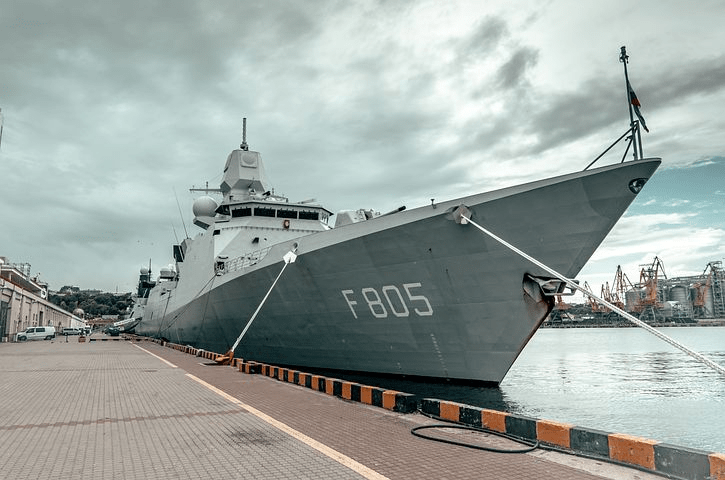
Additionally, the internal conflict between Ukraine and Russian-backed separatists in the Donbass region may become worse if there is a perception that Ukraine is becoming more closely aligned with NATO. This could result in increased violence and instability in that area.
On the other hand, allowing Ukraine to join NATO could also have a positive impact, as it would provide Ukraine with greater security guarantees and support from other NATO members, which could help to deter Russian aggression. It could also signal to other countries in the region that NATO is committed to defending the sovereignty and territorial integrity of its member states.
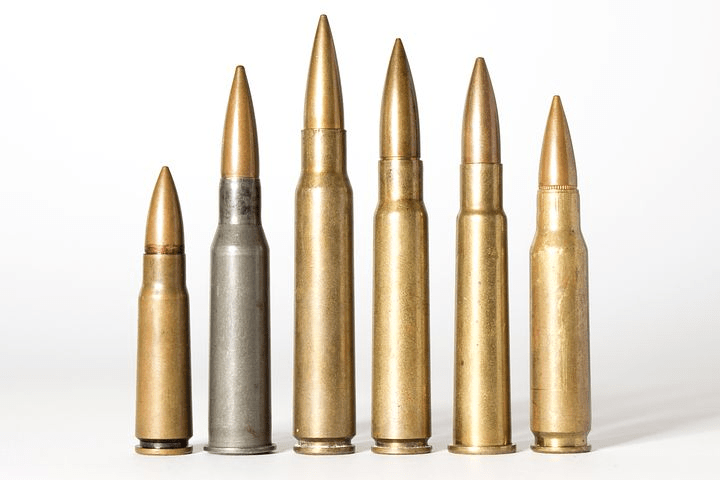
Overall, allowing Ukraine to join NATO would be a complex and potentially fraught decision, with both positive and negativeoutcomes. Here are some possible impacts of Ukraine joining NATO:
Positive impacts:
- Improved access to military technology and equipment that could help Ukraine better defend itself against Russian aggression
- Stronger ties with Western democracies could enhance economic growth, foreign investment, and trade partnerships for Ukraine
- Membership in NATO could bolster Ukraine’s status and legitimacy as a sovereign state, particularly in the eyes of its neighbors and the international community
Negative impacts:
- Russian opposition and potential retaliation, both politically and militarily, could escalate the conflict in Ukraine and destabilize the region even further
- NATO membership could incentivize Ukraine to continue its anti-Russian stance, rather than pursuing more productive diplomatic and economic relationships.
- There could be significant financial costs for Ukraine to upgrade its military capabilities and meet NATO’s standards, which could divert resources from other pressing needs like social welfare, education, and healthcare.
Ultimately, the decision to join NATO would require careful consideration of Ukraine’s long-term strategic goals, as well as the potential impact on regional stability. If Ukraine were to join NATO, it would likely further antagonize Russia, which has already expressed opposition to such a move. This could potentially lead to an escalation of tensions between Russia and NATO, and could even result in a military confrontation if Russia perceives the move as a direct threat to its national security.
On the other hand, joining NATO could provide Ukraine with a much-needed security blanket against Russia’s ongoing interference in its affairs. It would also offer access to military training, equipment, and intelligence-sharing that could help Ukraine better prepare for any future threats from Russia. Additionally, membership in NATO would signal to the international community that Ukraine is committed to democracy, the rule of law, and the defense of individual liberties, which could bolster its reputation and legitimacy on the world stage.
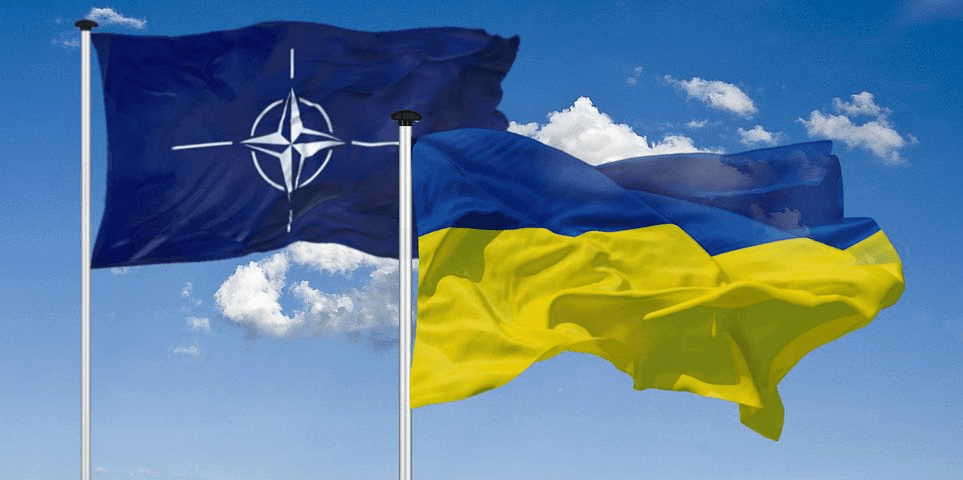
Ultimately, whether or not Ukraine should join NATO is a complex and politically charged issue with no easy answers. It would require careful analysis and strategic planning to ensure that any potential benefits out weigh the potential drawbacks of Ukraine joining NATO. In terms of benefits, Ukraine would gain increased security and support from other NATO member countries in the face of potential threats from neighboring countries, particularly Russia. This could also potentially deter aggression from Russia, similar to how NATO membership has deterred Russian aggression against other member countries such as the Baltic states.
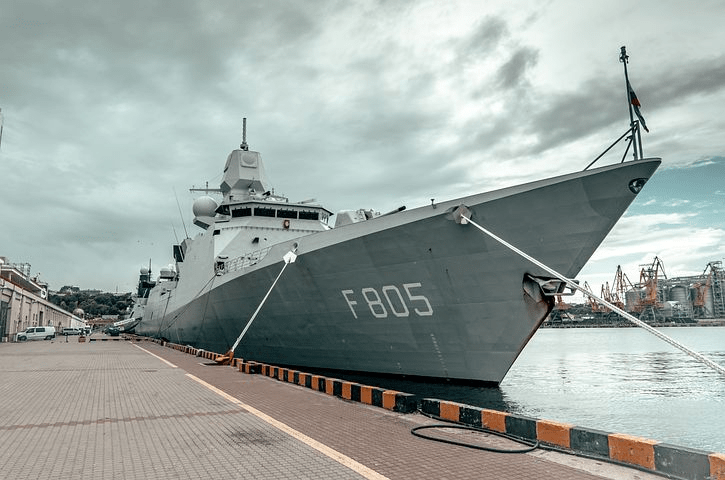
However, there are also potential drawbacks to Ukraine joining NATO. Russian opposition could escalate, potentially leading to further military conflict or even war. There could also be political and economic implications, as NATO membership would likely strain Ukrainian relations with Russia, which is an important trading partner.
Additionally, there may be concerns about the readiness of the Ukrainian military to meet NATO standards, which could require significant investment and reform. The process of integration into NATO could be a lengthy and complex process, and could require significant resources and political will.
Overall, while there are potential benefits to Ukraine joining NATO, there are also significant risks and drawbacks that would need to be carefully considered and managed.If Ukraine were allowed to join NATO, it would likely lead to increased security for Ukraine as it would be under the collective defense umbrella of NATO. This could potentially deter Russian aggression towards Ukraine, which has been an ongoing issue in recent years.

However, allowing Ukraine to join NATO could also increase tensions with Russia and lead to an escalation of conflict. Russia has already shown hostility towards NATO expansion in the past and could potentially take more aggressive actions towards Ukraine if it were to become a NATO member.
There could also be economic consequences as Russia and Ukraine have strong economic ties. A NATO membership for Ukraine could result in economic sanctions from Russia and further harm Ukraine’s already struggling economy.
Overall, while a NATO membership for Ukraine could provide some benefits in terms of security, it is also likely to bring about significant risks and challenges that would need to be carefully considered and addressed.
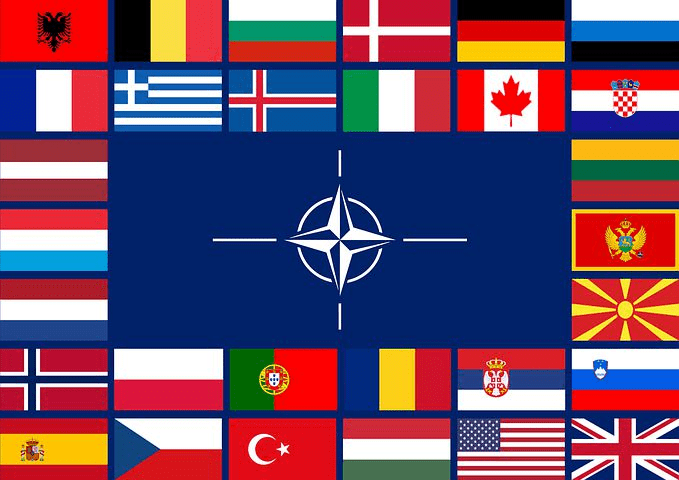
Here are some of the potential benefits and risks of Ukraine joining NATO:
Benefits:
- Ukraine would benefit from the collective defense guarantees of NATO, which would deter Russia from further aggression.
- Ukraine would gain access to NATO’s military resources and training, which would strengthen its own military.
- Ukraine would be more integrated into the European security architecture, which would help to stabilize the region.
- Ukraine would be able to participate in NATO-led operations and missions, which would give it a greater role in shaping European security.
- Ukraine would be able to benefit from NATO’s economic and political cooperation, which would help to boost its economy and democracy.
Risks:
- Russia could view Ukraine’s membership in NATO as a threat and take military action.
- NATO membership could lead to increased tensions between Russia and the West.
- Ukraine could be drawn into NATO conflicts that it does not want to be involved in.
- NATO membership could distract Ukraine from its domestic reforms.
- NATO membership could be seen as a betrayal by Russia, which could lead to further instability in the region.
It is important to note that these are just some of the potential benefits and risks of Ukraine joining NATO. The actual impact of membership would depend on a number of factors, including the state of relations between Russia and the West, the level of Ukrainian reforms, and the specific terms of Ukraine’s membership.
There are a number of reasons why Ukraine has not been admitted into NATO. Some of the most important reasons include:
- Russia’s opposition: Russia has repeatedly opposed Ukraine’s membership in NATO, viewing it as a threat to its security. Russia has even threatened to take military action if Ukraine were to join NATO.
- Ukraine’s domestic problems: Ukraine has a number of domestic problems, including corruption, weak institutions, and a divided society. These problems have made it difficult for Ukraine to meet the membership criteria set by NATO.
- NATO’s own concerns: NATO has its own concerns about admitting Ukraine. Some NATO members are worried that Ukraine’s membership could lead to increased tensions with Russia. Others are worried that Ukraine is not yet ready for membership, due to its domestic problems.
Despite these challenges, Ukraine has continued to express its desire to join NATO. In 2008, NATO leaders promised that Ukraine would eventually become a member of the alliance. However, it is unclear when or if Ukraine will actually be admitted to NATO. The current conflict between Russia and Ukraine has further complicated the issue.
The membership criteria set by NATO are:
- Adherence to the principles of democracy, individual liberty, and the rule of law.
- A commitment to the peaceful resolution of disputes.
- The ability and willingness to contribute to NATO’s collective defense.
- The ability to make a military contribution to NATO operations.
- The ability to meet NATO’s financial obligations.
Ukraine has made progress in meeting these criteria, but it still has some work to do. For example, Ukraine needs to continue to reform its military and judiciary, and it needs to address the issue of corruption. However, Ukraine is committed to joining NATO, and it is making progress in meeting the membership criteria.
There are a number of things that could cause NATO to enter Ukraine. Some of the most likely scenarios include:
- A direct attack on a NATO member by Russia. If Russia were to attack a NATO member, it would trigger Article 5 of the NATO treaty, which states that an attack on one member is an attack on all members. This would obligate NATO to come to the defense of the attacked member, which could lead to NATO troops entering Ukraine. Doesn’t withholding Grain Shipments by Russia constitute such a Direct Attack on NATO?
- A humanitarian crisis in Ukraine. If the conflict in Ukraine were to lead to a humanitarian crisis, such as a mass refugee crisis or a famine, NATO could intervene to help alleviate the crisis. This could involve providing humanitarian aid, or even deploying troops to help with peacekeeping or humanitarian operations. Hasn’t an extreme Humanitarian Crisis already (How many must Die or be injured for it to be declared a humanitarian crisis?) created by Russia’s War on Ukraine? What exactly does this mean?
- A request from the Ukrainian government. If the Ukrainian government were to request NATO assistance, NATO could decide to intervene. This would be a political decision, and it would depend on a number of factors, such as the level of support for intervention among NATO members and the risks involved. Ukraine has repeatedly asked for an expedited Membership into NATO.
It is important to note that these are just some of the scenarios that could lead to NATO entering Ukraine. The actual decision of whether or not to intervene would be made by the NATO leadership, and it would be based on a number of factors, including the risks and benefits of intervention, the level of support for intervention among NATO members, and the overall security situation in Europe.
There is already a humanitarian crisis in Ukraine. The United Nations estimates that over 10 million people have been displaced within Ukraine since the start of the war, and over 3 million people have fled to neighboring countries. The war has also caused widespread damage to infrastructure, including hospitals, schools, and homes.
The United Nations defines a humanitarian crisis as a situation in which there is a serious threat to the health, safety, or well-being of a large number of people. The specific criteria for declaring a humanitarian crisis vary from organization to organization, but they generally include factors such as the number of people affected, the severity of the impact, and the duration of the crisis.
In the case of Ukraine, the war has already met the criteria for a humanitarian crisis. The number of people affected is significant, the impact is severe, and the crisis is ongoing. The United Nations has called on all parties to the conflict to take immediate steps to protect civilians and to ensure that humanitarian assistance can reach those in need.
The war in Ukraine is a tragedy for the Ukrainian people, and it is also a humanitarian crisis. The international community must do everything it can to help the people of Ukraine and to bring an end to this conflict.

NATO in name only? “NATOINO”?
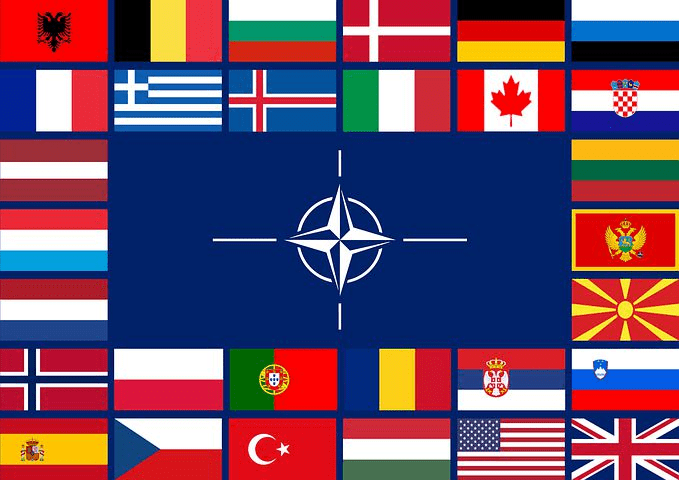
It is possible to argue that NATO is a “NATO in name only” or “NATOINO”. The North Atlantic Treaty Organization (NATO) is a military alliance between 30 North American and European countries. The alliance was founded in 1949 to counter the threat of the Soviet Union.
NATO has been criticized for not doing enough to help Ukraine in its conflict with Russia. NATO has provided Ukraine with military and financial assistance, but it has not intervened militarily in the conflict. Some people argue that NATO is not fulfilling its purpose by not intervening militarily in Ukraine. They argue that NATO is a “paper tiger” and that it is not willing to use force to defend its members.
Others argue that NATO is doing the right thing by not intervening militarily in Ukraine. They argue that military intervention would only escalate the conflict and could lead to a wider war between Russia and NATO. They also argue that NATO is not obligated to intervene militarily in Ukraine, as Ukraine is not a member of NATO.
The debate over whether NATO is a “NATO in name only” is likely to continue. The outcome of the conflict in Ukraine will also have a significant impact on NATO’s future. If NATO is seen as ineffective in Ukraine, it could lead to calls for the alliance to be disbanded. However, if NATO is able to help Ukraine to defend itself, it could strengthen the alliance and make it more relevant in the 21st century.
The argument that NATO is a “paper tiger” suggests that although the organization may have a lot of military power and resources at its disposal, it lacks the willingness to use force to defend its members in a meaningful way. This could be due to various reasons, such as a lack of political will or reluctance to engage in military conflicts.
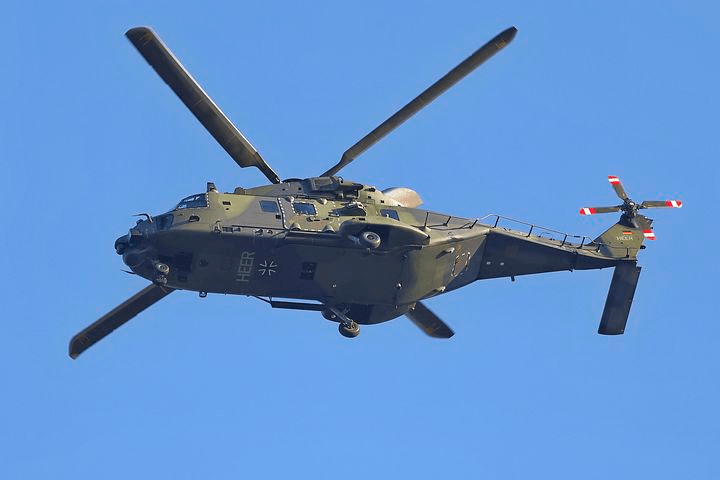
Critics of NATO’s approach assert that the organization’s failure to respond to certain threats against its members, such as in the case of Russian aggression towards Ukraine, highlights this weakness. They may argue that NATO’s deterrence strategies lack credibility if the organization cannot follow through with military action when necessary.

However, defenders of NATO may counter that the organization’s primary focus is on diplomacy and deterrence, rather than purely military action. They may also point to instances where NATO has taken military action to defend its members, such as during the Kosovo War in 1999 or the deployment of troops to Afghanistan after the 9/11 attacks.

Overall, the argument that NATOis a “paper tiger” revolves around the perception that although NATO is a strong military alliance on paper, it lacks the political will to use military force to defend its members. This perception stems from several instances where NATO has been criticized for not taking decisive military action to support its member states.
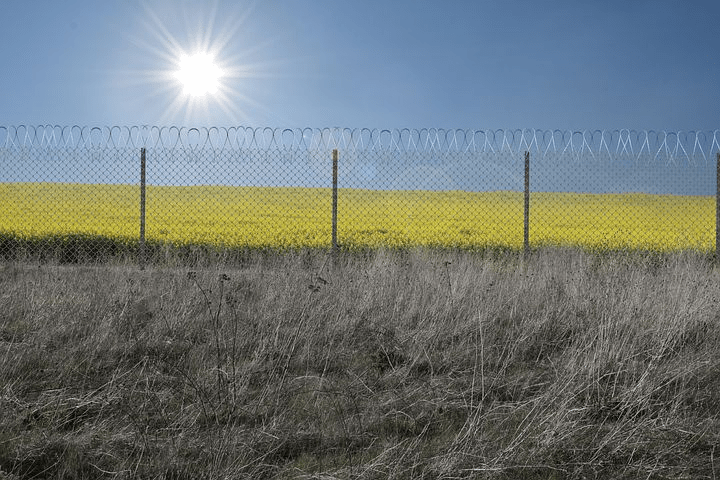
One example is the conflict in Syria, where NATO member Turkey faced repeated attacks by Syrian forces and Russia. Despite Turkey’s calls for NATO to provide military support, the alliance did not intervene militarily in the conflict. NATO did not come to Turkey’s aid when Syria and Russia was attacking it because the attacks did not take place within Turkey’s borders. Article 5 of the North Atlantic Treaty, which is the mutual defense clause of NATO, states that an armed attack against one or more of the Allies in Europe or North America shall be considered an attack against them all. However, the attacks on Turkish troops in Syria took place in Syria, not in Turkey. As a result, NATO was not obligated to come to Turkey’s aid.
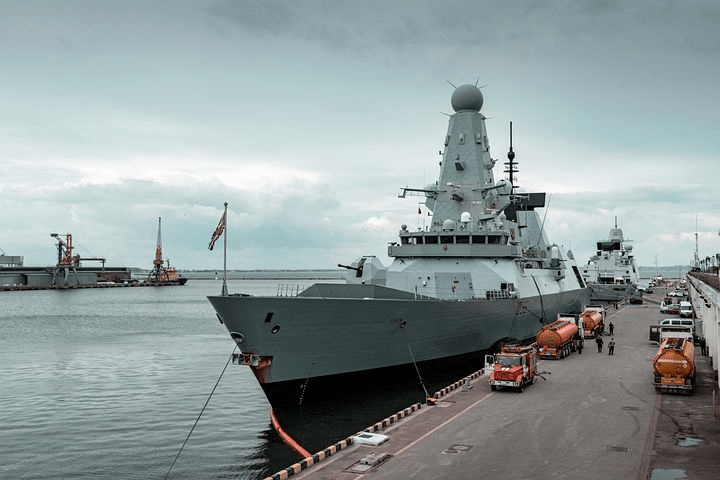
Similarly, during the conflict in Ukraine, NATO member countries provided non-lethal military aid and imposed economic sanctions on Russia, but did not take direct military action to support Ukraine.
Finally, the limited military intervention in Libya in 2011, which was authorized by the UN Security Council, was criticized for its limited scope and lack of follow-up support to ensure stability in the country.
Overall, the argument that NATO is a “paper tiger” suggests that despite its military strength, the alliance is unwilling to use force to defend its members. This means that even though NATO has the capability to defend its members, it may not have the political will to do so or may not want to take the risk of escalating a conflict. Critics argue that this undermines the credibility of the alliance and emboldens adversaries to take aggressive actions. Additionally, some argue that the alliance has become overly reliant on the United States for military capabilities and that other member states may not have the same level of commitment to collective defense. However, NATO has taken action in the past, such as in the Kosovo War, the war in Afghanistan, and the NATO-led intervention in Libya. Ultimately, whether NATO is seen as a “paper tiger” or not depends on the perception of its actions and willingness to use force in the context of current global security threats.
 thelivingbreathingjamesbrown.com
You must be logged in to post a comment.