


The Great Depression began in 1929 when, in a period of ten weeks, stocks on the New York Stock Exchange lost 50 percent of their value. As stocks continued to fall during the early 1930s, businesses failed, and unemployment rose dramatically. By 1932, one of every four workers was unemployed. Banks failed and life savings were lost, leaving many Americans destitute. With no job and no savings, thousands of Americans lost their homes. The poor congregated in cardboard shacks in so-called Hoovervilles on the edges of cities across the nation; hundreds of thousands of the unemployed roamed the country on foot and in boxcars in futile search of jobs. Although few starved, hunger and malnutrition affected many.
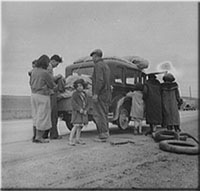
The Great Depression of the 1930s hit Mexican immigrants especially hard. Along with the job crisis and food shortages that affected all U.S. workers, Mexicans and Mexican Americans had to face an additional threat: deportation. As unemployment swept the U.S., hostility to immigrant workers grew, and the government began a program of repatriating immigrants to Mexico. Immigrants were offered free train rides to Mexico, and some went voluntarily, but many were either tricked or coerced into repatriation, and some U.S. citizens were deported simply on suspicion of being Mexican. All in all, hundreds of thousands of Mexican immigrants, especially farmworkers, were sent out of the country during the 1930s–many of them the same workers who had been eagerly recruited a decade before.
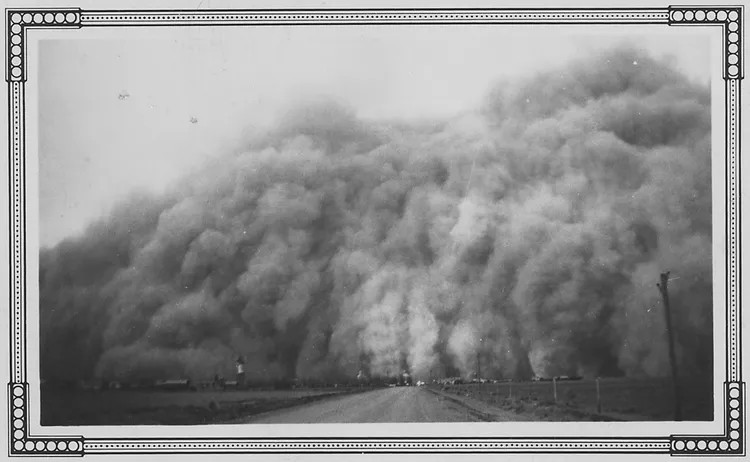
The farmworkers who remained struggled to survive in desperate conditions. Bank foreclosures drove small farmers from their land, and large landholders cut back on their permanent workforce. As with many Southwestern farm families, a great number of Mexican American farmers discovered they had to take on a migratory existence and traveled the highways in search of work.
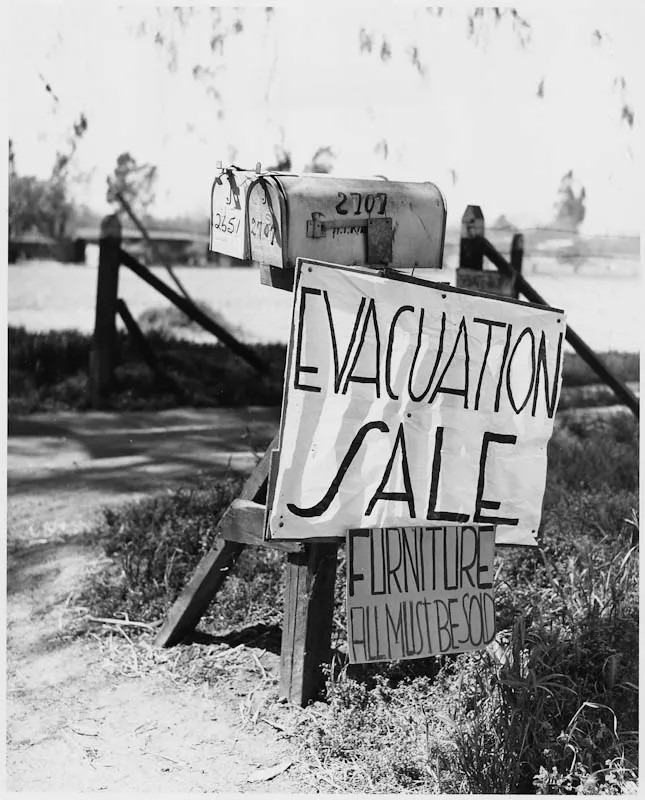
America is closely titering on Collapse, but should never have ever gotten as close as it is Today. Passing a Debt Ceiling Bill that puts a Gun to our President’s Head is a Cowards Requirement (not a real Gun). Guaranteed already to die in the Senate. Where is the Mind of the House? If Congress doesn’t increase the debt ceiling, it could potentially have the most serious consequences for the US and World economies. How?
- Banks need Cash. They get that Cash from the United States Government.
- Banks will Fail, Collapse if FDIC guaranteed Monies for Deposits of $250,000 per person cannot be PAID if Banks Fails.
- World Banks will collapse as if a Super-Super-Light Saber had shot a bolt thru them.
- The United States Dollar would no longer be seen as The Gold Standard of World Markets.
The debt ceiling is the maximum amount of money that the US government can borrow to finance its operations. If the debt ceiling is not raised, the government will quickly not have enough money to pay for its expenses, including Social Security, Medicare, and military salaries, among others. Everyone in Government would be sent home or work without pay.
This could lead to a partial, yet serious, government shutdown, as some non-essential services are scaled back or suspended. The government might prioritize payments for certain obligations, like interest on existing debt, but this would still leave some bills unpaid.
The failure to raise the debt ceiling could also damage the US economy by causing interest rates to rise and investor confidence to fall, which would make it more expensive for the government to borrow and damage consumer and business confidence. In the worst-case scenario, it could lead to a default on US debt, which would have global repercussions that could cause a recession or even a global financial crisis.
It is important to notethat the debt ceiling has to do with the amount of money the federal government can borrow in order to fund its operations and pay its bills. If the debt ceiling is not increased, the government will have to rely on its existing revenue sources to fund its operations. This could lead to a situation where the government would not be able to pay its bills on time, such as social security payments, salaries of federal employees, and payments for government programs.
If the government is unable to pay its bills, it could trigger a series of events that could lead to a recession. For example, if social security payments are delayed, it could lead to a loss of confidence in the government and a decrease in consumer spending. This could result in a decrease in economic activity and a possible recession.
Furthermore, if the United States defaults on its debt obligations, it could have a ripple effect on the global financial system. The US dollar is the world’s reserve currency, and US Treasury bonds are considered to be the safest investmentIf Congress doesn’t increase the debt ceiling, it means the US government will not be able to borrow more money to pay for its existing expenses. This can have serious implications for the economy and the financial markets. Some of the possibilities are:
- The US may default on its debt obligations: The US Treasury may not be able to repay its outstanding debt, which could lead to a default. This will likely cause a significant drop in the value of the US dollar and global financial turmoil.
- Government shutdown: If the debt ceiling is not raised, the US government will not have enough funds to pay for its expenses, and this may lead to a government shutdown. This could result in a reduction in government services, and it could also cause uncertainty in the financial markets.
- Interest rates may rise: If there is uncertainty about the US’s ability to pay its debts, investors may demand higher interest rates to lend money to the US government. This could make borrowing more expensive for the government,If Congress does not increase the debt ceiling, there are several possibilities of what might happen:
- The United States could default on its debt obligations: This means the government would not be able to pay its bills. This would have serious consequences for the economy, including a possible recession, higher unemployment, and a decrease in investments.
- The government could be forced to make spending cuts: If the government is not able to borrow more money, it may have to make drastic cuts to its spending to avoid defaulting on its debt obligations. This could lead to cuts in social programs, defense spending, and other areas.
- The value of the US dollar could decrease: If the US government defaults on its debt, this could lead to a decrease in the value of the US dollar. This would make imports more expensive, which could lead to higher inflation.
- Interest rates could increase: If the US government is seen as less creditworthy, lenders may demand higher interest rates to lend money tothe government, which would increase the overall cost of borrowing. This could have a ripple effect on the economy, as businesses, consumers, and investors may also face higher borrowing costs. Additionally, the government may have to reduce spending or shut down certain programs to stay within a limited budget. This could lead to job losses, reduced benefits for citizens, and even a potential recession. It’s important to note that the consequences of not increasing the debt ceiling are uncertain, as it is a complicated issue with numerous potential outcomes.
The debt ceiling is the maximum amount of money that the United States government is allowed to borrow. If Congress doesn’t increase the debt ceiling, the government will eventually run out of money and be unable to pay its bills. This could have a number of serious consequences, including:
- A government shutdown: If the government can’t pay its bills, it will have to shut down non-essential services, such as national parks and museums. This could have a negative impact on the economy and cause job losses.
- A default on U.S. debt: If the government can’t pay its interest payments on its debt, it will default on its loans. This would be a major blow to the U.S. economy and could lead to a recession.
- A loss of confidence in the U.S. dollar: If the U.S. defaults on its debt, it could lead to a loss of confidence in the U.S. dollar as a global currency. This could make it more expensive for the U.S. to borrow money and could lead to higher interest rates.
- A decline in the value of the U.S. stock market: A default on U.S. debt could lead to a decline in the value of the U.S. stock market. This would hurt investors and could lead to a loss of jobs.
The consequences of not increasing the debt ceiling would be severe. It is important for Congress to reach a deal to raise the debt ceiling as soon as possible.
If banks cannot get cash from the government, they may face a liquidity crisis, which could lead to a domino effect of economic disruptions. Banks rely on government cash infusions to meet regulatory requirements and cover their daily operations. Without these funds, banks may have to impose stricter lending standards or reduce credit availability, which could have negative impacts on businesses and consumers alike. Additionally, without access to government funds, some banks may go bankrupt, which could further destabilize financial markets and have long-term consequences for the economy.
Here’s a more detailed explanation of how government cash infusions can help banks:
- Liquidity: Banks need to have enough cash on hand to meet their daily obligations, such as paying depositors when they withdraw money and making loans to businesses and consumers. If a bank runs out of cash, it can’t meet these obligations and may be forced to close. Government cash infusions can help banks maintain their liquidity and avoid a crisis.
- Regulatory requirements: Banks are subject to a number of regulatory requirements, such as capital requirements and reserve requirements. These requirements can put a strain on a bank’s resources, especially if it is facing financial difficulties. Government cash infusions can help banks meet these requirements and avoid being penalized by regulators.
- Credit availability: Banks provide credit to businesses and consumers, which helps to fuel economic growth. If banks are unable to lend money, businesses and consumers may be unable to invest or spend, which can slow down the economy. Government cash infusions can help banks make more loans, which can help to stimulate the economy.
- Bank stability: A stable banking system is essential for a healthy economy. If banks are allowed to fail, it can lead to a financial crisis that can have a devastating impact on the economy. Government cash infusions can help to prevent bank failures and keep the banking system stable.
In conclusion, government cash infusions can help banks in a number of ways. They can help banks maintain their liquidity, meet regulatory requirements, provide credit, and ensure stability. These benefits can help to prevent a financial crisis and keep the economy health.
Essentially, banks need a steady supply of cash in order to function properly. They use this cash to meet regulatory requirements and carry out their daily operations, such as lending money to businesses and consumers. In many cases, banks rely on the government to provide them with this cash.
If the government is unable or unwilling to provide cash infusions to banks, it could lead to a situation known as a liquidity crisis. This means that banks may not have enough cash on hand to cover their obligations. This can cause a domino effect of economic disruptions, as businesses and consumers may have difficulty accessing credit. Banks may also need to impose stricter lending standards, which could make it harder for people to get loans.
Worst case scenario, some banks may go bankrupt if they cannot access government funds. This could further destabilize financial markets and cause long-term economic consequences. Overall, the health of banks is crucial to the health of the economy, and without access to government cash, they may face significant challenges that could cause a ripple effect throughout the entire financial system. Banks are required to meet certain regulatory requirements and have enough cash on hand to cover daily operations. If they don’t have enough cash, it can lead to what is called a liquidity crisis. This means they may not have the funds to lend to customers or may have to impose stricter lending standards to reduce risk.
When banks don’t have access to government cash infusions, it can create a serious problem for the economy. It may lead to a reduction in credit availability, which could impact businesses and everyday consumers alike. This could, in turn, slow down economic growth and make it harder for people to get loans when they need them.
If some banks go bankrupt because they don’t have enough funds to stay afloat, it can also have a number of long-term consequences for the economy. Financial markets may become unstable, which can create additional economic disruption and uncertainty.
In summary, banks rely on government cash infusions to meet their regulatory requirements and cover their daily operations. Without these funds, banks may have difficulty maintaining their financial stability. This can lead to a liquidity crisis, which means that banks won’t have enough cash on hand to meet their obligations, including repaying the loans they’ve made. This can cause a ripple effect throughout the economy, ultimately leading to various economic disruptions.
As a result of the liquidity crisis, banks may have to impose stricter lending standards or reduce credit availability, which could negatively impact businesses and consumers. If banks are no longer able to lend money to businesses and individuals, it can limit investment and spending in the economy, causing a slowdown in economic activity.
Moreover, without access to government funds, some banks may go bankrupt, destabilizing financial markets, and possibly causing a recession in the economy. This ultimately affects not only those who rely on the banking system, such as businesses and consumers but also affects the overall stability of the economy and can have long-term consequences.
In short,banks require cash infusions from the government to meet their regulatory standards and keep their daily operations running smoothly. If they don’t get the cash they need, it could lead to a liquidity crisis where they may have to reduce the amount of credit they offer to businesses and individuals or impose stricter lending standards. This could have a ripple effect throughout the economy, causing disruptions and possible long-term consequences. Additionally, some banks may even go bankrupt if they don’t get enough government funding, which could further destabilize financial markets and the economy as a whole. As a result, the stability of the banking sector is crucial to the overall stability of the economy.
Once the U.S. Economy enters another Great Depression, it’ll take years to decide on another Banking System. The cutthroat Politics being played out in Washington where Soap Box Preaching may appear great for Partisan Politics. But it’ll hurt Americans far worse than 1929.
Somebody needs to Throw in the Towel and request a New Vote on House Speaker! Where are the Five people needed to trigger a Vote on ousting the speaker at any given time, known as the “motion to vacate” the speaker’s chair? Before Calamity Reins Forever!








 thelivingbreathingjamesbrown.com
You must be logged in to post a comment.