

The Best Way-






The best way to dig a water well will depend on various factors, including the location, the water table depth, and the type of soil. However, the general steps for digging a water well are as follows:
- Determine the location: Before starting the well-digging process, determine the ideal location for the well. The area should be away from potential sources of contamination, and you should contact your local water or environmental authorities to ensure that it is safe to dig a well in that area.
- Obtain the necessary permits: Once you have selected the location, ensure that you have all the necessary permits and permissions to start digging.
- Choose a drilling method: There are various methods for drilling a well, including percussion drilling, rotary drilling, and cable-tool drilling. Choose the method that works best for your location and budget.
- Start drilling: Once you have your equipment and drilling method ready, start drilling the well. As you drill, remove the soil and rocks from thehole using a bucket or other suitable tool. The drilling process can be done manually with a digging bar, post hole digger, or auger, or with a powered drill rig for deeper wells. The depth of the well will depend on the water table in your area, and it’s best to consult with local experts or a contractor for advice on the proper depth. After drilling, it’s important to line the well with sand and gravel and install a casing to prevent soil and debris from entering the well and contaminating the water. An experienced well driller or contractor can provide guidance on these steps, as well as any necessary permits and regulations.
The Best Way-









The best way to get a politician’s attention is to communicate with them directly through emails, letters, or phone calls, expressing your concerns or opinions on a particular issue. You can also attend their public events or town hall meetings to ask them questions or share your thoughts in person. Additionally, organizing petitions or peaceful protests can also draw the attention of politicians and bring visibility to important issues. It’s important to be respectful and civil in your communications and actions towards politicians, as it increases the likelihood of them taking your concerns seriously.
The Best Way-



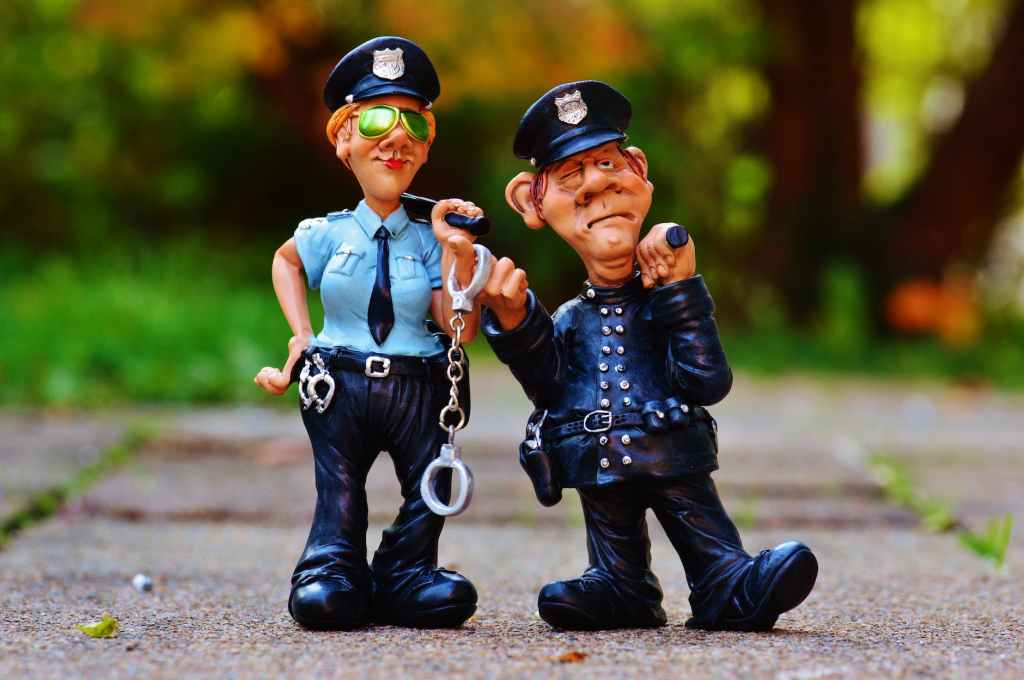





If you need to file a report or complaint against a police officer, the following steps may be helpful:
- Determine the agency. Find out which police department the officer works for. If you are unsure, you can try searching online or contacting your local government.
- Gather information. Make sure to note the date, time, and location of the incident, as well as any witness contact information and details about the officer involved.
- Write a detailed report. Write down everything that happened in as much detail as possible. Be clear and concise, and include any relevant documentation, such as photos or video.
- Submit your complaint. You can submit your complaint in writing, by phone, or in person. You may also be able to file your complaint online, depending on the agency.
- Follow up. After submitting your complaint, follow up with the agency to make sure they received it. Ask when you can expect to hear back and what the next steps will be.
It’simportant to file a report or complaint against a police officer if you believe they have acted inappropriately or engaged in misconduct. Here are the steps you can take:
- Contact the police department where the officer works. Ask to speak with a supervisor.
- Clearly explain your complaint or report, providing as many details as possible. It’s important to remain calm and factual when describing the incident.
- Be prepared to provide any evidence or witness statements that support your claim.
- Ask how long it will take to hear back and what the next steps will be.
- If you don’t hear back within the expected timeframe, follow up with the department to inquire about the status of your complaint.
- If necessary, consider reaching out to a lawyer or a civil rights organization for assistance.
It’s important to note that the investigation process can vary depending on the severity of the allegation and the policies of the police department. However, by taking these steps, you can help ensure that yourreport or complaint is properly recorded and investigated:
- Identify the officer(s) involved: Write down the officer’s name, badge number, and any other identifying details you can remember. If you do not know the officer’s name, provide as much information about the incident as possible.
- Contact the police department: Locate the contact information for the police department where the incident occurred and call the non-emergency phone number. You may also be able to file a report online or in-person.
- Provide a detailed description of the incident: When filing a report or complaint, be sure to provide as much detail as possible about the incident, including the time, date, and location of the incident, the officer’s behavior, and the reason for the encounter.
- Provide evidence: If possible, provide any evidence you have that supports your complaint, such as witness statements, documents, or videos. This can help support your case and ensure that the complaint is taken seriously.
- Follow upHere are some steps you can take to file a report or complaint against a police officer:
- Find out the procedure: Visit the police department’s website or contact the department to find out how to file a complaint. Some departments have a specific complaint form that must be filled out, while others may require a formal letter.
- Gather evidence: Collect as much evidence as possible to support your complaint. This can include witness statements, recordings, photos or videos, and any other documents.
- Write a detailed account: Write a detailed account of the incident or behavior that prompted your complaint. Be specific about what happened, where and when it occurred, and who was involved.
- Submit the complaint: Send your complaint to the appropriate person or department. If you are unsure who to address it to, contact the department for guidance.
- Follow up: Follow up on your complaint to ensure that it is being taken seriously and investigated properly. Keep track of all communication and document everything in casethere are any discrepancies later on. Here are the steps you can follow:
- Identify the agency: Find out which agency employs the officer you want to file a complaint against. This may be a local police department, a state police agency, or even a federal law enforcement agency.
- Visit the agency’s website: Look for information on how to file a complaint against a police officer. Some agencies may have a specific form you need to fill out, while others may provide contact information for their Internal Affairs or Professional Standards Bureau.
- File a written complaint: If there is a specific form to fill out, make sure to fill it out completely and provide as much information as possible about the incident in question. If there is no form, you can write a letter or email to the agency detailing your complaint.
- Be specific: In your complaint, be specific about what happened and why you believe the officer acted improperly. Include the date, time, and location of the incident, aswell as the officer’s name and badge number if possible.
- Start by contacting the police department’s Internal Affairs Division. This is the department that investigates complaints of police misconduct and wrongdoing.
- Provide a detailed description of the incident and include any evidence you may have, such as photos, videos, or eyewitness accounts.
- Be sure to include your contact information so that the department can follow up with you regarding the status of your complaint.
- You may also consider contacting a civil rights organization or an attorney who specializes in police brutality cases for additional guidance and support.
Remember, it’s important to remain calm and professional throughout the process. Keep in mind that filing a complaint is an important step towards holding police officers accountable for their actions and ensuring that they abide by the law.
The Best Way-




The best way to contact the President of the United States would be to send a letter to the White House at 1600 Pennsylvania Avenue NW, Washington, DC 20500, USA. Alternatively, you could try emailing the White House through their website at http://www.whitehouse.gov/contact/. It is important to note that the President is very busy and may not personally respond to your message.
The Best Way-








Growing tomatoes is not difficult, and with proper care, they can yield a bountiful harvest. Here are some steps to grow healthy and delicious tomatoes:
- Choose the right variety: Select a tomato variety that is suited for your climate and soil type. Some popular varieties include Roma, Cherry, Beefsteak, and Heirloom.
- Start with healthy soil: Tomato plants require fertile and well-draining soil. Add organic matter like compost, manure, or peat moss to the soil to improve its quality.
- Plant at the right time: In most climates, it is best to plant tomatoes in the spring. Choose a spot with full sun exposure and good drainage.
- Water regularly: Tomatoes require consistent watering, especially during hot, dry weather. Water deeply at least once a week or more often during dry spells.
- Fertilize regularly: Use a balanced fertilizer with equal amounts of nitrogen, phosphorus, and potassium to provide the necessary nutrients fortomato plants. Additionally, tomatoes require plenty of sunlight, consistent moisture, and well-draining soil. Here are some steps you can follow to help grow healthy and delicious tomatoes:
- Choose a sunny and well-draining spot in your garden. Tomatoes need at least 6 hours of full sunlight each day.
- Prepare the soil by adding organic matter such as compost, manure, or aged leaves to improve soil structure, water retention, and nutrient availability.
- Plant your tomato seedlings at least 2 feet apart to allow for adequate air circulation and room to grow. Make sure to bury the stem up to the first set of leaves to encourage strong root development.
- Water regularly and deeply, keeping the soil moist but not waterlogged. A good rule of thumb is to water once or twice a week, depending on the weather conditions.
- Apply fertilizer with equal amounts of nitrogen, phosphorus, and potassium once a month during the growing season, or as neededTomatoes thrive in soil that is rich in nutrients and well-drained. Here are some tips for growing healthy and abundant tomato plants:
- Choose a sunny location: Tomato plants require at least six hours of direct sunlight per day to grow and produce fruit.
- Prepare the soil: The soil should be enriched with organic matter, such as compost or well-aged manure, to provide the necessary nutrients for the plants. The soil should also be well-drained to avoid waterlogging.
- Plant the seeds or seedlings: Tomatoes can be started from seeds indoors or bought as seedlings from a nursery. When planting the seedlings, they should be buried up to the first set of leaves to encourage strong root growth.
- Water consistently: Tomatoes require regular watering, especially during hot and dry weather. The soil should be kept moist but not waterlogged.
- Fertilize regularly: Tomatoes benefit from regular fertilization with a balanced fertilizer that contains nitrogen, phosphorus, and potassium. You can use a granular or liquid fertilizer, depending on your preference. Start fertilizing your tomato plants about four weeks after transplanting and then every two to three weeks after that.
Give them plenty of water: Tomatoes need consistent moisture to thrive. Water your tomato plants deeply but infrequently, about once or twice a week, depending on rainfall and temperature. Make sure the soil is moist down to the root zone.
Provide support: Many tomato varieties need support to keep their heavy fruit off the ground. You can use stakes, cages, or trellises to support your tomato plants.
Prune your tomato plants: Pruning your tomato plants can help them produce more fruit and grow stronger. Remove the suckers (the shoots that grow in the crotch between the main stem and branches) to keep the plant focused on producing fruit.
Mulch your tomato plants: Mulching your tomato plants can help conserve moisture, suppress weed growth, and regulate soil temperature. Apply alayer of mulch around the base of each tomato plant to achieve these benefits. Additionally, ensure that the plants receive at least six hours of sunlight each day, and water them deeply and consistently, ideally with a drip irrigation system. Fertilize the plants every two to three weeks with a balanced fertilizer high in nitrogen, phosphorus, and potassium, and prune any suckers or unwanted branches that are detracting from the plant’s overall health and productivity. Finally, provide support for the plants as they grow, such as stakes, cages or trellises, to prevent the stems from breaking under the weight of the fruit.
The Best Way-








Your child gets in a fight with another kid and the School Police Officer gives both kids a Citation. What’s best to do?
It is important to remain calm and respectful when speaking with the principal regarding your child’s situation. It may be helpful to schedule a meeting with the principal to discuss the circumstances surrounding the incident and ensure that your child’s rights are being protected. As for getting a lawyer, it would depend on the severity of the situation and the advice of relevant legal counsel. It may be helpful to consult with an attorney who specializes in juvenile law to determine the best course of action.
If you ate going to Court over this fight because of the Citation Ticket the School Officer wrote, THEN GET A LAWYER! It might cost you a Grand$$$$, plus Ticket Cost, but it could save you or your child from doing 300 hours of weekend community service.
It’s not a simple spanking any longer! School isn’t what it was 60 years ago…Times have changed.
The Best Way-








If you or someone you know has been charged with a DWI (Driving While Intoxicated), it’s important to take the situation seriously and seek legal advice as soon as possible. Here are some steps you can take to handle a DWI:
- Hire a DWI lawyer: A DWI charge is a serious offense, and a qualified lawyer can review your case and help you understand your legal options.
- Attend all court appearances: It’s important to attend all court appearances and comply with any orders given by the judge. Failing to do so could result in further penalties and even jail time.
- Cooperate with law enforcement: It’s important to be honest and cooperative with law enforcement officials during the arrest. Resisting arrest or being belligerent can lead to more serious charges.
- Refrain from drinking and driving: Obviously the best way to prevent a DWI is to refrain from drinking and driving altogether. Use ride-sharing services or have a designated driver ifyou plan on drinking. However, if you do find yourself facing a DWI charge, it is important to speak with a qualified attorney who has experience in handling these types of cases. Your attorney can help you understand the charges against you, the potential consequences, and the legal strategies available to you for defending yourself. It is important to take the matter seriously and act quickly to ensure the best possible outcome for your case.
It’s important to remember that drunk driving is a serious offense with severe penalties. Here are a couple of things you can say if you are pulled over for suspected drunk driving:
- Be polite and respectful to the officers. Say “Hello, officer”, and respond to their questions politely. Show that you are cooperative with them.
- If the officer asks if you have had anything to drink, tell them the truth. Lying to an officer can result in further legal trouble.
- If you have been drinking, it may be in your best interest to politely decline any field sobriety tests or roadside breathalyzer tests until you have spoken to an attorney.
- Ask to speak with an attorney as soon as possible. You have the right to remain silent and the right to legal counsel.
- Do not resist arrest or argue with the officer. This will only make matters worse and could result in additional charges.
Remember, the best course of action is to avoid drinking and driving altogether If you are pulled over for suspected drunk driving, it is important to remain calm and cooperate with the officer. Do not admit to drinking or using drugs and avoid answering any questions beyond providing your license, registration, and proof of insurance. You have the right to refuse field sobriety tests, but refusing a breathalyzer test can lead to additional charges and potentially result in a license suspension. It is best to avoid drinking and driving altogether to prevent any legal and safety issues.
Get Real! When you wreck or get pulled over from Driving while Drunk, you need to Wake the Crap Up Quickly! You are Stuck like Chuck!
- Be Polite Full. Don’t Over Talk.
- Don’t offer any other information except what is Asked.
- If you are ARRESTED and as you are being taken to Jail or wherever, SHUT UP! YOU ARE BEING RECORDED!
I actually saw a young man convicted in Court of a D.W.I. and he tested ZERO on Sobriety Test. TWICE! No Blood Test!
Yet, he was CONVICTED by his own Actions thru verbal stupid talk Recorded in the Officers Car. Keep your mouth closed!!! Contact a Lawyer immediately. Tell Officer you want a Lawyer!
And let drinking be gone forever!
The Best Way-

In general, 70 & 80-year-olds have different values and beliefs compared to 18-year-olds. For example, people who grew up during the 1960s and 1970s may have been influenced by events such as the Civil Rights Movement, the Vietnam War, and the Women’s Liberation Movement. As a result, they may be more politically and socially conscious and may have a more liberal-leaning ideology.
On the other hand, 18-year-olds may have grown up in a different social and political climate compared to their counterparts from previous generations. For example, they may be more familiar with issues such as climate change, LGBTQ rights, and police brutality, and may be more concerned about inequality and social justice issues.
To get along with each other, it’s important to communicate and respect each other’s opinions.There may be many differences in ideology between a 85 year old and an 18 year old today. Here are some possible examples:
- Political views: 90 year olds may be more likely to be conservative, while 18 year olds may be more likely to be liberal. This can lead to disagreements on issues such as taxation, healthcare, and social welfare policies.
- Attitudes toward technology: 18 year olds have grown up in a world with smartphones, social media, and streaming services, while 70 year olds may not be as comfortable with these tools. This can lead to a generation gap when it comes to understanding and using technology.
- Cultural norms: There may be differences in what is considered acceptable behavior or language between the two generations. For example, 85 year olds may be more likely to believe in traditional gender roles, while 18 year olds may be more likely to be accepting of diverse gender identities and expressions.
To get along with each other, it’s important to listen and understand each other’s perspectives and beliefs, even if they differ. Both parties can benefit from engaging in respectful and open-minded conversations that allow them to learn from each other. For example, an 18 year old may have a more progressive view on social issues, such as LGBTQ+ rights and environmental protection, while a 70 year old may have a more conservative view on these topics. However, they can still find common ground and mutual respect by exploring the values and experiences that shape their beliefs. One of the best ways to foster understanding and connection is by actively seeking out diverse perspectives and engaging in thoughtful conversations that challenge stereotypes and assumptions.

There is no single answer to this question since every 90 year old and 18 year old have different experiences, beliefs, and values. However, here are some general differences in ideologies between the two age groups:
1) Social justice: Many younger individuals tend to prioritize issues such as racial and gender equality, LGBTQ rights, and climate change. While some older individuals may sympathize with these issues, they may not view them in the same urgent light.
2) Work ethic: Many older individuals grew up in a culture that emphasizes hard work and individual responsibility. Some may see younger generations as entitled or lazy.
3) Technology: Younger generations are typically more comfortable with technology and social media, while older individuals may view these as harmful to social interactions and traditional values.
To get along with one another, it is important for both age groups to practice empathy and respect. Listening and seeking to understand each other’s perspectives can help bridge gaps in ideology. Both age groups can also try to find common groundThere are a variety of differences in ideology that may exist between a 90-year-old and an 18-year-old, as they likely come from very different life experiences, cultural backgrounds, and generational values. Here are a few examples of potential areas of disagreement and ways to bridge those gaps:
- Politics: It’s possible that the older person may have lived through significant social and political change that has shaped their worldview, while the younger person may be more focused on current events and movements. However, they may be able to find common ground in terms of their shared desire for justice, fairness, and equality.
- Technology: The younger individual may be much more comfortable with new technology and digital communication, while the older person may prefer more traditional methods of staying in touch. However, they can still find ways to connect and share experiences with each other, such as through sharing family photos or discussing favorite hobbies.
- Gender and sexuality: The two individuals may have very different beliefs and values whenit comes to gender and sexuality. A 90-year-old may have grown up in a time when homosexuality was seen as taboo or unnatural, whereas an 18-year-old may have grown up in a time when LGBT+ rights and acceptance is more widely advocated for and accepted. For example, the 90-year-old may believe that marriage should only be between a man and a woman, while the 18-year-old may believe in equal rights for all individuals regardless of their sexual orientation or gender identity.
Another example could be race and immigration. The 90-year-old may have grown up in a time when segregation was legal and immigration was heavily restricted, while the 18-year-old may have grown up in a more diverse and accepting society. The 90-year-old may believe in the superiority of their own race, while the 18-year-old may believe in the importance of diversity and inclusion.
To get along with each other, both individuals need to be open-minded, respectful, and willing to listenTo answer your question, here are some possible differences in ideologies between a 90 year old and an 18 year old today, along with examples:
- Views on technology: A 90 year old may not be comfortable or familiar with new technologies such as smartphones, social media, or virtual reality, while an 18 year old may use these tools all the time. For instance, the 90 year old might prefer to read a printed book or write a letter with a pen, while the 18 year old might prefer to watch a YouTube video or text a friend on their phone.
- Views on politics: A 90 year old might have lived through major historical events such as World War II, the Cold War, or the Civil Rights movement, and have a strong sense of patriotism or conservatism, while an 18 year old might be more progressive or libertarian in their attitudes. For example, the 90 year old might support traditional values such as family, church, and flag,while the 18 year old might prioritize social justice and equality for all.
Some potential differences in ideology between a 90 year old and an 18 year old today include:
- Perspectives on social issues: The 18 year old may be more likely to support progressive social initiatives, such as LGBTQ+ rights, racial justice, and immigration reform, while the 90 year old may hold more traditional views on these issues.
- Views on technology: The 18 year old may be more comfortable with and interested in new technologies, while the 90 year old may be more skeptical or resistant to technological change.
- Attitudes towards authority figures: The 18 year old may be more likely to question authority and challenge the status quo, while the 90 year old may value respect for authority figures more.
- Economic views: The 18 year old may be more supportive of policies that redistribute wealth and provide a social safety net to support those in need, while the 90 year oldmay lean towards a more conservative stance on fiscal responsibility and personal accountability.
An 18 year old may prioritize issues such as climate change and social justice, while the 90 year old may prioritize traditional values and concerns around national security.
To bridge the gap between these ideologies, it is important for both parties to engage in open and respectful dialogue. They can learn from each other’s perspectives and find common ground on important issues. It is also important to respect each other’s values and beliefs without judgment or criticism. By listening to each other with an open mind and heart, they can develop a deeper understanding and appreciation for each other, even with their differences.
 thelivingbreathingjamesbrown.com
You must be logged in to post a comment.