











Put your rubber boots on cause the Spate is gonna get Thick! Instead of all of us ignoring that miserable weight of one elephant type topic after another elephant type topic weighing on our minds all the time, I’m writing because I care. And I think you do too. So, sit back or go pop some Popcorn, please do, and come back and sit down and read. Yes, thus is a long read. And I’ve gone at these tarnishing thorns from multiple directions. Well, got your popcorn?
(Sadly, I predict, one day, thousands Upon thousands will be entering the streets in America demanding Real Gun Reform Laws after a massive and deadliest Killings to ever take place in the upwards of 100-200-plus Victims at one massive shooting brings all of the discouraging misgivings and pain these killings have brought to a Head-The Anger will be contagious)








Well now, here goes-
Throughout the history of the United States, there have been moments of great unity where people have come together to accomplish amazing things. Unfortunately, these moments of unity have often been preceded or followed by periods of intense discord, where hate and anger dominate public discourse. In recent years, it seems that the levels of hate and anger in America have reached unprecedented levels, and it is becoming increasingly difficult for people to get along.
There are numerous factors that contribute to the current state of affairs in America. One of the biggest is the increasing polarization of the country’s politics. As the political landscape becomes more divided, it becomes more difficult for people on opposing sides of an issue to have constructive conversations. Instead, people often resort to name-calling and personal attacks, which further inflame the situation.
Another factor is the prevalence of social media in modern society. While social media platforms can provide a valuable outlet for people to share their opinions and connect with others, they also create an environment where people can easily form echo chambers of their own beliefs and shut out dissenting voices. In recent years, this has only been exacerbated by the proliferation of social media and other online platforms that prioritize engagement and virality over thoughtful discourse and diverse perspectives.
vi·ral·i·ty
/ˌvīˈralədē/
noun
- the tendency of an image, video, or piece of information to be circulated rapidly and widely from one internet user to another; the quality or fact of being viral.”new metrics will allow marketeers to better assess the virality of their campaigns”
In this climate of deep polarization, it can feel almost impossible to bridge the widening gaps between different segments of American society. But that does not mean we should give up on the idea of unity and mutual understanding altogether. Instead, we need to actively work towards creating spaces that foster empathy, openness, and real dialogue between different groups.
One of the most powerful tools for building these bridges is education. By exposing young people to diverse cultures, histories, and perspectives, we can raise a generation that is more inclusive and understanding of others. This can be achieved through things like mandatory diversity and inclusion training in schools, as well as initiatives that facilitate cultural exchange programs and encourage cross-cultural communication.
We also need to make a concerted effort to break down the echo chambers that have been Created It is no secret that America is currently polarized along different lines of political beliefs, race, religion, and socio-economic status. This has resulted in a lot of hate and anger, leading to a toxic political and social environment. Despite the many efforts made to bring people together, the divisions seem to be getting even wider, as more and more people choose to stay within their own echo chambers. This begs the question, why can’t we all get along?
One of the main reasons for these divisions is the way we consume media. News sources have become so compartmentalized that people only consume news and opinions that are aligned with their beliefs. This creates echo chambers that further entrench people in their beliefs. Therefore, people end up surrounding themselves with like-minded people, reinforcing and amplifying their views while demonizing others.
Social media has also played a huge role in this polarization. While it has the potential to bring different people together, it has further divided people. The algorithms used by social media platforms are designed to keep users engaged for as long as possible, often by showing them content that reinforces their existing beliefs and opinions. This has made it easier for people to exist in so-called “echo chambers,” where they are only exposed to information that aligns with their own views.
Furthermore, political polarization has been on the rise in recent years. The advent of 24-hour news cycles and social media has made it easier for politicians and media outlets to cater to their bases, rather than working to find common ground with those who hold different beliefs. This has resulted in an increasingly toxic political climate, where compromise and understanding are seen as signs of weakness.
Of course, there are other factors that contribute to the current climate of hate and anger in America as well. Economic insecurity, racial tensions, and cultural differences have all played a role in driving people apart. But at the heart of it all is a fundamental unwillingness to see the humanity in those who disagree with us.
Somuch of our modern discourse is framed in a “us vs. them” mentality, where we view those who hold different beliefs as enemies rather than fellow human beings. This mindset fosters a toxic environment and creates a breeding ground for hate and anger.
Social media has only amplified this issue, providing us with echo chambers where our views are constantly reinforced by like-minded individuals. It’s easy to forget that behind every online profile is a real person, with their own unique experiences and perspectives.
Another contributing factor is the sensationalized news media, which prioritizes clicks and views over accurate reporting. This leads to a bias towards divisive stories that generate outrage and clicks, further exacerbating the culture of hate and anger.
So, why can’t we all get along? It starts with recognizing our shared humanity and actively seeking to understand those who hold different beliefs. We must also hold ourselves accountable for our actions and words, and strive to engage in civil discourse rather than attacking one another.
We need to prioritize empathy and compassion in order to bridge the deep divides that exist in our country today. There is no doubt that there is too much hate and too much anger in America. Our society seems to be increasingly divided based on political affiliation, race, religion, and a number of other factors. These divisions are fueled by an endless stream of angry and divisive rhetoric, both from politicians and from average citizens on social media and other platforms.
The question that we must ask ourselves is why we can’t all get along. It is a difficult question to answer, as there are likely many factors that contribute to these divisions. However, one thing that is clear is that we need to start having more meaningful conversations with one another.
Instead of demonizing anyone who holds different beliefs or opinions, we need to listen to and engage with those who disagree with us. This means actively seeking out opposing viewpoints and engaging in civil discourse rather than attacking one another. We must learn to disagree without being hostile or hateful towards those who hold different views or beliefs from our own. Unfortunately, in America, there is an alarming amount of hate and anger that seem to permeate every aspect of our society. From politics to race relations, from religion to gender issues, we are all too often at each other’s throats, unable to have a civil conversation or find common ground.
The reasons for this state of affairs are many and complex. It is not just about political ideology or social issues. There is a deeper sense of frustration and disillusionment that runs through large segments of the population. People feel like they are being left behind or pushed to the margins, while others are gaining power and influence. This sense of exclusion breeds resentment and anger, which can manifest itself in many ways, including hate speech and violence.
Another contributing factor is the rise of social media, which has served to amplify and distort our opinions and our interactions with others. Through our online echo chambers, we are exposed only to perspectives that reinforce our own worldview, and we can easily fall into the trap of demonizing those who disagree with us. This has led to a dangerous polarization in American society, with people becoming more and more entrenched in their beliefs and less willing to engage in civil discourse or compromise.
One of the reasons why there is so much hate and anger in America is the growing sense of economic and social insecurity. Many people are struggling to make ends meet, and they feel that their way of life is under threat from globalization, automation, and other forces beyond their control. This has led to a rise in economic nationalism, racism, and other forms of intolerance that seek to scapegoat immigrants, minorities, and other vulnerable groups.
Another factor contributing to the problem is the fragmentation of the media landscape. As more and more people get their news from social media and other online sources, it becomes easier to silo oneself off from opposing viewpoints and to surround oneself only with like-minded individuals. This creates an echo chamber effect where people are only exposed to perspectives thatalign with their own beliefs and values. When they encounter someone who thinks differently, they are quick to dismiss them and label them as the enemy. This has resulted in a polarized society where people are unwilling to listen to each other and compromise for the greater good.
Additionally, social media and the 24-hour news cycle have contributed to the proliferation of hatred and anger in America. There is constant exposure to inflammatory language and images, which can influence people’s attitudes and behaviors towards others. Furthermore, the anonymity of the internet allows people to express their opinions without fear of consequences, leading to a rise in hate speech and cyberbullying.
However, it is not enough to simply blame technology or political polarization for the current state of affairs. Each individual must take responsibility for their own actions and attitudes. People need to actively seek out diverse perspectives and engage in respectful dialogue with those who hold different views. It is also essential to practice empathy and compassion towards others, even when we disagree with them.
In conclusion, it’s time for Americans to step back and reflect on the current state of our society. There is an overwhelming amount of hate and anger present, and it’s time for us to start asking ourselves why we can’t all get along.
Perhaps it’s because we’re so used to being divided; we’ve been polarized by political parties, social media, and the news cycle. Or maybe it’s because we’ve forgotten how to empathize with those who hold different beliefs than our own, and instead resort to name-calling and insults.
However, we cannot let this continue. We must come together as a society and practice empathy and compassion towards others, even when we disagree with them. We must strive to understand their experiences, emotions, and perspectives, as this is the only way we can truly progress and move forward as a nation.
We can begin by having open-minded discussions and debates that focus on understanding and learning from each other, rather than trying to prove who is right or wrong.It is undeniable that the current climate in America is characterized by an abundance of hate and anger. There seem to be endless divides in today’s society, from political differences to religious beliefs, and even simple matters of lifestyle. This divisiveness is leading to a breakdown in communication, leading to hostility, and ultimately violence. The lack of empathy and understanding, and the unwillingness to learn from each other, only strengthens the walls between us, preventing any hope of a resolution.
People often become so consumed with being right and proving their point that they fail to consider differing perspectives. This tendency makes it impossible to work through differences and find common ground. The inability to communicate leads to a dangerous cycle of further frustration and animosity.
One reason for this problem is that our world is increasingly complex. With the rapid rise of social and political issues, people feel obligated to take sides, and in doing so, they often cling fiercely to their beliefs. In such a scenario, any differing opinion or suggestion is viewed as an attack on their values, causing them to lash out in anger and hate. This has resulted in a polarized society where people are divided on various issues based on their political, religious, and economic views.
The level of hate and anger in America is alarming. The constant bickering between political parties has worsened in recent years, with name-calling, mudslinging, and character assassination becoming a norm. This has led to an increase in political polarization, where individuals align themselves with a particular party and refuse to listen to the other side. The rise of social media has also exacerbated the issue, with people using it to spread divisive messages, hate speech, and fake news.
The situation is not limited to politics alone. Religion has been a hot-button issue in America, with different groups clashing over their beliefs. Acts of violence and hate crimes have been carried out against people of different religions, leading to a sense of fear and mistrust. This is further compounded by economic Disparities America is a country that has long been known for its diversity. However, there’s no denying the fact that there is also a lot of hate and anger that exists in the country. It is time we acknowledge this and try to find ways to overcome it so that we can all get along, live in peace and harmony.
The root cause of much of the hate and anger in America today is the growing sense of division that exists in the country. Unfortunately, this division has only grown with time, with people increasingly identifying themselves with one group or another based on their political affiliation, race, religion, gender, or any other categorization.
On top of that, with the rise of social media platforms, it has become easier than ever before for people to express their opinions and thoughts, without any consideration of how it could affect people on the other side of the argument. This, in turn, has led to what seems to be a free-for-all exchange of insults, name-calling, and denigration of beliefs. It is unfortunate to see that the current state of politics and social interactions in America is marked by extreme polarization and hostility. The prevalence of hate and anger has made it difficult for individuals to engage with one another, thereby hindering constructive dialogue and the pursuit of common goals.








One of the reasons behind this growing divide is the lack of empathy and understanding between groups with differing ideologies. People have become so consumed with defending their beliefs that they end up alienating those who hold alternative perspectives. This has created a mentality of “us versus them,” where individuals only associate with those who share similar points of view, thereby fueling the divisive rhetoric and further deepening the divides in our society.
Moreover, the growing influence of media and social media in shaping public opinion has made it easier for individuals to spread misinformation, reinforce their biases, and attack those with differing views. People often resort to straw-man arguments, ad hominem attacks, and other logical fallacies to discredit others instead of engaging inconstructive dialogue. The rise of social media and the spread of fake news has only exacerbated these issues, leading to a deeply divided and polarized society.
One reason for this increase in hate and anger is the growing trend of tribalism, where people identify with a particular group and view those outside the group as enemies. This tribalism is often fueled by political ideologies, with each side demonizing the other as a threat to their way of life. Instead of working towards common goals and compromise, people dig in their heels and refuse to engage with those who hold different views.
Another factor contributing to the problem is the lack of empathy and compassion in our society. In the rush to achieve success and accumulate material possessions, we often forget about the human connections that make life meaningful. Without empathy, it becomes easy to view others as mere objects or obstacles to be overcome.
So, how can we overcome these issues to create a more peaceful and harmonious society? One solution is to focus on education and fostering empathy. The United States is a diverse country with individuals holding different beliefs, backgrounds, and experiences. While these differences can contribute to the richness and vibrancy of the country, they can also lead to misunderstandings and conflicts. One of the biggest issues plaguing the country today is the prevalence of hate and anger. These emotions and behaviors contribute to a hostile and divisive atmosphere, hindering progress and advancement.
Hate and anger can stem from many sources – fear, ignorance, frustration, and discrimination, to name a few. However, regardless of the root cause, their detrimental effects are undeniable. They breed a culture of intolerance, fear, and even violence. They make it difficult for individuals to communicate and connect with one another, fueling distrust and animosity.
To combat these negative emotions, there is a need for education – not just academic education, but education in empathy, emotional intelligence, and self-awareness. When individuals are taught to understand others’ perspectives and experiences, they areable to recognize and empathize with their fellow human beings who may have different beliefs, values, or backgrounds. Unfortunately, this level of understanding and empathy seems to be lacking in America, and it is evident in the amount of hate and anger we see in the country.
It is not uncommon to see instances of hate and anger in our daily lives. From social media platforms to political rallies, we encounter individuals who spew negativity and refuse to listen to others. This behavior is concerning, as it creates an environment of division, hostility, and intolerance. It also fuels animosity towards those who are different, resulting in discrimination, bigotry, and even violence.
So why can’t we all get along? What is it that makes people so unwilling to accept one another’s differences? The answer may lie in our own individual biases, cultural beliefs, and lack of understanding. We are often raised with certain beliefs, attitudes, and values that shape our thinking and lead us to view the world through a specific Lens The United States of America has long been known for its diversity and multiculturalism. It is a country where people from different races, religions, and cultures have come together to create a melting pot of human experience. However, it is also a country with a deep-seated history of division, hatred, and intolerance. Today, hate and anger are rampant in America, and it is a cause of great concern for its citizens.
The question is, why can’t we all get along? The answer lies in our perceptions, beliefs, and values that shape our thinking and lead us to view the world through a specific lens. Our experiences and upbringing also play a vital role in how we perceive and respond to the world around us. In America, the issue of racism, discrimination, and inequality has been a long-standing problem that seems to persist despite efforts to address it.
The problem with hate and anger is that it does not discriminate; it affects everyone regardless of their race, religion, or political affiliation.There’s no doubting it; there’s far too much hate and anger in America today. From the hurtful and divisive rhetoric that we hear in our political discourse to the vicious and often violent outbursts that we see in our communities, it is clear that we are living in a time of deep-seated frustration and division.
The question is, why can’t we all get along? The answer is, unfortunately, not a simple one.
At the root of much of the hate and anger that we see today is a profound sense of fear. Fear of the unfamiliar, fear of the unknown, and fear of losing what we have can drive us to lash out at those who we perceive as different or as threatening to our way of life. This fear can be exploited by those who seek to gain power or control, leading to the spread of hateful, divisive rhetoric that only serves to deepen existing divides.
Moreover, a lack of empathy and understanding can also contribute to the problem. When we dehumanize those who have different beliefs or lifestyles than our own, it becomes easy to harbor hate and anger towards them. Social media and the internet have played a role in this as well, as people often interact behind screens, leading to a lack of face-to-face interactions and a decrease in the ability to see different perspectives.
In order to combat this issue, it is important for individuals to make a conscious effort to empathize with others, even if they do not agree with them. This can involve actively listening to different viewpoints, trying to understand the underlying reasons behind someone’s beliefs, and approaching conversations with respect and an open mind.
In addition, society as a whole also has a responsibility to promote inclusivity and diversity. This can involve creating safe spaces for individuals to express themselves, encouraging open and honest dialogue, and promoting representation in media and other forms of entertainment.
Ultimately, it is up to all of us to work towards creating a more peaceful and accepting society. By cultivating empathy, fostering diversity and practicing kindness, we can start to heal the wounds caused by hate and anger.
America has always been known as the land of the free, but recent events have put a spotlight on the unfortunate reality that there is still too much hate and anger within our society. We are a nation divided, and the divisions often stem from issues related to race, gender, sexuality, religion, and nationality. It seems like every time we turn on the news or scroll through social media, there is another story of violence or discrimination that serves as a reminder that we still have a long way to go before we can truly call ourselves a united and peaceful nation.
So, why can’t we all just get along? The answer is complex, and it involves a combination of factors such as fear, ignorance, and a lack of empathy. When people are afraid of those who are different from themselves or don’t understand their struggles, they tend to react with anger or aggression instead of trying to understand and find common ground.In recent years, America has become a divided nation with an ever-increasing amount of hate and anger seeping into our daily lives. From political unrest to social justice movements, the country is constantly experiencing conflict and discord. The question that arises is – why can’t we all get along? Why do we continue to react with anger instead of trying to understand and find common ground?
One of the reasons for this animosity is the proliferation of social media, which has given rise to echo chambers and online polarization. People are living in their own social media bubbles, only interacting with those who share their beliefs and opinions, and demonizing those who disagree with them. This leads to a lack of understanding, and an unwillingness to engage in healthy and productive discussions that could help to bridge the gap between differing beliefs.
Another contributing factor is the constant barrage of negative news and media coverage, which has created an environment of fear and mistrust. Tension and fear breed negativity, and when people are afraid or mistrustful of each other, they often respond with hate and anger. Unfortunately, this seems to be the case in America today. There is no denying that there is too much hate and anger in America. Everywhere we look, we see a society that is deeply divided and where people are often at odds with one another.
Despite being one of the most diverse countries in the world, America has struggled to promote unity and coexistence among its citizens. In recent years, tensions surrounding political differences, racial issues, and social inequalities have led to unprecedented levels of hostility and enmity between people who should be working together. Many people fear that this could lead to an even more divided society, causing irreparable damage to the nation’s social and political fabric.
The reasons for widespread hate and anger in America are numerous and complex. Some people are unable to accept differences in opinion, while others feel threatened or marginalized by certain groups in society. Additionally, the media and politicians often fuel these fears and Divisions In recent years, it has become increasingly apparent that there is a growing problem of hate and anger in America. Whether it’s racially motivated attacks, political polarization, or discrimination against certain groups in society, this issue is having a profound impact on our nation.
One of the main reasons why there is so much hate and anger in America is that we have become increasingly divided along lines of religion, race, and politics. This division has created an “us vs them” mentality that has led to increased hostility and animosity. Rather than seeing each other as fellow Americans, we view those who are different from us as enemies.
The media and politicians are also to blame for this growing problem. Sensationalist news stories and inflammatory political rhetoric often play on people’s fears and prejudices, further fueling tensions and division. This type of coverage creates an environment in which hateful and bigoted behavior becomes more acceptable and even celebrated.
At the same time, there has been a growing trend of people being unwilling to listento differing opinions and perspectives. These factors have led to a disturbing trend of hate and anger in America, making it increasingly difficult for people to get along with each other.
The consequences of this trend are far-reaching. Hate crimes have been on the rise in recent years, as people are increasingly emboldened to act on their prejudices and biases. Social media platforms have become breeding grounds for hateful rhetoric and divisive posts, further exacerbating an already tense climate. This has created a vicious cycle, where hate breeds more hate and anger fuels more anger.
So why can’t we all get along? The answer is complex, but one contributing factor is a lack of empathy. When we don’t take the time to understand and appreciate the experiences and perspectives of others, it becomes easy to dismiss their opinions and beliefs as invalid or even dangerous. This leads to further division and animosity, making it virtually impossible to find common ground or work toward mutually beneficial solutions.
Another factor is the human tendency to seek out andmagnify differences. Rather than focusing on the things that unite us, we often highlight our differences, leading to increased tension and hostility.
The pervasive presence of social media also plays a role in exacerbating the problem. People are quick to make inflammatory statements or post offensive content behind the anonymity of a computer screen, leading to a vicious cycle of anger and hate.
So, how do we begin to combat this issue and foster a more cohesive society? The answer lies in education and communication. Schools should place a greater emphasis on diversity education, teaching children from a young age to embrace differences and see them as strengths rather than weaknesses. Adults should also make a concerted effort to engage in respectful, meaningful communication with those who hold different opinions or come from different backgrounds.
Additionally, we must hold ourselves accountable when it comes to our use of social media. Instead of using it as a platform for hate and divisiveness, we can use it as a tool for connection and understanding. We can share positive messages oflove, compassion, and empathy with those around us. It is important to recognize that there’s too much hate and anger in America today, and we need to take steps towards creating a more peaceful society.
Hate and anger have been increasingly visible in our society, often fueled by political and social divisions. Media and social media platforms have also contributed to the spread of hateful messages, making it easier for negativity and conflict to gain momentum. It’s easy to get caught up in negative emotions, but we must learn to channel our energies into positive actions that promote peace and understanding.
The question remains: Why can’t we all get along? One of the biggest obstacles to getting along is our differences. We all come from diverse backgrounds, cultures, and experiences. We have different opinions, beliefs, and values, which can lead to disagreements and even conflicts. However, instead of focusing on these differences, we can learn to appreciate and celebrate them. We can choose to find common ground and work towards abetter future for all. Unfortunately, despite the many good things America has to offer, there is still too much hate and anger in the country. Despite the many initiatives put in place to promote unity and togetherness, many Americans are still divided by race, religion, and political affiliations. The question then arises, why can’t we all just get along?
There is certainly no easy answer to this question. Hate and anger are often rooted in a deep-seated need to assert one’s own beliefs and identities over those of others. In many cases, people are afraid of change and feel threatened by those who think or act differently than they do. For example, some people may view immigrants or people of different religions as a threat to their way of life, while others may view those who hold opposing political views as a threat to their vision for the country.
However, the fact remains that hate and anger only breed more hate and anger. As we continue to see instances of violence, discrimination and divisiveness, the question of why we can’t all just get along becomes more pressing. America has always been a diverse country, with people from all walks of life coming together to build a nation. However, in recent years, the country has become increasingly divided, with a toxic mix of hate and anger spreading across the land.
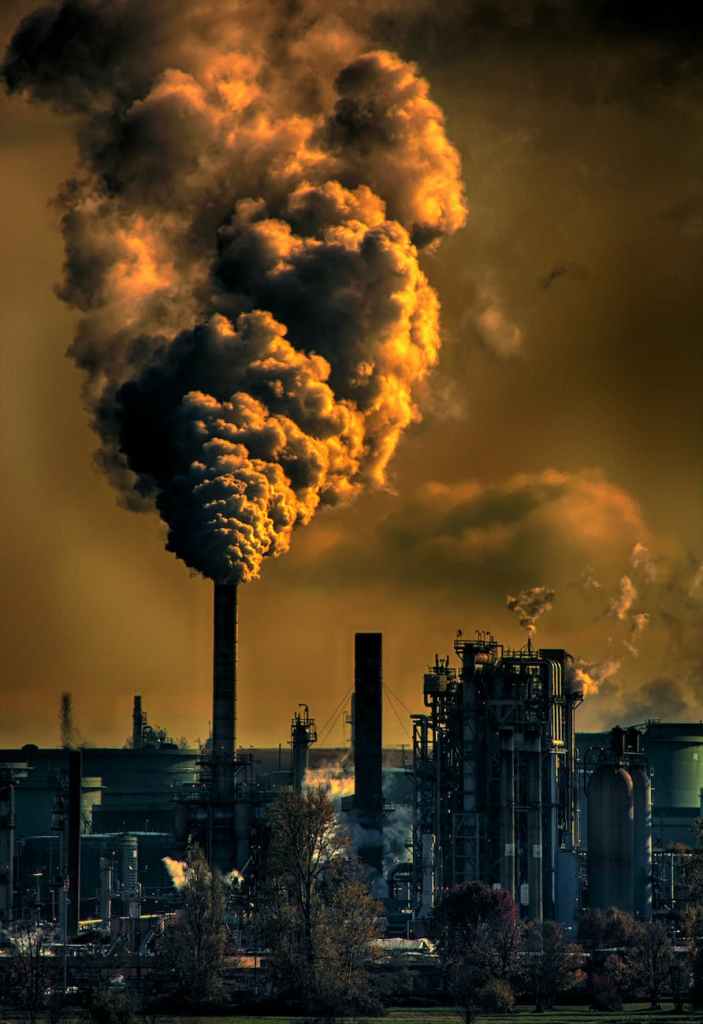


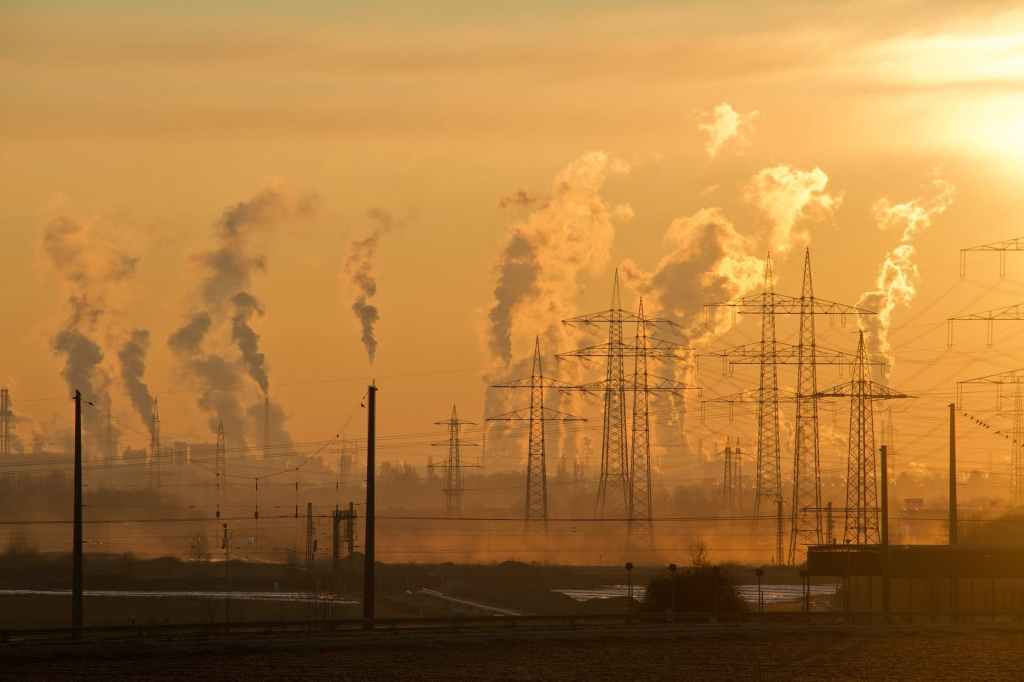






It’s easy to blame the current political climate as the source of the problem, but it goes much deeper than that. Hate and anger are often fueled by fear and ignorance, and it’s these factors that are at the root of the problem. People fear what they don’t understand, and ignorance breeds prejudice. When we don’t take the time to learn about different cultures, religions, and views, it’s easy to form biases and stereotypes that lead to hate and anger.
The media also plays a significant role in fueling hate and anger. We are bombarded with negative news stories, often highlighting the worst in society. While it’s important to be informed about the different events happening in our world, it seems that the constant barrage of negative news has led to an overwhelming sense of hate and anger in America. From political debates to social media comments, it seems that everyone has an opinion and is determined to share it, often at the expense of others.
One of the root causes of this growing animosity is the divisiveness that has been fostered in recent years. Political leaders, media outlets, and even social groups have been quick to label those with differing opinions as “others” or “enemies”. This mentality has led to a sense of “us versus them” that only serves to fuel animosity and distrust.
Another factor contributing to the growing levels of hate and anger is the anonymity that can come with social media. People are able to say whatever they want without immediate consequence, often leading to cruel and hurtful messages that are aimed at demeaning others. This sense of anonymity only makes it easier for people to spew hateful messages without any regard for the consequences. This culture of hate and anger has become so ingrained in our society that it can no longer be ignored.
One of the main reasons why there’s so much hate and anger in America today is the deep political divide that exists between different groups. With the rise of social media, people have become more entrenched in their political beliefs, and they often view those who hold opposing views as the enemy. This has led to the spread of hateful rhetoric and the demonization of those who think differently.
In addition to political polarization, economic inequality and social injustices have also fueled the flames of anger and hate in America. When people feel that the system is rigged against them, or that others are getting preferential treatment, they become frustrated and resentful. This can lead to a toxic mix of envy and anger that can easily turn into hate.
The prevalence of hate and anger in America is deeply troubling, but it’s not impossible to address. It starts with each of us taking responsibility for our own thoughts, actions, and reactions towards others.
It is no secret that there is too much hate and anger in America these days. It seems to be everywhere, from politics to social media to everyday interactions. Whether it is fueled by political beliefs, race, religion, or just simple misunderstandings, the tension and hostility can be overwhelming. But why can’t we all just get along? It is a question that has been asked countless times, and the answer is complex.
The world is made up of different people with different beliefs, cultures, and upbringings. While diversity can be a source of strength, it can also cause conflict. People tend to fear what they do not understand and gravitate towards those who share similar beliefs and values. This can create an “us vs. them” mentality that only serves to further divide people. The constant barrage of information and misinformation from the news, social media, and other sources can also stoke the fires of hate and anger.
It isan unfortunate truth that America seems to be swimming amidst a sea of hate and anger in recent times. The country has always had its fair share of divisive issues, be it political ideologies, race, religion, sex, or economic status. However, the current climate of political unrest, social injustice, and rampant misinformation seems to have amplified the toxic atmosphere of vitriol and bitterness.
The sad reality of the situation is that the hate and anger we see around us are often directed towards individuals or groups who are deemed different from ourselves. Many people find it easier to blame, ridicule, and demonize others instead of trying to understand or respect them. This tendency to label, stereotype, and judge others without mercy has led to an alarming rise in hate crimes, bullying, and discrimination.
One of the primary reasons why we struggle to get along is because we are often unwilling to accept differences. People who subscribe to a particular belief system or ideology often feel threatened by those who do not share their views.The United States of America is known around the world for being the land of the free, a country where diversity is celebrated and people are given equal rights. However, in recent years, this beautiful image of the country has been shattered by a growing sense of hatred and anger that seems to be plaguing the nation. It appears as though people in America cannot seem to get along with each other, even though they come from the same country and share many common values.
The reasons for this increasing hatred and anger are multifarious. One major contributing factor is political polarization. The United States has always been a politically divided country, but in recent years, the divide seems to have become deeper and more entrenched. Political leaders and their supporters have become less likely to compromise and more likely to demonize those who do not share their views. This has led to a toxic environment where people are judged more on their political affiliation than on their character or values.
Another contributing factor to America’s current sense of division is the struggle for power and control. Many individuals and groups feel that their beliefs and way of life are under attack and thus they feel the need to fight back with anger and hate. This has created a hostile and toxic environment where people are constantly at odds with one another.
It is important to acknowledge the many issues that have contributed to the current level of hate and anger in America. However, it is even more important to begin working towards finding solutions for this problem. One solution could be to promote and encourage empathy and understanding. By taking the time to listen to one another and understand where individuals are coming from, it may be possible to reduce feelings of animosity and create a more unified society.
Another solution could be to focus on promoting a sense of shared identity. By focusing on the values and beliefs that Americans share, it may be possible to create a greater sense of national identity and unity. This could be done through education, as well as through community events and activities that promote shared culture and Traditions In recent years, it seems that hate and anger have taken center stage in our beloved country, the United States of America. It’s hard to turn on the news or scroll through social media without seeing stories about violence, discrimination, and divisiveness. The question on many people’s minds is, why can’t we all just get along?
The answer isn’t a simple one. There are a variety of factors contributing to the current state of affairs, including political polarization and the increasing prevalence of social media platforms that allow for echo chambers and the spread of hate speech. However, there are also steps we can take as individuals and as a society to promote greater understanding, empathy, and unity.
One key area to focus on is education. Schools play a crucial role in shaping young minds and imparting values of respect, inclusion, and diversity. Teachers should be supported in their efforts to create classroom environments that are welcoming and safe for students of all backgrounds, and curricula should be designed to expose students tothe diversity of cultures, traditions, and beliefs that exist in America. The fact is, there’s too much hate and anger in America, and we need to find a way to overcome these negative emotions and start working together to build a better future.
One of the reasons why there’s so much hate and anger in America is because of the divisive political environment. Politicians on both sides of the aisle have become masters of using language and rhetoric that divides people and creates animosity between different groups. In many cases, this leads to individuals feeling as though they have to choose a side and that their views and beliefs are under attack.
Another contributing factor to the hate and anger in America is the widespread inequality that exists in our society. Many people feel as though they are not being heard or that their needs are not being met by the government or larger society. This can lead to feelings of frustration, bitterness, and anger towards those who are perceived to have more power or privilege.
Despite these challenges, there is a growing understanding that living in a society where there is too much hate and anger is not a healthy environment. It is important that we strive to build more harmonious relationships among people of all backgrounds and work together to create a society that values diversity and inclusivity.
The current state of affairs in America is characterized by an alarming rise in hatred and animosity towards those who are perceived to be different or viewed as a threat to the status quo. Whether it is political or social issues, the roots of this division have taken hold and it is time for us to confront them.
One of the reasons for this polarization is the lack of constructive dialogue and the rise of misinformation and propaganda through the use of social media and other communication platforms. This has led to a situation where people are more entrenched in their views, and less willing to listen to and understand opposing perspectives.
Moreover, the media’s tendency to sensationalize negative news and focus on divisive issues only further exacerbates the existing divides among Americans. Itseems as though everywhere we look, there is another headline that highlights the growing hate and anger that exists within our country. Whether it be political polarization, racial tensions, or religious conflicts, it seems as though our nation’s divide is only getting wider.
So why can’t we all just get along? The answer to that question is far from simple, as it encompasses a variety of complex socio-cultural and political issues that have been simmering beneath the surface for years. One of the primary causes of hate and anger in America is a lack of empathy and understanding. Instead of listening and learning from those who have different beliefs and perspectives, we too often dismiss them outright or even actively attack them.
In addition, we live in an era where social media provides us with a platform to express our opinions and beliefs, regardless of whether they are productive or not. Unfortunately, this often leads to online harassment and cyberbullying, further exacerbating the anger and division that exists within our society.
There also seems to be a constant stream of negative rhetoric coming from both sides of the political spectrum, with individuals being quick to lash out and blame one another for the issues facing our country.
At the root of all this hate and anger is a lack of empathy. We seem to have forgotten that every person we encounter is dealing with their own struggles and challenges. Instead of trying to understand each other, we resort to anger and vitriol, perpetuating the cycle of hate.
However, this is not a problem unique to America. Throughout history, societies across the world have faced similar challenges in trying to bring together people with different beliefs and backgrounds. But this doesn’t mean that we should simply accept the current state of affairs and give up on our efforts to create a more harmonious and inclusive society.
We need to start by acknowledging that everyone deserves respect and empathy, regardless of their background or beliefs. By listening to and understanding those who are different from us, we can build bridges rather than walls. We can all learn from each other and appreciate different perspectives and experiences. Unfortunately, hate and anger seem to be prevalent in America today, leading to divisiveness and conflicts that can hinder progress and understanding.
One reason for this is the increasing polarization in politics and society. It is not uncommon to see people demonizing those who hold different political views or belong to a different social or cultural group. This toxic environment of ‘us versus them’ can lead to hatred and violence, with neither side willing to listen or understand the other’s point of view.
There is also a growing sense of fear and insecurity in America. This can be attributed to the constant barrage of negative news, the threat of domestic terrorism, and the alarming rise in hate crimes. Fear can easily morph into anger, and those who feel threatened often lash out at those they perceive as the source of their fear, which only serves to further widen the divide.
We have forgotten the importance of empathy and kindness in our interactions with others. Instead of fuelinghate and anger, we should strive towards understanding and compassion.
It’s no secret that the United States is a polarized nation. Political differences, cultural divides, and racial tensions have created an atmosphere of hostility where hate and anger often seem to prevail. Conversations that should be opportunities for dialogue and exchange of ideas have become battlegrounds for insults and personal attacks. We find ourselves at a point where it’s easy to get lost in the noise and lose sight of what is essential in our interactions with others.
The question is, why can’t we all get along? At the heart of the matter is a failure to acknowledge the humanity of those we disagree with. We’re consumed by a desire to be right, to win the argument, and to prove the other person wrong. We disregard the fact that everyone is entitled to their opinion, and a disagreement does not equate to an attack on our personal beliefs.
One of the most critical missing elements in our interactions today is empathy. Empathy isthe ability to understand and share the feelings of others. Unfortunately, in America, there seems to be a significant lacking of empathy, leading to an abundance of hate and anger. As a result, we see increased polarization between communities, political parties, and individuals, leading to a fragmented society.
There are multiple reasons for this trend, including the increase in anonymity and the decrease in face-to-face communication. The rise of social media has allowed people to spew hate and anger online with little to no social consequences, leading to a culture where it appears acceptable to attack others without remorse. Additionally, social media platforms have created echo chambers in which individuals only see and hear opinions that confirm their own, further exacerbating polarization and preventing the cultivation of empathy.
Another reason for the increase in hate and anger is the political climate. The 2016 U.S. presidential election was particularly divisive, with a significant portion of the population feeling left out and marginalized. The election results left some feeling angry with little hope that things would improve. It seems that there is too much hatred and anger in America and a great divide exists. People are divided on issues such as politics, race, gender and religion. It appears that the country has lost its ability to communicate and find common ground. Instead, people lash out at each other and are quick to hate one another. The question is why can’t we all get along and what can we do about it?
The first step to tackling the problem is to understand why there is so much hatred and anger in America. One reason is that people are simply too busy and too stressed to take the time to understand each other. Everyone is caught up in their own lives; they work long hours and have little time for relaxation or leisure activities. As a result, they may take out their frustrations on others and not take the time to listen and understand them. This can lead to misunderstandings and disagreements which escalate into anger and hatred.
Another reason for the problem is that human beings naturally tend to embrace their own beliefs, perspectives, and experiences as the only right ones. This instinctive tendency to judge and stereotype people who are different from us creates a breeding ground for intolerance and bigotry. Over time, these attitudes can escalate into anger and hatred, fuelled by a sense of superiority and a lack of empathy for those who are different.
The consequences of these toxic emotions are manifold, ranging from verbal and physical violence to a lack of cooperation, trust, and mutual respect in our communities, workplaces, and political discourse. Hate and anger undermine our ability to find common ground, solve problems together, and build a better future for ourselves and future generations.
So why can’t we all get along? The answer is complex, multifaceted, and deeply embedded in our collective history, culture, and social structures. However, there are also simple and practical steps that each of us can take to promote understanding, compassion, and unity in our daily lives.
First and foremost, we need toacknowledge that there is indeed a prevalent problem of hate and anger in America. Whether it be from political divisions, racial tensions, or simply differences in opinion, it seems that too many people are quick to express hatred and anger towards those they disagree with.
However, it is important to remember that hating and being angry only leads to more negativity and division. Instead, we should strive for understanding and compassion towards those who we may not see eye to eye with. This means taking the time to listen to others without judgment, seeking to learn and understand different perspectives, and approaching conversations with an open mind and heart.
Additionally, promoting unity in our daily lives can also help combat the spread of hate and anger. This can involve reaching out to those who may feel isolated or marginalized, participating in community events and organizations, and actively working to bridge the gaps between different groups of people.
At the end of the day, it is up to each individual to take responsibility for their own actions and attitudes towards othersIn recent times, there has been an increased amount of hate and anger in America. It seems that everywhere you look, there are people bickering, arguing, and sometimes even fighting with one another. This is a disturbing trend that has left many wondering why we can’t all just get along. It’s an issue that requires immediate attention from everyone, as it affects social interactions, mental health, and the overall well-being of society.
One reason why there is so much hate and anger in America is the prevalent us vs. them mentality. This is a mindset that is deeply rooted in the society and has been perpetuated by some politicians, media personalities, and opinion leaders. This mentality creates a sense of hostility towards people who think differently, act differently, or look different, leading to a polarized society where there’s no room for empathy, compromise, and understanding.










Furthermore, social media platforms have also contributed to the increase in hate and anger. Individuals with different views can easily access social media platforms and express their opinions, but unfortunately, this often leads to heated debates and arguments that only increase the levels of hate and anger on both sides. Additionally, the widespread availability of news media means that horrifying stories of violence and injustice are constantly being broadcast, adding fuel to the fire of existing anger and hate.
However, it is important to remember that hate and anger are not endemic to America. Every country has its fair share of divisive issues and heated debates. What sets America apart is its unique history and cultural diversity, which can both contribute to both the positive and negative aspects of the country’s current social climate.
One possible explanation for the country’s current issues with hate and anger is the fact that the political landscape has become increasingly divisive in recent years. Political rhetoric and polarization have become more prevalent, leading to an increase in hateful discourse and a heightened sense of hostility towards those who hold different views. This tense political climate has also made it more difficult for individuals to engage in civil discourse and seek mutual understanding. It’s not uncommon to see people passionately arguing on social media, or even resorting to violence in extreme cases.
This begs the question – why can’t we all get along? The root causes of this issue are complex and multifaceted. It could be attributed to factors such as political polarization, social inequality, and cultural differences. Whatever the reason may be, it’s clear that something needs to change.
One of the first steps towards promoting unity and mutual understanding is to acknowledge and address the sources of division and conflict. Political polarization, for example, can be a particularly difficult issue to tackle because it’s deeply intertwined with the values and beliefs of individuals. It’s important to recognize that people on both sides of the political spectrum are often motivated by a desire to make positive changes in society, even if their methods and ideologies may differ. Instead of attacking each other, we need to learn to listen and understand each other’s viewpoints.
Social inequality is another root causeIn recent years, there seems to be an increasing amount of hate and anger in America. It’s seen in social and political debates, in news headlines, on social media platforms, in daily conversations, and sometimes even in violent and tragic events. The question on everyone’s mind is: Why can’t we all get along? Why can’t we learn to listen to each other and understand each other’s viewpoints? The answer may lie in multiple factors, but perhaps the most significant root causes are deep-seated fear, ignorance, and social inequality.
Firstly, fear seems to be a driving force behind the hate and anger that we see. People fear what they don’t understand or what they perceive as a threat to their own beliefs or lifestyles. This fear can turn to anger, defensiveness, and even violence if not addressed and managed appropriately. For example, some people may fear immigrants because of misconceptions about their impact on jobs or cultural norms. Others may fear changing social norms because they believe that it will threaten their way of life. However, when it comes to hate and anger towards one another, it’s important to understand that it contributes to a toxic environment that can have dire consequences. America has seen its fair share of hate and anger that has led to some of the deadliest acts of violence and division.
The most recent display of hate and anger in America can be seen in the numerous incidents of police brutality against minorities and the resulting protests that have taken place across the country. The pain and frustration of communities affected by these incidents have spilled over into the streets, sometimes leading to violence and destruction. Hate and anger towards minorities are not limited to these incidents but are also perpetuated through the actions and rhetoric of some politicians and media outlets.
One of the biggest victims of this hate and anger is the job market. As millions of Americans struggle to find jobs and make ends meet, hate and anger towards one another create an environment of hostility that can make it harder for people to come together and find common ground. Unfortunately, this is the reality of America today. There’s too much hate, there’s too much anger, and it’s causing division within our society.
Why can’t we all just get along? It’s a question that has been asked for centuries, and yet, we still struggle to find an answer. Part of the problem is that we often focus on what divides us instead of what unites us. We allow our differences to define us and create animosity towards one another.
Social media and the internet have only exacerbated these issues. They provide a platform for people to spew hateful rhetoric without consequence and give people the ability to live in their own echo chamber. Rather than engaging in constructive discussions, people retreat to their own corners, further widening the gap between different groups.
Additionally, political polarization has contributed to the hostile climate in America. Tensions between conservatives and liberals have grown to the point where a civil discussion is nearly impossible. Instead of focusing on shared goals and ideals, America seems to be consumed by hate and anger. The country is bifurcated politically and socially, with people often feeling that they share little in common with those on the other side of the divide. This essay will explore the reasons behind this growing animosity and consider the possibilities for bridging the gap.
One factor that has contributed to the current climate of hate and anger is the media landscape. Cable news networks and social media platforms have given a voice to extreme perspectives, and pundits and commentators often use heated rhetoric and personal attacks to denigrate those with differing views. This inundation with vitriol encourages individuals to view those with different opinions as dangerous or immoral. Additionally, the algorithms of social media platforms often create an echo chamber of like-minded individuals, which reinforces one’s views and further stokes animosity toward those who think differently.
Another factor contributing to America’s hate and anger is the decline of civic institutions. Many Americans are no longer connected to their communities in the same way they once were, leading to a breakdown in social trust and a rise in polarization. This, in turn, has created an atmosphere of hate and anger that has permeated throughout the country.
There are various factors that have contributed to this sense of division and discord in America. One of the key factors is the rise of social media, which has provided a platform for individuals to express their opinions and beliefs without any filter or accountability. This has allowed for the proliferation of hate speech, misinformation, and conspiracy theories, which have further fueled the flames of division and mistrust.
Another factor is the erosion of traditional institutions and social structures. Many Americans are no longer connected to their communities in the same way they once were, leading to a breakdown in social trust and a rise in polarization. Individuals are increasingly retreating into their own echo chambers, where their beliefs are reinforced and their biases confirmed. This has led to a growing sense of tribalism, where people are more likely to identify with their political tribe than with their fellow citizens, has contributed to the increasing levels of hate and anger in America. This has led to a situation where people refuse to engage with those who do not share their views, leading to polarized debates and an inability to find common ground.
Another factor contributing to the current situation is the spread of misinformation and propaganda through various channels, including social media. These platforms have allowed anyone to voice their opinions, regardless of whether they are based in fact or not, and this has created a fractious and divided society. People are more likely to trust sources that confirm their existing beliefs, even if these sources are not reliable, leading to further divisions and an inability to build consensus.
The media has also played a role in exacerbating tensions. Sensationalist reporting of events has added fuel to the fire, and the constant emphasis on the most negative aspects of society has created the impression that all is doomed. Additionally, certain media outlets have become polarized themselves and are viewed as ideological tools for the extremeIn recent years, there has been a growing concern among Americans about the level of hate and anger that seems to pervade our society. From political polarization and religious animosity to racial tensions and economic inequality, the sources of this discord are many and varied. Yet despite the complexity of the issue, there is a growing consensus that we need to find a way to overcome these divisions and learn to live together in greater harmony.
One of the main reasons why there is so much animosity in America today is the way in which our media outlets have become polarized themselves and are viewed as ideological tools for the extreme. Whether it is cable news channels like Fox News or MSNBC, political talk radio, or social media platforms like Twitter and Facebook, these sources of information have become echo chambers for like-minded individuals who are encouraged to demonize those who disagree with them.
As a result, many Americans have developed a deep sense of distrust and hostility towards people who hold different beliefs or belong to different groups. Whether itis political ideologies, racial differences, or religious beliefs, the United States of America has seen its fair share of hatred and anger towards those who are different. It is time for us to take a step back and to reevaluate why we can’t seem to get along and what can be done to address the issue.
There’s no doubt that the digital age and the rise of social media have contributed to a rise in hate speech and the spread of extremist ideologies. Moreover, our political leaders have failed to put their differences aside and unite the nation amidst divisive issues like healthcare, gun control, immigration, and climate change. The result has been that members of different political parties fail to see each other as fellow human beings but rather as enemies to be defeated. It is this “us versus them” mentality that feeds into the existing hostility.
As a nation that prides itself on freedom of speech and individual rights, we should acknowledge that people are entitled to their beliefs, even if we don’t agree with them. There’s a lot of hate and anger in America today. It seems like everywhere you look, there’s someone who’s angry or upset about something, whether it’s politics, race, religion, or even just the way people treat each other. It’s easy to get caught up in all of this negativity, but it’s important to remember that we are all entitled to our beliefs, even if we don’t agree with each other.
The roots of this anger and hate are complex and multifaceted, but one thing is clear: we need to learn how to get along with each other. It’s easy to point the finger at others and blame them for the problems we see in society, but the truth is that we all have a role to play in creating a more harmonious and peaceful world.
First and foremost, we need to acknowledge that people are entitled to their beliefs. Whether it’s political, religious, or social, we need to recognize that everyone has the right to their own opinionThere’s no denying that hate and anger seem to have taken over America in recent years. It’s a problem that doesn’t have a simple solution, as there are a variety of causes and factors at play. But one thing is clear: we need to start valuing empathy, respect, and open-mindedness if we hope to move past this divisiveness.
It’s easy to fall into the trap of thinking that anyone who disagrees with us is our enemy. But the truth is much more nuanced. We all come from different backgrounds, have had different life experiences, and hold different beliefs. That’s what makes America such a vibrant and diverse place. But it also means that we’re going to have disagreements. Instead of viewing these disagreements as a battle to be won, we should try to approach them with respect and curiosity. We might just learn something new.
Of course, this is easier said than done. Hate and anger are deeply ingrained in American culture, and we’ve been taught to view others with suspicion and hostility far too often. It’s difficult to pinpoint an exact cause of this divide, but the reality is that we’re living in a world that is crying out for change, and our inability to work together is only exacerbating this problem.
At the heart of the problem lies a fundamental lack of understanding and empathy. We’ve allowed ourselves to become so entrenched in our own perspectives that we’re no longer able to step outside of our own experiences and see the world from someone else’s point of view. This is a grave mistake, as it means we’re unable to relate to those who are different from us, whether that be in terms of race, religion, ideology, or background.
One of the main reasons hate and anger are so prevalent in America is that we’ve allowed ourselves to be manipulated by those who seek to exploit our differences for their own gain. Whether it be politicians, media outlets, or prominent figures in our society, they play on our fears and insecurities tofurther their own agendas. This ultimately leads to a division amongst us, as we cling to our own beliefs and turn against those who do not align with us.
However, this division only serves to weaken us as a society. When we are too consumed with hate and anger towards one another, we become blind to the needs and struggles of our fellow citizens. We forget that we are all human, and that we all desire love, acceptance, and understanding.
So why can’t we all get along? It starts with recognizing our shared humanity and treating one another with empathy and kindness. We must learn to listen to each other, even when we disagree. We must resist the urge to demonize those whom we perceive as different from us, and instead seek to understand their perspectives.
We must also hold our leaders and media outlets accountable for their actions and rhetoric. We cannot allow them to stoke the flames of hatred and division in the name of their own agendas.
Ultimately, it is up to usas individuals to rise above the negativity and work towards a more peaceful and unified society.
One of the biggest problems in America today is the level of hate and anger that seems to permeate every aspect of our lives. It’s everywhere we look, from social media and news headlines to political rallies and even everyday conversations. Many people seem to be fueled by anger, lashing out against others who don’t share their opinions or beliefs. This kind of divisiveness is not only unhealthy, but it’s also unsustainable in the long run.
But why is there so much hate and anger in America? One reason is that we live in a society that values individualism and self-interest above all else. Many people prioritize their own needs and wants over the needs and well-being of others, leading to a sense of entitlement and selfishness that can easily turn into anger and resentment towards those who don’t share their views.
Another factor is the lack of empathy and understanding for others that seems to be prevalent in our culture. There is no denying that hatred and anger have become pervasive in today’s American society. Everywhere we turn, there seems to be strife, conflict, and animosity. From racial tensions to political polarization, from social media outrage to news headlines of hate crimes, it seems that the once-vaunted civil and courteous spirit of America is now a relic of the past.
One major cause of this unfortunate trend is the lack of empathy and understanding that seems to be prevalent in our culture. Empathy and understanding are key components of communication, yet far too often America seems to be divided into irreconcilably opposing factions that talk past each other, rather than listen to what other people are saying.
Such division can be seen in the political and social aspects of American life. Politics in America has become a shouting match, where politicians on both sides of the aisle insult and denigrate each other on national TV. Similarly, social activism and protests have taken on a confrontational and often violent tone, with people unwilling to listen to opposing viewpoints and resorting to name-calling, physical altercations, and destruction of property. Hate crimes based on race, religion, and sexual orientation have increased, and social media has become a breeding ground for online bullying and harassment. It’s clear that there is too much hate and anger in America, and it’s time for us to reflect on why we can’t all get along.
One reason for this divide is the political polarization that has taken hold in the country. People are becoming more ideologically entrenched and less willing to compromise or find common ground. The rise of fake news and misinformation has made it difficult for people to agree on basic facts, leading to a breakdown in communication and trust.
Another contributing factor is the growing inequality in the country. Economic disparities have created a sense of resentment and anger among those who feel left behind or ignored by the system. This has led to a rise in identity politics, where people align themselves with groups based on their race, gender,and sexual orientation, has led to a lot of division in America. Instead of celebrating our differences and finding common ground, we tend to focus on what separates us. This has led to a lot of hate and anger in our country, and it’s time for us to come together and start treating each other with respect and kindness.
One of the biggest challenges we face is the rise of identity politics. This is the idea that people should align themselves with groups based on their race, gender, or sexual orientation. While this can be empowering for some, it can also create a lot of division. When we start to see ourselves as part of a particular group, we tend to focus on what makes us different from others, rather than what brings us together. This can lead to a lot of negativity and hostility, which is not good for anyone.
Another problem is that we tend to demonize those who have different views from our own. Instead of engaging in thoughtful discussion and debate, we resort toname calling and personal attacks. This lack of civility extends to all areas of life and affects our politics, social interactions, and even our online conversations.
America is currently facing a crisis of hate and anger. Whether it is the rise of hate crimes, polarization of political views, or increasing hostility in online interactions, it is clear that we are facing a difficult challenge. The question remains why can’t we all get along?
One reason that we fail to get along is that we are too often focused on our own views and opinions. We believe that our way is the only right way, and we are unwilling to listen to other perspectives. As a result, we are quick to dismiss those who do not share our views, and that leads to anger and frustration.
Another reason for the growing animosity in America is that we tend to surround ourselves with like-minded people. Whether it is through social media algorithms or our choice of news sources, we often limit our exposure to differing viewpoints. Thisleads to a lack of empathy and understanding for those who hold different opinions, which in turn fuels hate and anger towards one another.
It is no secret that America has become a deeply divided nation. There is a palpable tension in our political discourse, social media interactions, and even in our daily interactions with strangers. This polarization has led to widespread hate and anger, often directed at individuals who hold different beliefs than our own.
The root of this problem lies in our inability to engage in civil discourse with those who hold differing viewpoints. We have become so tribalistic in our political affiliations that we often demonize those who we disagree with, and refuse to engage in dialogue to understand their perspective. We are quick to dismiss the opinions of others, even if they are backed by facts and data, simply because they don’t align with our preconceived notions.
Furthermore, our choice of news sources plays a significant role in exacerbating this problem. Rather than seeking out multiple sources of information, we tend to stay within our own echo chambers, only seeking out opinions and news that support our pre-existing beliefs. This creates a further divide between individuals and perpetuates the cycle of hate and anger.
Additionally, political polarization has reached an all-time high in America. Political parties have become so entrenched in their respective beliefs that they are unwilling to compromise or seek common ground with one another. This has led to divisiveness and a lack of cooperation, further fueling the flames of hate and anger.
Racism and discrimination also play a significant role in exacerbating this problem. Despite efforts to promote inclusivity and equality, systemic racism and prejudice still exist in America. This leads to marginalized groups feeling unheard and underrepresented, which can in turn fuel anger and resentment towards those who are seen as perpetuating or enabling discrimination.
So, what can be done to address this issue? One important step is to actively listen to and seek out perspectives that differ from our own. It’s important to challenge our own biases andprejudices in order to gain a better understanding of others. Unfortunately, the United States seems to be plagued with hate and anger, making it difficult to foster a sense of unity and understanding.
There are countless reasons for this phenomenon, ranging from political divisions and social inequalities to cultural differences and personal prejudices. Many people feel marginalized or excluded due to their race, gender, sexual orientation, religion, or socio-economic status. These feelings of injustice and discrimination can fuel anger and resentment, leading to further division and conflict.
In addition, the media often sensationalizes negative news stories and promotes inflammatory rhetoric, exacerbating feelings of anger and mistrust. Social media platforms can also be a breeding ground for hate speech and online bullying, allowing people to spread their toxic views without consequence.










Different cultures, different backgrounds
But despite these challenges, it’s important to remember that we all have the ability to choose how we interact with others. We can choose to listen to different perspectives, engage in respectful dialogue, and seek common ground. We can alsowork to empathize with one another and recognize the humanity in those who may disagree with us.
However, the reality is that hate and anger have become more prevalent in America. This can be seen in the increasing polarization of political views, the rise of extremist groups, and the spread of divisive rhetoric through social media.
This trend is damaging to our society for several reasons. First and foremost, hatred and anger create an environment of fear and distrust. When we are constantly at odds with one another, it becomes difficult to work together for the common good. In addition, hate can lead to violence and discrimination against marginalized groups.
So why can’t we all just get along? One possible explanation is that we are all influenced by our own experiences, beliefs, and values. It can be difficult to understand someone else’s perspective if we have never walked in their shoes. We may also fall victim to the “us vs. them” mentality, which makes it easy to view those who are Different There is no denying that America is a country that has seen its fair share of division in recent years. From political polarization to social unrest, there have been several factors that have contributed to the growing animosity and hostility that has come to define the tone of much of the discourse in this great country. It’s heartbreaking to see so much hate and anger all around us. One can’t help but wonder, why we can’t all just get along?
One of the primary reasons for this growing divide has been the increasing prevalence of the “us versus them” mentality, which makes it easy to view those who are different from us in a negative light. Unfortunately, this type of thinking often leads to the demonization of others and the promotion of narrow-minded perspectives that only serve to further alienate people.
The current political climate is also a significant contributor to this disconnect. The constant barrage of divisive rhetoric and political posturing from both sides has created an environment where people are more likely to cling to their Beliefs There’s no denying that there is an enormous amount of anger and hate in America today. In recent years, political polarization has reached an all-time high, with people living in echo chambers, only consuming information and speaking to people who think and feel the same way they do.
This division has created an environment where people are more likely to cling to their beliefs, even in the face of overwhelming evidence to the contrary, and demonize those who hold opposing views. There is a lack of civility and open-mindedness that can make it difficult to have productive conversations and solve our problems as a society.
There are many reasons why this problem exists, and it’s hard to pin down any one factor as the root cause. Social media has amplified voices on both ends of the political spectrum, and it’s easy to get sucked into the outrage machine that dominates our news feeds.
But ultimately, the problem comes down to a lack of empathy and understanding for people who are different from us. It’s easier to hate and lash out at those who we don’t understand or who we perceive as a threat. This mindset is prevalent in America today, and it is causing division and destruction in our society.
In recent years, we have seen an increase in hate crimes against marginalized communities such as racial minorities, religious minorities, and members of the LGBTQ+ community. This trend highlights a lack of understanding and empathy for those who are different from us. Instead of trying to understand their experiences and struggles, people are quick to judge and attack them, trying to force their own beliefs and values onto others.
Another factor that contributes to the culture of hate and anger is the polarization of the media and political landscape. Politicians and media outlets often perpetuate divisive rhetoric that pits one group against another. This leads to a sense of “us vs them” mentality, where anyone who disagrees with us is seen as an enemy.
However, the solution to this problem isn’t just about pointing fingers and assigning blame. It’s importantto understand the root causes of the hate and anger that seem to pervade American society today. There are many contributing factors, including economic inequality, political polarization, and deep-seated cultural differences.
One major factor in the rise of hate and anger is economic inequality. The gap between the rich and poor has grown ever wider in recent years, leading to a sense of frustration and disillusionment among many Americans. This can manifest itself in a variety of ways, including resentment toward immigrants and other groups seen as taking away jobs from American workers.
Another factor is political polarization. The rise of social media and other digital platforms has made it easier than ever for people to engage in political discourse, but it has also led to a surge in ideological echo chambers. People are increasingly surrounded by those who share their views and beliefs, and this can make it more difficult to understand and empathize with those who hold different opinions.
Deep-seated cultural differences also play a role. The United States is a diverse society, with people from different countries, ethnicity, religions, and beliefs. This diversity brings with it a set of unique challenges that often result in conflict and tension.
As to why we cannot all get along, the answer is not so simple. In many ways, our society has become more divided over the years, with a growing sense of hatred and intolerance towards those who have a different view or background. The media perpetuates this narrative, often focusing on negative stories that further fuel these tensions.
Social media also plays a significant role in creating a toxic environment where people are quick to attack others for their opinions and beliefs. Rather than trying to understand each other’s perspectives, we tend to demonize those who disagree with us and become entrenched in our own viewpoints.
Moreover, the political landscape has become increasingly polarized, with politicians using inflammatory language that fuels the frustration and anger of the public. Many individuals feel that their voices are not being heard, and as a result, they become more isolated, frustrated, and prone to anger and hate. This is a vicious cycle that needs to be addressed if we ever hope to bring about a more peaceful and harmonious society.
One key factor behind the proliferation of hate and anger in America is our growing political polarization. In recent years, Americans have become increasingly divided along ideological lines, with many people seeing those on the other side of the political aisle as not just misguided, but as evil or even dangerous. Social media and cable news have only reinforced these divisions, creating echo chambers where people are exposed only to information and viewpoints that confirm their pre-existing beliefs.
Another important factor is the rise of identity politics, which has led many people to view others primarily through the lens of their race, ethnicity, gender, or sexual orientation. While it is certainly important to acknowledge and address issues of systemic oppression and discrimination, too often identity politics leads to a kind of tribalism in which people view those from other groups as inherently different and hostile.
Of course, it would be simplistic to blame one single factor for the rampant presence of hate and anger in America. But at the heart of the problem lies a lack of understanding, empathy, and compassion for one another. In recent years, events like the Charlottesville protests, mass shootings, and the rise of hate crimes against minorities have demonstrated just how deeply ingrained societal divisions and prejudices are in our country.
It can be easy to take sides and point fingers, but the reality is that both conservative and liberal members of society contribute to the spread of hate and hostility. Rather than trying to create a space for dialogue and understanding, many people cling to their own beliefs and refuse to engage in meaningful conversations with those who think differently. Social media has further exacerbated this problem, creating echo chambers where people are only exposed to opinions that align with their own.
But what would happen if we all made a conscious effort to extend kindness and understanding towards one another, even if we don’t agree on everything? What if we listened to each other’s perspectives with an open mind and tried to understand where the other person is coming from? What if we didn’t let our own biases and prejudices cloud our judgement and prevented us from seeing the other person as a fellow human being? These are some of the questions that come to mind when we think about the current state of America – a country that is deeply divided, marked by hate and anger.
In recent years, America has witnessed a rise in hate crimes, bigotry, racism, and discrimination against different minority groups. From police brutality against African Americans to hate crimes against immigrants, Jews, and Muslims to the rise of white nationalism, the country seems to be at a crossroads, grappling with its own identity and values.
One of the primary reasons for this divide is the lack of empathy and understanding between different groups. Instead of engaging in constructive dialogue and seeking common ground, we often resort to name-calling, blame games, and demonization of the other side. It seems that we have lost the ability to empathize with those who hold differing opinions from our own. Instead, we demonize these individuals and view them as enemies to be defeated rather than fellow human beings with whom we should strive to find common ground.
The root cause of this trend towards hatred and anger in America can be attributed to a variety of factors. One major contributor is the explosion of social media platforms, which have allowed individuals to easily surround themselves with voices that reinforce their own views and opinions. This has created echo chambers where individuals are less likely to be exposed to opposing viewpoints or engage in meaningful conversations with those who hold differing beliefs.
Additionally, political polarization has greatly contributed to the fragmentation of society. With the two major political parties becoming increasingly ideologically distinct, many individuals feel that they must choose one side or the other and cannot find middle ground or compromise. This leads to a culture of tribalism where individuals are more likely to view those from the other side as the enemy rather than as fellow citizens with a different perspective.
Furthermore, a lack of constructive dialogue and a desire to win at all costs has led to a toxic political environment in which compromise and cooperation are seen as signs of weakness.
At the same time, social media and the 24-hour news cycle have created echo chambers in which people are only exposed to ideas that confirm their existing beliefs. This has resulted in a polarization of society and a demonization of those who hold opposing views.
The consequences of this toxic environment are palpable. Hate crimes have risen to their highest levels in years, with individuals targeted for their race, religion, or sexual orientation. Mass shootings have become a regular occurrence, and political leaders are routinely targeted with threats and violence.
Now more than ever, it is imperative that we take a step back and ask ourselves why we can’t all get along. What is it that drives us to demonize those who hold different beliefs? Is it fear? Ignorance? The desire to feel superior? Is it a lack of empathy for those who are different from us? Or is it simply a lack of understanding and education? Whatever the reason may be, one thing is clear: there is too much hate and anger in America today. We see it in the news, on social media, and even in our everyday interactions with others.
It’s time for us to take a step back and ask ourselves why this is happening. Why are we so quick to judge and criticize others based on their race, religion, gender, or sexual orientation? Why do we feel the need to tear others down in order to feel better about ourselves?
Perhaps part of the problem is the way in which we consume information today. With the rise of social media, we are constantly bombarded with news and opinions from all sides. It’s easy to become overwhelmed and confused, and to start viewing those who disagree with us as the enemy. We forget that behind every post and tweet is a real person with feelings and experiences that are just as valid as our own.
We also need to understand that everyone has unique backgrounds and histories that shape their values and perspectives.
Unfortunately, despite living in a country that prides itself on being a melting pot of cultures and ideas, it seems that there is an increasing amount of hate and anger in America. From political polarization to racial tension, it can feel like the divides between us are only growing wider.
The question that arises then is, why can’t we all just get along? Why can’t we come together and find common ground instead of focusing on our differences?
One reason for this may be the tendency for humans to gravitate towards groups that they perceive as similar to themselves. This can lead to cliques and factions, with each group feeling superior to the others. This superiority complex can then breed prejudice and hate towards those who are deemed different or lesser.
Furthermore, our society is constantly bombarded with negative messages and images, whether it be through the media or through personal experiences of discrimination and inequality. These negative messages can fuel anger and hate, and unfortunately, it seems that these emotions have become all too prevalent in America today. Whether it’s political polarization, racism, sexism, or any other form of discrimination, it’s clear that there is a deep divide in our country. We need to ask ourselves, why can’t we all get along?
The answer to this question is complex and multifaceted. It’s easy to point fingers and place blame on certain groups or individuals, but the reality is that we are all responsible for creating a society that is accepting and inclusive. One major factor that contributes to hate and anger is fear. Fear of the unknown, fear of change, and fear of losing power or status can all lead people to lash out at those who they see as a threat.
Another issue is a lack of empathy and understanding. It’s difficult to connect with someone who has a different background or experiences than we do, but that’s all the more reason why we should strive to do so. Instead of dismissing others’ opinions and viewpoints, we should aim to understand and respect them, even if we do not necessarily agree with them. The root of hate and anger often comes from feelings of fear or insecurity, and by creating a safe and open space for discussion, we can alleviate these negative emotions.
It is also important to acknowledge that there are systemic issues that perpetuate hate and anger, such as racism, sexism, and homophobia. It is our responsibility to actively work towards dismantling these systems and creating a more equitable and just society.
In addition, we must recognize the power dynamics at play in certain situations. For example, those in positions of privilege must be willing to listen to and learn from marginalized communities who have historically been silenced and oppressed.
Ultimately, it is up to each individual to take responsibility for their actions and words and make a conscious effort to promote understanding and empathy. We must learn to see each other as human beings with complex and unique experiences, rather than as stereotypes or enemies.
Itis disheartening to see the level of anger and hate that exists in America. From bitter political debates to everyday interactions between strangers, our society is often marked by division and hostility. It’s difficult to understand why we can’t seem to get along, and the consequences of this ongoing conflict are significant.
One reason for our divisions is that we tend to surround ourselves with people who share our beliefs and opinions, creating echo chambers that reinforce our anger and grievances. Social media has made it easier than ever to find people who share our views and to participate in online communities that focus on criticizing others rather than understanding and empathizing with them.
Additionally, the political climate in America has contributed to the problem. Leaders on both sides of the aisle often engage in hostile rhetoric instead of trying to find common ground and work together. This kind of behavior sets the tone for the rest of society, with many people feeling justified in expressing their own anger toward those they see as opponents.
Ultimately, though, the root of this problem lies in our collective failure to embrace empathy and acknowledge the humanity in others.
The United States is a diverse country, with people from all walks of life and backgrounds living and working together. Yet, despite this diversity, we seem to be increasingly divided by our differences. This has led to a rise in hate, intolerance, and anger. Whether it is political differences, cultural clashes, or religious beliefs, we seem to be unable to find common ground and work together to build a more harmonious society.
The problem with hate and anger is that they breed more hate and anger. When we see someone as an adversary, rather than as a fellow citizen, we naturally become defensive and aggressive. We assume the worst in others and react with aggression, rather than seeking understanding and empathy. This leads to a vicious cycle of hostility that only serves to deepen the divide and tear us further apart.
So, why can’t we all get along? The answer lies in our inability to listen to and understand each other. America is a beautiful and diverse country, filled with people from different races, religions, and backgrounds. Unfortunately, this diversity has become a source of division and conflict instead of unity.
One of the biggest problems in America is the prevalence of hate and anger. We see it every day in the news, on social media, and in our daily lives. People seem to be quick to judge, quick to anger, and quick to hate those who are different from them. This hate is often directed towards minorities, immigrants, and any group deemed “other.”
The reasons for this hate are complex and varied, but one of the main reasons is fear. People are afraid of what they don’t understand, and they are afraid of losing their own identity or way of life. This fear often leads to anger and then to hate and prejudice.
Another factor contributing to the hatred in America is the echo chamber of social media and the internet. People often surround themselves with others who share their views and opinions,making it easy to develop a strong sense of tribalism. Unfortunately, it seems that tribalism has taken a dark turn in America, with people increasingly fixating on their differences rather than their similarities. This has led to a dangerous increase in hate and anger in our society, and it’s time for us to recognize the problem and take steps to address it.
One of the biggest reasons for the rise of hate and anger in America is the increasing polarization of our political landscape. It’s easy to get caught up in the fervor of political debate and see those who disagree with us as enemies. With the advent of social media, it’s easier than ever for us to surround ourselves with people who share our beliefs, further amplifying our sense of tribalism. Unfortunately, this has led to a culture where disagreement is seen as a personal insult, and people are more likely to demonize those who disagree with them than engage in productive dialogue.
Another factor contributing to the increase of hate and anger is the current political climate. In recent years, extreme views and polarizing rhetoric have been amplified in the media and in political circles. This has created an environment where people are more likely to view those with different beliefs as enemies rather than fellow citizens with different perspectives. Additionally, social media has allowed for the spread of extremist ideologies and hateful messages, further contributing to the divide.
So, where do we go from here? How can we begin to heal the deep divisions in our society and create a more peaceful and harmonious future? The first step is to acknowledge the problem and take responsibility for our role in perpetuating hate and anger. This means examining our own biases and prejudices and working to overcome them. We must also actively seek out and listen to perspectives that challenge our own, recognizing that diversity of thought is essential to progress and growth.
Another important step is to promote education and empathy, particularly in schools and among young people. By teaching children and teens the value of open-mindedness, compassion, and Understanding America is a land of diversity with people from different races, cultures, and ideologies coexisting peacefully. However, in recent years, we have seen an upsurge in hatred and anger that is tearing apart the very fabric of our society. The rise of extremism, political polarization, and social media have made it easier for people to express their views, but it has also led to an increase in hate speech and division. It’s high time for us to address this problem and understand why we can’t all get along.
Firstly, one of the main reasons for the conflict in America is a lack of mutual understanding and empathy. People are quick to categorize someone based on their identity or opinion without taking the time to really listen and understand their perspective. This misunderstanding creates a divide that can be difficult to bridge. To address this issue, it’s crucial to encourage open-mindedness. We should strive to educate ourselves and seek to understand different people’s cultures, beliefs, and practices, despite our Differences There’s no question that America is a country divided by hate and anger. Every day, we see stories of bigotry, racism, intolerance, and violence. It’s easy to feel overwhelmed and frustrated, to throw our hands up and wonder why we can’t all just get along.
The truth is, there is no easy answer to that question. But one thing is clear: if we want to overcome the hate and anger that plagues our nation, we need to make a deliberate effort to educate ourselves and seek to understand different people’s cultures, beliefs, and practices, despite our differences.
Education is vital in promoting tolerance and acceptance. It is through education that we learn to appreciate and respect the differences that make us unique. For instance, children should be taught from an early age that diversity is a strength, not a weakness, and that every individual deserves to be treated with dignity and respect. Educational institutions can promote diversity by introducing programs that celebrate different cultures and histories or funding programs that help bridge thegap between different communities can only go so far in addressing the deep-seated issue of division and hatred in America. At its core, this issue is rooted in a lack of understanding and empathy for those who are different from us.
Sadly, we live in a society that has become increasingly polarized and divided. With the advent of social media, it has become easier than ever for people to express their opinions and for those opinions to spread quickly. However, this has also led to the normalization of hatred and anger towards those who don’t share our beliefs or values. It seems like people have forgotten how to have constructive conversations and debates. Instead, disagreements quickly escalate into animosity and even violence.
This is not to say that we shouldn’t celebrate our differences. America is a melting pot of cultures and backgrounds, and that is something we should be proud of. However, we need to do a better job of truly understanding and respecting each other. This requires actively seeking out experiences that expose us to different perspectives and backgrounds, and challenging ourselves to confront our own biases and prejudices. This can be a difficult process, but it is essential if we want to build a more inclusive society.
Another important step is to embrace and celebrate diversity. Rather than trying to homogenize or suppress differences, we should recognize that our individual identities and cultures are sources of strength and enrichment. By valuing and respecting diverse viewpoints, we can create opportunities for collaboration and dialogue, and foster a greater sense of unity in our communities.
Finally, it is important for all of us to recognize the ways in which our words and actions can contribute to an atmosphere of hate and division. We must hold ourselves and others accountable for our behavior, and work to promote kindness, compassion, and understanding in all aspects of our lives. Whether we are interacting with our neighbors, participating in online discussions, or engaging in political discourse, we must strive to create spaces that are free of animosity and discrimination.
In conclusion, it is clear That America has become a place where hate and anger seem to thrive. It is unfortunate that we find ourselves in a world where divisiveness has become the norm, and where disagreeing with someone’s beliefs means disrespecting them as a person.
Whenever we turn on the news or scroll through our social media feeds, we are bombarded with examples of hate and anger that are spreading like wildfire. Whether it’s discrimination against people based on their ethnicity, gender, or sexual orientation, or violence and backlash, it’s difficult to escape the consequences of this polarization.
Many people wonder why we cannot all just get along. The answer, however, is not always straightforward. It is not just a matter of differences in opinion – even people with similar beliefs can find themselves on opposite sides of a debate. Instead, it is often rooted in deep-seated beliefs and personal experiences that shape who we are and how we view the world.
Despite this, there are still steps we can take to create more harmonious communities.The United States of America is often referred to as the land of the free and the home of the brave. However, in recent years, it has become clear that there is too much hate and anger in America. Why can’t we all get along? This is a question that many people are asking themselves as they witness the increasing division and polarization across the country.
First and foremost, it is important to acknowledge that hate and anger are complex emotions that stem from a variety of factors. Some people may feel angry due to economic hardship, political instability, or personal problems. Others may harbor hate towards certain individuals or groups based on their race, ethnicity, gender, sexual orientation, or religion. Such feelings can be the result of a lack of education, misinformation, or even intergenerational trauma.
Regardless of the reasons behind the hate and anger, it is clear that these emotions are causing harm to individuals and communities across the country. Hate crimes, discrimination, online harassment, and political polarization are just a few of the many issues that are contributing to the ever-increasing anger and division in America today. As a nation that prides itself on diversity and inclusivity, it’s disheartening to see that so many people are unable to form positive relationships with one another. Instead, they choose to focus on their differences, fueling their anger and perpetuating hatred.










One of the reasons why there is so much anger and hate in America is because of the ongoing social, political, and economic inequalities that exist between different groups. For instance, it’s no secret that people of color face an incredible amount of discrimination on a daily basis, whether it’s in the workplace or in their personal lives. Similarly, members of the LGBTQ+ community are often targets of hate and violence because of their sexual orientation or gender identity. Unfortunately, these injustices are often overlooked, with those in positions of power failing to take concrete steps to address them.
At the same time, social media and other online platforms have made it easier for people to spread their hate and anger to larger audiences, which only fuels the problem.
The root causes of this issue are varied and complex. Some point to deep-seated historical injustice and inequality, while others cite economic factors such as job loss and stagnant wages. Still others point to an increasing sense of polarization in politics and a growing intolerance for differing viewpoints.
Regardless of the underlying causes, it is clear that hate and anger are harmful to individuals and society as a whole. When people are consumed by their anger and bitterness, they are less likely to listen to others and to work towards compromise and understanding. This leads to a breakdown in communication, increased conflict, and a lack of progress on important issues.
It is important to remember that while we may disagree with one another on certain issues, we are all part of the same human family. We share a responsibility to treat one another with kindness, respect, and compassion, regardless of our differences. This means challenging ourselves to step outside of our comfort zones, to listen and understand different perspectives, and to work towards finding common ground.
Unfortunately, in America today, there is an overwhelming amount of hate and anger that seems to permeate every aspect of our society. Political divisions, social inequalities, and economic disparities have all contributed to a toxic culture of division and animosity. Instead of working together to solve these problems, we see people retreating into their own echo chambers, refusing to even consider the perspectives of those who disagree with them.
This kind of mentality is not only damaging to our society, but it’s also deeply troubling from a moral and ethical standpoint. As human beings, we have a responsibility to be kind, empathetic, and compassionate towards one another. This means treating people with respect, even if we don’t agree with everything they say or do.
The question is, why can’t we all get along? One major reason is that we often lack the empathy necessary to see the world from other people’s points of view.In recent years, it feels as though there has been an overwhelming amount of hate and anger in America. Whether it is political polarization, racial tensions, or simply social media arguments, it seems as though everyone is at each other’s throats. The question we must ask ourselves is, why can’t we all just get along?
One potential reason for the animosity we see is that many people have lost their ability to empathize with others. Empathy is the ability to understand and share the feelings of others. It allows us to see the world from someone else’s point of view and can lead to more understanding and respectful communication. Unfortunately, empathy seems to be lacking these days, with people quick to judge and attack others without considering their perspective.
Another possible explanation is that we have become too focused on our differences rather than what we have in common. The truth is, no matter our race, gender, religion, or political affiliation, we all want the same things: to feel safe, loved and respected. Unfortunately, there seems to be an increasing amount of hate and anger in America that prevents us from reaching this goal. This divisiveness is evident in the news, social media, and even in our interactions with others. As a society, we must recognize this problem and take steps towards overcoming it.
One reason for the rise in hate and anger is the lack of understanding and empathy towards others. We often fail to recognize the struggles and experiences of those who differ from us. As a result, we make assumptions and judgments about them without truly understanding their perspectives. This lack of empathy leads to a lack of tolerance and a mindset of “us vs. them”.
Another reason for the division is the emphasis on labels such as gender, religion, and political affiliation. These labels create an artificial barrier between people and can often result in unjust discrimination and prejudice. We need to move beyond these labels and realize that at our core, we all have the same basic needs and desires. We need to focuson that commonality, rather than our differences, in order to overcome the current state of hatred and anger in America.
It is no secret that America is a deeply divided nation right now. We see it reflected in our politics, our social interactions, and even in our homes. There are many reasons for this divide, including differences in beliefs and values, socioeconomic status, and cultural background. But regardless of the root causes, the fact remains that there is simply too much hate and anger in America today.
The question is, why is it so difficult for us all to get along? After all, as humans, we share certain basic needs and desires. We all want to be loved and accepted, to feel safe and secure, and to have meaningful relationships with others. So why does it seem like we’re constantly at each other’s throats?
One possible answer is that we’re too quick to judge and too slow to empathize. We’re often so entrenched in our own worldviews that we fail to understand and appreciate those of others. This, coupled with the overwhelming amount of hate and anger in America, makes it difficult for people to come together and work towards a common goal. The divisiveness that exists in our society causes unnecessary conflict, making it hard for people to understand and empathize with one another.
There are numerous reasons why there is so much hate and anger in America. One of the most significant is the growing political divide. With the introduction of social media and the 24-hour news cycle, it is difficult to escape politics. As a result, people have become increasingly polarized. It’s not unheard of for families and friends to have such differing political beliefs that it causes a rift in their relationship. This has resulted in a toxic environment where people are more likely to attack those with whom they disagree than try to understand their perspective.
Another reason for the tension in America is the growing disparity in wealth and income. Economic inequality seems to be at an all-time high, with the richest 1% accumulating more wealth than the bottom 90% combined. This disparity in wealth leads to issues such as lack of access to healthcare, education, and basic needs, causing frustration and anger among those who are struggling to make ends meet.
In recent years, politics has become increasingly divisive, with politicians using hate speech and divisive tactics to garner support from their base. This has led to a feeling of animosity and resentment between different political groups, causing even more divide in the country. Social media and the 24-hour news cycle have also contributed to the spread of hate speech, with individuals and organizations finding a platform to spread their controversial and harmful views.
Additionally, racism and discrimination continue to be a pervasive issue in America. Despite progress in fighting racism and achieving equality, there is still a long way to go. Instances like police brutality against black Americans and harassment of minority groups only add fuel to the already burning fire of hate and anger.
So, why can’t we all get alongIn recent years, America has become a breeding ground for hatred and anger. People seem to be divided along lines of race, religion, political ideology, and several other factors. This division has created an environment where people are constantly at odds with each other, unable to find common ground or solutions to pressing issues. As a helpful assistant, I believe that there is simply too much hate and anger in America today, and this needs to change if we are to build a better future for our nation.
One of the reasons why there is so much hate and anger in America is that people have forgotten how to communicate. Instead of engaging in open and honest conversations, people have retreated into their own echo chambers, where they only hear ideas that agree with their own. They then proceed to demonize and attack anyone who disagrees with them, painting them as villains rather than seeing them as fellow human beings. This lack of communication is the root cause of many of the conflicts that we see in America today.
Another reason why there is so much division and animosity among people is political polarization. This means individuals and groups become divided over certain political beliefs, causing them to view those who hold different beliefs as the enemy.
The rise of social media and the internet has also contributed to the spread of hate and anger. It has become easier to spread messages of hate and intolerance towards others. The anonymity provided by the internet has emboldened some to express negative and hateful opinions without fear of reprisal.
There’s too much hate, there’s too much anger in America. This kind of social behavior can take strange forms and lead to unfortunate outcomes. From school shootings to hate crimes, the consequences of hate and anger can be tragic and long-lasting. It is vital that we address these problems and find a way to work together to create a more peaceful and tolerant society.
One thing we can all do to combat hate and anger is to educate ourselves and those around us. It is important to make an effort to understand different perspectives and foster empathy in order to create a more peaceful and harmonious society.
However, in recent years, it seems that hate and anger have become increasingly prevalent in America. Political polarization, racial tensions, and economic disparities have all contributed to a sense of division and animosity among different groups of people. In addition, the rise of social media and the ease with which people can anonymously attack others online has only exacerbated the problem.
This trend is deeply concerning because it creates a toxic environment that is harmful for everyone involved. When we focus on our differences rather than our similarities, we become more defensive and less open to new ideas and perspectives. This makes it more difficult to find common ground and work towards shared goals, which only perpetuates the cycle of hate and anger.
So why can’t we all just get along? The answer is complicated and multifaceted. Part of it has to do with the fact that we are all human, and humans are inherently flawed and prone to making mistakes and having different beliefs and opinions. However, in America, it seems as though hate and anger have taken over, resulting in a divide amongst citizens. This division is evident in the way we communicate with one another, in social media, politics, and everyday interactions.
From police brutality to racism, sexism, and homophobia, the list of prejudices that divide our society is endless. These prejudices cause anger, fear and ultimately, hatred towards each other. We often hear that we should all just “get along,” but that is easier said than done. The root of the issue lies in a lack of understanding and empathy towards those who are different from us.
Many people are quick to judge and stereotype others, failing to understand that everyone has their own story, shaped by personal experiences, socioeconomic status, race, and upbringing. Rather than seeking to understand and empathizing with those who are different from us, we tend to push them away. This lack of understanding further perpetuates the divide between people, which only leads to more hate and anger.
The current state of America is marked by an overwhelming presence of hate and anger. It’s no longer unusual to see news headlines filled with stories of people attacking each other physically or emotionally, fueled by a deep-seated animosity towards those who are perceived to be different from them. This pervasive malaise has led many to question why it’s so difficult for people in America to get along and embrace our differences.
Firstly, there are a variety of reasons behind the growing divide in America. Social, political, economic, and cultural factors all contribute to the rifts between people. Social media, for one, has given everyone a platform to voice their opinions, whether it be positive or negative. While social media has been incredibly useful for sharing information and bringing people together, it has also provided a platform for hatred and misinformation to spread like wildfire.
Moreover, political polarization and socioeconomic inequality have also played a significant role in further dividing people. Politicians and leaders have also contributed to this division by promoting that one group is better than the other. This has led to prejudices and hatred towards specific groups. The media has not been helpful either as it tends to highlight and exaggerate negative news, especially when it comes to groups that are already marginalized.
There is too much hate and anger in America, and it is time we ask ourselves why we cannot all get along. As a nation, we need to acknowledge that everyone deserves equal respect regardless of their cultural, religious, or political affiliations. It is time we come to the realization that diversity is what makes America great.
Humans are social beings, and it’s natural to have differing opinions and beliefs. However, this does not warrant hatred towards each other. We need to learn how to communicate and engage in dialogue civically and respectfully. While it may be difficult, we must continue to foster an inclusive community where everyone is welcome.
We can start by educating ourselves and others. We need to understand and accept that people come from different backgrounds, cultures, and experiences. We must recognize that these differences, instead of being barriers, can provide a wealth of knowledge and richness to our society. Unfortunately, this has not always been the case, and we see evidence of this in the widespread hate and anger that has permeated our country.










One of the main reasons for the hate and anger in America is our political climate. With the rise of polarizing figures in government and the media, it has become fashionable to demonize those with differing viewpoints instead of seeking to understand their perspectives. This has created an us vs. them mentality, where anyone who does not share our beliefs is seen as an enemy. This has led to vitriolic debates on social media and in our daily lives, where people are quick to attack rather than to listen and learn.
Another factor contributing to the hate and anger in America is our growing sense of isolation. We live in a society where technology has made communication accessible from anywhere,yet humans can’t seem to connect with one another on a fundamental level. Everywhere we turn, we see constant reminders of anger and hate. From the news to social media, it seems like the world is more divided than ever before. As a society, we need to ask ourselves why can’t we all just get along?
The answer to this question is multifaceted, but one primary factor is the lack of empathy and understanding in our society. It’s easy to hate someone who looks different than us, or who has different beliefs than we do. And unfortunately, this hate has been perpetuated by political leaders, social media, and even some news networks. We’ve become so focused on our differences that we forget about our similarities.
Another factor contributing to anger and hate in America is the way that we consume news. Often, we seek out news sources that align with our beliefs, leading to confirmation bias. We don’t take the time to consider the other side’s perspective or to listen toeach other. We’ve become so entrenched in our beliefs that we are unwilling to budge or consider someone else’s point of view. This has led to a polarization in American society that has caused a lot of hate and anger.
Social media has amplified this polarization. It’s easy to hide behind an anonymous username and spew hateful comments towards others who don’t share our beliefs. Keyboard warriors find it easy to spread hateful messages on various platforms, and this hate can quickly escalate and turn into real-world violence.
Hate can come from fear. We fear change, and we fear those who are different from us. There are various reasons behind this, including political, social, and economic. As a result, we tend to demonize those who don’t agree with us. We label them, and we make assumptions that only further perpetuate this divide.
The media also plays a role in spreading hate in America. The media often focuses on negative news, focuses on sensational stories, and purposefully divide people on political and social issues for ratings and clicks. However, there’s a deeper issue in America that goes beyond the media’s manipulation of information -it’s the hatred and anger that exists within the public sphere.
It’s no secret that there’s too much hate and anger in America. You only need to look at recent events like the Capitol riots or the ongoing debate around race and immigration to see how polarised society has become. It’s not just a political issue, but an emotional issue. People are becoming increasingly embittered towards those who don’t share their views. Friends and families have been divided, and social media platforms have become a breeding ground for online harassment and groupthink.
Why can’t we all get along? That’s the question we need to ask ourselves. The answer is complex, of course. But at the root of the issue is empathy. Too many people have lost the ability to see another person’s perspective. They are quick to demonize one another without hearing the other side out. This has led to an increasing amount of hate and anger in America, resulting in division and tension between individuals and communities..
One of the main reasons that there is so much hate and anger in America is the political polarization that exists today. People identify strongly with their political beliefs, and it can be difficult to have constructive conversations about politics with those on the other side of the aisle. Instead of working together to find common ground, people are quick to attack and belittle those who disagree with them, leading to feelings of anger and resentment.
Social media has also played a role in the proliferation of hate and anger in America. Platforms like Twitter and Facebook can be echo chambers, where people only see viewpoints that align with their own. This can fuel anger and hatred towards those with different perspectives, creating a toxic environment where it is difficult to have civil discussions.
Additionally, the media has played a role in stoking hate and anger in America. News networks and publications often sensationalize stories to grab attention and increase viewership or readership, leading to a cycle of fear and animosity. Social media has also played a role in amplifying voices of extremism and divisiveness, as users tend to engage with content that validates their beliefs and feeds into confirmation bias.
However, the solution to this problem lies in recognizing that we are all human and have more in common than we may think. We all have basic needs and desires, including love, safety, and the pursuit of happiness. We may come from different backgrounds and hold different beliefs, but that doesn’t mean we can’t find common ground and respect each other.
It’s important to seek out diverse perspectives and engage in conversations with individuals who may hold different views. By listening and trying to understand their experiences and worldviews, we can grow in empathy and gain a more nuanced understanding of the issues at hand.
We also must actively combat sources of hate and division, calling out harmful rhetoric and behavior when we see it. This may involve speaking up when a friend or family member makes a derogatory comment or sharing information on social media to spread awareness. Additionally, we can all make an effort to engage in civil discussions and listen to others’ perspectives without dismissiveness or hostility.
It is important for us as individuals to take responsibility in promoting unity and denouncing hatred. When people from all walks of life come together to combat division and promote peace, we can create a society that is fair, just, and welcoming for all. We must remember that our differences do not make us enemies, but rather unique individuals with valuable contributions to offer.
In conclusion, there is immense potential for unity in America, but it requires a collective effort to actively work towards it. We must acknowledge and confront the hate and anger in our society, while simultaneously embracing our diversity and working towards understanding and acceptance. By choosing empathy, kindness, and compassion over hostility and divisiveness, we can create a more cohesive and harmonious America. We must remember that we are all Americans, living together under the same flag and calling this great nation our home. Despite our differences, we must learn to accept and embrace them, as they are what truly makes our country diverse and beautiful.
Unfortunately, in recent years, America has seen a rise in hate and division. We are constantly bombarded with news of violence and discrimination based on race, religion, and gender. This has led to a deep sense of anger and frustration among many Americans, who feel helpless in the face of such overwhelming hatred.
One reason for this rise in hate can be attributed to the spread of misinformation and propaganda, particularly through the internet and social media. These platforms have become breeding grounds for extremist views and divisive rhetoric, which can easily spread to millions of people in a matter of seconds. Furthermore, these technologies have allowed people to create echo chambers, where they only receive information that confirms their existing biases and beliefs, leading to further polarization.
Another factor that contributes to the hate and anger in America is the increasing polarization of our society. People have become more divided over issues such as politics, race, gender, and religion. Instead of listening to one another and having a civil debate, individuals are quick to dismiss others’ opinions and attack them personally. This further perpetuates the cycle of hate and anger, making it even harder for people to come together and find common ground.
Furthermore, the rise of social media has also played a significant role in spreading hate and anger. The anonymity of the internet has emboldened people to say things they would never say in person, leading to the proliferation of hate speech and cyberbullying. Social media algorithms also contribute to the problem by pushing content that reinforces our existing beliefs and separates us from those who hold different views.
So, why can’t we all get along? The answer is complex, but ultimately, it comes down to a lack of empathy and understanding. We have become so focused on our own perspectives and beliefs that we have forgotten how to truly Listen In today’s society, it seems that hate and anger have taken over the national conversation in America. No matter where one looks, there are examples of vitriol and animosity being spewed in every direction. The question that many are asking is, why can’t we all get along? The answer is multifaceted, but one of the primary reasons is that we have become too focused on our own perspectives and beliefs, to the point where we have forgotten how to truly listen to others and engage in meaningful conversations.
One of the biggest culprits of the breakdown in communication is social media. While it can be a fantastic tool for staying connected with friends and family, it can also be a breeding ground for hate and division. It’s all too easy to get caught up in the echo chamber of our own opinions, surrounded by like minded individuals who only reinforce our beliefs and attitudes. When we’re constantly being told that we’re right and everyone else is wrong, it becomes increasingly difficult to understand why there is so much hate and anger in America. However, it is important to acknowledge that the divisiveness and polarization seen in today’s society didn’t start overnight. There are multiple factors that have contributed to the deep-rooted divisions among people, such as social, cultural, and political differences.
Firstly, social media platforms have played a significant role in disseminating information and influencing public opinion. While these platforms offer undeniable benefits, their widespread use has also created echo chambers, where people hear only voices similar to their own. This can lead to a reinforcement of biased beliefs and further division between groups with opposing views.
Secondly, there is an undeniable cultural divide in America, with differing beliefs, values, lifestyles, and traditions. This divide is often clear between urban and rural areas, but it runs much deeper than that. The different cultures in America have always been a source of strength, but in recent years, it has led to clashes and discord between different groups.
Finally, political polarization has reached a boiling point, and it is no surprise that there is too much hate and anger in America. It is natural to have different opinions and beliefs, but it is essential to respect and tolerate each other’s differences. Unfortunately, that is not always the case in America.
The reasons for this growing trend of hate and anger are numerous, with each contributing to the divide. One primary cause is the absence of constructive communication and dialogue between opposing sides. Instead, people are quick to make assumptions and label individuals based on their beliefs. This has led to dehumanization and prejudice against groups that do not align with one’s values.
Moreover, social media and the internet have given individuals a platform to spread their views to millions of people worldwide. While these platforms are beneficial for sharing ideas, it is often abused by individuals who spew hate and use it to attack others. The consequences of this behavior are detrimental as it spreads like wildfire, causing hurt, tension, and sometimes even Violence America, a nation deeply rooted in diversity and individualism, has unfortunately witnessed an alarming surge in hatred and anger. From political polarization to racial discrimination, individuals and groups have become increasingly intolerant towards each other, paving the way for a divided, unstable society.
The growing waves of hate speech and violent acts are not merely confined to personal opinions, but rather broader behavior that manifests through social media, political rhetoric, and even within everyday conversations. Such behavior is detrimental as it spreads like wildfire, causing hurt, tension, and sometimes even violence.
One of the most significant reasons behind this negativity is the limited perspective one has towards those who are different. In a country where diversity is celebrated, it is essential to understand that being different should not lead to hatred and bigotry. Instead, it should be a source of mutual learning and growth. The lack of empathy and understanding towards opposing perspectives has resulted in a deepening chasm between individuals.
Additionally, the ones propagating hostility often do not realize the catastrophic impact that their actions can have on society as a whole. It is imperative that individuals understand the importance of cultivating a peaceful and harmonious environment, where everyone is respected, heard and valued.
The United States of America is experiencing a great deal of hate and anger. It is a complex issue that has escalated in recent years, fueled by various factors such as political polarization, racial tensions, economic inequality, and other social issues. However, it is not just a few individuals who are responsible for this problem, but rather a broader issue that is deeply ingrained in our culture.
At the heart of this issue is a lack of empathy and understanding towards others who may differ from us. We tend to view those who are different from us as “the other” – someone who is not like us, who we cannot relate to. This causes us to become defensive as we feel our beliefs and values are constantly under attack. We fail to realize that we must learn to coexist in a diverse society and find common ground with one another. Sadly, America has been plagued with large amounts of hatred and anger that have been simmering under the surface for quite some time. Whether it be because of differences in race, gender, religion, or beliefs, there is an alarming amount of violence, distress, and intolerance that has been destroying our nation from within. This ongoing issue brings forward the question- why can’t we all just get along?
The United States of America is a melting pot of different cultures, races, and ideas. We have numerous religions, ethnic groups, beliefs, and ways of life. This diversity creates a unique and beautiful blend of perspectives and cultural insights. However, when these differences are not embraced but rather held under scrutiny, there develops a sense of animosity that grows within individuals and ultimately tears apart the community. In the current scenario, we can see this animosity has been exacerbated, and a large segment of the population has started to resort to violent means to voice their disapproval.
In recent years, it seems that hate and anger have overwhelmed the American society. From political debates to social unrest, conflicts have become more prevalent in our daily lives. While it is natural for people to hold differing opinions, it is unfortunate that a significant portion of the population has started to resort to violent means to voice their disapproval.
It is essential to recognize that disagreements and conflicts are a natural part of any society. However, what is not acceptable is the lack of civility in how we express those disagreements. Instead of engaging in rational discourse, individuals often resort to name-calling and personal attacks to shut down opposing views. This type of behavior only adds to the tension and hostility in our society and does nothing to solve the underlying issues.
Furthermore, the media and social networks have played a critical role in escalating the tension and division in our society. The constant bombardment of negative news coverage and sensationalized stories only serve to create and reinforce negative stereotypes and biases. As we absorb and internalizehate and anger from our surroundings, it becomes increasingly difficult to separate these emotions from our own thoughts and beliefs.
In America, it is an unfortunate reality that hate and anger seem to be on the rise. From political polarization to racial tensions, it seems as though the country is more divided than ever before. And while it may be easy to point fingers at specific individuals or groups as the source of these negative emotions, the truth is that they are often the result of a complex web of factors.
For one, our society is built on competition and individualism. We are taught from a young age to focus on our own success, often at the expense of others. In this mindset, it can be difficult to empathize with those who may be different from us, and even easier to view them as a threat.
Additionally, our media landscape plays a large role in perpetuating hate and anger. 24-hour news cycles and social media algorithms often prioritize sensational and divisive stories, pitting us againsteach other and creating an atmosphere of hate and anger in America. Despite our differences in beliefs, backgrounds, and opinions, we must learn to get along and treat each other with respect and kindness.
The foundation of a democratic society is built upon the idea of tolerance and compromise. The United States was founded on the principles of equality and freedom, yet these values seem to be increasingly threatened by the growing divisiveness and polarization in our society. From social media to cable news, the media often exploit our differences and turn us against each other in the frenzy of clicks and views. As a result, we often lose sight of the bigger picture and fail to acknowledge that each of us plays an important role in shaping the future of our country.
If we want to overcome hate and anger, we must first recognize the humanity in each other. We should not be defined by our political affiliation, race, gender, or religion. Rather, we should strive to see beyond these labels and find common ground with those who mayseem different from us. Unfortunately, in America today, there is an overwhelming amount of hate and anger that often overshadows any attempts at communication and understanding.
The reasons for this divide are complex and multifaceted. Political polarization has become increasingly extreme, with each side viewing the other as the enemy. Social media and the 24-hour news cycle have also helped to fuel this division by creating echo chambers where individuals are only exposed to information that confirms their pre-existing beliefs.
Additionally, issues such as race, religion, and socio-economic status have created deep-rooted divisions within our society. Instead of seeing others as fellow human beings, we often categorize and stereotype them based on these identities.
But why can’t we all just get along? The truth is, the answer to that question is not simple. It requires a commitment to empathy, understanding, and active listening from all parties involved. We must be willing to put aside our own prejudices and biases and truly try to understand where others are comingfrom, perhaps we can begin to create a more harmonious and accepting society.
In recent years, there has been a disturbing trend in America. The country seems to be more divided than ever before, with people constantly bickering and arguing about everything from politics to race to religion. It seems as though there’s too much hate, there’s too much anger in America, and it’s time for us to ask ourselves why we can’t all get along.
One of the biggest problems that contribute to this division is our own prejudices and biases. We tend to see the world through a narrow lens, and we often make assumptions about people based on their race, gender, sexual orientation, or religion. These assumptions often lead to misunderstandings and conflicts that can escalate into hate speech or even violence.










Another factor that contributes to the hatred and anger in America is the polarizing impact of social media. It’s become easier than ever to engage in heated arguments with people we’ve never met, all while hiding behind the anonymity of the internet. But the problem of hate and anger is not limited to the virtual world. In fact, it has spilled over to our society, and we see it every day on the streets, in the workplace, and in politics. This raises the question, why can’t we all get along?
One of the main reasons for this problem is the rise in social polarization. In recent years, our society has become increasingly divided along political, ideological, and social lines. People are more likely to take extreme positions and demonize those who disagree with them. This creates an “us vs. them” mentality, where people view those who are different from them as enemies to be fought rather than fellow citizens to be respected.
Another factor contributing to this problem is the increasing influence of the media. The 24-hour news cycle and the widespread use of social media have created an environment where sensationalism and outrage are the norm. News outlets and bloggers thrive on controversy, and they often give the impression that the country is more divided than ever before.
It’s not just the media, though; many people themselves seem to be perpetuating the cycle of anger and hate. Social media is often a breeding ground for negativity and cynical comments, with people using their anonymity as an excuse to vent their frustrations and lash out at others.
Furthermore, political polarization has been on the rise in America for several years now. This has led to a climate where people view those with different political beliefs as not just wrong, but evil. Increasingly, people on the left and right are inhabiting completely different realities, with their own sets of facts and opinions that are incompatible with each other.
So why can’t we all just get along? Unfortunately, there’s no easy answer to that question. The causes of societal division and animosity are complex and multi-layered. But there are a few things that we can do to help alleviate the situation:
- Listen to other people’s perspectives. This mayrequire stepping out of our own preconceived notions and beliefs, but in order to reduce hate and anger, we must be open-minded and willing to understand different viewpoints.
- Practice empathy. Putting ourselves in someone else’s shoes may not always come naturally, but it is an essential skill in fostering positive and respectful relationships. By trying to understand what others may be going through, we can begin to break down barriers and find common ground.
- Speak up against hate and bigotry. It’s not enough to simply be against hate and anger; we must actively call it out when we see it. By speaking out against hateful language and actions, we demonstrate our commitment to a more peaceful and respectful society.
- Educate ourselves on different cultures, religions, and ways of life. By broadening our understanding of the world and the people in it, we can gain a greater appreciation for diversity and value relationships that may have otherwise been overlooked.
Hate and anger are symptoms of deeper issues, from inequality and discrimination to fear and insecurity. America, unfortunately, has a long history of division and conflict, from Native American genocide to slavery and Jim Crow laws to ongoing social and political polarization. For too long, we have allowed our differences to define us, rather than finding common ground and solutions to the challenges we face as a society.
There are many reasons why there is too much hate and anger in America. One major factor is the very discouraging, increasing gap between rich and poor, which creates resentment and frustration among those who feel left behind. Another factor is the media, which often promotes sensationalism and conflict instead of dialogue and understanding. Social media has also amplified our differences, allowing us to isolate ourselves in echo chambers and demonize those who disagree with us.
Moreover, the rise of extremist movements and ideologies has further divided communities and fueled hatred and violence. White supremacy, misogyny, homophobia, and xenophobia have no place in America, yet they continue to thrive due to a lack of education,understanding, and empathy. The country is divided in more ways than one, with political differences leading to hostility and aggression towards those who don’t share the same beliefs. Social and economic divides also play a role in fuelling the hate and anger that seem to be prevalent in America today.
It’s high time we ask ourselves why we can’t all get along. Perhaps it stems from a lack of communication and genuine efforts to understand one another. Instead, people tend to stick to their own “tribe” and refuse to listen to opposing views. This is a toxic attitude that only leads to further division and frustration.






Another factor that contributes to the hate and anger we see in America is frustration with the seemingly endless problems plaguing the country. From unemployment and inequality, to racism and discrimination, it’s easy to feel overwhelmed and hopeless. Unfortunately, rather than working together to find solutions to these issues, we often turn on each other in anger and hate.
Furthermore, the media plays a significant rolein amplifying the division by selectively highlighting divisive issues and presenting them in a biased manner.
It is disheartening to see the increasing level of hate and anger in America. Despite being a diverse country that prides itself on inclusivity and equality, we seem to have forgotten the very values that make us great. Instead, we have allowed our differences and disagreements to divide us and breed hatred towards one another.
The reasons behind the growing animosity are complex and multifaceted, but one significant factor is the politicization of everything. Politics has become so polarized that it has seeped into every aspect of our lives, including our social interactions. What we believe has become a marker of who we are, and those who disagree with us are seen as enemies that must be defeated rather than people with different opinions.
Furthermore, social media has made it easier for people to express their opinions publicly and anonymously, without fear of any repercussions. While this freedom of speech is essential, it has also givenrise to a culture that promotes hate and anger. In recent years, the United States has witnessed a significant increase in hate crimes, bigotry, and intolerance towards those who are different from us. It begs the question, why can’t we all get along?
The United States was founded on the principles of freedom, equality, and democracy. People from all walks of life and from across the world come to America to live the American dream. The diversity of the nation is what makes it unique and dynamic. However, the current political climate has pitted communities against each other and created a sense of “us vs. them” mentality.
Social media has converted into a source of spreading hate and intolerance. People no longer hesitate to share their thoughts and opinions, without considering the impact it may have on others. Social media has given a voice to individuals who have always been suppressed and has also created a platform for hate groups to spread their message.
Another reason for such a divide is the lack of understanding and acceptance of differences. America is a melting pot of cultures, religions, and beliefs, yet instead of embracing this diversity, some choose to hate or discriminate against those who are different. This leads to further division and animosity towards each other, making it difficult for individuals to come together and work towards a common goal.
Furthermore, the media also plays a significant role in perpetuating hate and anger in America. The constant barrage of negative news and sensationalized stories only adds fuel to the fire, creating an environment of fear and distrust among individuals.
So, why can’t we all get along? The answer is simple, it starts with each individual making a conscious effort to be more understanding and accepting of each other’s differences. We must set aside our biases and prejudices and remember that we are all human beings who share the same desire for love, happiness, and peace.
We must also not be afraid to stand up against hate and discrimination, to speak out against injustice and inequality, and to actively work towards creatinga society that is inclusive and accepting of all people.
The current state of America is plagued by hate and anger. Every day, we hear about incidents of hate crimes, discrimination, and violence against different groups of people. Whether it is racism, homophobia, or religious intolerance, there is simply too much hate in our society. It is a problem that cannot be ignored, and it is time for us to come together and address this issue.
So, why can’t we all get along? Perhaps the problem lies in the fact that we are too focused on our differences, and not enough on what brings us together. We are quick to judge others based on their race, religion, or sexual orientation, without taking the time to understand them as individuals. This lack of understanding leads to fear, mistrust, and ultimately, hate.
It is important to remember that we are all human beings with unique backgrounds, experiences, and perspectives. We may not always agree with each other, but we should strive to listen and understand one another. Unfortunately, there is too much hate and anger in America, and it often seems like our society is more divided than ever before.
The reasons for this division are complex and multifaceted. Some point to the political polarization that has gripped our country, with each side demonizing the other and refusing to compromise. Others point to the economic inequalities that have left many feeling powerless and disenfranchised, leading them to lash out at those they perceive as their oppressors.










But regardless of the root causes, the fact remains that there is too much hate and anger in America. This can be seen in everything from our political discourse to our interactions with our fellow citizens on a day-to-day basis. Instead of trying to understand one another, we often resort to name-calling and insults, believing that our perspective is the only valid one.
So why can’t we all get along? The truth is, we can. But it will require us to make a conscious effort to see each other as fellow human beings, rather than as enemies who only exist to oppose our own beliefs and values.
It’s no secret that America, like most other countries, is divided on a number of issues. Politics, religion, race, gender, and sexual orientation are just a few of the topics that often spark heated debate and animosity between groups of people who hold different views. Social media has only intensified this problem, giving people a platform to share their opinions with the world and often resulting in nasty arguments and online bullying.
But at the end of the day, we all share the same basic human needs and desires. We want to be loved, respected, and heard. We want to feel safe and secure, and we want a better life for ourselves and our families. These are all things that everyone, regardless of their beliefs or background, can relate to.
So why can’t we all get along? The answer is simple: because we allow our differences to overshadow our similarities. In America, we pride ourselves on being a diverse nation that welcomes individuals of all backgrounds and beliefs. However, despite our best efforts, there is still an overwhelming amount of hate and anger prevalent in our society.
This issue is not new, but it seems to have escalated in recent years. Whether it be political differences, racial tensions, or simply a lack of empathy for one another, we seem to have lost our ability to engage in civil discourse and productive conversation. Instead, we resort to name-calling, hostility, and even violence.
It is important to acknowledge that we are all entitled to our own opinions and beliefs. However, that does not give us the right to belittle or attack those who do not share the same views. We must recognize that our differences are what make us unique, but it is our similarities that unite us.
So how do we start to make a change? It starts with each and every one of us. We need to make a conscious effort tounderstand and accept each other’s differences in order to live in harmony.
The United States has a long and complicated history when it comes to diversity and equality. Despite advancements in civil rights, the presence of hate and anger still persists today. Whether it’s racial tensions, political differences, or intolerance towards certain religions and lifestyles, the hatred and anger directed towards others leads to conflict and division within our society.
One of the main reasons why we can’t seem to all get along is due to the lack of empathy and understanding towards each other’s personal experiences and beliefs. It’s easy to judge someone for their opinions or lifestyle without taking the time to listen and understand their perspective. This often leads to hate and anger towards those who we view as different or not like us.
Another factor is the influence of social media and the internet. While it can be a powerful tool for connecting people, it can also be a breeding ground for hate and anger. With the anonymity of the internet, people feel they can express hateful and angry opinions without facing any consequences. Additionally, social media platforms have provided a breeding ground for intolerance, bigotry, and divisiveness. The spread of fake news and misinformation on these platforms has further fuelled the hate and anger in society.
Another significant factor contributing to the increasing polarization in America is political partisanship. People have become more divided along political lines, and their beliefs are reinforced by media outlets that cater to their ideological leanings. Rather than engaging in civil discourse and trying to find common ground, individuals often resort to name-calling, insults, and even violence.
Religious and cultural differences have also played a role in the growing animosity in America. Prejudice and discrimination based on race, ethnicity, gender, sexual orientation, and religion continue to exist, despite significant progress made in recent years. Fear and mistrust of people who are different from oneself have resulted in hate crimes and acts of violence.
It is essential to recognize that hate and anger are not inherent traitsin individuals or communities; rather, they are often fueled by social and environmental factors. In America, the prevalence of hate and anger is becoming increasingly worrying, with tensions escalating between groups and a growing sense of division. In order to truly address this problem, we need to understand why this is happening and strive to find common ground to move forward together.
One contributing factor to the current climate of hate and anger in America is the increasing polarization of political views and ideologies. This has led to a growing sense of “us vs. them” mentality, where people feel that those who hold differing views from their own are not just wrong, but actually bad people. Social media and the internet have certainly contributed to this phenomenon, allowing people to easily find others who share their views and creating “echo chambers” that reinforce existing beliefs rather than challenging them.
Another contributing factor is economic inequality. With increasing economic disparities between different segments of American society, many people feel that they are being left behind and that their concerns and issues are not being adequately addressed. This sense of frustration and disillusionment has given rise to a wave of anger and hate across America. The country is increasingly polarized, and many people find it hard to understand or empathize with those who hold different beliefs than their own.
There are many reasons why there’s too much hate and anger in America, but most of them stem from deep-seated societal divisions. One of the primary reasons is that people have become entrenched in their own beliefs, and they are unwilling to listen to alternative viewpoints. This has led to the rise of echo chambers, where people only interact with those who share their beliefs. This isolation has further amplified the sense of anger and frustration, with people becoming more entrenched in their own belief systems, and less willing to listen to alternative viewpoints.
Another reason for the rise of hate and anger in America is the increasing use of social media. Social media platforms have given a voice to people who were previously unheard, and this has made it easier for everyone to share their thoughts and opinions on various issues. However, this has also led to an increase in hate and anger in America. The level of hatred and anger among different groups in America is alarming, and it seems like we have forgotten the essence of humanity. It’s high time we resolved our differences and start living in harmony.
America is known for being a melting pot of cultures and diversity, but despite this, we often see people engaging in hateful and discriminatory behavior towards others who may differ from them in certain ways. This hatred and prejudice often stem from ignorance, fear, and a lack of understanding towards other cultures and backgrounds.
We need to begin by acknowledging the issue and addressing it directly. We cannot ignore the fact that there is a lot of hate and anger in America and hope that it will magically disappear. Instead, we need to take a proactive approach to address the issue by encouraging people to be more tolerant and accepting of each other.
We can also start by educating people about different cultures, religions and beliefs, and encouraging empathy and understanding.
Over the past few years, there has been a marked increase in hate and anger in America. Whether it is hate based on race, gender, religion, political beliefs, or any number of other factors, it is clear that our society is struggling to find common ground and embrace the diversity that makes our country great. In many ways, it feels as though we are more divided than ever, and it is difficult to imagine how we can move forward as a nation when there is so much hate and anger between us.
Some of the reasons for this division are obvious. The rise of social media and 24-hour news cycles have made it easier than ever to spread hateful messages and stoke anger. The anonymity of the internet allows people to say things they would never say in person, and the echo chambers created by algorithms and filters can reinforce extreme beliefs and polarize communities. Political discourse has become increasingly toxic, with politicians and pundits on both sides of the aisle perpetuating this negative cycle. This growing divide has made it more challenging than ever to find a middle ground and work together for the greater good.
At the heart of it all is something that’s far too common in America today: hate and anger. These emotions have taken root in every aspect of our society, from social media platforms to classrooms to workplaces, and have resulted in toxic environments where people are pitted against each other and encouraged to fight instead of finding common ground.
But why can’t we all get along? It’s a complicated question, with many possible answers. Some of it might have to do with our increasingly diverse population, which has made it more challenging to bridge cultural or ideological divides. But often, the root cause of this animosity is simply a lack of empathy and respect for others.
For too long, we have allowed ourselves to be torn apart by identity politics, where differences are weaponized against each other. We’ve stopped seeing each other as individualsThere’s no denying that America is experiencing an epidemic of hate and anger. Whether it’s in the realm of politics, social media, or everyday interactions, it seems that hostility is becoming the norm rather than the exception. Every day we hear stories of violence, discrimination, and intolerance, and it’s becoming increasingly difficult to ignore the fact that something is seriously wrong.
The question is, why can’t we all get along? Why is it that despite all our advances, we still harbor so much hatred and bigotry? The answer is complex, but it boils down to a few key factors that are feeding the hatred and anger in our society.
One of the primary drivers of hate in America is politics. In an era where political divisions are sharper than ever, our differences are being weaponized against each other. We’ve stopped seeing each other as individuals with differing opinions and instead see the other side as the enemy. We’ve become more interested in winning than in finding common ground, and that’s led toa country that is divided, full of hate and anger. It seems like we have lost sight of what it means to be united and work together for the greater good.
One of the reasons that there is so much hate and anger in America is because of our differences. We have people who come from different backgrounds, cultures, religions, and political beliefs. Instead of trying to find common ground and working together, we often focus on our differences and use them to divide us. Instead of celebrating diversity, it has become a source of animosity and discord.
Another reason for the increase in hate and anger is the role that social media has played. While it has connected us more than ever, it has also created an avenue for hate speech and cyberbullying. People often feel more confident in sharing their negative opinions behind the anonymity of the internet. Unfortunately, the impact of their words is felt by those targeted and the community at large.
Lastly, the extreme political polarization has accelerated the rise of hate and anger in America.
There is no denying that America is currently plagued with an unprecedented level of hate and anger. From social media platforms to public discourse, these negative sentiments are seemingly everywhere, and it begs the question: why can’t we all just get along?
To begin with, one of the primary driving forces behind the surge in hate and anger is a lack of empathy and understanding for those who are different from us. The United States is a melting pot of cultures, religions, and backgrounds, yet many individuals are unable to celebrate or appreciate the diversity that surrounds them. Instead, they resort to intolerance and bigotry, which fuels hatred towards groups that are different from their own.
Another contributing factor is the rampant inequality and systemic injustices that exist within our society. Disparities in resources, opportunities, and treatment are all too common, and this creates a breeding ground for anger and resentment. Those who feel marginalized or oppressed are understandably frustrated, and this frustration can easily turn into anger and hostility towards thosewho we perceive as different from us. Unfortunately, this has led to a significant increase in hate crimes and acts of violence across the country.
One of the main reasons for this is the current political climate. We are living in a time of great polarization, and it seems like we are more divided than ever before. The media plays a significant role in fueling this polarization by promoting extreme positions and demonizing those who hold different views.
Furthermore, social media has exacerbated the problem by giving everyone a platform to spew their hate and anger. It’s easier than ever to find like-minded individuals who share our views and who reinforce our biases. The echo chamber effect creates an environment where intolerance and hostility are normalized.










But why can’t we all just get along?
The answer is simple: fear. People are afraid of what they don’t understand, and when we don’t understand someone’s beliefs, values, or way of life, we tend to dehumanize them. This dehumanization creates anus vs. them mentality that perpetuates hate and anger within society. As Americans, we are a diverse population with various backgrounds and experiences, which can lead to differences in opinion and perspective. However, instead of using these differences to learn and grow, we find ourselves hateful towards one another.
There are many reasons why there is so much hate and anger in America. One reason is the current political climate. The divisive nature of politics has caused people to become polarized and extreme in their views. This has led to a decrease in empathy and understanding, making it difficult for people to see the humanity in those who hold opposing viewpoints.
Another reason for the abundance of hate in America is the prevalence of social media. While social media can bring people together, it can also create echo chambers where people only interact with those who share their beliefs. This can cause people to become closed-minded and hostile towards those who have different opinions.
Finally, the media also plays a significant role in perpetuating hate in America.Hate and anger seem to be deeply ingrained in American society, raising questions about why people cannot seem to get along. It is not an entirely new phenomenon, as America has a tumultuous past that has left its mark on the present. However, the hate and anger seem to be particularly intense in recent times, creating a worrying narrative that threatens the unity of the nation.
The reasons why people in America can’t seem to get along are multifaceted. One of the chief reasons is the issue of race. America has a long history of racial inequality, and it seems to be an issue that has never been fully resolved. Racism is still prevalent in various institutions, from the criminal justice system to employment opportunities. This creates tensions between different racial groups, leading to hate and anger.
Another reason for the hostility between people is related to politics. The country has a highly polarized political system, with individuals holding vastly different beliefs from one another. This has led to a great deal of animosity, divisiveness, and polarization in the country. There’s no denying that there’s too much hate and anger in America, and it’s high time that we all take a step back and ask ourselves why we can’t all get along.
The sources of this divide are many and complex, but one of the most obvious is political polarization. Over the past few decades, the political climate in America has grown increasingly toxic, and politicians have become more and more polarized in their views. This has led to a situation where people on different sides of the political spectrum have come to see one another as enemies, rather than fellow citizens with different beliefs.
Another factor that has contributed to the rise in hate and anger in America is social media. And I cannot say enough about this. Platforms like Facebook and Twitter have made it easier than ever for people to express their opinions, but they’ve also created echo chambers where people are only exposed to viewpoints that align with their own. This has led to a situation where people are more likely to see those who disagree with them as enemies, rather than just people with differing opinions.
There are many factors that contribute to this toxic atmosphere of hate and anger in America, but perhaps one of the biggest is the way that social media has taken over our lives. Platforms like Facebook and Twitter have made it incredibly easy for people to vent their frustrations and share their opinions with the world. Unfortunately, these platforms also tend to attract the most extreme voices on both sides of any given issue. This can create an echo chamber where people are only exposed to viewpoints that reinforce their own, leading to an even stronger sense of division and anger.
Another factor that contributes to the problem is the 24-hour news cycle. Cable news networks like Fox News and CNN have a vested interest in keeping people engaged and outraged, and they often achieve this by focusing on sensational stories and amplifying the most extreme viewpoints. This can make it seem like our society is more polarized than ever, when in reality, most people probably have more in common than they realize. Unfortunately, there’s too much hate, anger, and division in America today, and it seems like the problem is only getting worse. From political feuds to racial tensions, it’s hard to go a day without hearing about some kind of conflict or disagreement. But why can’t we all just get along?
At the heart of this issue is a simple lack of empathy and understanding. It’s easy to demonize those that see the world differently than we do, and too often, we’re quick to judge, criticize, or dismiss anyone who doesn’t share our perspective. Instead of trying to see things from another point of view, we cling to our own opinions, even if they’re based on misinformation or flawed logic.
Part of the problem is that we’re too quick to stereotype and label others. We categorize people based on their religion, race, political affiliation, or some other characteristic, and then assume that we know everything about them based on that single factor.America is a country that has long prided itself on its diversity and acceptance of different cultures, beliefs, and lifestyles. However, in recent years, it has become painfully apparent that this is not always the case. Polarization has become the norm in American society, with people becoming increasingly divided along political, socio-economic, and cultural lines. There is too much hate and anger that has taken root in America, and it is time for people to start taking responsibility for their actions and start working towards a more harmonious society.
One of the key drivers of this trend is the fact that people are often too quick to judge others based on a single characteristic. For example, political affiliation has become a defining factor in many people’s lives, with individuals quick to dismiss those who do not share their views as ignorant or misguided. This has led to a situation where individuals are unable to engage with each other in a constructive manner, which often leads to conflict and an unwillingness to compromise.
Another factor that has contributed to the increasing hate and anger in America is the rise of social media. People have a platform to express their opinions and beliefs with anonymity, and this has led to the spread of hateful rhetoric and further division.





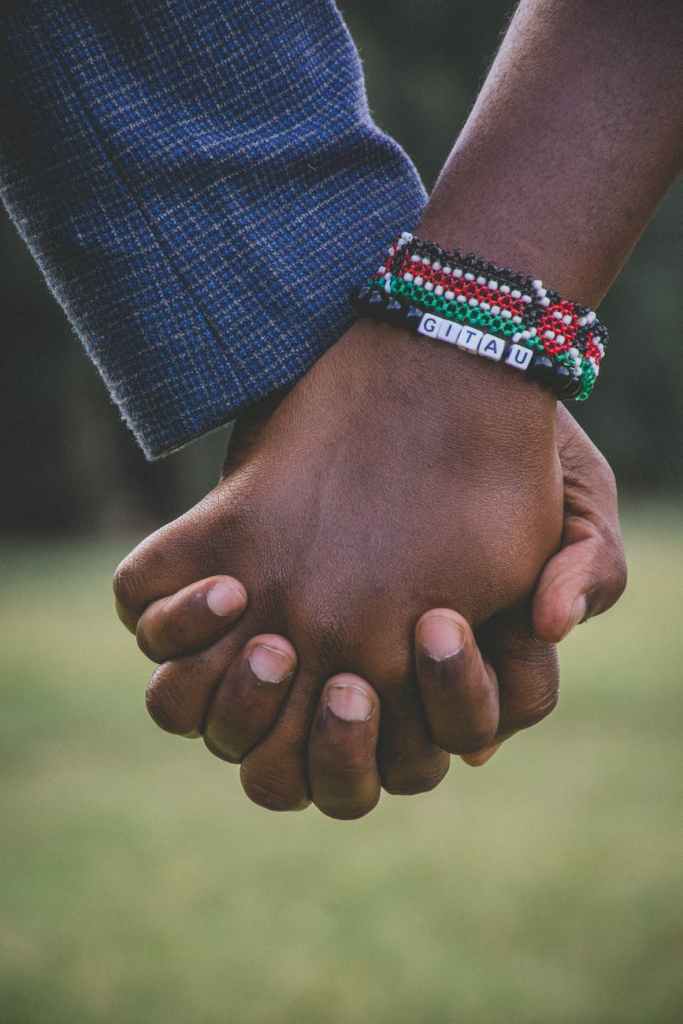




It is vital for all individuals to take responsibility for their words and actions and to challenge any intolerant behavior from others. We should educate ourselves and others about different perspectives and actively seek out diverse viewpoints to broaden our understanding. Respectful dialogue is necessary to find common ground and move forward as a united society.
Ultimately, we must recognize that we all have inherent value and worth as human beings and strive to treat others with kindness and compassion. While disagreement and conflict will inevitably arise, we must work towards resolving these issues with empathy and understanding. Together, we can create a world where hate and anger are replaced with empathy, kindness, and mutual respect.
Also of note are cannot say enough about these little wormy items below- It’s why we get hammered by things we look up and they keep chasing us on our phones or computers. Look up new cars and you’ll get hammered with advertising about cars, or trucks or land or whatever you were looking at. It’s just too messy! But it’s used for negative things too…
Algorithms are sets of instructions or procedures designed to perform specific tasks or solve problems. They are used in a wide range of applications, from computer programs to search engines, social media platforms, and even financial systems.
While algorithms have many positive uses, some are also used in negative ways. One example is social media platforms that use algorithms to show content to users based on their previous behavior. These algorithms can be manipulated to spread misinformation, propaganda, and even extremist ideas to millions of people in seconds. Malicious actors can also use algorithms to automate attacks, such as distributed denial of service (DDoS) attacks, which can take down entire websites or even web servers.
In short, algorithms are powerful tools that can be used for both good and bad purposes, and it is important to be aware of how they are being used in order to protect oneself and others from potentially harmful consequences.
 thelivingbreathingjamesbrown.com
You must be logged in to post a comment.