
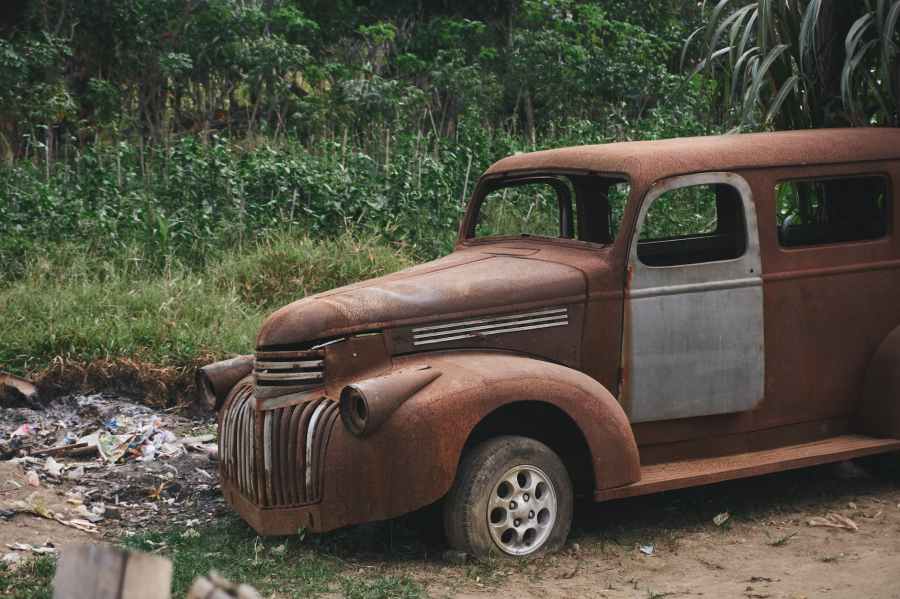
Mexican Cartels and illegal Immigrants LOVE No Vehicle Inspections. And you might at first until you get pulled over because your rear light quit working. Or there’s a side bubble on your tire that’s gonna BLOW OUT for sure when you’ve reach one of the fast Highway Speeds now in Texas.
Mexican Cartels and illegal Immigrants LOVE No Vehicle Inspections.
Has Florida Ever Had Mandatory Emissions Inspections? Florida hasn’t had emissions tests or state inspections since 1981 when Governor Bob Graham did away with them, citing high costs of tests and long wait times. Apr 6, 2020
As Texas moves to eliminate annual vehicle safety inspections, here’s what to know. May 24, 2023 Updated: May 25, 2023 11:25 a.m. A bill to eliminate the requirement for vehicle safety inspections this week was approved by Texas legislators and next was expected to work its way to Gov. Greg Abbot’s desk. 3 days ago
The Texas Senate passed HB 3297, authored by state Rep. Cody Harris, R-Palestine, on Sunday. The bill just needs Gov. Greg Abbott’s signature to eliminate the safety inspection for non-commercial vehicles in Texas.
The new law would take effect in 2025. But is it Good Bull or is it Patootie?
Patootie? “he might refer to one of his staff as a horse’s patootie”
88(R) HB 3297 – Senate Committee Report version – Bill Text
| By: Harris of Anderson, et al. | H.B. No. 3297 | |
| (Senate Sponsor – Middleton) | ||
| (In the Senate – Received from the House May 8, 2023; | ||
| May 8, 2023, read first time and referred to Committee on State | ||
| Affairs; May 16, 2023, reported favorably by the following vote: | ||
| Yeas 8, Nays 3; May 16, 2023, sent to printer.) | ||
| Click here to see the committee vote | ||
| A BILL TO BE ENTITLED | ||
| AN ACT | ||
| relating to the elimination of regular mandatory vehicle safety | ||
| inspections for noncommercial vehicles and the imposition of | ||
| replacement fees. | ||
| BE IT ENACTED BY THE LEGISLATURE OF THE STATE OF TEXAS: | ||
| SECTION 1. Section 382.0622(a), Health and Safety Code, is | ||
| amended to read as follows: | ||
| (a) Clean Air Act fees consist of: | ||
| (1) fees collected by the commission under Sections | ||
| 382.062, 382.0621, 382.202, and 382.302 and as otherwise provided | ||
| by law; | ||
| (2) each amount described by Sections 548.510(d)(3) | ||
| and (e)(3) [ | ||
| (3) fees collected that are required under Section 185 | ||
| of the federal Clean Air Act (42 U.S.C. Section 7511d). | ||
| SECTION 2. Section 382.202, Health and Safety Code, is | ||
| amended by amending Subsection (d) and adding Subsection (e-1) to | ||
| read as follows: | ||
| (d) On adoption of a resolution by the commission and after | ||
| proper notice, the Department of Public Safety of the State of Texas | ||
| shall implement a system that requires, [ | ||
| is included in a vehicle emissions inspection and maintenance | ||
| program under Subchapter F, Chapter 548, Transportation Code [ | ||
| annually or biennially inspected under the vehicle emissions | ||
| inspection and maintenance program as required by the state’s air | ||
| quality state implementation plan. The Department of Public Safety | ||
| shall implement such a system when it is required by any provision | ||
| of federal or state law, including any provision of the state’s air | ||
| quality state implementation plan. | ||
| (e-1) The portion of a fee imposed under Subsection (e) that | ||
| is not authorized to be retained by an inspection station must be | ||
| collected as provided by Section 548.509, Transportation Code. | ||
| SECTION 3. Section 382.203(c), Health and Safety Code, is | ||
| amended to read as follows: | ||
| (c) The Department of Public Safety of the State of Texas by | ||
| rule may waive program requirements, in accordance with standards | ||
| adopted by the commission, for certain vehicles and vehicle owners, | ||
| including: | ||
| (1) the registered owner of a vehicle who cannot | ||
| afford to comply with the program, based on reasonable income | ||
| standards; | ||
| (2) a vehicle that cannot be brought into compliance | ||
| with emissions standards by performing repairs; | ||
| (3) a vehicle: | ||
| (A) on which at least $100 has been spent to bring | ||
| the vehicle into compliance; and | ||
| (B) that the department[ | ||
| [ | ||
| less than 5,000 miles each year [ | ||
| [ | ||
| (4) a vehicle for which parts are not readily | ||
| available. | ||
| SECTION 4. SectiStatutes affected: Introduced: Health and Safety Code 382.0622, Health and Safety Code 382.202, Health and Safety Code 548.509, Transportation Code 502.0024, Transportation Code 502.0025, Transportation Code 502.047, Transportation Code 502.092, Transportation Code 502.094, Transportation Code 502.146, Transportation Code 547.601, Transportation Code 548.001, Transportation Code 548.006, Transportation Code 548.203, Transportation Code 548.505, Transportation Code 548.508, Transportation Code 548.509, Transportation Code 548.510, Transportation Code 152.092, Transportation Code 548.604, Transportation Code 731.101 (Transportation Code 548, Transportation Code 502, Transportation Code 731, Health and Safety Code 382, Transportation Code 547, Health and Safety Code 548, Transportation Code 152) House Committee Report: Health and Safety Code 382.0622, Health and Safety Code 382.202, Health and Safety Code 548.509, Transportation Code 502.0024, Transportation Code 502.0025, Transportation Code 502.047, Transportation Code 502.092, Transportation Code 502.094, Transportation Code 502.146, Transportation Code 547.601, Transportation Code 548.001, Transportation Code 548.006, Transportation Code 548.203, Transportation Code 548.505, Transportation Code 548.508, Transportation Code 548.509, Transportation Code 548.510, Transportation Code 152.092, Transportation Code 548.604, Transportation Code 731.101 (Transportation Code 548, Transportation Code 502, Transportation Code 731, Health and Safety Code 382, Transportation Code 547, Health and Safety Code 548, Transportation Code 152) Engrossed: Health and Safety Code 382.0622, Health and Safety Code 382.202, Health and Safety Code 548.509, Transportation Code 502.0024, Transportation Code 502.0025, Transportation Code 502.047, Transportation Code 502.092, Transportation Code 502.094, Transportation Code 502.146, Transportation Code 547.601, Transportation Code 548.001, Transportation Code 548.006, Tra | ||
But actually, will Eliminating Vehicles really Aid Texas Drivers or more so help illegal Immigrants or the deadly Mexican Cartels?
It is possible that HB 3297, which eliminates vehicle safety inspections in Texas, could increase the number of accidents on the road. This is because without mandatory inspections, there is a greater chance that vehicles will be on the road with mechanical defects that could contribute to an accident. For example, a vehicle with bald tires is more likely to skid on wet roads, which could lead to a crash. Additionally, a vehicle with a faulty brake system may not be able to stop in time to avoid an accident.
However, it is also possible that HB 3297 will have no impact on the number of accidents on the road. This is because many drivers already take their vehicles to a mechanic for regular maintenance, even if it is not required by law. Additionally, many drivers are aware of the dangers of driving with a vehicle that has mechanical defects, and they will take steps to repair the problem before it causes an accident.
Only time will tell whether HB 3297 will have an impact on the number of accidents on the road in Texas. However, it is important to be aware of the potential risks associated with driving a vehicle with mechanical defects, and to take steps to ensure that your vehicle is safe to drive.
Here are some tips for keeping your vehicle safe:
- Get regular oil changes and tune-ups.
- Inspect your tires for wear and tear.
- Check your brake pads and rotors for wear.
- Make sure your windshield wipers are in good working order.
- Have your vehicle inspected by a mechanic at least once a year.
But inadvertently, the biggest. no Winners with No Vehicle Inspections?
Not requiring a vehicle inspection could make it easier for Mexican drug cartels to smuggle drugs and weapons into the United States. This is because vehicle inspections can help to identify vehicles that are being used to smuggle drugs and weapons. For example, vehicle inspections can check for hidden compartments in vehicles, and they can also check for vehicles that are carrying excessive amounts of weight.
If vehicle inspections are not required, then it will be more difficult for law enforcement to identify vehicles that are being used to smuggle drugs and weapons. This is because law enforcement will not be able to check vehicles for hidden compartments or for excessive weight. As a result, it will be easier for Mexican drug cartels to smuggle drugs and weapons into the United States.
In addition to making it easier for Mexican drug cartels to smuggle drugs and weapons into the United States, not requiring a vehicle inspection could also make it more difficult for law enforcement to track down and prosecute members of the cartels. This is because vehicle inspections can help law enforcement to identify vehicles that are associated with Mexican drug cartels. For example, vehicle inspections can check for vehicles that have been reported stolen, and they can also check for vehicles that have been used in crimes.
If vehicle inspections are not required, then it will be more difficult for law enforcement to identify vehicles that are associated with Mexican drug cartels. This is because law enforcement will not be able to check vehicles for stolen vehicles or for vehicles that have been used in crimes. As a result, it will be more difficult for law enforcement to track down and prosecute members of the cartels.
Overall, not requiring a vehicle inspection could make it easier for Mexican drug cartels to smuggle drugs and weapons into the United States, and it could also make it more difficult for law enforcement to track down and prosecute members of the cartels.
And how about the Stolen Vehicle Market and the Illegal Immigrants?
Yes, not requiring a vehicle inspection could help illegal immigrants to keep buying cars that are stolen. This is because vehicle inspections can help to identify stolen vehicles. For example, vehicle inspections can check for vehicles that have been reported stolen, and they can also check for vehicles that have been used in crimes.
If vehicle inspections are not required, then it will be more difficult for law enforcement to identify stolen vehicles. This is because law enforcement will not be able to check vehicles for stolen vehicles. As a result, it will be easier for illegal immigrants to buy stolen vehicles.
In addition to helping illegal immigrants to buy stolen vehicles, not requiring a vehicle inspection could also make it more difficult for law enforcement to track down and prosecute illegal immigrants who are involved in crime. This is because vehicle inspections can help law enforcement to identify illegal immigrants who are involved in crime. For example, vehicle inspections can check for vehicles that are registered to illegal immigrants, and they can also check for vehicles that have been used in crimes.
If vehicle inspections are not required, then it will be more difficult for law enforcement to identify illegal immigrants who are involved in crime. This is because law enforcement will not be able to check vehicles for illegal immigrants. As a result, it will be more difficult for law enforcement to track down and prosecute illegal immigrants who are involved in crime.
Overall, not requiring a vehicle inspection could make it easier for illegal immigrants to buy stolen vehicles and to get away with crimes.
So, the dreaded Car and Truck Inspections being eliminated could do this-
- Cause more vehicle accidents.
- Aid the Deadly Mexican Cartels.
- Aid the Stolen Vehicle Market.
In my own personal experiences, Texas State Vehicle Inspections helped me 8n8n these ways-
- Headlight was out.
- Twice Rear twilight was out. Once on my truck. Once on my car.
- Twice a bubble on my vehicle’s tire was found. (A terrible Blowout on the Highway may have been stopped. Been prevented. I could have been Killed or hone in another Pane and Killed other Drivers)
- A hose was leaking.
- They found an Oil Leak. (Found engine Oil was Low)
- They found Brake Fluid was Low.
- They found a Transmission Oil Leak.
- They found two tires had run down to the thread. (And I never knew! Could have been a Highway BLOWOUT).
- Horn on my 2988 F-150 quit working and I didn’t know it was out until an Inspector found it.
And the Good xtra things they did when they were Inspecting My Vehicles?
- Replaced windshield wipers. (I always had them replaced every year during the Vehicle Inspection.
- Added Windshield Wiper Fluid.
- Added Antifreeze.
- Added Engine Oil.
- Added Transmission Fluid.
- Checked and added air pressure to the Vehicle Tires. (Low Air Pressure means A BLOWOUT on the Highway)
Sure enough, I still dreaded going and getting my Vehicles Inspected. A yearly Dread. But now in my Old Age and Retired, I don’t Dread them. I’m glad they thoroughly check out my vehicle. I want to know what might be wrong and I feel good when it passes.
Instead of Ending Vehicle Inspections, I’m thinking that the Great State of Texas should, instead, have created a Certified Vehicle Inspector Certification In-Person Course. Maybe a One Day Training School done by the DPS.
JUST like when I went to become a DPS Certified Handgun Instructor. Get all Vehicle Inspectors on the same page by requiring them passing Verification and do the following on everyone vehicle-
- Inspect Vehicle.
- And when needed-
- Add Air to Tires.
- Add Brake Fluid.
- Add Antifreeze.
- Add engine oil.
- Replace Windshield Wipers.
- Thoroughly check each tire for Bubbles too.
- Change Headlights.
- Change Burned out Brake Lights.
A vehicle inspector could find a number of things that are unsafe or illegal. Here are some of the most common things that a vehicle inspector might find:
- Bald tires: Tires that are worn down to the thread are not safe to drive on. They can provide less traction, which can make it more difficult to stop or turn.
- Headlights that are not working: Headlights that are not working can make it difficult to see at night or in bad weather. This can increase the risk of an accident.
- Backup lights that are not working: Backup lights that are not working can make it difficult for other drivers to see you when you are backing up. This can increase the risk of an accident.
- Brakes that are not working properly: Brakes that are not working properly can make it difficult to stop the car. This can increase the risk of an accident.
- Exhaust leaks: Exhaust leaks can release harmful fumes into the air. These fumes can be harmful to your health and can also pollute the environment.
- Leaking fluids: Leaking fluids can be a sign of a serious problem with your car. If you see any fluids leaking from your car, you should have it checked by a mechanic as soon as possible.
If a vehicle inspector finds any of these problems, they may issue a citation to the driver. The driver may be required to fix the problem before they can drive the car again. In some cases, the driver may also be required to pay a fine.
It is important to have your car inspected regularly to make sure that it is safe to drive. You can usually find a list of approved inspection stations in your area by contacting your local DMV.
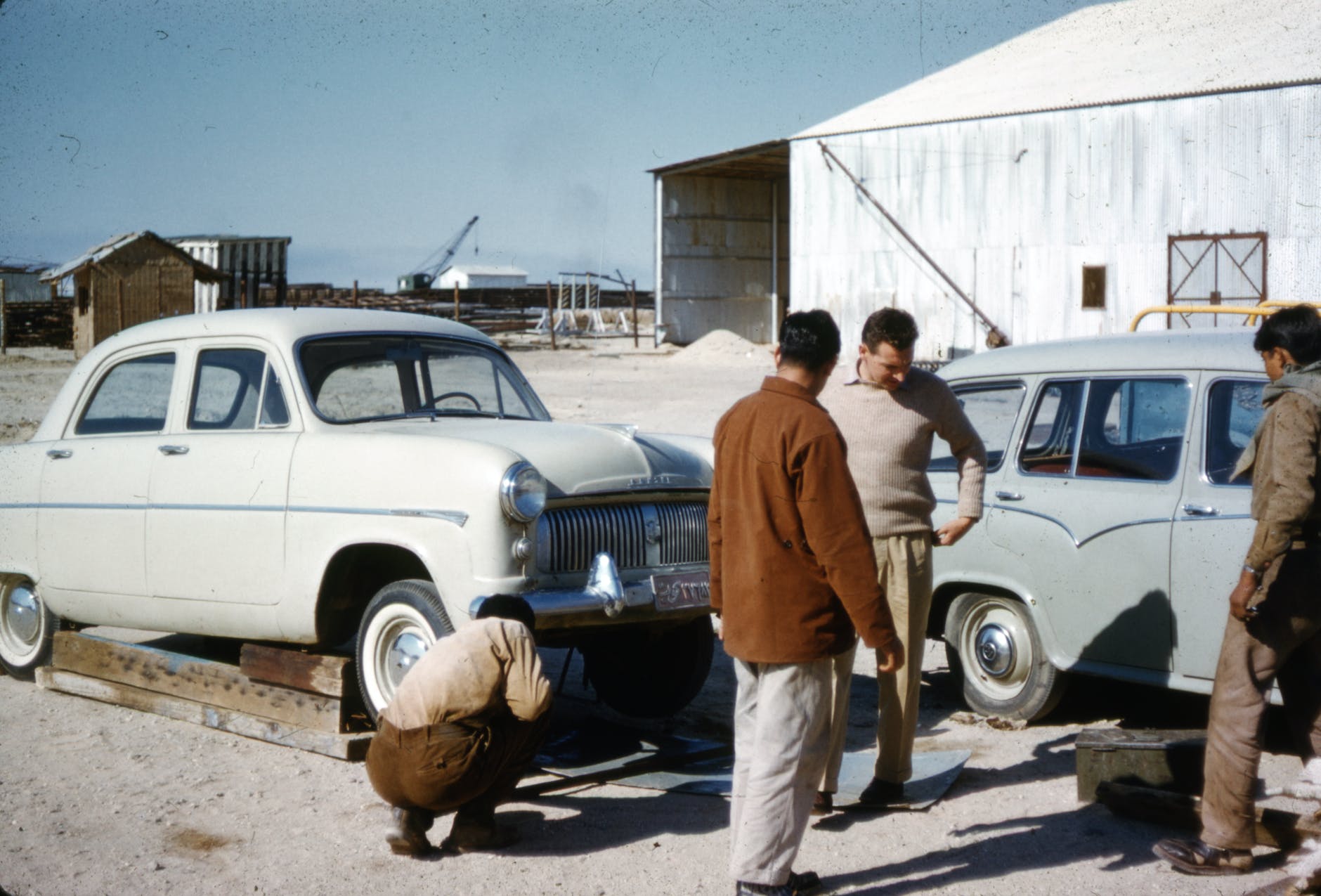
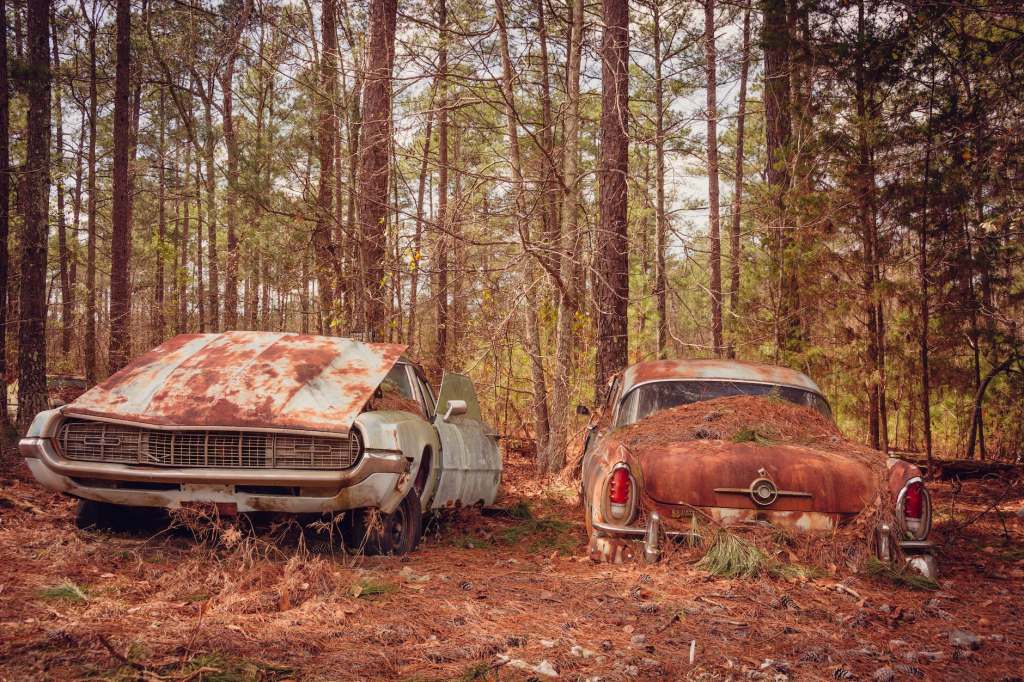


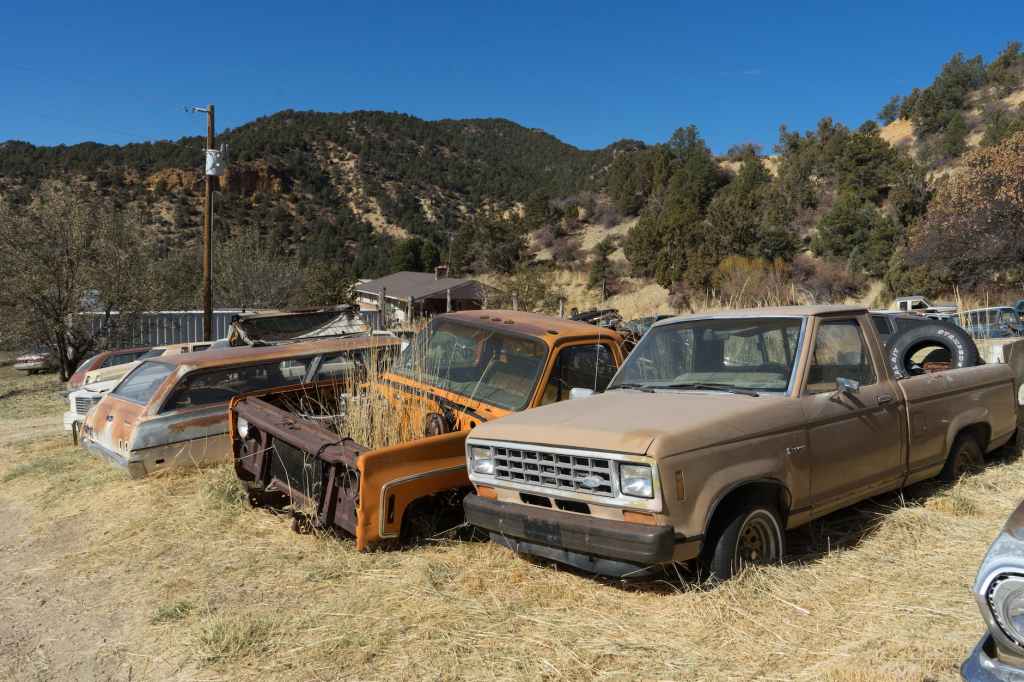
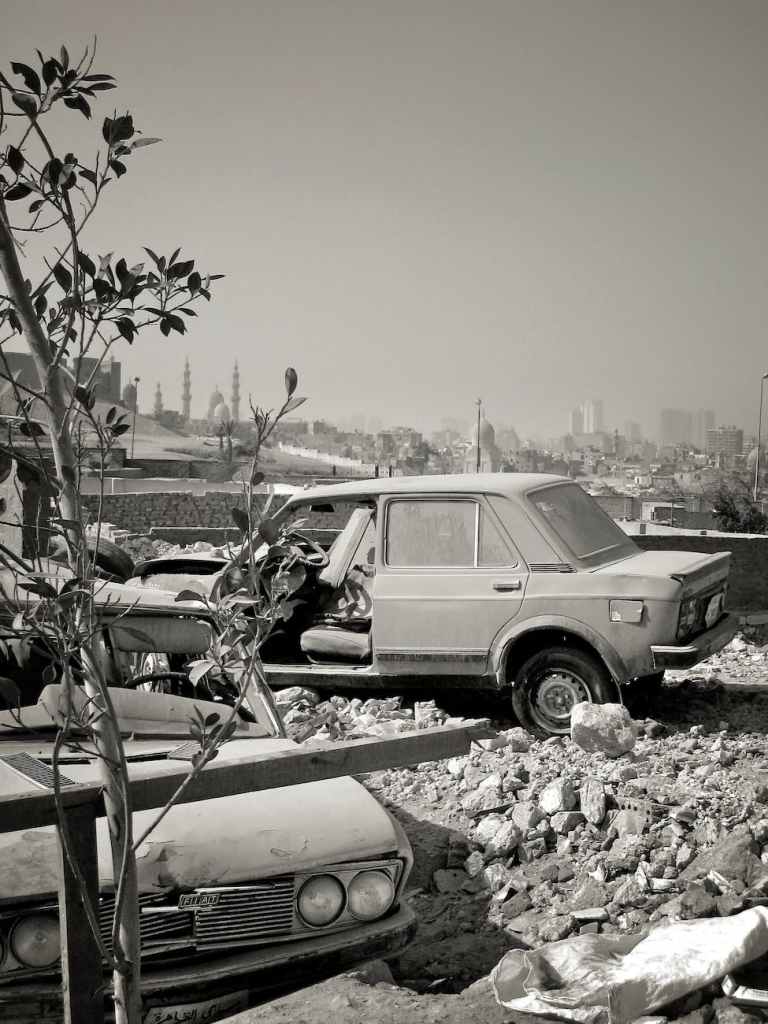

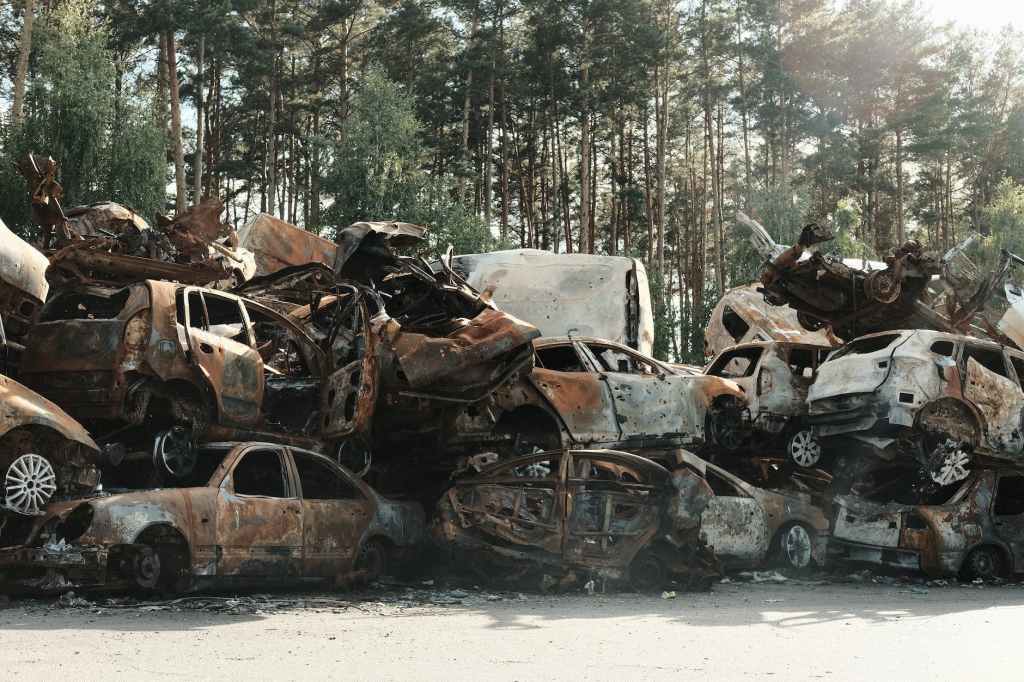
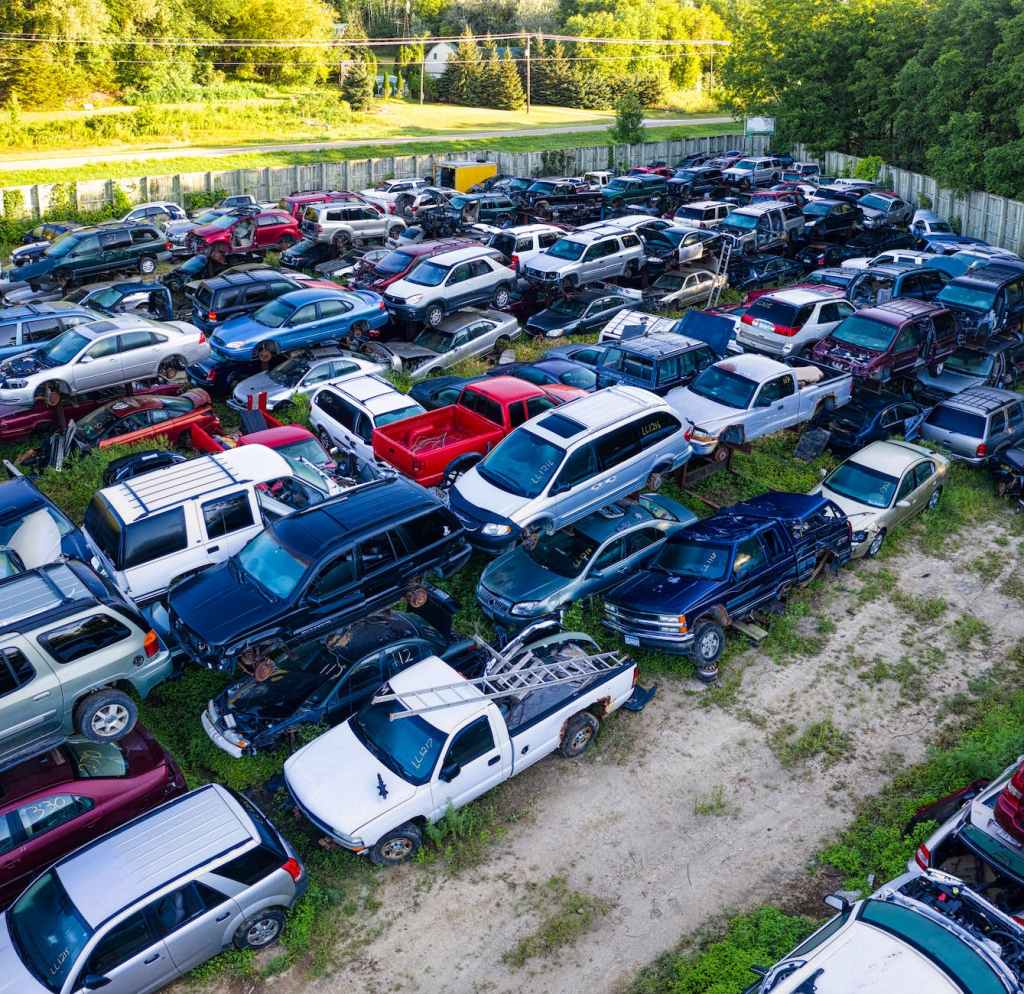
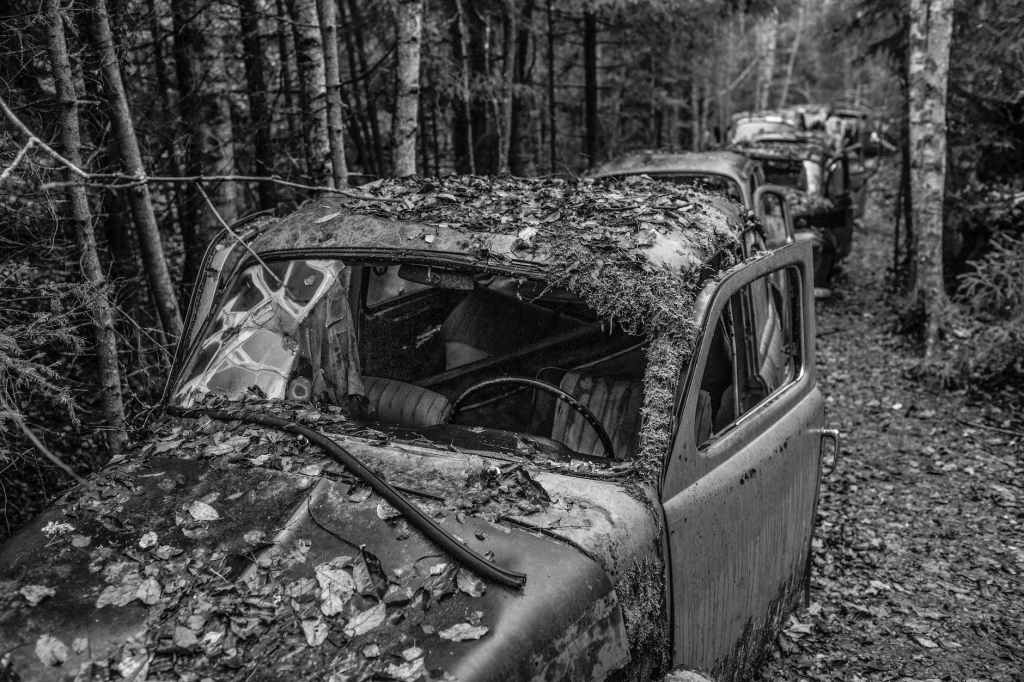
With No Vehicle Inspections, I see a whole bunch of broken down vehicles that barely run getting back onto streets.
And without Vehicle Inspections, are Law Enforcement going to be the New Vehicle Inspectors after the WRECKS have happened?
You already do a pre-Trip Vehicle Inspection, don’t you? Or does some one else prepare your vehicle or you Rent or you get Chauffeured? But if you do, don’t you want a real Inspector checking out your car or truck for the Safety of your Family?
 thelivingbreathingjamesbrown.com
You must be logged in to post a comment.