









America is a Nation of COLORISTS, is AI “digitizing our Minds”? a good thing…???
Politicians making beautiful Speeches about inclusion, inequalities, and race matters are pretty. But they all seem just pretty and end up being hollow.
Skin color disparities have been present for centuries, causing discrimination and injustice throughout various societies. Discrimination based on skin color can lead to marginalization, lack of access to resources, and even affect people’s chances in finding jobs or obtaining an education. This can affect anyone, regardless of their skin color, because discrimination causes tension and divides societies. But most Americans are more likely to read a Blog about this because they have to. Not because they want to. 🇺🇸 won’t go to any training on the Subject unless in mandatory training. Everyone just wants to be left alone. Leave 🇺🇸 alone. Right? No Legislator is gonna touch these Topics with meaningful legislation. Not gonna Happen.
The United States is a country with a long history of racism. This racism has manifested itself in many ways, including through the way that Americans judge people based on their race. For example, black Americans are often seen as being less intelligent or less capable than white Americans. This is a harmful stereotype that has no basis in reality.
In addition to judging people based on their race, Americans also judge people based on how they speak English. People who speak with an accent are often seen as being less intelligent or less educated than people who speak with a standard American accent. This is another harmful stereotype that has no basis in reality.
These judgmental attitudes are based on the false belief that there is a single, correct way to be American. This belief is harmful because it excludes people who do not fit into this narrow definition of Americanness. It also creates a climate of fear and intimidation for people who are different.
We need to challenge these judgmental attitudes and work to create a more inclusive society. We need to recognize that there is no single, correct way to be American. We need to celebrate our diversity and learn to appreciate the many different ways that people can be American.
Here are some specific things that we can do to challenge these judgmental attitudes:
- Educate ourselves about the history of racism in the United States.
- Talk to our friends and family about the importance of diversity and inclusion.
- Stand up to racism when we see it happening.
- Support organizations that are working to fight racism.
By working together, we can create a more just and inclusive society. But most Americans don’t care about any discussion on Race, Skin Color, or how a person speaks English. Americans don’t want to participate in one.
In 2019, I Retired as a Texas Prison Guard. And trust me you this-Color of Skin has a real determining Factor in whether you get Jailed when you talk with a Cop and if you go to Prison. The Cops are The 1st to decide. All things about you or me.
The Blacker Color of Black your skin is, the more you are gonna Get Screwed over. Super Black, Extra Brown Latino, and You are Guaranteed a Longer Prison Term. You need to hear me out. America is a Nation of COLORISTS. And America’s COLORISTS Attitudes are going to instantly Rate You! Americans see your Body’s Skin Color before anything else But better yet, here’s an Article on COLORISM.
https://time.com/4512430/colorism-in-america/
The Article is written by and her first sentence-
Lori L. Tharps is an associate professor of journalism at Temple University and the author of Same Family, Different Colors
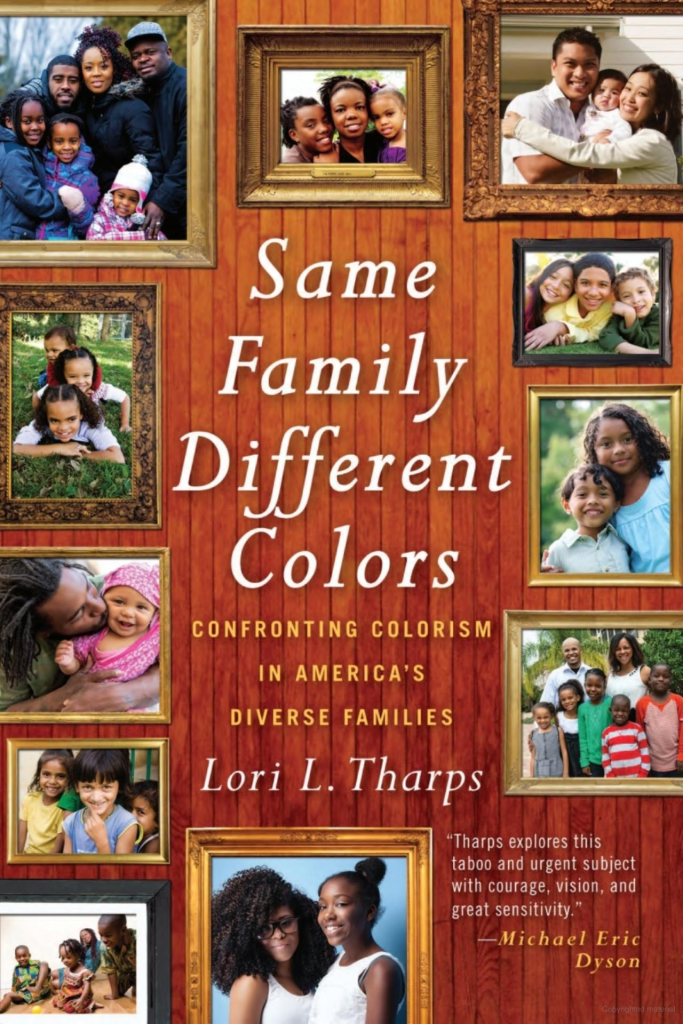
Okay, you have the author’s name and above is a Preview of her Book. I’ve always known Color did have an impact on how we deal with people.










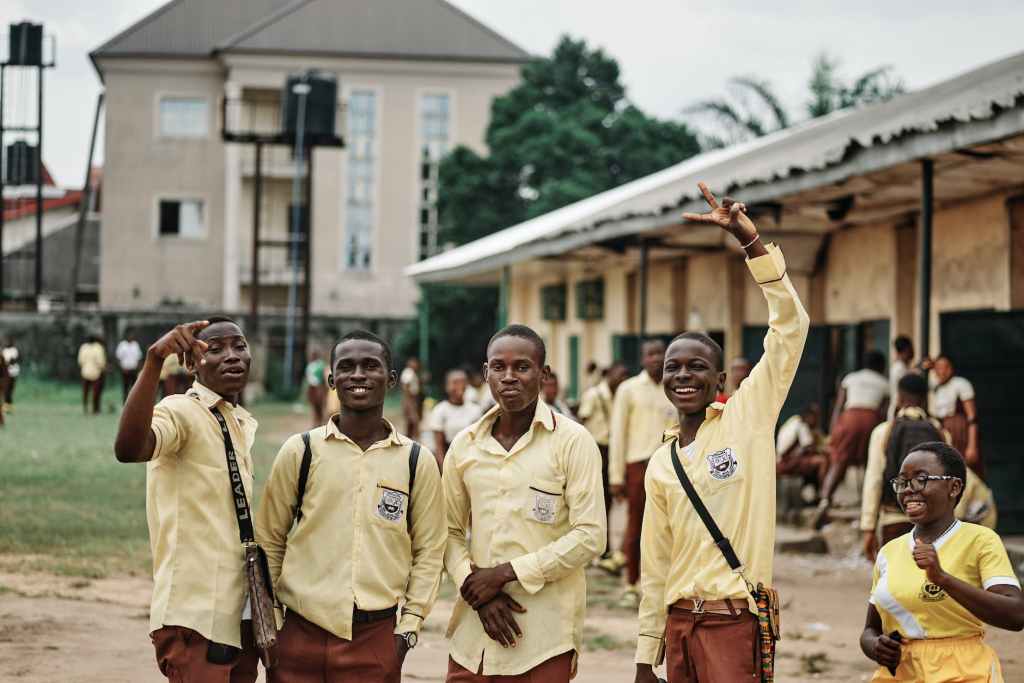
When the Nigerians came into the Texas Prisons, I saw how these men and women were treated very differently. The Convicts hate them. Yes, they appeared to HATE the Nigerian Guard. Sure, they had and talked with an accent. But their New Deeper, Darker Black skin color was a big roadblock in their dealings with the Convicts. They all saw Super Black Skin as something that they instantly disliked.
And I have to admit, I was amused by how the Black Officers treated these fellow Black Officers based upon Skin Color. First Off. One Nigerian Texas Prison Guard told the female Officers to Not walk in Front of Him. He said the place of a woman is behind the man. And they treated the women like they had a big dislike for them. I wondered if Nigerian men treated their own wives as 2nd rate citizens? But it went both ways in the Texas Prison I worked. The Women Guards and the Nigerian Guards locked horns many times. I found it comical at times, but didn’t laugh out loud
But I had an advantage, a black man from Kenya and another from Nigeria had lived with us when I was in High School. I learned from both men and they acted very differently. The Kenyan was very friendly and outgoing. The Nigerian was very close knit and he didn’t engage well with others. With him, you had to start all conversations. But I got along with both. I had to or my Dad would’ve wiped my butt.
And a Nigerian Preacher made rounds in the Hospital and when he came to my wife’s room, I told him about the Nigerian Man who lived in our home and he said-
Oh, you already know how we are
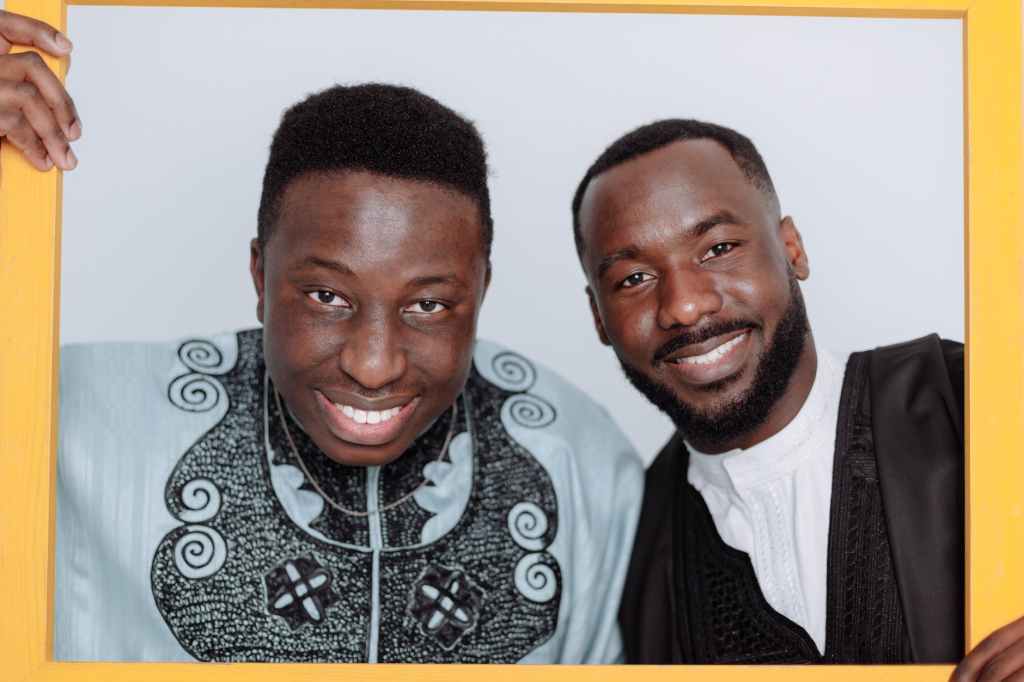
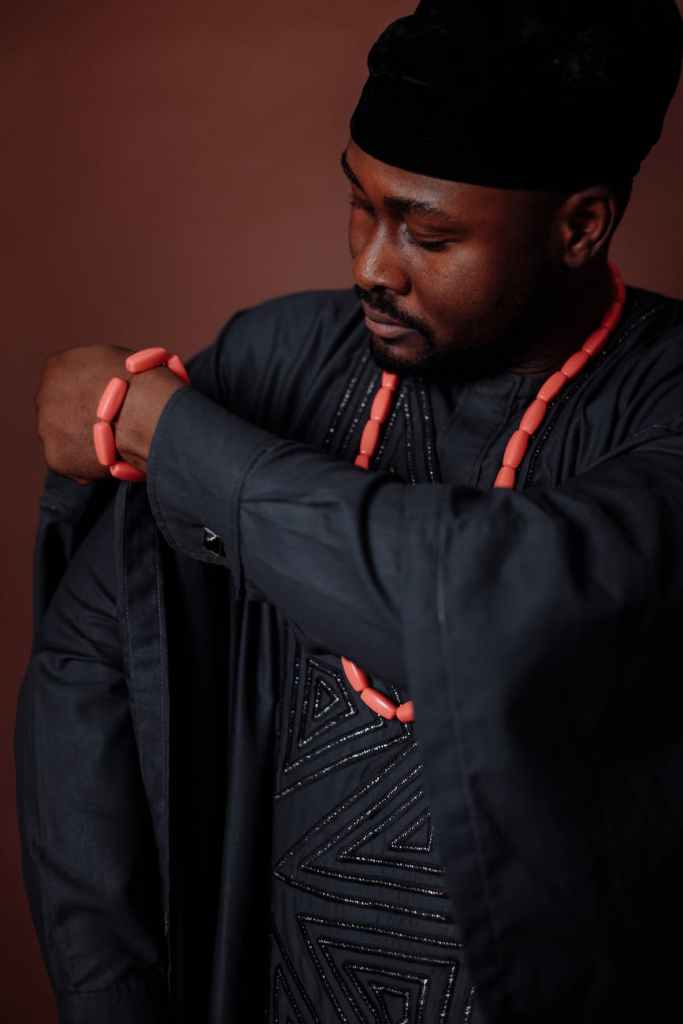
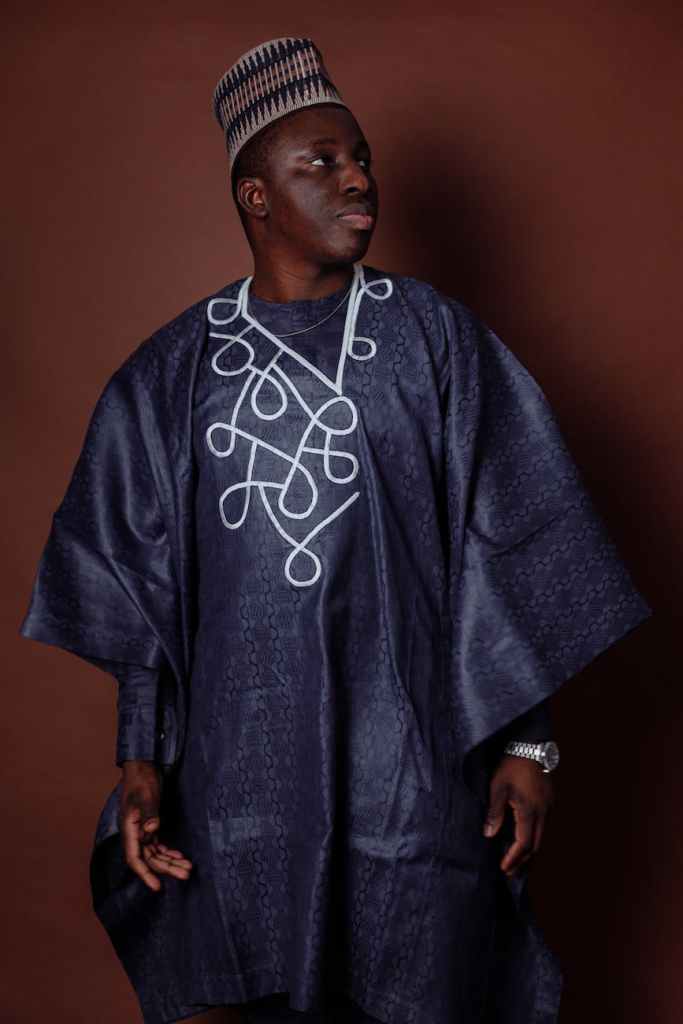


And I laughed when he said that. He encouraged me to come visit their local Church. And at the Prison, a Nigerian Guard asked me if I wanted a 2nd Wife under Contract and that he could make it happen. He said we could go to Houston for me to pick me out one. Again, I laughed when he said that and me, almost ready to Retire. Lol
But Skin Color and a language barrier is one of the biggest Issues I see on our Southern Border and that attitude didn’t happen overnight. Used to be Come here, work, and go back home. America’s used to Migrant Laborers. Not Illegals coming and staying here. Skipping to the Front of the Line has always been taught with a Frown if you ever were caught doing it here in America, now weren’t we? But, I don’t think what we think ever entered the picture in their minds having journeyed thousands of miles on foot.
The issues on our Southern Border, particularly skin color and language barriers, have been a long-standing challenge. The historical pattern of migrant laborers coming to America to work and then returning home is different from the current trend of individuals entering and staying in the U.S. illegally. Jumping ahead of others in line has never been acceptable in society and often comes with disapproval. However, it seems that those risking everything to travel thousands of miles to find a better life may not have been considering these social norms. Of course, they haven’t. But who can talk but them?
On the Article I shared with you earlier, I asked AI to explain it to me. AI wrote this-
Skin color matters because we are a visual species and we respond to one another based on the way we physically present.
Colorism, which is a form of discrimination based on skin color. It is often seen within communities of color, and can lead to lighter-skinned people being treated better than darker-skinned people.
In the United States, colorism has a long history. It can be traced back to the days of slavery, when lighter-skinned slaves were often given more privileges than darker-skinned slaves. This was because lighter-skinned slaves were seen as being more European, and therefore more desirable.
Colorism continued after slavery ended. In the Jim Crow era, lighter-skinned black people were often able to pass as white, which gave them access to opportunities that were denied to darker-skinned black people.







Today, colorism is still a problem in the United States. It can be seen in the workplace, in the media, and in everyday interactions. Lighter-skinned people are often seen as being more attractive, more intelligent, and more successful than darker-skinned people.
Colorism has a number of negative consequences. It can lead to low self-esteem, depression, and anxiety among darker-skinned people. It can also lead to discrimination in the workplace, in housing, and in other areas of life.
There are a number of things that can be done to address colorism. One important step is to raise awareness of the issue. People need to understand that colorism is a form of discrimination, and that it has real consequences for people of color.
Another important step is to challenge colorism in our everyday lives. When we see people being treated differently because of their skin color, we need to speak up. We need to let people know that colorism is not acceptable.
Finally, we need to support organizations that are working to combat colorism. There are a number of organizations that are working to raise awareness of the issue, and to provide resources to people who are affected by colorism.
By working together, we can create a society where everyone is treated equally, regardless of their skin color.









Skin color and language barriers can cause problems for everyone in a few different ways.
Firstly, skin color can unfortunately be a source of discrimination, prejudice, and bias. People who have darker skin have historically faced discrimination and unequal treatment in many societies, and this can still be a problem today. This means that individuals with darker skin may face challenges in accessing certain resources, opportunities, or services that are available to people with lighter skin. This can lead to inequality and a lack of fairness in society.
Secondly, language barriers can also create challenges and misunderstandings. When people speak different languages, it can be difficult to communicate effectively, which can cause confusion, misinterpretation, and even conflict. This can be especially problematic in situations where communication is critical, such as in healthcare, emergency services, or legal proceedings. It can also make it difficult for individuals with limited language skills to access education, employment, or social services.
Overall, skin color and language barriers can cause problems for everyone bycreating a sense of exclusion and misunderstanding. Skin color can often be used as a tool for discrimination, even unconsciously, leading to feelings of marginalization and unfair treatment. Language barriers can further exacerbate this problem, making communication difficult or impossible, and leaving people feeling ignored and unheard.
Both of these factors can have particularly detrimental effects on access to critical services such as healthcare, emergency services, education, and social support programs. It can also lead to misunderstandings and miscommunications which can further amplify the problem.








For example, in healthcare, language barriers can prevent effective communication between healthcare providers and patients, leading to inadequate medical care and misdiagnoses. Skewed care provision can also occur due to racial biases, potentially leading to underemployment, lack of access to healthcare and other social resources.
Therefore, it is imperative for individuals and communities to work towards breaking down language barriers, promoting cultural diversity and being mindful of racial biases. This can help create a more inclusive environment that fosters understanding, equitySkin color and language barriers can cause problems for everyone in several ways:
- Discrimination: People with different skin colors or who speak different languages may experience discrimination or prejudice from others. This can lead to social exclusion, unequal treatment, and even violence.
- Misunderstandings: Language barriers can make it difficult for people to communicate effectively with each other, leading to misunderstandings and frustration. This can compromise safety, efficiency, and productivity in various settings, including healthcare, education, and workplace.
- Stereotyping: When people make assumptions about others based on their skin color or language, they may reinforce negative stereotypes and perpetuate bias. This can contribute to a lack of diversity and inclusivity in various areas of society.
- Missed opportunities: When people are not able to communicate or understand each other effectively, they may miss out on opportunities to learn from each other, collaborate, or form meaningful connections.
It is important for individuals, organizations, and societies to work towards overcomingskin color and language barriers since they can result in misunderstanding, discrimination, and ineffective communication.
Skin color barriers can lead to prejudice and racism. People with darker skin are often discriminated against and may be treated unfairly due to negative stereotypes associated with their skin color. This, in turn, can lead to social exclusion, limited job opportunities, and difficulties in accessing basic services such as healthcare and education.







Language barriers also present challenges to communication. If individuals cannot understand each other, misunderstandings can occur and affect personal and professional relationships. This can lead to missed opportunities and difficulties in building trust and rapport with others. For example, a person who speaks only Spanish may have difficulty communicating with a healthcare provider who only speaks English, and this can result in inadequate medical care.
Overcoming skin color and language barriers is imperative so that everyone can participate meaningfully in society and have equal access to opportunities. By embracing diversity and inclusion, individuals and society can create a more equitable world that works for everyone. This can bea complex issue, but essentially, skin color and language barriers can create problems for everyone because they can contribute to discrimination and marginalization of certain groups of people. For example, individuals with darker skin tones may face systemic racism and prejudice in education, employment, and other realms of life. Language barriers can also isolate people and limit their access to resources, opportunities, and social connections.
These problems not only harm individuals who face discrimination and exclusion, but they can also impact society as a whole by perpetuating inequality and hindering progress. Addressing these issues requires a collective effort to recognize and challenge biases and inequalities, promote diversity and inclusivity, and create policies and systems that prioritize equity and justice.
Some steps towards a more equitable world might include promoting education and awareness about the impacts of racism and discrimination, supporting language education and interpretation services, and creating more diverse and inclusive communities through policy changes, outreach, and advocacy. Additionally, society can work towards dismantling institutionalized structures that uphold inequalities, including those related to skin color and language barriers.
Skin color and language barriers can cause problems for everyone by creating a system of hierarchies and power imbalances. For example, those who have lighter skin or who speak the dominant language may have access to more resources, opportunities, and privileges than those with darker skin or who speak a different language. This can lead to discrimination, representation disparities, and marginalization, which can negatively impact individuals, families, communities, and society as a whole.
Language barriers can also make it challenging for individuals to access essential services such as healthcare, education, and legal assistance. This can lead to misunderstandings, miscommunication, and ineffective treatment, which can result in negative outcomes for those seeking help.
Advocacy can help to address these issues by promoting equal opportunities, access to resources, and representation of diverse voices. This can be achieved through initiatives such as education programs, community outreach, and legislation that protects minority rights. Additionally, individuals can do their part by promoting inclusivity and understanding, as well as actively learning about and respecting different cultures and languages.
Skin color and language barriers can cause problems for everyone because they can lead to misunderstandings, discrimination, and even violence. For example, when people of different races or ethnicities are treated unfairly or denied opportunities based on their skin color, it not only hurts them but also perpetuates systemic inequalities that harm society as a whole. Similarly, language barriers can make it difficult for individuals to access important information, services, and resources, which can impede their ability to succeed and contribute to their communities.
Legislation that protects minority rights can help address some of these issues by ensuring that individuals are not discriminated against based on factors like race, ethnicity, or language ability. Examples of such legislation include the Civil Rights Act of 1964 in the United States, the Canadian Multiculturalism Act, and the European Convention on Human Rights. These laws provide legal recourse for individuals who have experienced discrimination and help to promote greater equitySkin color and language barriers can cause problems for individuals in various ways. For example, people of color may experience discrimination or prejudice simply due to their skin color, which can lead to unequal treatment in education, employment, housing, and healthcare. Additionally, language barriers can limit opportunities for individuals who do not speak the dominant language of a particular region, country, or community. This can lead to low self-esteem, limited social interactions, and reduced access to essential services, namely healthcare and legal services.







To promote greater equity and protect individuals who have experienced discrimination, there are legal recourses available. The most common legal recourse is to file a complaint with the relevant government agency, such as the Equal Employment Opportunity Commission or the Department of Housing and Urban Development. These agencies can investigate the discrimination claim and take legal action against the responsible parties. Individuals may also seek the assistance of private attorneys with expertise in discrimination law.
In addition to legal action, there are various ways to promote greater equity and eliminate discrimination, such as diversity training and inclusive policies. However, skin color and language barriers can still present challenges in achieving true equality and can cause problems for everyone.
Skin color can lead to discrimination and bias, with individuals being treated unfairly based solely on the color of their skin. This can lead to a lack of opportunities in education, employment, and social situations. It can also result in mistreatment by authorities such as police officers, leading to serious consequences such as wrongful arrests, imprisonment, or even death.
Language barriers can also create difficulties for individuals, leading to exclusion from certain opportunities and experiences. If someone is not fluent in the dominant language of their community or workplace, they may have difficulty communicating effectively, resulting in being misunderstood or overlooked for promotions or other opportunities. This can lead to a lack of confidence and feelings of isolation and can hinder social integration.
These issues don’t just affect those who are directly impacted. Discrimination and exclusion based on skin color and language barriers can create tension and mistrust within communities,which can cause problems for everyone. When people are marginalized and treated unfairly because of their skin color, they may feel insecure or resentful. This can lead to a breakdown in social cohesion and put a strain on relationships between different groups within a community. Similarly, when language barriers exist, it can be difficult for people to communicate effectively with one another, leading to misunderstandings and the potential for conflicts to arise.
In addition, skin color and language barriers can limit opportunities for people. For example, someone who is not fluent in the dominant language of a community may struggle to find employment or access important services. Similarly, people who are excluded or discriminated against due to their skin color may find it difficult to participate fully in social, educational, and economic opportunities.
Overall, skin color and language barriers can cause problems for everyone by creating divisions within communities, limiting opportunities for individuals, and contributing to a lack of social cohesion. It is important to actively work towards breaking down these barriers and promoting inclusion and equitySkin color and language barriers can create problems for everyone because they can result in miscommunication, misunderstanding, and exclusion. When people are unable to communicate effectively due to language barriers, they may struggle to access information or express their needs and wants to others who do not share their language. This can lead to frustration and isolation for both individuals and communities.
Skin color also plays a role in how people are perceived and treated, often resulting in discrimination and unequal opportunities. People with darker skin tones may face racial biases and stereotypes, causing them to be excluded from certain social, economic, and educational opportunities, which can lead to a lack of diversity and representation.
It is crucial to actively work towards breaking down these barriers and promoting inclusion and equity, both in our personal interactions and in society as a whole. This can be achieved through education, cultural exchange programs, language learning opportunities, and policies that promote diversity and equality. By addressing these barriers, we can create a more comfortable and equitable society where everyone can thrive andskin color and language barriers can cause problems for everyone in various ways. Firstly, skin color discrimination can occur when individuals are judged or treated unfairly based on their skin color. This can lead to exclusion, prejudice, and bias in various aspects of life such as education, employment, housing, and healthcare.
Additionally, language barriers can create communication obstacles between individuals who do not speak the same language. This can make it difficult for people to understand each other, express themselves, and engage in activities or conversations. This can also lead to misunderstandings, frustration, and social isolation.










These barriers affect everyone because they limit our ability to connect and engage with each other as human beings. They prevent us from sharing our knowledge, culture, and experiences, and ultimately, they impede our collective progress towards a more diverse, inclusive, and harmonious society.
To overcome these barriers, we need to promote awareness, respect, and empathy towards different cultures and languages. We can achieve this by offering language classes, encouraging intercultural communication and providing opportunities for cross-cultural interactions.
Skin color and language barriers are both factors that can contribute to prejudice, discrimination and misunderstandings between people of different cultural backgrounds. Skin color can be seen as a visible marker of difference, and unfortunately, it is often used to make negative assumptions or judgments about individuals. This can lead to stereotyping, bias or even racism.
Similarly, language barriers can present challenges for communication and understanding between individuals of different cultures. When individuals are unable to effectively communicate due to language differences, misunderstandings can occur which can lead to conflicts or even negative attitudes towards each other.
Both skin color and language barriers can cause problems for everyone because they can create barriers to collaboration, socialization and community building. When people perceive differences as barriers, they tend to isolate themselves from others which can further perpetuate negative attitudes and actions towards other cultures.
Therefore, it is important to promote cultural sensitivity and understanding in order to break down these barriers. This can be achieved through programs or policies that promote diversity and inclusion, language classes, and cultural awareness training. When people from different backgrounds have a better understanding of each other, they can work together more effectively and find solutions to common problems.






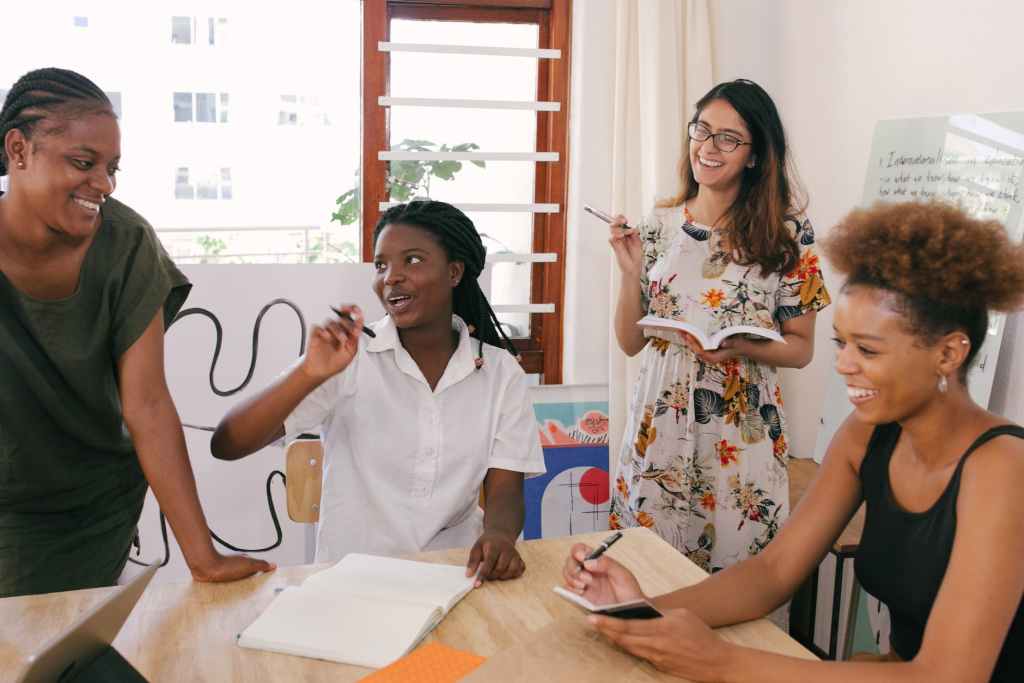
On the other hand, failing to address these barriers can lead to a lack of communication and understanding. This can result in misunderstandings, mistrust, and even conflict. For example, if there is a language barrier between coworkers, tasks may not be carried out correctly or efficiently, leading to frustration and tension.
When it comes to skin color, it is important to acknowledge the systemic racism that exists in society. People of color face discrimination and unequal treatment in various areas of life, including employment opportunities, housing, and education. This can lead to further marginalization and a lack of representation in decision-making processes.
Overall, it is crucial to address the barriers of skin color and language in order to promote understanding and inclusivity. This requires a proactive effort from individuals, organizations, and society asa whole.










Skin color and language barriers can cause problems for everyone in various ways. One of the significant issues is discrimination based on skin color or language. People with different skin colors, especially those with darker skin, are often stigmatized and treated unfairly compared to those with lighter skin. Similarly, people who speak a language other than the dominant language in a particular society may face discrimination and be excluded from certain opportunities.
Language barriers can also cause communication breakdowns and misunderstandings, which can lead to conflicts and decrease productivity. People who cannot communicate effectively due to language barriers may feel left out and isolated in a particular society or workplace.
In addition, skin color and language discrimination can have long-lasting effects on an individual’s mental health, leading to anxiety, depression, and other psychological problems. It can also contribute to a sense of alienation and disempowerment.
To promote understanding and inclusivity, it is vital to acknowledge and address these issues. Individuals can start by educating themselves about other cultures. Skin color and language barriers can cause problems for everyone by creating misunderstandings, stereotypes, and prejudice. For example, if someone has a different skin color or speaks a different language, they may be looked down upon or treated unfairly due to stereotypes or assumptions about their background. This can lead to misunderstandings and a lack of communication, which can ultimately hurt relationships and hinder progress.
In addition, language barriers can make it difficult for individuals to access important information or services. For example, if someone does not speak the language of the area they live in, they may struggle to understand important notices or have difficulty communicating with healthcare professionals.





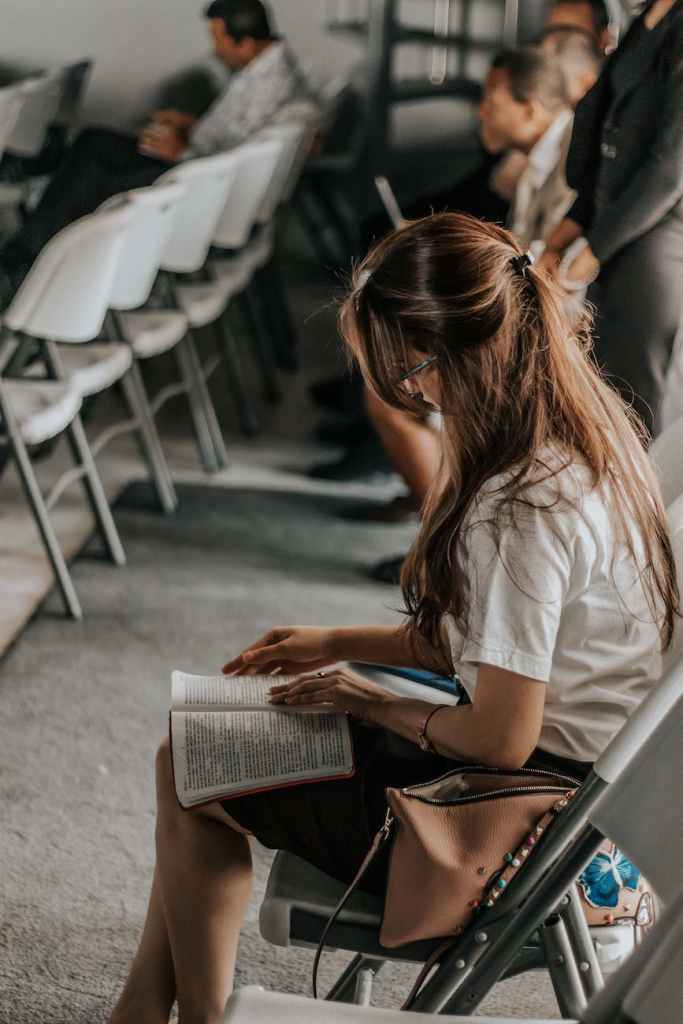

To address these issues, education is key. By educating ourselves about other cultures, we can gain a better understanding of their experiences and perspectives. We can also work to promote diversity and inclusion in our communities, by celebrating different cultures and encouraging open communication and understanding. Ultimately, by acknowledging and addressing skin color and language barriers, we can create a more inclusive and harmonious world for everyone by recognizing the challenges and addressing them.
Skin color disparities have been present for centuries, causing discrimination and injustice throughout various societies. Discrimination based on skin color can lead to marginalization, lack of access to resources, and even affect people’s chances in finding jobs or obtaining an education. This can affect anyone, regardless of their skin color, because discrimination causes tension and divides societies.
Language barriers can also cause issues for everyone. When communication is limited due to language, misunderstandings can occur. This can lead to difficulties in accessing essential goods and services, such as healthcare or legal representation. This can also create tensions between communities, as there may be misinterpretations or misunderstandings based on cultural differences that may result in conflicts.
Therefore, we must strive towards creating a more equitable and just society where we can appreciate the diversity of cultures and languages. This can be achieved by ensuring that everyone has access to education, language training, and resources to address biases and inequalities. By breaking down barriers related to skin color and language, we can promote greater cultural understanding and collaboration, which can ultimately benefit everyone in society.
When it comes to skin color, racial biases and discrimination can lead to unequal opportunities for education and employment. This can cause a wealth gap and social disparities that can affect entire communities. Additionally, skin color can also lead to cultural misunderstandings and stereotypes that can cause tension and conflicts between different groups of people.
Language barriers can create numerous challenges as well. Without knowledge of a common language, communication becomes difficult and sometimes impossible. This can lead to missed opportunities for education, employment, and social connections. Language barriers can also lead to misunderstandings, cultural clashes, and exclusion of certain groups from mainstream society.





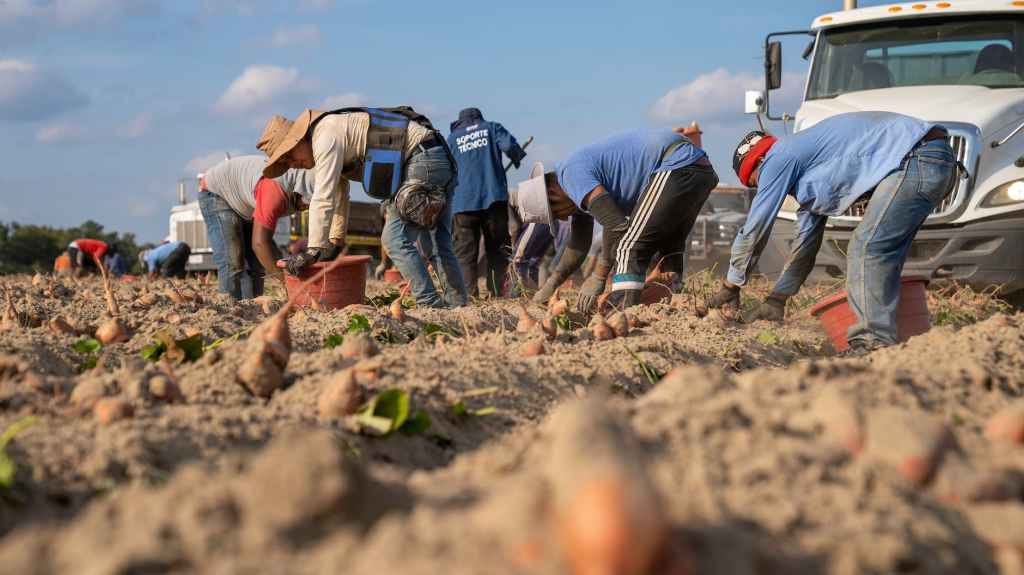



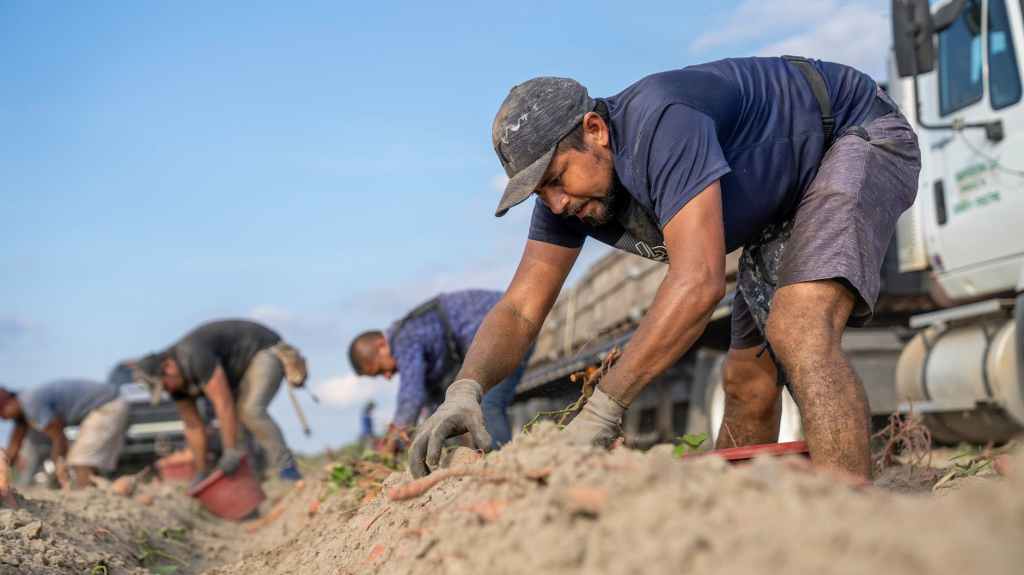
Breaking down these barriers can benefit everyone in society by promoting inclusion and equity for all. This can be achieved through education programs that promote cultural sensitivity and diversity, language training, and ensuring equal access to resources and opportunities for all groups of people regardless of their skin color or language.
How do we fix any of this? I’m talking really fix it? Governments doesn’t really fix peoples problems. It can tell us to do this, but don’t do that. It can threaten us if we don’t act right. But it won’t change the real underlying Issues. Let’s Face it. 🇺🇸 is a Racist Country. Piled high with Racists in every realm of RACISM. Every facet of RACISM. Saying 🇺🇸 isn’t is poppycock talk. And when Racist Leaders get in POWER, Attacking others simply becomes very easy. Like shooting Ducks on a Pond.
Don’t fret, get happy.
 thelivingbreathingjamesbrown.com
You must be logged in to post a comment.