
Hey Weatherman,
I hope you are good. Today, I asked two AI’s some weather type Questions. There are Q’s and A’s here to view. If you get lost, don’t worry, I get lost too all the time.
Enjoy!













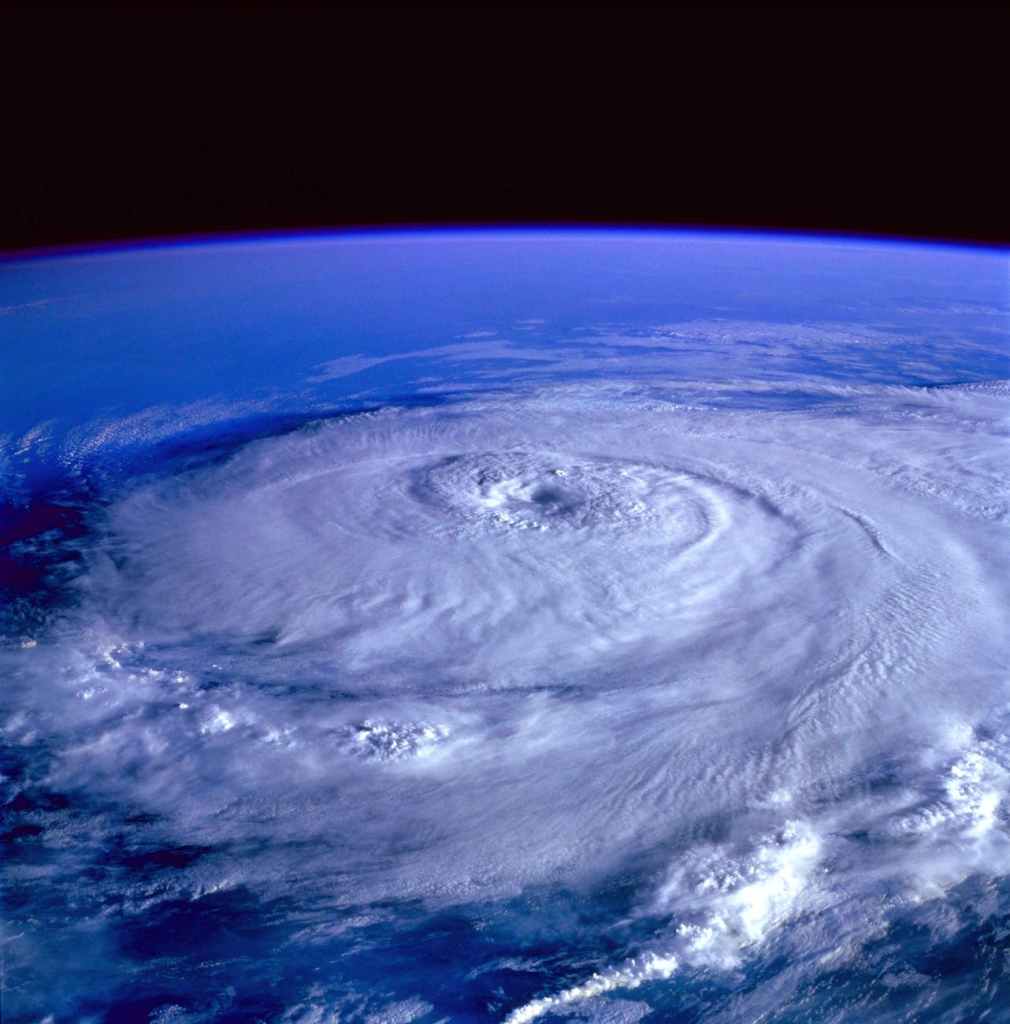


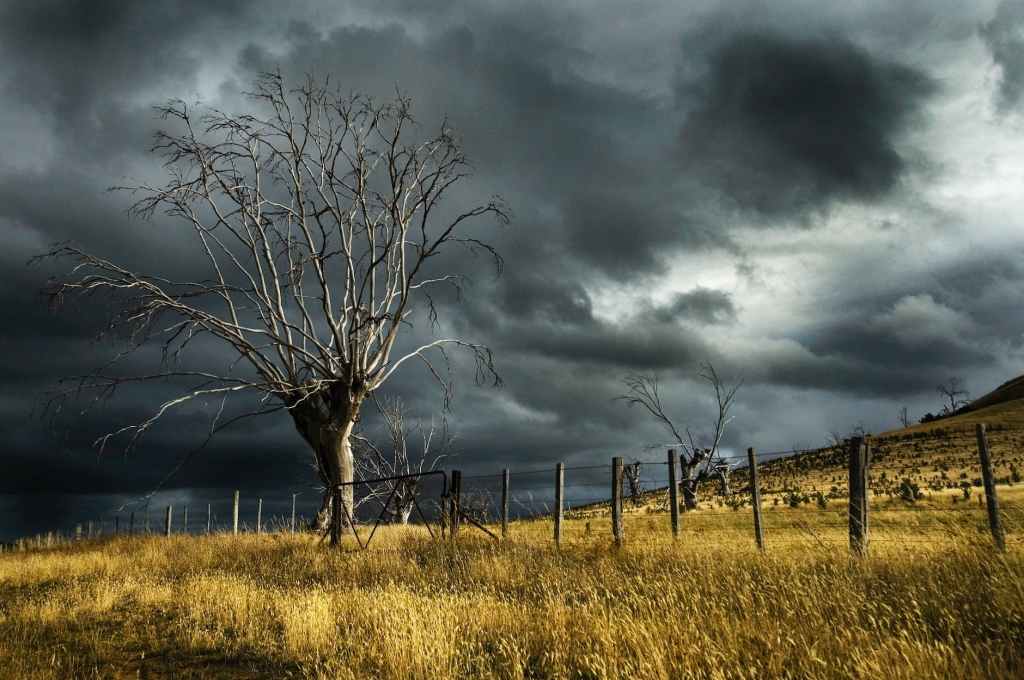
Okay AI’s, your turn
Pretend you are a weatherman, you need to write a great list of all verbs, nouns, and adjectives that you could use during your Broadcast that is new, but sounds very weather-like.
Here’s Google’s Bard’s Answer-
Here is a list of verbs, nouns, and adjectives that you could use during your weather broadcast:
Verbs
- Bluster
- Cling
- Drizzle
- Downpour
- Fizzle
- Flurry
- Glisten
- Gust
- Haze
- Howl
- Mist
- Precipitate
- Rain
- Sleet
- Snow
- Swirl
- Thunder
- Torrential
- Whirlwind
- Whirl
- Wind
Nouns
- Cloud
- Cumulonimbus
- Cirrus
- Stratus
- Nimbus
- Tornado
- Thunderstorm
- Hurricane
- Typhoon
- Blizzard
- Drought
- Flood
- Heat wave
- Storm
- Tornado
Adjectives
- Arctic
- Brisk
- Cloudy
- Cold
- Cozy
- Damp
- Delectable
- Delicate
- Dreary
- Frigid
- Freezing
- Fluffy
- Glorious
- Golden
- Gusty
- Hazy
- Hot
- Humid
- Icy
- Intense
- Jagged
- Luminous
- Misty
- Moist
- Overcast
- Pungent
- Rainy
- Refreshing
- Shimmering
- Snowy
- Sunny
- Stormy
- Sultry
- Sunny
- Torrential
- Tropical
- Warm
- Windy
- Wonderful
I hope this list helps you to create a weather broadcast that is both informative and entertaining!thumb_upthumb_downuploadGoogle itmore_vertsend_spark
Bard may display inaccurate or offensive information that doesn’t represent
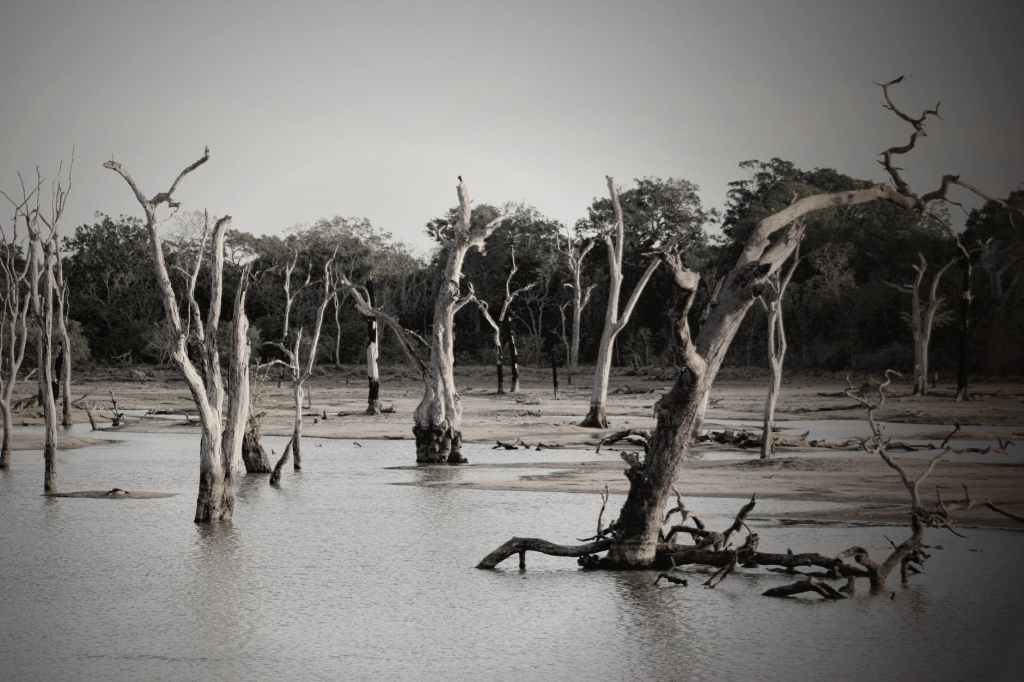


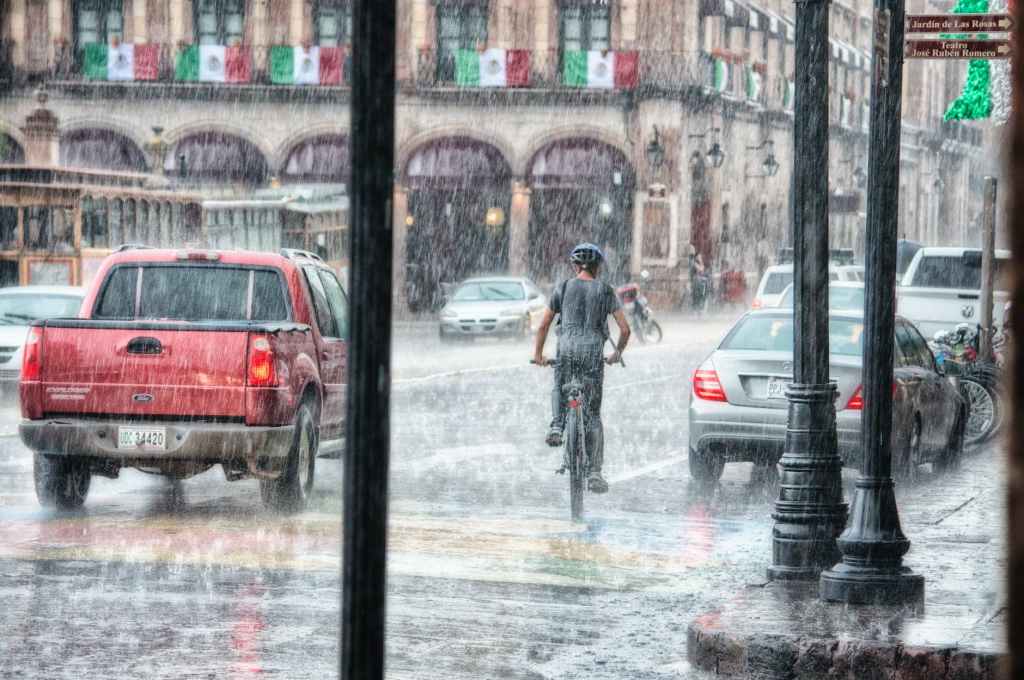



Create weather sounding words using slang words-
Sure, here are some weather sounding words using slang words:
Verbs
- Hella rain
- Sizzlin’ heat
- Blizzard of snow
- Hurricane winds
- Tornado outbreak
Nouns
- Cloudburst
- Heat wave
- Drought
- Flood
- Tornado
Adjectives
- Hella hot
- Sizzlin’ weather
- Blizzard conditions
- Hurricane force winds
- Tornado alley
I hope this helps!
thumb_upthumb_downuploadGoogle itmore_vert
How did weathermen predict the weather in 1923?
Weather forecasting in 1923 was a much more difficult and inexact science than it is today. Meteorologists had only a few tools at their disposal, including:
- Barometers: These instruments measure atmospheric pressure, which can be used to predict changes in the weather.
- Thermometers: These instruments measure temperature, which can also be used to predict changes in the weather.
- Wind vanes: These instruments measure wind direction, which can be used to predict the path of storms.
- Rain gauges: These instruments measure rainfall, which can be used to predict the likelihood of flooding.
Meteorologists also relied on their own observations of the weather, as well as reports from ships, airplanes, and ground stations. They would then use this information to create weather maps and forecasts.
Weather forecasting in 1923 was a very inexact science. Forecasts were often wrong, and there was no way to predict the severity of storms. However, the tools and techniques that were available at the time allowed meteorologists to make some predictions about the weather, which could help people to prepare for potential storms and other weather events.
In the years since 1923, meteorologists have developed many new tools and techniques for weather forecasting. These include:
- Satellites: Satellites can provide meteorologists with images of the Earth’s atmosphere, which can be used to track the movement of weather systems.
- Computer models: Computer models can be used to simulate the behavior of the atmosphere, which can help meteorologists to predict the weather.
- Ground-based observations: Meteorologists still rely on ground-based observations of the weather, such as those from weather stations, ships, and airplanes.
The development of these new tools and techniques has made weather forecasting much more accurate and reliable than it was in 1923. Today, meteorologists are able to predict the weather with a high degree of accuracy, and they can provide detailed forecasts for specific locations. This information can help people to make informed decisions about how to prepare for potential weather events.thumb_upthumb_downuploadGoogle itmore_vertsend_spark
Bard may display inaccurate or offensive information that doesn’t represent Google’s views.







How will weatherman forecast the weather in 50 years from now?
Weather forecasting in 50 years from now will be much more accurate and reliable than it is today. Meteorologists will have access to even more powerful computers and sophisticated computer models, which will allow them to simulate the behavior of the atmosphere with even greater accuracy. They will also have access to more data from satellites and other sensors, which will give them a better understanding of the current state of the atmosphere.
In addition to these technological advances, meteorologists will also benefit from a better understanding of the climate. Climate change is already having a significant impact on the weather, and this impact is expected to become even more pronounced in the next 50 years. Meteorologists will need to take climate change into account when making their forecasts, and they will need to develop new tools and techniques to predict the impact of climate change on the weather.
As a result of all of these factors, weather forecasting in 50 years from now will be much more accurate and reliable than it is today. Meteorologists will be able to provide detailed forecasts for specific locations, and they will be able to give people more time to prepare for potential weather events. This will help to save lives and property, and it will make our communities more resilient to the effects of climate change.
Here are some specific examples of how weather forecasting may be improved in 50 years:
- More accurate forecasts of extreme weather events: Meteorologists will be able to better predict the occurrence and severity of extreme weather events such as hurricanes, tornadoes, and floods. This will allow people to take steps to protect themselves and their property from these events.
- More detailed forecasts for specific locations: Meteorologists will be able to provide more detailed forecasts for specific locations, including the likelihood of rain, snow, or other types of precipitation. This will help people to make informed decisions about how to dress, plan their activities, and prepare for the weather.
- Earlier warning of weather events: Meteorologists will be able to provide earlier warning of weather events, giving people more time to prepare. This will help to reduce the number of deaths and injuries caused by weather events.
Overall, weather forecasting in 50 years from now will be much more accurate and reliable than it is today. This will help to save lives and property, and it will make our communities more resilient to the effects of climate change.thumb_upthumb_downuploadGoogle itmore_vertsend_spark
Bard may display inaccurate or offensive information that doesn’t represent Google’s views








How will AI help weather forecasting?
Artificial intelligence (AI) is already being used to improve weather forecasting in a number of ways. For example, AI can be used to:
- Identify patterns in weather data: AI can be used to identify patterns in weather data that would be difficult or impossible for humans to see. This information can then be used to improve the accuracy of weather forecasts.
- Predict the behavior of weather systems: AI can be used to predict the behavior of weather systems, such as hurricanes and tornadoes. This information can then be used to issue early warnings and evacuation orders.
- Personalize weather forecasts: AI can be used to personalize weather forecasts for specific locations and individuals. This information can then be used to help people make informed decisions about how to dress, plan their activities, and prepare for the weather.
As AI technology continues to develop, it is likely that it will play an even greater role in weather forecasting. AI could be used to develop new forecasting models that are more accurate and reliable than current models. It could also be used to develop new tools and techniques for predicting the impact of climate change on the weather.
Overall, AI has the potential to revolutionize weather forecasting. By making forecasts more accurate and reliable, AI can help to save lives and property, and it can make our communities more resilient to the effects of climate change.
Here are some specific examples of how AI is being used to improve weather forecasting:
- DeepMind: DeepMind is a British artificial intelligence company that was acquired by Google in 2014. DeepMind has developed a number of AI-powered tools that are being used to improve weather forecasting. For example, DeepMind’s AlphaGo program was used to develop a new weather forecasting model that is more accurate than previous models.
- Weather Underground: Weather Underground is a weather forecasting company that uses AI to improve its forecasts. Weather Underground’s AI-powered tools are able to identify patterns in weather data that would be difficult or impossible for humans to see. This information is then used to improve the accuracy of Weather Underground’s forecasts.
- The National Oceanic and Atmospheric Administration (NOAA): NOAA is a United States government agency that is responsible for monitoring and forecasting weather. NOAA is using AI to develop new tools and techniques for weather forecasting. For example, NOAA is using AI to develop a new system for predicting the path of hurricanes.
These are just a few examples of how AI is being used to improve weather forecasting. As AI technology continues to develop, it is likely that we will see even more innovative ways to use AI to improve our understanding of the weather and to make our communities more resilient to the effects of climate change.thumb_upthumb_downuploadGoogle itmore_vertsend_spark
Bard may display inaccurate or offensive information that doesn’t represent Google’s views.
🎉🎉🎉🎉🎉🎉🎆🎆🎆🎇🎇🎇🎇 Okay. Bard had its turn…
Same Questions, now for another A.I.-
Pretend you are a weatherman, you need to write a great list of all verbs, nouns, and adjectives that you could use during your Broadcast that is new, but sounds very weather-like.
Now, it’s ChatGPT’s turn
OpenAI’s ChatGPT’s Answers-
Verbs:
- Swirl
- Pelt
- Hurl
- Drench
- Streak
- Torrent
- Scorch
- Blaze
- Bask
- Roast
Nouns:
- Squall
- Cyclone
- Gale
- Monsoon
- Blizzard
- Thunderhead
- Heatwave
- Scorcher
- Hurricane
- Tornado
Adjectives:
- Blistering
- Severe
- Torrential
- Intense
- Scorching
- Roasting
- Icy
- Perfect
- Crisp
- Balmy
Use weather like slang words-
- Hot: sweltering, scorching, roasting, boiling.
- Cold: freezing, frigid, chilly, nippy.
- Rainy: pouring, drenching, drizzling, sprinkling.
- Windy: blustery, breezy, gusty, howling.
- Sunny: blazing, scorching, bright, searing.



How did weathermen predict the weather in 1923?
In 1923, weather forecasters relied heavily on observed weather patterns such as cloud formations, wind direction and speed, and changes in barometric pressure to predict the weather. They would also study data collected by meteorological instruments such as thermometers, barometers, and anemometers to make their predictions. However, forecasting was not as accurate as today as there were no computer models to help with prediction.
How will weatherman forecast the weather in 50 years from now?





As an AI language model, I cannot predict the exact technological advancements that will occur in the field of meteorology in the next 50 years. However, it is highly likely that technological advancements will continue to improve weather forecasting capabilities.
Weather models will likely become more accurate by incorporating more advanced physical models, utilizing more sophisticated monitoring systems (satellites, sensors, and drones) and increasing computational power. These technologies may provide a high-resolution picture of weather and climate patterns and allow forecasters to make more informed and accurate predictions. Additionally, machine learning and artificial intelligence techniques may play a significant role in improving forecasting capabilities.
In summary, as technology continues to improve, it is reasonable to expect that weather forecasting methods will also improve significantly in the coming years.
How will AI help weather forecasting?
AI can greatly improve weather forecasting by analyzing large amounts of data from multiple sources, including satellites, weather stations, and sensors. AI algorithms can identify patterns and trends in the data that humans may not be able to detect on their own. By processing this data, AI systems can make more accurate and precise predictions about future weather conditions.
Machine learning algorithms can also improve weather forecasting by continuously learning from new data to refine and improve the accuracy of forecasts over time. This can be particularly beneficial in predicting severe weather events, such as hurricanes or tornadoes, where even small improvements in forecast accuracy can save lives and reduce damages.
Overall, AI has the potential to revolutionize the field of weather forecasting, enabling forecasters to make more accurate and timely predictions, and helping communities and organizations to better prepare for and respond to extreme weather events.

Well, that’s it. I hope you enjoyed this. Lol
Hey, ChatGPT, will AI replace weathermen and newscasters?
AI technology has already been implemented to assist in weather forecasting and analysis, but fully replacing weathermen and newscasters is unlikely in the near future. While AI can provide accurate data and predictions based on scientific models, there is still a need for human interpretation and analysis to provide context and explain the impact of weather events on people and communities. Similarly, newscasters provide more than just information, they bring a human touch and can connect with the audience on a personal level. However, AI may be used to augment their work in the future.
Then I hit the wrong Button, so you get to see Bard all over again-but for sure, skip to the End to see one last Question and answers…

Pretend you are a weatherman, you need to write a great list of all verbs, nouns, and adjectives that you could use during your Broadcast that is new, but sounds very weather-like.

Here is a list of verbs, nouns, and adjectives that you could use during your weather broadcast:
Verbs
- Bluster
- Cling
- Drizzle
- Downpour
- Fizzle
- Flurry
- Glisten
- Gust
- Haze
- Howl
- Mist
- Precipitate
- Rain
- Sleet
- Snow
- Swirl
- Thunder
- Torrential
- Whirlwind
- Whirl
- Wind
Nouns
- Cloud
- Cumulonimbus
- Cirrus
- Stratus
- Nimbus
- Tornado
- Thunderstorm
- Hurricane
- Typhoon
- Blizzard
- Drought
- Flood
- Heat wave
- Storm
- Tornado
Adjectives
- Arctic
- Brisk
- Cloudy
- Cold
- Cozy
- Damp
- Delectable
- Delicate
- Dreary
- Frigid
- Freezing
- Fluffy
- Glorious
- Golden
- Gusty
- Hazy
- Hot
- Humid
- Icy
- Intense
- Jagged
- Luminous
- Misty
- Moist
- Overcast
- Pungent
- Rainy
- Refreshing
- Shimmering
- Snowy
- Sunny
- Stormy
- Sultry
- Sunny
- Torrential
- Tropical
- Warm
- Windy
- Wonderful
I hope this list helps you to create a weather broadcast that is both informative and entertaining!thumb_upthumb_downuploadGoogle itmore_vert
Create another Create weather sounding words using slang words
Sure, here are some weather sounding words using slang words:
Verbs
- Hella rain
- Sizzlin’ heat
- Blizzard of snow
- Hurricane winds
- Tornado outbreak
Nouns
- Cloudburst
- Heat wave
- Drought
- Flood
- Tornado
Adjectives
- Hella hot
- Sizzlin’ weather
- Blizzard conditions
- Hurricane force winds
- Tornado alley
I hope this helps!thumb_upthumb_downuploadGoogle itmore_vert
How did weathermen predict the weather in 1923?
Weather forecasting in 1923 was a much more difficult and inexact science than it is today. Meteorologists had only a few tools at their disposal, including:
- Barometers: These instruments measure atmospheric pressure, which can be used to predict changes in the weather.
- Thermometers: These instruments measure temperature, which can also be used to predict changes in the weather.
- Wind vanes: These instruments measure wind direction, which can be used to predict the path of storms.
- Rain gauges: These instruments measure rainfall, which can be used to predict the likelihood of flooding.
Meteorologists also relied on their own observations of the weather, as well as reports from ships, airplanes, and ground stations. They would then use this information to create weather maps and forecasts.
Weather forecasting in 1923 was a very inexact science. Forecasts were often wrong, and there was no way to predict the severity of storms. However, the tools and techniques that were available at the time allowed meteorologists to make some predictions about the weather, which could help people to prepare for potential storms and other weather events.
In the years since 1923, meteorologists have developed many new tools and techniques for weather forecasting. These include:
- Satellites: Satellites can provide meteorologists with images of the Earth’s atmosphere, which can be used to track the movement of weather systems.
- Computer models: Computer models can be used to simulate the behavior of the atmosphere, which can help meteorologists to predict the weather.
- Ground-based observations: Meteorologists still rely on ground-based observations of the weather, such as those from weather stations, ships, and airplanes.
The development of these new tools and techniques has made weather forecasting much more accurate and reliable than it was in 1923. Today, meteorologists are able to predict the weather with a high degree of accuracy, and they can provide detailed forecasts for specific locations. This information can help people to make informed decisions about how to prepare for potential weather events.thumb_upthumb_downuploadGoogle itmore_vert
How will weatherman forecast the weather in 50 years from now?
Weather forecasting in 50 years from now will be much more accurate and reliable than it is today. Meteorologists will have access to even more powerful computers and sophisticated computer models, which will allow them to simulate the behavior of the atmosphere with even greater accuracy. They will also have access to more data from satellites and other sensors, which will give them a better understanding of the current state of the atmosphere.
In addition to these technological advances, meteorologists will also benefit from a better understanding of the climate. Climate change is already having a significant impact on the weather, and this impact is expected to become even more pronounced in the next 50 years. Meteorologists will need to take climate change into account when making their forecasts, and they will need to develop new tools and techniques to predict the impact of climate change on the weather.
As a result of all of these factors, weather forecasting in 50 years from now will be much more accurate and reliable than it is today. Meteorologists will be able to provide detailed forecasts for specific locations, and they will be able to give people more time to prepare for potential weather events. This will help to save lives and property, and it will make our communities more resilient to the effects of climate change.
Here are some specific examples of how weather forecasting may be improved in 50 years:
- More accurate forecasts of extreme weather events: Meteorologists will be able to better predict the occurrence and severity of extreme weather events such as hurricanes, tornadoes, and floods. This will allow people to take steps to protect themselves and their property from these events.
- More detailed forecasts for specific locations: Meteorologists will be able to provide more detailed forecasts for specific locations, including the likelihood of rain, snow, or other types of precipitation. This will help people to make informed decisions about how to dress, plan their activities, and prepare for the weather.
- Earlier warning of weather events: Meteorologists will be able to provide earlier warning of weather events, giving people more time to prepare. This will help to reduce the number of deaths and injuries caused by weather events.
Overall, weather forecasting in 50 years from now will be much more accurate and reliable than it is today. This will help to save lives and property, and it will make our communities more resilient to the effects of climate change.thumb_upthumb_downuploadGoogle itmore_vert
How will AI help weather forecasting?
Artificial intelligence (AI) is already being used to improve weather forecasting in a number of ways. For example, AI can be used to:
- Identify patterns in weather data: AI can be used to identify patterns in weather data that would be difficult or impossible for humans to see. This information can then be used to improve the accuracy of weather forecasts.
- Predict the behavior of weather systems: AI can be used to predict the behavior of weather systems, such as hurricanes and tornadoes. This information can then be used to issue early warnings and evacuation orders.
- Personalize weather forecasts: AI can be used to personalize weather forecasts for specific locations and individuals. This information can then be used to help people make informed decisions about how to dress, plan their activities, and prepare for the weather.
As AI technology continues to develop, it is likely that it will play an even greater role in weather forecasting. AI could be used to develop new forecasting models that are more accurate and reliable than current models. It could also be used to develop new tools and techniques for predicting the impact of climate change on the weather.
Overall, AI has the potential to revolutionize weather forecasting. By making forecasts more accurate and reliable, AI can help to save lives and property, and it can make our communities more resilient to the effects of climate change.
Here are some specific examples of how AI is being used to improve weather forecasting:
- DeepMind: DeepMind is a British artificial intelligence company that was acquired by Google in 2014. DeepMind has developed a number of AI-powered tools that are being used to improve weather forecasting. For example, DeepMind’s AlphaGo program was used to develop a new weather forecasting model that is more accurate than previous models.
- Weather Underground: Weather Underground is a weather forecasting company that uses AI to improve its forecasts. Weather Underground’s AI-powered tools are able to identify patterns in weather data that would be difficult or impossible for humans to see. This information is then used to improve the accuracy of Weather Underground’s forecasts.
- The National Oceanic and Atmospheric Administration (NOAA): NOAA is a United States government agency that is responsible for monitoring and forecasting weather. NOAA is using AI to develop new tools and techniques for weather forecasting. For example, NOAA is using AI to develop a new system for predicting the path of hurricanes.
These are just a few examples of how AI is being used to improve weather forecasting. As AI technology continues to develop, it is likely that we will see even more innovative ways to use AI to improve our understanding of the weather and to make our communities more resilient to the effects of climate change.thumb_upthumb_downuploadGoogle itmore_vert
Hey, Bard, will AI replace weathermen and newscasters?

It is unlikely that AI will completely replace weathermen and newscasters in the near future. However, AI is likely to play an increasingly important role in weather forecasting and reporting. AI can be used to generate more accurate and reliable forecasts, and it can also be used to personalize forecasts for specific locations and individuals. This information can then be used to help people make informed decisions about how to dress, plan their activities, and prepare for the weather.
As AI technology continues to develop, it is possible that AI could eventually replace weathermen and newscasters altogether. However, this is unlikely to happen for several reasons. First, AI is still in its early stages of development, and it is not yet capable of providing the same level of understanding and expertise as a human weatherman or newscaster. Second, people still value the human touch in weather forecasting and reporting. They want to hear from a human who can explain the weather in a way that is easy to understand and who can connect with them on a personal level.
Overall, it is likely that AI will play an increasingly important role in weather forecasting and reporting in the future. However, it is unlikely that AI will completely replace weathermen and newscasters altogether.
Pretend you are a weatherman, you need to write a great list of all verbs, nouns, and adjectives that you could use during your Broadcast that is new, but sounds very weather-like.
Here is a list of verbs, nouns, and adjectives that you could use during your weather broadcast:
Verbs
- Bluster
- Cling
- Drizzle
- Downpour
- Fizzle
- Flurry
- Glisten
- Gust
- Haze
- Howl
- Mist
- Precipitate
- Rain
- Sleet
- Snow
- Swirl
- Thunder
- Torrential
- Whirlwind
- Whirl
- Wind
Nouns
- Cloud
- Cumulonimbus
- Cirrus
- Stratus
- Nimbus
- Tornado
- Thunderstorm
- Hurricane
- Typhoon
- Blizzard
- Drought
- Flood
- Heat wave
- Storm
- Tornado
Adjectives
- Arctic
- Brisk
- Cloudy
- Cold
- Cozy
- Damp
- Delectable
- Delicate
- Dreary
- Frigid
- Freezing
- Fluffy
- Glorious
- Golden
- Gusty
- Hazy
- Hot
- Humid
- Icy
- Intense
- Jagged
- Luminous
- Misty
- Moist
- Overcast
- Pungent
- Rainy
- Refreshing
- Shimmering
- Snowy
- Sunny
- Stormy
- Sultry
- Sunny
- Torrential
- Tropical
- Warm
- Windy
- Wonderful
I hope this list helps you to create a weather broadcast that is both informative and entertaining!thumb_upthumb_downuploadGoogle itmore_vert
Create another Create weather sounding words using slang words
Sure, here are some weather sounding words using slang words:
Verbs
- Hella rain
- Sizzlin’ heat
- Blizzard of snow
- Hurricane winds
- Tornado outbreak
Nouns
- Cloudburst
- Heat wave
- Drought
- Flood
- Tornado
Adjectives
- Hella hot
- Sizzlin’ weather
- Blizzard conditions
- Hurricane force winds
- Tornado alley
I hope this helps!thumb_upthumb_downuploadGoogle itmore_vert
How did weathermen predict the weather in 1923?
Weather forecasting in 1923 was a much more difficult and inexact science than it is today. Meteorologists had only a few tools at their disposal, including:
- Barometers: These instruments measure atmospheric pressure, which can be used to predict changes in the weather.
- Thermometers: These instruments measure temperature, which can also be used to predict changes in the weather.
- Wind vanes: These instruments measure wind direction, which can be used to predict the path of storms.
- Rain gauges: These instruments measure rainfall, which can be used to predict the likelihood of flooding.
Meteorologists also relied on their own observations of the weather, as well as reports from ships, airplanes, and ground stations. They would then use this information to create weather maps and forecasts.
Weather forecasting in 1923 was a very inexact science. Forecasts were often wrong, and there was no way to predict the severity of storms. However, the tools and techniques that were available at the time allowed meteorologists to make some predictions about the weather, which could help people to prepare for potential storms and other weather events.
In the years since 1923, meteorologists have developed many new tools and techniques for weather forecasting. These include:
- Satellites: Satellites can provide meteorologists with images of the Earth’s atmosphere, which can be used to track the movement of weather systems.
- Computer models: Computer models can be used to simulate the behavior of the atmosphere, which can help meteorologists to predict the weather.
- Ground-based observations: Meteorologists still rely on ground-based observations of the weather, such as those from weather stations, ships, and airplanes.
The development of these new tools and techniques has made weather forecasting much more accurate and reliable than it was in 1923. Today, meteorologists are able to predict the weather with a high degree of accuracy, and they can provide detailed forecasts for specific locations. This information can help people to make informed decisions about how to prepare for potential weather events.thumb_upthumb_downuploadGoogle itmore_vert
How will weatherman forecast the weather in 50 years from now?
Weather forecasting in 50 years from now will be much more accurate and reliable than it is today. Meteorologists will have access to even more powerful computers and sophisticated computer models, which will allow them to simulate the behavior of the atmosphere with even greater accuracy. They will also have access to more data from satellites and other sensors, which will give them a better understanding of the current state of the atmosphere.
In addition to these technological advances, meteorologists will also benefit from a better understanding of the climate. Climate change is already having a significant impact on the weather, and this impact is expected to become even more pronounced in the next 50 years. Meteorologists will need to take climate change into account when making their forecasts, and they will need to develop new tools and techniques to predict the impact of climate change on the weather.
As a result of all of these factors, weather forecasting in 50 years from now will be much more accurate and reliable than it is today. Meteorologists will be able to provide detailed forecasts for specific locations, and they will be able to give people more time to prepare for potential weather events. This will help to save lives and property, and it will make our communities more resilient to the effects of climate change.
Here are some specific examples of how weather forecasting may be improved in 50 years:
- More accurate forecasts of extreme weather events: Meteorologists will be able to better predict the occurrence and severity of extreme weather events such as hurricanes, tornadoes, and floods. This will allow people to take steps to protect themselves and their property from these events.
- More detailed forecasts for specific locations: Meteorologists will be able to provide more detailed forecasts for specific locations, including the likelihood of rain, snow, or other types of precipitation. This will help people to make informed decisions about how to dress, plan their activities, and prepare for the weather.
- Earlier warning of weather events: Meteorologists will be able to provide earlier warning of weather events, giving people more time to prepare. This will help to reduce the number of deaths and injuries caused by weather events.
Overall, weather forecasting in 50 years from now will be much more accurate and reliable than it is today. This will help to save lives and property, and it will make our communities more resilient to the effects of climate change.thumb_upthumb_downuploadGoogle itmore_vert
How will AI help weather forecasting?
Artificial intelligence (AI) is already being used to improve weather forecasting in a number of ways. For example, AI can be used to:
- Identify patterns in weather data: AI can be used to identify patterns in weather data that would be difficult or impossible for humans to see. This information can then be used to improve the accuracy of weather forecasts.
- Predict the behavior of weather systems: AI can be used to predict the behavior of weather systems, such as hurricanes and tornadoes. This information can then be used to issue early warnings and evacuation orders.
- Personalize weather forecasts: AI can be used to personalize weather forecasts for specific locations and individuals. This information can then be used to help people make informed decisions about how to dress, plan their activities, and prepare for the weather.
As AI technology continues to develop, it is likely that it will play an even greater role in weather forecasting. AI could be used to develop new forecasting models that are more accurate and reliable than current models. It could also be used to develop new tools and techniques for predicting the impact of climate change on the weather.
Overall, AI has the potential to revolutionize weather forecasting. By making forecasts more accurate and reliable, AI can help to save lives and property, and it can make our communities more resilient to the effects of climate change.
Here are some specific examples of how AI is being used to improve weather forecasting:
- DeepMind: DeepMind is a British artificial intelligence company that was acquired by Google in 2014. DeepMind has developed a number of AI-powered tools that are being used to improve weather forecasting. For example, DeepMind’s AlphaGo program was used to develop a new weather forecasting model that is more accurate than previous models.
- Weather Underground: Weather Underground is a weather forecasting company that uses AI to improve its forecasts. Weather Underground’s AI-powered tools are able to identify patterns in weather data that would be difficult or impossible for humans to see. This information is then used to improve the accuracy of Weather Underground’s forecasts.
- The National Oceanic and Atmospheric Administration (NOAA): NOAA is a United States government agency that is responsible for monitoring and forecasting weather. NOAA is using AI to develop new tools and techniques for weather forecasting. For example, NOAA is using AI to develop a new system for predicting the path of hurricanes.
These are just a few examples of how AI is being used to improve weather forecasting. As AI technology continues to develop, it is likely that we will see even more innovative ways to use AI to improve our understanding of the weather and to make our communities more resilient to the effects of climate change.thumb_upthumb_downuploadGoogle itmore_vert
will AI replace weathermen and newscasters?
It is unlikely that AI will completely replace weathermen and newscasters in the near future. However, AI is likely to play an increasingly important role in weather forecasting and reporting. AI can be used to generate more accurate and reliable forecasts, and it can also be used to personalize forecasts for specific locations and individuals. This information can then be used to help people make informed decisions about how to dress, plan their activities, and prepare for the weather.
As AI technology continues to develop, it is possible that AI could eventually replace weathermen and newscasters altogether. However, this is unlikely to happen for several reasons. First, AI is still in its early stages of development, and it is not yet capable of providing the same level of understanding and expertise as a human weatherman or newscaster. Second, people still value the human touch in weather forecasting and reporting. They want to hear from a human who can explain the weather in a way that is easy to understand and who can connect with them on a personal level.
Overall, it is likely that AI will play an increasingly important role in weather forecasting and reporting in the future. However, it is unlikely that AI will completely replace weathermen and newscasters altogether.thumb_upthumb_downuploadGoogle itmore_vert
What would you like to see weathermen do?
I would like to see weathermen do the following:
- Be more accurate and reliable in their forecasts. This means using the latest technology and techniques to generate forecasts that are as accurate as possible.
- Be more informative in their reports. This means explaining the weather in a way that is easy to understand and that provides people with the information they need to make informed decisions about how to dress, plan their activities, and prepare for the weather.
- Be more engaging in their delivery. This means using a variety of techniques to keep people’s attention, such as using graphics, animations, and storytelling.
- Be more proactive in their warnings. This means issuing warnings early and often, so that people have time to take action to protect themselves and their property from dangerous weather.
- Be more accessible to the public. This means providing weather information through a variety of channels, such as television, radio, the internet, and social media.
I believe that by doing these things, weathermen can play a vital role in helping people to stay safe and informed about the weather.
And ChatGPT’s Answer?
As an AI language model, I don’t have personal preferences or emotions, but as a helpful assistant, I can suggest possible improvements for weather forecasting and reporting.
Some ways that weathermen could improve their reporting include:
- Providing more accurate and detailed forecasts, including information on temperature, precipitation, wind, and other weather conditions.
- Using advanced technology to gather and interpret weather data, such as satellite imagery, radar, and weather modeling.
- Providing useful advice and tips on how to prepare for different weather conditions, such as advice on what to wear, how to stay safe, and how to protect your property.
- Making weather reports more accessible and understandable to a wider range of audiences, including those with different levels of literacy or who may speak a different native language.
- Supporting more transparency and accountability in weather data and forecasting, including clear explanations of how forecasts are calculated and any potential biases or inaccuracies that may be present.
That’s all folks…tfolks…that’sfolks…that’s a Wrap!
 thelivingbreathingjamesbrown.com
You must be logged in to post a comment.