











Ramen Noodle Eating Desperation is far past putting your foot on the pedals of a Bicycle for the first time. But 🇺🇸’s young are sitting at home with their next meal of Ramen Noodles Desperation waiting them. And why is THAT?
Political disparities. The Old not accepting the Young. Old Donors don’t want to support them. No, they’d rather just keep things the same or keeping it all Status Quo.
“they have a vested interest in maintaining the status quo…Status Quo or they gotta Go”
But instead of Buying a Car or better food, the young.are straddling the fence, a barbed wire fence, an electric Fence, with High Rent Payments, High Student Loan Payments. And the Car and Truck Industry are going to be hit with some of the worst Sales in decades on the Horizon. Why, are the Young being Billed To Death? Answer Up! And they are worried sick of being replaced NOT BY ILLEGAL IMMIGRANTS, but Artificial Intelligence. AI! OMG!
Many elderly politicians continue to talk about the past, about significant events that took place 50 or 60 or 70 or 80 years ago. Doesn’t this upset you? A Dark Hole is now developing right into the future of Both Political Parties. In 30 years, no one will recognize either Party.
The importance of youth involvement in politics cannot be overemphasized. However, the current trend is that young people are increasingly disinterested in politics, and it appears that elderly politicians are the biggest reason for this. In this essay, I will argue that elderly politicians are alienating the young and hurting political parties in the process. I will also highlight why it is essential for political parties to engage with the younger demographics and listen to their ideas to remain relevant in the future.
Elderly politicians often talk about events that took place over 50 or 60 years ago. They seem to be out of touch with the present and the concerns of the younger generation. This distance and disconnect make the young feel isolated and alienated. They tend to think that politics is only for the elderly and doesn’t concern them. It’s not uncommon for young people to describe politicians as ‘out of touch’ and ‘not relatable.’ Unfortunately, this perception of politicians as being disconnected and uninterested in the youngergeneration is not entirely unfounded, particularly when it comes to elderly politicians. It is a well-known fact that politics is dominated by individuals who are past their prime, and have spent several decades in the political arena. The problem with this is that they are often reluctant to embrace new ideas, are far removed from the current issues facing the young populace, and are completely out of sync with the mindset of the younger generation. The net result is that younger individuals are increasingly turning away from politics, choosing to pursue careers in other fields instead. But Age is affecting the minds of the young all over the World.
30 of the world’s oldest politicians as of today’s date (June 2, 2023):
- Robert Mugabe – 99 years old
- Shimon Peres – 99 years old
- Queen Elizabeth II – 97 years old
- Jiang Zemin – 96 years old
- Jimmy Carter – 98 years old
- Henry Kissinger – 99 years old
- George P. Shultz – 102 years old
- Raul Castro – 91 years old
- Prince Philip, Duke of Edinburgh – 101 years old
- Mahathir Mohamad – 97 years old
- Fidel Castro – 96 years old (deceased)
- David Attenborough – 96 years old
- Silvio Ber1. Robert Mugabe – 98 years old (deceased)
- Prince Philip, Duke of Edinburgh – 101 years old (deceased)
- Hosni Mubarak – 93 years old (deceased)
- Jiang Zemin – 95 years old
- Mahathir Mohamad – 97 years old
- Queen Elizabeth II – 96 years old
- Sheikh Sabah Al-Ahmad Al-Jaber Al-Sabah – 93 years old (deceased)
- Fidel Castro – 95 years old (deceased)
- Kim Yong-nam – 94 years old (deceased)
- Jimmy Carter – 97 years old
- Ratko Mladic – 79 years old
- David Attenborough – 96 years old
- Silvio Berlusconi – 85 years old
- Eduardo Frei Ruiz-Tagle – 80 years old
- Hillary Clinton – 75 years old
- George W. Bush – 76 years old
- Bill Clinton – 75 years old
- Tony Blair – 69 years old
- Gerhard Schröder – 77 years old
- José Manuel Barroso – 65 years old
- Mahmoud Abbas – 86 years old
- Hosni Mubarak – 93 years old
- Vladimir Putin – 70 years old
- Kim Jong-un – 38 years old (North Korea’s Supreme Leader)
- Queen Elizabeth II – 96 years old (British Monarch)
- Prince Philip, Duke of Edinburgh – 101 years old
- Xi Jinping – 68 years old (President of China)
- Narendra Modi – 71 years old (Prime Minister of India)
- Prokopis Pavlopoulos – 71 years old (President of Greece)
One of the biggest problems with elderly politicians is that they tend to be stuck in their ways. They have seen it all, done it all, and experienced everything that politics has to offer. As a result, they are often resistant to change and innovation, and are not open to look at things from a fresh perspective. Young people, on the other hand, are full of new ideas and vibrant energy. They are unafraid to challenge established norms and are always seeking innovative solutions to modern problems. However, younger individuals are often deterred from a potential political career due to the overwhelming presence of elderly politicians.
Elderly politicians dominate political arenas around the world, and their prominence has led to a disengagement of younger individuals from politics. The elderly politicians lack the ability to connect with the young population, who form the backbone of any successful political party. The older generation consistently talks about past events that occurred decades ago, thereby alienating the younger generation.
Young aspiring politicians do not feel that they have anything in common with their older counterparts, leading to frustration and disinterest. The lack of enthusiasm from younger individuals has led to a dearth of fresh ideas and innovative approaches to politics. It is no secret that new ideas and different perspectives are essential in politics as change is an integral part of the growth of any political party.
Moreover, the elderly politicians’ unwillingness to listen to new ideas and challenge established norms are counterproductive to the growth and evolution of political parties. Unfortunately, the political landscape is dominated by elderly politicians who have been in power for decades. This is a major obstacle for young people who aspire to have a career in politics. It is the biggest reason why young individuals are turning away from a possible political career.
Young people do not feel that they have anything in common with these elderly politicians. The current political discourse is dominated by talk of issues that took place 50 or 60 years ago. This alienates young people who are interested in discussing contemporary issues and coming up with new solutions that are relevant to today’s society. The elderly politicians do not seem interested in listening to new ideas and are more focused on protecting the status quo.
This situation has significant repercussions for political parties. If young people are not interested in pursuing a political career, then the political parties will lose out on fresh perspectives and new ideas. This will make it difficult for political parties to adapt to changing times and evolve with society. Furthermore, young people are oftenviewed as being more progressive and innovative, which can be a valuable asset to any political party. However, the presence of elderly politicians can often act as a barrier to entry for younger individuals who are interested in pursuing a political career.
One of the biggest reasons why younger individuals are turning away from a possible political career is the fact that they often feel alienated by the older generation of politicians. Many of these elderly politicians are stuck in the past, constantly referencing events and policies that took place 50 or 60 years ago. This leaves younger individuals feeling frustrated and disconnected, as they do not feel that they have anything in common with these older politicians.
Furthermore, many of these elderly politicians are resistant to change and new ideas. They have been in politics for so long that they have become set in their ways, making it difficult for them to adapt to changing times and evolving social norms. This, in turn, can hinder the progress of political parties, as younger individuals who are more open to newideas and fresh perspectives are turning away from pursuing a political career. There is no denying that elderly politicians have a lot of experience and knowledge to offer, but their inability to connect with the younger generation can be detrimental to the growth and success of political parties in the long run.
One of the main reasons why the younger generation is turning away from politics is the lack of representation and understanding of their unique challenges and issues. Elderly politicians often focus on discussing events and issues that took place decades ago, which can be alienating for younger individuals. With advancements in technology, globalization, and the shifting social and cultural landscape, the younger generation has a completely different perspective and set of challenges to face.
Here’s a list of 30 oldest politicians in America as of 2021.
- Dianne Feinstein (D-CA) – 87 years old
- Chuck Grassley (R-IA) – 87 years old
- Mitch McConnell (R-KY) – 79 years old
- Patrick Leahy (D-VT) – 81 years old
- Richard Shelby (R-AL) – 86 years old
- James Inhofe (R-OK) – 86 years old
- Bernie Sanders (I-VT) – 79 years old
- Nancy Pelosi (D-CA) – 81 years old
- Steny Hoyer (D-MD) – 82 years old
- Maxine Waters (D-CA1. Dianne Feinstein (D-CA) – 89 years old
- Chuck Grassley (R-IA) – 88 years old
- Barbara Mikulski (D-MD) – 85 years old
- Lamar Alexander (R-TN) – 81 years old
- Dick Durbin (D-IL) – 81 years old
- Nancy Pelosi (D-CA) – 81 years old
- Bernie Sanders (I-VT) – 80 years old
- Patrick Leahy (D-VT) – 80 years old
- Steny Hoyer (D-MD) – 80 years old
- Maxine Waters (D-CA) – 80 years old
- Jim Cooper (D-TN) – 78 years old
- Tom Cole (R-OK) – 78 years old
- Frank Pallone (D-NJ) -77 years old 14. Chuck Grassley (R-IA) – 88 years old 15. Mitch McConnell (R-KY) – 80 years old 16. Patrick Leahy (D-VT) – 81 years old 17. Richard Shelby (R-AL) – 87 years old 18. Max Baucus (D-MT) – 80 years old 19. Tom Carper (D-DE) – 75 years old 20. Richard Durbin (D-IL) – 77 years old 21. Roy Blunt (R-MO) – 72 years old 22. Thad Cochran (R-MS) – 83 years old 23. Lamar Alexander (R-TN) – 81 years old 24. James Inhofe (R-OK) – 87 years old 25. Mike Crapo (R-ID) – 70 years old 26. Mitch McConnell (R-KY) – 79 years old 27. Patrick Leahy (D-VT) – 81 years old 28. Chuck Grassley (R-IA) – 88 years old 29. Dianne Feinstein (D-CA) – 88 years old 30. Richard Shelby (R-AL) – 88 years old
Moreover, younger individuals who aspire to pursue a political career feel that they do not have an equal opportunity to be heard and make an impact. Elderly politicians often have established networks, resources and connections that make it difficult for younger individuals to gain traction and recognition. This can lead to a sense of frustration and disillusionment among younger individuals who are interested in a potential political career. In recent years, we have seen a growing trend of younger individuals turning away from politics, particularly in the United States and other Western democracies. Many factors contribute to this trend, but one of the biggest reasons why younger individuals are turning away from a possible political career is due to the presence of elderly politicians.
One of the primary issues with having elderly politicians is that they often struggle to connect with younger individuals. This is because elderly politicians tend to focus on issues that are of interest to older generations. They talk about the good old days, reminisce about their experiences in the 60s or 70s, and are often dismissive of new ideas and technologies. This creates a sense of alienation among younger individuals who feel that these politicians are out of touch with the issues that are relevant to their lives.
Moreover, younger individuals who are interested in politics often feel that they are not being heard by these elderly politicians. They mayfeel that their ideas and concerns are not relevant or important to the political landscape. These sentiments are especially true for young aspiring politicians who feel they have fresh and innovative ideas that can benefit society. The reason why many young people are turning away from a possible political career is because of the large presence of elderly politicians in politics. These politicians are the biggest reason why younger people feel that politics is not for them.
One of the major problems with the presence of elderly politicians in the political arena is that they often fail to connect with the younger generation. They tend to focus on issues and events that took place several decades ago, making it challenging for young people to relate or see the relevance of such discussions. Since young people are typically more interested in looking towards the future rather than dwelling on the past, discussions that are centered on previous decades tend to be unattractive and uninteresting to them. Therefore, political parties need to promote younger politicians who can appeal to the new generation with new ideas and solutions that arerelevant to the current state of society are crucial to the success of any political party. However, the reality is that many politicians in power are much older, and their perspectives and viewpoints may not be in line with those of the younger generation. As a result, younger individuals are turning away from a possible political career because they feel alienated and discouraged from participating in a system that is dominated by older individuals.
One of the biggest problems with having elderly politicians is that they often lack an understanding of the experiences and challenges facing younger individuals. The concerns and issues of the younger generation, such as climate change and income inequality, are vastly different from those of the older generation. When elderly politicians dismiss or fail to address these issues, it creates a sense of disconnection between the politicians and the younger voters. This disconnect can ultimately hurt political parties because the young demographic is seen as a crucial voting bloc that can make a significant impact on the outcome of any election.


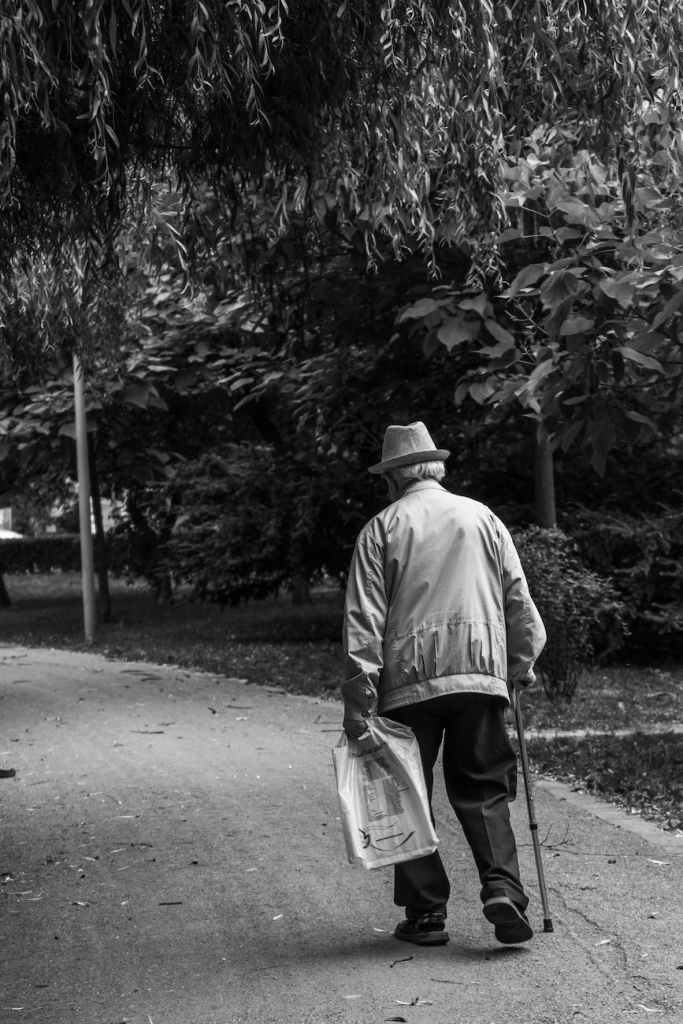
Furthermore, elderly politicians tend to talk about historical events that younger generations may not be as familiar with, making it difficult for them to connect with and understand the message being communicated. This lack of connection and understanding can result in a disinterest in politics and a lack of motivation to pursue a political career.
One of the biggest issues with elderly politicians is their unwillingness to embrace new ideas and or listen to the perspectives of younger individuals. These politicians have been in politics for a long time and tend to hold on to outdated views and opinions. As a result, they are not open to new perspectives and ideas, which can hinder the progress of their political parties. This can be seen in their reluctance to embrace modern technology and social media, which can be used as effective tools to reach younger voters.
In addition, elderly politicians often fail to engage with younger generations and acknowledge their unique needs and concerns. This can alienate the youth from politics, as they do not feel represented or heard. This lack of representation and inclusion can make it difficult for younger individuals tofeel motivated to pursue a political career, driving them away from political involvement altogether.
The most significant reason for this disconnect between the elderly politicians and the younger generation lies in the vast difference in life experiences, values, and priorities. As the world rapidly changes, the young have grown up in a very different social and political environment than their predecessors. Therefore, the solutions and policies to address current issues like climate change, social inequality, and technology must also evolve to meet this new reality.
Unfortunately, many elderly politicians seem to be unwilling to endorse new ideas and approaches to these challenges, instead of clinging steadfastly to outdated ways of thinking. This inherent resistance to change puts off young people, who crave fresh perspectives as a way to tackle these pressing problems.
Furthermore, young people currently make up the largest proportion of the voting population, and it will be their votes that will determine the political winds in the years to come. However, political parties risk alienating these crucial voters if they continue to field candidates who seem disconnected from the concerns of younger generations. This problem is particularly acute when it comes to elderly politicians, who can often appear out of touch with the lived experiences and priorities of younger voters. This is an issue not only for political parties but for our democracy as a whole, as we risk losing a generation of potential leaders who feel that politics is not a space where they can make a difference.
One of the primary reasons why younger individuals are turning away from politics is the lack of representation and engagement by elderly politicians. These politicians often seem disconnected from the challenges faced by younger voters, with their focus on issues from the past rather than on the present and future. Younger people feel that they cannot relate to these politicians, who may have a completely different worldview and set of priorities from their own.
This is a major problem for political parties, as younger voters are a crucial demographic that they need to engage with in order to be successful. By failing to offer candidates and policies that resonate with younger individuals,political parties risk losing relevance in the eyes of a large demographic. The reasons behind this phenomenon can be traced back to the prevalence of elderly politicians who have been in office for an extended period of time.
One of the main reasons why younger individuals are turned off from political careers is because they feel alienated by the older generation of politicians who dominate the political arena. These individuals tend to place a great deal of emphasis on events that took place decades ago, and are generally resistant to new ideas and perspectives. This type of environment can be incredibly unwelcoming to younger individuals who are looking for a more dynamic and forward-thinking political platform.
Furthermore, elderly politicians are often out of touch with the issues and challenges facing younger people today, such as student loan debt, the high cost of housing, and the evolving job market. In many cases, these politicians are simply unable or unwilling to understand and address these issues, which can make them seem out of touch and irrelevant to younger voters.
All of this can be attributed to the fact that elderly politicians are the biggest reason why younger individuals are turning away from a possible political career. The world is changing rapidly, and the young generation wants to be a part of that change, but they often feel alienated by the political structures and the individuals running them.





The aging demographic of politicians is not a new phenomenon. It has been observed in many countries globally, and various studies have indicated that this trend is continuing. While there is nothing wrong with having older individuals involved in politics, the problem arises when they become detached from the changing social norms and values of the younger generation.
As time passes, early memories become hazy, and sometimes, the issues that were prevalent in the past may not hold the same significance today. For example, an elderly politician who was a participant in the civil rights movement of the 1960s might still champion those causes but may not fully empathize with the challenges that the young face today. This can lead to a sense of disappointment and disillusionment with the political process, and ultimately, the decision to not pursue a career in politics.
The role of elderly politicians in the political process cannot be ignored. Their experience and wisdom play a vital role in shaping the policies and decisions that affect our country. However, the problem arises when they fail to connect with the younger generation. With an increasing number of younger individuals turning away from politics, it is essential to examine why this trend is occurring.







The first reason is the alienation of the young by the elderly politicians. These politicians often talk about policies and events that took place decades ago, which means very little to the younger generation. In addition, their reluctance to embrace new trends and ideas only compounds this issue. This leaves the younger generation feeling left out of the political process and disengaged from the political parties.
The second reason is the lack of opportunities for the young. The political process is often seen as a closed circle that is accessible only to the elite. The majority ofyoung individuals are increasingly becoming disengaged from politics. One of the reasons for this is the prevalence of elderly politicians who are not in tune with the times and the needs of the younger generation. This situation is not only a disservice to the young but also a potential disaster for political parties who depend on the energy, enthusiasm, and fresh perspectives of younger individuals.
One of the main reasons why young individuals are turning away from a possible political career is the lack of relatability with older politicians. When politicians are constantly talking about issues and events that took place decades ago, younger individuals find it difficult to relate. This lack of connection and understanding leads to a feeling of alienation between the young and the political class. The inability of older politicians to tackle current issues and come up with innovative solutions reinforces the notion held by younger individuals that old politicians are stuck in the past and have nothing to contribute in the present.
Furthermore, older politicians are often seen as being resistant to new ideas, which only serves to alienate younger generations even further from the political landscape. In an era where innovation and progress are highly sought after, young people want to be part of a political system that is willing to embrace change and actively seek out new and creative solutions to today’s problems. However, this is often not the case with elderly politicians, whose focus and ideas are often rooted in the past.
The fact is that younger individuals are the future, not only of politics, but of society as a whole. It is important for political parties to understand that their future success depends on winning over these young people and catering to their needs and beliefs. It is not enough to simply rely on older generations and their allegiances, as these will inevitably dwindle over time. In order to build a strong and sustainable political foundation, parties must be open to new and diverse perspectives and actively encourage young people to participate in the political process.
If political parties continue to focus solely on the interests and ideologies of older generations, they will ultimately lose the support and trust of the younger generation, which will lead to a decrease in their political influence. Elderly politicians have been around for quite some time and have been in politics for decades. They have amassed knowledge and experience which can be beneficial to the political system, but the problem is that they tend to focus on things that happened in the past and have a hard time understanding the current generation’s struggles.
As the world is changing rapidly, young people believe that most of these elderly politicians do not have an accurate perception of their current challenges. They are more interested in protecting their own interests than addressing the problems that this generation is facing. These older politicians seem to have a fixed mindset, making it hard for them to welcome new ideas and concepts brought forward by the young people.
Moreover, young people are looking for a political space where they can feel embraced and valued. However, with elderly politicians being at the forefront of most political activities, they feel alienated and disregarded. This feeling of alienation is primarily due to the presence of elderly politicians who dominate political parties. Younger individuals are turning away from a possible political career because they feel that they have nothing in common with their elderly counterparts.



Elderly politicians are not reluctant to talk about stuff that took place 50 or 60 Or 70 or 80 or 90 years ago.





They tend to wax nostalgic for what they call the ‘good old days,’ playing on past successes, their own experiences, and their interactions with other politicians from the same era. While it is fine to reminisce about the past, younger individuals often find the constant fixation on it to be both frustrating and alienating. But they all line up to get Donor Monies. They gonna Get Theirs.
The real problem, however, is not just the fixation on past events; it is the inability of elderly politicians to listen to new ideas or take a different approach. Younger people are always coming up with new ideas, new perspectives, and new ways of doing things. They want to explore new technologies, new policies, new treaties, and new laws. Unfortunately, mostelderly politicians are not able to connect with these aspirations of the younger generation, and this disconnect is causing a huge gap between the young and old in the political arena. In this essay, we will explore why elderly politicians are the biggest reason why younger individuals are turning away from a possible political career and why alienating the young will hurt political parties in the long run.
The age-old saying that “age is just a number” is not always true, especially in the world of politics. The reality is that many elderly politicians are no longer in tune with the changing times and the needs of the younger generation. These politicians often lack the energy, creativity, and innovative spirit that young people bring to the table. As a result, their conversations and agendas tend to focus on events and issues from the distant past, which young people find irrelevant and uninteresting.
Young people today are growing up in a fast-paced environment, where new technologies, policies, views and ideas are constantly emerging. They have access toa vast array of resources and information, which enables them to form their own opinions and beliefs on various political issues. However, despite this, younger individuals are turning away from a potential political career, leaving the field dominated by the elderly politicians. This trend can be attributed to a number of factors, but one of the primary reasons is the failure of elderly politicians to connect with younger individuals and understand their perspective on various political issues.
Elderly politicians often come from a different generation where the values, beliefs, and priorities were vastly different from the current generation. The elderly politicians are more often than not, seen as out of touch with the younger generation. Their connection to the present is limited, leaving them unable to relate to most of the present generation. This is evident from the way they discuss political issues, where they often reference events that took place 50 or 60 years ago, making it difficult for younger individuals to connect with them. This disconnection is detrimental to young individuals aspiring for a political career and to the political parties themselves.
It is no secret that many young individuals today feel disillusioned with the political process and the possibility of a political career. While there are many factors that contribute to this feeling, one of the most significant is the prevalence of elderly politicians who seem out of touch with the concerns and priorities of younger generations.
The problem with having a generation gap in politics is not just that it makes it harder for younger politicians to connect with older voters – it also alienates the young from the political process altogether. When younger individuals see elderly politicians constantly talking about issues and events that took place half a century ago, it’s easy to feel like there is nothing for them in the political process. This creates a vicious cycle where young people become disengaged from politics, which then only reinforces the stereotype that they are not interested in it.
The root of this problem lies in the fact that many elderly politicians are resistant to new ideas and perspectives. They have spent their entire careers thinking a certain way and doing things a certain way, and they are not willing to change their approach or consider alternative ideas or perspectives.
Unfortunately, this resistance to change and lack of openness to new ideas is a major turn-off for many younger individuals who are considering a career in politics. They see the current crop of elderly politicians as out-of-touch and unresponsive to the needs and concerns of the younger generation.
This alienation of younger individuals from politics is particularly concerning for political parties. In order to remain relevant and effective, political parties need to be able to reach out to and engage with younger voters. If they are unable to do so, they risk becoming increasingly irrelevant over time.
The primary reason why younger individuals are turning away from politics is because they feel like they have nothing in common with the current crop of elderly politicians. These politicians are always talking about things that took place 50 or 60 years ago, and they seem to have little understanding of the issues and concerns that are important to younger generations. This disconnect is becoming increasingly apparent as more and more young individuals shun the idea of a political career altogether, feeling that they have no place in a political landscape dominated by older politicians.
The lack of representation of younger voices in politics is a cause for concern, as it means that important issues that affect young people can be overlooked. This is especially true when elderly politicians seem to be out of touch with the realities of modern life. For example, older politicians may not fully grasp the importance of new technologies, social media, and the way they impact younger generations.
Another issue is that elderly politicians often seem inflexible and resistant to new ideas. They may be set in their ways and not willing to consider different approaches or perspectives. This attitude can be off-putting to younger individuals who are more open to change and experimentation. This is a significant detriment to political parties as they risk alienating young people – a valuable demographic that boasts a high percentage of eligible voters.









One way in which political parties can bolster their support among younger voters is by taking stock of the age demographics within their leadership ranks and making an effort to engage younger generations. Unfortunately, many elderly politicians are effectively driving away young people who may be considering a life in the political arena. In this essay, we will discuss the impact of elderly politicians on the alienation of young people from politics and the potential ramifications if political parties fail to address this issue.
Firstly, it is important to recognize that elderly politicians are often out of touch with the lives and needs of younger generations. They may have been in power during an era that is vastly different from the present day. As such, their priorities, experiences, and viewpoints can be vastly different from those of younger people. This gap creates a significant challenge for young aspiring politicians, who may feel that they simply do not have a place in politics.
Secondly, elderly politicians may be less receptive to new ideas, which can be a major turn off for younger individuals who are looking to enter the political arena. The world is changing rapidly, and the younger generation has a unique outlook on the world. They are more tech-savvy, environmentally conscious, and socially aware than ever before. However, the elderly politicians in power are often out of touch with these changes, and they fail to understand the concerns and needs of the younger generation.
One of the biggest reasons why younger individuals are turned off from a possible political career is the alienation they feel from the older politicians. It is a well-known fact that the elderly hold most of the positions of power in government, and they have a dominant say in the decision-making process. The problem is that these elderly politicians often live in the past, and their focus is on issues that took place 50 or 60 years ago. This is a major turn off for the younger generation, who feels that they have nothing in common with these politicians.
Furthermore, when younger individuals do try to voice their concerns and opinions, they are often dismissed or ignored by their older colleagues. This is a major problem, as it alienates younger people from the political process and makes them less likely to pursue a career in politics.
One of the biggest issues with elderly politicians is that they often focus on topics and events that took place many years ago. While it’s important to remember history and learn from it, younger people are more interested in solutions for current issues and future challenges. When they see politicians who are fixated on the past, they feel disconnected and disinterested in the political process.
Furthermore, many elderly politicians are resistant to new ideas and pushback from younger politicians. They may hold onto their traditional ways of thinking and resist change, even if new solutions could benefit their constituents. This resistance can be frustrating for young people who are trying to make a difference and enact positive change.
Overall, the alienation of younger individuals from the political process is concerning for political parties. As the elderly population continues to dominate politics, it’s important for politicians to consider how this is impacting the presence of younger individuals in political careers. One of the biggest reasons why younger individuals are turning away from politics is due to the prevalence of elderly politicians in leadership positions.
One of the main issues with elderly politicians is their tendency to talk about events that took place 50 or 60 years ago, which can make younger individuals feel alienated from the discussion. This is a problem because, in order for the younger generation to feel represented in politics, the politicians they’re looking up to should be able to relate to them.
Moreover, this is also a reflection of the elderly politicians’ resistance to new ideas. Young people tend to have innovative and different approaches to the problems of society that the elderly may not understand. The lack of willingness to listen to these new ideas hinders the creative potential of a younger generation and keeps traditional thinking in power.
This alienation can lead younger individuals to believe that politics is not the right career path for them. The constant references to historical events and lack of interest in new ideas put forth by younger individuals within the political field can be discouraging for those looking to enter the arena. This has led to a growing disconnect between young people and politics, which is not a good sign for political parties in the long run.
One major reason that younger individuals are discouraged from pursuing a political career is due to the age of the current politicians. The majority of politicians in many countries around the world are over 50 years old, with some even in their 70s and 80 and 90s. This creates a significant barrier for younger individuals who may not feel represented or understood by these older politicians. It can also lead to a generational gap, where the younger generation sees the older generation as being out of touch with current issues and events.
Old politicians around the World crush Opposing Views while ignoring these viewpoints. The World has more Unhappy people in it than we think.
Another issue is that many elderly politicians are set in their ways and are not receptive to new ideas. This leads to a sense of stagnation in the political landscape, where the same ideas are regurgitated time and time again without any real progress being made. This stagnation has caused many younger individuals to feel disillusioned by the prospect of a political career, and many are choosing other paths instead.
There are a number of reasons why elderly politicians are contributing to this trend. For one, they often seem to be out of touch with the concerns of younger generations. With many elderly politicians having grown up in a very different era, they may struggle to understand the priorities or challenges facing younger people today. This can make younger generations feel alienated and unheard, leading them to believe that they have nothing in common with the older generation of politicians.
Honestly, Old People do have an Old Person Smell. Why? Lack of Hygiene. Fewer Showers. Lack of Cleaning in homes. Odor than Older.
Another problem is that elderly politicians may be less receptive to new ideas and innovation. With many years of experience in the political arena, elderly politicians may be set in their ways and less open to change. This can lead to a sense of stagnation in the political landscape, where the same ideas are regurgitated time and time again without any real progress being made in recent years, the trend of younger individuals becoming less interested in pursuing a career in politics has become increasingly evident. One of the key reasons behind this trend is the presence of elderly politicians who dominate the political arena, often alienating younger individuals. These elderly politicians are often stuck in their ways, resistant to change, and their reluctance to listen to new ideas greatly contribute to young people feeling as though they have nothing in common with them.
The effects of alienating the youth can be catastrophic for political parties. With more and more young people disillusioned by the political process, political parties run the risk of losing potential bright young minds, needed to push the boundaries and come up with new and innovative ideas to tackle complex issues. This is particularly important at a time when the world is facing numerous challenges, ranging from climate change to international security threats.
It is no secret that elderly politicians tend to dwell on the past, often talking about issues that took place 50 or 60 years ago. While history isan important aspect of politics, young people are looking for contemporary and innovative solutions to modern-day problems. As a result, there has been a growing trend of younger individuals turning away from a possible political career, with statistics showing a serious decline in political engagement among younger generations.




Elderly politicians who are still in positions of power and decision-making are a significant reason for this trend. They represent a disconnect from the younger generation and their concerns. Young people feel excluded from the political process, as if their voices and ideas are not valued as much as those of the older generation.
The alienation of the young from politics is a problem that should be taken seriously by political parties. Young people are the future of any party, and if they are not on board, the party will suffer, and it will be challenging to cultivate the next generation of leaders.
Moreover, the elderly politicians’ unwillingness to listen to new ideas undermines the possibility of young people contributing to the political discourse. The young possess fresh perspectives and ideas that can help shape the future of politics. However, there is a growing sentiment among young individuals that a political career is no longer an appealing option. One of the biggest reasons for this is the predominance of elderly politicians who dominate political parties. In this essay, we will explore how elderly politicians are alienating the youth and why this could have negative consequences for political parties.
Elderly politicians have been a mainstay of politics for many years. There is no denying that they have made significant contributions to the political landscape. However, one of the problems with elderly politicians is the generation gap that exists between them and the younger generation. Many elderly politicians are still stuck in the past, and they often talk about events that took place many years ago. This can make the younger generation feel alienated and disconnected from political discourse.
Furthermore, elderly politicians are often set in their ways and reluctant to listen to new ideas. This can be frustrating for young people who have fresh perspectives and ideas that could help shape the future of our political landscape. However, the dominance of elderly politicians in the political arena has made many younger individuals reconsider pursuing a career in politics altogether. The reasons for this trend are numerous, but the most glaring issue is the alienation of the young people by the elderly politicians.
Young people today are progressive in their outlook with a broad range of opinions on key social, economic, and environmental issues. They are more progressive than the generation before them and are more open-minded to new ideas. Unfortunately, the narrow-mindedness of elderly politicians who hold on to their beliefs from the past and refuse to listen to new ideas is a major barrier to the involvement of young people in politics.
The youth are eager and enthusiastic about the possibilities for change that could be achieved through politics but they are often frustrated by the lack of space for fresh ideas. They believe that political parties need to focus on policies that address current issues that are relevant and timely to young people, such as climate change, JOB LOSS, affordable education and housing, and digital privacy, are crucial for driving political discussions and movements. However, elderly politicians who have been in power for decades continue to dominate the political scene, often ignoring the voices and concerns of younger generations.





The most significant reason why younger individuals are turning away from a possible political career is the alienation they feel from the political arena. When elderly politicians only talk about their experiences and policies from 50 or 60 or 70 or 80 years ago, younger generations feel as though their voices and ideas are not heard. The issues that matter to them, such as climate change, affordable education and housing, and digital privacy, don’t receive enough attention, let alone action. As a result, younger individuals feel as though their political aspirations do not align with those of their elders, and they become disillusioned with the entire system.
Moreover, the unwillingness of elderly politicians to listen to new ideas also plays a significant role in younger individuals’ disengagement from politics. When politicians are not open to new perspectivesThe elderly politicians who have been in office for decades hold a significant role in the disengagement of younger individuals from the political sphere. The younger generation seeks to bring new ideas to the table, but the conservative voices of the elderly politicians often suppress young voices. This attitude discourages young individuals from participating in politics and seeking a political career.
The alienation felt by the younger generation is a severe issue for political parties. Young individuals do not feel that they have anything in common with elderly politicians and cannot relate to the issues that they discuss. This disconnect makes it difficult for political parties to garner young support, which is becoming increasingly important in the modern political landscape. Political parties must strive to understand the young perspective and ensure that their policies align with young values and beliefs.









Elderly politicians’ reluctance to adapt and listen to new ideas plays a significant role in this alienation. As the world rapidly changes, younger individuals feel frustrated that traditional politicians continue to push outdated policies and concepts. Young people seek diversity and new perspectives, and they often find themselves at odds with the older generation of politicians. Unfortunately, this disconnect between the young and the old is driving many young people away from pursuing a career in politics.
Elderly politicians are the biggest reason why younger individuals are turning away from a possible political career. Young people seek leaders who understand their problems, needs, and aspirations. However, most older politicians belong to a different era, and they can often be out of touch with the current political climate and cultural trends. The elderly generation of politicians continue to rely on their traditional ways of thinking, and they don’t always welcome fresh ideas and perspectives from young people.
The failure of elderly politicians to connect with the younger generation is alienating young people from politics. Younger people often feel disconnected from the political discourse, as they don’t feel like they have anything in common with the older generation. Many elderly politicians continue to talk about the past, about significant events that took place 50 or 60 or 70 or 80 years ago. Doesn’t this upset you? A Dark Hole is now developing right into the future of Both Political Parties. And let’s seek other Issues facing young Politicians-
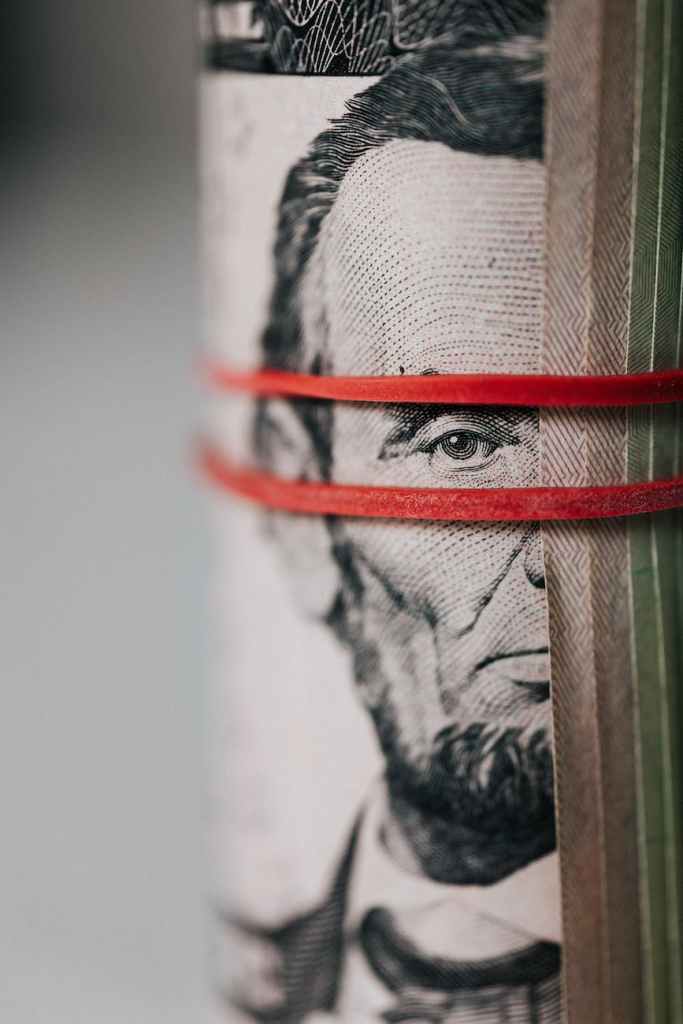








However, hypothetically speaking, there could be several reasons why big donors may be reluctant to support young politicians.
Firstly, young politicians may be less experienced and may not have a proven track record of accomplishments or political efficacy. This may make big donors hesitant to invest in them, as they may view them as a risky investment.
Secondly, young politicians may have less developed political networks and relationships, which can greatly influence their chances of success. Big donors may prefer to invest their money in established politicians who have strong ties to key political players and interest groups.
Finally, young politicians may be seen as less reliable, as they may have a greater tendency to pivot on their political beliefs or agendas. Big donors may be wary of supporting politicians who could change their stance on key issues, as this could potentially damage the donor’s reputation or interests.









Overall, the reasons why big donors might be hesitant to support young politicians could vary, but some possible reasons may include:
- Lack of political experience: Young politicians may have limited or no experience in politics, which could make them untested or unproven in the eyes of big donors. Donors may prefer to support established politicians who have a track record of successfully navigating the political landscape and achieving results.
- Uncertainty about political ideology: Young politicians may be perceived as having more progressive or radical political views, which could cause concern for donors who have vested interests in maintaining the status quo or promoting more conservative policies.
- Fear of negative public perception: Supporting a young politician who is relatively unknown, untested or inexperienced could be perceived as a risky move, especially if the politician has controversial or unpopular views. Donors may be hesitant to associate themselves with someone who has a high potential for negative publicity.
- Lack of connection to established networks: Young politicians may not have an established network of political connections or supporters, which can make it difficult for them to build momentum and gain traction in a political campaign. This lack of support can make it less appealing for big donors to invest in their campaigns.
And just plain old Lack of Experience: Young politicians may also lack the experience and track record necessary to convince big donors that they are a good investment. Donors may prefer to support candidates who have a proven track record of success or a demonstrated ability to navigate the complexities of politics.


Political polarization: In today’s polarized political climate, big donors may be hesitant to support young politicians who have not yet established a clear political identity or who have not yet developed a strong enough base of supporters. Donors may fear that supporting a young politician could be risky, particularly if they are seen as too radical or controversial Or competition with established candidates: Young politicians may also face stiff competition from more established candidates who have deep pockets and a stronger political network. Big donors may prefer to invest their money in candidates who are more likely to winand have a track record of success. Young politicians, especially those who are new to the political arena, may not have established a reputation or proven their competence in serving their constituents. Donors may also see young politicians as lacking the experience and connections needed to effectively navigate the political landscape and push their agenda forward.





In addition, some big donors may have particular political or ideological leanings and may be hesitant to support young politicians who do not align with their beliefs or values. They may prioritize supporting candidates who have already proven themselves to be allies or champions of their causes.
It’s important to note that not all big donors will refuse to support young politicians, and many organizations and individuals actively seek to uplift and support younger voices in the political sphere. However, the challenges and biases faced by young politicians when it comes to fundraising and securing financial support are certainly real and can pose a significant obstacle to their success.
A lot of Big Donors already control. They have a Great Fear of the Young.
 thelivingbreathingjamesbrown.com
You must be logged in to post a comment.