
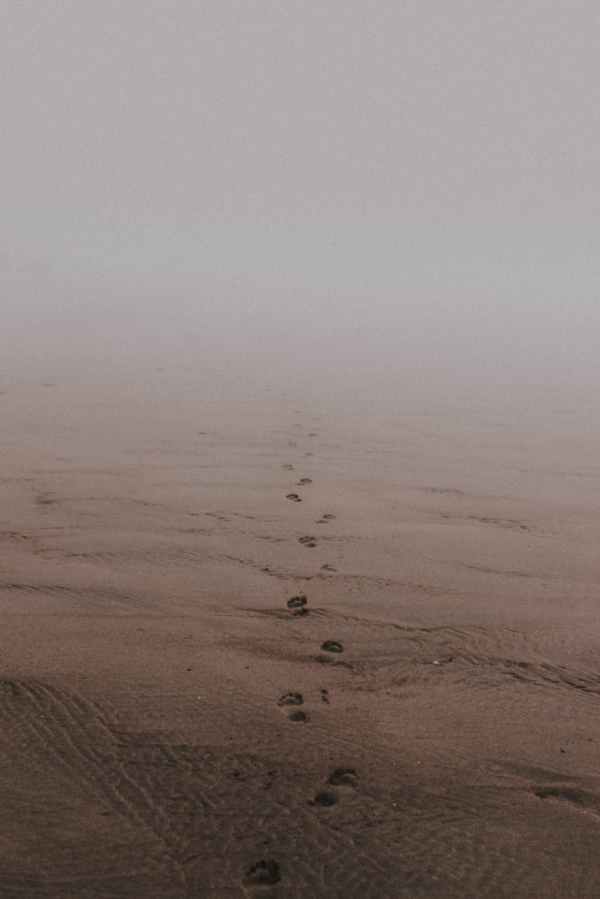
This summary of an Article I read is about as big an eye opener as it gets. And I know! Climate Warming is about as educationally and as understandable as Nuclear Fission is. And many say it’s all Overrated. Holy What? It’s freaking impossible to get a real grasp on what all of it means. It’s way far more confusing than we think. But, it’s about as alarming as it gets as well.
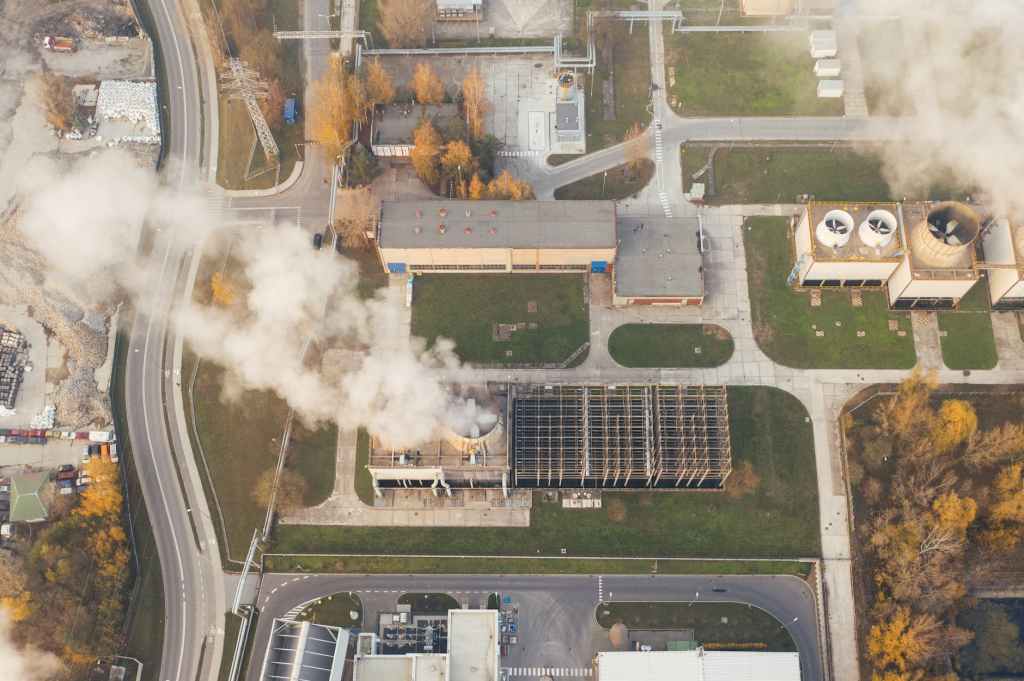
We keep getting more and more Warnings! Folks, we could be living indoors quicker than we ever thought. Why? Let’s Face it, Have we screwed up this planet we live on? Or are we screwing it up? And can we fix it? Really fix it? The War in Ukraine is adding to all of this by the weather belt that is absorbing all of the microns from deadly weapons exploding that Russia is using. Weapons BANNED because they are known to destroy our Atmosphere. But is anyone listening? Apparently not the right people. Millions don’t believe any of this crap. They are convinced all of Climate Warming is just one big Fat Democrat Manufactured line of BS. And Texas and the big Fat Cigar Smoking Oil Barons are not gonna see their Oil Monies cut down in any way. They’ll boost Petroleum Fossil Fuel Usage until it craps out of our Ears and flows out our nostrils. We breathe the Heck out of petroleum fumes and emissions here in Texas with all of our Refineries. For every Article about Climate Warning that comes out, Two are put out on Social Media drumming up the Opposite-Calling it Manufactured Lies! But have you NOTICED some changes in the weather where you live?


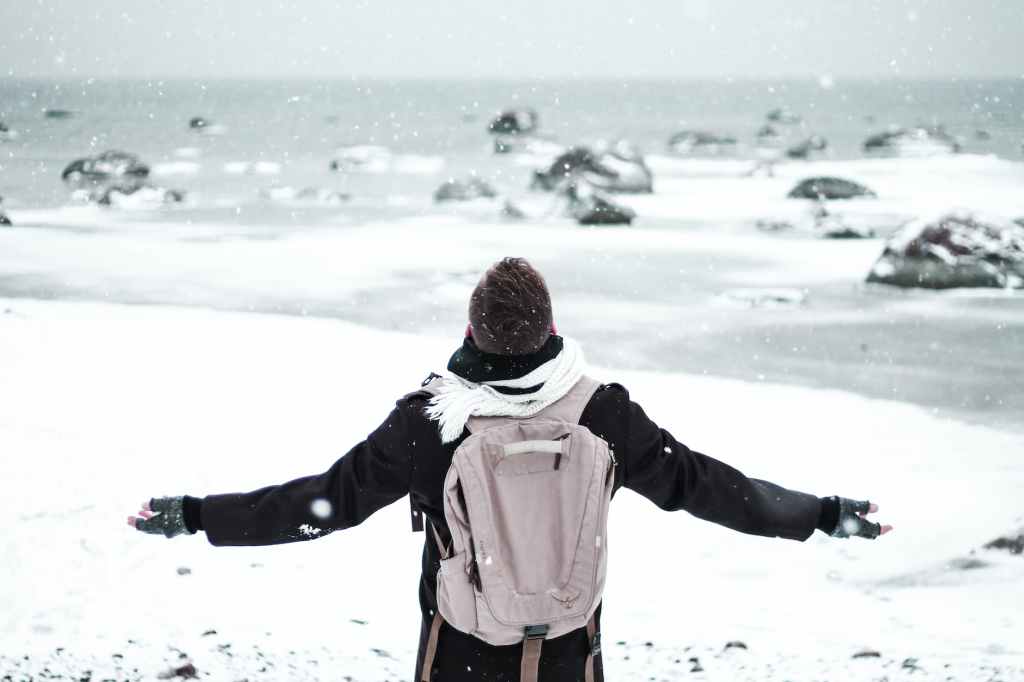
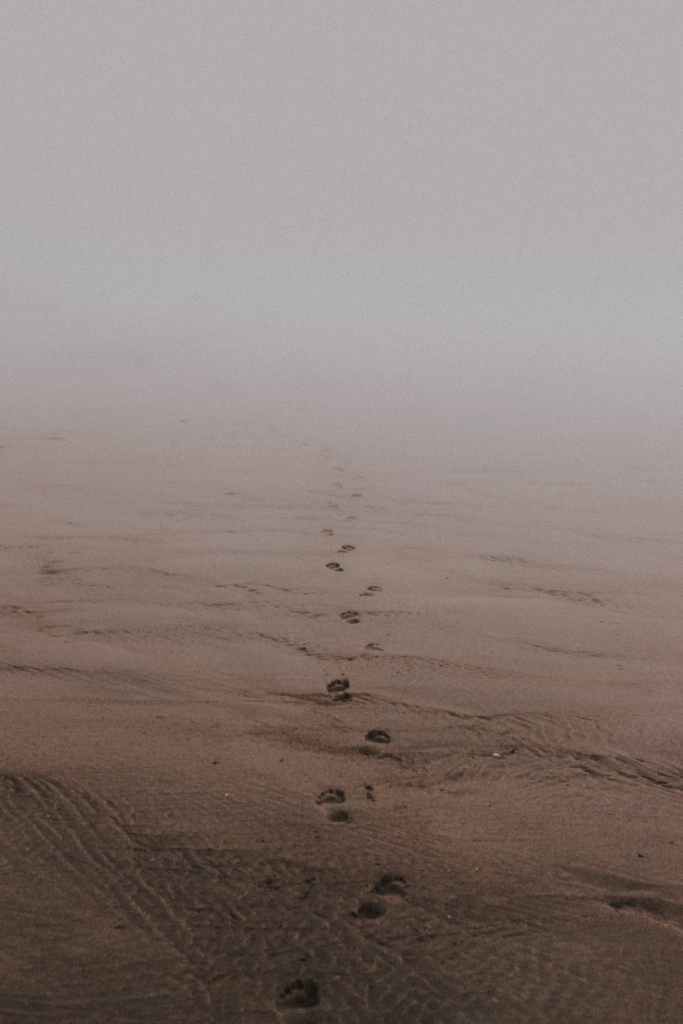
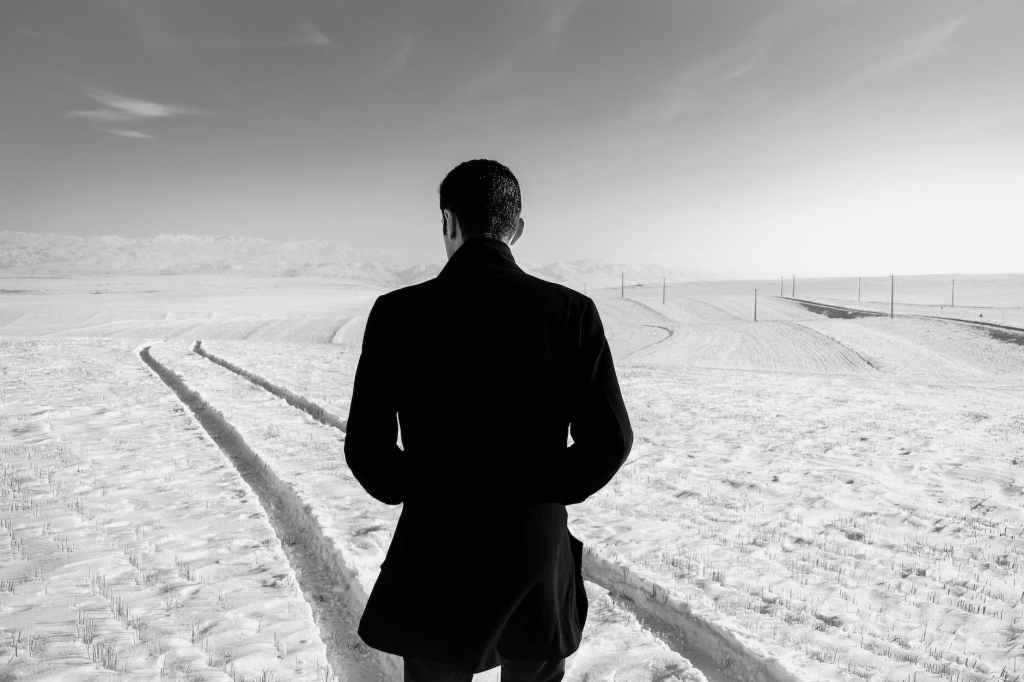
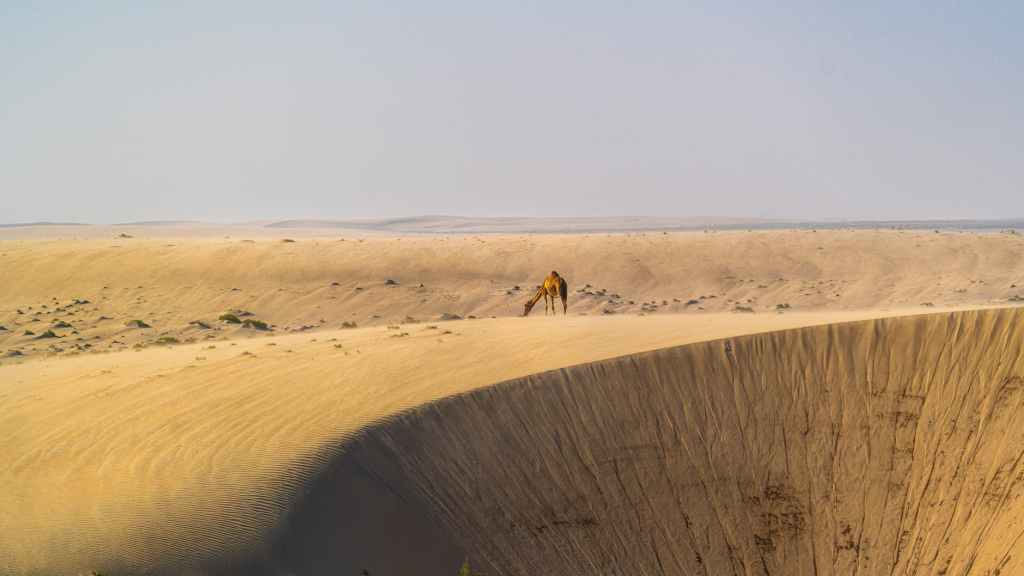
Will this be what the Last living Human Being will leave as a Reminder to who? Just one lat person’s foot prints? Mother Earth, thank you, we had a Good Run?
It’s like telling a kid not to play with Matches or you’ll get burned. And they get burned every time. But here. Everyone is gonna get Burned or Puk when Bad stuff shoots right into us because our Atmosphere can’t protect us any longer. Or the extinctions come more rapidly. Which Bird? Fish? Tree? Plants?
And no one wants to feel stupid. Or less smart. So, below is the Article and then the Summary. I hope we can get the same message together and not run calling it more poppycock.

https://www.sciencealert.com/odds-are-earth-will-cross-a-crucial-temperature-threshold-within-five-years.

Title: Earth on the Brink of 1.5°C Warming: What You Need to Know
Introduction
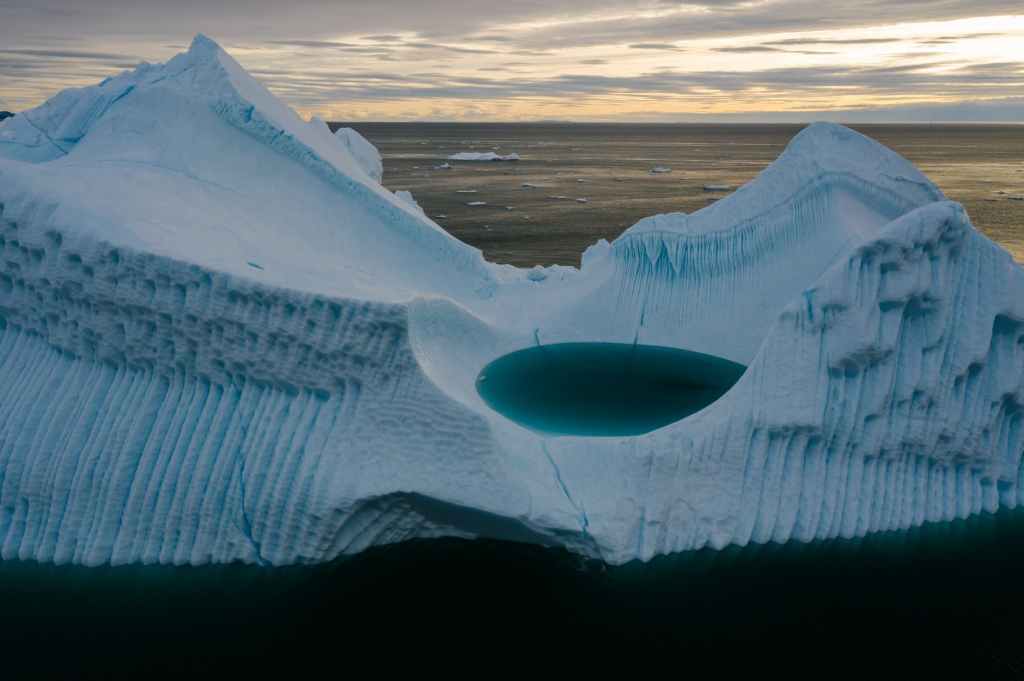
The Earth is on the brink of crossing a crucial temperature threshold. The World Meteorological Organization (WMO) has warned that there is a 66% chance that at least one year in the next five will be over 1.5°C warmer than pre-industrial levels. This would be a major milestone, as 1.5°C is the upper limit of warming that scientists say is safe for the planet.
What is 1.5°C Warming?
1.5°C warming is a global average temperature increase. It means that the average temperature of the Earth’s atmosphere and oceans will be 1.5°C warmer than they were in the late 19th century.
Why is 1.5°C Warming Important?
1.5°C warming is important because it is the threshold at which scientists say the effects of climate change will become more severe. These effects include more extreme weather events, such as heat waves, droughts, floods, and wildfires; rising sea levels; and changes in agricultural yields.
What is Driving 1.5°C Warming?
The main driver of 1.5°C warming is human activity. Greenhouse gases, such as carbon dioxide and methane, trap heat in the atmosphere, causing the Earth to warm. These gases are released into the atmosphere from a variety of sources, including burning fossil fuels, deforestation, and agriculture.
What Can We Do to Stop 1.5°C Warming?
The only way to stop 1.5°C warming is to reduce greenhouse gas emissions. This can be done by switching to renewable energy sources, improving energy efficiency, and reducing deforestation.
Conclusion
The Earth is on the brink of crossing a crucial temperature threshold. If we do not take action to reduce greenhouse gas emissions, we will reach 1.5°C warming within the next five years. This will have devastating consequences for the planet and its people. We must act now to prevent 1.5°C warming from becoming a reality.
Additional Information
- The WMO report is based on the latest scientific evidence.
- The report warns that even if we reach 1.5°C warming, it is not too late to take action to limit the worst effects of climate change.
- There are a number of things that we can do to reduce greenhouse gas emissions, such as switching to renewable energy sources, improving energy efficiency, and reducing deforestation.
- We must act now to prevent 1.5°C warming from becoming a reality.
Still confused? Me too. Here. This might help us understand-
The warning from the WMO indicates that the Earth’s temperature is increasing and there is a significant possibility of exceeding the safe limit of temperature that scientists have designated as ‘safe’ for the planet. This could mean negative consequences for the environment, ecosystems, and human activities that depend on the health of the planet. It is reasonable to be concerned about the potential outcomes of increasing temperatures, but the focus should also be on taking proactive measures to reduce the impact of human activities on the environment. Additionally, it’s important to note that climate change is a complex issue and there are many factors that contribute to it. It requires a collective effort from individuals, organizations, and governments to address the issue and make changes to reduce our impact on the environment. There are also many resources available for learning more about climate change and ways to take action, such as reducing carbon emissions, supporting environmentally-friendly policies, and using renewable energy sources.
Climate change is a long-term change in the average weather patterns that have come to define Earth’s local, regional and global climates. These changes have a broad range of observed effects that are synonymous with the term. Climate change is a significant and lasting change in the statistical distribution of weather patterns over periods ranging from decades to millions of years. It may be a change in average weather conditions, or in the distribution of weather around the average conditions (i.e., more or fewer extreme weather events). Climate change is caused by factors that include oceanic processes (such as oceanic circulation), variations in solar radiation received by Earth, plate tectonics and volcanic eruptions, and human-induced alterations of the natural world; these latter effects are currently causing global warming, and “climate change” is often used to describe human-specific impacts.
The Earth’s climate has changed throughout history. There have been ice ages, when the Earth was covered in glaciers, and there have been periods when the Earth was much warmer than it is today. The current warming trend is different from previous climate changes in that it is caused by human activities, such as burning fossil fuels.
Human activities are releasing greenhouse gases into the atmosphere, which trap heat and cause the Earth to warm. Greenhouse gases include carbon dioxide, methane, and nitrous oxide. These gases are released into the atmosphere from a variety of sources, including burning fossil fuels, deforestation, and agriculture.
The effects of climate change are already being felt around the world. These effects include more extreme weather events, such as heat waves, droughts, floods, and wildfires; rising sea levels; and changes in agricultural yields.
There are a number of things that we can do to reduce greenhouse gas emissions and slow climate change. These include switching to renewable energy sources, improving energy efficiency, and reducing deforestation. We can also support environmentally-friendly policies and use renewable energy sources.
If we do not take action to reduce greenhouse gas emissions, we will continue to see the effects of climate change become more severe. These effects will have a devastating impact on the planet and its people. We must act now to prevent climate change from becoming a catastrophe.
Here are some of the things that can help:
- Individuals can make changes in their own lives, such as driving less, using less energy, and eating less meat.
- Organizations can make changes to their operations, such as investing in renewable energy and improving energy efficiency.
- Governments can enact policies that reduce greenhouse gas emissions, such as a carbon tax or cap-and-trade system.
We all have a role to play in addressing climate change. By working together, we can make a difference.
Sources
- ecepiqw.refugees-backnang.info/0
- en.wikipedia.org/wiki/History_of_climate_change_science
- fdocuments.in/document/dav-public-school-climate-change2.html
thumb_upthumb_downuploadGoogle itmore_vert
Search related topics
search 1.5°C warmingsearch What will happen at 1.5 degrees of warming?search What is 1.5 C warming limit?
Well, this is still a whole lot to digest. And I know, seems like it’s happening and it sure feels like certain folks aren’t taking any of it seriously. And I don’t think anyone is gonna find any money in Heaven. But we’re all gonna Die.
And I’d always hoped I would be part of the Generation that helped turn it all around. But looks like mine mostly added to the Issue. But, maybe yours will get it right before it’s too late. I hope someone does…don’t you too?





The destruction of rainforests has caused a number of problems, including:
- Loss of biodiversity: Rainforests are home to a vast array of plant and animal species, many of which are found nowhere else on Earth. When rainforests are destroyed, these species are lost.
- Increased greenhouse gas emissions: Rainforests play an important role in absorbing carbon dioxide from the atmosphere. When rainforests are destroyed, this carbon dioxide is released back into the atmosphere, contributing to climate change.
- Watershed degradation: Rainforests help to regulate rainfall and prevent flooding. When rainforests are destroyed, this can lead to flooding, droughts, and other water-related problems.
- Soil erosion: Rainforest soils are often very thin and nutrient-poor. When rainforests are destroyed, the soil is easily eroded, which can lead to landslides and other problems.
- Loss of livelihoods: Many people depend on rainforests for their livelihoods. When rainforests are destroyed, these people can lose their jobs and their homes.
The destruction of rainforests is a serious problem that has a number of negative consequences. It is important to take steps to protect rainforests and the species that depend on them.
Here are some things that we can do to help:
- Reduce our consumption of rainforest products: This includes products such as beef, palm oil, and timber.
- Support sustainable rainforest management practices: This includes practices such as shade-grown coffee and agroforestry.
- Advocate for policies that protect rainforests: This includes policies such as REDD+ and Forest Stewardship Council (FSC) certification.
By taking these steps, we can help to protect rainforests and the species that depend on them.
It’s all things all at once, isn’t it? Feels crushing, doesn’t it?
 thelivingbreathingjamesbrown.com
You must be logged in to post a comment.