
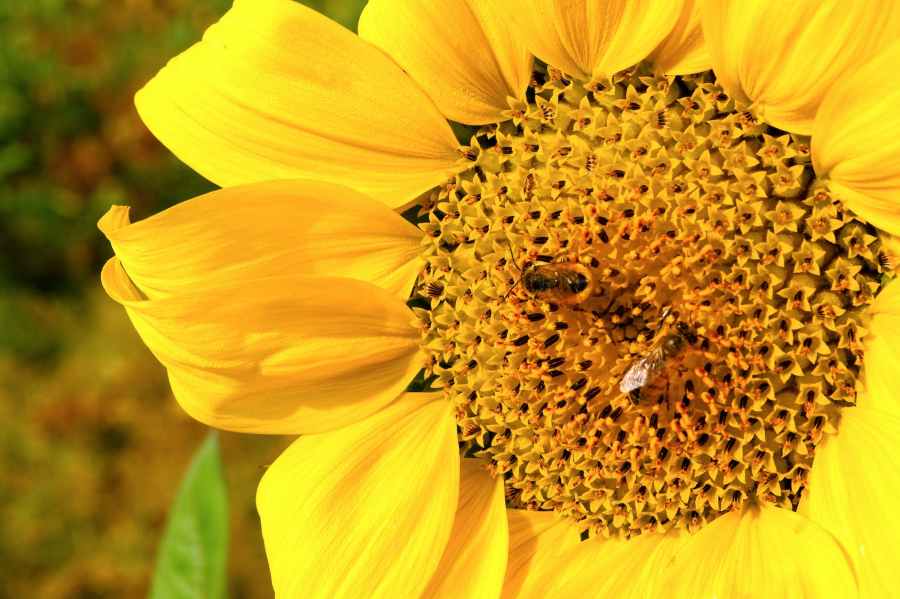
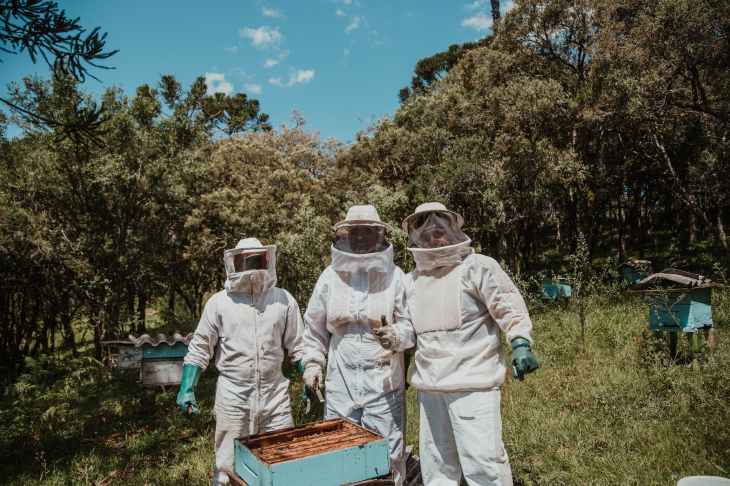
There is a continuing Battle, A WAR, going on in America. It’s the “Survival of the Honey Bee and Mankind War”
And yearly, An alarming number of honey bee deaths each year is reason for the greatest of concerns. Without them, Mankind will perish. Dead Honey Bees translates to less food on our Tables. Less Foods and Fruits in the Stores. All because of the way we sit back and don’t engage in Helping these New Keepers. But is it because we are not truly made aware if this Problem? This Issue?
But what is killing these little insects?
The main causes of honey bee deaths are:
- Colony collapse disorder (CCD) is a mysterious condition that causes honey bees to abandon their hives. The bees simply disappear, leaving behind their queen, food, and brood. The exact cause of CCD is unknown, but it is thought to be a combination of factors, including:
- Pesticides. Some pesticides can be harmful to bees, and exposure to these chemicals can weaken the bees and make them more susceptible to disease.
- Pathogens. Bees can be infected with a number of pathogens, including viruses, bacteria, and fungi. These pathogens can weaken the bees and make them more susceptible to death.
- Nutrient deficiency. Bees need a variety of nutrients to stay healthy, and a deficiency in any one nutrient can weaken the bees and make them more susceptible to death.
- Varroa mites. Varroa mites are tiny parasites that feed on the blood of honey bees. These mites can weaken the bees and make them more susceptible to disease.
- Climate change. Climate change is causing changes in the environment that can be harmful to bees. For example, climate change can lead to more extreme weather events, which can damage beehives and kill bees.
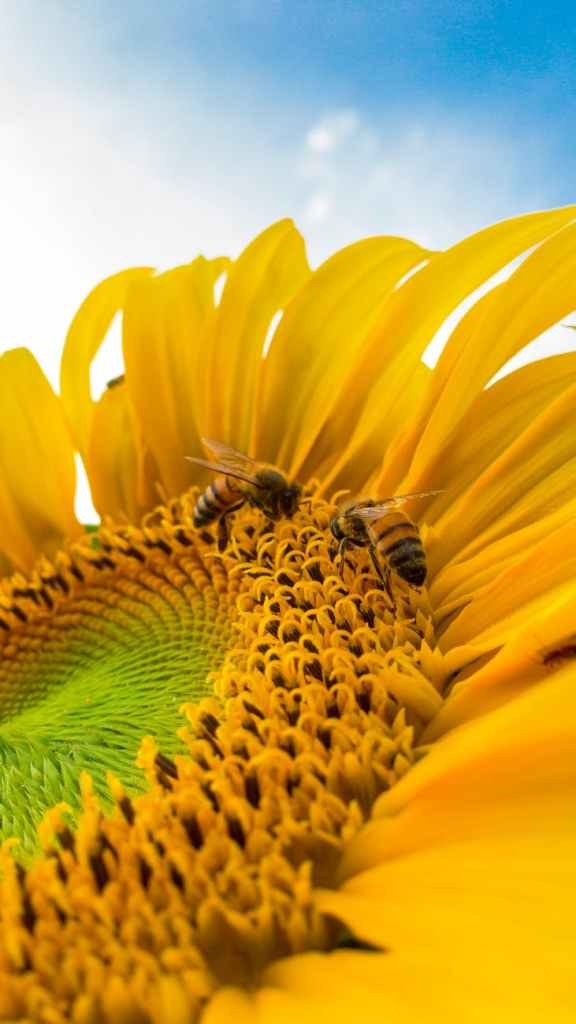
Honey bees are able to replace the colonies they have lost by:
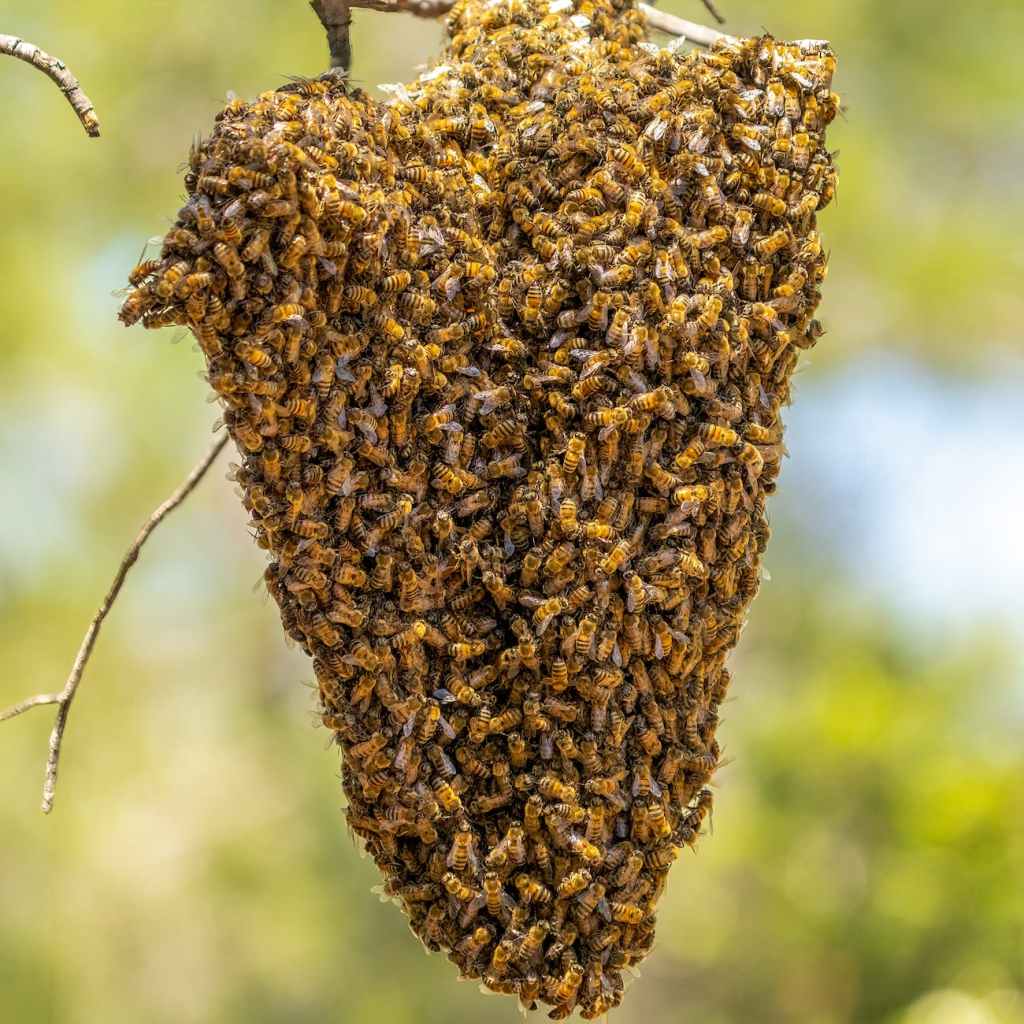
- Swarming. When a honey bee hive becomes too crowded, the bees will swarm and form a new colony. This is a natural way for honey bees to reproduce and expand their population.
- Artificial insemination. Beekeepers can artificially inseminate queen bees to produce new colonies. This is a more controlled way to produce new colonies, and it can help to ensure that the new colonies are healthy and productive.
The alarming number of honey bee deaths is a serious problem, and it is important to find ways to protect these important insects. There are a number of things that can be done to help honey bees, including:
- Reduce the use of pesticides. Pesticides can be harmful to honey bees, so it is important to reduce the use of these chemicals.
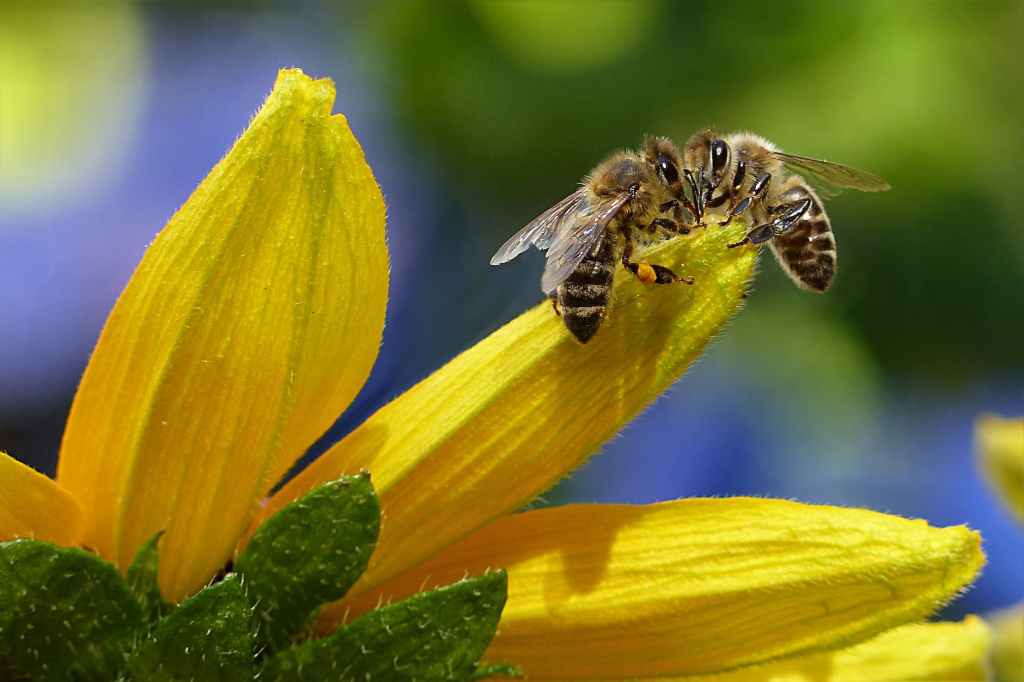
- Plant bee-friendly flowers. Bees need flowers to get the nectar and pollen they need to survive. Planting bee-friendly flowers can help to provide food for bees and attract them to your yard.
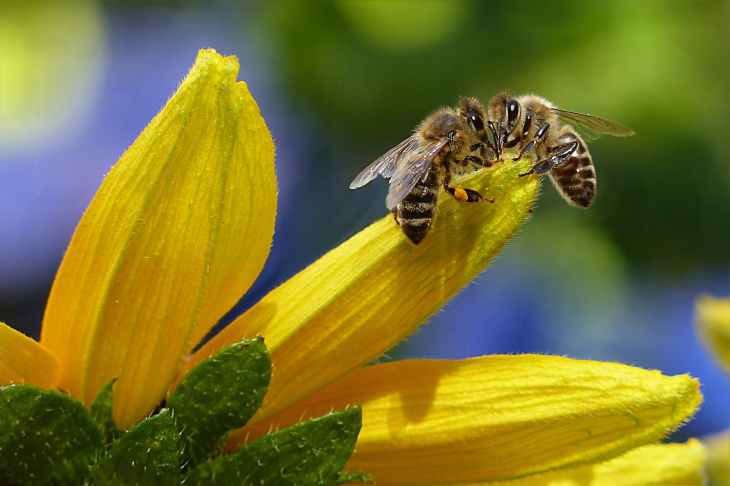
Here are a few ways that new honey bee colonies are being created. One way is through swarming. When a honey bee hive becomes too crowded, the bees will swarm and form a new colony. The old queen bee will leave the hive with about half of the worker bees, and the remaining bees will raise a new queen.
Another way to create new honey bee colonies is through artificial insemination. Beekeepers can artificially inseminate queen bees to produce new colonies. This is a more controlled way to produce new colonies, and it can help to ensure that the new colonies are healthy and productive.
Finally, new honey bee colonies can also be created through splits. This is when a beekeeper divides an existing colony into two colonies. The beekeeper will select a frame of brood and a frame of honey from the existing colony, and then place these frames in a new hive. The bees will then raise a new queen, and the new colony will be established.
All of these methods of creating new honey bee colonies are important for the long-term survival of honey bees. By creating new colonies, beekeepers can help to ensure that there are healthy and productive honey bee populations in the future.
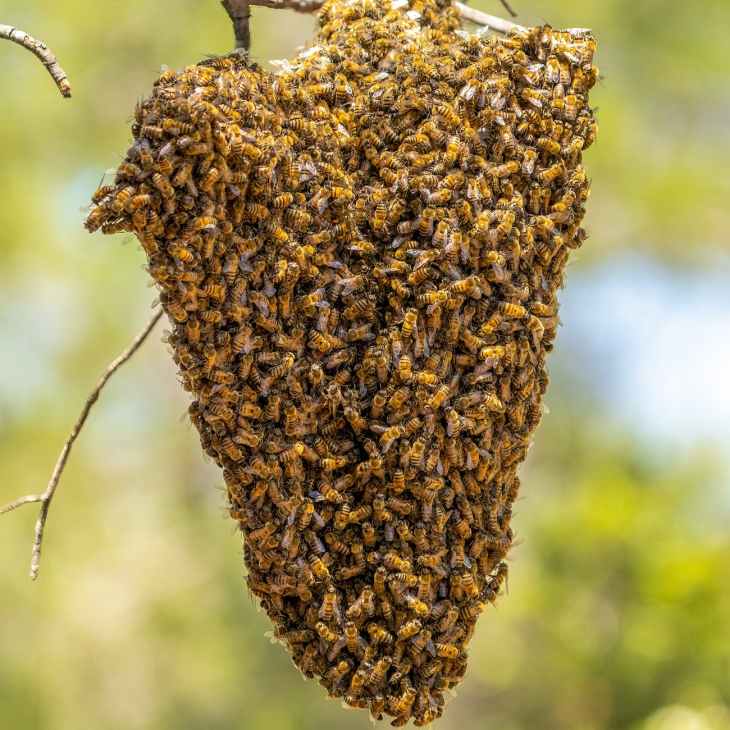
Here are some additional details about each of these methods:
- Swarming is a natural process that honey bees use to reproduce. When a hive becomes too crowded, the queen bee will leave the hive with about half of the worker bees. The remaining bees will raise a new queen, and the old queen will lead the swarm to a new location.
- Artificial insemination is a more controlled way to produce new honey bee colonies. Beekeepers can artificially inseminate queen bees with semen from a selected drone. This ensures that the new queen will be fertile and that the new colony will be genetically diverse.
- Splits are a way to create new honey bee colonies from an existing colony. A beekeeper will select a frame of brood and a frame of honey from the existing colony, and then place these frames in a new hive. The bees will then raise a new queen, and the new colony will be established.
All of these methods of creating new honey bee colonies are important for the long-term survival of honey bees. By creating new colonies, beekeepers can help to ensure that there are healthy and productive honey bee populations in the future.
SUPPORT BEEKEEPERS!
- Support beekeepers. Beekeepers are an important part of the solution to the honey bee crisis. By supporting beekeepers, you can help to ensure that there are healthy honey bee colonies in your community.
- All of us can help!
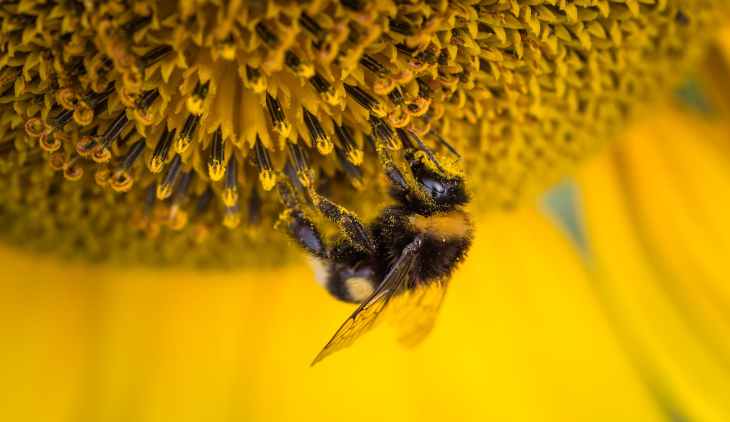
Congress has helped in a few ways to help prevent the deaths of honey bees.
- In 2006, Congress passed the Food, Conservation, and Energy Act, which included a provision that required the Environmental Protection Agency (EPA) to study the impact of pesticides on honey bees. The EPA’s study found that some pesticides were harmful to honey bees, and the agency took steps to reduce the use of these chemicals.
- In 2014, Congress passed the Pollinator Protection Act, which required the EPA to develop a plan to protect pollinators, including honey bees. The EPA’s plan includes a number of measures to reduce the use of pesticides that are harmful to pollinators, and to promote the planting of bee-friendly flowers.
- In 2015, Congress passed the Save Our Pollinators Act, which provided funding for research on pollinator health and for programs to help beekeepers.
These are just a few of the ways that Congress has helped to prevent the deaths of honey bees. However, there is still more that needs to be done to protect these important insects.
Here are some other things that Congress could do to help honey bees:
- Pass a law that bans the use of neonicotinoids, a class of pesticides that are particularly harmful to honey bees.
- Provide more funding for research on pollinator health.
- Encourage the planting of bee-friendly flowers in public spaces.
- Support beekeepers and other organizations that are working to protect honey bees.
By taking these steps, Congress can help to ensure that honey bees are around for future generations.
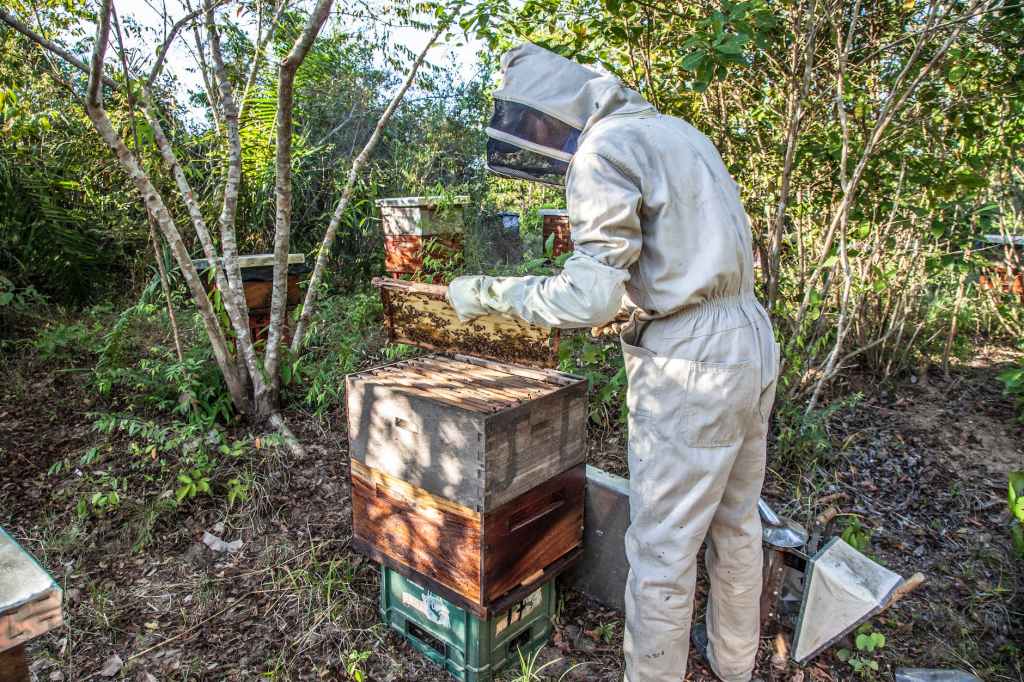
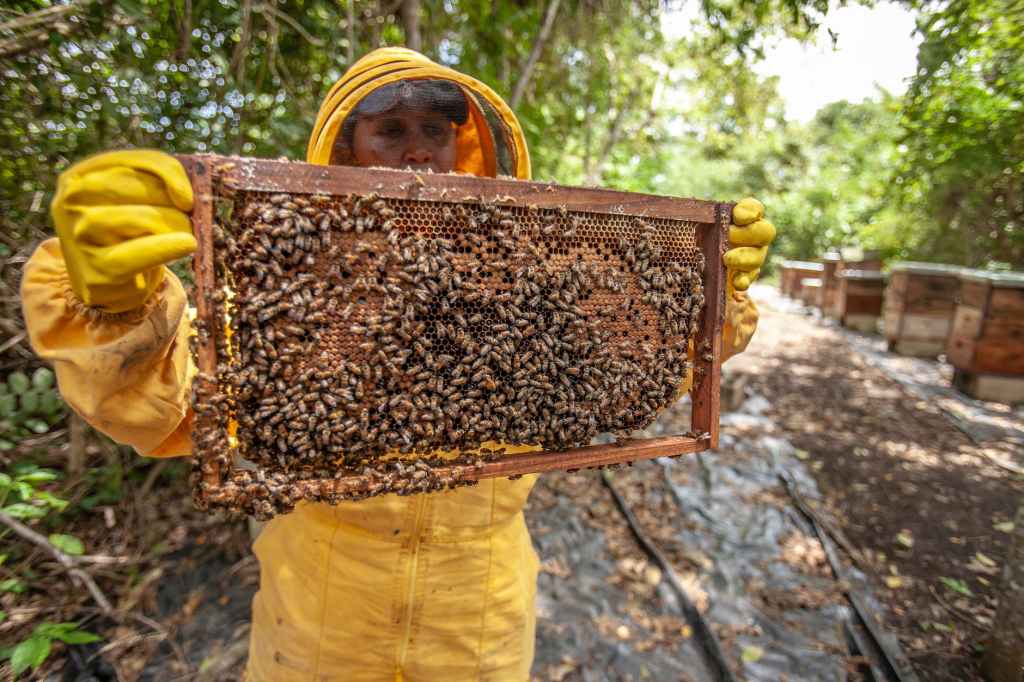
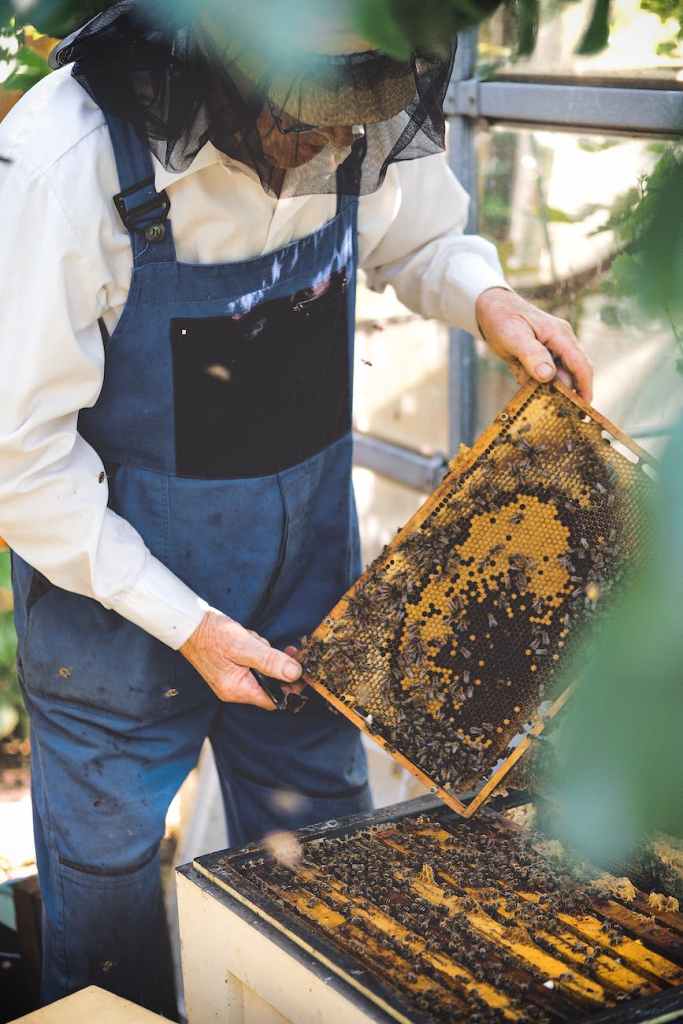
Can you and I help? Really Help?
Honey bees are essential to our food system, and their decline is a serious threat to our environment and economy.
There are a few things that you and I can do to raise awareness about the honey bee crisis:
- Talk to your friends, family, and neighbors about the importance of honey bees.
- Share articles and information about honey bees on social media.
- Contact your elected officials and urge them to support policies that protect honey bees.
- Volunteer your time to a beekeeping organization or other group that is working to protect honey bees.
- Plant bee-friendly flowers in your yard or garden.
By taking these steps, we can help to raise awareness about the honey bee crisis and make a difference for these important insects.
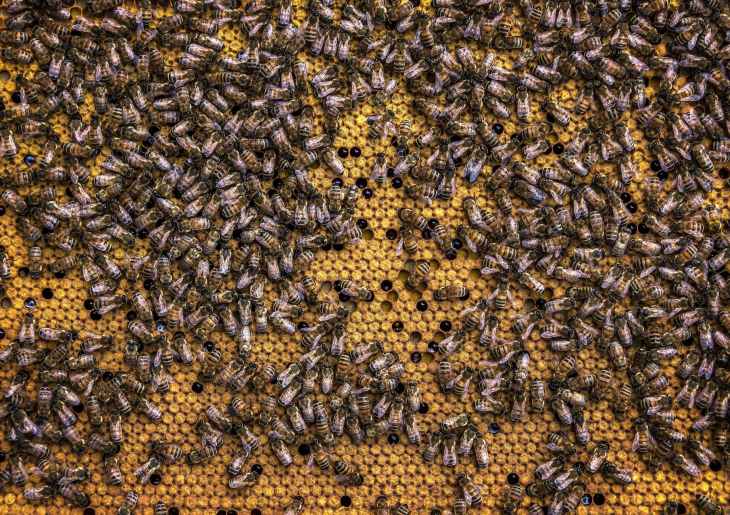
Here are some additional ways that you can help:
- Buy honey from local beekeepers. This will help to support the beekeeping industry and ensure that honey bees have a place to live.
- Avoid using pesticides in your yard or garden. Pesticides can be harmful to honey bees, so it is important to use them sparingly or not at all.
- Support businesses that are committed to protecting honey bees. There are a number of businesses that are working to make their operations more bee-friendly. By supporting these businesses, you can help to create a more sustainable future for honey bees.
Every little bit helps, so please do what you can to raise awareness about the honey bee crisis. Together, we can make a difference for these important insects.
Has Texas helped?
Texas Legislature has done a few things to help save bees and help beekeepers.
- Senate Bill 2427 was introduced in 2023 by Senator Judith Zaffirini. This bill would amend the state’s tax code, making it easier for land used for beekeeping and wildlife management to qualify for property tax breaks already provided for agricultural land.
- House Bill 520 was introduced in 2023 by Representative Michelle Beckley. This bill would require utilities that disturb the right-of-way of a Texas state highway while constructing or maintaining a utility facility to plant native pollinator-friendly seed.
- The Texas Beekeepers Association has been working with the legislature to pass legislation that would help beekeepers. The association has also been working to raise awareness about the importance of honey bees and the threats they face.
These are just a few of the things that the Texas Legislature has done to help save bees and help beekeepers. There is still more that needs to be done, but these are a good start.
Here are some other things that the Texas Legislature could do to help honey bees:
- Pass a law that bans the use of neonicotinoids, a class of pesticides that are particularly harmful to honey bees.
- Provide more funding for research on pollinator health.
- Encourage the planting of bee-friendly flowers in public spaces.
- Support beekeepers and other organizations that are working to protect honey bees.
By taking these steps, the Texas Legislature can help to ensure that honey bees are around for future generations.
Sources
- www.dallasobserver.com/news/sen-judith-zaffirinis-senate-bill-2427-aims-to-save-texas-bee-populations-encourages-native-plants-16202096
- www.michellebeckley.com/save-texas-pollinators
thumb_upthumb_downuploadGoogle itmore_vert
Search related topics
search Texas Legislators done anything to help save bees or help beekeeperssearch How can I help bees in Texas?search What is done to save the bees?
According to a 2020 report by the National Conference of State Legislatures, California has been the most proactive state in beekeeping legislation. The state has passed a number of laws in recent years that are designed to protect honey bees and promote beekeeping.
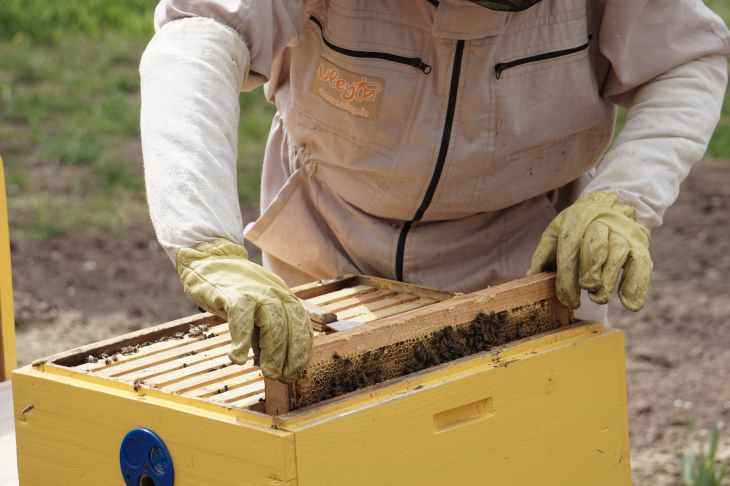
Some of the key provisions of California’s beekeeping legislation include:
- A ban on the use of neonicotinoids, a class of pesticides that are particularly harmful to honey bees.
- A requirement that all new homes be built with bee-friendly features, such as native plants and nesting boxes.
- A grant program to help beekeepers purchase new equipment and improve their apiaries.
California’s beekeeping legislation has been praised by beekeepers and environmental groups. The state’s efforts to protect honey bees are seen as a model for other states to follow.
Other states that have been proactive in beekeeping legislation include:
- Oregon
- Washington
- Vermont
- Maine
- New York
These states have all passed laws that are designed to protect honey bees and promote beekeeping. The specific provisions of these laws vary from state to state, but they all reflect a commitment to protecting these important insects.
It is important to note that there is no single state that has been the most proactive in beekeeping legislation. However, California has been at the forefront of this effort, and its laws have been praised by beekeepers and environmental groups. Other states are also taking steps to protect honey bees, and it is likely that we will see more beekeeping legislation in the years to come.



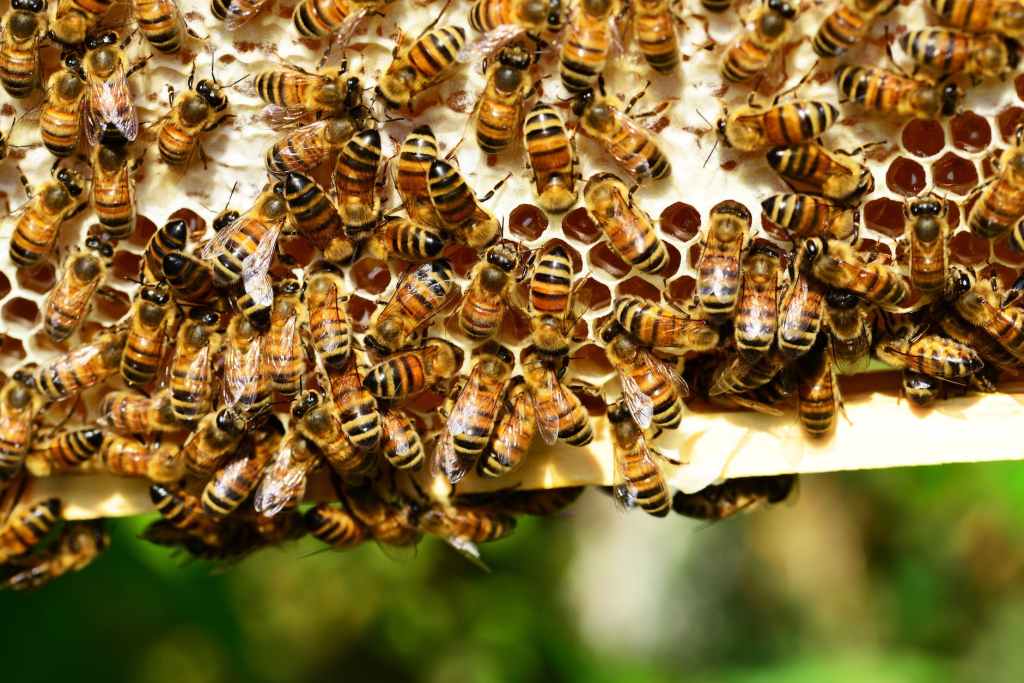
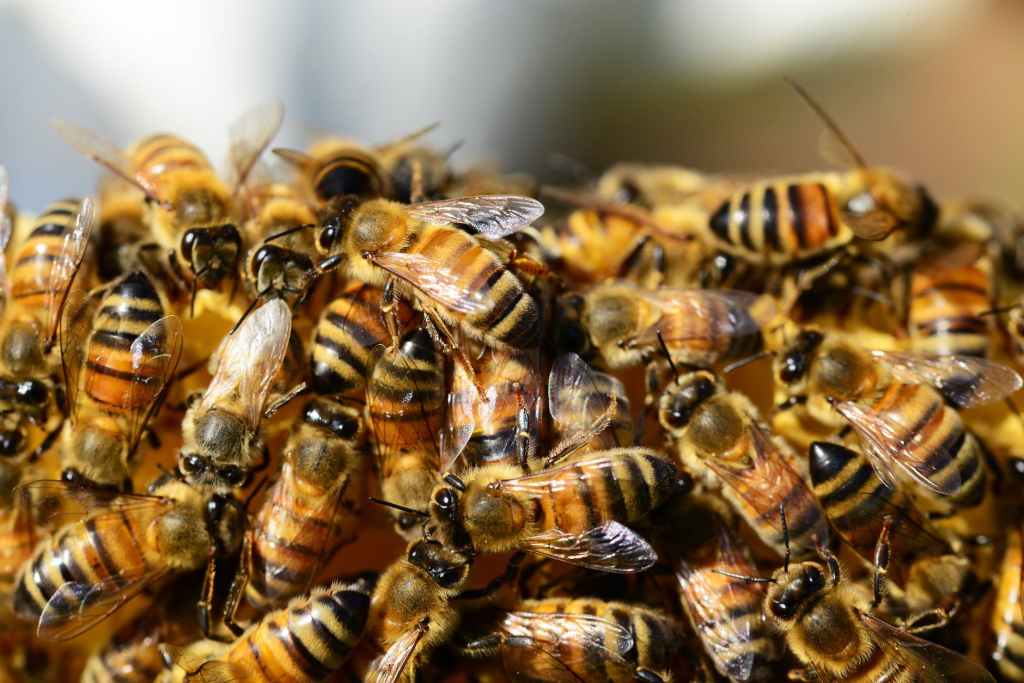
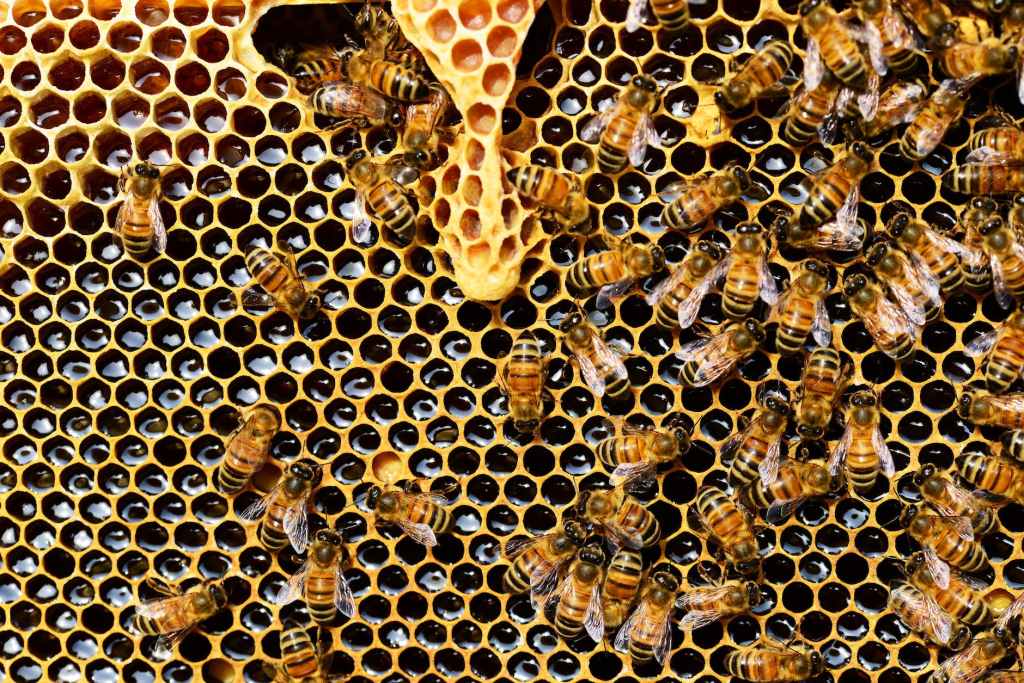
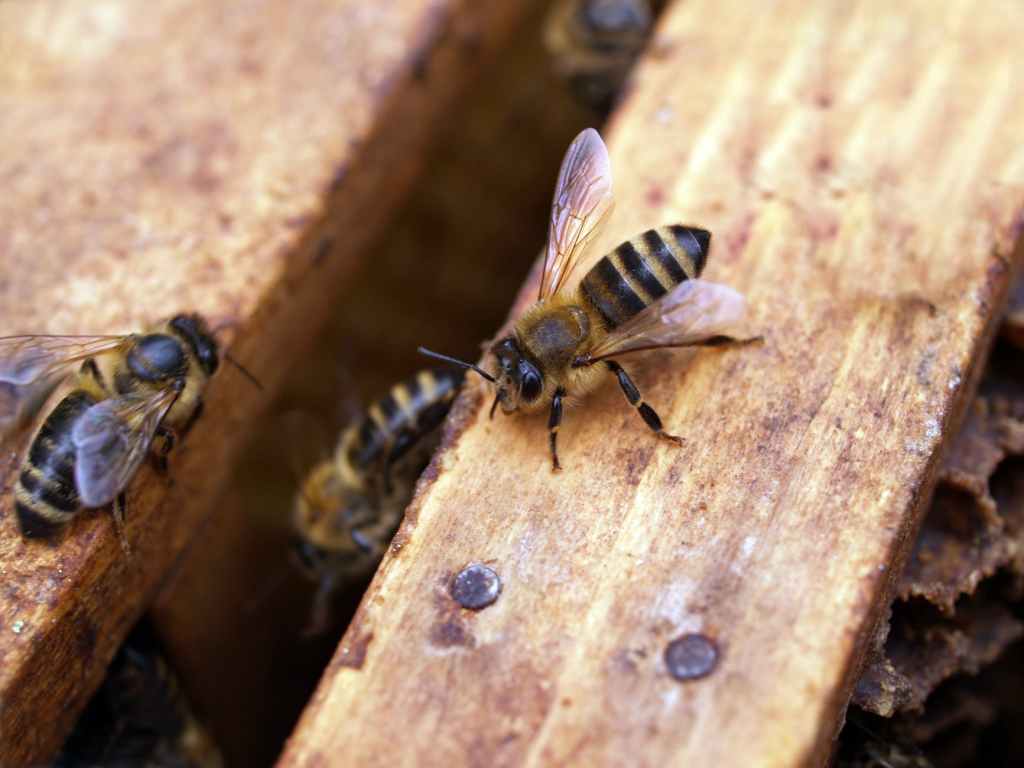
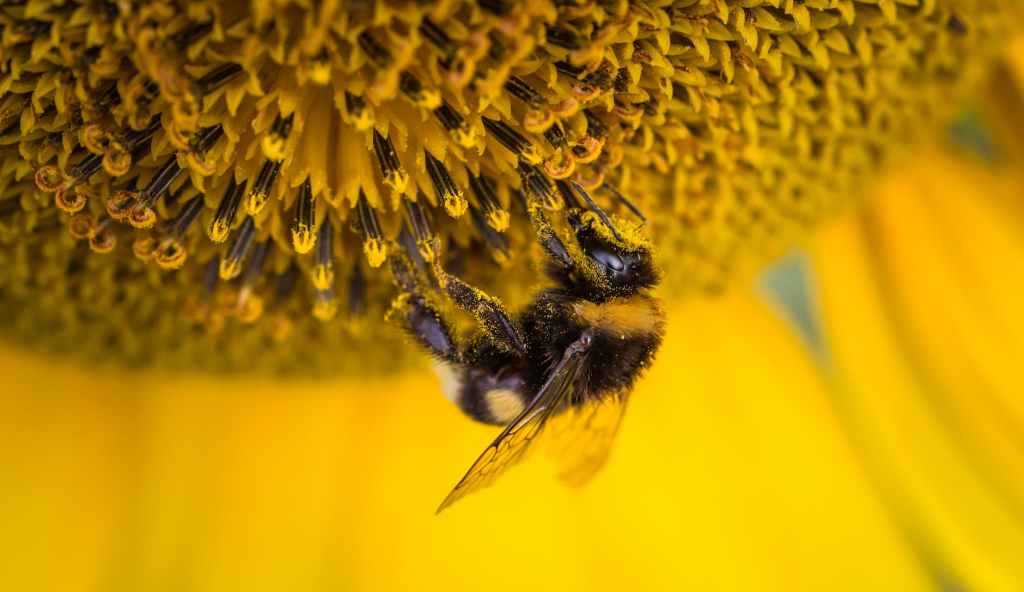
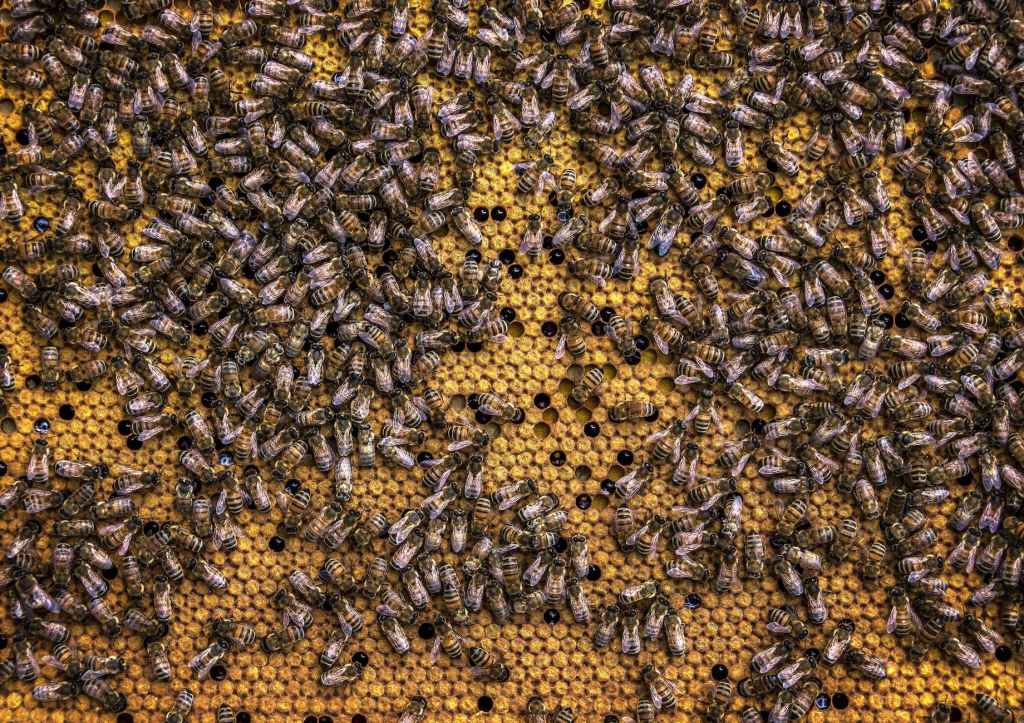
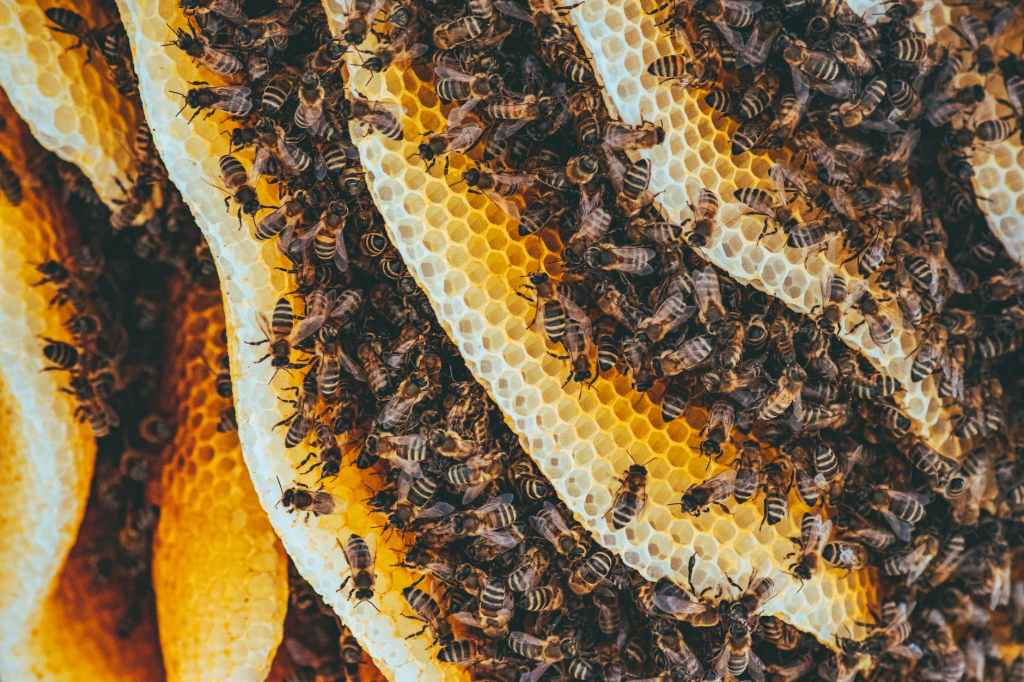
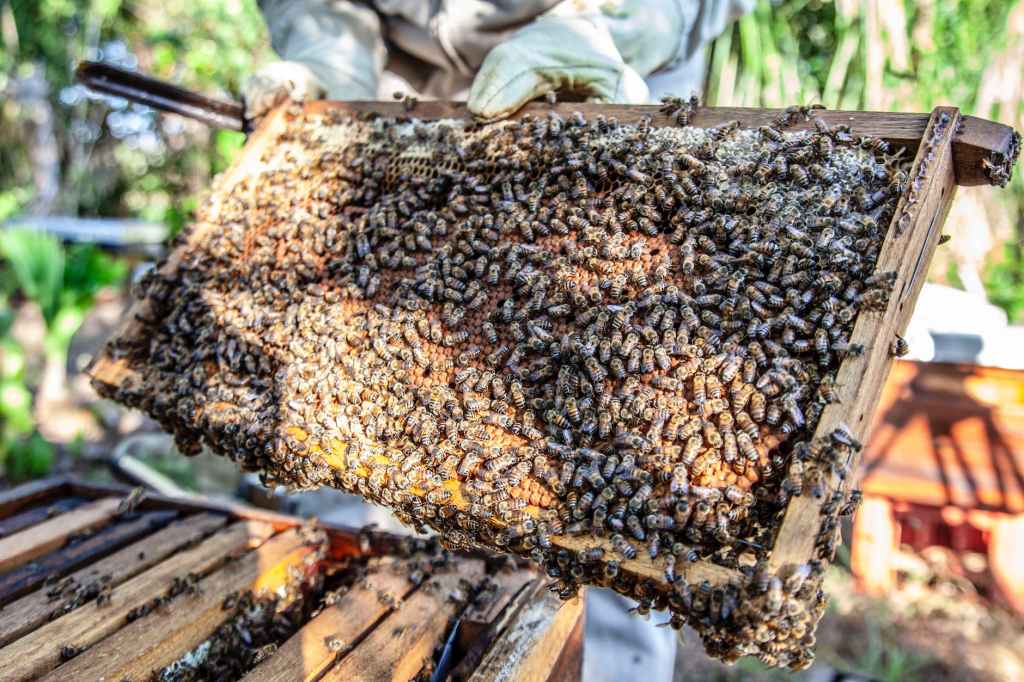
According to my knowledge, beekeepers started seeing a problem with the deaths of their bees in the winter of 2006-2007. Some beekeepers reported losing up to 90% of their hives during this time. The phenomenon was dubbed “colony collapse disorder” (CCD).
The exact cause of CCD is still unknown, but there are a number of factors that are thought to contribute to it, including:
- Pesticide exposure
- Diseases
- Habitat loss
- Stress
CCD is a serious problem that is threatening the honeybee population. Honeybees are essential pollinators, and their decline could have a significant impact on agriculture and the environment.
Bard may display inaccurate or offensive
 thelivingbreathingjamesbrown.com
You must be logged in to post a comment.