


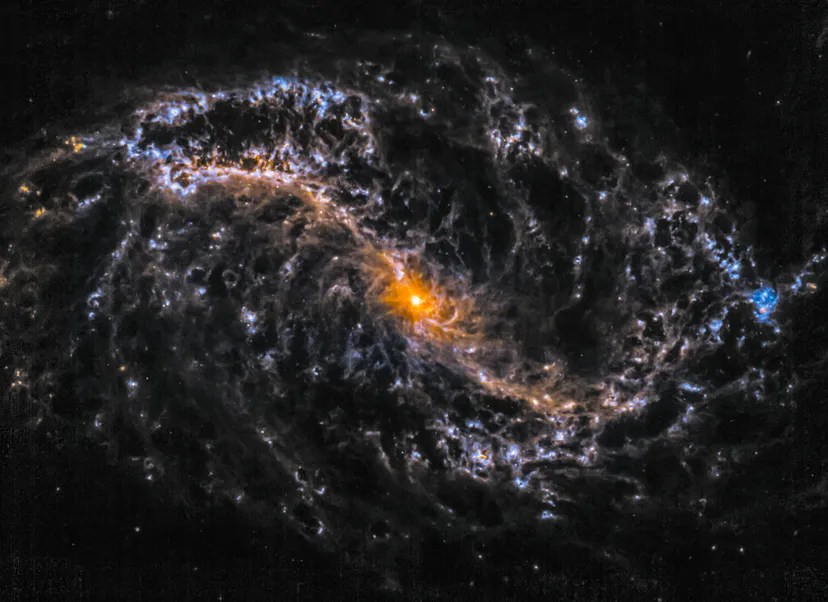
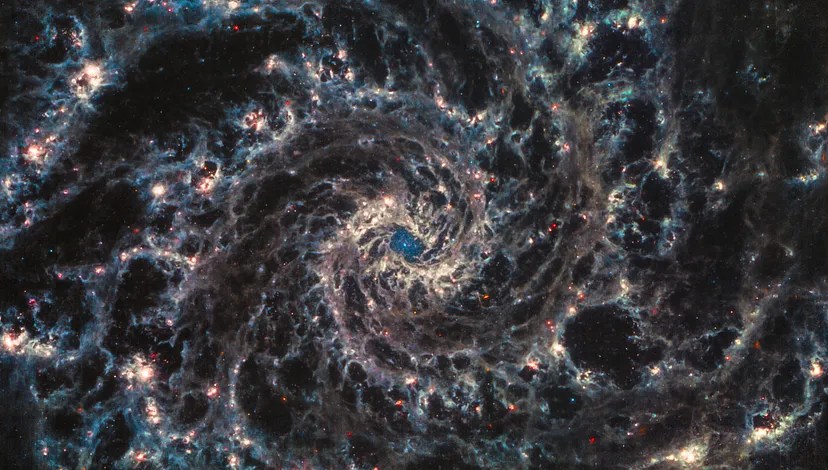
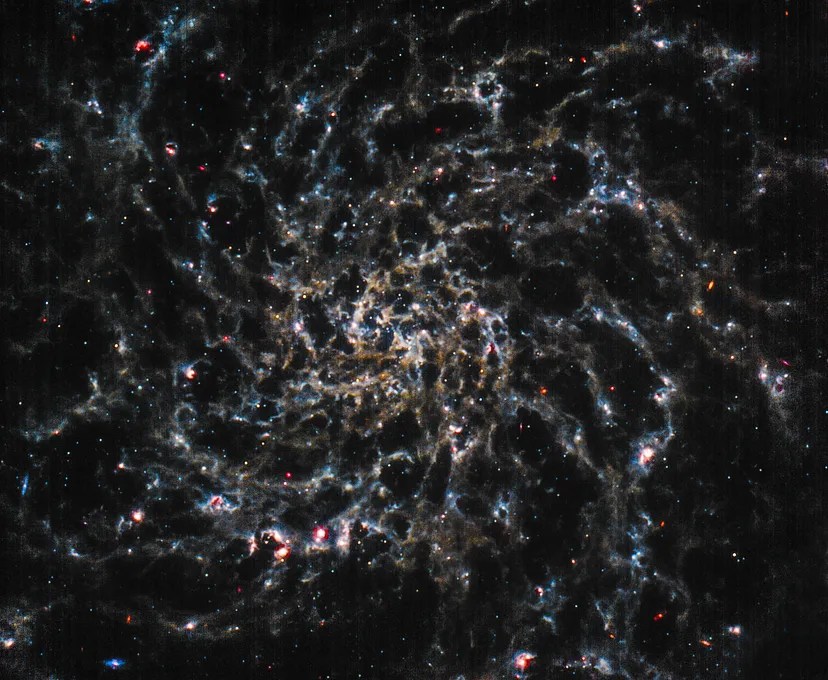
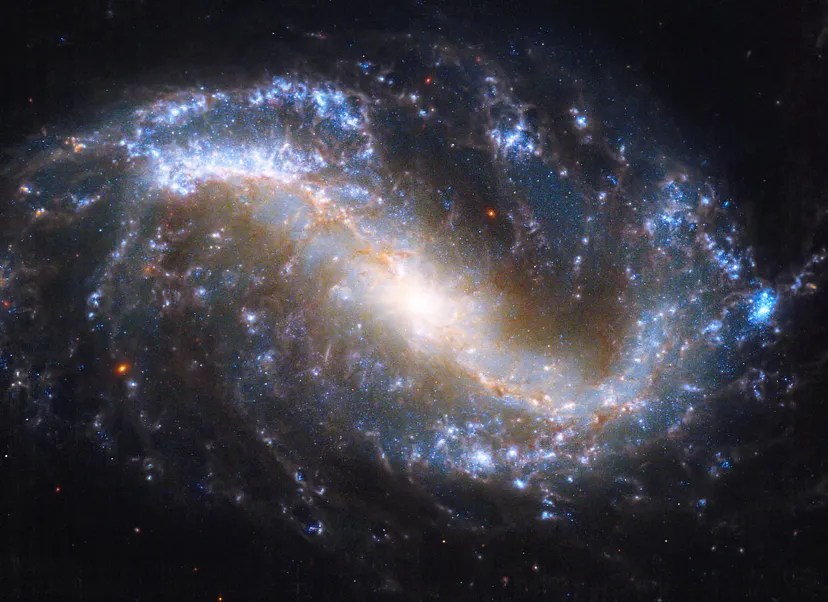
The light from the earliest-known galaxy ever found, GN-z11, took 13.4 billion years to reach us. That means that we are seeing the galaxy as it was 13.4 billion years ago, when the universe was only about 3% of its current age. It is possible that the galaxy no longer exists, or that it has changed significantly since we saw it.
When we look at distant objects in space, we are essentially looking back in time. The light from those objects has taken billions of years to reach us, so we are seeing them as they were billions of years ago. This means that it is possible to see planets that no longer exist, or that have changed significantly since we saw them.
For example, if we look at a planet that is 10 billion light-years away, we are seeing it as it was 10 billion years ago. That means that the planet could have been destroyed by a supernova, or that it could have been swallowed up by its star. It is also possible that the planet could have evolved into something completely different, such as a star or a black hole.
 thelivingbreathingjamesbrown.com
You must be logged in to post a comment.