
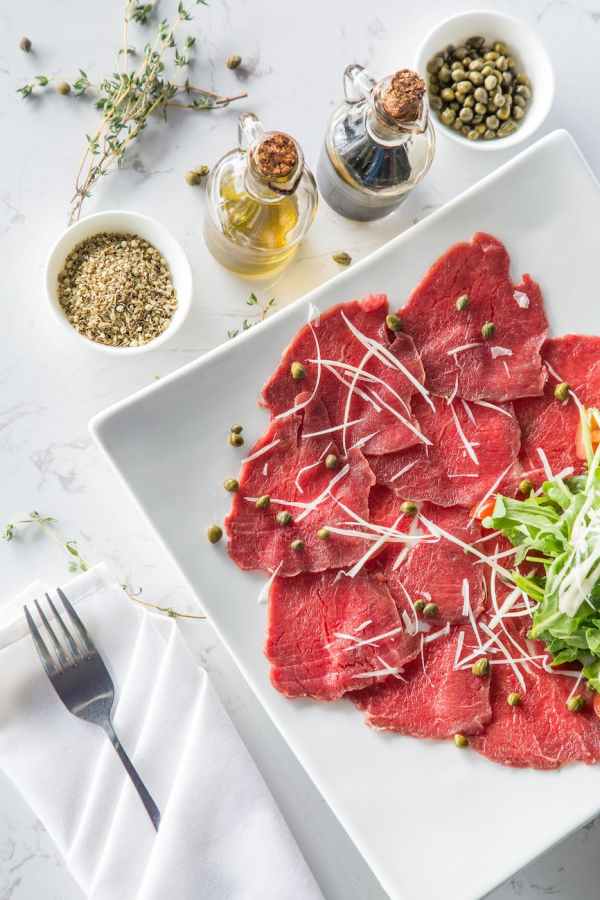
Farms and Ranches and Feed Lots, move over
There is a lot of new research being done on artificial vegetables and making meat in the lab. Some of the most promising areas of research include:
- Artificial meat: This involves growing meat from animal cells in a lab. This is still in the early stages of development, but there have been some promising advances in recent years. For example, in 2013, Mark Post of Maastricht University in the Netherlands created the world’s first lab-grown burger. The burger was made from cow cells that were grown in a bioreactor. The burger was not perfect, but it was a significant step forward in the development of artificial meat. Opens in a new windowwww.nytimes.comLab-grown burger
- Artificial vegetables: This involves creating vegetables that have been genetically modified to have improved nutritional profiles or to be more resistant to pests and diseases. For example, there is a company called Impossible Foods that is working on creating a plant-based burger that tastes and bleeds like real meat. The company has already created a prototype of the burger, and it is currently working on scaling up production. Opens in a new windowimpossiblefoods.comImpossible Foods plant-based burger
- Microalgae: Microalgae are tiny organisms that can be grown in large quantities and that are a good source of protein and other nutrients. Microalgae are also being used to produce biofuels and other products. There is a company called Cellana that is working on using microalgae to produce artificial meat. The company has already created a prototype of the meat, and it is currently working on scaling up production. Opens in a new windowtheconversation.comMicroalgae
These are just a few of the areas of research that are being explored in the field of artificial meat and vegetables. As the research continues, it is likely that we will see even more advances in this field in the years to come.
Here are some of the potential benefits of artificial meat and vegetables:
- They could help to reduce the environmental impact of food production. Traditional meat production is a major contributor to greenhouse gas emissions and water pollution. Artificial meat could help to reduce these emissions and pollution.
- They could provide a more sustainable source of protein. The global demand for protein is growing, and traditional meat production is not sustainable to meet this demand. Artificial meat could provide a more sustainable source of protein.
- They could offer new food choices for people with allergies or dietary restrictions. Artificial meat and vegetables could be a good option for people with allergies or dietary restrictions, such as vegans or vegetarians.
However, there are also some potential challenges that need to be addressed before artificial meat and vegetables can become mainstream:
- The cost of production needs to come down. Artificial meat and vegetables are currently more expensive than traditional meat and vegetables. The cost of production needs to come down before these products can become more widely adopted.
- The taste and texture need to be improved. Artificial meat and vegetables often have a different taste and texture than traditional meat and vegetables. The taste and texture of these products needs to be improved before they can become more widely accepted.
Overall, there is a lot of potential for artificial meat and vegetables to make a positive impact on the world. However, there are still some challenges that need to be addressed before these products can become mainstream.
Here are some of the companies that are currently developing artificial meat and vegetables:
- Memphis Meats: This company is working on creating lab-grown chicken, duck, and lamb.Opens in a new windowwww.newhope.comMemphis Meats company logo
- Just: This company is working on creating plant-based burgers, chicken, and fish.Opens in a new windowannabelevanscfa.wordpress.comJust company logo
- Beyond Meat: This company is working on creating plant-based burgers, sausages, and chicken strips.Opens in a new windowen.wikipedia.orgBeyond Meat company logo
- New Wave Foods: This company is working on creating plant-based shrimp and crab cakes.Opens in a new windowwww.linkedin.comNew Wave Foods company logo
These are just a few of the companies that are currently developing artificial meat and vegetables. As the research in this field continues, it is likely that we will see even more companies enter the market in the years to come.
Some of the key companies include:
- Finless Foods: This company is working on creating plant-based tuna.Opens in a new windowen.wikipedia.orgFinless Foods company logo
- Wildtype: This company is working on creating lab-grown salmon.Opens in a new windowen.wikipedia.orgWildtype company logo
- New Wave Foods: This company is working on creating plant-based shrimp.Opens in a new windowwww.linkedin.comNew Wave Foods company logo
- Sophie’s Kitchen: This company is working on creating plant-based salmon and tuna.Opens in a new windowwww.cbinsights.comSophie’s Kitchen company logo
These companies are using a variety of different techniques to create artificial fish meat. Some companies are using plant-based ingredients to create products that have a similar taste and texture to fish. Other companies are using cell-based technology to grow fish meat in a lab.
The market for artificial fish meat is still in its early stages, but there is a growing interest in these products. As the research in this field continues, it is likely that we will see even more companies enter the market in the years to come.
Here are some of the potential benefits of artificial fish meat:
- It could help to reduce the environmental impact of fishing. Fishing is a major contributor to overfishing and habitat destruction. Artificial fish meat could help to reduce these impacts.
- It could provide a more sustainable source of protein. The global demand for protein is growing, and traditional fish production is not sustainable to meet this demand. Artificial fish meat could provide a more sustainable source of protein.
- It could offer new food choices for people with allergies or dietary restrictions. Artificial fish meat could be a good option for people with allergies or dietary restrictions, such as vegans or vegetarians.
However, there are also some potential challenges that need to be addressed before artificial fish meat can become mainstream:
- The cost of production needs to come down. Artificial fish meat is currently more expensive than traditional fish. The cost of production needs to come down before these products can become more widely adopted.
- The taste and texture need to be improved. Artificial fish meat often has a different taste and texture than traditional fish. The taste and texture of these products needs to be improved before they can become more widely accepted.
Overall, there is a lot of potential for artificial fish meat to make a positive impact on the world. However, there are still some challenges that need to be addressed before these products can become mainstream.
 thelivingbreathingjamesbrown.com