


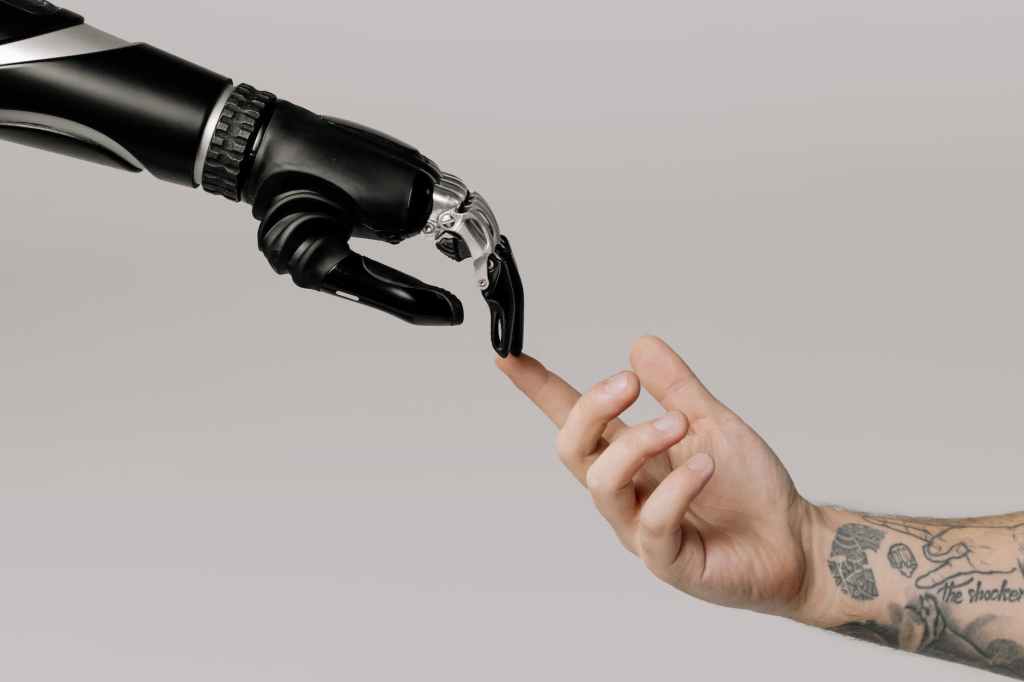

FIRST OFF, I do agree with everyone’s fears that these Guilds have about AI. AI is a powerful, very powerful technology, and AI has the potential to disrupt the entertainment industry in a number of ways Never seen before. For example, AI could be used to create content that is indistinguishable from human-created content. This could lead to a decrease in demand for actors and writers, as studios and streaming services could simply create content using AI. AI could be used in creating Visuals and Animation as well. AI could be used to Run Theaters too.
AI could also be used to automate some of the tasks that are currently performed by actors and writers. For example, AI could be used to write scripts, generate dialogue, and even perform in front of the camera. This could lead to job losses for actors and writers, as studios and streaming services could simply use AI to do their jobs.
AI is being used on Twitter and before you send a REPLY, AI has already read and checked it and AI Rejects more REPLIES Today with fewer Users, and get this right now, AI is not a Human. This is happening as negative Replies about one Political Party are being Held-Up or Halted by AI. The Space Monk has thrown the First Amendment right out the door on Twitter.
However, I also believe that AI has the potential to create new opportunities for actors and writers. For example, AI could be used to help actors and writers develop their crafts and even help with studying Lines. AI could also be used to create new forms of content that would not be possible without AI. AI could help Writers from making tragic mistakes that could cause hardships when a Film is viewed with offensive content. Offensive Content that the Writer may never have been aware of.
As a writer of Books and this Blog, I am conscious of the World Audience I have and write to. I try not to be offensive to Countries that have Harsh Internet Controls like China and RUSSIA and Iran. Or Offensive to anyone. But I speak my peace as a West Texas Boy will do without always playing nice when riding a Hard Bronc. Rattlesnakes are everywhere and so are folks tossing grenades and throw’em at our rights to write and to Act.
Ultimately, I believe that the impact of AI on the entertainment industry will depend on how it is used. If AI is used to replace actors and writers, it could have a HUGE negative impact on the industry. However, if AI is used to complement actors and writers, it could have a positive impact on the industry. But using AI must have laid out Groundwork. Never give anyone free reins with AI. I enjoy using AI, but I see lots of mistakes it makes and it is a nasty plagiarizer. And if you don’t research it, you might take credit for another’s works. Stay sharp, Act sharp, Write Sharp. There’s always someone throwing daggers at all of us.
I think it is important for the Guilds to be aware of the potential risks of AI, but I also think it is important for them to be open to the potential benefits of AI. The Guilds should work with the studios and streaming services to ensure that AI is used in a way that benefits everyone involved.
This cannot be a ABSOLUTELY NO AI discussion on the Table. Everyone must embrace this new technology and we may all have to go back to being schooled on AI. If you don’t remember the dearly computer days of using DOS, you’ll never understand..
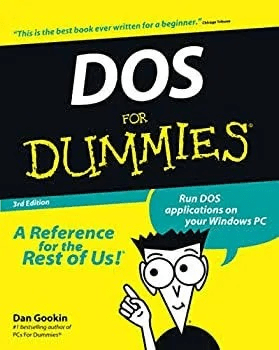
I hated using Dos!
Anyone not understanding how powerful AI truly is are ones who remain Ignorant to AI. USE AI and you will see How powerful it truly is…
But what’s going on?
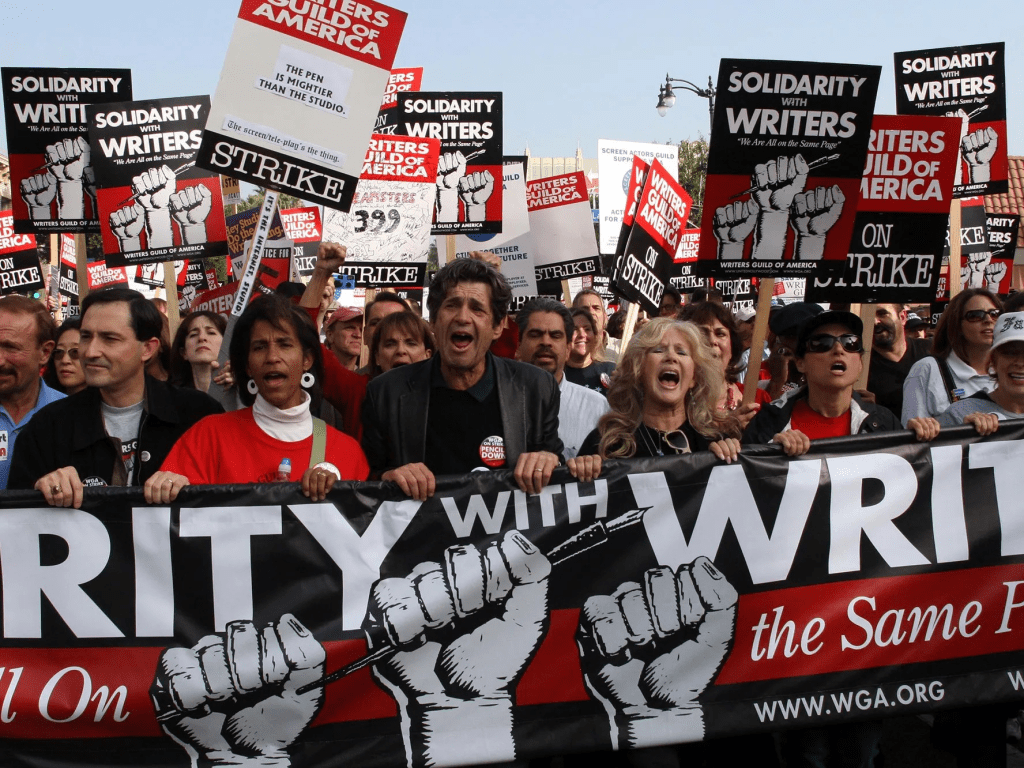
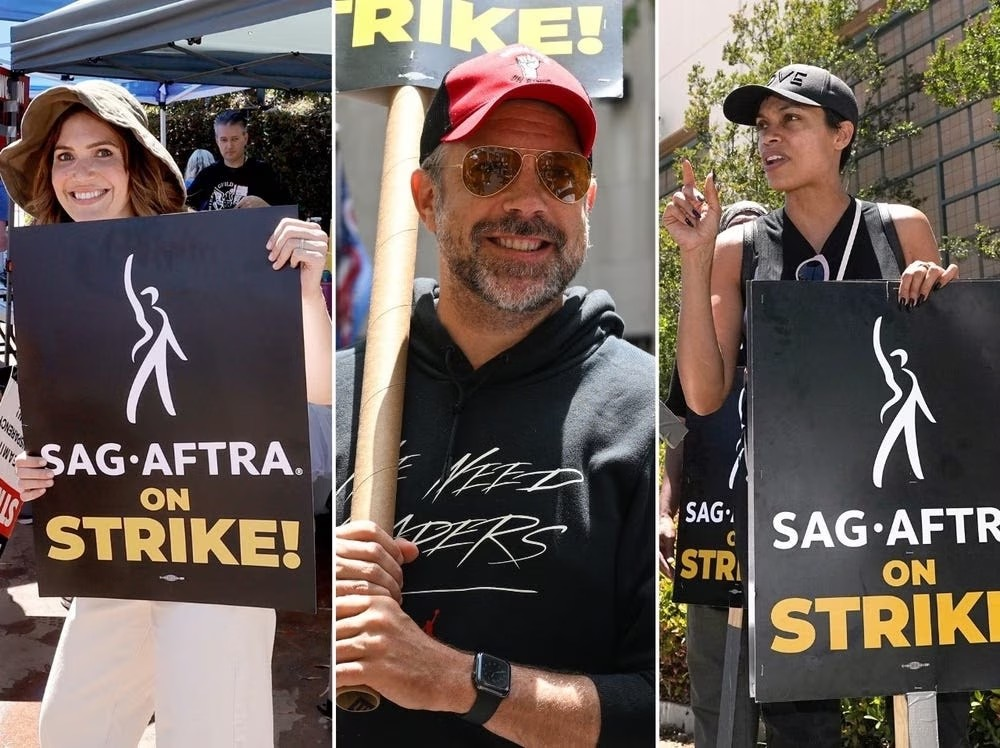
The 2023 SAG-AFTRA strike and the Writers Guild of America strike are two labor disputes that are currently taking place in Hollywood. The strikes are over a number of issues, including pay, working conditions, and the use of artificial intelligence (AI).
The actors’ union, SAG-AFTRA, is demanding:
- Higher pay: SAG-AFTRA is asking for a 3% pay increase each year for the next three years. They are also asking for a larger share of the profits from streaming services.
- Improved working conditions: SAG-AFTRA is concerned about the long hours that actors are often required to work. They are also asking for more breaks and better accommodations on set.
- Protections against AI: SAG-AFTRA is worried about the potential for AI to replace actors in the future. They are asking for provisions in their contracts that would protect actors’ jobs from AI.
The writers’ union, the WGA, is demanding:
- Higher pay: The WGA is asking for a 4% pay increase each year for the next three years. They are also asking for a larger share of the profits from streaming services.
- Improved working conditions: The WGA is concerned about the long hours that writers are often required to work. They are also asking for more breaks and better accommodations on set.
- Protections against AI: The WGA is worried about the potential for AI to replace writers in the future. They are asking for provisions in their contracts that would protect writers’ jobs from AI.
The studios and streaming services have said that they are willing to negotiate, but they have not yet made any concrete offers. The strikes have already had a significant impact on Hollywood, and it is unclear how long they will last.
Here are some of the arguments from both sides of the strikes:
The studios and streaming services:
- The studios and streaming services argue that they are already paying actors and writers very well. They say that the strikes are unnecessary and will only hurt the industry.
- They also argue that AI is not a threat to actors and writers. They say that AI is still in its early stages of development and that it will not be able to replace actors and writers for many years to come.
The actors and writers:
- The actors and writers argue that they are not being paid enough for their work. They say that the studios and streaming services are making billions of dollars in profits, but they are not sharing enough of that money with the people who create the content.
- They also argue that AI is a threat to their jobs. They say that the studios and streaming services are already using AI to automate some of the work that actors and writers do, and they fear that AI will eventually replace them entirely.
The strikes are still ongoing, and it is unclear how long they will last. However, they are a sign of the growing tension between the studios and streaming services, and the actors and writers who work for them.
They argue that the studios and streaming services are making billions of dollars in profits, but they are not sharing enough of that money with the people who create the content. They point to the fact that the top actors and writers can make millions of dollars per project, while the average actor or writer makes much less.

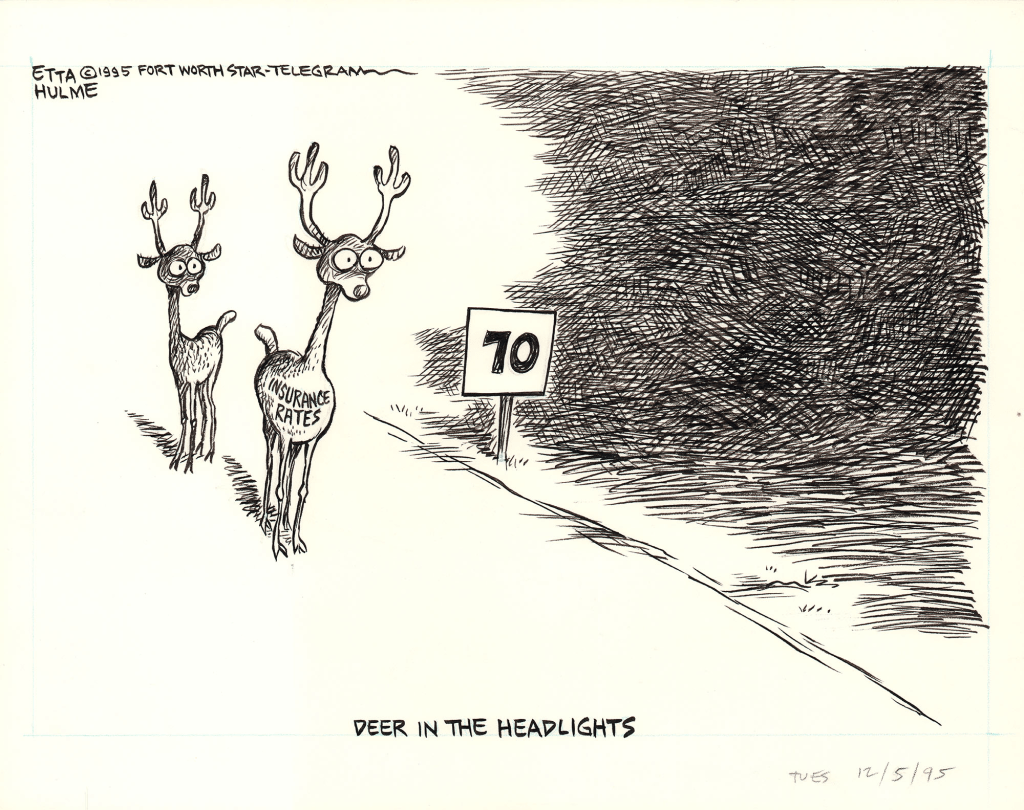
Shareholders are in the Headlights too.
The studios and streaming services argue that they need to pay the top actors and writers a lot of money in order to attract them to their projects. They also argue that the top actors and writers are responsible for a significant portion of the revenue that their projects generate.
It is difficult to say who is right in this argument. However, it is clear that there is a growing gap between the salaries of the top actors and writers and the salaries of the average actor or writer. This gap is likely to continue to grow in the future, as the studios and streaming services continue to make more money.
The strikes are a sign of the growing tension between the studios and streaming services, and the actors and writers who work for them. It is unclear how long the strikes will last, but they are a sign that the actors and writers are not happy with the way they are being treated.
$15,000 to $23.5 million per Actor or Actress in 2020.
The top 1% of actors and writers earn more than 90% of the other actors and writers. This means that a very small number of actors and writers are making a lot of money, while the majority of actors and writers are making much less.
This gap is likely to continue to grow in the future, as the studios and streaming services continue to make more money. The studios and streaming services are able to make more money because they are able to reach a wider audience through streaming services. This means that they are able to charge more for their content.
As the studios and streaming services make more money, they are able to pay the top actors and writers more money. This means that the gap between the salaries of the top actors and writers and the salaries of the average actor or writer is likely to continue to grow.
The strikes by SAG-AFTRA and the WGA are a sign of the growing tension between the studios and streaming services, and the actors and writers who work for them. The strikes are a way for the actors and writers to demand a larger share of the profits from streaming services.
It is unclear how long the strikes will last, but they are a sign that the actors and writers are not happy with the way they are being treated. The strikes could have a significant impact on the Hollywood industry, and it is possible that they could lead to changes in the way that actors and writers are paid.
And the CASH COWS keep getting Richer and Richer-
The top people of studios and streaming services can make a lot of money. For example, the CEO of Netflix, Reed Hastings, made $285 million in total compensation in 2021. The CEO of Walt Disney, Bob Chapek, made $32.5 million in total compensation in 2022. And the CEO of Warner Bros. Discovery, David Zaslav, made $247 million in total compensation in 2022.
Of course, these are just a few examples. The salaries of top executives at studios and streaming services vary depending on the company, the executive’s position, and the terms of their contracts.
The average executive at a studio or streaming service makes much less than the top earners. According to the Bureau of Labor Statistics, the median annual salary for chief executives was $186,850 in 2020.
So, there is a significant gap between the salaries of the top executives at studios and streaming services and the salaries of the average executive. This gap is likely to continue to grow in the future, as the studios and streaming services continue to make more money.
The high salaries of top executives at studios and streaming services have been criticized by some people. They argue that these executives are making too much money, while the average worker is struggling to make ends meet.
Others argue that the high salaries of top executives are justified, because they are responsible for making the decisions that lead to the success of their companies. They also argue that the high salaries of top executives are necessary to attract and retain top talent.
The debate over the salaries of top executives at studios and streaming services is likely to continue in the future.
The exact duties of CEOs in the entertainment industry vary depending on the company and the individual CEO. However, some common duties include:
- Overseeing the overall operations of the company. This includes setting the company’s strategic direction, managing its finances, and ensuring that it is meeting its goals.
- Leading the company’s creative team. This includes developing new content, working with writers and directors, and ensuring that the company’s content is of the highest quality.
- Building and maintaining relationships with key stakeholders. This includes talent agencies, studios, and distributors.
- Overseeing the company’s marketing and advertising campaigns. This includes ensuring that the company’s content is effectively promoted to its target audience.
- Managing the company’s risk and compliance. This includes ensuring that the company is complying with all applicable laws and regulations.
- Representing the company to the public. This includes giving interviews, speaking at events, and writing articles.
In addition to these duties, CEOs in the entertainment industry often have to deal with a variety of challenges, such as:
- The ever-changing landscape of the entertainment industry. The industry is constantly changing, with new technologies and platforms emerging all the time. CEOs need to be able to adapt to these changes in order to keep their companies successful.
- The high cost of producing content. The cost of producing content in the entertainment industry is very high. CEOs need to be able to manage their budgets effectively in order to produce high-quality content without going over budget.
- The need to attract and retain top talent. The entertainment industry is very competitive, and CEOs need to be able to attract and retain top talent in order to produce successful content.
The job of a CEO in the entertainment industry is a challenging one, but it can also be very rewarding. CEOs who are successful in this industry are able to make a real impact on the entertainment landscape and help to create some of the most popular and influential content in the world.
Building and maintaining relationships with key stakeholders is an important part of any CEO’s job, but it is especially important in the entertainment industry. This is because the entertainment industry is a collaborative industry, and CEOs need to be able to work effectively with a variety of different stakeholders, including talent agencies, studios, distributors, and even the public.
There are a few key things that CEOs can do to build and maintain relationships with key stakeholders. First, they need to be clear about their goals and objectives. What do they want to achieve by building relationships with these stakeholders? Once they know their goals, they can start to develop strategies for achieving them.
Second, they need to be proactive. They need to reach out to stakeholders and build relationships with them. This means attending industry events, meeting with stakeholders one-on-one, and staying in touch with them on a regular basis.
Third, they need to be responsive. They need to be responsive to the needs and concerns of stakeholders. This means listening to them, addressing their concerns, and finding solutions that work for everyone involved.
Fourth, they need to be trustworthy. They need to be able to build trust with stakeholders. This means being honest, transparent, and reliable.
Fifth, they need to be respectful. They need to be respectful of the needs and concerns of stakeholders. This means listening to them with an open mind, and considering their points of view.
By following these tips, CEOs can build and maintain strong relationships with key stakeholders. These relationships will be essential for the success of their companies.
Here are some specific examples of how CEOs in the entertainment industry can build and maintain relationships with key stakeholders:
- Attending industry events. This is a great way to meet new stakeholders and learn about their needs and concerns.
- Meeting with stakeholders one-on-one. This is a great way to build trust and rapport with stakeholders.
- Staying in touch with stakeholders on a regular basis. This shows stakeholders that you are interested in their relationship and that you value their input.
- Listening to stakeholders’ needs and concerns. This is essential for building trust and rapport.
- Addressing stakeholders’ concerns. This shows stakeholders that you are taking their concerns seriously.
- Finding solutions that work for everyone involved. This shows stakeholders that you are willing to compromise and that you are interested in finding a solution that works for everyone.
- Being honest, transparent, and reliable. This shows stakeholders that they can trust you.
- Being respectful of stakeholders’ needs and concerns. This shows stakeholders that you value their relationship.
By following these tips, CEOs can build and maintain strong relationships with key stakeholders. These relationships will be essential for the success of their companies.
The Screen Actors Guild (SAG) went on strike in 1980, and the Writers Guild of America (WGA) went on strike in 1988. Both strikes were successful in getting the studios to agree to the Guilds’ demands.
However, the Guilds have not gone on strike since then. There are a few reasons for this. First, the studios and streaming services have become more powerful since the 1980s. They have more money and more resources, and they are less likely to be willing to give in to the Guilds’ demands.
Second, the Guilds have become more divided since the 1980s. There are more different unions representing actors and writers, and it is more difficult for them to agree on a common set of demands.
Third, the entertainment industry has changed a lot since the 1980s. There are more streaming services, and there is more content being produced. This makes it more difficult for the Guilds to organize a strike, as there are more people who would be affected by a strike.
It is possible that the Guilds will go on strike again in the future. However, it is also possible that they will be able to reach agreements with the studios and streaming services without a strike. It will depend on how much power the Guilds have and how united they are.
The biggest screw jobs is using the word “Median” when presenting pay results or averages! A “Median” means ONLY one person made that amount of money. You see where I showed the low of $15,000. Some Writers are Starving! They cannot meet basic necessities of a productive Life like Food, Rent, House Payment, and do these CEOs care? No, their Pecker is like Pinocchio’s Nose. Do the Streaming Services Care? No, their Peckers are like Pinocchio’s Nose.
Another is downplaying the USE of AI.
Are we headed straight to an AI World of the JETSONS? That is exactly where Hollywood is Heading without cutting off these blind Pinocchio Peckers.
What the CEOs of Studios and Streaming Services are overlooking is that everyone involved is all about making more Money. More Money for Everyone. And not the 1% ONLY!
 thelivingbreathingjamesbrown.com
You must be logged in to post a comment.