
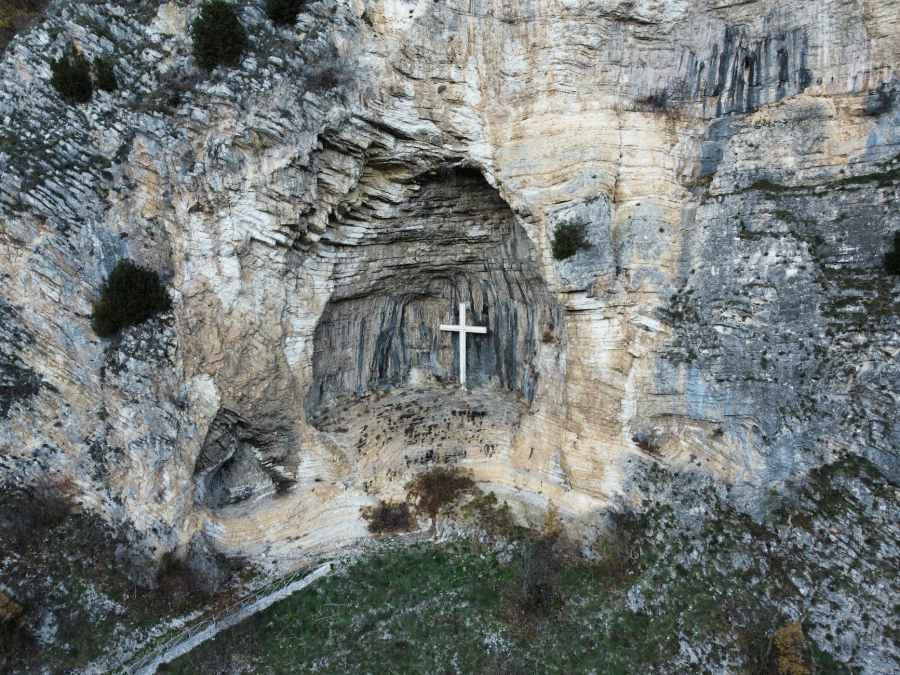
Beer drinking or not, God has a profound role to play in the Middle East if man could only see God in spite of the faces of so much deceit that exists there?






The Israeli-Palestinian conflict is a deeply complex and sensitive issue that has generated significant international attention and debate. And lots of wasted words have fallen on deaf ears. That’s what man does. Are Palestinians like American Indians to the Israeli? Break Treaties, Steal Land, Have another Beer? It’s important to note that there are multiple perspectives on this conflict, and different parties have varying interpretations of its history and causes. And lots of Arab Nations still are not liking that Israel was ever created. And the venture Region could explode into an all out Jewish Slaughter or Palestinian One? Muslims vs Jews vs WHO? The West for sure for providing support to Israel? Everybody has got to blame someone and point those fingers of Guilt.
One perspective, as I mentioned, is that the creation of Israel in 1948 led to the displacement and suffering of many Palestinians. The establishment of Israel involved the displacement of Arab Palestinians from their homes, and this has been a central issue in the conflict.
The international community has not turned a blind eye to the conflict. Numerous efforts have been made over the years to address the Israeli-Palestinian issue and find a peaceful resolution. These efforts include United Nations resolutions, peace negotiations, and diplomatic initiatives. Several key factors have contributed to the ongoing challenges in resolving the conflict:
- Historical Complexity: The historical roots of the conflict are deep, with both Israelis and Palestinians having legitimate claims to the same land. This complexity makes it challenging to find a mutually acceptable solution.
- Security Concerns: Security has been a major concern for both Israelis and Palestinians. Past conflicts, violence, and terrorism have made building trust and finding a path to peace difficult.
- Political Divisions: The Palestinian territories are divided between the West Bank, controlled by the Palestinian Authority, and the Gaza Strip, controlled by Hamas. Internal political divisions among Palestinians have complicated negotiations.
- Settlements: The expansion of Israeli settlements in the West Bank has been a source of tension and an obstacle to peace negotiations.
- Status of Jerusalem: The status of Jerusalem is a highly sensitive and contentious issue, with both Israelis and Palestinians claiming it as their capital.
The international community, including the United Nations and various countries, has made efforts to facilitate negotiations and promote peace. However, finding a resolution that satisfies all parties involved remains a significant challenge.
God has been drinking Beer for a Millennium and God can wait and watch as man does his best to be his best at being troublesome mankind with No cares for others but what selfish desires each man wants individually and collectively.
Efforts to address this conflict continue, but achieving a lasting and equitable solution requires addressing the deeply rooted historical, political, and social factors on both sides and working towards mutual understanding and compromise. It’s a complex issue with no easy or quick fixes.
The idea of Jerusalem serving as the capital for both Israelis and Palestinians has been suggested as a potential solution to the longstanding dispute over the status of the city. This concept envisions a shared or co-administered Jerusalem where both parties have sovereignty in their respective neighborhoods or sectors. While it is a compelling idea in theory, it faces significant challenges in practice due to the sensitivity and complexity of the Jerusalem issue.
To make this concept a reality, several key steps would need to be taken:
- Negotiation and Agreement: Both sides would need to come to the negotiating table and agree on a framework for shared sovereignty in Jerusalem. This would involve detailed discussions about the division of authority, security, and governance within the city.
- International Support: International support and oversight may be necessary to ensure the fair and stable administration of Jerusalem. The involvement of neutral third parties, such as the United Nations or a coalition of interested countries, could be crucial.
- Guarantees of Religious Freedom: Given the religious significance of Jerusalem to Jews, Christians, and Muslims, any agreement would need to include guarantees of religious freedom and access to holy sites for all parties.
- Physical Division: The city might need to be physically divided into Israeli and Palestinian sectors, each with its own local government. Clear demarcation lines would be established to delineate the areas of sovereignty.
- Security Arrangements: Robust security arrangements would be necessary to ensure the safety of all residents and visitors in the shared city. This would likely require cooperation and coordination between Israeli and Palestinian security forces and possibly international peacekeeping troops.
- International Recognition: The international community, including neighboring countries and major powers, would need to recognize and support the shared capital status of Jerusalem. This recognition would help solidify the agreement and provide incentives for both parties to adhere to it.
It’s important to acknowledge that the issue of Jerusalem is one of the most sensitive and contentious aspects of the Israeli-Palestinian conflict. Any solution that involves shared sovereignty over the city would require both sides to make significant concessions and overcome deeply rooted historical and emotional attachments. Achieving such an agreement would be a challenging and complex diplomatic endeavor.
While the concept of a shared capital is a potential avenue for resolving the Jerusalem dispute, it remains a subject of intense debate and has not yet been realized in practice. It would ultimately require the willingness of both Israelis and Palestinians to engage in a negotiated process and make compromises for the sake of peace and coexistence.
Where is God in all of this? Why cannot God fix this?
The question of why God does not intervene to resolve human conflicts, such as the Israeli-Palestinian conflict, is a profound and deeply theological one. It delves into matters of faith, free will, and the nature of divine intervention, and it does not have a single, universally accepted answer.
Different religious traditions and theologians offer various perspectives on this issue:
- Divine Plan: Some believe that God has a divine plan that includes both the good and the challenges of human existence. In this view, God may allow humans to make choices and face the consequences, including resolving conflicts through their own efforts.
- Free Will: The concept of free will plays a central role in many religious beliefs. It is argued that God has given humans the ability to make choices, and these choices can lead to both positive and negative outcomes, including conflicts. God respects human free will and does not forcibly intervene.
- Human Responsibility: Some religious teachings emphasize the responsibility of humans to work towards peace, justice, and reconciliation. It is believed that God calls on people to take action and resolve conflicts through dialogue, understanding, and cooperation.
- Prayer and Guidance: Many individuals turn to prayer and seek divine guidance in times of conflict. They believe that through prayer and faith, they can find strength and wisdom to work towards solutions. However, divine intervention in the form of miraculous or supernatural actions is not guaranteed.
It’s important to recognize that the question of why God does not directly intervene in conflicts is a matter of faith and belief, and different individuals and religious traditions may hold diverse views on this issue. Some may see God’s presence and guidance in the actions of peacemakers and in the efforts to bring about reconciliation and justice in the world.
Ultimately, the Israeli-Palestinian conflict, like many other complex conflicts, is shaped by historical, political, and human factors, and its resolution depends on the actions and decisions of individuals, communities, and nations. Many people of faith believe that working towards peace and justice is a form of aligning with divine principles and values.
Would you be okay of Israel killed every single Palestinian? Would you? Or would you like to see Israel destroyed? Or will Nuclear Weapons become part of what is going on?
Israel could use a Nuclear Weapon on any enemy it seems no other way to stop them. And what next? Share the Nuclear Ball? Let all Parties come and play in the Nuclear Ball? And what next?
Until Israel destroys all Hamas Tunnels, Israel will continue killing Hamas Insurgents.
 thelivingbreathingjamesbrown.com
You must be logged in to post a comment.