
According to the most recent data from the Department of Defense, there have been over 1.3 million cases of nonjudicial punishment and courts-martial in the U.S. military since 9/11. This includes cases involving a wide range of offenses, from minor infractions like being late for duty to serious crimes like murder and assault.
Multi-Combat Tours does not make for a Healthy Group of Servicemen. How many committed Violent Crimes and were simply separated from their Branch of Service? We’ll never know because that information is Top Secret. Completely Confidential.
It is important to note that this number does not include all cases of misconduct within the military. Some cases may be handled informally, and others may not be reported at all. Additionally, the number of court-martials and nonjudicial punishment cases may fluctuate from year to year.


Despite these limitations, the data from the Department of Defense provides a general overview of the number of American servicemen who have been disciplined for misconduct since 9/11. The data can be used to identify trends in military discipline, and to assess the effectiveness of the military justice system.
The number of American servicemen separated from the military rather than court-martialed after the wars that followed 9/11 is not publicly available. This information is considered sensitive by the Department of Defense, and it is not released to the public. Sensitive and could be embarrassing?
However, it is possible to estimate the number of separations based on data from other sources. For example, the RAND Corporation published a report in 2012 that found that approximately 10% of all nonjudicial punishment cases in the U.S. military result in separation from the service. This suggests that the number of separations following 9/11 may be in the hundreds of thousands. Separations in lue of Court Martial. Exactly how many?
It is important to note that this is just an estimate, and the actual number of separations may be higher or lower. Additionally, the number of separations may vary depending on the specific war or conflict. For example, the separation rate for troops deployed to Iraq was higher than the separation rate for troops deployed to Afghanistan.






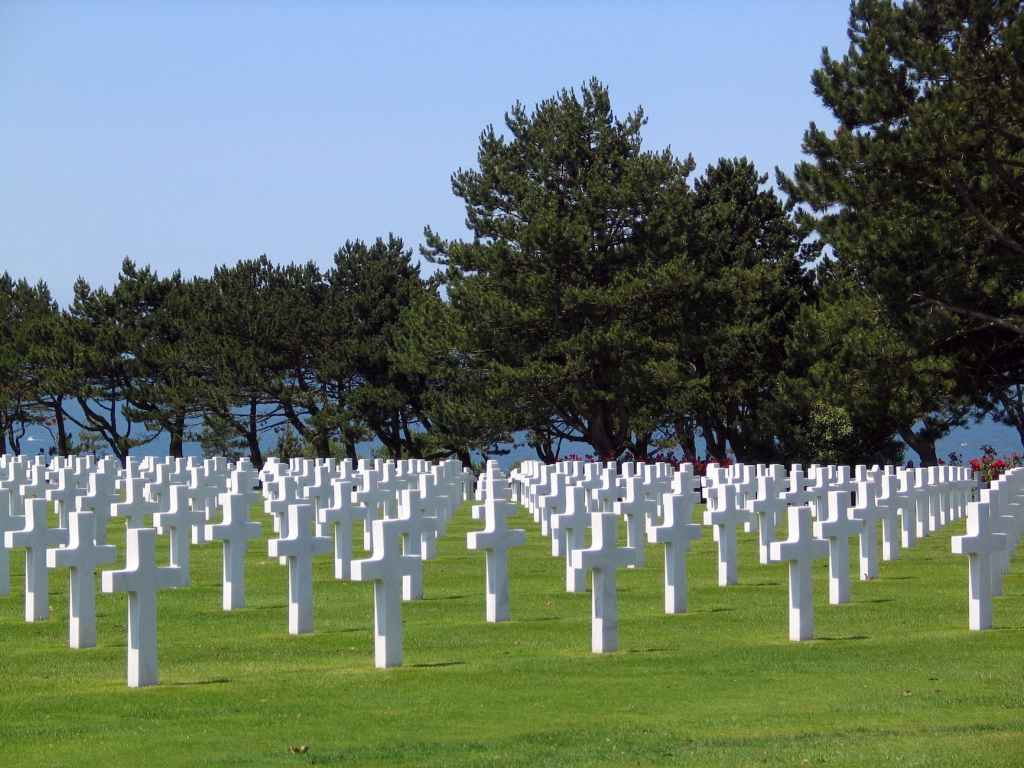
The lack of publicly available data on separations makes it difficult to assess the impact of the wars on the U.S. military. However, it is clear that the wars have had a significant impact on the lives of many American servicemen and women. Secrecy by the Military is very Questionable since they claim to be on the Up and Up. What gives?
It is indeed probable that servicemen facing serious criminal charges were simply separated from the military rather than court-martialed. This practice, known as administrative separation in lieu of court-martial (ASLCM), allows the military to remove service members from its ranks without the need for a formal trial.
ASLCM is often used in cases where there is insufficient evidence to support a conviction, or where the service member’s actions are deemed to be incompatible with military service, regardless of whether they meet the legal definition of a crime. In these cases, the military may conclude that it is in its best interests to simply remove the service member from the force, rather than pursue a lengthy and uncertain court-martial process. And to avoid Embarrassment?
There are several reasons why the military might choose to use ASLCM instead of court-martial. One reason is that ASLCM is often faster and less expensive than court-martial. Another reason is that ASLCM can avoid the negative publicity that can come with a court-martial, which can damage the military’s reputation. Additionally, ASLCM can allow the military to maintain control over the outcome of the case, as the decision of whether or not to separate a service member is made by the military leadership, rather than by a jury of civilians.
However, ASLCM is not without its drawbacks. One concern is that it can allow service members to escape accountability for their actions. Additionally, ASLCM can have a negative impact on the service member’s career and reputation. A discharge under ASLCM is typically characterized as “other than honorable” or “dishonorable,” which can make it difficult for the service member to find employment or pursue further education.
Overall, ASLCM is a complex issue with no easy answers. There are valid arguments to be made on both sides of the debate. Ultimately, the decision of whether or not to use ASLCM must be made on a case-by-case basis, taking into account all of the relevant factors.
Determining the exact number of U.S. service members separated from the military rather than court-martialed after the wars that followed 9/11 is challenging due to the lack of publicly available data. However, based on existing information and estimates, it is likely that the number of separations is significant.
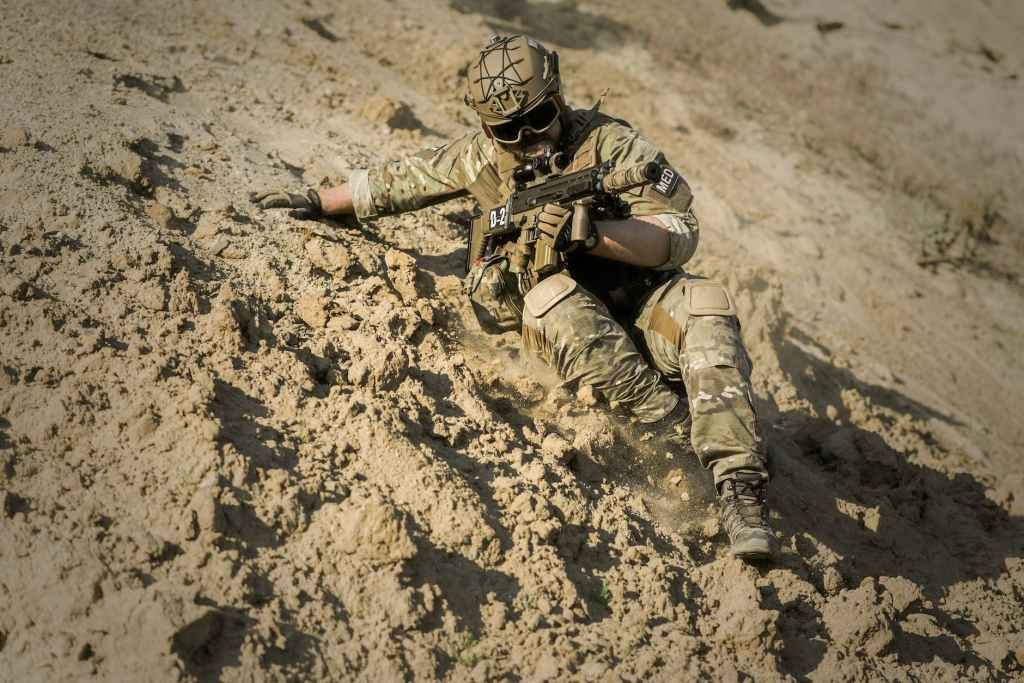




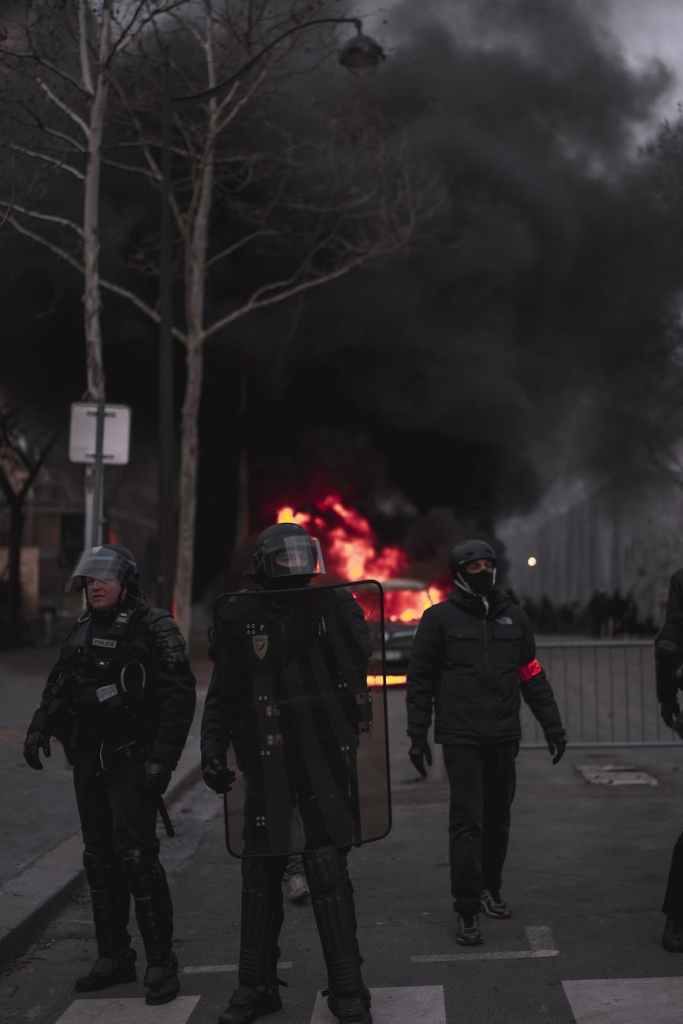
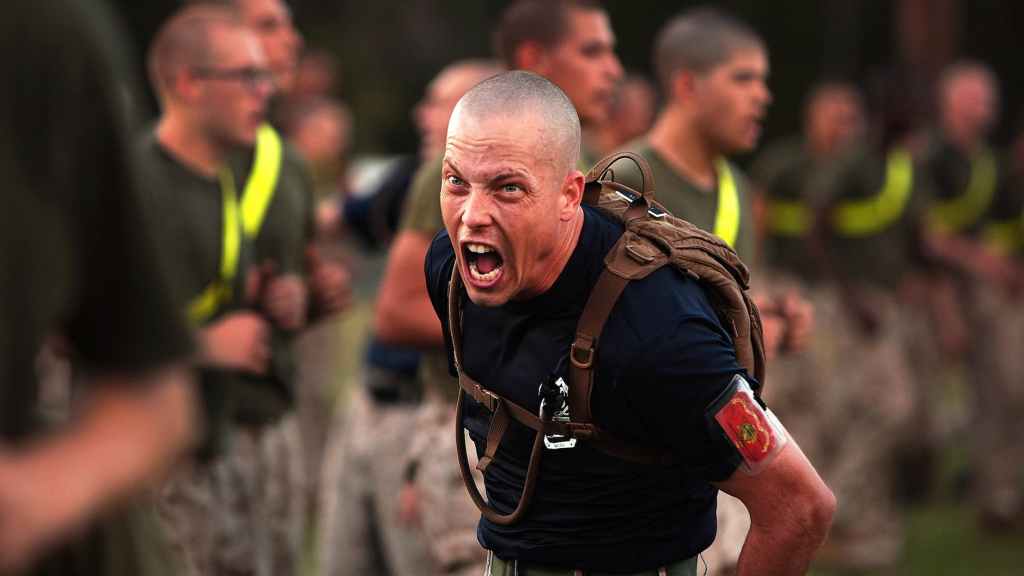


According to a 2012 report by the RAND Corporation, approximately 10% of nonjudicial punishment cases in the U.S. military result in separation from the service. Extrapolating from this figure, considering the vast number of nonjudicial punishment cases since 9/11, it is reasonable to estimate that tens of thousands of service members have been separated rather than court-martialed.
Moreover, the separation rate for troops deployed to Iraq was higher than for those deployed to Afghanistan, suggesting that the number of separations may vary depending on the specific conflict. Additionally, some separations may have occurred due to reasons unrelated to misconduct, such as medical issues or performance-related issues.
While the exact number of separations remains elusive, the available evidence suggests that it is likely in the tens of thousands, making it a significant aspect of the U.S. military’s post-9/11 operations.
Doesn’t this make you wonder? Do we really want to know?
 thelivingbreathingjamesbrown.com
You must be logged in to post a comment.