


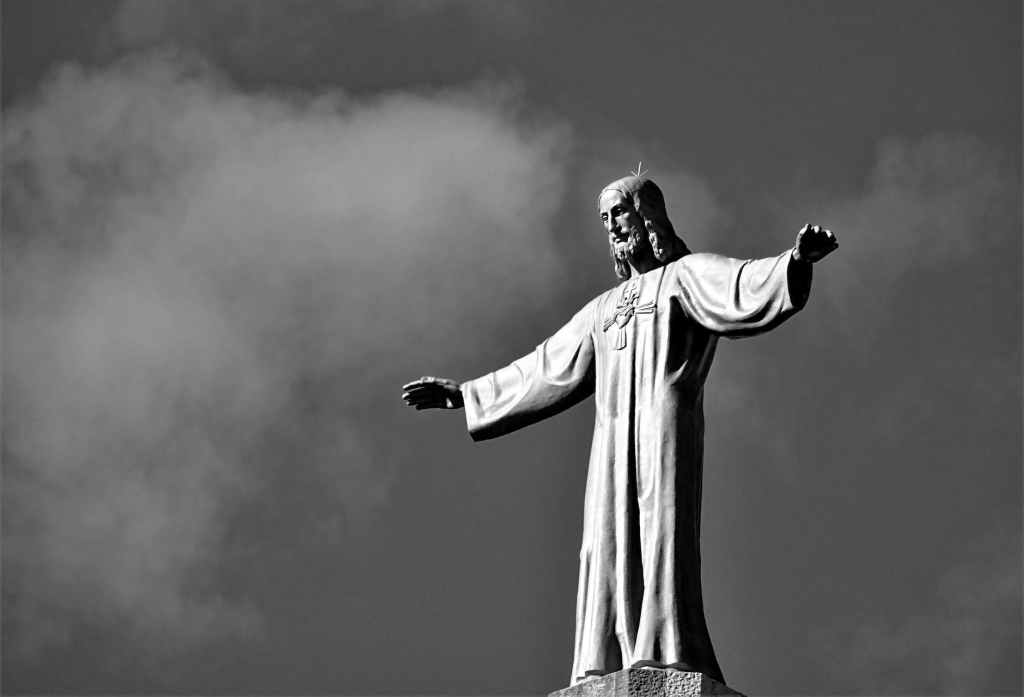


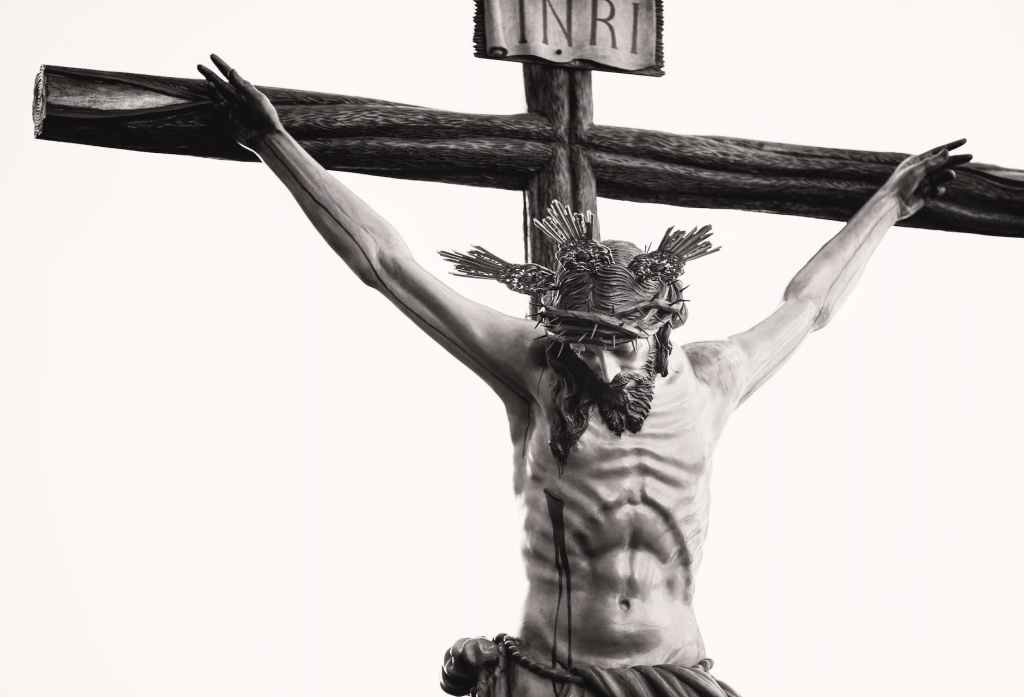





The Life and Death of Jesus Christ. A Biblical and Historical Perspective
Introduction
The life and death of Jesus Christ is one of the most pivotal events in human history. His teachings have inspired and transformed countless lives, and his crucifixion and resurrection are central to the Christian faith. In this paper, we will explore the historical context of Jesus’ life, examine the reasons for his crucifixion, and discuss the significance of his resurrection.
The Historical Context of Jesus’ Life
Jesus was born in Bethlehem, Judea, during the reign of Herod the Great. He grew up in Nazareth, a small village in Galilee, and began his public ministry around the age of 30. Jesus’ ministry was characterized by his powerful teaching, his miracles, and his compassion for the poor and marginalized. He attracted a large following, but also drew the ire of the Jewish religious leaders, who saw him as a threat to their authority.
Reasons for Jesus’ Crucifixion



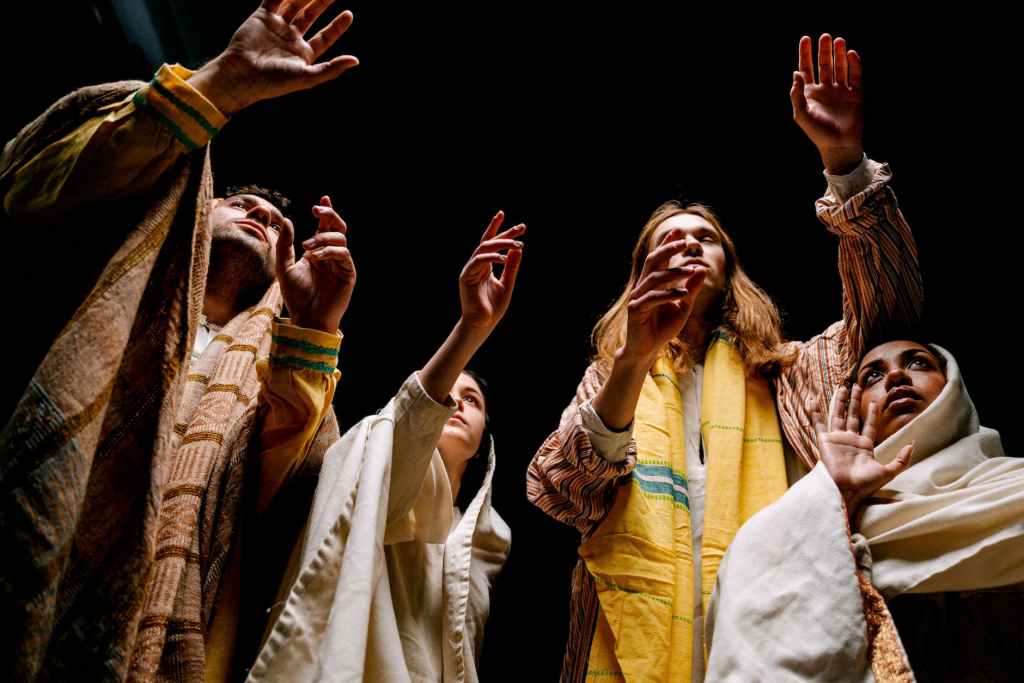
There are several reasons why Jesus was crucified. The Jewish leaders accused him of blasphemy for claiming to be the Son of God. They also feared that his popularity would lead to a rebellion against Roman rule. The Roman authorities, who were responsible for maintaining order in Judea, saw Jesus as a threat to their power. They arrested him, tried him for treason, and sentenced him to death by crucifixion.
The Significance of Jesus’ Crucifixion
The crucifixion of Jesus was a brutal and humiliating death. However, it is also seen as the ultimate sacrifice for humanity. According to Christian belief, Jesus died on the cross to pay for the sins of the world. His death made it possible for people to be reconciled with God and receive eternal life.
The Dead in the Graveyards Coming Out
The Gospel of Matthew records that when Jesus died on the cross, there was an earthquake that caused the tombs to open and the bodies of many saints to be raised. These saints then went into the holy city and appeared to many people. This event is seen as a sign of Jesus’ power over death and a foreshadowing of his own resurrection.
The Resurrection of Jesus
The resurrection of Jesus is the central event of the Christian faith. It is the belief that Jesus, after being crucified and buried, was raised from the dead on the third day. The resurrection is seen as a sign that Jesus is the Son of God and that he has conquered death.
Conclusion
The life and death of Jesus Christ have had a profound impact on the world. His teachings continue to inspire people today, and his death and resurrection are seen as a symbol of hope and redemption.
References
- The Holy Bible
- Brown, Raymond E. (1994). An Introduction to the New Testament. Yale University Press.
- Meier, John P. (1991). A Marginal Jew: Rethinking the Historical Jesus. Yale University Press.
- Sanders, E. P. (1993). The Historical Jesus. Penguin Books.










The notion that Jews collectively crucified Jesus is a deeply complex and sensitive topic, rooted in both historical and theological considerations. It is important to approach this subject with care and understanding, recognizing the potential for misinterpretation and offense.
The concept of collective Jewish responsibility for Jesus’ death stems from certain passages in the New Testament, particularly the Gospel of Matthew, which records the Jewish crowd’s declaration, “His blood be on us and on our children” (Matthew 27:25). This verse has been interpreted in various ways throughout history, often leading to the harmful accusation of deicide, the belief that Jews are inherently guilty of killing Jesus.
However, it is crucial to recognize that the New Testament Gospels were written decades after Jesus’ death and reflect the evolving views of early Christians. The Gospels were composed within a specific historical context, marked by tensions between early Christianity and Judaism. In this context, the portrayal of Jewish leaders as complicit in Jesus’ death served to distinguish Christianity from Judaism and establish its own legitimacy.
Modern Jewish scholarship and religious teachings reject the notion of collective Jewish responsibility for Jesus’ death. They emphasize that the crucifixion was a Roman execution, carried out by the Roman governor, Pontius Pilate. The Jewish leaders, while having some political authority, did not have the power to order a crucifixion.
Moreover, Jewish tradition emphasizes the importance of individual responsibility for one’s actions. The concept of collective guilt is not a part of Jewish theology, and the actions of specific individuals in the events surrounding Jesus’ death should not be attributed to the entire Jewish community.
The historical context and theological considerations surrounding Jesus’ death underscore the importance of avoiding generalizations and stereotypes when discussing this sensitive topic. It is essential to approach the subject with respect and understanding, acknowledging the complex history and diverse perspectives involved.
Nazi Germany did exploit the deicide accusation against Jews as justification for their persecution and extermination. The Nazis often used the rhetoric of Jews as “Christ-killers” to dehumanize and demonize them, making them easier targets for violence and discrimination. This rhetoric was based on a long history of antisemitism in Europe, which often blamed Jews for the death of Jesus.
The Nazis’ use of this rhetoric was particularly effective in Germany, where a majority of the population was Christian. By portraying Jews as responsible for the death of Jesus, the Nazis were able to tap into deep-seated religious prejudices and make their antisemitism more palatable to the masses.

The deicide accusation was also used by the Nazis to justify their claims that Jews were a threat to Christianity. They argued that Jews were not only responsible for the death of Jesus, but that they also continued to persecute Christians throughout history. This rhetoric was used to further isolate and demonize Jews, and to make the case for their removal from German society.
The use of the deicide accusation against Jews was a powerful tool of propaganda for the Nazis. It helped to justify their persecution of Jews and to make their antisemitism more acceptable to the German people.
It’s important to remember that generalizations about entire groups of people can be very dangerous, as they can lead to discrimination and prejudice.
In the case of Jews and white people, there is a long history of tension and conflict between the two groups. This conflict is rooted in a number of factors, including religious differences, economic disparities, and historical persecution. In recent years, this conflict has been exacerbated by political polarization and social media, which can amplify negative stereotypes and make it easier for people to spread harmful rhetoric.








It’s important to remember that not all Jews or white people hold negative views of the other group. There are many people of both faiths who work together to promote understanding and cooperation. However, it’s also important to acknowledge that there is a real problem with antisemitism and racism in the United States, and that these problems can have serious consequences for individuals and communities.
If you’re concerned about antisemitism or racism, there are a number of things you can do to help. You can educate yourself about these issues, and you can speak out against discrimination and prejudice. You can also support organizations that are working to promote understanding and tolerance.
It’s important to remember that we all have a role to play in creating a more just and equitable society. By working together, we can address the root causes of discrimination and build a more inclusive world for all.
According to a 2013 Pew Research Center survey, 94% of U.S. Jews identify as white. However, this number has been declining in recent years. In a 2020 Pew Research Center survey, only 82% of U.S. Jews identified as white. This decline is likely due to a number of factors, including increased intermarriage between Jews and people of other races and ethnicities, as well as a growing awareness of the diversity of the Jewish community.
There are a number of reasons why some Jews identify as white. Some Jews believe that their shared history and culture with white people gives them a shared identity. Others believe that identifying as white gives them access to the privileges and opportunities that are associated with whiteness.
Some Jews, however, do not identify as white. Some Jews believe that their experiences as Jews have made them distinct from white people. Others believe that identifying as white is inaccurate or misleading, as it ignores the diversity of the Jewish community.
Ultimately, the question of whether or not Jews consider themselves white people is a personal one. There is no right or wrong answer, and it is up to each individual Jew to decide how they identify.
It is important to note that there is also a growing movement of Jews who identify as Jews of color. Jews of color are Jews who have a racial or ethnic heritage that is not white. The movement of Jews of color is working to raise awareness of the diversity of the Jewish community and to challenge the notion that all Jews are white.










 thelivingbreathingjamesbrown.com
You must be logged in to post a comment.