
A Scholarly Stroll Down Superstition Lane: 10 Beliefs and Our Evolving Relationship with Them
Welcome, fellow voyagers of curiosity, to this intellectual excursion into the labyrinthine world of superstitions! Today, we shall delve into ten of these fascinating cultural beliefs, exploring their evolutionary roots and their persisting influence in our modern lives. So, buckle up, light your metaphorical torches of reason, and prepare to be both mystified and enlightened!
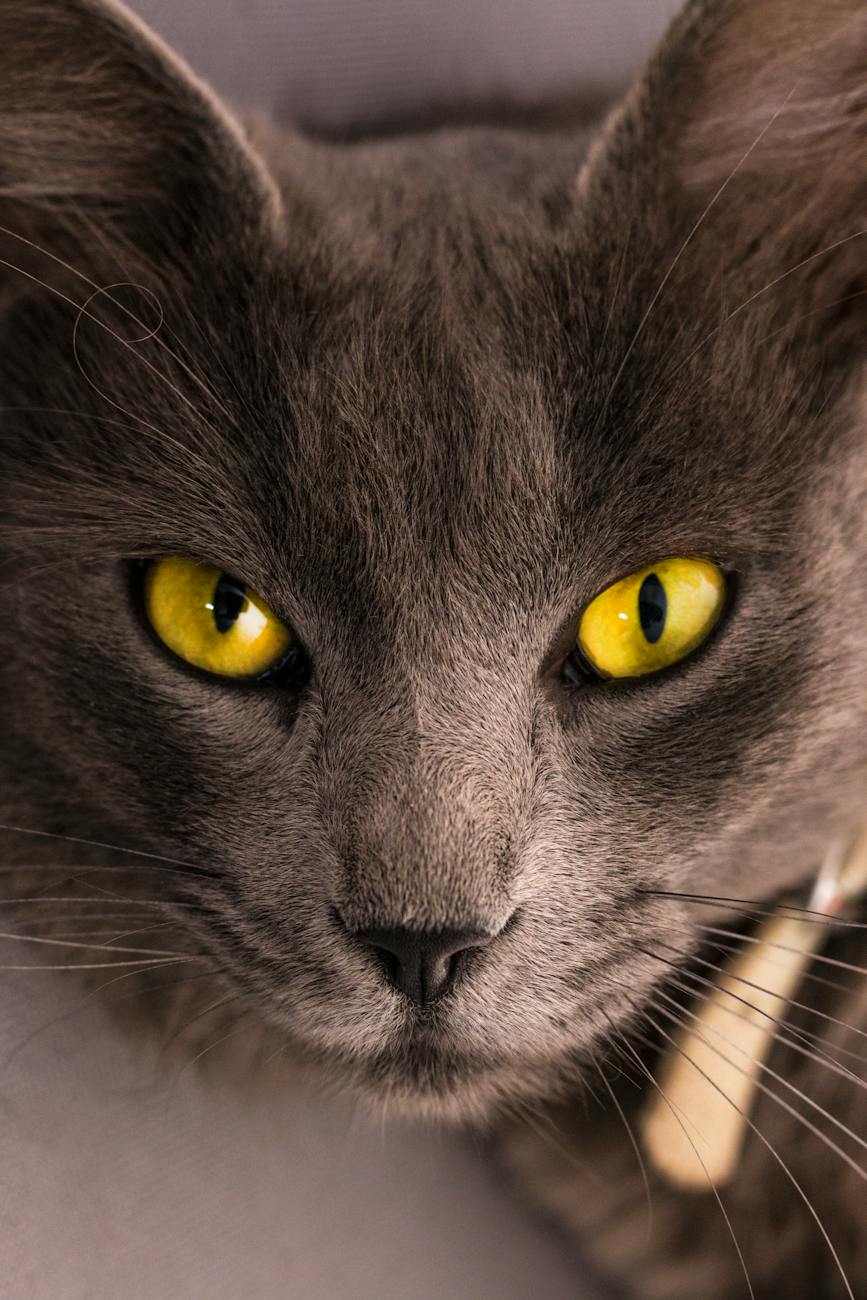
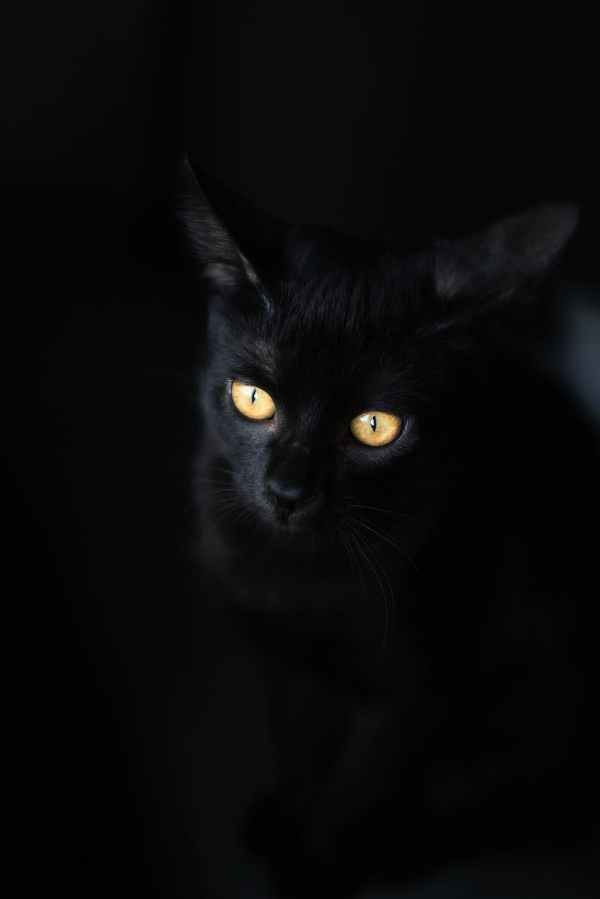
1. Black Cats & Misfortune: This feline stigma likely arose from ancient Egyptian associations with darkness and chaos. However, as societies modernized, cats became companions and pest control, leading to a shift in perception. While some may still harbor a twitch when a black cat crosses their path, it’s more a playful acknowledgement of the superstition than genuine fear.
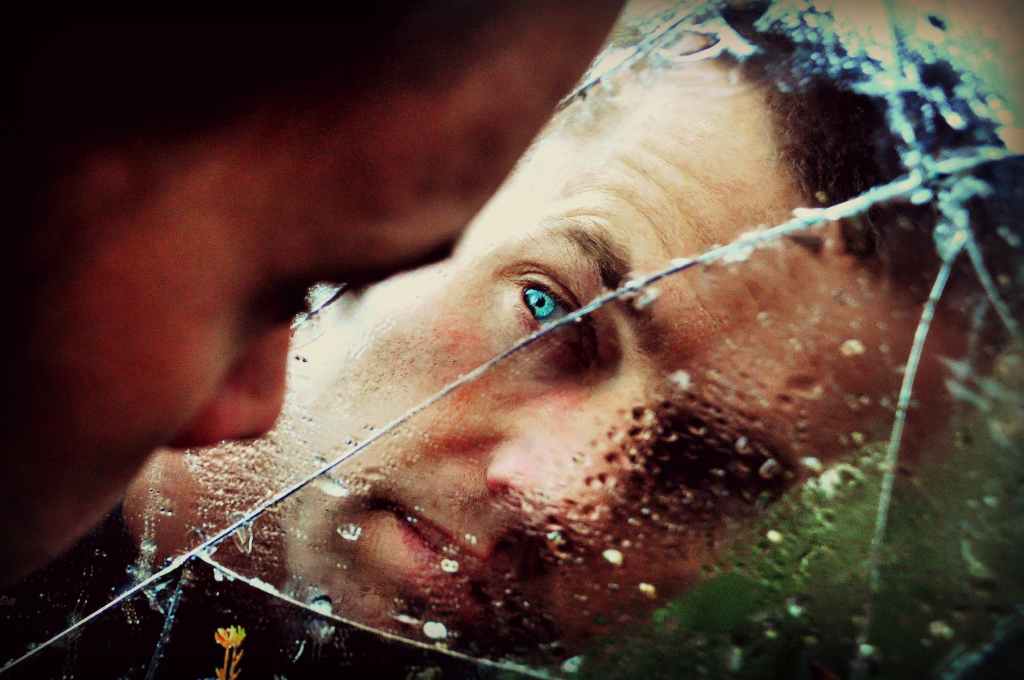
2. Breaking a Mirror & 7 Years of Bad Luck: This belief traces back to Roman times, where mirrors were rare and expensive, their breakage symbolizing shattered fortune. In modern times, the superstition has become more lighthearted, often invoked jokingly or used as a plot device in horror films.
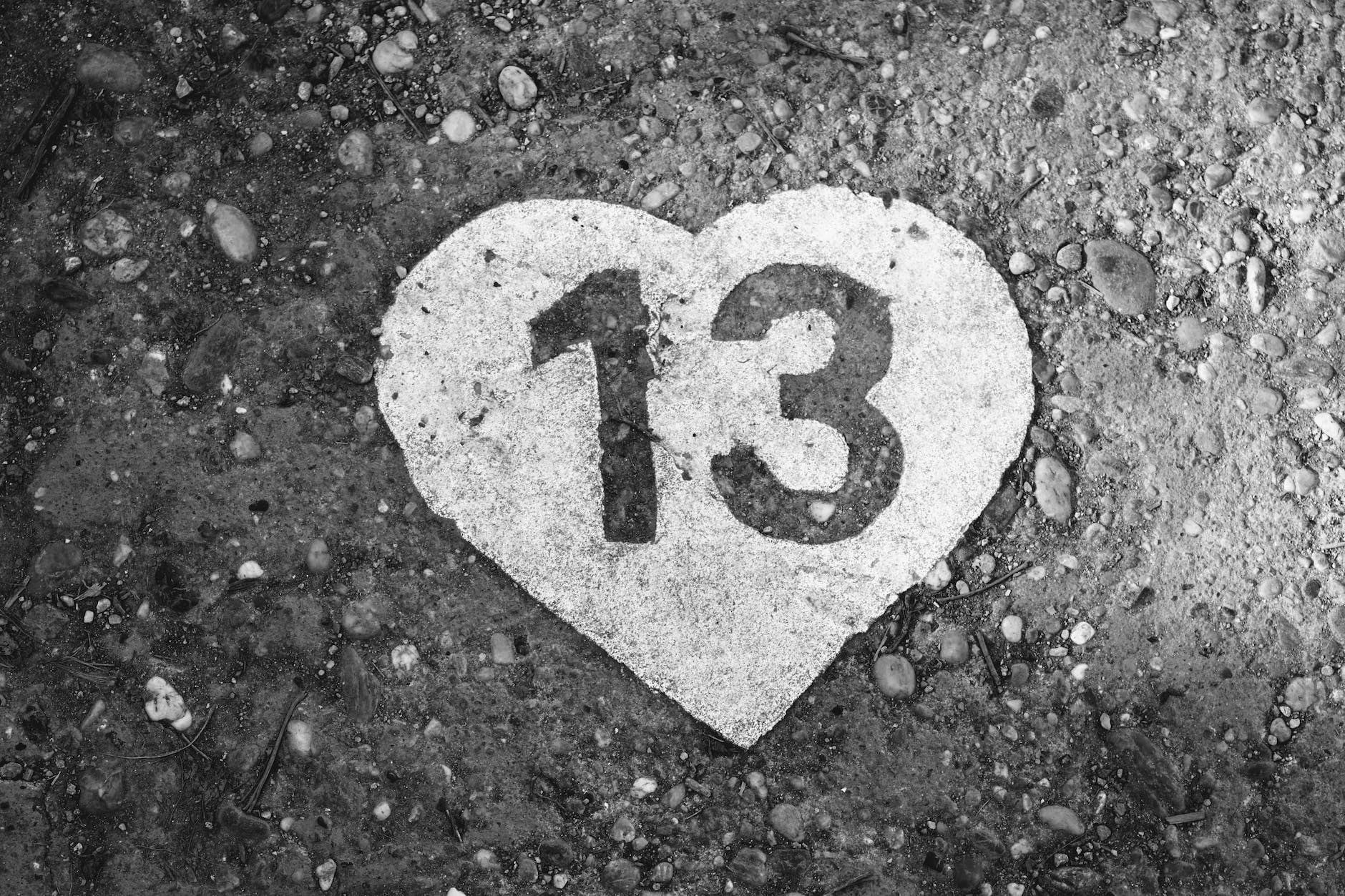
3. Friday the 13th & Doom: Combining Norse myths of unlucky numbers with Christian associations with betrayal, Friday the 13th gained traction in the late 19th century. Today, it’s mostly a pop-culture phenomenon, inspiring movies, games, and even phobias, but rarely genuine apprehension.

4. Knocking on Wood & Good Luck: This practice likely originated from pagan veneration of trees as homes of spirits. Touching wood invoked their protection against misfortune. Today, it’s a widespread habit, often used without conscious awareness of its historical roots.
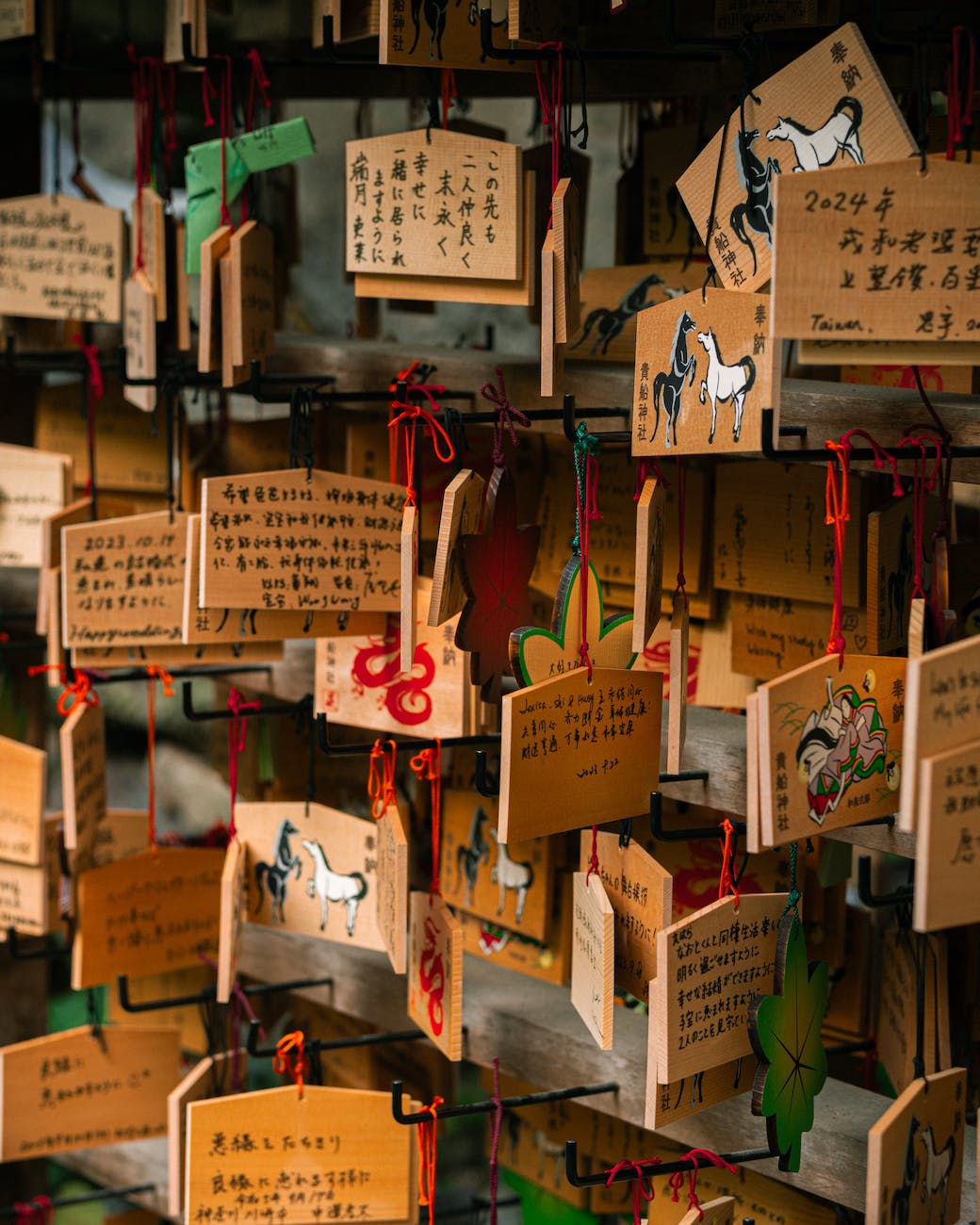
5. Lucky Charms & Personal Enchantment: From rabbit’s feet to four-leaf clovers, humans have long sought tangible tokens of good fortune. While their efficacy is debatable, these charms provide a sense of control and comfort in uncertain situations. Their popularity persists, driven by the human desire for a little extra luck.
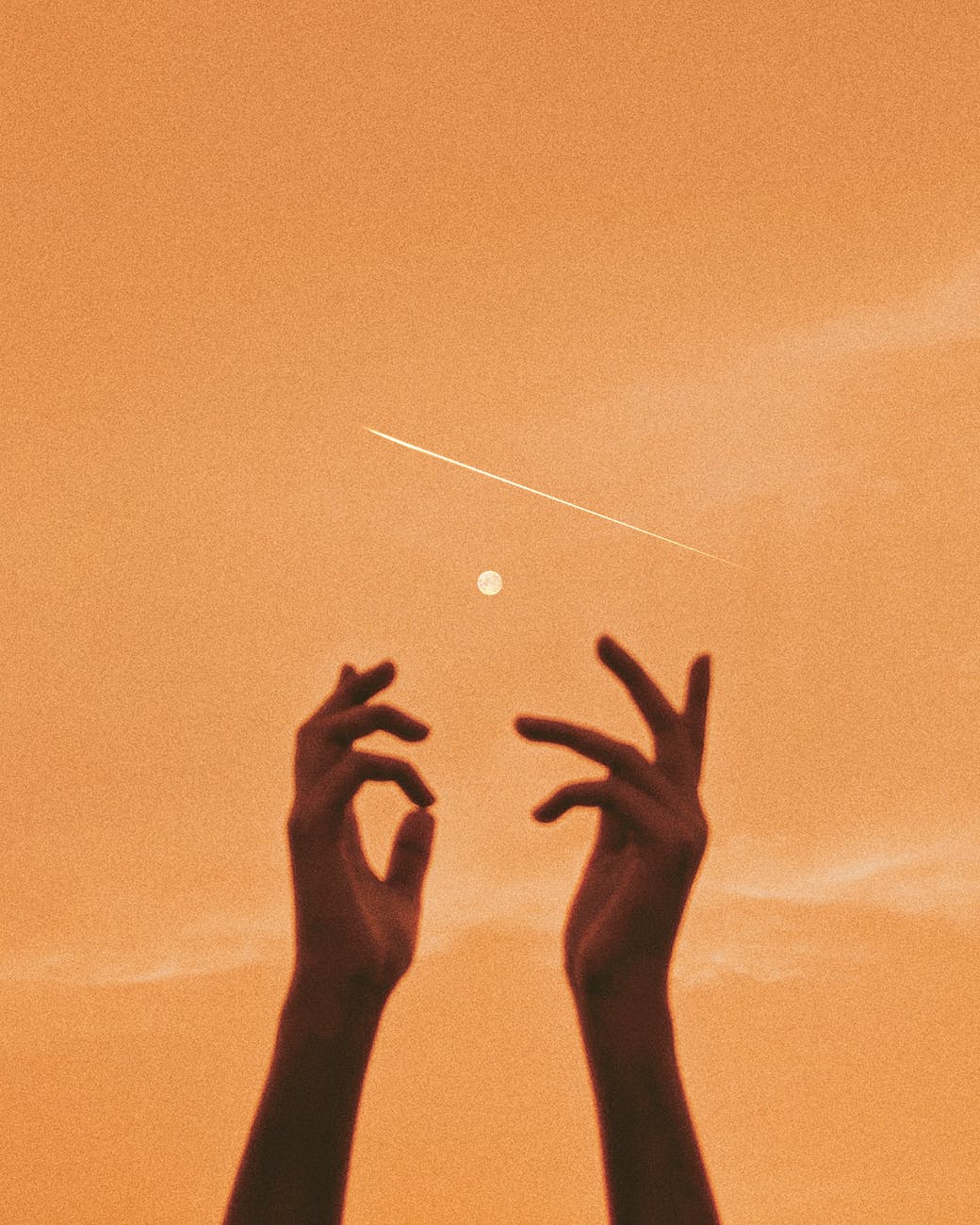
6. Seeing Shooting Stars & Wishing: Believed to be fallen stars or spirits, shooting stars were seen as omens in many cultures. Wishing upon them became a way to influence fate. This charming tradition continues, a testament to our enduring fascination with the cosmos and the desire to believe in magic.

7. Spilling Salt & Bad Luck: This superstition likely arose from salt’s historical value and its association with hospitality. Spilling it was seen as disrespecting these values and inviting misfortune. While the superstition persists in some cultures, its grip has loosened due to the readily available nature of salt in modern times.

8. Walking Under a Ladder & Bad Luck: This belief might stem fronom practical concerns about falling objects or a reverence for triangles as sacred shapes in some cultures. Today, it’s mostly a matter of etiquette, avoiding an awkward collision rather than fearing cosmic retribution.

9. Opening an Umbrella Indoors & Bad Luck: This superstition’s origins are murky, possibly linked to fear of offending weather deities or superstition around opening closed objects indoors. In modern times, it’s largely forgotten, except perhaps by grandmothers with a keen eye for interior decoration.

10. New Year’s Resolutions & Fresh Starts: This tradition, while not strictly a superstition, reflects our inherent desire for positive change and self-improvement. While many resolutions fall by the wayside, the practice itself signifies a belief in our own agency and the possibility of renewal.
Our journey through these ten superstitions reveals a fascinating interplay between ancient anxieties, cultural evolution, and the enduring human penchant for finding meaning in the unpredictable. While some superstitions have faded into historical footnotes, others remain embedded in our daily lives, whispering of forgotten fears and whispered hopes. So, the next time you knock on wood or wish upon a star, remember the rich tapestry of human experience woven into that simple act. Who knows, it might just spark your own scholarly stroll down another curious lane!
 thelivingbreathingjamesbrown.com
You must be logged in to post a comment.