
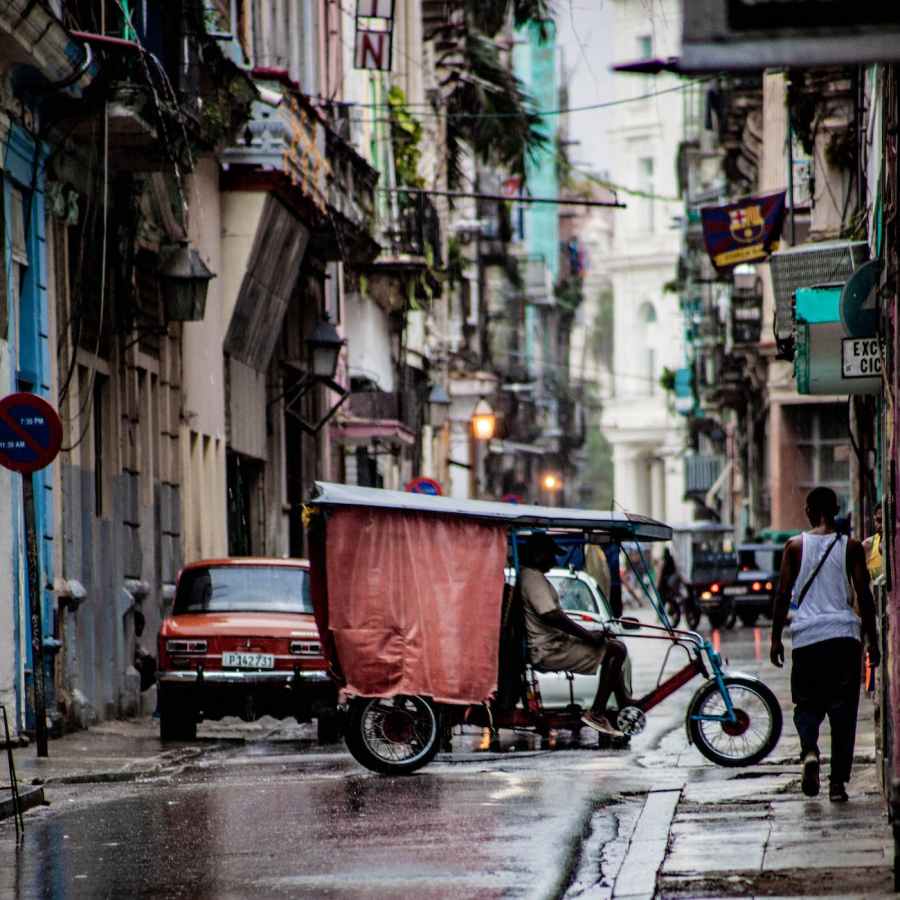
Understanding the Cuban Ration Book Dilemma: A Contextualized Education
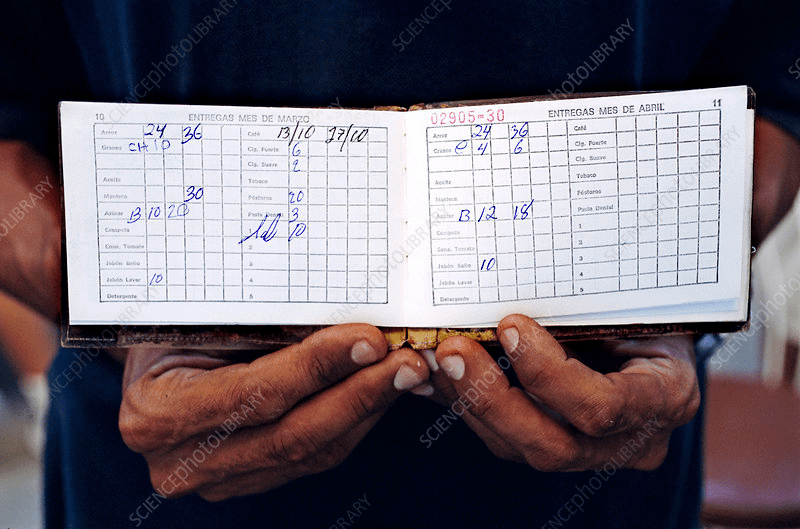

The statement by Prime Minister Manuel Marrero Cruz highlights a complex and challenging situation in Cuba. Let me shed some light on the context and delve into the intricacies of the Cuban ration book system:
1. Cuban Ration Books (La Libreta de Abastecimiento):
- Introduced in 1962, these booklets entitle every Cuban citizen to subsidized basic necessities like rice, beans, sugar, coffee, bread, and some hygiene products.
- The amount allocated depends on factors like age, gender, and health status.
- This system guarantees a minimum level of sustenance for all, especially with Cuba’s economic struggles and US sanctions.
2. The Challenge: Rising Costs vs. Rationed Necessities:
- Cuba faces severe economic difficulties, partly due to the pandemic, trade restrictions, and inefficiencies in its centrally planned economy.
- Prices of fuel, electricity, and imported goods have risen significantly, putting pressure on government subsidies.
- Raising energy prices might ease economic burdens but could make daily life unaffordable for many Cubans, pushing them to choose between essentials like electricity and rationed food.
- Conversely, reducing rations would directly impact people’s access to basic necessities, exacerbating food insecurity and potentially causing social unrest.
3. Potential Consequences of Each Choice:
- Raising energy prices: Could lead to higher transportation costs, impacting food distribution and other sectors. Additionally, it might trigger inflation, further eroding purchasing power.
- Reducing rations: Could cause widespread hardship, malnutrition, and potentially social unrest. It might also damage public trust in the government.
4. Beyond the Dilemma: Finding Solutions:
- Diversifying the economy to reduce dependence on imports and sanctions.
- Improving agricultural production and food distribution systems.
- Implementing targeted subsidies and social safety nets for vulnerable populations.
- Engaging in dialogue with the public and seeking innovative solutions to economic challenges.
5. Conclusion:
The decision to raise energy prices or reduce rations is a difficult and delicate one, with no easy answers. Understanding the historical context, economic pressures, and potential consequences of each choice is crucial for informed discussion and finding workable solutions that prioritize Cuban citizens’ well-being.
While formal ration books like those used in Cuba are not widespread in the modern world, similar mechanisms for controlled distribution of resources exist in different forms across various countries:
1. Targeted Subsidies:
- Many countries employ targeted subsidies for specific populations or essential goods. For example, some offer reduced prices on basic foodstuffs or fuel for low-income families or senior citizens. This ensures minimum access to vital resources without the need for individual ration booklets.
2. Price Controls:
- In some countries, the government might impose price controls on essential goods to keep them affordable for the public. This differs from rationing as it doesn’t limit individual consumption but aims to prevent price gouging by sellers.
3. Import Quota Systems:
- Some countries limit the import of certain goods to protect domestic industries or control currency outflow. While not directly rationing for individuals, this can indirectly affect availability and potentially lead to price increases.
4. Emergency Rationing:
- During crisis situations like natural disasters or war, some countries might temporarily implement temporary rationing systems to manage scarce resources for essential needs like food and water.
5. Digital Alternatives:
- Some countries are exploring digital alternatives to traditional ration books. For example, India’s Public Distribution System utilizes Aadhaar cards and biometric authentication to distribute subsidized food grains to eligible recipients, aiming for greater transparency and efficiency.
Beyond Formal Systems:
- It’s important to note that resource limitations and unequal distribution occur in many societies, even without formal rationing systems. Factors like income inequality, geographical disparities, and lack of access to markets can limit people’s ability to acquire essential goods in various ways.
Summary:
While the Cuban ration book system is unique, various forms of controlled resource distribution exist around the world. Understanding these diverse approaches and their contexts is crucial for comprehending the complexities of ensuring equitable access to essential needs in different societies.
Controlled resource distribution can take various forms, making it difficult to provide an exhaustive list of countries with such systems. However, here are some examples of countries where controlled resource distribution mechanisms exist:
1. Venezuela: Similar to Cuba, Venezuela has implemented a subsidized food distribution system through the Comités Locales de Abastecimiento y Producción (CLAP). These committees distribute basic food packages at subsidized prices to registered families.
Opens in a new windowwww.liberationnews.org
CLAP food distribution in Venezuela
2. North Korea: The Public Distribution System in North Korea plays a significant role in ensuring food security for the population. However, due to economic constraints and agricultural challenges, the system often struggles to meet the needs of all citizens.
Opens in a new windowbeyondparallel.csis.org
Public Distribution System in North Korea
3. Iran: The government in Iran subsidizes essential goods like bread, rice, and cooking oil. This system aims to make these necessities affordable for the population, particularly during periods of economic hardship.
Opens in a new windowfinancialtribune.com
Subsidized goods in Iran
4. Egypt: Egypt has a long history of subsidizing basic goods like bread and fuel. However, in recent years, the government has implemented reforms to reduce subsidies due to budgetary constraints.
Opens in a new windowwww.bakeryandsnacks.com
Subsidized bread in Egypt
5. India: The Public Distribution System (PDS) in India provides subsidized food grains to millions of people below the poverty line. The system utilizes Aadhaar cards and biometric authentication to ensure transparency and targeted distribution.
Opens in a new windowydsedu.wordpress.com
Public Distribution System in India
It’s important to note that these are just a few examples, and the specific mechanisms and extent of controlled resource distribution vary considerably across countries. Additionally, some countries might implement temporary rationing measures during crisis situations, such as natural disasters or war.
Furthermore, beyond formal systems, factors like income inequality, geographical disparities, and lack of access to markets can contribute to unequal resource distribution in many countries, even without explicit rationing policies.
Remember, understanding the nuances of resource distribution and its complexities is crucial for informed discussions about ensuring equitable access to essential needs in different societies.
 thelivingbreathingjamesbrown.com
You must be logged in to post a comment.