
Wanna have some Fun? How about Writing a paper on S P A M. You know, the meat in a can? And I’ll get you started and give you suggestions for yours-
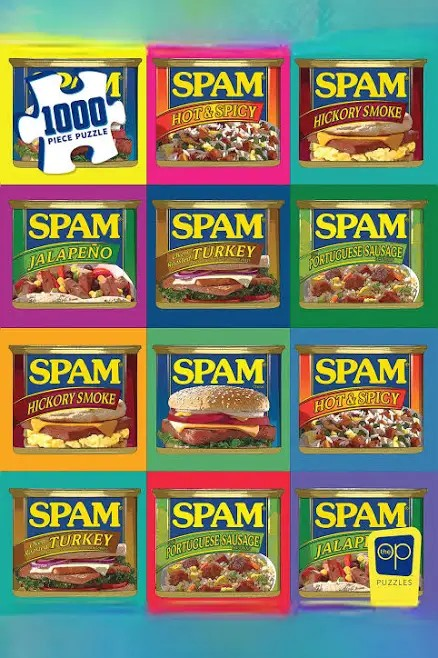
From Pork Shoulder to Global Icon: A Tasty Tale of SPAM
SPAM, the instantly recognizable square can holding a mystery meat concoction, has a history as rich and flavorful as its own unique taste. From humble beginnings as a Depression-era solution to pork surplus, to its starring role in wartime rations and eventual evolution into a culinary superstar, SPAM’s journey is a testament to American ingenuity and adaptability.
A Shoulder to Cry On (and Sell):
In 1936, Jay Hormel, son of the Hormel Foods founder, faced a dilemma. Pork shoulder, a less desirable cut, was piling up, threatening profitability. Enter George A. Hormel, a genius engineer, who envisioned a canned meat product utilizing this underappreciated protein. Thus, SPAM was born, an acronym for “Spiced Ham,” though some claim it stands for “Special Processed American Meat” (depending on who you ask!).

Canned Courage in a World War:
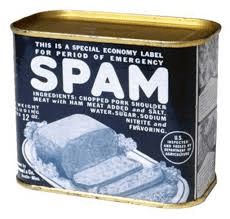
As World War II unfolded, SPAM found its true calling. Its long shelf life, high calorie content, and ease of transport made it an ideal staple for Allied troops. SPAM became a familiar taste of home amidst the horrors of war, fueling millions from battlefields to home fronts. Its popularity soared, earning the nickname “Surplus Army Meat” and inspiring songs, jokes, and even a Monty Python skit.

Post-War Palate:
After the war, SPAM faced a new challenge: carving a niche in peacetime pantries. Hormel cleverly marketed it as a versatile, affordable protein, perfect for quick meals and creative recipes. From breakfast sandwiches to fried slices on rice, SPAM found its way into American kitchens, becoming a symbol of culinary ingenuity and post-war prosperity.
Global Gastronomy:
SPAM’s journey didn’t stop at the U.S. borders. Its wartime role solidified its popularity in the Pacific, particularly Hawaii, where it became a beloved ingredient in dishes like musubi and SPAM fried rice. It entered Southeast Asian markets, finding favor in the Philippines and South Korea, where it’s considered a gourmet treat.
Beyond the Tin:
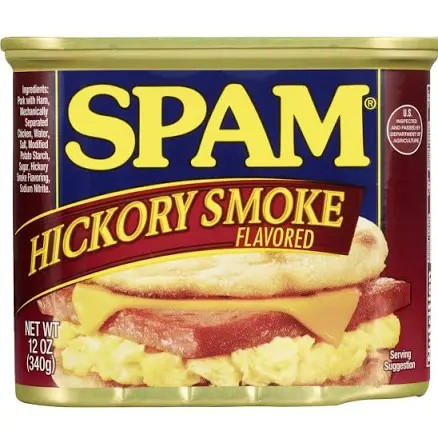
Today, SPAM remains a cultural icon, inspiring artists, chefs, and even spam email filters (ironically named after the ubiquitous meat!). Its evolution is a testament to human creativity and the power of reinvention. From wartime necessity to global phenomenon, SPAM’s story reminds us that even the most humble ingredients can become something extraordinary.
Here are some additional details you can add to your paper, depending on your specific focus:
- The science behind SPAM: Explore the unique production process, including the role of potato starch and sodium nitrite.
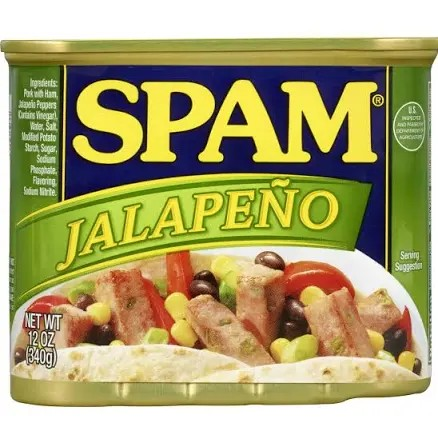
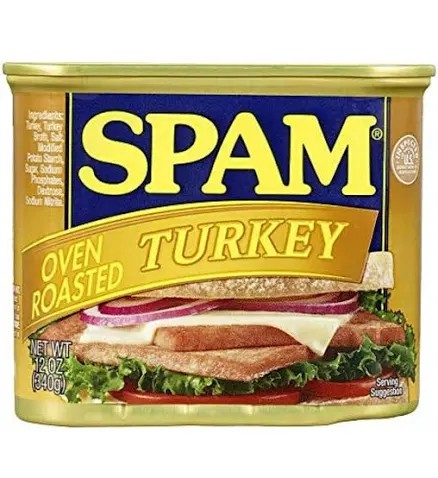
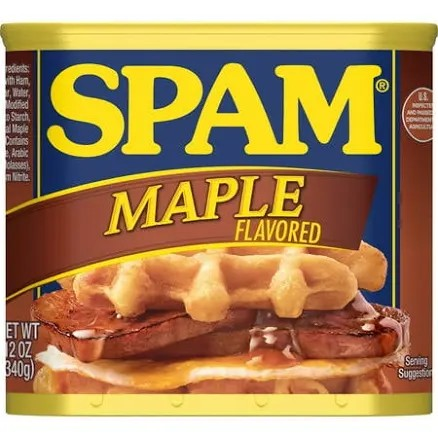
- Beyond the classic can: Discuss the wide variety of SPAM flavors and products available today, from hot and spicy to teriyaki and turkey.
- Cultural impact: Delve into SPAM’s role in popular culture, including its appearances in movies, music, and literature.
- The future of SPAM: Imagine the next chapter for this iconic brand, from sustainable sourcing to innovative recipes.
By incorporating these elements and your own personal touches, you can create a truly captivating and informative paper that celebrates the surprising history and enduring legacy of SPAM. Remember, SPAM is more than just a canned meat; it’s a cultural touchstone, a culinary chameleon, and a testament to the American spirit of innovation and adaptability. So, dig in and enjoy the story – it’s a delicious one!
 thelivingbreathingjamesbrown.com
You must be logged in to post a comment.