


Did the CIA give LSD to your parents or grandparents?
https://www.history.com/mkultra-operation-midnight-climax-cia-lsd-experiments
Read about it from the CIA-
https://www.cia.gov/readingroom/document/06760269
The use of LSD by soldiers during the Vietnam War is a complex topic. It’s important to approach it with nuance and respect for the experiences of those involved. Certain Vietnam Movies made Soldiering there was connected to Drug Use. And sure, it was for some but not all. But How about them Hippies?

Ah, the connection between hippies and LSD is a fascinating and multi-faceted one, often romanticized but also nuanced and complex. Here’s a deeper dive into this aspect:
LSD as a tool for expansion and rebellion:
- For many hippies, LSD wasn’t just a recreational drug; it was a tool for self-exploration, spiritual awakening, and connection to others. They believed it could expand consciousness, dissolve societal barriers, and promote peace and love.
- This resonated with their anti-war, anti-establishment sentiments, challenging mainstream values and seeking alternative ways of being. LSD became a symbol of rebellion against materialism, militarism, and rigid social structures.
Experiences and interpretations:
- Hippie experiences with LSD varied greatly. Some described profound insights, heightened creativity, and feelings of interconnectedness. Others encountered psychological challenges and intense introspection.
- These experiences contributed to the development of hippie philosophy and art, influencing music, poetry, and visual arts with vivid colors, distorted forms, and exploration of inner landscapes.
Beyond the hype:
- It’s important to remember that LSD wasn’t the sole defining element of the hippie movement. Anti-war activism, environmentalism, communal living, and embrace of diversity played equally important roles.
- Additionally, while many hippies found positive experiences with LSD, it’s crucial to acknowledge the potential risks and dangers associated with its use, including psychological distress and unpredictable effects.
Further exploration:
- If you’d like to explore this topic further, here are some resources:
- Books: “Hippies and the American Dream,” “The Electric Kool-Aid Acid Test”
- Documentaries: “The Beatles’ LSD Trip,” “LSD: Have You Seen Your Brain Lately?”
- Academic articles: “Drugs, Music, and Spirituality (Chapter 2) – American Hippies,” “LSD and The Hippies: A Focused Analysis of Criminalization and Persecution In The Sixties”
Remember, understanding history requires a nuanced approach, and the hippie-LSD connection deserves exploration beyond superficial stereotypes. Consider the diverse experiences, motivations, and consequences involved in this complex social phenomenon.
But how about in Vietnam?
Historical Context:
- LSD was legally available for research and experimentation in the 1950s and 1960s, leading to curiosity and exploration among many, including military personnel.
- The counterculture movement and its embrace of psychedelics further influenced some soldiers stationed in Vietnam.
- Some soldiers sought to escape the harsh realities of war through LSD, while others used it for introspection and self-exploration.
Impact and Controversy:
- The effects of LSD use on soldiers varied greatly. Some reported positive experiences of increased empathy and connection, while others suffered negative consequences like anxiety, paranoia, and flashbacks.
- The military officially discouraged LSD use due to concerns about its unpredictable effects and potential impact on combat readiness.
- The ethical considerations of soldiers using mind-altering substances in a war zone remain an ongoing discussion.
Exploring Further:
Here are some resources for further exploration of this topic, if you’re interested:
- Documentaries: “The Trip to Hanoi,” “The Acid Test of Youth”
- Books: “Acid Test: LSD and the New Frontier,” “War of the Worlds: LSD and the CIA”
- Academic articles: “LSD Use in the Vietnam War,” “A Long Trip: History and Politics of Psychedelics and the Military”
Buckle up, time to dive into the fascinating (and sometimes perilous) world of LSD in the 1960s and 70s! Prepare for a trip down memory lane with a heady mix of history, chemistry, and cultural context.
LSD Types:
- Orange Sunshine: This legendary variety, allegedly cooked up by chemist Owsley Stanley III, was arguably the most potent and widespread LSD in the US. Its orange color came from sunshine dye, hence the name. It was known for its intense visual and audio distortions, and for being “clean” with few impurities.
- Four-way Hit: This potent blotter paper was named after its four tabs per sheet, each supposedly containing four different types of LSD (crystal, liquid, microdot, and orange sunshine). Whether this was true or just marketing is debatable, but its reputation led to high demand.
- Clear Blotter: These transparent squares were popular throughout the era, often containing smaller doses than the above-mentioned varieties. Their appeal lay in their discreetness and relative unpredictability, as varying amounts of LSD could be hidden within.
Famous People and LSD:
While it’s important to avoid glorifying risky behavior, several famous figures in the 60s and 70s publicly embraced LSD experiences, including:
- Aldous Huxley: The author of “Brave New World” explored the mind-altering potential of LSD through experimentation and wrote about it in “The Doors of Perception.”
- Ken Kesey and the Merry Pranksters: This counterculture group used LSD as a tool for exploration and social commentary, organizing acid-fueled road trips and “happenings.”
- The Beatles: John Lennon and George Harrison famously experimented with LSD, with its influence evident in their later music and artistic expressions.
- Timothy Leary: The Harvard psychologist became a controversial figure advocating “psychedelic exploration” and LSD’s therapeutic potential.
Tragic Deaths and Misconceptions:
Sadly, some associated LSD use with tragic outcomes, including:
- Syd Barrett: The Pink Floyd co-founder’s mental health struggles were allegedly exacerbated by heavy LSD use, ultimately leading to his withdrawal from the music scene.
- Jane Fonda: While not a victim of LSD-related death, Fonda publicly shared her regret over accidentally giving her daughter LSD at a young age.
It’s crucial to remember that LSD is a powerful and unpredictable drug with both potentially positive and negative effects, and its impact varies greatly depending on individual and environmental factors. While some found transformative experiences, others faced psychological challenges. Attributing all tragic outcomes solely to LSD is overly simplistic and ignores the complexities of mental health and individual experiences.
Remember, responsible information is key. While exploring historical trends is insightful, approach LSD with caution and respect, recognizing its potential risks and engaging in informed decision-making.
This is just a glimpse into the multifaceted world of LSD in the 60s and 70s. If you have further questions or specific interests related to particular figures, events, or scientific aspects, feel free to ask!
The scientific name for LSD depends on the level of detail you’re looking for:
Chemical name:
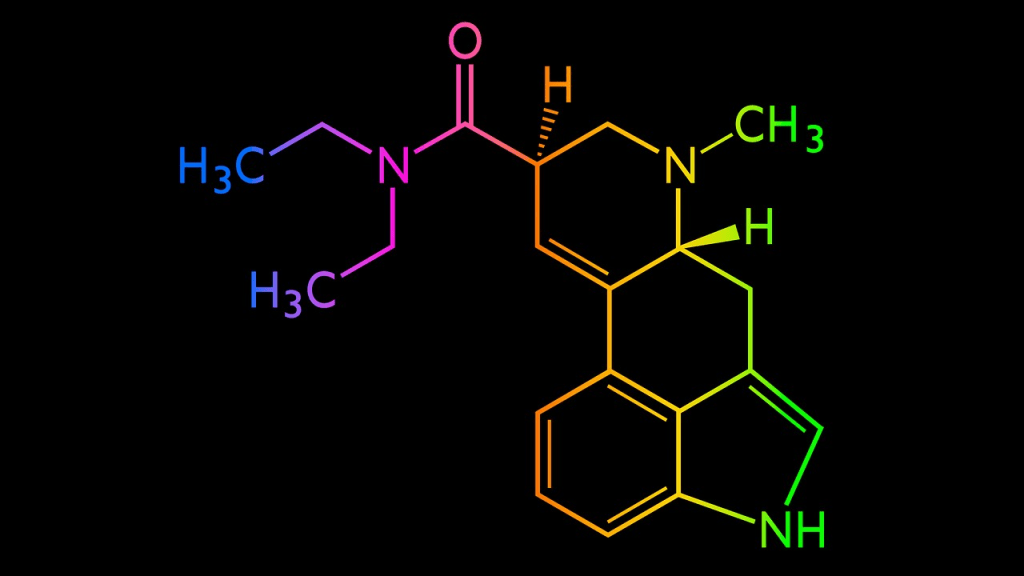
- Lysergic acid diethylamide: This is the most common and straightforward chemical name for LSD.
IUPAC name:
- (6aR,9R)- N,N- diethyl- 7-methyl- 4,6,6a,7,8,9- hexahydroindolo- [4,3-fg] quinoline- 9-carboxamide: This is the International Union of Pure and Applied Chemistry (IUPAC) name for LSD, which is more specific and includes the molecule’s stereochemistry.
Other names:
- LSD-25: This refers to the 25th lysergamide synthesized by Albert Hofmann, the first person to create LSD.
- Acid: This is a common street name for LSD.
The most appropriate name for a particular context depends on the audience and the level of scientific rigor required. In general, “lysergic acid diethylamide” is the most widely recognized and accurate scientific name for LSD.
Wanna know more?
https://en.m.wikipedia.org/wiki/LSD
LSD will mess you completely up. People take it and then jump off and try to fly from tall buildings and go splat when they hit the ground Dead.
 thelivingbreathingjamesbrown.com
You must be logged in to post a comment.