
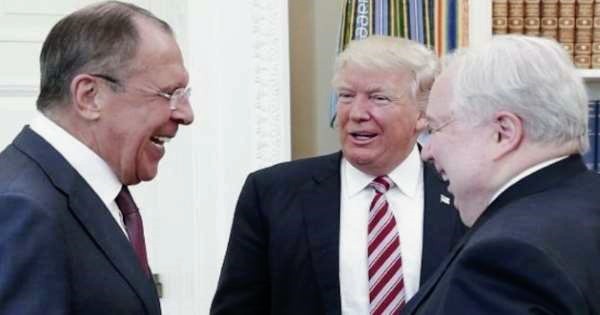
One of the most damming photos I ever saw. Here, Trump is free willing with Enemies oF The State-Russians! Putin’s best comrades.
After the Storm: Political Possibilities Beyond 2024
The year 2024 promises to be a political crucible, a crossroads where established powers are challenged and the path ahead becomes uncertain. Predicting the future is always a fool’s errand, but gazing into the crystal ball of post-2024 politics reveals a multitude of possibilities, ranging from the mildly surprising to the downright revolutionary. Buckle up, for this is a whirlwind tour of potential political futures:
The Pendulum Swings:
- The Blue Tsunami Rises Again: A revitalized Democratic Party rides a wave of discontent with the state of affairs, fueled by economic woes, social injustices, or environmental calamities. Progressive policies flourish, with increased government intervention in the economy, ambitious climate action, and expanded social safety nets. However, internal divisions within the party could lead to infighting and missed opportunities.
- The Red Tide Returns: A resurgent Republican Party capitalizes on anxieties about economic instability, cultural divides, and national security threats. Tax cuts, deregulation, and stricter immigration policies reign supreme. However, social issues like abortion and gun control could ignite backlash, especially among younger generations.
Beyond the Bipartisan Binary:
- Rise of the Third Way: Disillusioned by the polarized duopoly, voters flock to centrist or independent parties with pragmatic solutions focused on compromise and bipartisanship. This could usher in an era of coalition building and deal-making, but also lead to political paralysis if agreement cannot be reached.
- Grassroots Revolution: A wave of grassroots movements, fueled by environmental anxieties, economic inequality, and social justice demands, gains momentum, bypassing traditional political structures. This could lead to decentralized power dynamics, with direct democracy initiatives and community-based solutions taking center stage.
Technocratic Takeover?
- Experts at the Helm: In response to complex challenges like climate change or pandemics, voters turn to technocratic leaders with specialized knowledge and expertise. This could lead to more data-driven policymaking and evidence-based solutions, but also raise concerns about elitism and a disconnect from the lived experiences of ordinary citizens.
Global Reshuffle:
- A World Turned Upside Down: The international order undergoes a drastic shift, with new power blocs emerging and traditional alliances challenged. This could lead to increased geopolitical instability, resource conflicts, and competition for technological supremacy. Alternatively, it could also pave the way for new forms of global cooperation and multilateralism.
Unforeseen Disruptions:
- Black Swan Events: A global pandemic, a devastating natural disaster, or a technological breakthrough could completely reshape the political landscape. These unpredictable events can act as accelerants, magnifying existing trends or driving unforeseen change.
It’s important to remember that these are just a few possibilities, and the actual course of events will likely be a complex mix of these and other, as yet unforeseeable, factors. One thing is certain: the past is no longer prologue. The world after 2024 will be different, shaped by the choices we make today. The question is, which of these futures will we choose?
This paper is just a starting point for further exploration. As the 2024 election approaches, keep an eye out for emerging trends, analyze the rhetoric of potential candidates, and engage in informed discussions about the future you want to see. Ultimately, the power to shape the political landscape lies in the hands of the people.
Diving Deeper into Trump’s Current Political Rhetoric:
Tactics and Techniques:
- Hyperbole and exaggeration: Trump frequently uses inflated language to emphasize his points, painting dramatic pictures of “rigged elections,” “invasion on the border,” and “enemies within.” This creates a sense of urgency and fear, motivating his base and demonizing opponents.
- Fearmongering and scapegoating: He often identifies specific groups as threats to American values and security, such as immigrants, minorities, or “radical socialists.” This fosters division and distrust, painting his base as the sole protectors against these perceived dangers.
- Appeals to emotion and identity: Trump frequently uses simple, direct language that taps into anger, frustration, and a sense of belonging. He speaks to his supporters’ anxieties about economic decline, cultural change, and their perceived loss of power, solidifying their loyalty.
- Us vs. them framing: He constantly divides the world into “winners” and “losers,” “patriotic Americans” and “enemies of the people.” This reinforces a sense of solidarity among his base and delegitimizes opposing viewpoints.
- Disregard for facts and evidence: Trump often makes misleading or false statements, dismissing verifiable facts that contradict his narrative. This undermines trust in institutions and creates an alternative reality for his supporters, further deepening the partisan divide.
Impact on Different Groups:
- His base: Trump’s rhetoric reinforces their existing beliefs and fears, validating their grievances and providing a sense of community. It energizes them to turn out at polls and defend his agenda.
- Swing voters: His divisive language and disregard for facts can alienate independent voters seeking pragmatic solutions and moderate stances.
- Marginalized communities: His scapegoating rhetoric can fuel discrimination and hostility towards immigrants, minorities, and other groups he targets.
Potential Dangers and Benefits:
- Dangers: Increased polarization, erosion of trust in institutions, potential for violence or civil unrest, normalization of authoritarian tendencies.
- Benefits: Mobilization of his base, potential for addressing legitimate concerns of some voters, sparking debate on important issues.
Comparison to Past Rhetoric:
- Similarities: Consistent focus on “America First,” attacks on opponents and institutions, populist economic messaging.
- Differences: Increased emphasis on election denial and conspiracy theories, more frequent personal attacks and inflammatory language.
Broader Context:
Trump’s rhetoric is part of a larger trend of rising populism and polarization in the US and globally. It reflects and exploits existing socio-economic anxieties and cultural divisions, further exacerbating them. Understanding this context is crucial for interpreting the significance and potential consequences of his words.
Remember, this is just a starting point for a nuanced discussion. Each aspect discussed here merits further exploration and individual analysis. It’s essential to consider various perspectives, engage with fact-checking resources, and critically evaluate the claims made by all political actors, including Trump, to form informed opinions and participate meaningfully in our democratic discourse.
I hope this elaboration provided a deeper understanding of the complexities of Trump’s current political rhetoric. Feel free to ask any further questions you may have!
 thelivingbreathingjamesbrown.com
You must be logged in to post a comment.