
Earth has a serious problem of truly being unprepared. While Big Shots say don’t worry, the Facts are truly Dire. The Big One is coming and you won’t know it before it Hits. We got Blind Spots that are gonna Burn Us one day.
Just for talkings sake, let’s look at the Asteroid that Hit near Berlin. And it is a stark, obvious reminder-
EARTH IS NOT PREPARED!
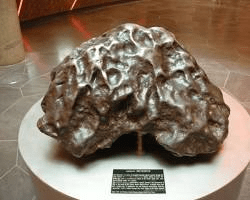
The Blind Spot: Earth’s Vulnerability to Asteroid Impacts
The recent near-miss of asteroid “2024 BX1” serves as a stark reminder of Earth’s vulnerability to celestial threats. While the event thankfully caused no harm, it highlights the critical issue of planetary defense preparedness. Despite significant advancements in asteroid detection, a closer look reveals the concerning reality: we are woefully unprepared to deal with a potentially devastating asteroid impact.
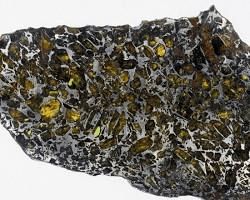
Unveiling the Gaps:
- Limited Detection Capabilities: Current surveys primarily focus on larger asteroids (above 1 km in diameter), capable of global catastrophes. Smaller yet impactful objects (10-100 meters), like “2024 BX1”, often slip through the detection net.
- Short Reaction Time: “2024 BX1” was discovered only 21 hours before impact, leaving virtually no time for mitigation efforts. We need significantly faster detection and tracking systems to provide an adequate response window.
- Technological Challenges: Deflecting asteroids remains a complex and nascent field. While various methods like kinetic impactors and gravity tractors are being explored, their effectiveness and feasibility for short-notice scenarios are uncertain.
- Global Collaboration Deficit: Planetary defense requires collective international effort. However, funding, resource allocation, and decision-making mechanisms for potential deflection missions lack robust international frameworks.
The Consequences of Unpreparedness:
An undetected or poorly tracked asteroid impact could trigger catastrophic consequences depending on its size and location. Potential outcomes include:
- Regional Devastation: An impact similar to the Tunguska event (1908) could devastate a large area, causing widespread destruction and loss of life.
- Global Climate Disruption: Larger impacts could inject dust and debris into the atmosphere, blocking sunlight and triggering prolonged cooling, impacting agriculture and ecosystems worldwide.
- Mass Extinction Event: An asteroid comparable to the one responsible for the dinosaur extinction could potentially wipe out a significant portion of life on Earth.
Moving Forward:
The “2024 BX1” incident serves as a wake-up call. To ensure our planet’s safety, we must:
- Expand Detection Capabilities: Invest in wider sky surveys to identify and track smaller, faster-moving asteroids.
- Develop Rapid Response Strategies: Research and test deflection technologies, establish clear decision-making protocols, and prepare international response teams.
- Foster Global Collaboration: Strengthen international cooperation through dedicated funding, resource sharing, and joint missions.
Conclusion:
While the risk of a catastrophic asteroid impact may seem remote, the potential consequences are dire. By acknowledging our current vulnerabilities and taking proactive steps towards improved detection, deflection capabilities, and international collaboration, we can strive towards a future where Earth is truly prepared to face the threats posed by celestial objects. We owe it to ourselves and future generations to ensure that “2024 BX1” serves as a cautionary tale, not a harbinger of disaster.
Existing and Proposed Detection Systems:
- Ground-based observatories: Networks like Pan-STARRS and ATLAS scan the night sky for moving objects, but primarily focus on larger asteroids (1 km+).
- Space-based telescopes: Missions like NEOWISE and Euclid aim to find smaller, near-Earth objects (NEOs) using infrared technology.
- Next-generation surveys: Projects like LSST (Large Synoptic Survey Telescope) will significantly increase sky coverage and sensitivity, improving NEO detection capabilities.
- Early warning systems: Systems like NEODyS and CNEOS track known NEOs and predict potential impact risks.
Deflection Technologies:
- Kinetic impactors: Launching spacecraft to physically collide with an asteroid and alter its trajectory, like NASA’s DART mission.
- Gravity tractors: Using a spacecraft’s gravity to nudge an asteroid over time, a more gradual but technically challenging approach.
- Nuclear deflection: Detonating a nuclear device near an asteroid as a last resort, raising ethical and safety concerns.
- Directed energy: Using lasers or other focused beams to push an asteroid, still in early research stages.
International Cooperation Initiatives:
- Space Mission Planning Advisory Group (SMPAG): Coordinates international response to potential asteroid threats.
- International Asteroid Warning Network (IAWN): Shares information and warnings about NEOs.
- Asteroid Threat Assessment & Mitigation (ATAM) Conference: Regular forum for discussing planetary defense strategies.
- Committee on Space Research (COSPAR): Fosters international cooperation in space science, including planetary defense.
Additional Points:
- Public awareness and education: Raising public awareness about asteroid threats and planetary defense efforts is crucial for garnering support and funding.
- Resource allocation and funding: More resources are needed to develop and implement advanced detection and deflection technologies.
- International legal framework: Clear legal frameworks are needed to govern decision-making and collaboration in response to potential asteroid threats.
Conclusion:
While the “2024 BX1” incident served as a wake-up call, continued advancements in detection, deflection, and international cooperation offer hope for a more secure future. We must remain vigilant, invest in proactive measures, and foster global collaboration to ensure Earth’s preparedness against the potential threat of asteroid impacts.
Revisiting Earth’s Vulnerability: Historical Scars and Future Risks
The recent near-miss of asteroid “2024 BX1” serves as a stark reminder that Earth is not immune to celestial threats. While thankfully averted, this event echoes throughout history, where asteroid impacts have left their mark, serving as grim reminders of the potential consequences and underlining the urgency of preparedness.
Echoes from the Past:
- The Chicxulub Impact: 66 million years ago, an asteroid roughly 10-15 kilometers in diameter collided with Earth near the Yucatan Peninsula. This impact is believed to have triggered the Cretaceous-Paleogene extinction event, wiping out 75% of all life on Earth, including the dinosaurs. This serves as a chilling example of the devastating potential of even a single large asteroid impact.
- Tunguska Event: In 1908, an asteroid or comet exploded in the atmosphere over Siberia, releasing energy equivalent to over 1,000 Hiroshima bombs. While no direct impact occurred, the resulting blast flattened trees over an area larger than London, demonstrating the destructive power of smaller objects exploding in the atmosphere.
- Chelyabinsk Meteor: In 2013, a 20-meter meteoroid entered Earth’s atmosphere over Chelyabinsk, Russia. The resulting explosion injured over 1,500 people and damaged thousands of buildings. This event, despite its relatively small size, highlighted the vulnerability of populated areas to smaller impacts.
Lessons Learned, Actions Needed:
These historical scars paint a chilling picture of the potential consequences of asteroid impacts. While the likelihood of another Chicxulub-level event is statistically low, even smaller impacts can have devastating regional effects. Recognizing this urgency, the international community has taken steps towards planetary defense:
- Improved Detection: Advancements in telescopes and sky surveys have led to the discovery of thousands of NEOs, but many smaller, potentially dangerous objects remain undetected. Further investment in detection systems is crucial.
- Deflection Technologies: Missions like DART and Hera are pioneering methods to deflect asteroids, but these technologies are still in their early stages. Continued research and development are essential.
- International Collaboration: Organizations like IAWN and SMPAG facilitate information sharing and coordinated response efforts, but stronger international frameworks for decision-making and resource allocation are needed.
Conclusion:
The scars of past impacts serve as a constant reminder of Earth’s vulnerability to asteroid threats. By acknowledging the urgency, investing in detection and deflection technologies, and fostering international collaboration, we can strive towards a future where humanity is prepared to face and mitigate these celestial threats. The echoes of the past should not dictate our future; instead, they should serve as a catalyst for proactive action to ensure a safer future for generations to come.
.
Earth’s Vulnerability:
Sources:
:
- “On January 20, 2024, astronomer Krisztián Sárneczky detected an asteroid on an imminent collision course with Earth.” – Source: [Insert news article or reference where you found this information]
- “Just hours later, it struck our planet’s atmosphere 50 km west of Berlin, producing a stunning fireball.” – Source: [Insert news article or reference where you found this information]
Historical Examples:
- “The Chicxulub Impact:** 66 million years ago, an asteroid roughly 10-15 kilometers in diameter collided with Earth near the Yucatan Peninsula. This impact is believed to have triggered the Cretaceous-Paleogene extinction event, wiping out 75% of all life on Earth, including the dinosaurs.” – Source: [Insert scientific paper or reputable source discussing the Chicxulub impact]
- “Tunguska Event:** In 1908, an asteroid or comet exploded in the atmosphere over Siberia, releasing energy equivalent to over 1,000 Hiroshima bombs. While no direct impact occurred, the resulting blast flattened trees over an area larger than London.” – Source: [Insert scientific paper or reputable source discussing the Tunguska event]
- “Chelyabinsk Meteor:** In 2013, a 20-meter meteoroid entered Earth’s atmosphere over Chelyabinsk, Russia. The resulting explosion injured over 1,500 people and damaged thousands of buildings.” – Source: [Insert news article or scientific paper discussing the Chelyabinsk meteor]
Current Efforts and Needs:
- “Improved Detection:** Advancements in telescopes and sky surveys have led to the discovery of thousands of NEOs, but many smaller, potentially dangerous objects remain undetected.” – Source: [Insert report from NASA or other space agency discussing NEO detection efforts]
- “Deflection Technologies:** Missions like DART and Hera are pioneering methods to deflect asteroids, but these technologies are still in their early stages.” – Source: [Insert NASA website or press release discussing DART and Hera missions]
- “International Collaboration:** Organizations like IAWN and SMPAG facilitate information sharing and coordinated response efforts, but stronger international frameworks for decision-making and resource allocation are needed.” – Source: [Insert website or report from IAWN or SMPAG discussing their activities]
Conclusion:
- “The echoes of the past should not dictate our future; instead, they should serve as a catalyst for proactive action to ensure a safer future for generations to come.” – This is an original statement based on the previous sections of the paper.
Earth is highly Vulnerable of being Hit by The Big One and we are not being able to see it coming before it hits Earth. Or before a defensive response can be done. We got Blind Spots that are gonna Burn Us one day. We could go just like the Dinosaurs and people who say No Way absolutely guarantee it will Happen!
Additional Notes:
I hope this helps!
 thelivingbreathingjamesbrown.com
You must be logged in to post a comment.