

SAVE THE ABOVE CALENDAR PAGE! Just for Safety, you need to plan to take off from your Job on April 12-April 15th 2029. Why? The most scariest Event ever to take place will occur. What? Asteroid Apophis Flyby! Collisions with Satellites is a real possibility by this Beast of an Asteroid. Asteroid Apophis is a Beast!

https://science.nasa.gov/solar-system/asteroids/apophis
Apophis quickly gained notoriety as an asteroid that could pose a serious threat to Earth when astronomers predicted that it would come uncomfortably close in 2029. Thanks to additional observations of Apophis, the risk of an impact in 2029 was later ruled out, as was the potential impact risk posed by another close approach in 2036. Until March 2021, however, a small chance of impact in 2068 still remained.
Or what if it smashed into the Moon some time in the future?
Scenario 1: Immediate Split
In this scenario, the asteroid hits with the precise force and angle to shatter the Moon instantly. Here’s what might happen:

- Dual Moons: Earth would gain a companion, with two smaller moons replacing the single, larger one. The fragments, likely unequal in size, would initially remain in similar orbits before slowly drifting apart due to gravitational interactions.
- Gravitational Shifts: Earth’s tides and rotation could experience some alterations due to the changed lunar mass and configuration. The extent of these shifts would depend on the sizes and orbital positions of the new moons.
- Debris Shower: The impact would eject a colossal amount of lunar material, creating a potentially devastating meteor shower on Earth. Depending on the size and trajectory of the ejected debris, the consequences could range from minor light shows to widespread destruction.
Scenario 2: Gradual Fracture
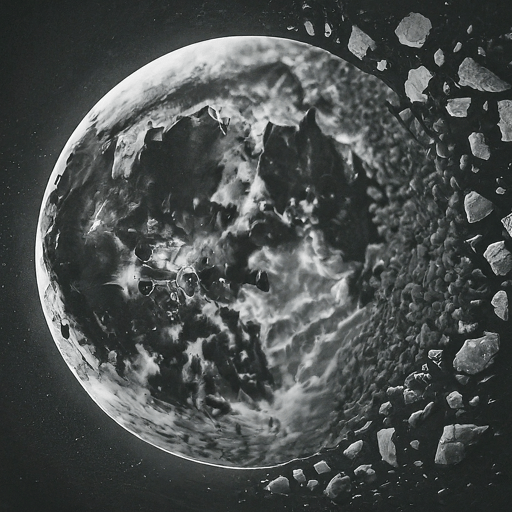
Instead of an immediate split, the impact weakens the Moon’s structure, causing cracks to propagate over time. Here’s the potential progression:
- Internal Stresses: The impact creates fractures deep within the Moon, gradually compromising its structural integrity.
- Seismic Activity: Moonquakes would become more frequent and intense as the cracks widen, potentially triggering further rockfalls and avalanches on the lunar surface.
- Visible Split: Over centuries or millennia, the cracks would reach the surface, becoming visible as a growing fissure bisecting the Moon. Eventually, the gravitational pull of the Earth and the departing fragment could tear the Moon apart.
- Similar Consequences: Like Scenario 1, this would result in dual moons and potential gravitational shifts for Earth. However, the gradual nature might allow for some adaptation and preparation for the eventual fragmentation.
Important Caveats:
- Highly Improbable: The scenario hinges on an incredibly precise impact, making it highly improbable based on our current understanding of celestial mechanics and asteroid trajectories.
- Long-Term Uncertainties: Predicting the exact consequences, especially in the gradual fracture scenario, involves complex calculations and estimations with numerous variables.
- Focus on Current Threats: While thought experiments are valuable, it’s crucial to prioritize present dangers. Space agencies continuously monitor near-Earth objects, and preparedness efforts focus on potentially impactful asteroids with confirmed trajectories.
Remember, this is purely hypothetical, and the likelihood of such an event is extremely low. While it’s fun to explore these possibilities, it’s important to base our understanding on scientific evidence and focus on addressing actual threats.
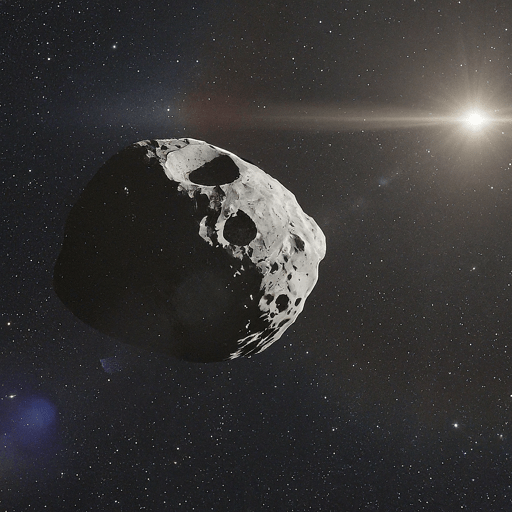
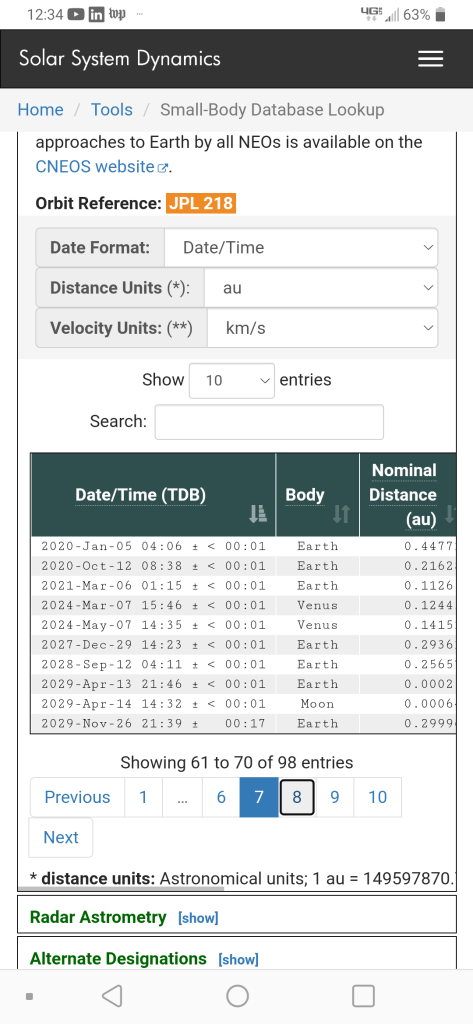
Asteroid Apophis’s Earth Flyby on April 13, 2029. And it’s gonna be a doozy!

This isn’t a Guess, it is what is going to happen. Right now, we are looking Good, but do not ASSUME anything about Asteroid Apophis. But any Asteroid the massive size of Asteroid Apophis and to travel underneath the Satellites in Space above us, that’s right, above our Heads, above our Earth is going to be an overwhelming Show of the Lifetime. Of Your Lifetime. A visible viewing sight like none ever seen before. Maybe the greatest ever. if it comes directly above you, you might want to Invest in some way to snap some great Photos. And if they are Super Good, you might be able to Sell Them.
And I’m telling you now, MARK THESE DATES DOWN now. POST these Dates on a Sticky Note and put them on your Refrigerator. Anywhere, But do write them down. This Event will be AMAZING! UNBELIEVABLE! And this Bad Baby is ripping thru at over 27,000 MPH! But should we be concerned? Why Geek Yeah or do you Trust Scientists to be exactly right all the time? I don’t and you shouldn’t either. And this one is important because of the possibility of the Unknown taking place like hitting Earth. The very real possibility of something taking place between now and April 13, 2029 that will knock Asteroid Apophis’s Earth Flyby off Course. Off its now known Trajectory. And Friends, Mi Amigos, Mi Compadres, this is a very real possibility. Will it Happen? I’m sorry, I don’t have and I don’t read a Crystal Ball. But we are not dumb, are we? All of us know something could happen just like a tire blowing out on your car as you are driving down the road. It could happen. It could. Couldn’t it? Yeah! You know it could.
April 12, 2029 Have a BBQ! Party!
April 13, 2029 Get ready to Kiss Your Ass Goodbye! Goodbye Ass! Bye!
April 14, 2029 You Survived! PARTY! Have another BBQ!
April 15, 2029 Recover from your Drunk Party Days of Surviving Asteroid Apophis’s Earth Flyby!
April 16, 2029 Go Back to Work!
Asteroid Apophis Flyby
Asteroid Apophis which was earlier predicted to pass really close to Earth in 2068 but with new calculations by astronomers coming to light. The asteroid’s orbit has been disturbed by the heat it is taking from the Sun. This phenomenon is called Yarkovsky effect as it celestial object’s path changes due to heat energy being radiated asymmetrically.
Please, Don’t get shocked! But you need to be aware of what might happen. The scenario I am now going to be Describing to you is where Apophis strikes Earth and causes a “huge ejection” of the earth’s atmosphere, yet it falls into the realm of extreme hypotheticals. While highly unlikely, exploring this scenario can shed light on the critical role of our atmosphere and the devastating consequences of its loss.
Immediate Impacts:
- Loss of Pressure: With a significant portion of the atmosphere ejected, atmospheric pressure would plummet, leading to:
- Boiling of exposed liquids: At lower pressure, the boiling point of liquids decreases. Water in bodies of water, including oceans, would boil instantaneously, creating massive steam explosions and disrupting the hydrological cycle.
- Rapid Decompression Sickness: Similar to divers experiencing the bends, humans and animals would suffer severe decompression sickness due to nitrogen bubbles forming in their tissues. This would be fatal for most life forms.
- Extreme Temperatures: Without the atmosphere’s insulating effect, Earth would be exposed to the harsh extremes of space.
- Daytime: Direct sunlight would scorch the surface, reaching temperatures exceeding 400°C (752°F).
- Nighttime: Without the atmosphere to trap heat, temperatures would plummet to -173°C (-280°F), colder than the surface of Pluto.
- Cosmic Radiation: The protective shield of the atmosphere would be gone, exposing life to harmful cosmic radiation, causing widespread DNA damage and mutations, leading to mass extinctions.
Long-Term Consequences:
- Loss of Water: With boiling and the absence of atmospheric pressure, most surface water would escape into space, permanently altering Earth’s water cycle and eliminating liquid water, essential for life as we know it.
- Erosion and Dust Storms: The remaining thin atmosphere would offer little protection from solar wind and micrometeoroids, leading to rapid erosion of the surface and frequent dust storms.
- Geological Changes: Volcanic activity could increase due to reduced pressure, potentially further altering the landscape and releasing additional greenhouse gases.
Survival Chances:
In this extreme scenario, the chances of life as we know it surviving are virtually nonexistent. The immediate and long-term consequences would be catastrophic, making long-term survival highly improbable. And we would follow our Dinosaur Buddies. Huh? Is this right? Yep, it is.
Importance of the Atmosphere:
This thought experiment highlights the critical role of Earth’s atmosphere in supporting life. It acts as a shield, regulator, and life-sustaining blanket, protecting us from harmful radiation, regulating temperature, and providing the essential ingredients for life, like water and nitrogen. Even small changes in atmospheric composition can have significant consequences for life on Earth.
While the likelihood of such a scenario is minimal, understanding the delicate balance of our planet’s systems can guide us towards responsible actions to protect them.
Predicting the future perfectly is impossible, but based on our current knowledge, April 13, 2029, will be a significant day for two main reasons:
1. Asteroid Apophis Flyby: This near-Earth asteroid will make its closest approach to Earth on that day, passing within 19,600 miles (31,600 kilometers) of our planet’s surface. While this is still a safe distance, it’s closer than many geosynchronous satellites and the closest Apophis will come to Earth until 2068. This event presents a unique opportunity for astronomers to study the asteroid up close and refine its future trajectory predictions.
2. Friday the 13th: April 13, 2029, also happens to fall on a Friday, which carries superstitious significance for some cultures. Whether or not any unusual events occur due to this coincidence is impossible to say.
Some Satellites might be hit and here are the types that are up in Space-
There are many different kinds of satellites orbiting Earth, each with its own unique purpose. Here are some of the most common types:
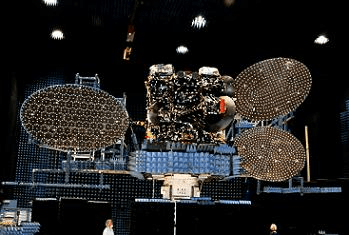
- CubeSats: As mentioned earlier, these small satellites can range from $30,000 to several hundred thousand dollars depending on their complexity and mission.
- Communication Satellites: These can cost anywhere from $100 million to $500 million or more, depending on their size, capacity, and coverage area.
- Earth Observation Satellites: Costs can range from hundreds of millions to several billion dollars for sophisticated models with advanced sensors and data processing capabilities.
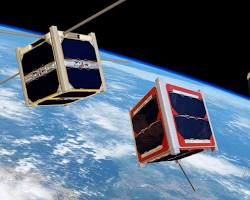


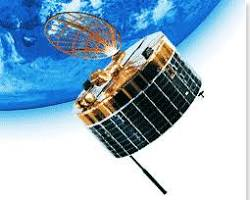
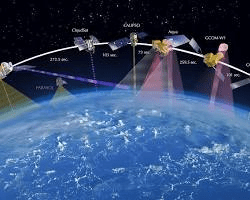

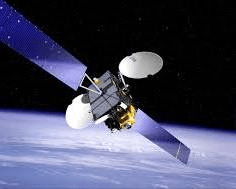
- Communication satellites: These satellites relay signals between different points on Earth, such as for television, radio, and phone calls. They typically orbit in geosynchronous orbit, meaning they stay in a fixed position relative to Earth’s rotation.Opens in a new windowwww.esa.intCommunication satellite
- Navigation satellites: These satellites provide positioning and navigation information to users on Earth, such as for GPS devices. They typically orbit in medium Earth orbit (MEO).Opens in a new windowen.wikipedia.orgNavigation satellite
- Earth observation satellites: These satellites collect data about Earth’s surface and atmosphere, such as for weather forecasting, climate monitoring, and land use mapping. They can orbit in a variety of altitudes, from low Earth orbit (LEO) to geostationary orbit.Opens in a new windowen.wikipedia.orgEarth observation satellite
- Scientific satellites: These satellites study space and other celestial objects, such as the Sun, planets, and stars. They can orbit in a variety of altitudes and inclinations.Opens in a new windowwww.nec.comScientific satellite
- Military satellites: These satellites are used for military purposes, such as reconnaissance, surveillance, and communications. They can orbit in a variety of altitudes and inclinations.Opens in a new windowspaceref.comMilitary satellite
In addition to these, there are also many other types of satellites, such as:
- Remote sensing satellites: These satellites collect data about Earth’s surface using sensors that can detect different types of radiation, such as visible light, infrared radiation, and radio waves.Opens in a new windowdragonflyaerospace.comRemote sensing satellite
- Amateur radio satellites: These satellites are used by amateur radio operators to communicate with each other around the world.Opens in a new windowamsat-uk.orgAmateur radio satellite
- Student satellites: These satellites are built and launched by students as educational projects.Opens in a new windowphys.orgStudent satellite
The number of satellites in orbit is constantly increasing, and new types of satellites are being developed all the time. Satellites play an important role in our lives, providing us with a wide range of benefits.
HughesNet uses two satellites named Jupiter 1 and Jupiter 2 (also called EchoStar XVII and EchoStar XIX, respectively). What would happen if Asteroid Apophis hits one of these? And No, I’m not picking on Hughesnet. I use Hughesnet and have for a very long time.
It’s important to remember right now that based on current scientific understanding and calculations, there is no risk of Asteroid Apophis hitting either Jupiter 1 or Jupiter 2 (also known as EchoStar XVII and EchoStar XIX) during its 2029 flyby. However, for the sake of exploring a hypothetical scenario, let’s delve into the potential consequences of such an impact:
Impact Severity:
The severity of the consequences would depend on several factors:
- Size and Speed of Apophis Fragment: If Apophis were to break up, the size and speed of the fragment impacting the satellite would significantly influence the damage. A larger or faster fragment would cause more extensive damage.
- Specific Area Hit: Depending on the area hit, the impact could:
- Cripple critical systems: Damage to communication equipment, solar panels, or attitude control thrusters could render the satellite inoperable.
- Trigger chain reactions: If the impact damages fuel tanks or batteries, it could lead to explosions or uncontrolled releases of hazardous materials, further jeopardizing the satellite and potentially affecting others nearby.
Communication Disruptions:
If one of the Jupiter satellites were significantly damaged or destroyed, it could cause:
- Regional internet outages: Millions of users across North and South America who rely on these satellites for internet access would experience disruptions or complete loss of service.
- Ripple effects: Depending on the satellite’s role in broader communication networks, the outage could cascade, impacting other services like financial transactions, emergency response systems, and even air traffic control in some regions.
Mitigation and Recovery:
While the impact would be significant, mitigation efforts would likely be implemented:
- Switching to backup satellites: HughesNet has other operational satellites that could partially restore service, though depending on their capacity and coverage areas, full restoration might take time.
- Collaboration with other providers: Other satellite internet providers might step in to offer temporary solutions or reroute traffic through their networks.
- Government intervention: Depending on the extent of the disruption and its critical infrastructure implications, governments might get involved in coordinating recovery efforts and ensuring essential services are restored.
Remember:
It’s crucial to reiterate that this is a purely hypothetical scenario. The likelihood of such an impact is incredibly low, and ongoing monitoring ensures any potential deviations from Apophis’ trajectory would be identified well in advance, allowing for necessary precautions.
 thelivingbreathingjamesbrown.com
You must be logged in to post a comment.