
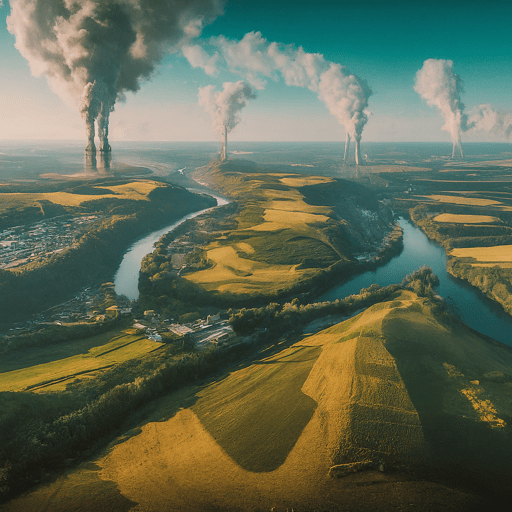
Predicting the state of the world in 2050 involves a degree of uncertainty, but based on current trends and projections, we can make some educated guesses.
Air Quality:
With continued industrialization and urbanization, air quality may continue to be a significant concern in 2050. However, advancements in renewable energy and stricter environmental regulations could lead to improvements in air quality in certain regions. Additionally, the widespread adoption of electric vehicles and green technologies may contribute to reducing air pollution in urban areas.

World Food Supply:
The world food supply in 2050 will face several challenges, including population growth, climate change, and land degradation. However, technological advancements in agriculture, such as precision farming, genetic engineering, and vertical farming, may help increase food production and mitigate the impact of these challenges. Additionally, shifts in dietary patterns towards more sustainable and plant-based diets could also alleviate pressure on the food supply.

Water Resources:
Access to clean water will continue to be a critical issue in 2050, exacerbated by population growth, urbanization, and climate change. Water scarcity could become more pronounced in certain regions, leading to conflicts over water resources. However, investment in water infrastructure, desalination technologies, and water conservation efforts may help address some of these challenges. Furthermore, the adoption of sustainable water management practices and the protection of freshwater ecosystems will be essential for ensuring water security in the future.

Overall, the world in 2050 will likely be characterized by a mix of progress and challenges in terms of air quality, food supply, and water resources. The extent to which these challenges are addressed will depend on the collective efforts of governments, businesses, and individuals to prioritize sustainability and environmental stewardship.

- Disparity between regions: It’s likely that the burden of environmental challenges will not be evenly distributed. Developed nations may have better resources to adapt and mitigate, while developing nations could face harsher consequences. Highlighting such potential disparities can encourage global cooperation and support.
- Unforeseen factors: Technological breakthroughs, political upheavals, or natural disasters can significantly alter the trajectory of the future. Acknowledging these uncertainties emphasizes the need for flexibility and adaptability in planning and decision-making.
- Agency and action: The future is not predetermined. Emphasizing the power of individuals and communities to collectively advocate for change and implement solutions can empower a more optimistic outlook.

Predicting air quality and pollution in 2050 involves significant uncertainty, but based on current trends and projections, we can explore several potential scenarios:

Business-As-Usual Scenario:
- Air quality worsens: If current trends in industrialization, urbanization, and fossil fuel usage continue unabated, air quality could significantly deteriorate in many regions.
- Increased pollution: Levels of fine particulate matter, ozone, and other harmful pollutants could rise, creating smog-filled cities and adverse health impacts.
- Unequal distribution: The burden of poor air quality might disproportionately affect developing nations and marginalized communities.
Sustainable Transition Scenario:
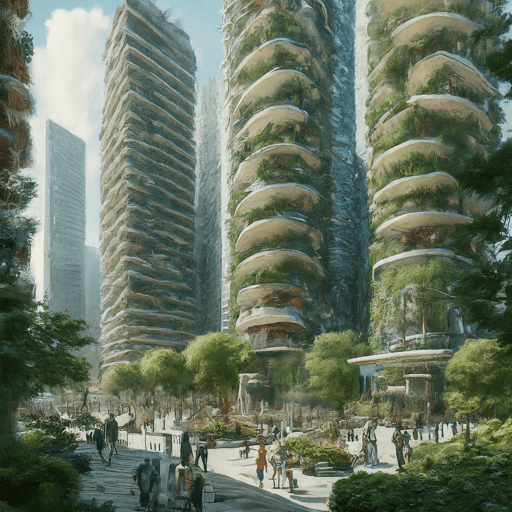
- Improved air quality: With strong commitment to renewable energy, stricter regulations, and green technologies, air quality could improve in many areas.
- Reduced pollution: Advancements like electric vehicles, cleaner industrial processes, and carbon capture could significantly reduce pollutant emissions.
- Global cooperation: International collaboration on regulations, technology sharing, and green finance could accelerate progress towards cleaner air.
Factors Influencing the Future:

- Technology: Innovations in energy production, air filtration, and pollution monitoring will play a crucial role.
- Policy: Stringent environmental regulations and incentives for clean technologies are essential.
- Public awareness: Increased awareness and public demand for clean air can drive change.
- Economic growth: Balancing economic development with environmental sustainability will be crucial.
Unforeseen events: Natural disasters, political upheavals, or technological breakthroughs could drastically alter the trajectory of air quality and pollution.
Ultimately, the state of air quality in 2050 depends on the choices we make today. Focusing on renewable energy, sustainable practices, and international cooperation can lead to a healthier future for all.
Additional Points:
- Regional variations: Air quality will likely vary significantly between different regions, depending on local policies, economic development, and geographic factors.
- Health impacts: Poor air quality is linked to respiratory problems, cardiovascular diseases, and cancer. Reducing pollution can significantly improve public health.
- Economic costs: Pollution has significant economic costs associated with healthcare, lost productivity, and environmental damage. Addressing air quality can have economic benefits.
By being aware of the challenges and opportunities, we can work towards a future with cleaner air for all.

 thelivingbreathingjamesbrown.com
You must be logged in to post a comment.