

In the year 2047, the Earth convulsed. The once predictable climate spun into a chaotic maelstrom.

Temperatures soared, then plummeted, torrential rains lashed the continents, and monstrous storms scoured the land.
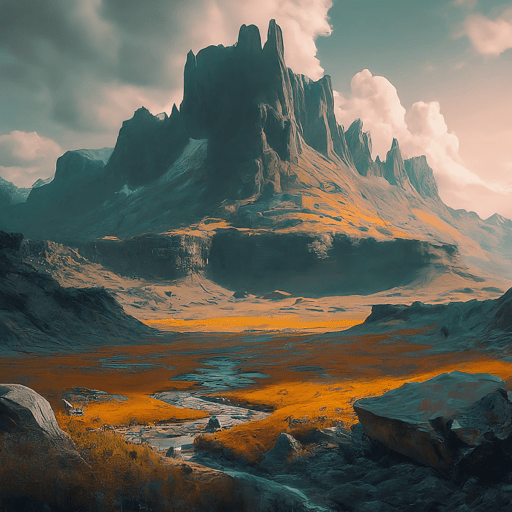
Humanity, despite its technological prowess, was woefully unprepared. Cities crumbled, crops failed, and even the most fortified underground shelters succumbed to the relentless assault of the elements. Within a generation, mankind was no more.

The Earth, however, persevered. Over millennia, the planet slowly healed. The atmosphere stabilized, the ravaged landscapes began to regenerate, and life, in its tenacious way, started to reclaim its dominion.
50 Million Years Later:
Deep within a geothermal vent, nestled amidst the ruins of a long-forgotten city, a single-celled organism pulsed with life. This wasn’t your typical bacteria; it was the product of millions of years of evolution in the harsh subterranean environment. It thrived on the heat and chemical soup of the vent, carrying within its genetic code echoes of the ancient human race.
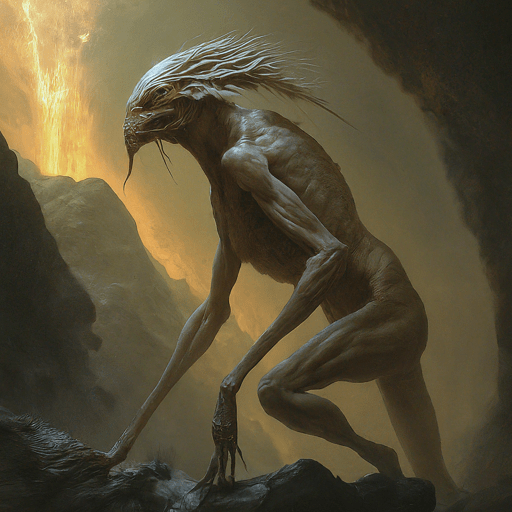
Over countless generations, this organism, driven by the relentless force of evolution, grew in complexity. It developed a multicellular form, then limbs, and eventually, rudimentary intelligence. This new being, emerging from the ashes of humanity, bore no physical resemblance to its ancestors.

It was bipedal, but its limbs were long and slender, adapted for navigating the cramped spaces of the underground world. Its skin, devoid of pigment, was translucent, allowing bioluminescent organs to illuminate its path. Large, multifaceted eyes, attuned to the faint geothermal glow, provided its primary sense.
.

Communication was achieved through a complex system of bioluminescent pulses, conveying emotions and basic needs.

While lacking the emotional depth and social complexities of its predecessors, this new species thrived in its subterranean niche.
Recovery of the Surface:
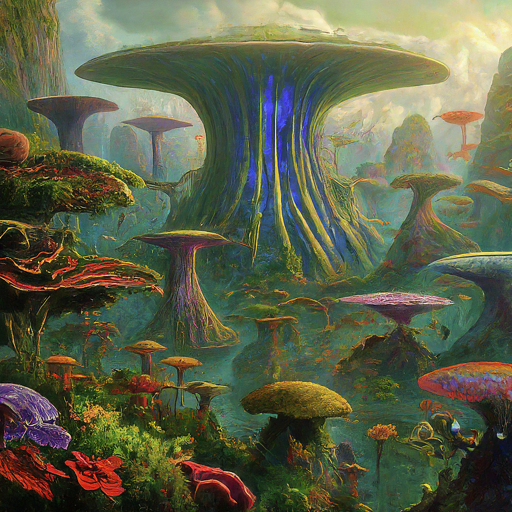
Another 100 million years passed.

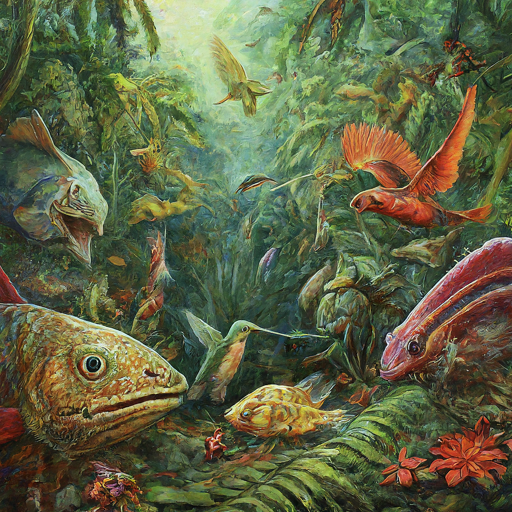
The Earth’s surface had transformed into a lush, alien world. Lush jungles teeming with bizarre flora and fauna covered the continents.
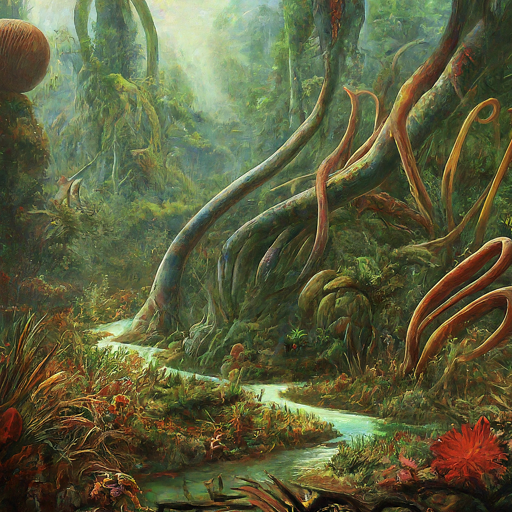
The new intelligent species, now numbering in the millions, felt a stirring within their collective consciousness. A pull towards the forgotten surface, a yearning for the light they had never
known.
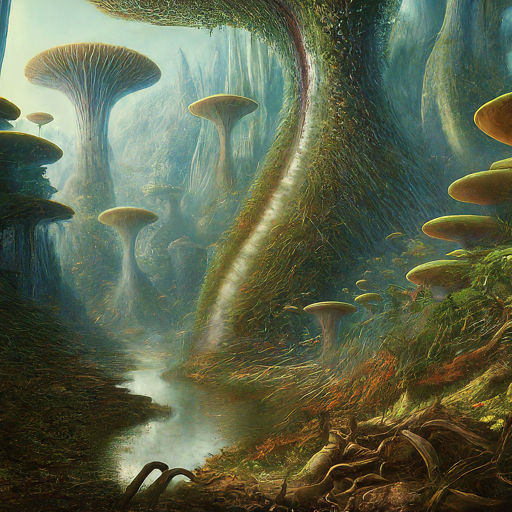
Driven by this primal urge, they developed rudimentary tools and, using the geothermal vents as launchpads, propelled themselves towards the surface.

Blinking in the unfamiliar sunlight, they encountered a world teeming with life, vastly different from their subterranean existence.
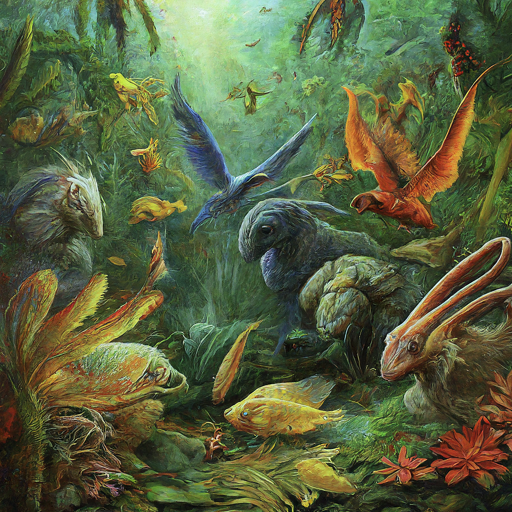
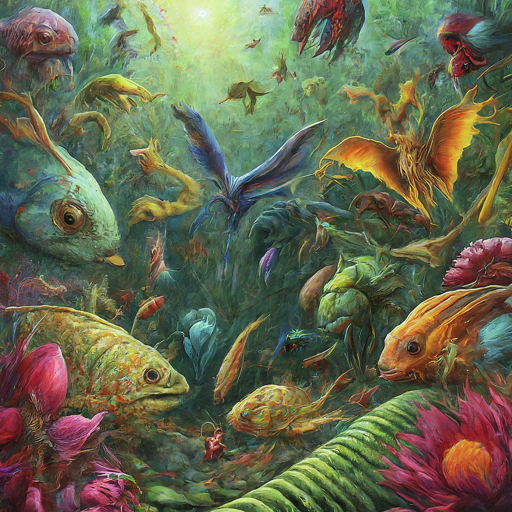
This new mankind, forever marked by its subterranean origins, would face immense challenges adapting to the surface world.
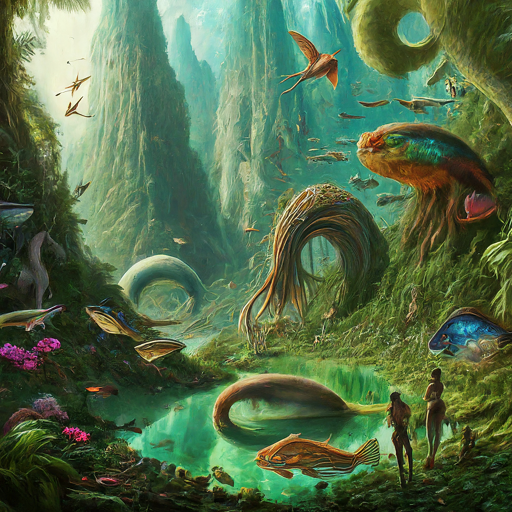
They would need to develop new senses, new methods of communication, and new ways to interact with the established ecosystems.


But they also possessed the potential for great things, carrying within them the echoes of an ancient intelligence and the indomitable spirit of their predecessors.

The story of humanity may have ended, but life, in its infinite adaptability, had found a way.


The Earth, forever changed, would witness the rise of a new intelligent species,
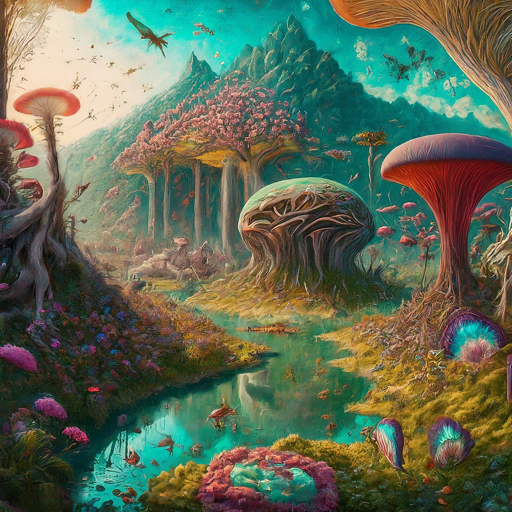
a testament to the enduring power of evolution and the unyielding spirit of life.

READER EXERCISE:
Okay, the above story is purely science fiction or fantasy. And I want to help me by you becoming the narrator. And you’re stick on naming the next era of mankind or creaturekind. But just for fun, now name the new human similar creature created 150 million years from now. Here are some ideas to help you decide on your name-
Choosing a name for this new human-like species is a creative exercise that can be informed by various factors, including:
Origin:
- Latin/Greek roots: Homo Novus (New Man), Homo Terra (Earth Man)
- Descriptive: Lumen (Light), Tellus (Earth), Silva (Forest)
- Evolving from existing terms: Neo-Hominid, Terra Sapiens
Physical characteristics:
- Bioluminescence: Lumens, Luminari
- Slender limbs: Gracilis (Latin for slender)
- Large eyes: Oculus (Latin for eye)
Evolutionary journey:
- Underground origins: Subterraneus (Latin for subterranean)
- Resilience: Tenax (Latin for tenacious)
- Collective consciousness: Nexus, Unitas (Latin for unity)
Ultimately, the best name depends on the specific characteristics and story you want to convey about this new species. You can combine elements from different categories or even invent a completely new word to capture their unique identity.
Here are some additional suggestions that combine various approaches:
- Lumingen: Combining “lumen” (light) and “gen” (origin)
- Terrans: Short and evocative, referencing their Earthly origin
- Sylvani: Connecting them to the lush forests they inhabit
- Nexus Sapiens: Highlighting their collective intelligence and connection
Remember, the name you choose should resonate with your vision and add depth to the narrative of this future world.
So, come up with something Mr. Or MS. Or Mrs. Fantasy Writer. Please do. What is your name?
You can add your name by posting it in the Comments @ LinkedIn. Just find me and let’s have some fun. I’m looking forward to your naming the New Species…good luck

 thelivingbreathingjamesbrown.com
You must be logged in to post a comment.