


Koch, Glover (rear), Hansen and Wiseman (seated) were unveiled at the Johnson Space Center
The US space agency Nasa has named the four astronauts who will take humanity back to the Moon, after a 50-year gap.
Christina Koch will become the first woman astronaut ever assigned to a lunar mission, while Victor Glover will be the first black astronaut on one.
They will join Reid Wiseman and Jeremy Hansen to fly a capsule around the Moon late next year or early in 2025.
The astronauts won’t land on the Moon, but their mission will pave the way for a touchdown by a subsequent crew.
Try writing to Incrediblize the Black Voice, not writing so your Voice might be misunderstood. But everyone has a Voice that sings the sweetest songs and greatest truths. Share yours. Don’t let your story become marginalized. Write it. Share it. Others need to hear and read your story.
Title: Amplifying the Black Voice: A Call to Action for Inclusive Progress
Abstract: Historically marginalized and silenced, the Black community possesses a wealth of unique perspectives and experiences. This paper argues that amplifying the Black voice is not just a moral imperative, but a crucial step towards achieving true social equity. By exploring the historical context, contemporary issues, and the power of representation, we demonstrate the necessity of active listening and dismantling structures that impede authentic Black voices from shaping the future.
Introduction: The statement “Amplifying the Black Voice” echoes a fundamental truth: inclusivity requires ensuring every voice is heard, respected, and integrated into the fabric of society. Black individuals, throughout history, have faced systemic racism, oppression, and a silencing of their narratives. However, in today’s world, we have a collective responsibility to uplift and amplify their voices, fostering a more just and equitable future.
Historical Context: The Black voice carries the weight of a complex and often painful history, marked by resilience and resistance. From the horrors of the transatlantic slave trade to the ongoing fight for equality, Black communities have consistently challenged injustices. However, their contributions have been minimized, and their voices silenced by systemic oppression. Recognizing this historical context is critical to understanding why empowering Black voices is essential for authentic progress.
Contemporary Issues: Even today, Black voices remain underrepresented and undervalued in media, political discourse, and academic spaces. Systemic injustices continue to disproportionately impact Black communities, with disparities in healthcare, education, and criminal justice highlighting the need for urgent change. Ignoring these issues by silencing their voices perpetuates inequalities and hinders progress towards a just and equitable society.
Power of Representation: Representation matters profoundly. When Black individuals are absent or misrepresented, it reinforces harmful stereotypes and biases. Conversely, when they are empowered to tell their own stories and share their perspectives, it enriches our collective understanding, challenges preconceptions, and fosters empathy and solidarity across communities.
Conclusion: Amplifying the Black voice is not just a statement of support; it is a call to action. By acknowledging the historical context, addressing contemporary issues, and prioritizing authentic representation, we can actively dismantle the structures that have long silenced these crucial voices. Only then can we truly embrace the richness of diverse human experiences and work towards a future where every voice contributes to building a just and equitable society.
A Symphony of Triumph: Celebrating Black Voices Through Stories of Resilience
Abstract: The Black voice transcends a simple collection of words, forming a captivating symphony of experiences and triumphs. This article celebrates the spirit of resilience by exploring the narratives of extraordinary Black individuals who have overcome adversity. From historical figures defying societal expectations to contemporary pioneers breaking new ground, these stories showcase the potent power of the Black voice to inspire, enlighten, and guide us towards a more just and equitable future.
Introduction: Throughout history, the Black voice has been a powerful force for positive change, echoing with the resilience and determination of a community that has consistently challenged the status quo. While acknowledging the struggles and injustices faced, it’s crucial to celebrate the triumphs, resilience, and achievements that define the Black community. By amplifying the stories of those who have overcome, we not only honor their journeys but also gain valuable insights into the boundless potential of the human spirit and the transformative power of collective action.
Inspiring Stories:
- Harriet Tubman: The “conductor” of the Underground Railroad, defying unimaginable risks to guide enslaved individuals to freedom, leaving a legacy of courage, selflessness, and unwavering commitment to justice.
- Martin Luther King Jr.: A beacon of hope in the American Civil Rights Movement, who championed equality through nonviolent resistance, demonstrating the power of peaceful discourse and unwavering determination in the face of immense opposition.
- Mae Jemison: Soaring beyond societal limitations, she became the first Black woman in space, inspiring countless young people to embrace STEM fields and chase seemingly impossible dreams, reminding us to challenge assumptions and push the boundaries of possibility.
- Barack Obama: Shattering racial barriers, He became the first Black president of the United States, symbolizing the power of hope, perseverance, and unwavering dedication to education in the face of adversity.
- Simone Biles: A world-renowned gymnast, she transcended athletic prowess by becoming a vocal advocate for mental health awareness. Her story embodies strength, resilience, and the crucial importance of speaking out about critical issues that affect communities.
These exceptional individuals represent only a handful of the countless Black figures who have made significant contributions across various fields.
- Katherine Johnson: A mathematician whose brilliance proved crucial for NASA’s early space missions, demonstrating the power of intellectual excellence and the ability to break down barriers in traditionally male-dominated fields.
- Oprah Winfrey: Rising from poverty and racial prejudice, she built a media empire, becoming a cultural icon and championing social causes. Her story highlights the power of education, unwavering self-belief, and the ability to use one’s platform to uplift others.
- Ta-Nehisi Coates: A renowned author, his powerful and insightful writing sheds light on the complexities of race in America, sparking crucial conversations and challenging us to confront uncomfortable truths. His work exemplifies the power of the written word to inform, spark change, and empower others.
- John Lewis: A lifelong civil rights leader and congressman, he fought tirelessly for racial equality and justice, embodying the spirit of unwavering dedication and a lifetime commitment to positive change. His story reminds us of the lasting impact individuals can have when they dedicate themselves to fighting for a better future.
Conclusion: By amplifying these diverse stories and celebrating the Black voice in its entirety, we acknowledge the richness and depth of their experiences. We gain invaluable insights into their struggles, wisdom, and aspirations for a just and equitable future. By actively listening and creating space for their narratives to be heard, we pave the way for a more inclusive and fulfilling future for all. The symphony of the Black voice, with its diverse notes of resilience, triumph, and hope, continues to inspire and guide us toward a brighter tomorrow.
Everyone has a Voice that must be heard. Including all Voices and call Stories is the Enrichment of Inclusion. So, please, when you get pushed down, pushed away, know this-I had Polio and I got pushed away too.
By amplifying every voice, we celebrate the richness of the human experience, learning from each other’s triumphs and struggles. We build bridges of empathy and understanding, fostering a more inclusive and equitable society where everyone feels valued and empowered to contribute their unique perspective to the tapestry of humanity. Let us strive to create a world where every voice is heard, respected, and acknowledged for its inherent worth.
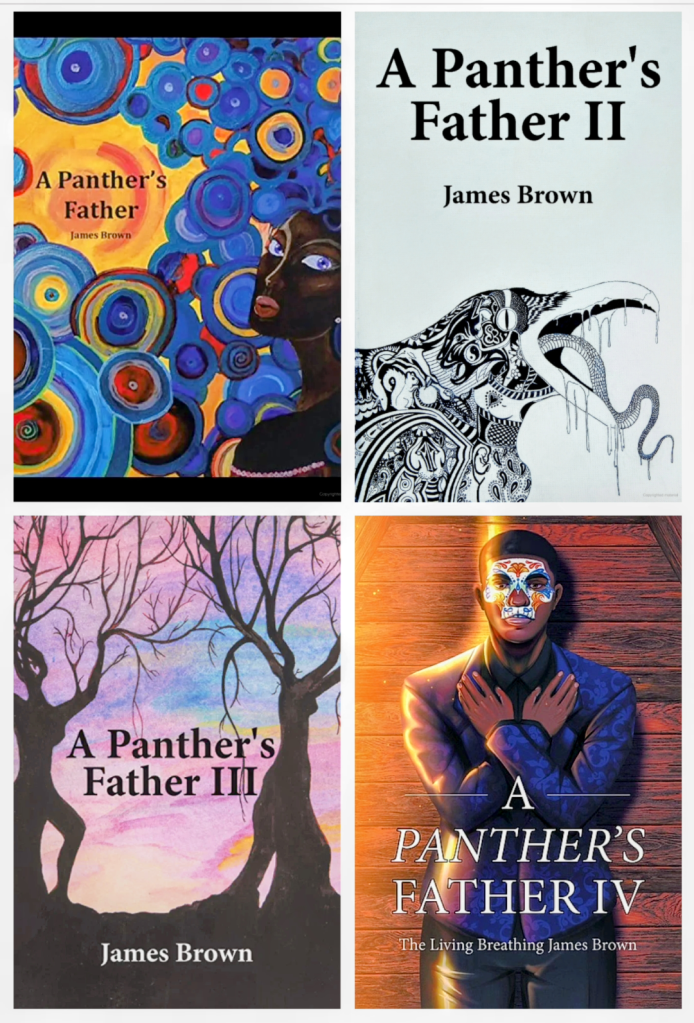
Find your Voices! Look at these books that are great reads.
No, you don’t have to stand on a street corner to be heard. Write a Book. Your Story. Your Book.
The experiences of Black people throughout history have been incredibly diverse, shaped by the specific circumstances of each time period and location. Here’s a brief overview of some key periods:
1. Pre-colonial Africa (Before 1492):
- Flourishing empires and kingdoms existed throughout Africa, with rich cultural traditions, complex social structures, and diverse political systems.Opens in a new windowkids.britannica.com
- Some of the most well-known include:
- The Ghana Empire (West Africa), which thrived from the 8th to the 13th centuries, known for its trade in gold and salt.
- The Mali Empire (West Africa), which emerged in the 13th century and became one of the largest empires in African history, renowned for its wealth and its center of learning, the University of Sankore.
- The Songhai Empire (West Africa), which rose to power in the 15th century and controlled much of the trade routes across the Sahara.
- The Kingdom of Kongo (Central Africa), which existed from the 14th to the 19th centuries and was known for its complex political structure and its skilled metalworkers.
- The Ethiopian Empire (East Africa), one of the oldest independent countries in the world, with a rich Christian tradition dating back to the 4th century.
2. The Transatlantic Slave Trade (1450-1860):
- This period witnessed the forced transportation of millions of Africans across the Atlantic Ocean to be enslaved in the Americas.
- Opens in a new windowbritannica.com
- This brutal system had a devastating impact on African societies, causing widespread depopulation, cultural disruption, and immense suffering.
3. Slavery in the Americas (16th-19th centuries):
- Black people in the Americas faced the horrors of chattel slavery, stripped of their freedom, families, and identities.Opens in a new windowwww.history.com
- They resisted their enslavement in various ways, including through individual acts of defiance, organized rebellions, and cultural expressions that preserved their African heritage.
4. Reconstruction and Jim Crow (1865-1965):
- Following the Civil War, the 13th Amendment abolished slavery in the United States, but Black people continued to face widespread discrimination and oppression under the Jim Crow system of segregation and legal disenfranchisement.Opens in a new windowwww.britannica.com
- Despite these challenges, Black communities persevered, building institutions like churches and schools, and laying the groundwork for the Civil Rights Movement.
5. The Civil Rights Movement (1954-1968):
- This period marked a major turning point in the struggle for racial equality in the United States.Opens in a new windowwww.britannica.com
- Through nonviolent protests, boycotts, and marches, Black activists, like Martin Luther King Jr. and Rosa Parks, challenged segregation and discrimination, ultimately leading to landmark legislation like the Civil Rights Act of 1964 and the Voting Rights Act of 1965.
6. The Present Day (1965-Present):
- While significant progress has been made towards racial equality, Black people in the United States and around the world continue to face systemic challenges, including mass incarceration, police brutality, and economic disparities.
- The Black Lives Matter movement, which emerged in 2013 following the killing of Trayvon Martin, continues to raise awareness of these issues and fight for justice.
It’s important to remember that these are just broad strokes, and the experiences of Black people within each period were incredibly diverse. It’s also crucial to acknowledge the ongoing struggles for racial equality and the continued fight for a more just and equitable world.
 thelivingbreathingjamesbrown.com
You must be logged in to post a comment.