
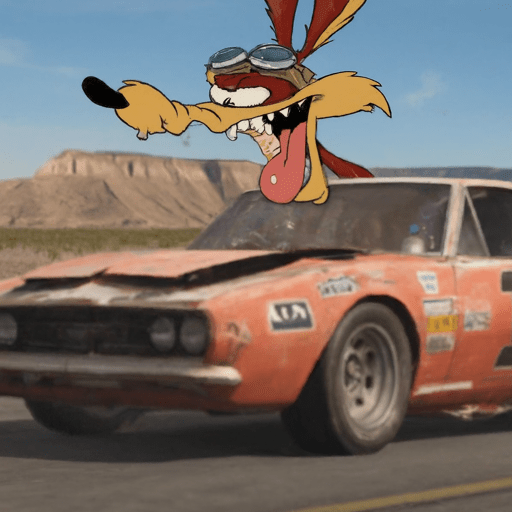
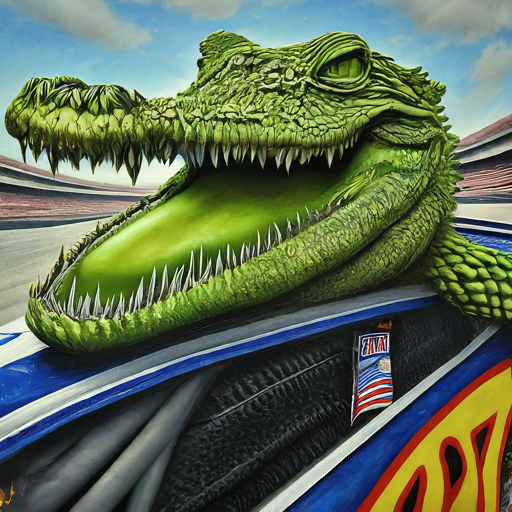
NASCAR, renowned for its high-octane thrills and fiercely competitive spirit, faces a pressing challenge: the escalating occurrence of late-race wrecks, overshadowing the spectacle of skillful driving with chaotic collisions. So, far, NASCAR has been LUCKY without having Fan or Driver Deaths or catastrophic injuries. But it’s gotten way out of hand. With NASCAR’s race cars traveling over 180 miles per hour and cars often only inches apart, the occurrences of Wrecks is only opening the door for a really bad super WRECK event at which Racetrack will that horrible incident take place at? Are the Drivers that fever pitched? Minds like a Crocodile? Driving so close that Drivers can trade Trading Cards or exchange photos.
Fans, the heartbeat of NASCAR, yearn for nail-biting finishes and strategic battles, not a demolition derby unfolding on the track’s final laps.
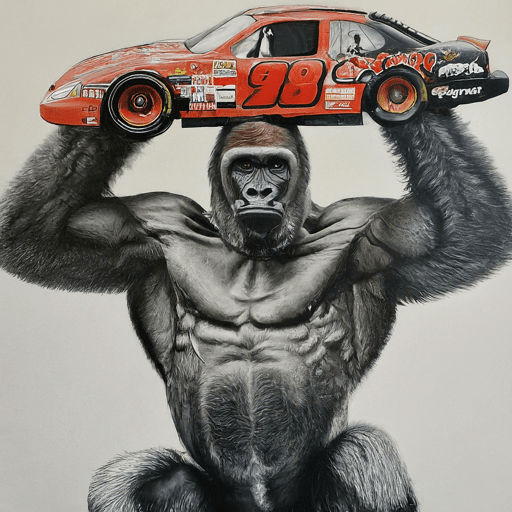
As the saying goes, “To finish first, first you must finish,” echoing the essence of endurance and precision driving that defines the sport’s core ethos.

The escalating trend of late-race wrecks, as observed over the past two seasons, casts a shadow over NASCAR’s legacy. In more than half of the races analyzed, the closing 40 laps resembled a minefield, with multiple cars succumbing to wrecks that not only alter race outcomes but also jeopardize driver safety and compromise the integrity of the sport.

This alarming pattern prompts a critical examination of driver training methodologies and the urgent need for recalibration.
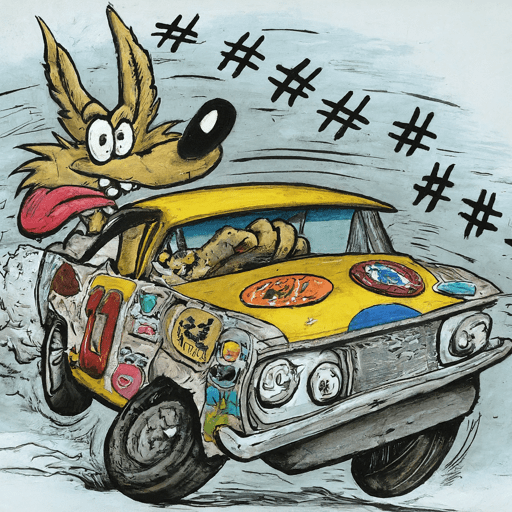
Delving into the root causes of this trend reveals a complex interplay of factors. The intensifying pursuit of victory, fueled by the relentless pressure to perform, may tempt drivers to forsake caution in favor of audacious maneuvers.

Moreover, the dynamics of pack racing and drafting amplify the repercussions of even minor errors, transforming split-second misjudgments into catastrophic collisions with far-reaching consequences.

The ramifications of frequent wrecks extend beyond the realm of racing spectacle.

They pose a significant threat to driver well-being, exposing them to heightened risks of injury and trauma.
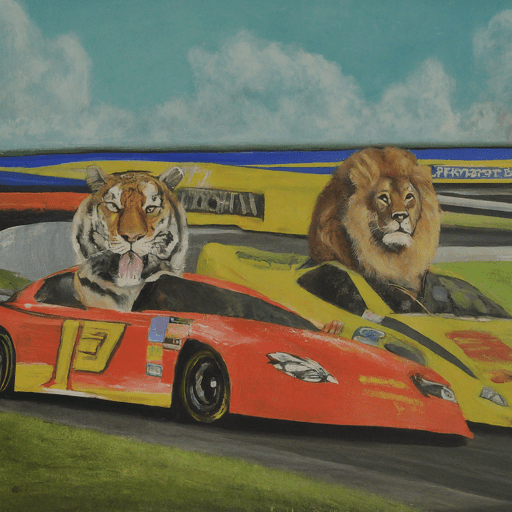
Furthermore, the erosion of strategic racing in favor of reckless aggression undermines the essence of NASCAR, alienating fans and eroding the sport’s enduring appeal. Economically, the escalating costs associated with car repairs and equipment damage strain team resources, threatening the financial viability of NASCAR as a whole.
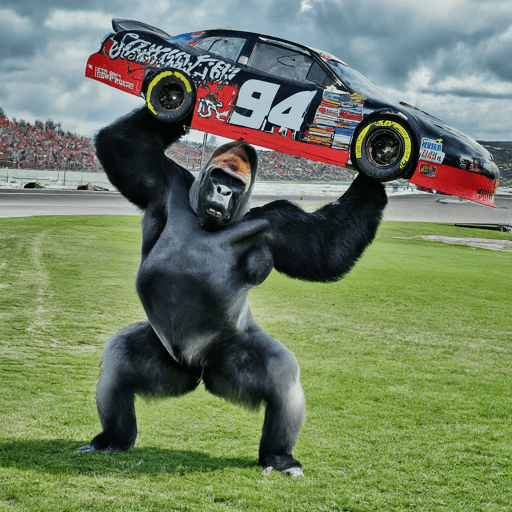
Addressing this multifaceted challenge demands a comprehensive strategy centered on re-training drivers and recalibrating the sport’s ethos. A holistic re-training program, leveraging cutting-edge simulators and expert coaching, can instill a renewed emphasis on car control, risk management, and strategic finesse. By cultivating a culture that prizes calculated risk-taking over impulsive aggression, NASCAR can redefine excellence on the track, rewarding clean finishes alongside race wins through a revamped points system.
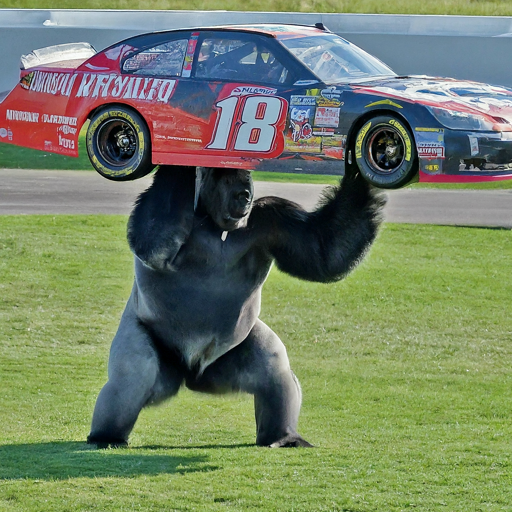
In conclusion, the future of NASCAR hinges on its ability to confront the scourge of late-race wrecks head-on. By prioritizing safety, skill, and strategic brilliance, NASCAR can reaffirm its status as a beacon of motorsport excellence, captivating fans with breathtaking displays of controlled speed and tactical mastery. This paper serves as a rallying cry for change, urging stakeholders to unite in safeguarding the soul of NASCAR and ensuring a sustainable legacy for generations to come.

 thelivingbreathingjamesbrown.com
You must be logged in to post a comment.