

e.g., I’m a Dumbbell! Please explain this frigging Leap Year thing to me, so I asked Gemini AI to explain it and Gemini Pro AI to generate all the images you see of the Sun and Earth-
This read makes Julius Cesar a pretty smart fellow or a great listener or the Leap Year Hero?
Et Tu Brutus?
Here’s a breakdown of Julius Caesar’s role in establishing the leap year, along with some resources to bolster your understanding or help you feel less than a dumbbell:
The Problem: A Calendar Out of Sync
- The Old Roman Calendar: Before Julius Caesar’s time, the Romans used a lunar calendar, meaning it was based on the cycles of the moon. This resulted in a year of only 355 days, which is about 10 days shorter than the actual solar year (the time it takes for the Earth to orbit the Sun).
- The Problem: This misalignment caused the seasons to drift out of sync with the calendar year. Festivals meant to celebrate harvests might end up happening in winter, and military campaigns planned for summer could find themselves in the middle of rainy seasons.

Caesar’s Solution: The Julian Calendar
- Solar Alignment: Julius Caesar, with the help of the astronomer Sosigenes, reformed the calendar to match the solar year more closely. He established a standard year length of 365 days.
- The Leap Year: To account for the extra quarter of a day in the solar year, Caesar introduced the concept of a leap year. Every four years, an extra day would be added to the end of February. This ensured the calendar stayed roughly aligned with the seasons.
- Starting Point: The Julian Calendar officially began in 45 B.C.E. To get things aligned, the year 46 B.C.E. was exceptionally long—445 days—to make up for the accumulated drift over the years.

A Note on “Creation”
It’s important to understand that Julius Caesar didn’t technically “create” the concept of the leap year. Other cultures had ways to account for the mismatch between lunar and solar calendars. His genius lay in making a simple, practical system that would become widely adopted.
Impact and Legacy
- Long-lasting System: The Julian Calendar, while slightly imperfect, was a massive improvement. It was used in Europe for over 16 centuries.
- The Gregorian Calendar: A refinement, called the Gregorian Calendar, was introduced in 1582. This current calendar has even more complex rules about leap years to increase accuracy. However, the core principle established by Caesar remains the same.

Helpful Resources
- Wikipedia – Julian Calendar: https://en.wikipedia.org/wiki/Julian_calendar
- History Channel – Julius Caesar Introduces the Julian Calendar: [invalid URL removed]
- Britannica – Julian Calendar: https://www.britannica.com/topic/Julian-calendar
The Old Roman Calendar: Before Julius Caesar’s time, the Romans used a lunar calendar, meaning it was based on the cycles of the moon. This resulted in a year of only 355 days, which is about 10 days shorter than the actual solar year. Didn’t this cause a Seasonal Problem?
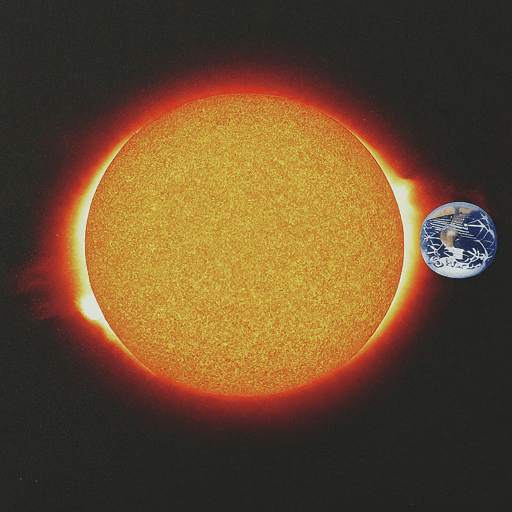
The mismatch between the old Roman calendar and the solar year did cause significant seasonal problems for farmers, impacting their crops and agricultural practices. Here’s how:

The Disconnect:
- Lunar vs. Solar: The Roman calendar, based on the moon’s cycle, was about 10 days shorter than the actual solar year, which determines the seasons.
- Shifting Seasons: This mismatch caused the calendar to gradually drift out of sync with the actual seasons. Planting times, harvesting periods, and other crucial agricultural activities became misaligned with the optimal conditions for crops.
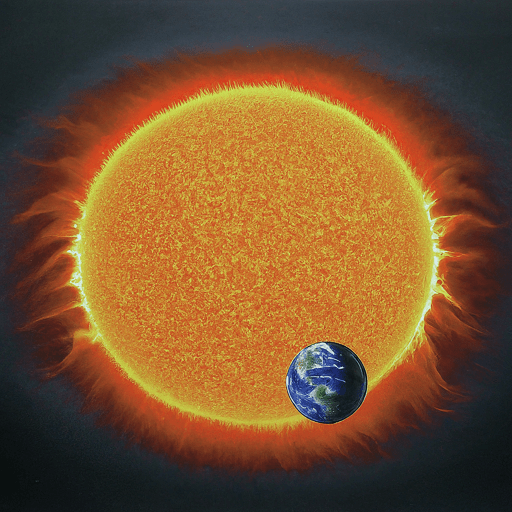
The Issues:
- Planting and Seeding: If farmers planted crops based on the calendar dates, they might miss the ideal window for germination and growth, leading to poor yields or even crop failure.
- Harvesting: Harvesting too early or too late could significantly affect the quality and quantity of crops. Early harvests might yield immature produce, while late harvests could risk damage from frost, rain, or pests.
- Festivals and Religious Observances: Many Roman festivals and religious ceremonies were tied to specific seasons. The calendar’s misalignment could disrupt these traditions and their associated agricultural rituals, impacting the social and cultural aspects of farming.
The Impact:
- Lower Yields: The uncertainty surrounding seasons due to the calendar could lead to unreliable harvests, impacting food security and potentially causing shortages. Starvation.
- Economic Disruptions: Reduced agricultural productivity could affect trade and lead to economic instability.
- Social Tension: Crop failures and food shortages created social unrest and dissatisfaction with the existing system.

The Solution was Superb:
- Julius Caesar’s reform in 45 B.C.E., introducing the Julian calendar, aimed to address these issues by aligning the calendar more closely with the solar year and ensuring predictable seasons for agricultural activities. While not perfect, it significantly improved the situation for farmers and the overall Roman society.
Further Exploration:
If you’re interested in learning more, you can explore resources like:
- “Agriculture in ancient Rome” https://en.wikipedia.org/wiki/Agriculture_in_ancient_Rome
- “Roman calendar” https://en.wikipedia.org/wiki/Roman_calendar
 thelivingbreathingjamesbrown.com
You must be logged in to post a comment.