
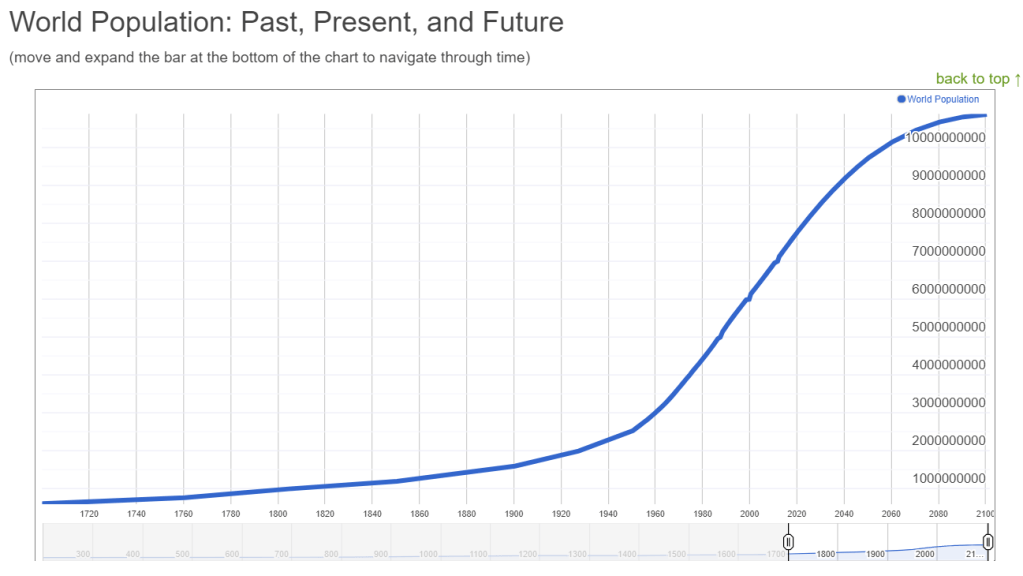
Earth cannot provide for 8-Billion Plus People at the Rate of Consumption and Pollution of earth’s caste Resources that is occurring.
Here are some videos on YouTube about climate change by 2050:
- 2050: what happens if we ignore the climate crisis by Guardian News
- Europe’s climate in 2050 by CNRS
- Climate Change: What Will Our Lives Look Like in 2050? by Best Documentary
- CLIMATE CHANGE: THE WORLD IN 2050 by Neural Academy
- Report: Climate change could force 200M people to move by 2050 by KARE 11
I hope these videos help you learn more about climate change. While the future looks uncertain, there’s still time to act.

YouTube
Climate change by 2050
2050: what happens if we ignore the climate crisisGuardian NewsOpens in a new windowOpens in a new window
Europe’s climate in 2050CNRSOpens in a new windowOpens in a new window
Climate Change: What Will Our Lives Look Like in 2050?Best DocumentaryOpens in a new windowOpens in a new window
CLIMATE CHANGE: THE WORLD IN 2050Neural AcademyOpens in a new windowOpens in a new window
Report: Climate change could force 200M people to move by 2050KARE 11Opens in a new windowOpens in a new window
View related videos on YouTubeOpens in a new window YouTube video views will be stored in your YouTube History, and your data will be stored and used by YouTube according to its Terms of ServiceOpens in a new windowsharemore_vertexpand_contentadd_photo_alternatephoto_cameramicsend
Gemini may display inaccurate info, including about people, so double-check its responses. Your privacy & Gemini AppsOpens in a new window
Mention
Our planet is struggling to sustain the current population with our consumption and pollution habits. Here’s a breakdown of the challenges we face:
- Resource Depletion: We’re using up resources like fresh water, fossil fuels, and minerals faster than they can be replenished. This puts a strain on future generations and disrupts ecosystems.
- Pollution: Air, water, and soil pollution are harming human health and ecosystems. Pollutants like greenhouse gases contribute to climate change, causing rising sea levels, extreme weather events, and disruptions to food production.
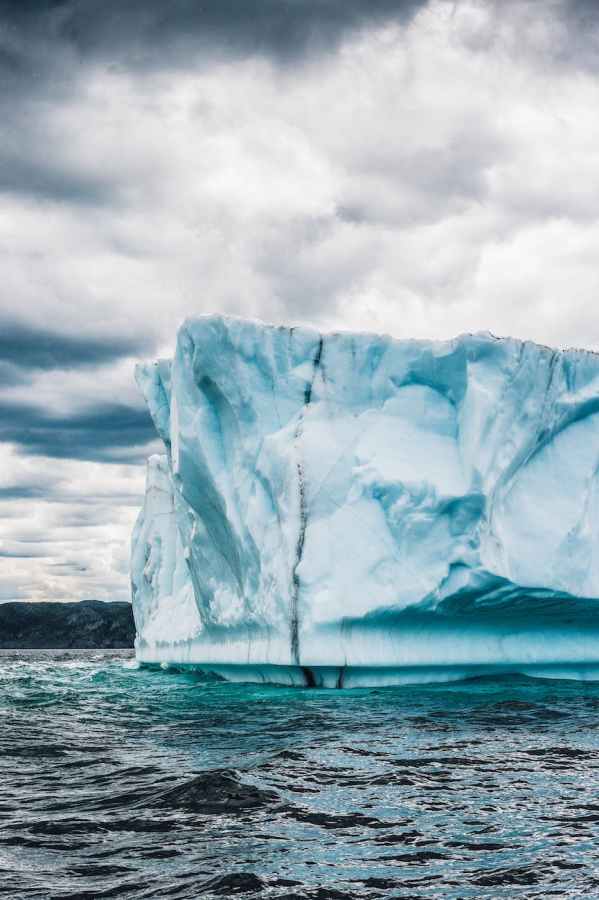
- Climate Change: Burning fossil fuels releases greenhouse gases that trap heat, causing global warming. This disrupts weather patterns, melts glaciers, and raises sea levels, impacting everything from agriculture to coastal communities.
These problems are interconnected. For example, climate change can worsen resource depletion by making it harder to grow food or access clean water.
The good news is that we can still address these challenges. Here are some potential solutions:
- Transitioning to renewable energy: Solar, wind, and geothermal power can provide clean and sustainable alternatives to fossil fuels.
- Reducing consumption: We can all make changes in our daily lives to consume less and reduce waste. This includes things like using energy-efficient appliances, buying less stuff, and recycling more.
- Protecting natural resources: Sustainable practices in agriculture, forestry, and fishing can help conserve resources and protect ecosystems.
- Technological advancements: Innovations in areas like renewable energy storage, carbon capture, and sustainable agriculture can play a crucial role in addressing these challenges.
It’s important to remember that this is a global issue, and solutions require international cooperation. Individuals, businesses, and governments all have a role to play in ensuring a sustainable future for our planet.
Are you interested in learning more about specific aspects of this issue, or potential solutions?
 thelivingbreathingjamesbrown.com
You must be logged in to post a comment.