

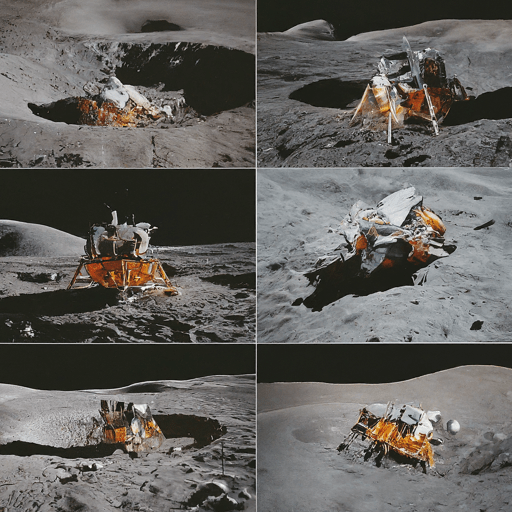
Pinch Me! NASA Aims for the Moon Again, But Weren’t the Last Landings FAILURES?
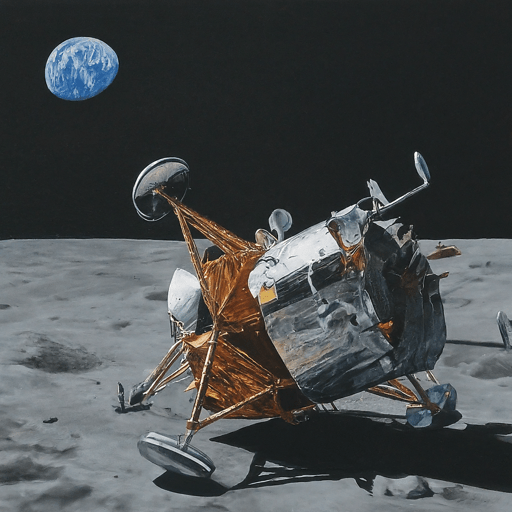
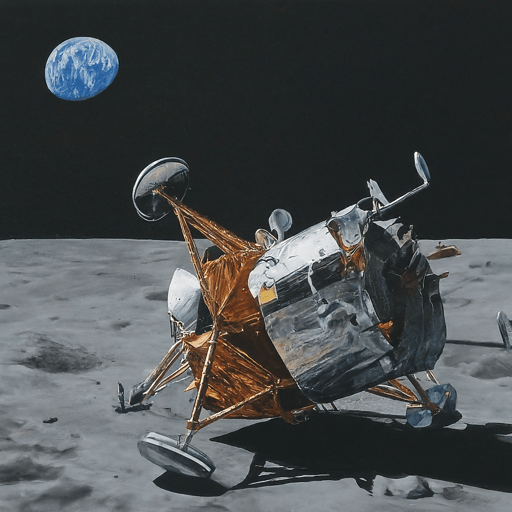
Houston, We Have a Paradox! Our Lander just fell over? Can we get a refund from Elon?

Strap yourself in, fellow space enthusiast! Imagine the g-forces pressing you back in your seat, the roar of the engines, the countdown nearing zero… then… wait a minute. Didn’t we already do this whole “moon landing” thing? That’s the curious itch this title scratches. Yes, we did. But hold on to your spacesuit, because things are about to get interesting.
Giant Leaps and Soft Landings
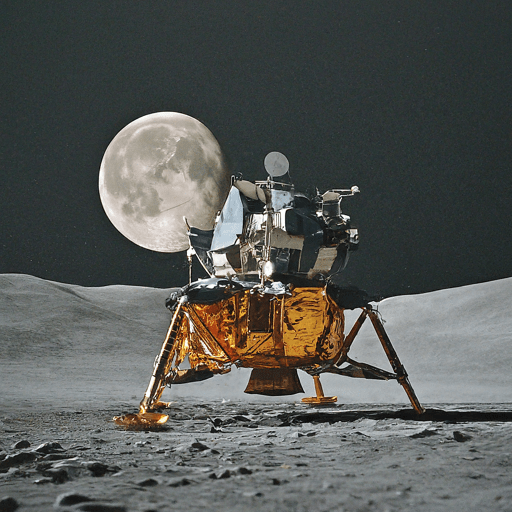
Let’s not downplay the incredible feats of the Apollo missions. Twelve astronauts walked on the Moon, collected a treasure trove of lunar rocks, and pushed the boundaries of human achievement. Their courage and scientific discoveries continue to inspire us today.
But here’s where a little wordplay comes in. The title mentions “landings,” and that’s a pretty broad term. The Apollo missions achieved soft landings, meaning a controlled descent. In contrast, a hard landing is more like… well, a crash. And yes, some might categorize the later Apollo missions (numbers 15-17) as failures because they didn’t involve astronauts gently setting foot on the lunar surface.
Hold on, Not So Fast!
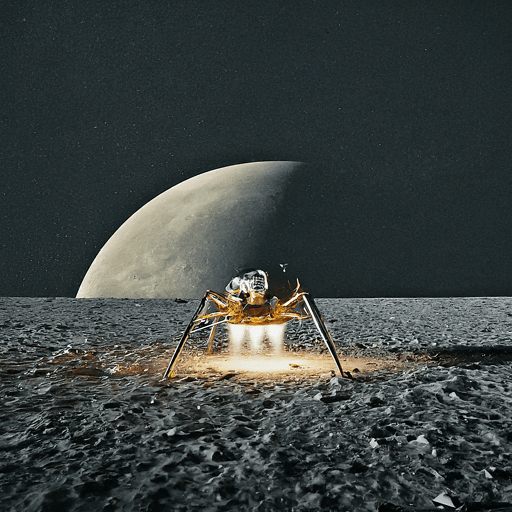
Here’s where we reframe the narrative. Those later Apollo missions weren’t meant for human landings. They were unmanned robotic missions, essentially high-tech scouts. Their job? Gather critical data about the Moon’s surface to pave the way for future manned missions, like the one NASA is planning right now: Artemis.
So, were those later Apollo missions really failures? Not quite. The information they brought back – the composition of the lunar soil, the strength of the terrain – was invaluable. In a way, you could say these “unsuccessful landings” helped guarantee the success of future manned missions.
Learning from Our Mistakes (and Triumphs!)
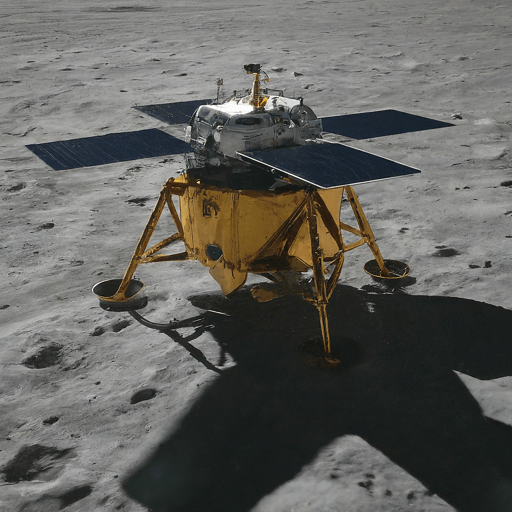
The journey to the Moon is a marathon, not a sprint. The knowledge gained from Apollo, alongside unmanned missions, is the foundation upon which Artemis is built. We’ve come a long way, baby! Reusable rockets, lighter materials, and sophisticated navigation systems all increase the chances of Artemis succeeding where some might say Apollo missions fell short.
A New Moon is Dawning
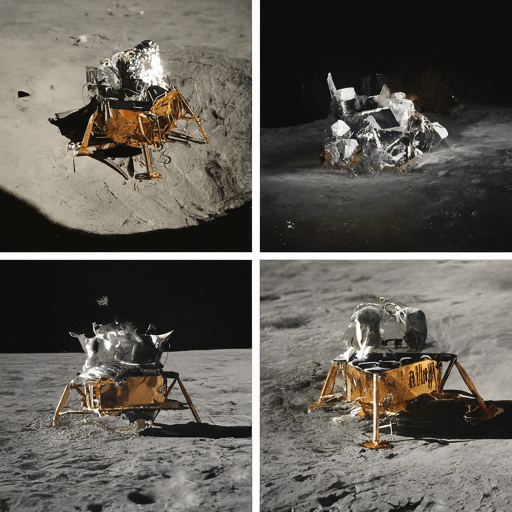
So, is Artemis destined to succeed where some view Apollo as having failed? Only time, and meticulous planning, will tell. One thing’s for sure: this new era of lunar exploration is about more than just planting a flag. It’s about establishing a sustainable human presence on the Moon, unlocking scientific secrets, and pushing the envelope of what’s possible.
The question remains: Will Artemis triumph where Apollo missions encountered challenges? One thing’s for sure: this giant leap for mankind is about to take another bold step forward.
The lunar surface can be quite uneven, with craters, boulders, and slopes. Here’s why you might not need to pinch yourself too hard:
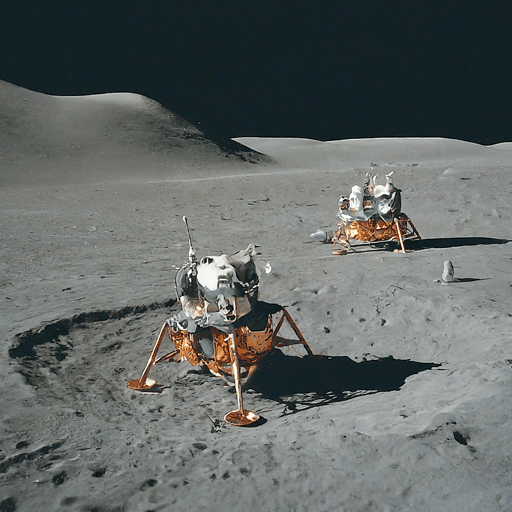
Landing Site Selection is Key: Just like building a house, choosing the right spot to land is crucial. NASA and SpaceX will meticulously analyze lunar terrain data to pick a landing zone that’s relatively flat and stable.
Landing Craft Design: SpaceX’s Starship, the planned lunar lander, is designed for stability. Its wide base and powerful thrusters will help it maintain a vertical position during touchdown. Additionally, landing legs will automatically adjust to uneven terrain, providing a more level platform for the craft.
Advanced Landing Guidance: Gone are the days of relying solely on human skill. Starship will use sophisticated landing radar and computer software to analyze the terrain in real-time, adjusting its descent path for a smooth touchdown. Think of it as self-parking for spaceships!
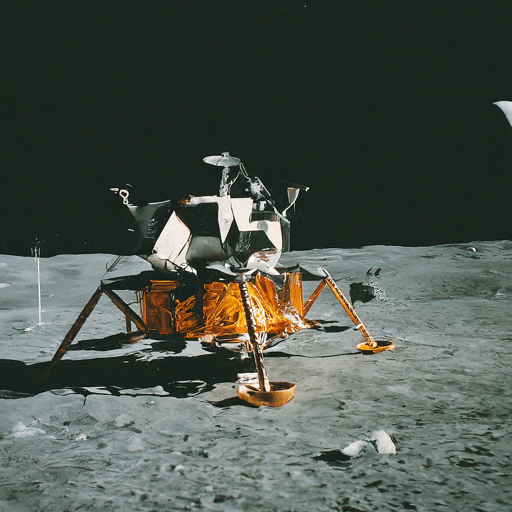
Redundancy is Your Friend: Engineers always plan for the unexpected. Starship will likely have multiple landing legs and redundant systems to ensure stability even if one component malfunctions.
Oh Shit:
Testing, Testing, 1, 2, 3: Before any crewed mission, SpaceX will conduct extensive uncrewed landing tests on Earth. This will allow them to refine their landing software and procedures to handle uneven terrain similar to the lunar surface.
While there’s always an element of risk involved in space travel, engineers are taking significant steps to mitigate the risk of toppling over on the Moon. So, while you can keep a healthy dose of skepticism, the future of lunar landings looks promising!
Starship has not yet been definitively proven to land successfully on a surface that fully replicates the Moon’s landscape.
Here’s a breakdown of the situation:
- Lunar Challenges: The Moon’s surface is a complex mix of regolith (lunar soil), craters, boulders, and slopes. The regolith itself can vary in consistency, from powdery dust to densely packed material. This creates challenges for landing gear and stability.
- Earthly Testing Limitations: While SpaceX is conducting uncrewed landing tests on Earth, it’s difficult to perfectly replicate the Moon’s low gravity (about 1/6th of Earth’s) and unique soil composition. Volcanic ash fields come close, but they aren’t a perfect match.
- Focus on Functionality: The current uncrewed Starship test flights prioritize achieving hypersonic velocity and maneuvering capabilities during re-entry and descent. While landing stability is certainly being tested, it might not be the primary focus at this stage.
So, there’s a gap between the planned lunar landing and complete verification on a truly analogous surface.

However, there are reasons to be cautiously optimistic:
- Advanced Simulations: SpaceX engineers are utilizing sophisticated computer simulations to model potential landing scenarios on the Moon. These simulations factor in uneven terrain, varying soil consistency, and the effects of low gravity.
- Focus on Future Tests: As the Starship development progresses, there could be a shift towards testing specifically focused on landing stability on lunar-like terrain. This might involve collaborations with NASA to utilize their lunar landing test facilities.
- Learning from Past Missions: Data from previous lunar landings, both manned and unmanned, provides valuable insights into lunar surface conditions. Engineers can leverage this knowledge to design landing systems capable of handling uneven terrain.
While there’s no substitute for a real-world test on the Moon itself, these advancements offer hope for a successful landing. The coming years will be crucial to see how SpaceX addresses uneven terrain concerns through testing and design iterations.

 thelivingbreathingjamesbrown.com
You must be logged in to post a comment.