

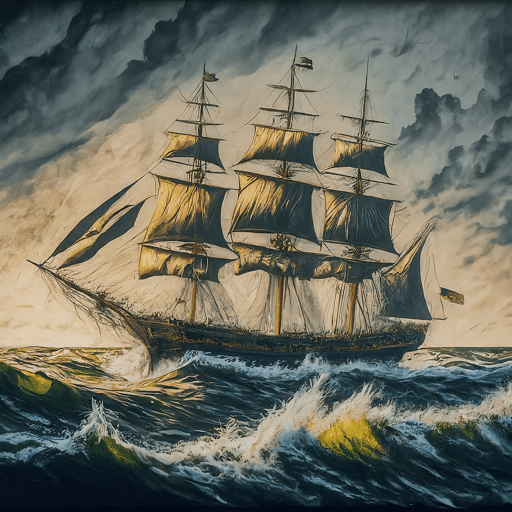
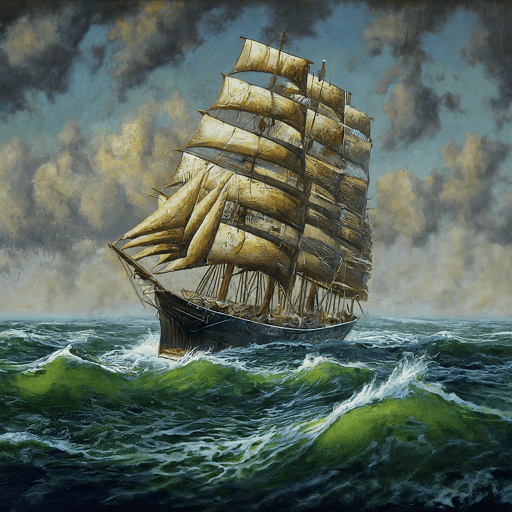
The midday sun beat down mercilessly on the packed deck of the ship. Mala squinted through the salty spray, her vision blurring with fatigue and a relentless tide of tears. Weeks had bled into one another since the raiders had snatched her from her village, tearing her away from the familiar embrace of her family. Around her, hundreds of Africans, stripped of their identities and dignity, were crammed together in a fetid prison of wood and despair. The air throbbed with a chorus of moans, prayers whispered in forgotten tongues, and the rhythmic creak of the ship battling the relentless ocean. This, Mala had learned, was the Middle Passage, a journey from life to a terrifying unknown.
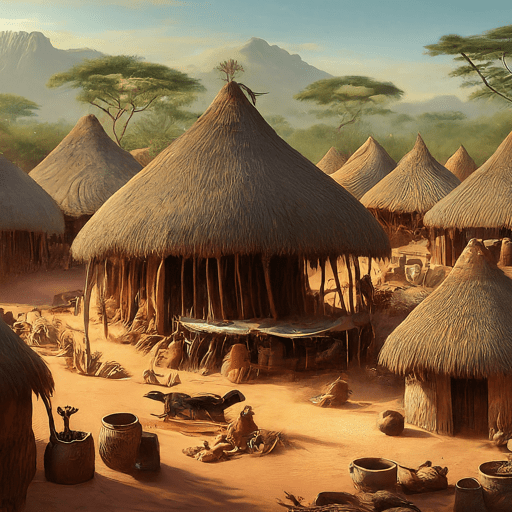
The elders spoke of a land across the vast water, a land where their people would be forced to work for a lifetime they might not even live to see. Mala, barely fifteen summers old, clung to the stories of her ancestors, tales of a rich and vibrant Africa, a land far kinder than this floating cage. But those stories were fading under the weight of the present. Disease stalked the cramped quarters, claiming the weak and the hopeless. The stench of human waste mingled with the ever-present tang of salt, turning stomachs and choking lungs. The only respite came in the brief, blessed moments of sleep, where memories of home, of her mother’s gentle touch and the laughter of her siblings, offered a fragile escape.
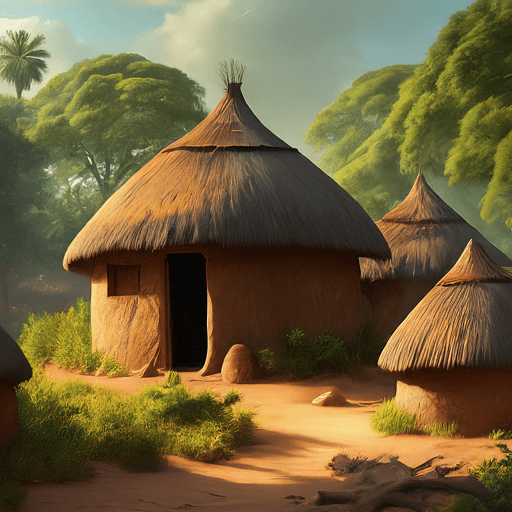
One day, a commotion erupted on deck. The heavy, metal grate barring them from the outside world was lifted, revealing a sight that sent shivers down Mala’s spine. A group of men, pale-skinned and clad in strange clothes, stood there, appraising them with the coldness of one inspecting livestock. Mala instinctively drew closer to her younger brother, Kofi, his large brown eyes reflecting a fear that mirrored her own. These men, she was told later in hushed whispers, were the ones who bought their people, the ones who would decide their fate in this new land.
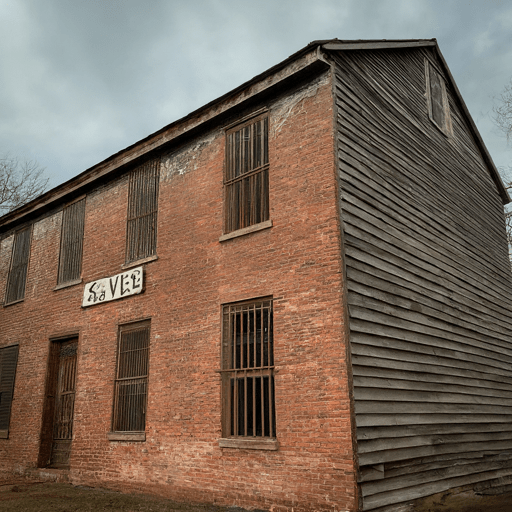
The selection process was brutal and swift. Strong men like her father were separated from their families, destined for the harshest labor. Women, young and old, were prodded and poked, judged on their supposed ability to bear children and work the fields. Kofi, smaller and quieter than his sister, was singled out. Tears streamed down his face as a well-dressed woman with a tight smile separated him from Mala’s grasp.
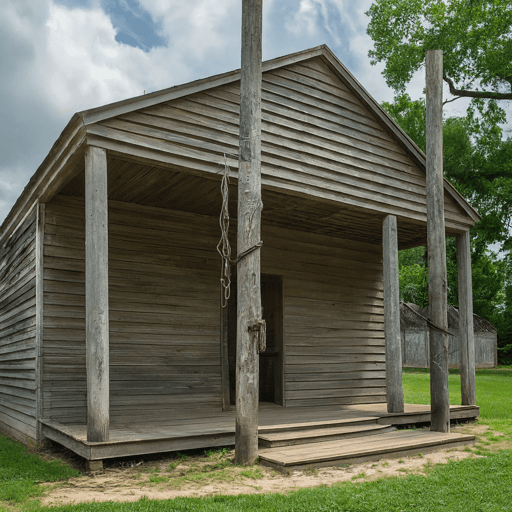
Mala herself was deemed strong and healthy. Rough hands grabbed her, yanking her towards a group of others. A wave of nausea washed over her as the iron grate clanged shut once more, the world shrinking back to the suffocating darkness. Days later, the ship finally docked in a bustling port. The stench of sweat and unfamiliar spices filled the air, a stark contrast to the salty tang of the open ocean. Here, on the cusp of this new horror, Mala was sold to a burly man with a cruel glint in his eyes. Separated from Kofi, with no word of his fate, she was loaded onto a horse-drawn cart, the rumble of the wheels echoing the hollowness in her heart.
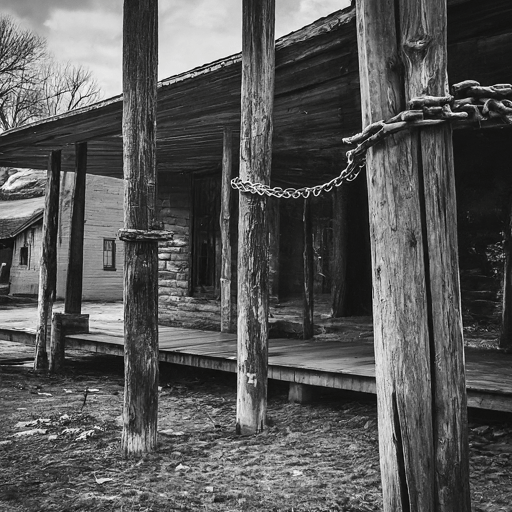
They arrived at a vast plantation, a seemingly endless expanse of land dotted with rows of white cotton plants. The air hung heavy with the oppressive heat and the rhythmic crack of a whip. Here, amidst the endless rows of white, Mala would carve out a new existence, one defined by backbreaking labor, the ever-present threat of violence, and the gnawing ache of a stolen life. Yet, even in the face of despair, a spark of defiance flickered within her. Stories of rebellion, passed down in hushed tones under the cloak of night, whispered of a yearning for freedom, a dream of a future where she wouldn’t be property, but a woman. In the silent communion of the enslaved, under the endless expanse of the southern sky, Mala found a new strength, a steely resolve to survive, and perhaps, one day, to help pave the way for a future where stolen children wouldn’t be separated by the cruel whims of men.
 thelivingbreathingjamesbrown.com
You must be logged in to post a comment.