
The Unfathomable Horror: Facing the Reality of Nuclear Catastrophe
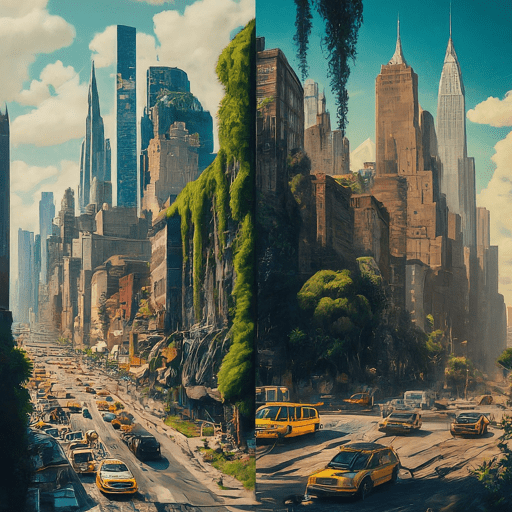
Imagine a world plunged into an instant, searing twilight. Cities, once vibrant testaments to human achievement, reduced to smoldering pyres. This isn’t science fiction; it’s the chilling reality of nuclear war. Nuclear weapons, forged in the fires of human ingenuity, now cast a long, menacing shadow over our existence, a stark reminder of the precipice upon which we teeter. While their use has thankfully been rare, the memory of Hiroshima and Nagasaki serves as a searing scar on the collective conscience of humanity.
A Maelstrom of Annihilation:
The detonation of a nuclear weapon unleashes a symphony of horrors. A blinding flash, brighter than a thousand suns, sears retinas and ignites a firestorm that consumes everything in its path. Buildings crumble like sandcastles, their steel frames twisted and melted by the unimaginable heat. In a heartbeat, the bustling heart of a city is transformed into a desolate wasteland of ash and pulverized concrete. Those unfortunate enough to be caught within the blast zone are vaporized instantly, leaving no trace of their existence. The survivors, if any, face a fate arguably worse: agonizing burns, radiation sickness that ravages their bodies from within, and the horrifying realization that their world has been irrevocably shattered.
A Lingering Shadow of Death:
The fallout, a silent, invisible killer, emerges from the smoldering ruins. Carried by the wind, radioactive particles paint a toxic brushstroke across vast distances. This insidious cloud reaches far beyond the initial blast zone, condemning those exposed to a slow and agonizing death. Radiation sickness, a grotesque pantomime of illness, begins with nausea and vomiting, progresses to hair loss and internal bleeding, and culminates in a painful, inevitable demise.
A World Enshrouded in Perpetual Twilight:
Beyond the immediate devastation lies a chilling prophecy: nuclear winter. The smoke and soot from burning cities and forests billow into the atmosphere, creating a suffocating shroud that blocks sunlight for years. Temperatures plummet, plunging the planet into a perpetual twilight. This unnatural winter disrupts weather patterns, devastates agricultural production, and triggers a global famine of unimaginable proportions. Ecosystems, meticulously woven over millennia, collapse under the strain, leading to a domino effect of ecological catastrophes. The very fabric of life on Earth is threatened as the balance between predator and prey, flora and fauna, is thrown into disarray.
Generations Haunted by the Echoes:
The legacy of nuclear war extends beyond the initial devastation and the specter of nuclear winter. It casts a long shadow over generations to come. Genetic mutations, a grim inheritance passed down through bloodlines, become a cruel reminder of the sins of the past. Birth defects and debilitating illnesses plague the survivors, a constant echo of the horrors unleashed by a single, fateful decision. The psychological trauma, an invisible scar etched onto the soul, manifests in profound ways. Fear, despair, and a crippling distrust of authority become defining characteristics of a shattered society.
A Global Chain Reaction of Chaos:
The ripple effects of nuclear war extend far beyond the immediate battlefield. The interconnectedness of the global economy unravels as trade routes are severed and vital resources become scarce. Nations far removed from the initial conflict are plunged into chaos as food shortages and resource scarcity trigger social unrest and political instability. The world, once a tapestry of diverse cultures and economies, becomes a battleground for survival as desperation and fear fuel violence and conflict.
A Precarious Balance on the Razor’s Edge:
The doctrine of mutually assured destruction (MAD) has long been held as a deterrent against nuclear war. However, it is a precarious gamble resting on the knife’s edge of human fallibility. A miscalculation, a technical malfunction, or the actions of a rogue leader could topple this precarious balance, triggering a chain reaction of events leading to an unimaginable catastrophe.
The Futility of Force:
Missile defense systems, touted as shields against nuclear aggression, offer a false sense of security. In the face of overwhelming destructive power, such efforts are akin to swatting away a hurricane with a flyswatter. The pursuit of militaristic solutions only escalates tensions, increasing the risks of miscalculation and leading us ever closer to the nuclear abyss.
A Moral Imperative for Peace:
The use of nuclear weapons is a grotesque affront to human dignity and a blatant disregard for the sanctity of life. These weapons of indiscriminate destruction represent the darkest impulses of humanity. We, as custodians of this planet and the sole inheritors of its fragile biosphere, have a moral obligation to dismantle these instruments of annihilation and champion the cause of global nuclear disarmament.
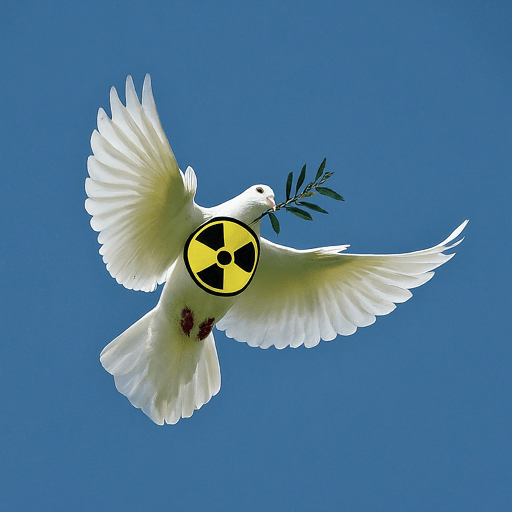
A Future Free from Fear:
The specter of nuclear war hangs heavy over our collective consciousness. However, within this darkness lies a flicker of hope. By learning from the mistakes of the past, embracing diplomacy and understanding, and prioritizing non-proliferation
 thelivingbreathingjamesbrown.com
You must be logged in to post a comment.