


Do you play with Nuclear Weapon Toys? In Russia, the kids do.
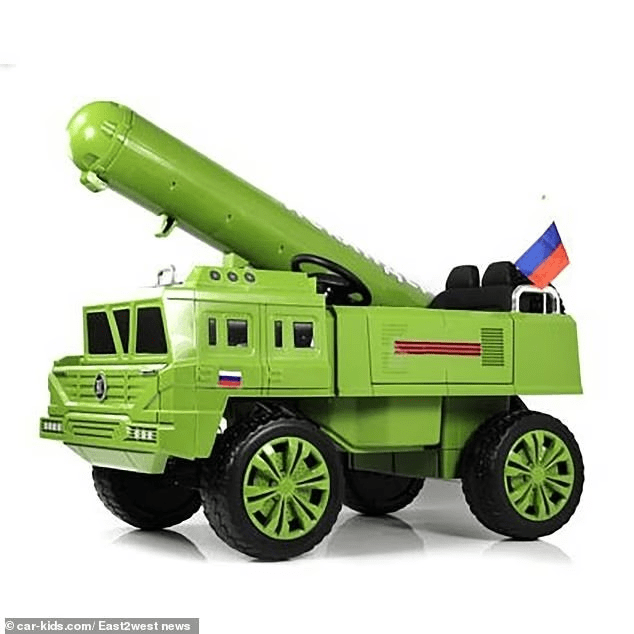
The model of the hypersonic nuclear-capable weapon is selling for £299 and weighs 35kg

Russian nurseries get children to ‘play’ military activities like destroying other countries’ tanks
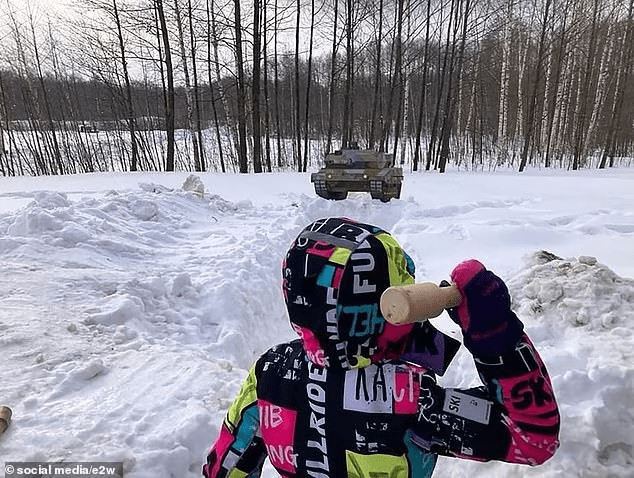
Russian Children learning to throw Hand Grenades
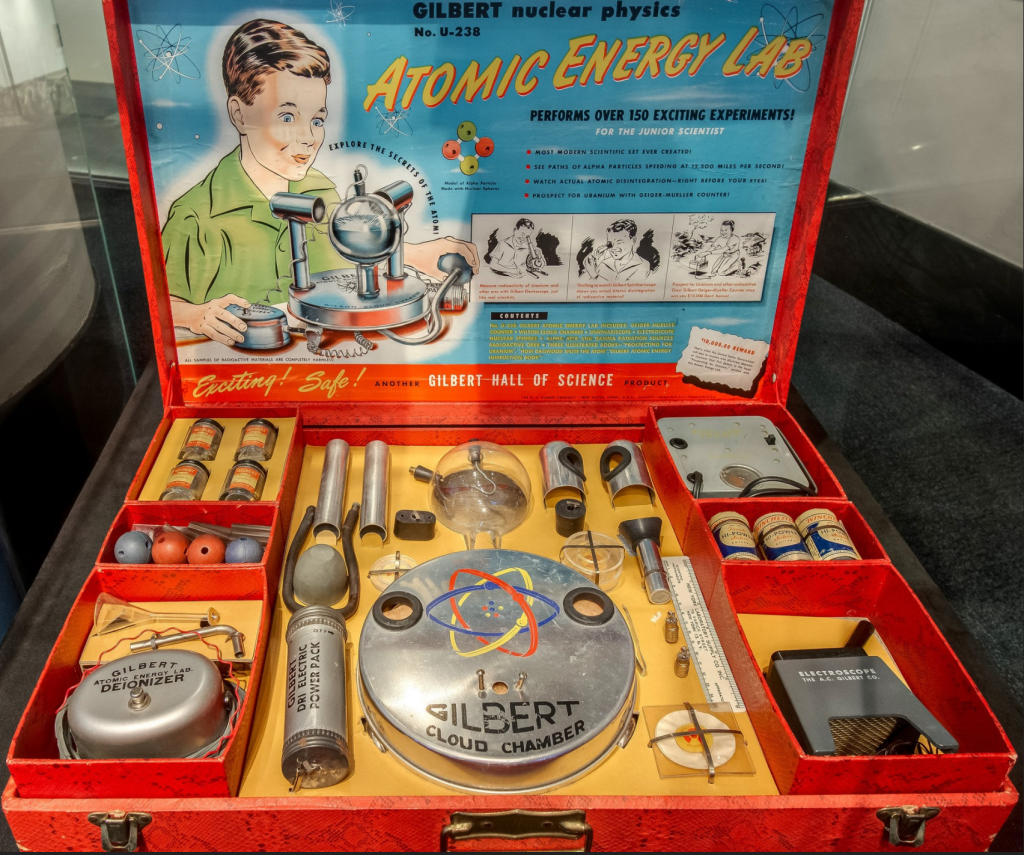
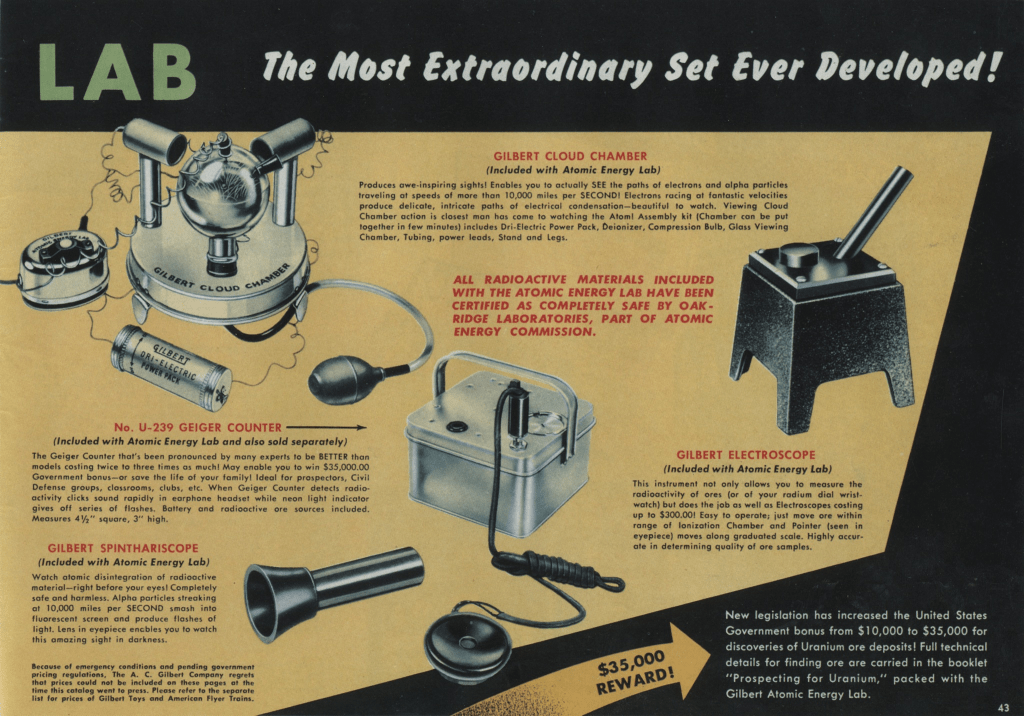
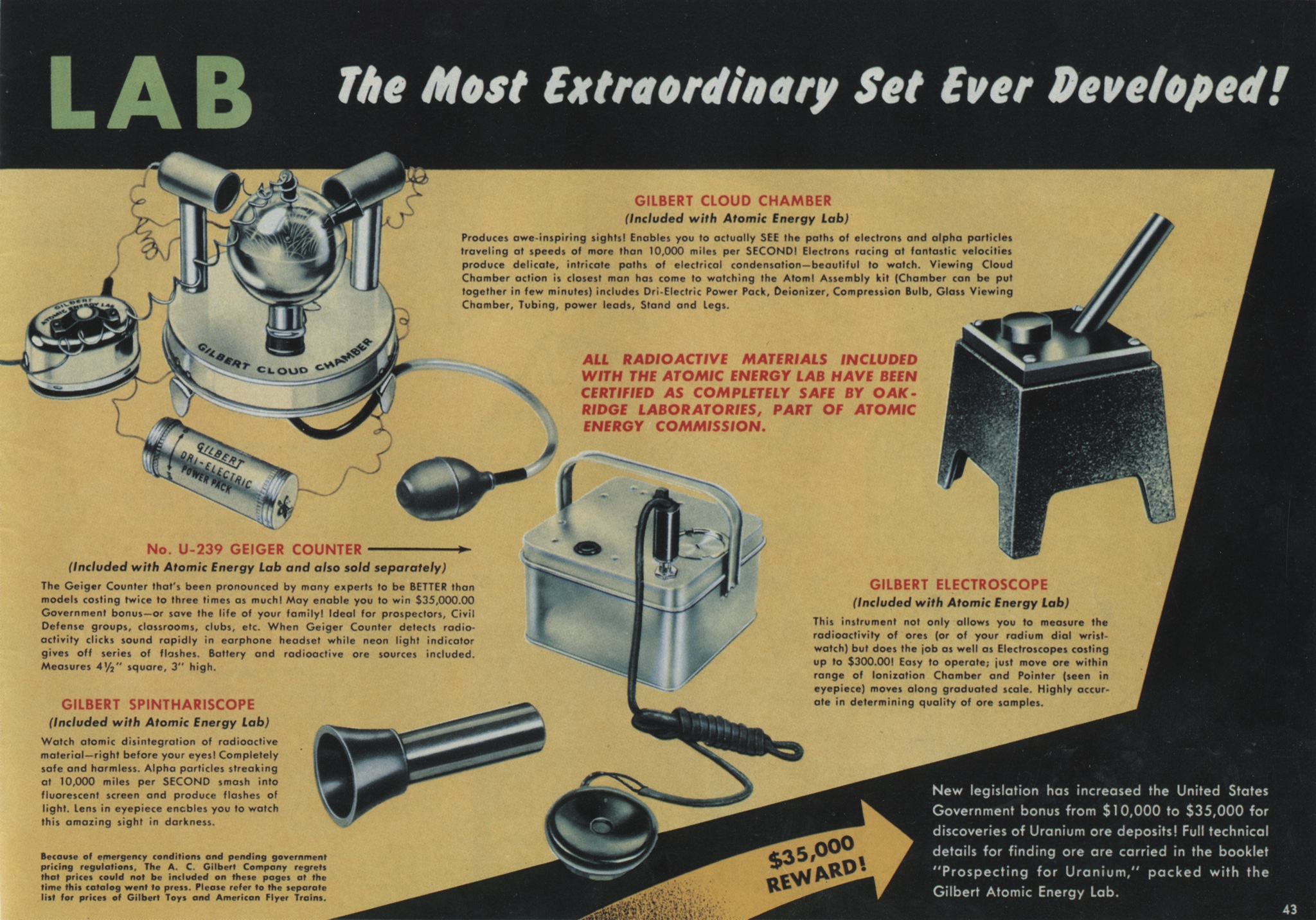
The Gilbert U-238 Atomic Energy Lab was an actual radioactive toy and learning set sold in the early 1950s. The $49.50 set came with four samples of uranium-bearing ores (autunite, torbernite, uraninite, and carnotite), as well as a Geiger-Mueller radiation counter and various other tools.
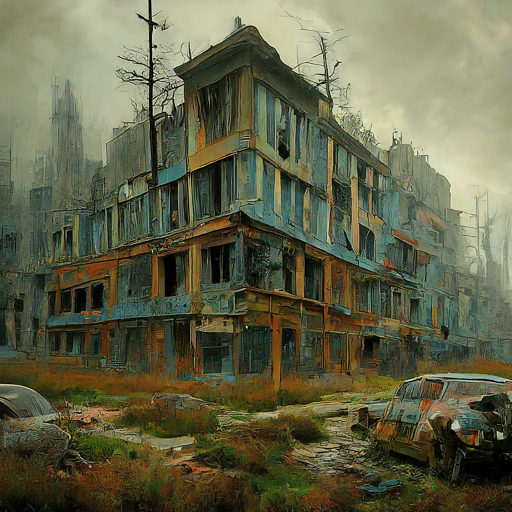
In the desolate wasteland left behind by the Great War, Grave Robbers work feverishly
In the desolate wasteland left behind by the Great War, where once towering skyscrapers now stand as eerie monuments to a bygone era, the Grave Reclaimers navigate the treacherous landscape with a sense of purpose that borders on desperation. Clad in makeshift radiation suits, their breaths muffled by filtered gas masks, they venture into the heart of the fallout-ridden city, guided only by the incessant clicks of Geiger counters and the dim light of the sun struggling to pierce through the toxic haze.

Elena, their leader, is a study in contrasts – a beacon of strength amidst the ruins, yet burdened by the weight of responsibility that comes with guiding her team through this harrowing landscape. Her eyes, once bright with hope, now bear the scars of countless hardships endured in the wake of nuclear devastation. But despite the odds stacked against them, Elena and her comrades press on, fueled by a determination born from the ashes of their former lives.
As they navigate the shattered remnants of civilization, the Reclaimers are confronted by the grim reality of their existence. Each step forward is a gamble, every breath a risk in a world poisoned by radiation. Yet, they soldier on, driven by a sense of duty to those who have fallen and a desperate hope for those who remain.
The ruins echo with the whispers of the past, a haunting reminder of all that has been lost. But amidst the rubble, there are signs of life – flickers of hope that refuse to be extinguished. In the makeshift shelters that dot the landscape, children play and laugh, their innocence a stark contrast to the grim reality outside. It is for them, for the future they represent, that the Reclaimers continue their quest.

But the road ahead is fraught with danger, and the challenges they face are daunting. Resources are scarce, and time is running out. The degradation of marrow samples after death means that every moment wasted could mean the loss of precious potential lifesaving material. Yet, despite the odds, Elena and her team persevere, fueled by a sense of purpose that transcends the devastation that surrounds them.

In the heart of the wasteland, amidst the ruins of a once-great city, the Grave Reclaimers stand as a testament to the resilience of the human spirit. Theirs is a story of survival against all odds, a tale of courage in the face of unimaginable adversity. And as they press on, their journey becomes not just a quest for survival, but a beacon of hope in a world consumed by darkness. But the Water?
How do we filter out the radiation?. Elena, let’s get serious for the Ones reading this and trying to survive-
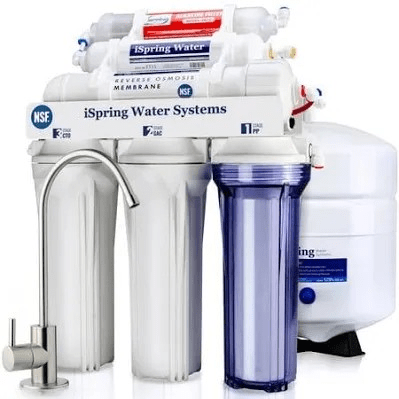
- Reverse Osmosis (RO): This is considered one of the most effective methods for removing radioactive materials from water. It uses pressure to force water through a semi-permeable membrane with tiny pores. These pores allow water molecules to pass through but block many contaminants, including a significant percentage of radioactive particles like uranium and radium. RO systems can remove up to 99% of certain radioactive elements.
- Distillation: This process boils water and captures the steam, which condenses back into clean water. Most radioactive contaminants are left behind in the boiling water. While distillation is effective, it’s generally slower and less efficient than reverse osmosis.
Here are some additional points to consider:
- Different types of radiation require different filtration methods. For example, RO and distillation are effective against most radioactive particles, but they won’t remove radioactive tritium, which is a very small isotope that can pass through most filters.
- The effectiveness of filtration also depends on the type and concentration of radioactive contaminants in the water.
- Home filtration systems may not be suitable for areas with extremely high levels of radiation.
Holy Cow! We just survived the Nuclear War, Elena. How do we filter out Radioactive Tritium?
Removing radioactive tritium from water poses a unique challenge because it’s an isotope of hydrogen. Unlike larger radioactive particles, tritium behaves very similarly to regular hydrogen, making it difficult to separate through conventional filtration methods.
Here’s a breakdown of the challenges and potential solutions:
Challenges:
- Shared Chemical Properties: As mentioned earlier, Tritium (H-3) is an isotope of Hydrogen (H-1). Both have a single proton but differ in neutrons (Tritium has 2, Hydrogen has 0). This close resemblance makes separation through standard filtration difficult because they share similar chemical properties.
- Tritiated Water: Tritium readily bonds with oxygen to form Tritiated Water (HTO), which has the same chemical structure as regular water (H2O). This makes separating Tritium from water particularly challenging.
Potential Solutions:
- Isotope Separation Techniques: While not commonly used for large-scale water treatment, specialized techniques like electrolysis or catalytic isotope exchange can potentially separate Tritium from water. These methods are complex and often require significant infrastructure and expertise.
- Emerging Technologies: Companies like Veolia Nuclear Solutions are developing technologies like the Modular Detritiation System (MDS) that utilize combined electrolysis catalytic exchange (CECE) to separate Tritium. These are promising advancements but may not be widely available yet.
Current Practices:
For large-scale water treatment facilities dealing with low-level Tritium contamination, complete removal might not be feasible. Here’s what might be done instead:
- Dilution: Large bodies of water can sometimes dilute Tritium to levels considered safe for consumption according to regulations set by governing bodies like the Environmental Protection Agency (EPA).
- Focus on Other Radionuclides: Treatment plants might prioritize removing other more dangerous radioactive materials before dealing with Tritium due to the difficulty and cost involved.
Important Note: You look like a Great Candidate to have your Bone Marrow Mined. So, Volunteer. Contact your Federal Representative and Volunteer for after you Die and have your Marrow Mined.
 thelivingbreathingjamesbrown.com
You must be logged in to post a comment.