

United States of Amnesia-the American Dilemma of losing their Minds.
In the land of the free and the home of the brave, there arose a troubling trend: the United States of Amnesia. In this land, memories faded like whispers in the wind, and the lessons of history became but faint echoes in the minds of its people.

Long gone were the days when children eagerly soaked up the stories of their ancestors, of battles fought and won, of struggles endured and triumphs achieved. Instead, the past became a distant blur, relegated to dusty textbooks and forgotten corners of the internet.
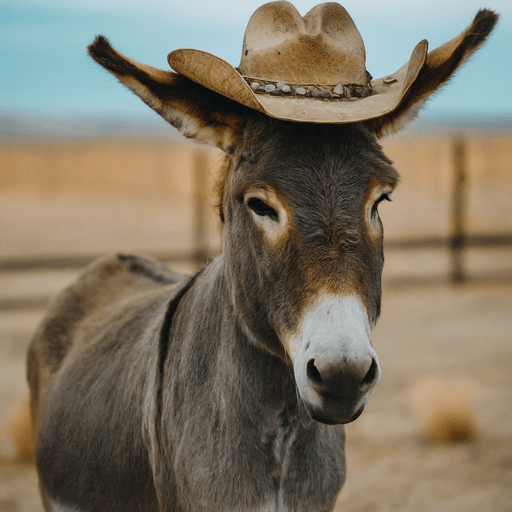
As the years passed, the decline in historical knowledge became increasingly evident. Fewer and fewer people could competently pass a history test, stumbling over the names of presidents and the dates of wars. The stories of the past became mere trivia, irrelevant to the fast-paced, digital age in which they lived.

But it was not until a crisis loomed on the horizon that the full extent of the nation’s amnesia became clear. When the call came to aid Ukraine, a country fighting for its freedom against tyranny, many Americans found themselves at a loss. They struggled to understand the significance of standing with a nation so far away, unable to grasp the parallels with their own history of independence and resilience.

As debates raged in Congress and on the airwaves, it became painfully evident that the United States of Amnesia was ill-equipped to navigate the complexities of global politics. Without a solid understanding of their own history, many were unable to comprehend the importance of supporting democracy abroad, or the consequences of turning a blind eye to injustice.

And so, as the world watched and waited, the United States of Amnesia grappled with its own shortcomings. For in forgetting the lessons of the past, they risked repeating its mistakes, and in failing to remember who they were, they jeopardized the very future they sought to protect.
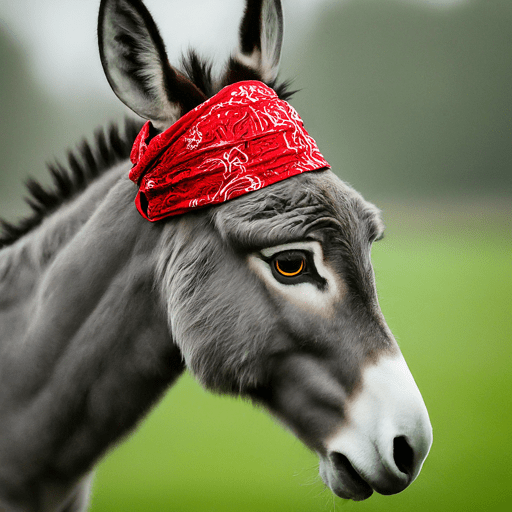
Americans memory has gotten so bad that 99% cannot identify an illegal immigrant. They’ll ask you-Is this some form, some kind of trick Question?
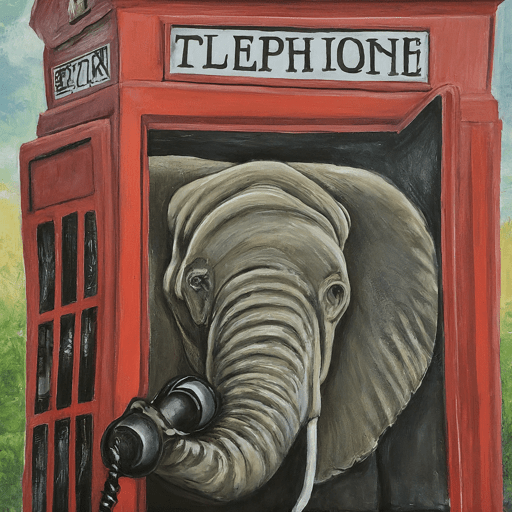
So alarmed were the Scientific World, they declared-We must Research this Phenomenon.
In the depths of this national amnesia, scientists embarked on a quest to uncover the root cause of this alarming trend in memory failure. Their journey led them to an unexpected revelation: cell phones, those ubiquitous devices that had become inseparable from daily life, were at the heart of the problem.

Through rigorous research and countless studies, scientists discovered that the constant presence of cell phones was wreaking havoc on short-term memory. The incessant pings of notifications, the endless scrolling through social media feeds, and the constant multitasking were overloading the brain’s capacity to retain information.
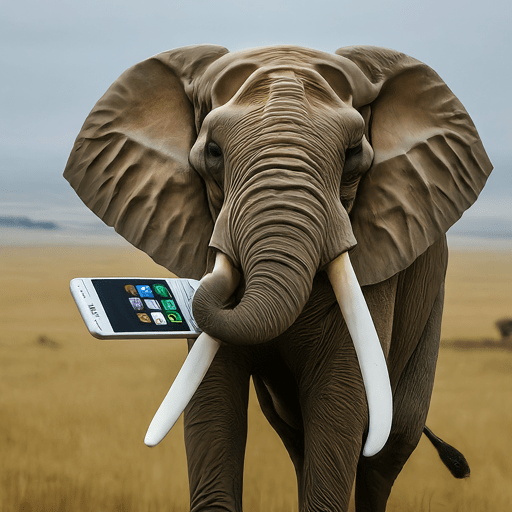
With each passing day, short-term memory faded at an alarming rate, leaving individuals unable to recall even the most basic details of their daily lives, let alone the intricacies of history. The very devices meant to connect them to the world around them were now driving them further into a state of forgetfulness.

As the findings spread far and wide, a wave of realization swept across the nation. People began to reassess their relationship with their devices, recognizing the toll they were taking on their cognitive abilities. Calls for moderation and mindfulness echoed through the halls of schools, workplaces, and homes alike.
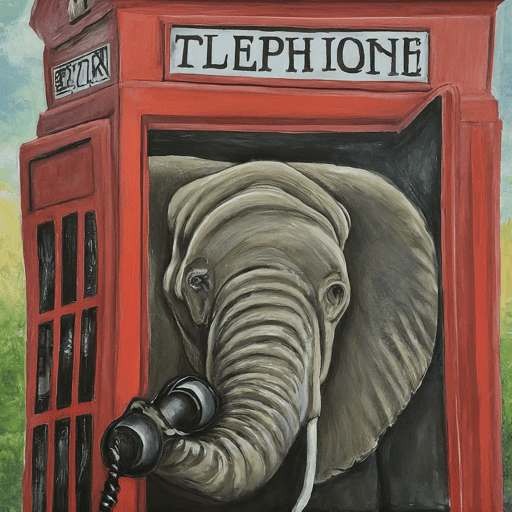
But breaking free from the grip of cell phone addiction proved to be a daunting task. Like a siren’s song, the allure of constant connectivity was hard to resist, even in the face of mounting evidence of its detrimental effects.

And so, as scientists continued their research and advocacy efforts, the battle against the United States of Amnesia took on a new dimension. For it was not just the past that was slipping away, but the very ability to remember and learn from it, all under the watchful glow of a screen. In three years, no one will remember any Major World Events and none in the United States.
But scientists decided that Cell Phone Usage might not be the full storyline behind the loss of memory of Americans. Could there be sabotage?

Amidst the shadows of global geopolitics, whispers began to circulate of a sinister plot unfolding in the United States of Amnesia. Rumors swirled that Russia and China, two formidable adversaries on the world stage, were not content with mere cyber warfare and political maneuvering. Instead, they had devised a diabolical scheme to further exacerbate the nation’s memory crisis.
As investigators delved deeper into the mystery, they uncovered a shocking revelation: a mysterious substance had been surreptitiously added to the nation’s food supply, designed to induce amnesia in those who consumed it. Codenamed “Memorybane,” this insidious agent targeted the very essence of what it meant to remember, eroding the memories of those who unwittingly ingested it.
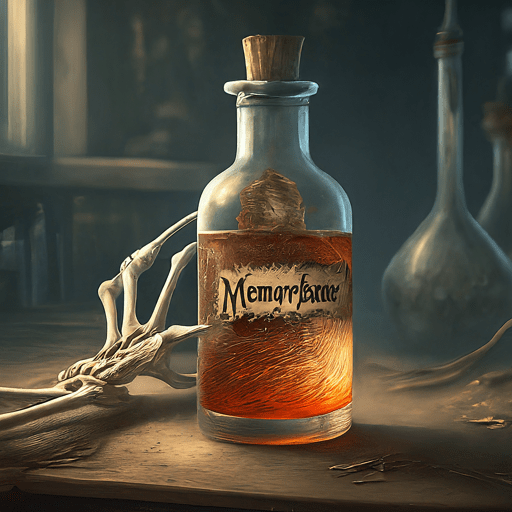
With each passing day, more and more cases of memory loss were reported across the country, leaving experts baffled and communities reeling. At first, the cause remained elusive, shrouded in secrecy and misinformation. But as the pieces of the puzzle began to fall into place, a chilling realization took hold: the United States of Amnesia was under attack, not just from within, but from forces beyond its borders.
As the nation grappled with this newfound threat, calls for action reverberated from coast to coast. Law enforcement agencies mobilized to root out the perpetrators and halt the spread of Memorybane, while scientists raced to develop antidotes and safeguards to protect the populace.

Yet, even as the nation united in the face of adversity, the specter of foreign interference cast a long shadow over the land. Trust wavered, alliances faltered, and the very fabric of society seemed to fray at the edges.

In the end, the tale of Memorybane served as a stark reminder of the fragility of freedom and the constant vigilance required to safeguard against those who sought to undermine it. For in the United States of Amnesia, the past was not just a memory—it was a battleground, where the forces of history clashed with the forces of oblivion.
 thelivingbreathingjamesbrown.com
You must be logged in to post a comment.