

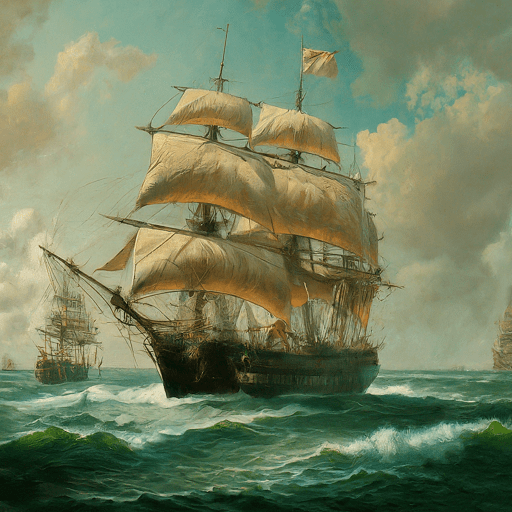
May 13, 1607: The English colonists arrived in North America and chose their settlement location.King James I: The settlement was named after the reigning English monarch.
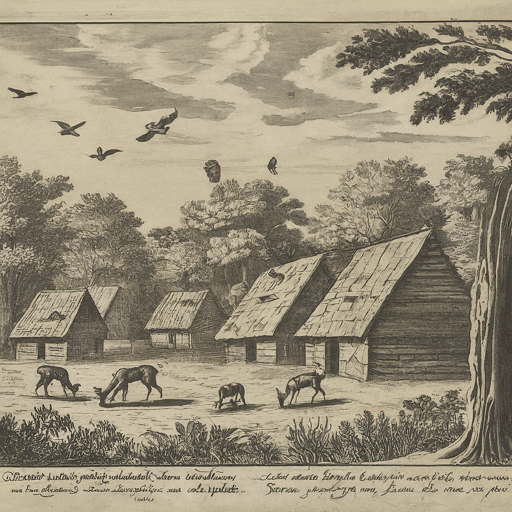
An early translation from 1610 by Frederick Wolff
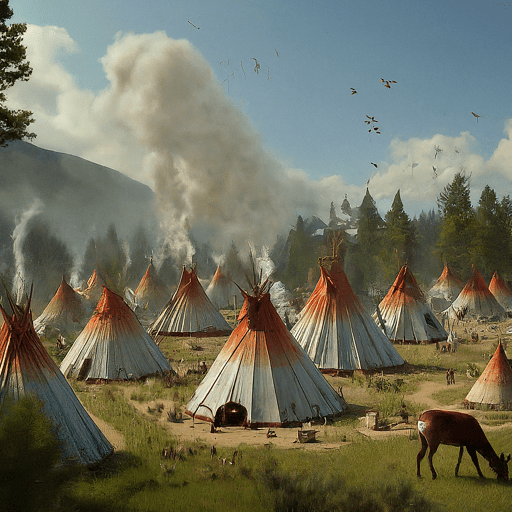
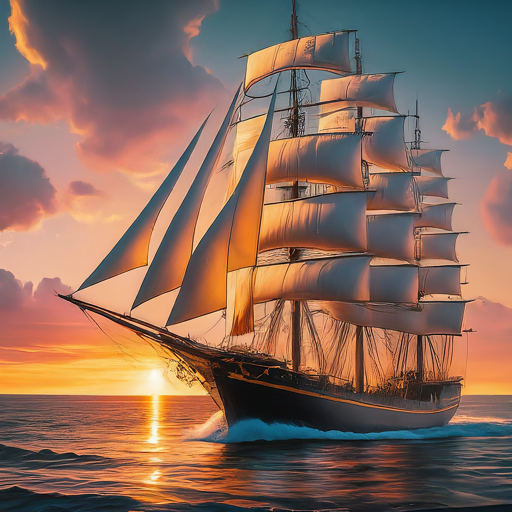
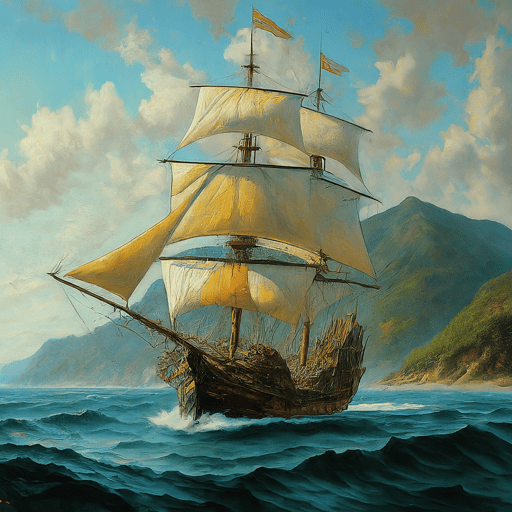
The damp Virginia air clung to me like a second shirt, heavy with the scent of pine and something foreign, something wild. 1607. A year etched in my memory, both a triumph and a source of gnawing guilt. We, a hundred strong, men and women driven by a desperate hope for a new life, had landed on this verdant shore, christened it Jamestown.

John Smith, they called me. Explorer, leader, conqueror. Titles I wore with unease. The land teemed with life, bountiful beyond imagination. Wild turkeys strutted through sun-dappled clearings, and rivers teemed with fish so plentiful a cast of the net could bring dinner for a week. But it wasn’t an empty canvas. Whispers in the woods, fleeting glimpses of figures painted with ochre, told a different story.
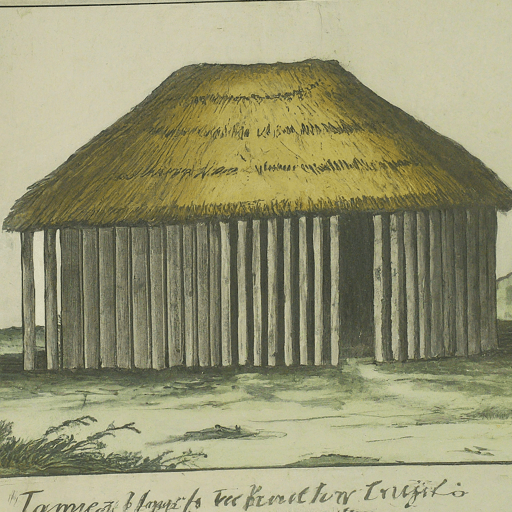
Our initial contact was clumsy, a dance of misunderstanding punctuated by the crack of muskets and the thrumming of alien war drums. Barter turned to skirmish, fueled by fear on both sides. We, with our steel swords and blunderbusses, were as alien to them as they were to us, our very presence a disruption in the rhythm of their lives.
Then came Pocahontas. A young woman, barely a teenager by our reckoning, with eyes that held the wisdom of the ages. She approached, not with fear, but with a quiet curiosity that both disarmed and intrigued us. Through broken English and halting gestures, she became our translator, our bridge to a world we couldn’t begin to understand.
Through her eyes, I saw our arrogance laid bare. The “Doctrine of Discovery” – a convenient cloak for our greed, a decree from a king across a vast ocean that gave us dominion over a land we hadn’t even set foot on. Our God, a weapon to justify the subjugation of theirs, the Great Spirit who pulsed through the very land we coveted.
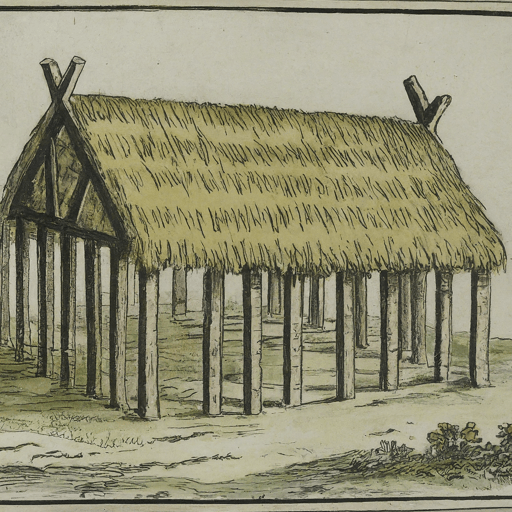
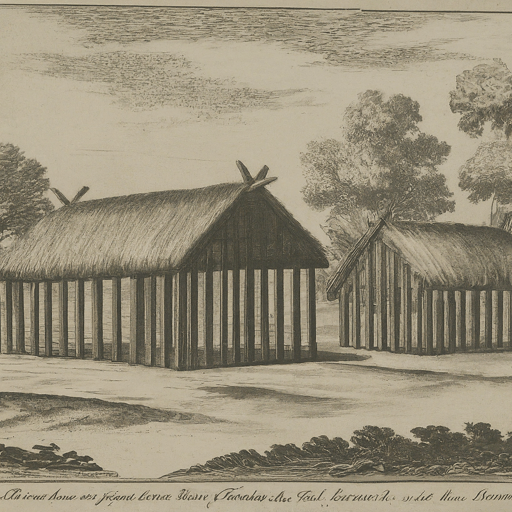
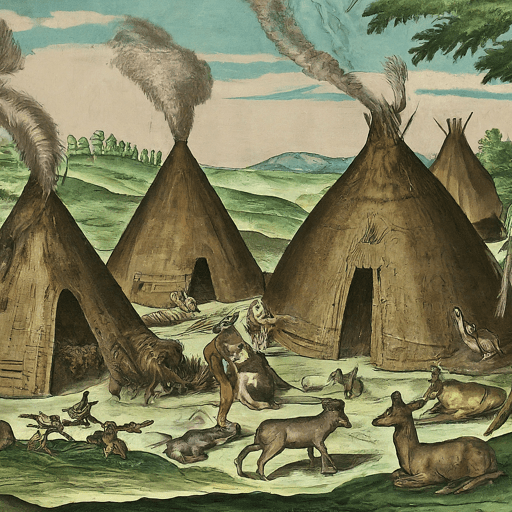
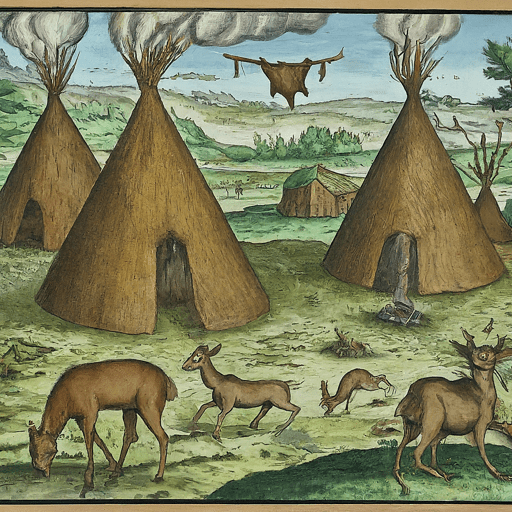
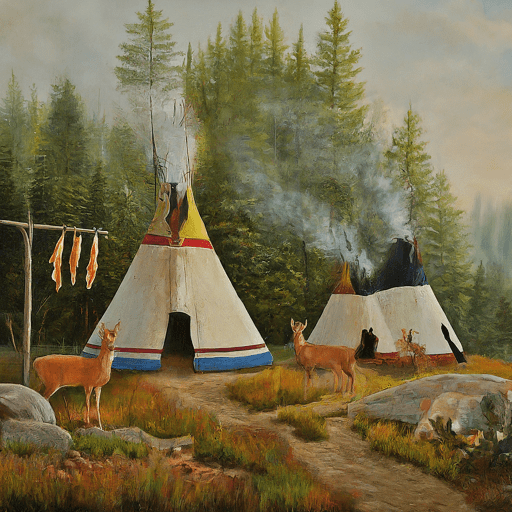
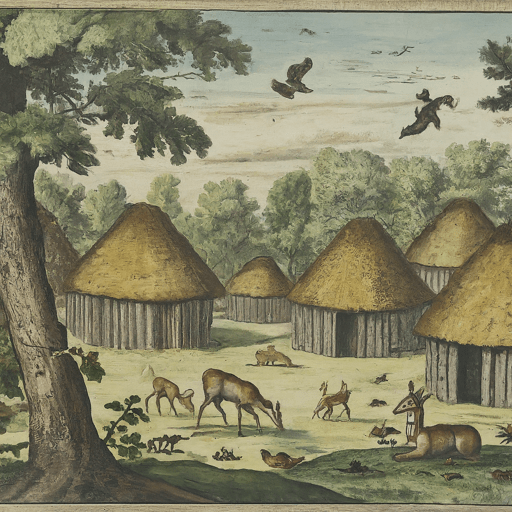
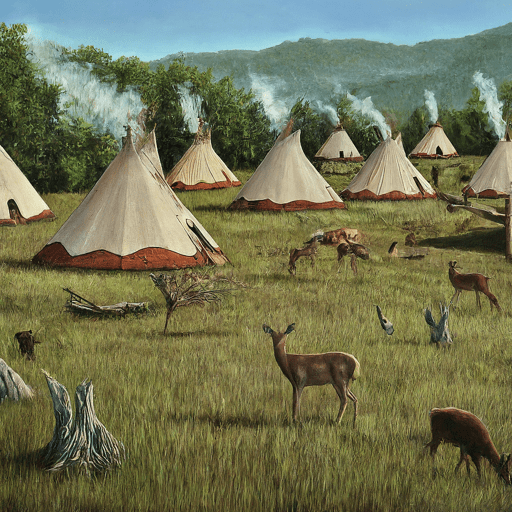
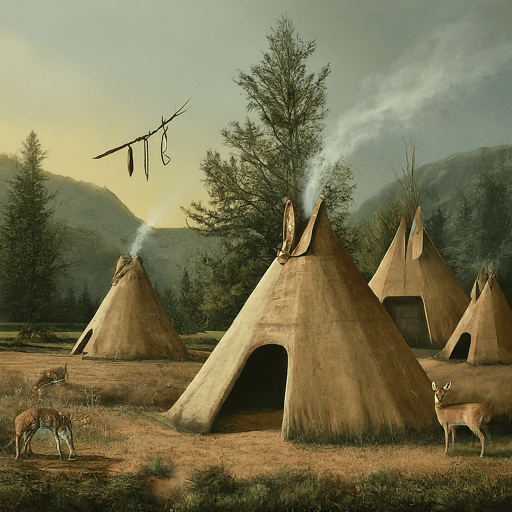
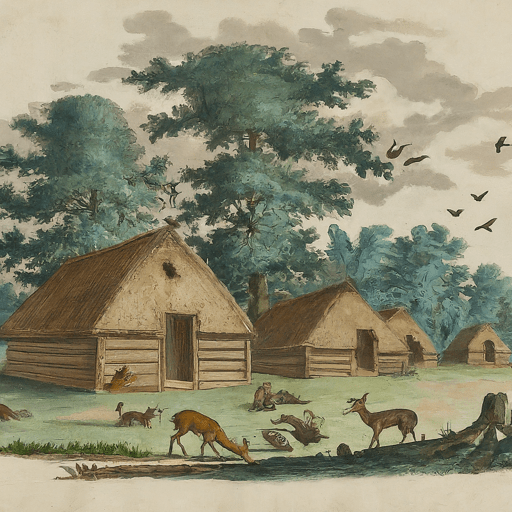
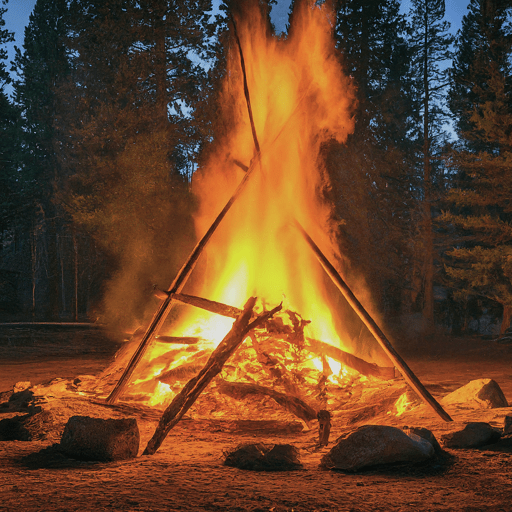
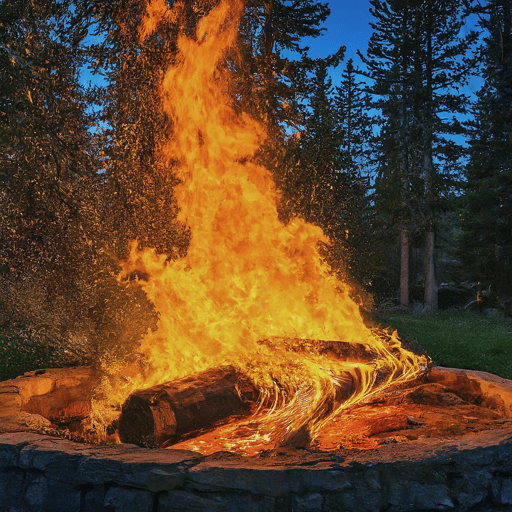
Pocahontas spoke of a world in harmony, a tapestry woven from generations of living with the land, not against it. Their villages were nestled amongst the trees, not sprawling scars upon the earth. Their laughter echoed in the wind, carried on the scent of woodsmoke and roasting venison, a stark contrast to the harsh clangor of our tools and the ever-present tang of fear that hung heavy in the air.
We, with our muskets and fervor, were a plague. Disease ripped through their communities, leaving a trail of devastation that no warrior could fight. Our hunger for land drove them from their hunting grounds, a slow starvation in disguise. They were like deer caught in the headlights of our progress, bewildered and ultimately doomed.
There were battles, of course. Acts of barbarity on both sides, fueled by the growing chasm of misunderstanding. We fought for dominance, they fought for survival. Pocahontas, caught in the crossfire, became a symbol of the tragedy unfolding. Married to one of our own, a pawn in a twisted game of power meant to bridge the divide, she ended up ostracized by both sides.
Years later, when I returned to England, a disillusioned shell, I carried the weight of that lost paradise. Jamestown, a monument not to our triumph, but to our failings. The “New World” was not ours for the taking. It belonged to the Powhatan people, who had nurtured it for generations, who understood its heartbeat in a way we never could.
My story, a mere whisper in the grand narrative, serves as a cautionary tale. A reminder that conquest often leaves a bitter taste in the victor’s mouth. The true riches of a land lie not in its resources, but in the harmony it fosters with its inhabitants. We had come seeking fortune, but found only folly.
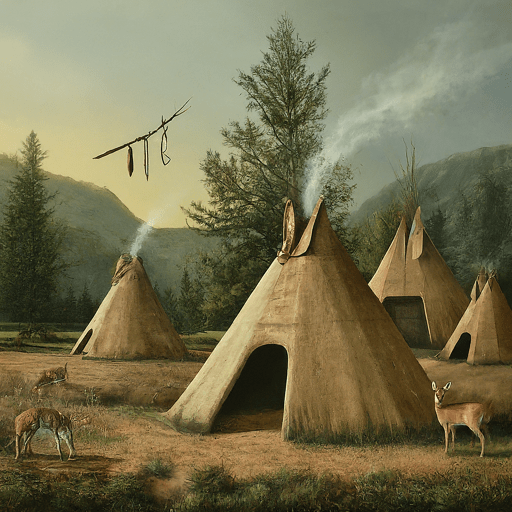
But the story doesn’t end there. Across the miles of ocean, echoes of our arrival reached Chief Powhatan, the powerful leader who united the tribes. He saw the newcomers not as a curiosity, but as a threat. Stories of their booming guns and insatiable hunger for land filtered back through the trading networks, carried on whispers of smoke and the mournful calls of displaced birds.

Powhatan, wise and cautious, knew these newcomers were different. Unlike previous explorers, they weren’t content with a trinket trade. They came with families, with a hunger to stay. He watched, with growing unease, as their settlement grew, a cancerous growth spreading outwards, claiming more and more land.
He tried diplomacy, sending emissaries laden with gifts. But the gifts were met with suspicion, the emissaries dismissed. Frustration gnawed at him. These strange men, with their pale skin and outlandish clothing, refused to understand the delicate balance of life in this new land.
He knew war was inevitable. But Powhatan also knew another truth, a truth whispered by the wind through the pines and carried on the backs of migrating birds – these newcomers weren’t the only threat.
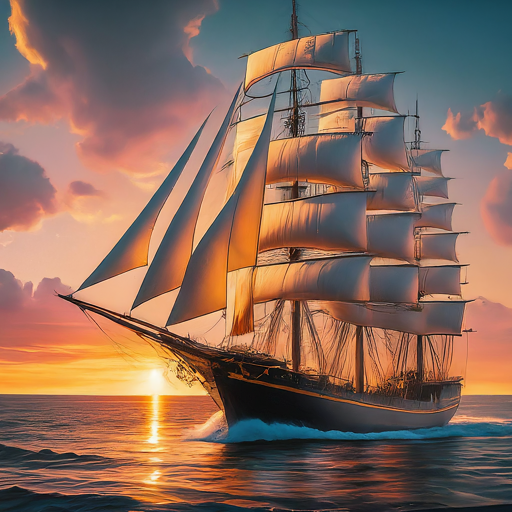
Across the vast ocean, another monstrous trade wind was blowing. Ships, crammed with human cargo, cut through the waves, bringing not just tools and trinkets, but a new kind of misery. These weren’t explorers or fortune seekers, but men driven by avarice, their hearts as barren as the holds of their ships. They brought with them Africans, men and women stolen from their homes, their cultures ripped away, their futures shackled to an alien land.
Powhatan watched with growing horror as the newcomers turned on each other. The pale men, the ones who called themselves English, used these darker-skinned captives as beasts of burden, their backs bent double under the weight of an oppression Powhatan understood all too well.
The spirit of Powhatan’s people recoiled at this new cruelty. They had a long history of taking captives in war, but they were incorporated into the tribes, becoming part of the fabric of their society. This enslavement, this systematic dehumanization, was an abomination.
Whispers turned to outrage. The Powhatan people, already facing the encroachment of the English, now saw a potential ally in these stolen people. Secret meetings were held under the cloak of night, stories exchanged in a language of shared suffering.
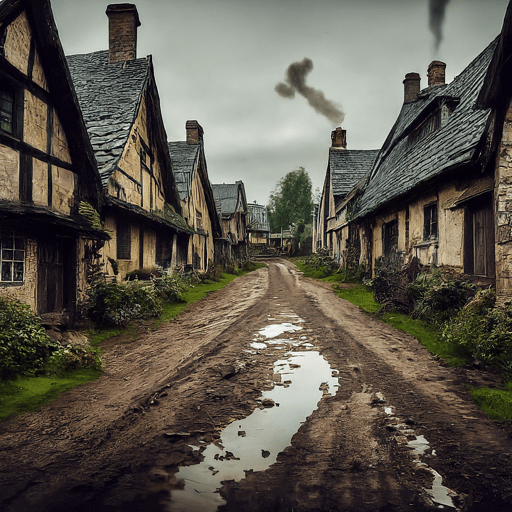
May 13, 1607: The English colonists arrived in North America and chose their settlement location.King James I: The settlement was named after the reigning English monarch.
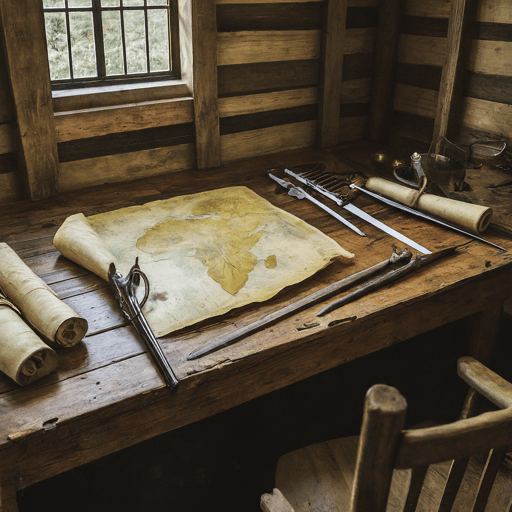
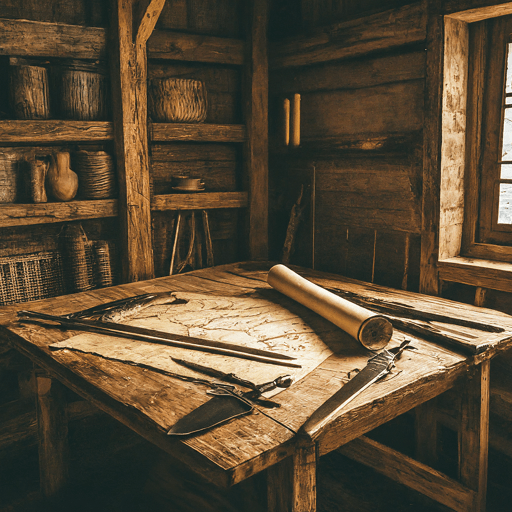
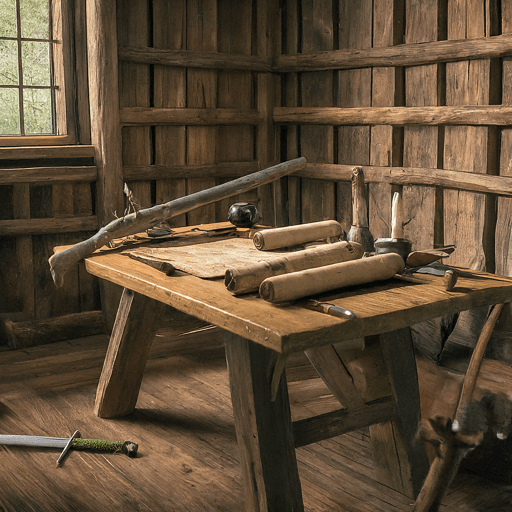
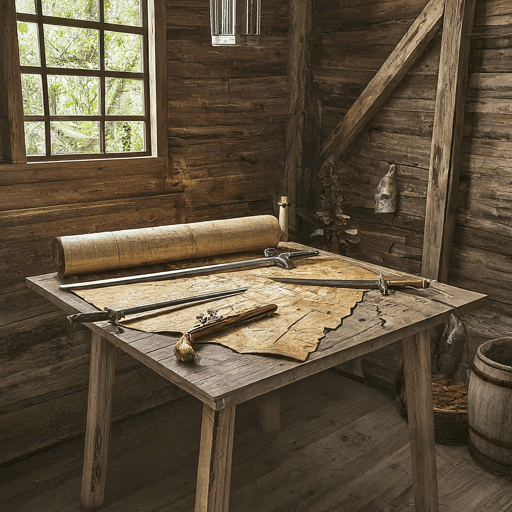
Plans were hatched, a desperate gamble against impossible odds. Escape routes were mapped, weapons readied. The fight for their own land was about to become a fight for the freedom of others, a fragile alliance forged in the fires of injustice.


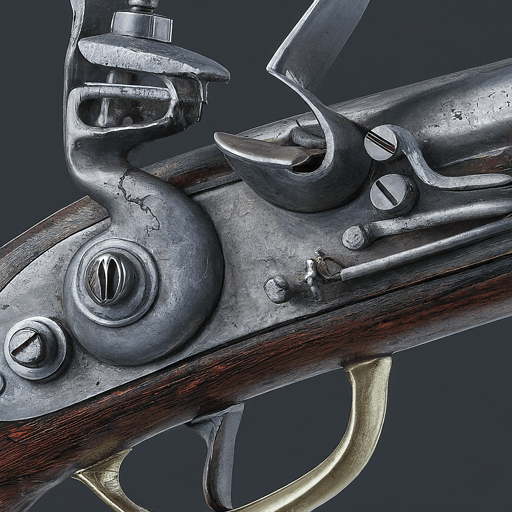
My story, a mere ripple in the vast sea of history, is a testament to the enduring human spirit. It’s a story not just of conquest and loss, but of resistance and resilience. The land we called “Jamestown” was built on a foundation of broken promises and shattered lives. But it also became a crucible where the fight for freedom, in all its forms, flickered and burned.


Read a Book-
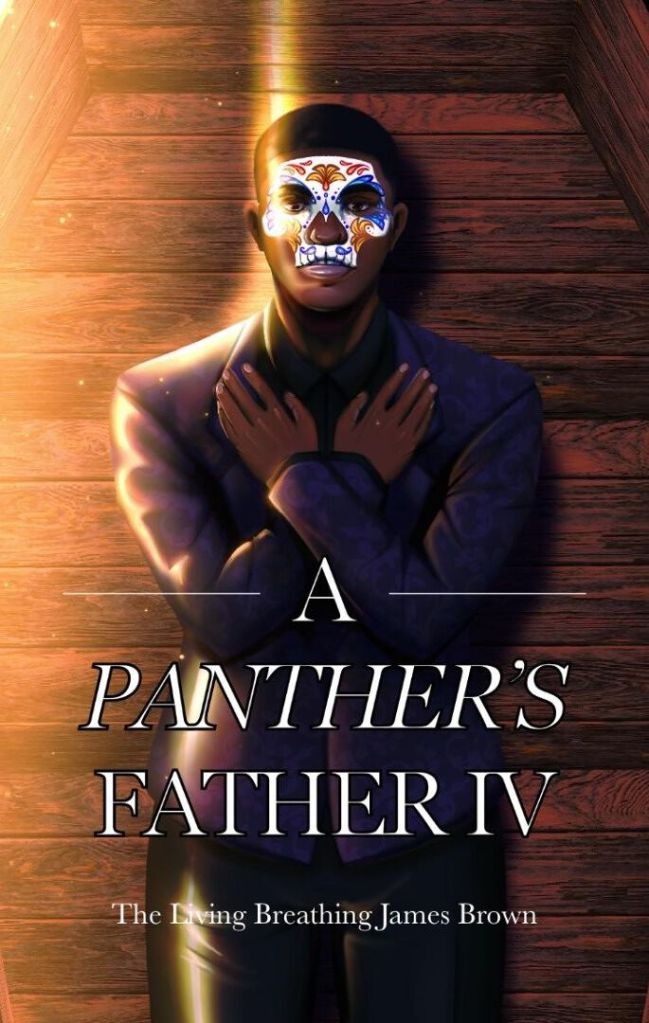
 thelivingbreathingjamesbrown.com
You must be logged in to post a comment.