
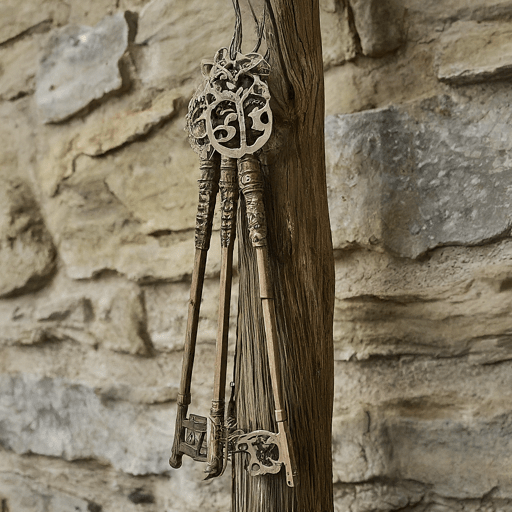
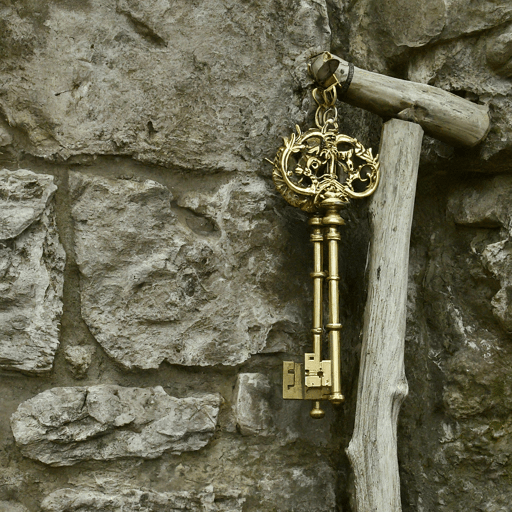

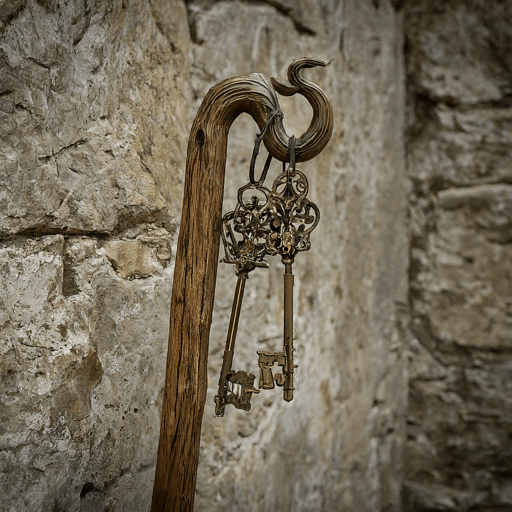

In Christianity, the image of two keys on a pole, often crossed, is a well-known symbol associated with Saint Peter. Here’s what the symbol means:
- Keys as Authority: The keys themselves represent authority. In the Gospel of Matthew (16:19), Jesus gives Peter the “keys of the kingdom of heaven,” signifying his role as the “gatekeeper” who grants access to heaven.
- Two Keys: The two keys are often interpreted in different ways:
- Two Realms: One key might represent the authority over the earthly realm (the Church), while the other represents the heavenly realm (salvation).
- Sacraments: Another interpretation links the keys to the two main Christian sacraments: baptism (granting entry into the Church) and confession (unlocking forgiveness of sins).
- Crossed Keys: When the keys are crossed, it can symbolize the unity of these two realms or the intertwined nature of the Church and salvation.



Heaven’s Gate?
Overall, the two keys on a pole represent the authority Jesus bestowed upon Peter to lead the Church and guide believers towards salvation.
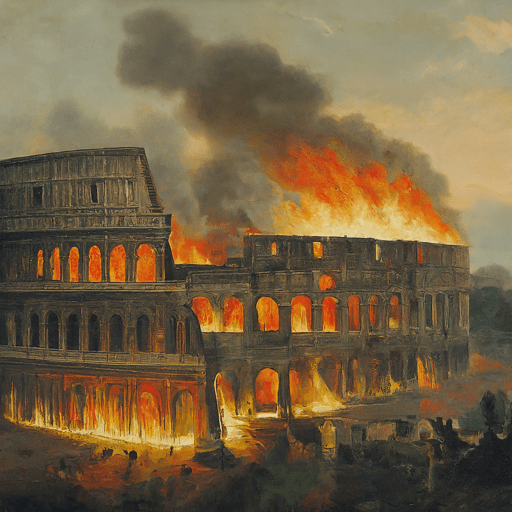
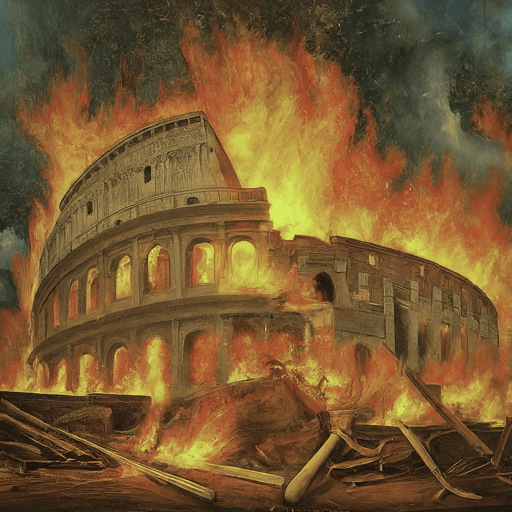
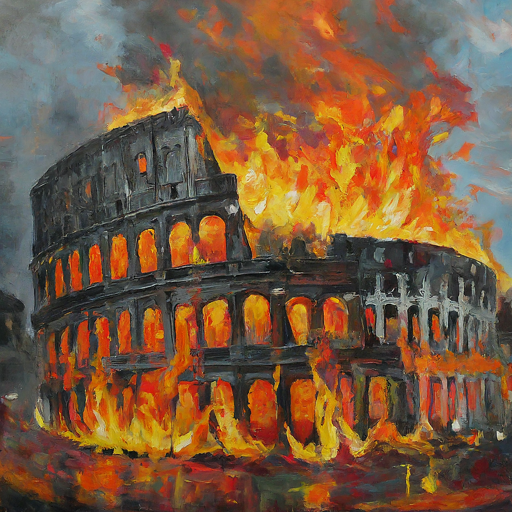
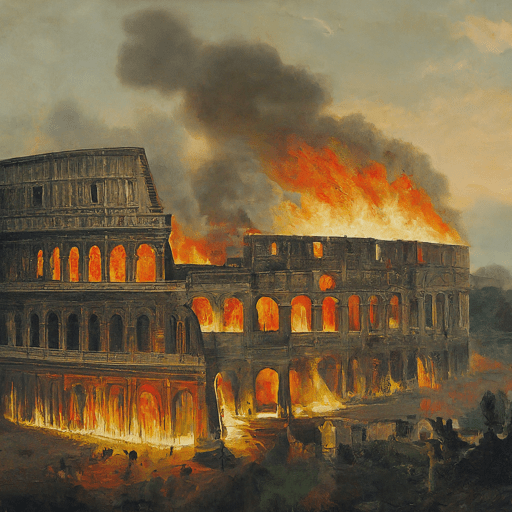
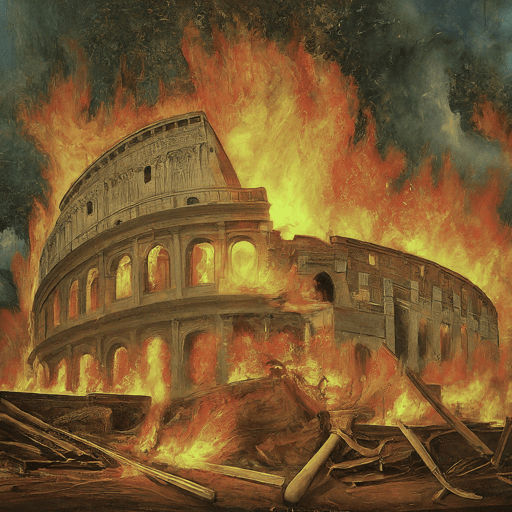
But Rome Burned and Nero grew Angry blaming the Christians.
The air hung thick with smoke, the stench of charred wood and fear clinging to every cobblestone. Rome, the eternal city, was ablaze. A monstrous inferno, born from whispers of arson and fueled by the flames of hatred, devoured the heart of the empire. In the midst of the chaos, a small group huddled in the shadows of a crumbling basilica, their faces etched with terror. They were Christians, followers of a Nazarene carpenter who had been crucified years ago, and now they were being blamed for the city’s destruction.
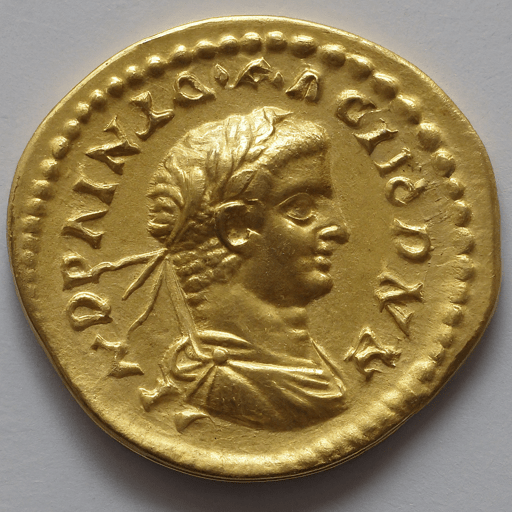
Among them was Peter, a weathered fisherman with eyes that held the wisdom of a man who had seen the miracles of Christ firsthand. He held his head high, his heart heavy with a sorrow that transcended the physical fire raging around them. The Emperor Nero, a man consumed by paranoia and vanity, had declared them the enemy, their faith a threat to his power.
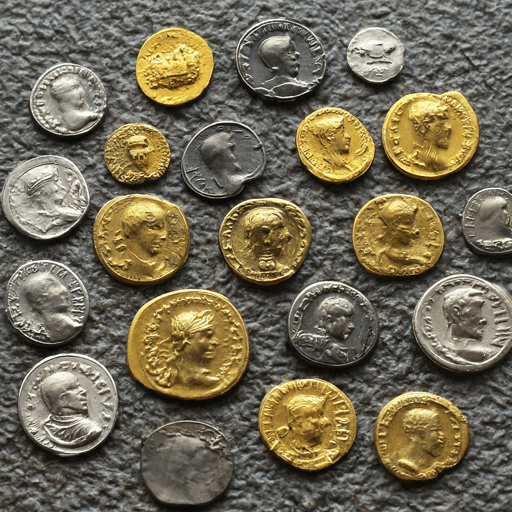
The city throbbed with the sound of angry shouts and the crackle of flames. A legion of Roman soldiers, their faces grim, their eyes burning with a fervor fueled by the Emperor’s accusations, marched into the basilica. Their leader, a man named Lucius, stood tall, his sword glinting menacingly in the flickering light.

“You call yourselves followers of peace?” Lucius bellowed, his voice echoing in the smoke-filled space. “Yet you have brought fire and destruction upon our city!” Rome, a once vibrant City.
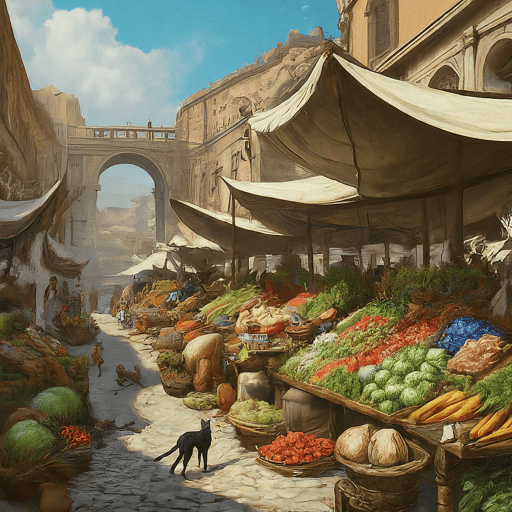

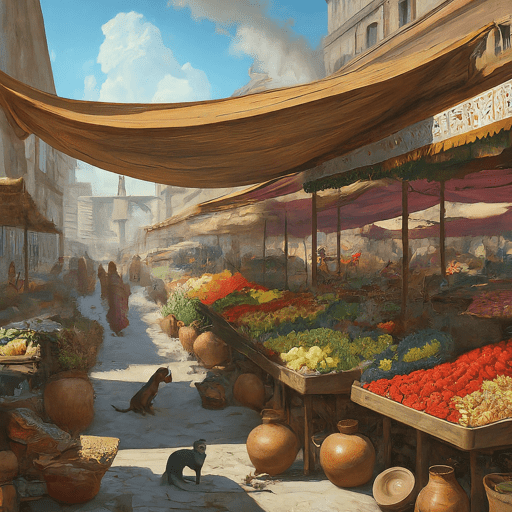
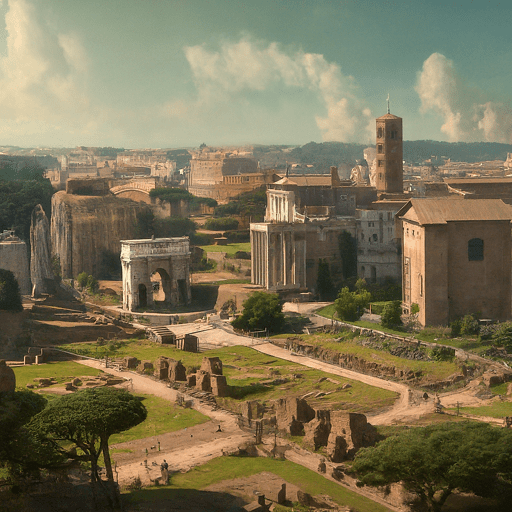
The Christians remained silent, their faces a testament to their unwavering belief. Peter stepped forward, his voice calm and steady.
“We are followers of a different kind of fire, Lucius,” he said, his gaze unwavering. “A fire that burns not with hatred, but with love, a fire that consumes darkness with light.”
Lucius scoffed, his face twisted in anger. “Love? What do you know of love when you have brought such destruction upon us?”
“We know that love endures even in the face of hate,” Peter replied. “We know that it can heal even the deepest wounds.”
Lucius drew his sword, its point glinting like a shard of ice. “You will all be punished for your crimes!” He roared, his voice echoing in the burning hall. “Your leader will be crucified as a warning to all who dare to oppose Rome! Those Opposing Me!”
The Christians gasped, fear gripping their hearts. Peter, however, remained calm. He stepped closer to Lucius, his face etched with a sorrowful understanding.
“You are blinded by your own anger, Lucius,” Peter said, his voice gentle but firm. “You see only the fire, but not the flames of love that burn within us. You see only the destruction, but not the hope that rises from the ashes.”
Lucius, his anger momentarily quieted by the calm in Peter’s voice, looked into the fisherman’s eyes. He saw no defiance, only a profound love for his beliefs, a love that defied the very nature of his own rage. For a fleeting moment, Lucius saw the flicker of the fire Peter spoke of, a flicker of something greater than the flames that consumed the city.
“What do you want?” Lucius asked, his voice hoarse with a mixture of fear and confusion.
Peter, knowing he had captured a moment of vulnerability, spoke with a quiet, but resolute strength. “I want to die for what I believe in,” he said, “but not in the same way as our Lord. I do not deserve the same fate as Christ. I ask that you crucify me upside down, a testament to my unworthiness.”

Lucius, his mind reeling from the unexpected request, felt a tremor of doubt run through him. This man, who stood before him, wasn’t the enemy he had been made to believe. He was a man of faith, of courage, of love. He looked at the other Christians, their faces reflecting a similar faith, a similar love.

Lucius sheathed his sword, the sharp clang echoing through the hall. The fire continued to rage outside, but inside the basilica, a different fire began to burn, a fire fueled by the courage of a man who stood before the Emperor’s wrath and asked to be crucified upside down, a symbol of his humility and his undying love for his faith.
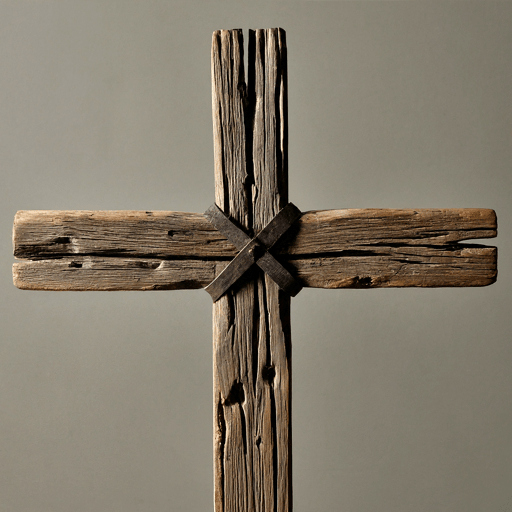
And so it was that Saint Peter met his end, not as a symbol of fear, but as a testament to the enduring power of love, a love that burned brighter than any fire, a love that transcended the flames of hate and rose above the ashes of destruction.
Read a great book-
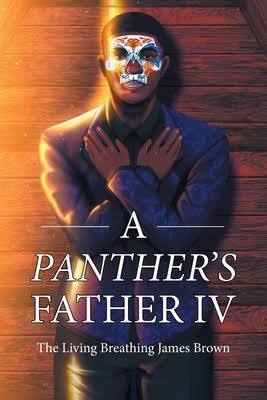
 thelivingbreathingjamesbrown.com
You must be logged in to post a comment.