

The term “bitch” has traversed a complex historical trajectory, evolving from its humble origins as a reference to a female dog in Old English and Old Norse to acquiring a derogatory connotation towards women over time. The semantic transformation of “bitch” took root around the 1400s, when it began to be wielded as a disparaging term targeting women. This shift in meaning may have been underpinned by societal attitudes that linked women to notions of uncontrolled sexuality, drawing parallels to the behavior of dogs in heat.
According to the Oxford English Dictionary, the term bitch comes from the Old English word bicce or bicge, meaning “female dog”, which dates to around 1000 CE. It may have derived from the earlier Old Norse word bikkja, also meaning “female dog”.
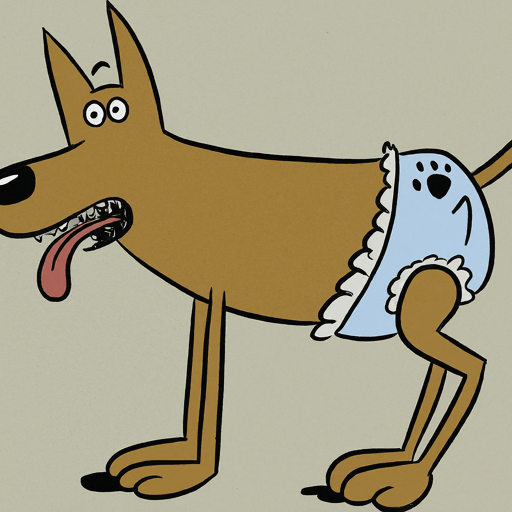
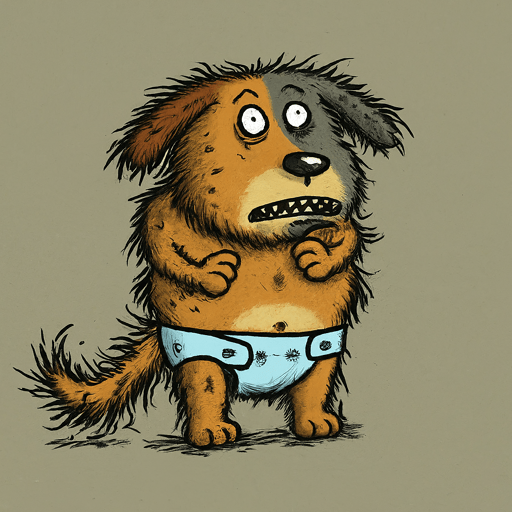

Every time I want to have Sex, these Dumb Humans put Diapers on me. Where are you lover Boy?

Numerous compelling theories have emerged to explain the derogatory usage of “bitch” towards women. One such theory suggests that the term served as a tool to undermine powerful or independent females, possibly echoing ancient mythological associations between certain goddesses, such as Artemis, and canine symbolism. This intertwining of language, gender dynamics, and cultural symbolism has played a pivotal role in shaping the intricate evolution of “bitch” as a loaded term laden with historical and societal significance.
In examining the contemporary usage of “bitch,” it becomes evident that the term has retained its potency as a widely recognized insult employed across genders to express anger, aggression, or disdain. Its usage is generally deemed offensive and inappropriate in various social contexts, reflecting a growing emphasis on conscientious communication and respect.
The juxtaposition of “bitch” with the term “digs” as a potential alternative for describing a female individual highlights the nuanced interplay between language choices and connotations. While “bitch” carries a weighty history of derogatory and gendered implications, “digs” may resonate as a more specialized term confined to particular fields or communities, devoid of the negative baggage associated with the former term.
Drawing parallels from past historical uses of language, we can observe how words and their meanings evolve in response to societal dynamics and cultural shifts. By delving into the intricate tapestry of linguistic evolution, we glean insights into the broader complexities of language, gender relations, and the enduring impact of historical legacies on contemporary discourse.
See, you ain’t no Bitch!
Read a great book-

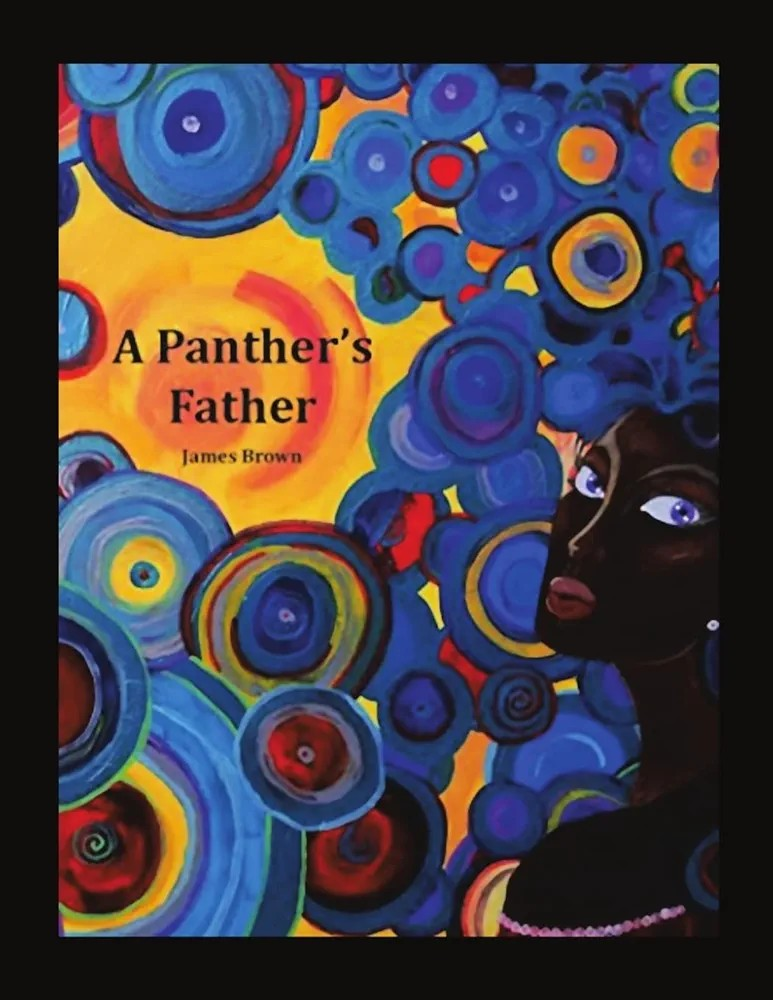






 thelivingbreathingjamesbrown.com
You must be logged in to post a comment.