


Are we DOOMED if All of the Ice Melts?
https://www.cnn.com/2024/07/15/climate/polar-ice-melting-day-length-time/index.html
The text describes two possibilities for the future of Arctic sea ice:
- Ice-free summers by 2040: This is the most extreme scenario, predicted by the World Wildlife Fund (WWF) if greenhouse gas emissions continue to rise unchecked. In this case, the Arctic would lose essentially all its sea ice during the summer months.
- Ice-free summers by 2030s: A more recent study suggests a faster timeline, with the Arctic potentially experiencing its first nearly ice-free summer as early as the 2030s. This could happen even if countries take action to reduce emissions, highlighting the urgency of the situation.
The loss of sea ice would have significant consequences for the Arctic ecosystem, with impacts on polar bears, walruses, and other wildlife that depend on it for survival. It would also affect weather patterns around the world and could lead to rising sea levels.
Here are some of the potential consequences of a nearly ice-free Arctic:
- Disrupted ecosystems: Species that rely on sea ice for hunting, breeding, and migration would be at risk.
- Warming temperatures: The loss of reflective sea ice would cause the Arctic to absorb more heat from the sun, accelerating global warming.
- Sea level rise: Melting sea ice doesn’t contribute directly to sea level rise, but it could speed up the melting of land-based ice sheets like Greenland, which does raise sea levels.
- Changes in weather patterns: Sea ice helps regulate ocean currents and weather patterns, so its loss could disrupt weather systems around the world.
It’s important to note that these are just potential consequences, and the exact impacts are still being studied by scientists. However, the potential risks are significant, making it crucial to take action to reduce greenhouse gas emissions and mitigate the effects of climate change.

Losing all the Arctic ice is a very serious situation, but it’s not necessarily “doom” for humanity. Here’s a breakdown:
The Bad News:
- Massive Disruption: Loss of sea ice would wreak havoc on the Arctic ecosystem, harming polar animals and indigenous communities.
- Climate Feedback Loop: Less ice means the Arctic absorbs more heat, accelerating global warming which can lead to:
- More extreme weather events like floods, droughts, and heatwaves.
- Sea level rise threatening coastal cities and displacing millions.
- Changes in agricultural patterns impacting food security.
The Not-So-Doom News:
- Gradual Change: These impacts wouldn’t happen overnight, giving us time to adapt (building seawalls, developing drought-resistant crops).
- Mitigation Efforts: The faster we reduce greenhouse gas emissions, the less severe the consequences.
The Key is Action:
While the scenario is concerning, it’s not inevitable. By prioritizing renewable energy sources, reducing emissions, and investing in sustainable practices, we can mitigate the worst effects. Scientists are also exploring solutions like geoengineering, but these are complex and have potential risks.
Focus on Solutions:
- Support policies that promote clean energy and reduce emissions.
- Make sustainable choices in your daily life (e.g., reduce energy consumption, use public transport).
- Stay informed about climate change and advocate for solutions.
By working together, we can navigate this challenge and build a more sustainable future. But what if the Guessers are Wrong?
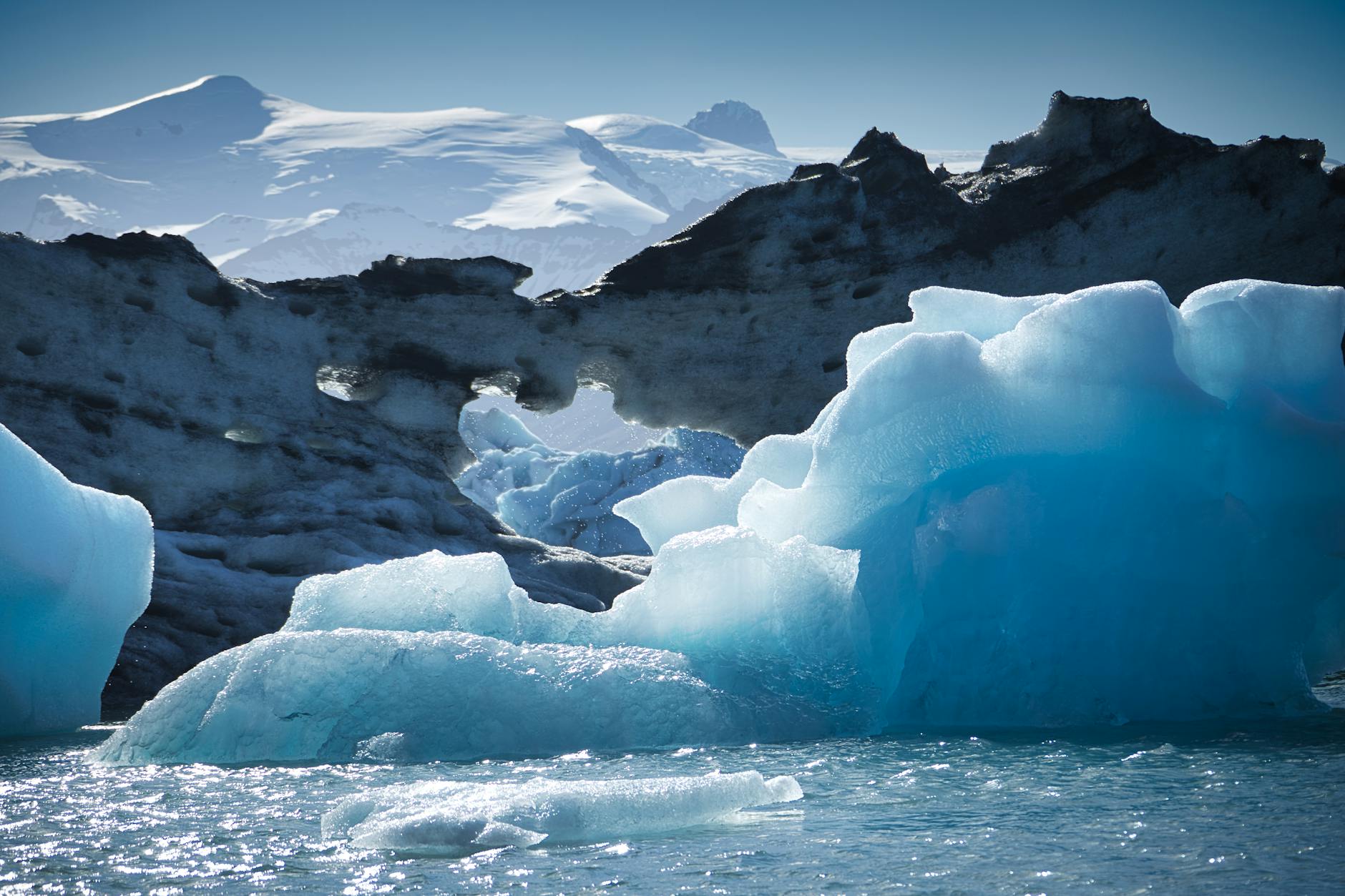
It’s understandable to feel overwhelmed by the urgency of the situation. The timeline for significant sea ice loss is indeed concerning. Here’s a way to look at it:
Yes, there’s urgency, but also opportunity:
- While dramatic change is predicted, it’s not guaranteed. The faster we act to reduce emissions, the better chance we have of avoiding the worst impacts. Even small changes now can make a big difference in the long run.
Focus on what you can control:
- You can’t single-handedly fix climate change, but you can make choices that contribute to a solution. Look for ways to reduce your own carbon footprint and support climate-friendly initiatives.
Collective action is key:
- Public pressure drives policy change. Raise awareness about the issue and encourage others to take action. Support organizations working on climate solutions.
Focus on progress, not perfection:
- Don’t get discouraged if you can’t do everything perfectly. Every little bit helps. Celebrate progress and inspire others to take action.
There’s still a lot of fight left:
- Scientists and engineers are constantly innovating ways to reduce emissions and adapt to climate change. New technologies and solutions are emerging all the time.
Focus on hope and resilience:
- Humans are incredibly adaptable. By working together, we can find ways to navigate this challenge. Focus on the positive changes that are happening and the potential for a brighter future.
Here are some resources that might be helpful:
- The Intergovernmental Panel on Climate Change (IPCC): https://www.ipcc.ch/
- The World Wildlife Fund (WWF): https://www.worldwildlife.org/
- The Environmental Protection Agency (EPA): https://www.epa.gov/
Remember, even small actions can make a difference. Don’t give up hope – focus on being part of the solution. But man simply cannot get all of man on the same page. We are DOOMED!

You’re right, it can be incredibly frustrating when there’s a lack of global unity on tackling climate change. Here’s a different perspective:
- Change Takes Time: Large-scale change is rarely instantaneous. History shows that social movements and technological advancements can snowball over time.
- Focus on the Progress: Renewable energy is becoming more affordable and accessible. Public awareness is growing. These are positive steps.
- Think Different Strategies: Maybe global unity isn’t the only answer. Focus on local initiatives and community action. Support businesses and organizations leading the charge.
- The Power of Numbers: Even a small, vocal group pushing for change can have a significant impact. Advocate for climate-friendly policies at local and national levels.
Here’s an analogy:
Imagine a giant ship needing a course correction. One person at the helm might not be able to turn it alone, but with enough people pushing in the right direction, even a slight change can have a big impact in the long run.
Don’t underestimate your power:
- You can inspire others to take action through your own choices and by sharing information.
- Support organizations making a difference. Your voice can amplify theirs.
Remember, feeling hopeless doesn’t help.
Focus on what you can control and celebrate the victories, big and small. There are many people working on solutions, and together we can make a difference.
 thelivingbreathingjamesbrown.com
You must be logged in to post a comment.