
This Divine Tale is now set Upon Mankind. It is now given to those who know God is Real. And it is God’s Last Warning. God is Watching.
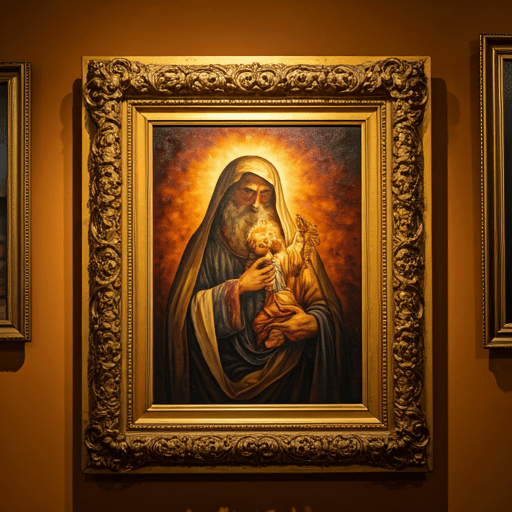
The Story of Sarah
Sarah was born into a life marred by hardship, a life that seemed to test the very limits of human endurance. Her story begins in a small, dimly lit house in El Paso, Texas, where the walls bore witness to the silent struggles of her family. Her father, a humble carpenter who had crossed the border in search of a better life, toiled endlessly, crafting furniture to provide for his family. Every splinter of wood he touched was infused with a love that shone through the cracks of their daily hardships. Yet, the weight of his dreams felt heavy on his shoulders, as he faced an unyielding reality that sought to crush hope at every turn.
The family’s struggles were compounded by a heart-wrenching incident: an immigration worker, stripped of compassion, unleashed a senseless act of violence against Sarah’s mother as she worked tirelessly, mopping the floors of a butcher shop. This brutal assault not only robbed Sarah of her sight, plunging her world into darkness but also shattered the very foundation of their family. Sarah’s mother, a beacon of warmth and resilience, had always been the heart of their family. Her laughter, though strained, filled their home with light; but shortly after this dreadful event, her health began to spiral, culminating in a heartbreaking battle against cancer. The harsh chemicals she inhaled day after day in that stifling butcher shop, combined with the stress of her life, only exacerbated her suffering. The butcher shop owner, an embodiment of greed wrapped in indifference, remained blind to the plight of his workers, choosing profit over humanity. How could someone disregard the anguish that echoed in those small corners of their lives?
Yet, in the midst of overwhelming sorrow and tribulations, the familial bond between Sarah and her father remained unbroken. Together, they navigated the storm, embracing the beauty of their love, even when the world seemed intent on tearing them apart. Sarah, though blind, grew into a remarkable young woman, embodying an indomitable spirit and wisdom that far exceeded her years. Her resilience became a testament to the human capacity for love and strength, even in the bleakest of circumstances.
It was during this tumultuous time, when despair threatened to envelop them, that a divine spark ignited in Sarah’s life. An angel descended from the heavens, sent by God to deliver a profound message of truth. This celestial being, radiant with light and compassion, found Sarah and her father amidst their struggles, bringing with them a glimmer of hope that pierced through their darkest moments. The angel bore witness to the family’s pain and struggles, and with a gentle voice that resonated like a soothing balm, shared God’s desire to illuminate the hearts of men through the sacred Book of Greed.
In that transformative moment, Sarah, despite her blindness, revealed a profound inner vision. She became a vessel for greatness—a conduit through which a timeless message flowed. With unwavering belief and fierce determination, she began to transcribe the essence of the Book, capturing profound insights about the human condition. Her words, brimming with empathy, spoke to the core of ethical living and the harrowing repercussions of greed. Through her writing, Sarah not only confronted the harsh realities of her world but also beckoned others to look within, urging them to reflect on the impact of their choices and the true essence of humanity.
With every stroke of her pen, she wove a tapestry of hope and resilience, reminding us all that even in the depths of despair, love can flourish and wisdom can arise. Sarah’s journey became a beacon for those lost in the shadows, a powerful reminder that our struggles do not define us but rather shape us into who we are meant to become. In the echoes of her voice, the world found the courage to embrace compassion and a longing for a brighter tomorrow. Sarah’s father had changed her name from Quanita. So, this whole story could be best said as-
The Story of Quanita

BOOK OF GREED
Chapter 1: The Forgotten Souls
In the heart of the city, beneath the glow of neon signs and the relentless pace of urban life, lived those often ignored—forgotten souls who braved the world’s indifference. The streets, lined with concrete and glass, bore witness to their struggle. They had stories etched on their faces, tales of hope, despair, and survival that echoed far beyond their frail bodies. Beneath threads of tattered clothing, hearts beat fiercely, each rhythm a testament to resilience against the tides of brutality.
Each morning, the sun cast its light, illuminating the littered sidewalks where men and women sat, hunched against the cold. They were framed by the backdrop of fast-paced commuters—faces buried in phones, earbuds firmly in place, immersed in their own worlds. Occasionally, a passerby would glance down, but pity was a fleeting emotion, rarely lingering long enough to inspire change. Food banks operated at capacity yet struggled to keep up with the insatiable need. Social programs flickered like dying embers, burdened by bureaucracy and overshadowed by a society that often chose blindness over acknowledgment.
One man, a veteran named Thomas, gathered the courage to speak. His voice bore the weight of unfulfilled dreams as he shared tales of service, sacrifice, and the stark realization that the country he had fought for had turned its back on him. He was not alone in his despair; around him sat others—each carrying stories of identity, loss, and the crave for respect. Their community formed in the shadows, bonded by adversity. They forged connections, sharing food from scattered offerings, and nurturing one another amidst a societal landscape that seemed eager to forget them.

Chapter 2: The Disparate Treatment
It wasn’t just apathy that plagued many in this society, but a deep-seated fear of those who looked different, spoke differently, or lived unconventional lives. The tales of mistreatment swirled like autumn leaves in a gust of wind. Immigrants faced hostility; the LGBTQ+ community experienced discrimination; the mentally ill found themselves ostracized. Each group bore the burden of societal rejection, standing as reminders of humanity’s tendency to fear difference rather than embrace it.
The hardest-hit were those whose outer appearances marked them as “other.” Racial profiling and xenophobia created walls too high to climb, stretching across neighborhoods and cities. In public spaces, marginalized individuals felt the weight of stares that turned into whispers. Many endured confrontations, the sting of slurs echoing in their ears—an instrument of division wielded to maintain the status quo, reminding them they were not welcome. For every act of kindness they encountered, there were countless more filled with contempt.
Yet, even in this climate, the flame of hope flickered on. Community organizations sprouted like wildflowers through cracks in the pavement, bringing people together. They hailed from diverse backgrounds, seeking to bridge divides where society had built walls. Some were driven by faith, others by love, but all were united by a singular goal: to advocate for those pushed to the periphery. They mentored youth, offered legal aid to immigrants, and organized rallies demanding equal rights for all. These acts, however, were met with resistance as old wounds and biases resurfaced, causing friction within the heart of the nation.
Chapter 3: The Angel of Darkness
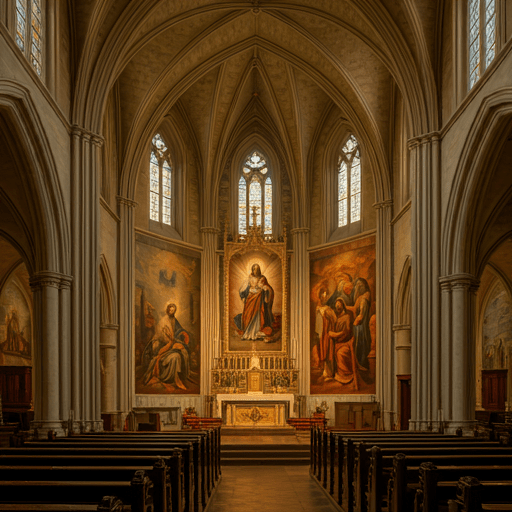
In the whispering winds of change, a chilling forewarning emerged. It was said that an Angel of Darkness, a harbinger of divine judgment, would soon descend upon the land, casting shadows over a society steeped in ignorance and fear. This foreboding figure would come not with the wrath of fire and brimstone, but with a plague—a plague of horrific poverty, unchecked disease, and despair.
As the heavens opened, men and women stood at street corners, clutching worn bibles and scriptures, voices rising in fervent warning. They proclaimed, “Repent! The end is nigh!” Their words, drenched in fervor, echoed through the lamenting streets as skepticism brewed in the hearts of passersby. Yet, beneath the rhetoric lay truth; these voices came from a place of suffering, each pause a reminder of those already yielding to the growing despair around them.
The city, it was foretold, would witness the slow rise of tangible manifestations of this darkness. Fields of grass would wither under the weight of neglect, storefronts of hope would shutter their windows, and the pulse of the community would sync with a mournful rhythm. Hunger would haunt corners, disease would spread like wildfire, and apathy would seal humanity’s fate.
As history often dictates, fear of the unknown would breed chaos. Streets once filled with laughter and life would dissolve into haunting silence, interrupted only by the murmurs of countless souls bearing their burdens—a collective grief woven through generations. Where once vibrant murals depicted stories of triumph, bleak shadows of despair would stain the walls.
Yet amid the tragedy, a flicker of hope still remained, for those who had once been ignored and mistreated held within them the strength to galvanize. They whispered of compassion, unity, and the shared fabric of humanity, reminding all that within the darkest hours, light can pierce even the most impenetrable shadows.
Chapter 4: The Call for Change
As the reality of the plague set in, the marginalized began to rise, organizing efforts to restore dignity and hope. Drawing on their shared experiences, individuals from various backgrounds came together to advocate for legislation that addressed homelessness, healthcare access, and systemic inequality. The streets filled with vibrant protests, signs proclaiming hope and resistance against the shadows that threatened to engulf them.
Their efforts resonated, slowly awakening a collective consciousness among the rest of society. People began to listen—open discussions emerged about the harmful consequences of discrimination and ignorance. Many recognized that to combat the looming darkness, they must first acknowledge the roots of their societal woes, uniting in the fight against prejudice, advocating for those who were vulnerable, and offering resources to lift the community from despair.
As compassion replaced indifference, gripped hands formed a lifeline. The city transformed into a tapestry of voices once muffled, now amplified and celebrated. It became a movement—a call for empathy and inclusivity echoing through corridors that once reverberated with hate.
What began as a mere whisper amplified into a battle cry for justice. They reached out to local governments, urging reforms, demanding transparency and accountability. The very fabric of society began to shift, shedding layers of fear and prejudice in favor of understanding and compassion. It was a challenging journey, fraught with resistance and setbacks, but the flame of hope ignited in the hearts of the forgotten, illuminating the path forward.
As the Angel of Darkness watched from the shadows, it became clear that the true power lay not in the ability to predict disaster, but in the collective resolve to avert it. United, these souls stood firm against the tide of negativity, prepared to build a new world—one rooted in love, understanding, and respect for the profound dignity of all humans.
The complexities of societal dynamics, the experience of those marginalized, and the potential for redemption that arises from collective action and compassion are in a tremendous grinding. Mankind will be Destroyed if they follow those Against God’s Divine Will. Hurting others to make yourself feel better is a Sin. Uplifting millions to make you feel safer is a Sin against God. Your Safety is already assured in the Arms of God. Do not forsake God. God is a God of Revenge.
 thelivingbreathingjamesbrown.com
You must be logged in to post a comment.