

I am only Predicting all of this but fear all are very possible because I witnessed Death Causing Protests Overseas in the Military while in the U.S. Army-no, I do not want to see them here, but I fear they are Coming-
My Predictions for the next four years in 🇺🇸 are not pretty. I see very deep trouble ahead. Sound the Alarms. Because only a Blind and Deaf man cannot see what is Coming. I know you feel it in Your guts too. Giving the richest man, a mere mad scientist, a kid with electric cars and and rockets, a WW-II Blowtorch to America’s Budget is going to cause the greatest representations of those who Have and those that Have Taking it away from You. Causing the Greatest Pains to the Elderly, far greater than the Great Depression. And pains to the Working Class like never before. But I see the most unproductive Activity to take place in Washington. To dismantle all things Democratic while play pretending to not un-skirt the U.S. Constitution is going to be a Hat and Dance Trick that I don’t see anyone being able to pull off no matter how many more Lies are spewed. Once all things Democrat are dismantled, they will have lavish parties of smoking big fat cigars with $1000 plate meals. It now appears a Rat has been allowed into the mix. One no one foresaw. And now he’s ball and chained to all of us. But no one takes the time to see his gooey record. But that person who did that is a failure at History. Don’t worry, I’m in this monkey ride too with you…
The following are images from Market Watch-
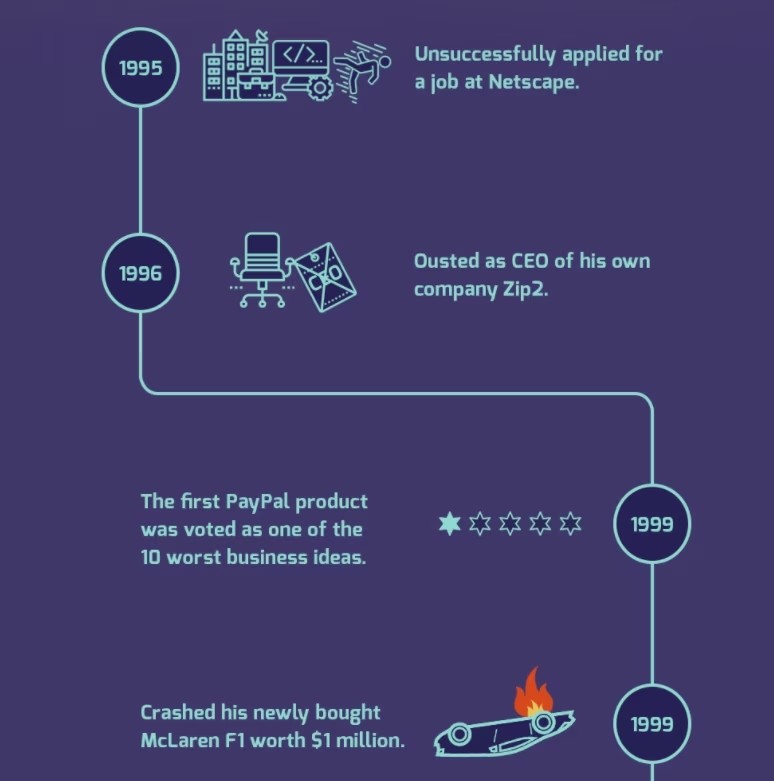
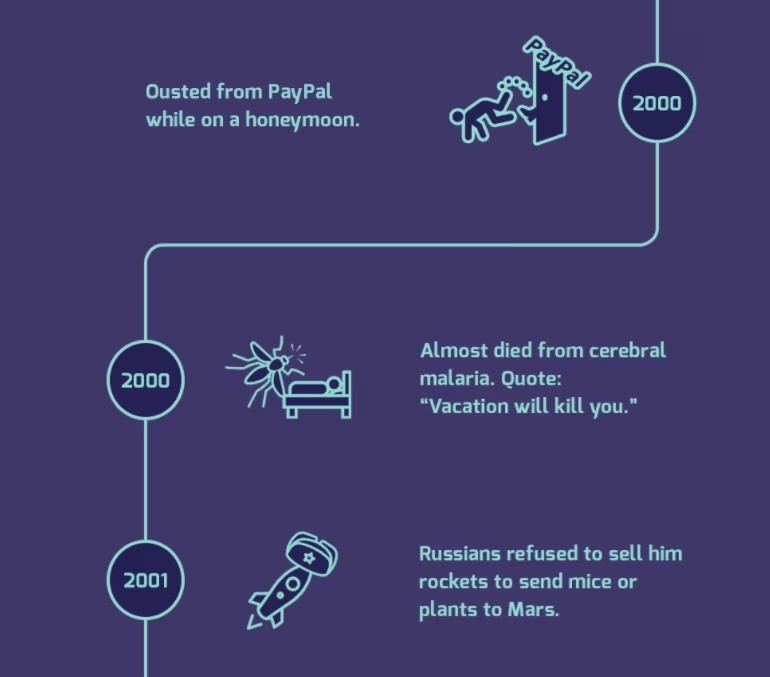
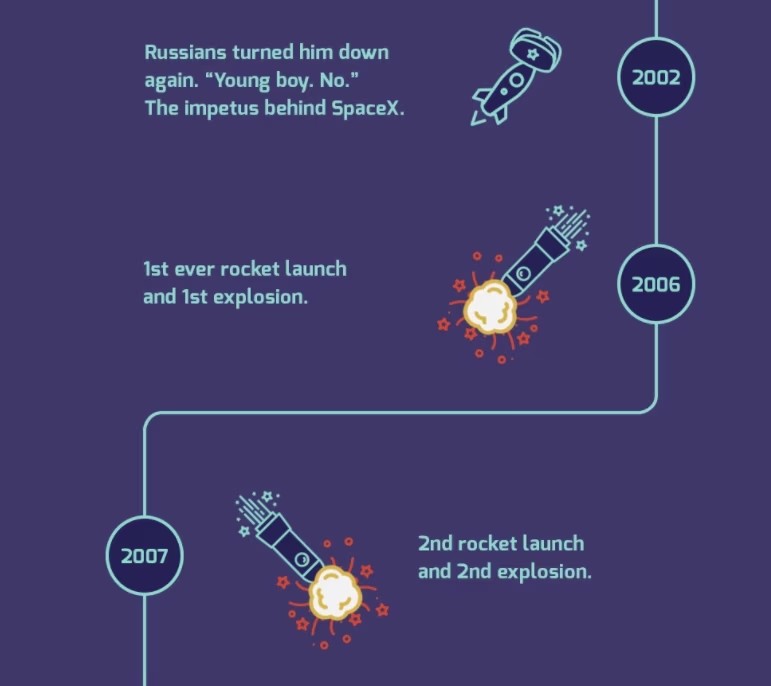
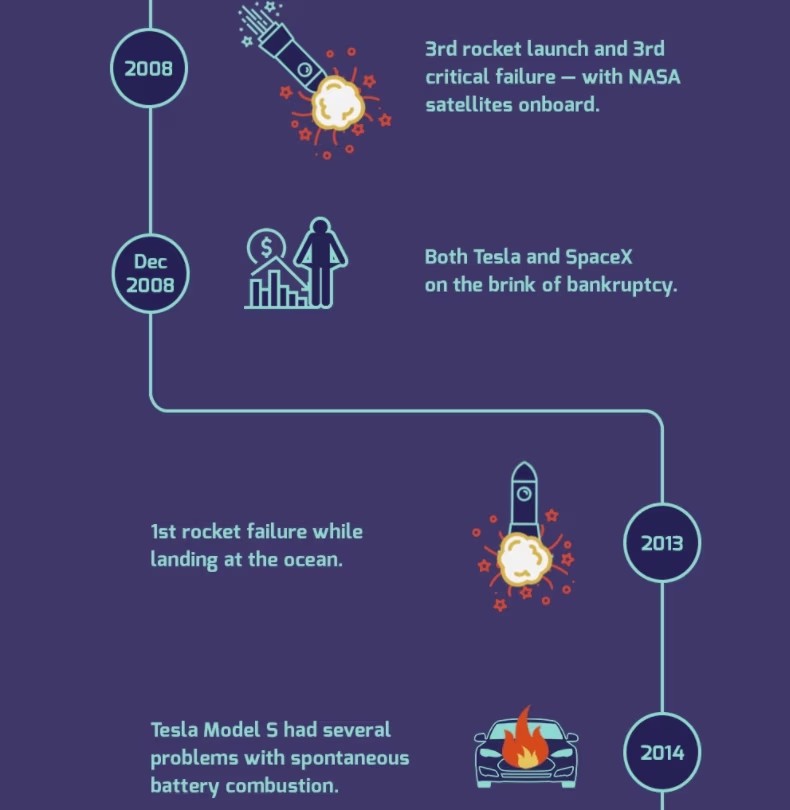

And now, he’s been given that Blowtorch to your Happiness America. So, get ready, the ride is gonna get rough in the USS Leaky 🇺🇸 You ain’t seen nothing yet. And it’s gonna be some of the worse cruelty you’ll ever experience firsthand. Mr. Failure and Bankruptcy chained to Mr. Blowtorch? Benefiting all of 🇺🇸!
This is how you’re gonna be feeling in 2025-2029 and Elon plans on running in 2029?
The Unbelievable Size of Protests in America: A Response to Economic Inequality and Social Injustice
In recent years, America has witnessed an unprecedented wave of protests that have captivated both national and global attention. From the Black Lives Matter demonstrations to the Women’s March, citizens have taken to the streets in their tens of thousands, fueled by a growing sense of frustration and anger towards systemic inequalities. Imagining a scenario where the populace, driven by a similar passion, stages colossal protests that include burning effigies of the wealthy elite encapsulates the desperation and volatile emotions spurred by economic struggles. These protests serve as a visceral response to perceived injustices, particularly when the richest members of society advocate for policies that exacerbate suffering among the broader population.

The divide between the wealthy and the working-class Americans has deepened, illuminating the discrepancies in the distribution of wealth and opportunity. Wealth concentration has reached staggering levels, with a small percentage of individuals holding a significant portion of the nation’s wealth. Many citizens feel that the decisions made by the richest—who often remain insulated from the struggles of ordinary Americans—have led to a worsening quality of life for millions. When policies are perceived as serving only the interests of the affluent, it is no wonder that frustration boils over into mass protests.
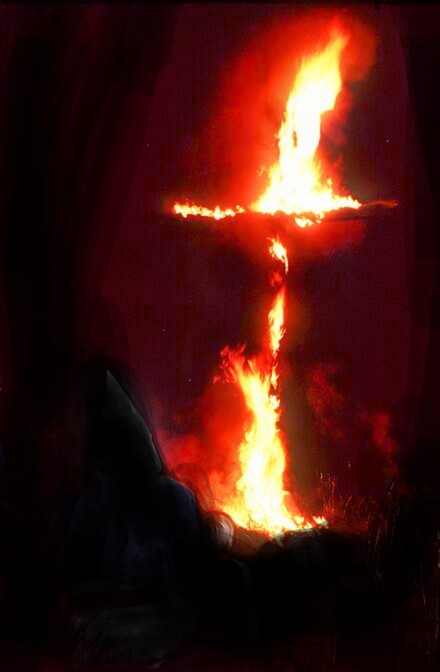
Envisioning a protest where effigies representing the wealthy elite are burned resonates with the frustrations felt by many. Such imagery reflects not only anger directed at individuals but also a broader critique of a socioeconomic system that many believe prioritizes profit over people. In a moment of desperation, as the narrative of suffering becomes a common theme, the act of destroying effigies becomes a symbolic gesture—a way for the masses to express their discontent and demand systemic change.
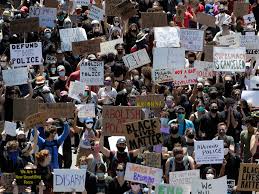
The causes of these hypothetical Protests that I am only Predicting but fear are very possible because I witnessed them Overseas in the Military while in the U.S. Army could be deeply rooted in multiple issues: stagnant wages, rising healthcare costs, education debt, and environmental degradation, among others. As the level of discontent rises, fueled by social media and the rapid dissemination of information, an increasingly organized and energetic populace might feel compelled to take to the streets. When it appears that decision-makers are out of touch with the everyday struggles of the average American, citizens may rally together to voice their grievances.
Moreover, the protests could be exacerbated by specific triggering events—such as legislation that further benefits the wealthy at the expense of public services or blatant instances of police violence against marginalized communities. In such contexts, the call to action becomes not just about economic inequality but is also intertwined with social justice issues, creating a multi-faceted movement demanding comprehensive reform.
The sheer size of these protests underscores a collective realization that change is necessary and urgent. Like the historic demonstrations that have characterized pivotal moments in American history, this imagined uprising symbolizes a populace unwilling to accept the status quo. As citizens rally under the banners of justice and equity, the sight of towering effigies of the elite consumed in flames serves as a powerful emblem of resistance against oppression.
In conclusion, the hypothetical scenario of massive protests in America driven by the anger towards an elite class perpetuating suffering is grounded in the reality of ongoing social and economic challenges. As citizens become increasingly aware of the injustices around them, the call for change grows louder. While the act of burning effigies may seem extreme, it reflects the depths of frustration felt by many who believe that they have been left behind. The size and intensity of the protests would not only capture the zeitgeist of a generation seeking equality but would also serve as a clarion call for the need to address the systemic issues that continue to affect the lives of everyday Americans.
For this of you who do no research, I want you to read the following because it is the most likely road America is going to be headed down-
The downfall of the USSR, a colossal political and economic entity that existed from 1922 until its dissolution in 1991, was a multifaceted process influenced by a blend of ideological, economic, and political factors. By the late 1980s, the structural weaknesses of the Soviet economy became increasingly apparent. Centralized planning led to inefficiencies and a lack of innovation, resulting in stagnant productivity and, ultimately, a deficit of goods. This economic malaise was compounded by an arms race with the United States, which drained resources and diverted attention away from domestic needs.
As Mikhail Gorbachev assumed leadership in 1985, he attempted to implement a series of reforms known as “glasnost” (openness) and “perestroika” (restructuring) to address these issues. While these policies aimed to promote transparency and a degree of market economics, they inadvertently unveiled the deep-seated discontent within the republics of the USSR. Ethnic tensions flared, and demands for greater autonomy became rampant. In essence, Gorbachev set the stage for the eventual dismantling of the Soviet Union, as he encouraged discourse on issues previously stifled, thereby unleashing nationalist sentiments and aspirations among various Soviet republics.
By December 1991, the USSR officially dissolved, leading to a profound transformation of the political and economic landscape in the former Soviet states, especially in Russia. The transition from a command economy to a market-oriented one was chaotic and fraught with peril. The initial years following the collapse witnessed severe financial hardships for the Russian populace, characterized by hyperinflation, unemployment, and reduced social services. Prices soared, and savings were wiped out virtually overnight, leaving many people to grapple with poverty amidst a rapid shift toward capitalism.
During this tumultuous period, hunger and malnutrition became pressing concerns for numerous Russians. The state’s food distribution system, essential during the Soviet era, crumbled in the new economic structure, resulting in food shortages and rising prices for basic necessities. In 1992, the government encountered significant challenges in ensuring adequate food supplies, pushing many households to rely on outdated mechanisms or local networks for sustenance. Though the government sought assistance from international organizations and implemented measures to stabilize the economy, the pain of transition was acutely felt in urban and rural areas alike.
The process of recovery for the Russian people was prolonged and arduous. By the mid-to-late 1990s, the country witnessed some improvement, but the effects of the collapse continued to resonate throughout society. Economic reforms initially led to the emergence of Oligarchs(Billionaires) who profited disproportionately during privatization, further entrenching economic disparities. Additionally, social unrest and political instability persisted as the populace grappled with the ramifications of abrupt change.
More substantial recovery began to emerge in the early 2000s when under President Vladimir Putin’s leadership, Russia grappled with its economic challenges and saw a resurgence, largely fueled by rising oil prices and a more stable political environment. By around 2005, many indicators suggested that the economy was on the mend, with growth returning, poverty rates declining, and an increasing sense of national pride emerging among citizens.
In conclusion, the downfall of the USSR inflicted severe financial hardships on the Russian people, leading to widespread dislocation, hunger, and social upheaval. The journey to recovery from this profound crisis took more than a decade, characterized by struggle and hardship, but ultimately paved the way for a rebirth of the Russian economy. The legacy of those turbulent years continues to shape the psyche of contemporary Russia, as its people remember the trials they endured in the aftermath of one of the 20th century’s most significant geopolitical transformations.
Are we headed down the same road as the Soviet Union? But States separate quicker like Democratic States and Republican States separating. Would it be thru a Civil War? All possibilities are there and any can Happen. In my lifetime I cringe every time I hear-This could never happen because We have these Safeties in Place to prevent them from happening. I say that’s B.S.
ALL CARDS ARE ABOUT TO BE UNSEALED VERY SOON! It’s kind of like a Biblical Tale. Will all seals be unsealed? Are we about to follow thru as written in the Bible? Here’s an added Bonus-
The “End of Days” in the Bible generally refers to a prophetic period leading up to the final judgment and the establishment of God’s kingdom. This concept is often associated with apocalyptic literature found in both the Old and New Testaments.
Key Themes and Concepts:
- Prophecy and Revelation: The End of Days includes prophecies about the future, including visions of destruction, judgment, and redemption. The Book of Revelation in the New Testament details many of these events, featuring imagery of the end times, the Second Coming of Christ, and ultimate judgment.
- Signs of the Times: In the Gospels, particularly in Matthew 24, Jesus speaks about signs that will precede the end. These signs include wars, natural disasters, persecution, and apostasy within the church.
- The Antichrist: Many interpretations include a figure often referred to as the Antichrist, who is believed to rise to power during the end times and lead many away from God. He is often associated with periods of great tribulation and suffering.
- The Great Tribulation: This term is frequently used to describe a time of intense suffering and persecution that will occur before the final establishment of God’s kingdom. Believers are called to remain faithful during this challenging period.
- Second Coming: A central belief is that Jesus will return to earth to judge the living and the dead, establishing a new heaven and a new earth. This return is seen as a pivotal moment in the culmination of history.
- Resurrection and Judgment: The end times also include beliefs about the resurrection of the dead and the final judgment, where individuals will be judged for their deeds.
- New Creation: Ultimately, the End of Days culminates in the creation of a new heaven and a new earth, where God will dwell with His people, free from sin and suffering.
Interpretative Views:
Christian interpretations of the End of Days can vary widely and include:
- Premillennialism: Belief that Christ will return before a literal thousand-year reign.
- Postmillennialism: Belief that Christ will return after a golden age of Christian dominance.
- Amillennialism: View that the millennium is a symbolic period happening now, with Christ reigning spiritually.
Understanding the End of Days in the Bible involves looking at various texts, cultural contexts, and theological discussions over centuries, making it a complex and rich topic within Christian eschatology.
Now, I’ve done my research and offered you a Heads-Up! I’m no magician and not do I see the Future, but, I feel something Bad is about to Happen, don’t you?
Now, read a Great Book and if you love my insightful Blogs, please uplift my Books and Give them as Christmas Gifts-





 thelivingbreathingjamesbrown.com
You must be logged in to post a comment.