


Just for grins, I brought my cat in from hunting mice to help me write this Blog, tonight. He knows everything with his AI brain implant. I can ask him any thing and he’ll tell me or take the side of fearfulness and stay quiet. Mention Mental Health and he’s ready to Report you instantly to the Pet Cruelty Police. Lol. So, shall we start?
A Journey Through Generations: Cinema, Transportation, and the Evolution of Leisure
The inexorable march of time weaves a rich tapestry of human experiences, each thread representing the distinct societal norms and idiosyncrasies of its own generation. Spanning from the silent film era to the digital maelstrom of today, the evolution of cinema and transportation unveils a saga replete with innovations that define leisure and shape our collective consciousness. Embark with me on this enchanting odyssey through the decades, from the 1940s to the 2020s, as we explore the eccentricities of each generation, the technological marvels they birthed, and the legacies—both laudable and problematic—they have bequeathed to their successors.
The 1940s: Silent Movies and Saturday Night Rides
Picture yourself in a quaint Texas town during the 1940s, where the languorous embrace of Saturday night reigns. Anticipation hangs in the air like the sweet scent of popcorn wafting from the local cinema, where families gather to revel in the latest silent film—a flickering silhouette of history accompanied by a live pianist’s impassioned performance. The burgeoning “talkies” have yet to eclipse this cherished tradition, securing silent films as an ephemeral yet cherished experience, where silence speaks volumes and shared laughter dances in the dim lights.
Before twilight paints the horizon, a group of friends might prepare their faithful horse and wagon, or perhaps saddle up for an exhilarating ride into town. The rhythmic clatter of hooves against gravel reverberates, serving as the score to an era rich in communal engagement. This idyllic tableau epitomizes the simplicity of life, where neighbors exchanged stories, gossip flitted through the air, and shared experiences were the currency of connection. Yet, this tapestry was threaded with complexities: rural America bore the weight of laborious lives, where every convenience was a luxury, and each Saturday night shimmered with the allure of possibility—an ephemeral magic amid hardship.
The 1950s: The Birth of the Drive-In Theater
As we leap into the spirited embrace of the 1950s, a decade brimming with post-war optimism and burgeoning suburbia, we witness the metamorphosis of leisure. The family wagon, once a symbol of communal togetherness, is supplanted by chrome-laden automobiles, leading to the explosion of drive-in theaters. Families now gathered beneath a blanket of stars, proclaiming, “Let’s all pile into the Chevy!” as teenagers tumbled into the backseats, exhilarated by the prospect of double features and the crackling sound of soda cans puncturing the summer night.
However, the freedom offered by automobiles was a double-edged sword, heralding the onset of relentless traffic jams, environmental degradation, and a burgeoning culture of consumerism. The rise of automotive independence served to fragment communities, fostering a sense of alienation as shared experiences morphed into solitary drives. The cherished family wagon transformed into a labyrinth of metal and gasoline, spawning both nostalgia for simpler times and the sprawling suburbs that emerged as symbols of modernity.
The 1960s: The Rise of Youth Culture and the Beatles
The 1960s ushered in a vibrant cultural renaissance, marked by profound social upheavals and the rise of a formidable youth culture. The cinematic landscape underwent a radical transformation as theatergoers sought not just escapism but a medium for social commentary. This era birthed genre-defining blockbusters, anticipatory adventures like “Star Wars” in 1977, which set the stage for generations of film enthusiasts. Concurrently, iconic films such as “Easy Rider” became touchstones of a counterculture movement, igniting a quest for rebellion and exploration.
As rural communities dwindled in favor of urban sprawl, the yearning for simpler, intimate experiences began to wane. The tumultuous landscape of civil rights movements, widespread protests, and the intoxicating beat of rock ‘n’ roll fueled generational fervor, leaving in its wake a political terrain laden with contradictions—an ever-widening divide born from clashes of ideology, circumstance, and ambition.
The 1970s: Disco and the Dangers of the Digital Age
With a twist of the disco ball, we transition into the kaleidoscopic world of the 1970s, a decade infused with vibrant creativity and the advent of home entertainment. This era witnessed the rise of the VHS, ushering families into the glamorous realm of living room film screenings. Movies like “Saturday Night Fever” captivated audiences, enticing them to don bell-bottoms and embrace a culture of dance and rhythm, all from the comfort of their couches.
Yet, this newfound convenience harbored a lurking peril: the omnipresence of television seduced audiences into a sedentary lifestyle, leading to diminishing outdoor escapades and a noticeable erosion of neighborly bonds. The lively gatherings of yesteryear were replaced with familial disengagement lost to the hypnotic glow of the screen, as concerns about health and community vibrancy crept into public consciousness.
The 1980s: MTV and the Digital Dive
Shifting gears, we arrive at the audacious 1980s—a decade defined by flamboyant fashion and the revolutionary birth of MTV. This era heralded an explosion of youth-driven media, where music videos emerged as artistic expressions that catapulted bands into meteoric fame. Kids glued themselves to their televisions, reveling in cinematic jewels like “The Breakfast Club” and “Ferris Bueller’s Day Off,” which transformed lunchtime discussions into raucous debates about social hierarchies defined by neon colors and extravagant hairstyles.
Yet, beneath the surface of this exhilarating cultural renaissance lay a newfound fixation on materialism and instant gratification. The rampant consumerist ethos of the era gave birth to a corporate mentality that would dog future generations, solidifying a social structure where identity became intricately intertwined with possessions rather than profound experiences.
The 1990s: Grunge, Reality TV, and the Internet Revolution
The winds of change blew fiercely into the 1990s, a decade that sought authenticity amidst the glossy sheen of commercialization. Grunge music surged, resonating with disillusioned youth yearning for raw expression, while reality television began to permeate popular culture—a portal to unscripted lives that captivated the imagination. As the internet burgeoned from a mere curiosity into an indispensable tool, those once-cherished Saturday night rides into town were supplanted by virtual conversations and digital camaraderie. The phrase, “Did you see that clip on YouTube?” became a staple at dinner tables across the nation.
However, the burgeoning connectivity introduced a paradox: as virtual networks flourished, genuine interpersonal relationships began to fray. The digital divide, a specter haunting the societal landscape, threatened to extract the essence of community, creating an environment rife with superficial interactions and an insatiable thirst for online validation.
The 2000s: The Smartphone and Social Media Boom
The arrival of the 2000s heralded a seismic shift in communication and leisure. Smartphones emerged as indispensable extensions of our lives, eclipsing traditional modes of engagement with relentless immediacy. No longer confined to the pages of photo albums, lives were meticulously curated on platforms like Facebook and Instagram. Saturday nights in the new millennium transformed from nostalgic wagon rides to spontaneous digital outings, live-streamed and filtered through the lens of social media.
While digital conveniences fostered unprecedented connectivity, they simultaneously gave rise to a culture permeated by comparison and anxiety. The pervasive fear of missing out (FOMO) converted enjoyment into a relentless pursuit of social acknowledgment, often overshadowing the significance of authentic experiences.
The 2010s: Streaming and #Hashtags
As we ascend into the 2010s, a seismic shift occurs in how we consume media—the rise of streaming services irrevocably alters the landscape of entertainment. Binge-watching entire seasons becomes a beloved pastime, often triggering the inevitable lament of “Just one more episode,” as viewers sought refuge in couch-bound escapism. Concurrently, hashtags evolved into social currency, dexterously blending activism and triviality, raising questions about authenticity and intentions in an increasingly digitalized world.
The 2020s: Returning to Simplicity
And now, we find ourselves in the throes of the 2020s, an era shaped by upheaval and introspection. The global pandemic thrust society into an unexpected chrysalis, prompting a renaissance of simplicity and community engagement. Outdoor movie screenings and socially-distanced gatherings re-emerged, resurrecting the communal essence of Saturday nights, albeit in modified forms. People rediscovered the joys of human connection, even if masked or conducted from a safe distance.
Yet, even amidst this renewed appreciation, remnants of a digital past linger. Social interactions remain entwined with the omnipresence of technology, giving rise to challenges like digital burnout and the incessant pursuit of online validation—a paradoxical dance of connection and isolation shaping the current generation’s experiences.
Generational Oddities and Legacies
Every generation constructs its unique narrative, each contributing to an intricate cultural interplay that shapes societal trajectories and technological aspirations. From the flickering screens of the 1940s to today’s smartphone-drenched existence, we witness a historical narrative of leisure that oscillates between humor, creativity, and caution.
While earlier generations derived solace from simplicity, the complexities wrought by rapid technological advancements and societal shifts pose unprecedented challenges. As we navigate through this cyclical interplay of connection and solitude, the remnants of those who came before us whisper timeless lessons, urging us to balance innovation with intimacy.
Conclusion
In our ruminations on the quirks of each generation, we uncover a shared narrative, an unfolding story interwoven with laughter, introspection, and clashing ideologies. Quirks, traditions, and shared dilemmas transcend time, reminding us of the bridges built—yet also the gaps widened—between horseback rides and the transition to self-driving vehicles. Together, through the ebb and flow of history’s progression, we come to realize that, no matter the era, the magic of shared experiences remains indelibly timeless, rooted in the human experience.
Now, get one of these great books and see what influenced me and my life-
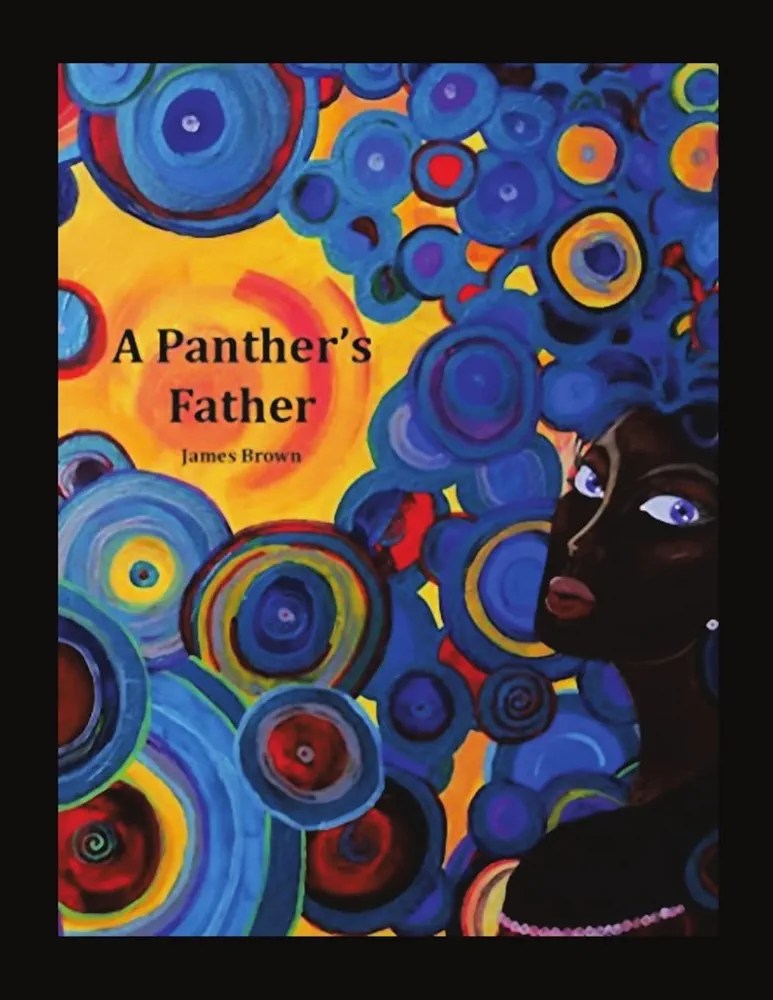
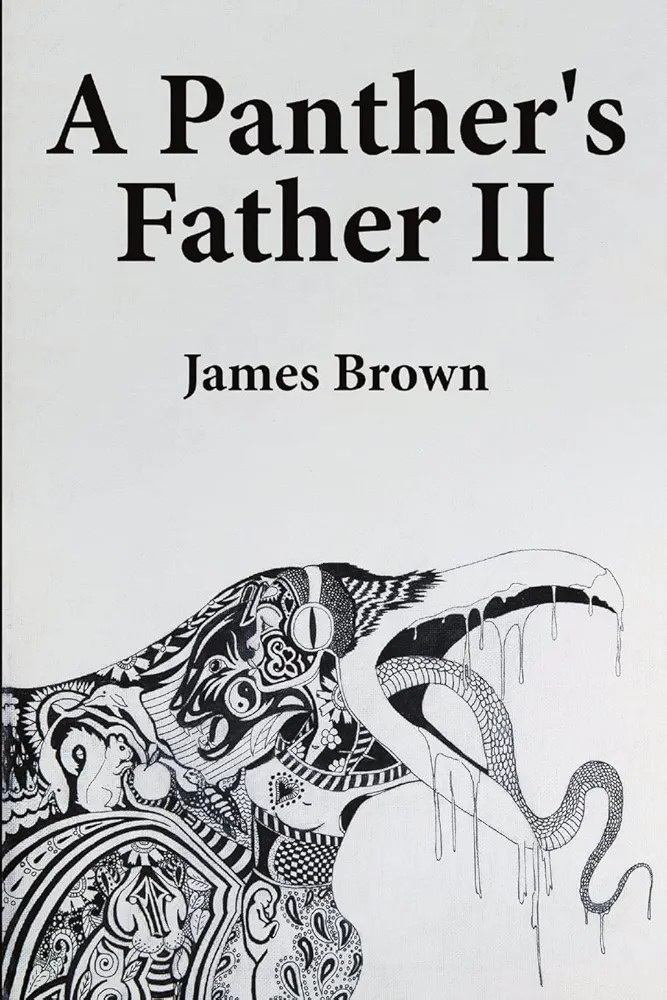
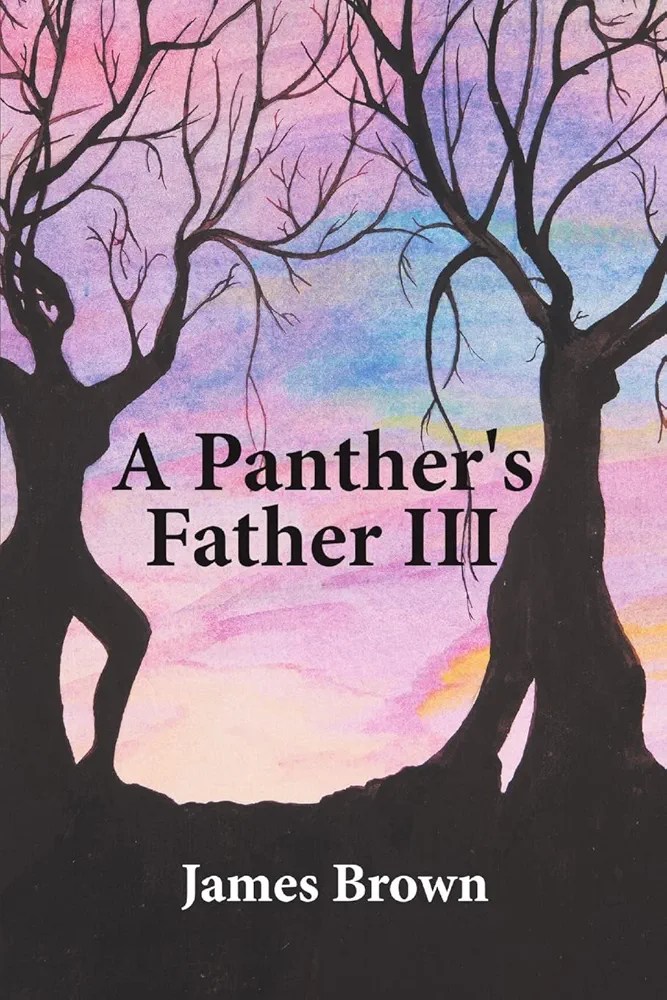
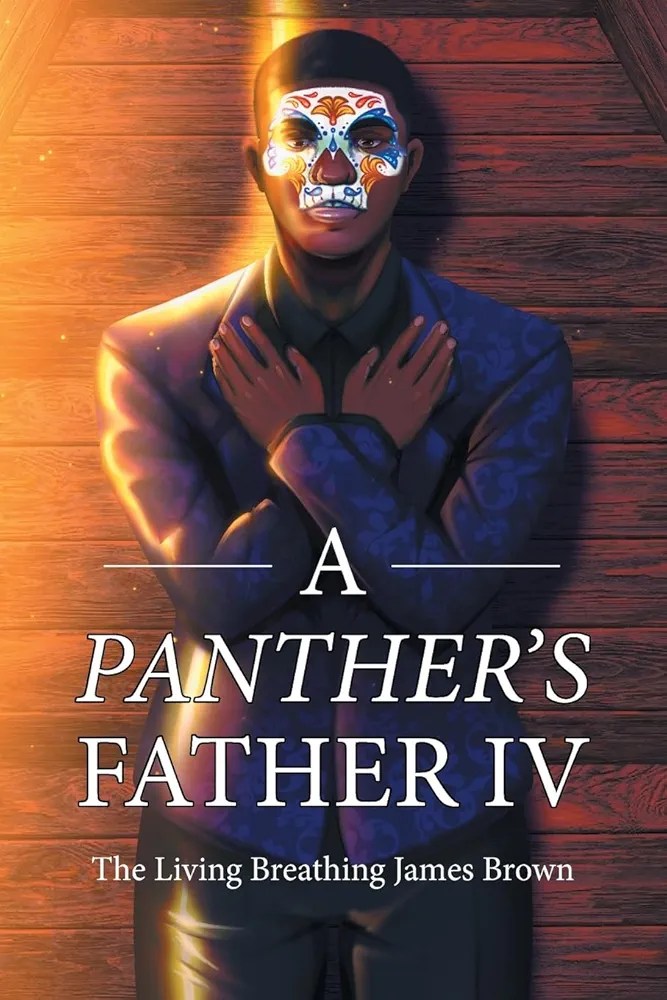
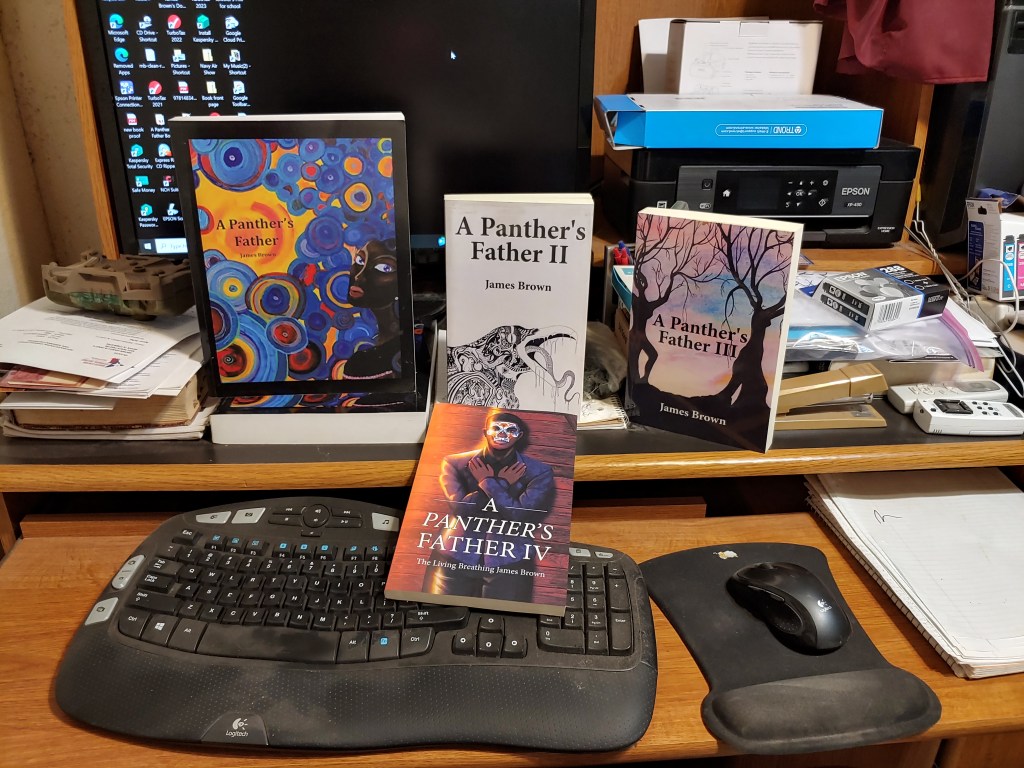
Hey, don’t dog yourself if you don’t feel that you lived. Instead, get to living as much as possible while you still are alive. My 1st Book is a tale of many tales. And it’ll cure what ails you. 😉
 thelivingbreathingjamesbrown.com
You must be logged in to post a comment.