

Reflections on Loss, Memory, and the Complexity of Vaccines
The haunting memories of past epidemics, coupled with personal experiences, shape our understanding of life, loss, and the decisions we navigate. The COVID-19 pandemic reminded us starkly of the fragility of human existence. Refrigerated trucks filled with bodies serve as harrowing reminders of the pandemic’s toll. The images of backhoes digging graves continuously in graveyards resonated deeply, serving as a gruesome backdrop to an era dominated by fear and uncertainty. These scenes are reminiscent of the Great Flu Epidemic, evoking memories of my old fishing buddy who often recounted the chilling cry of “Bring out your dead.”

These phrases encapsulated a time when loss was so prevalent that it became a cruel routine. They reflect the deep sorrow and collective trauma faced by many. As society grappled with these challenges, the efficacy and safety of vaccines were simultaneously brought into question, especially by those of us who had personal experiences that shaped our views.

My own history intertwines with vaccines in a way that left a lasting mark on my childhood. I contracted polio from the very vaccine intended to protect me, which left me with vivid memories of hospital stays, needles, and the stark realities of illness. I remember lying in a hospital bed in Waco, Texas, with medical professionals trying to elicit reflexes, an attempt to ensure the body was responding as it should. The memories of being in a wheelchair, making unsettling eye contact with children encased in their Iron Lungs, serve as a haunting reflection of the suffering we bore at such young ages.
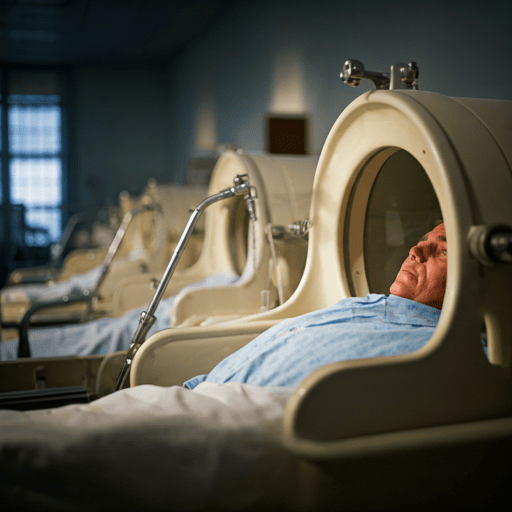
In those moments, I shared a silent conversation with my peers, both of us questioning the reason behind our circumstances.

Childhood, marked by innocence and play, was ironically juxtaposed with the harsh realities of illness. I recall fond moments spent with an uncle playing with
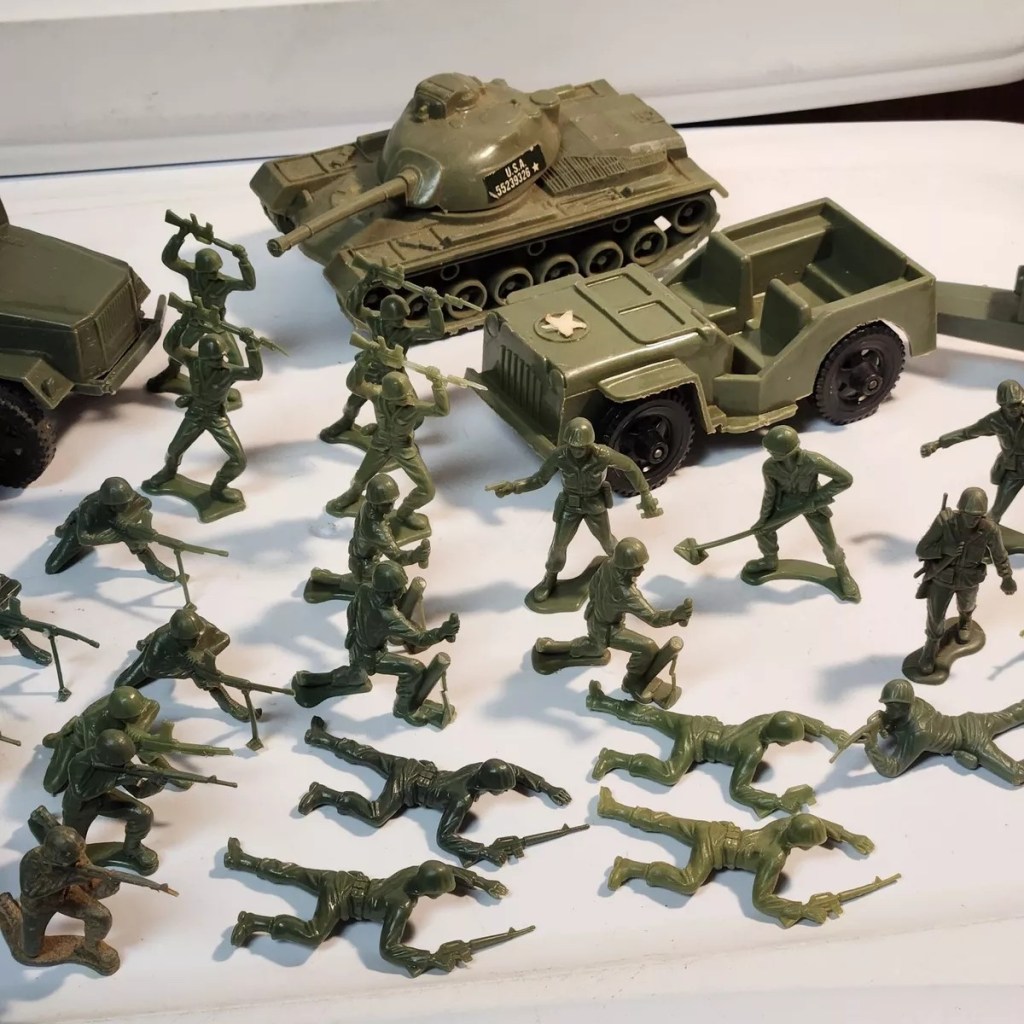
toy soldiers on my bare chest, borrowing the language of war in our games. His decisive actions in orchestrating the battles of plastic figures reflected a complex world, one where not all fights are won but continued nonetheless. As I grew older, my fascination with these toys morphed into a curious destructive streak. I melted down plastic army men with a woodworking heating rod, methodically destroying their legs first. It was an act of rebellion against the idea of helplessness, reflecting my struggle against the things I could not control in the world around me. It became an outlet for my anger and pain. Nothing ever seemed to heal the horrific memory of being brutally beaten in a toy room with an unsupervised mentally challenged old boy. For nearly a lifetime, I shared with others my anger upon them, but I wanted not to hurt them as much as I wanted others to never be as weak as I was while I was being beaten. A beating that I passed out from and woke with a breathing tube in my nose.
As an adult, my relationship with vaccines has evolved. I ponder the idea that perhaps a vaccine could bear the blame for my challenges, particularly the feeling of being less smart than others. Yet, I do not rest my grievances solely on the shoulders of medical interventions. Perhaps I have come to realize that life is unpredictable, and hidden within its fabric are threads of fate, decisions, and chance. The complexity of these experiences shapes our beliefs; blaming external variables like vaccines can become an easy scapegoat.
The act of blame, whether directed towards vaccines, fate, or oneself, often serves as a refuge from the unsettling realities we face. Yet, acknowledgment of our shared humanity and the struggles we endure allows us to grow and foster resilience. In light of the pandemic and our collective suffering, we must embrace empathy, understanding, and the complexities of our shared experiences.
In sharing my story, I hope to contribute to a broader conversation about the interplay between science, memory, and our emotional landscapes. I wonder if others care about these reflections, as they serve as a reminder that our stories, even when laced with pain, are worthy of being told. Collectively, we carry the weight of loss and memory, shaping our perspectives on health, well-being, and the bond we share as human beings navigating the complexities of life. I am no perfect person and I caused much pain upon others. But my own pain still remains…
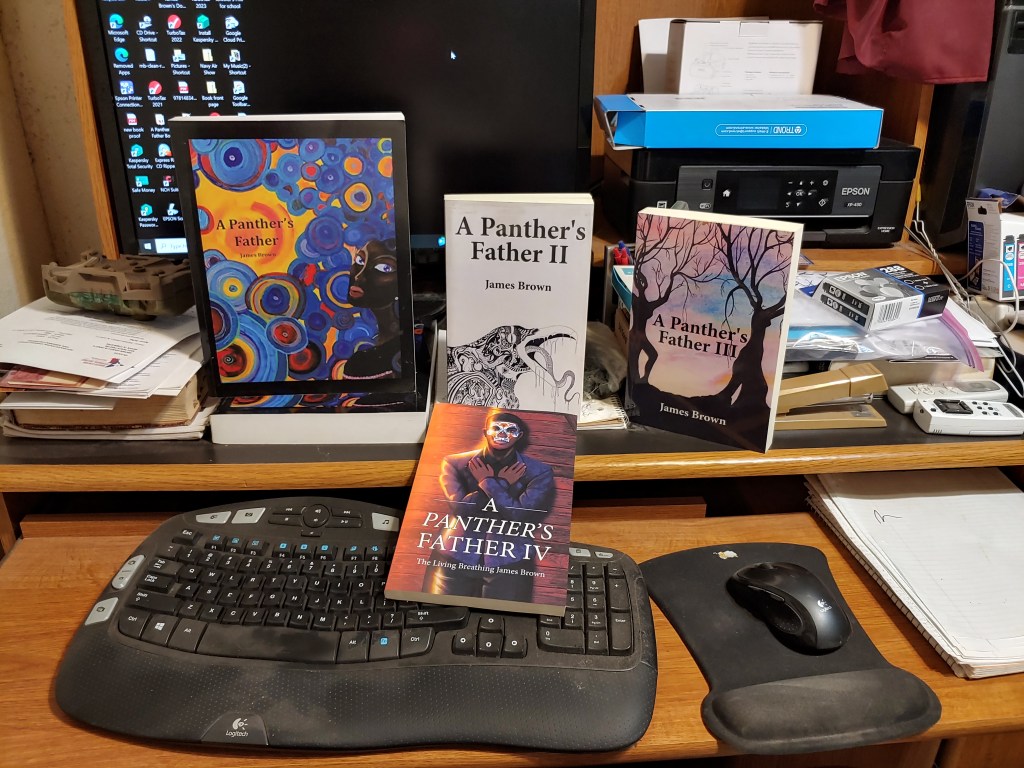
Now get a great book about the pain I faced. Give them as Christmas presents to others.
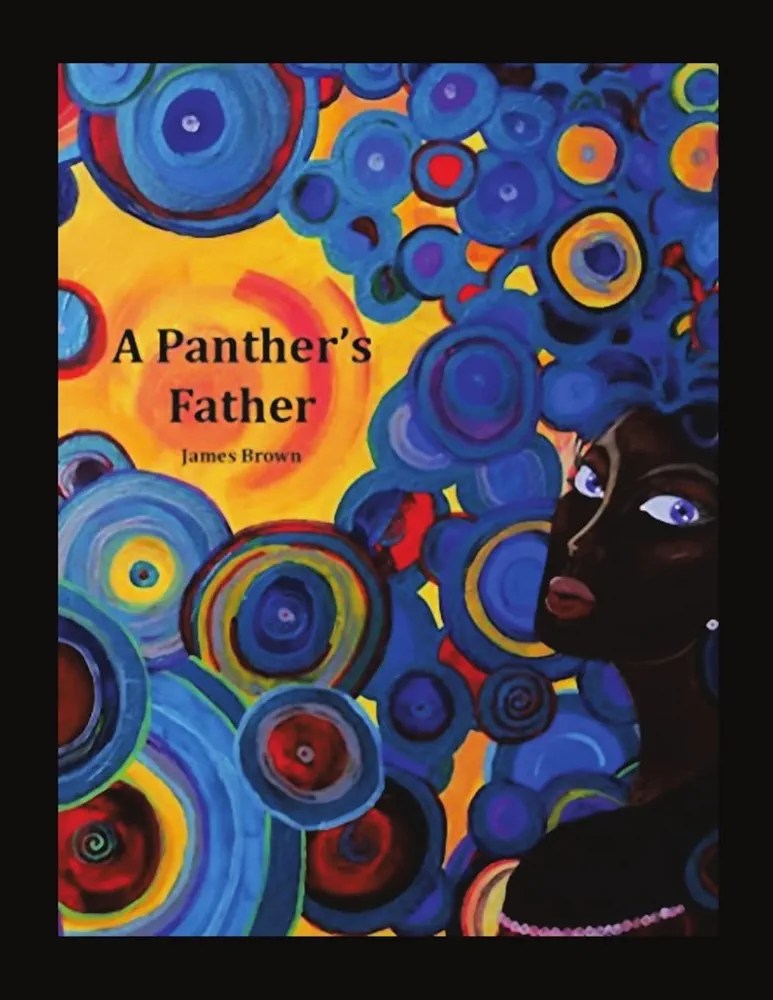
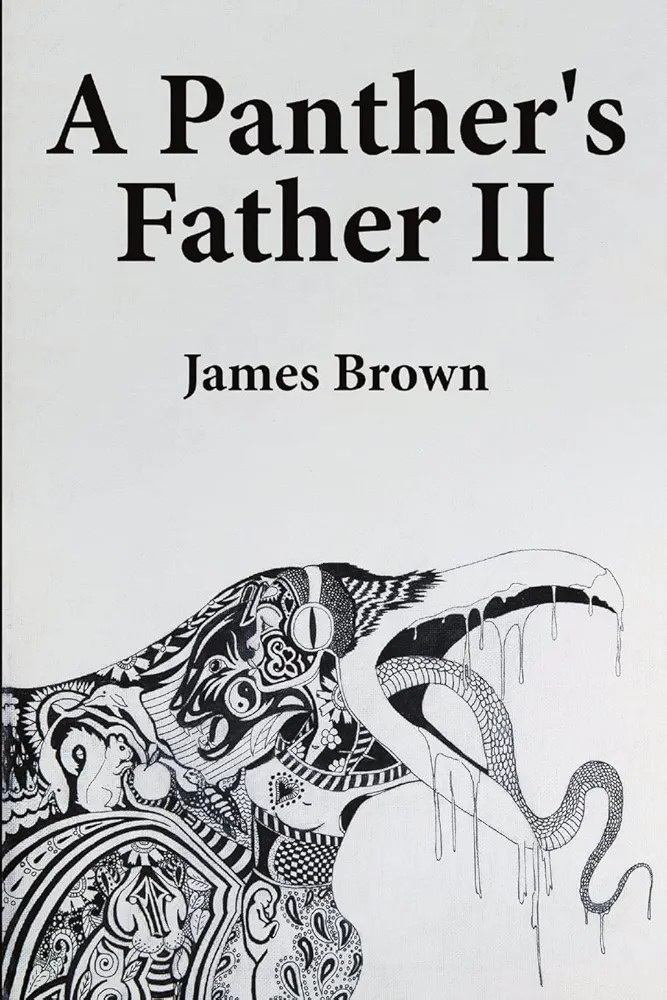
Thank You!
 thelivingbreathingjamesbrown.com
You must be logged in to post a comment.