

The Continuity of the Spirit: Embracing the Beauty of Life Beyond Death
Death has long been viewed as a daunting specter, cloaked in darkness and fear. From countless cultural narratives to personal experiences, the end of our earthly existence is often associated with despair and unknown voids. However, it is essential to consider a different perspective—the notion that death is not an end, but a new beginning, a transformation into a purer form of being. In this essay, I will explore the idea that death marks the start of a beautiful journey, rich in hope and light.

The accounts of extraordinary experiences, such as those shared when a loved one passes on, illuminate the transition that occurs at death. Take, for example, the heartwarming experience of feeling a grandmother’s spirit manifest during a moment of stillness. The euphoric sensation that filled the cab of the truck reflects a profound connection that transcends physical presence. Such experiences suggest that love does not dissipate with death; rather, it transforms and endures. This feeling of presence can emerge as a testament to the existence of an afterlife, a reality where our departed loved ones continue to exist in another form, assuring us that they are at peace and still watching over us.

Consider the deeply moving experiences of my own family. When my father died, my mother shared that he entered her in spirit, conveying a message that everything was going to be fine. She described it as a wonderful and exhilarating experience, one that imbued her with a profound sense of comfort and connection. Similarly, when my mother passed away, her spirit returned to our home in a miraculous way; she turned on a musical device that had been silent for years, filling the air with its melody that seemed to echo her presence. Such moments reinforce the idea that our loved ones remain near us, transforming their physical absence into a presence that can still be felt in our hearts and homes.

In the realm of the transcendental, the experiences we anchor in our hearts begin to weave a tapestry of understanding that death is merely a passageway. For instance, witnessing the “finger of God” during a tragedy—a moment where the divine seemed to intervene, guiding souls to their eternal home—underscores the belief that there is a grand design beyond our understanding. The light-filled visions of souls being carried to heaven illustrate that the transition from life to death is not met with darkness but rather enveloped in warmth, light, and divine love. These experiences affirm that the universe operates on a continuum that includes life beyond our mortal existence.

Moreover, the philosophical perspective that death is merely a transformation aligns beautifully with the belief in an interconnected cosmos.

When we consider that our souls may evolve into a different body or essence upon death, we embrace the idea of living in harmony with all existence. The ceasing of life in one physical form allows the soul to transcend limitations, contributing to the greater tapestry of the universe. Each soul’s journey is unique, yet transformative, gifting us the understanding that death delivers us from suffering, releasing us to a beauty that we can hardly comprehend while we are tethered to the physical realm.

Embracing this beautiful afterlife philosophy also eases the burden of grief. Rather than solely mourning a beloved person’s absence, we can revel in the idea that they have merely transitioned to a different plane of existence. By celebrating their lives and their legacy, we keep their spirit alive within us, understanding that love remains a powerful force that transcends the veils of life and death. In my own way,

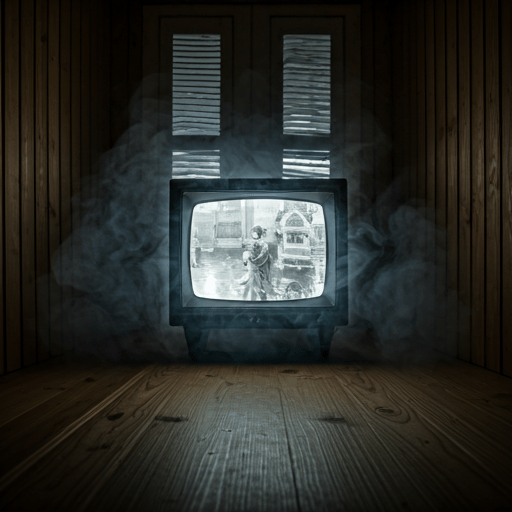
I honor my parents by playing old black-and-white movies that they may have seen during their youthful Saturday matinees. On some nights, I let the flickering images transport me to an era they cherished, imagining them delighting in the stories alongside me. In these moments, I hold onto the belief that they are with me, sharing in the memories and love that still binds us.
In conclusion, the interpretation of death as a beginning rather than an end serves to reframe our understanding of existence itself. Through personal experiences and spiritual revelations, we can fathom the possibility that death introduces us to a magnificent new phase in God’s plan—a beautiful continuation of our journey. As we reflect on our own mortality and the loss of loved ones, let us embrace the comforting notion that death is not an abyss of darkness, but a radiant passage into the light of the next beautiful phase of existence. With an open heart and mind, we can find solace in the belief that our souls endure, evolve, and continue to shine brightly in the everlasting expanse of the universe. Let this perspective inspire hope and connection, reminding us that love knows no bounds, not even in death.
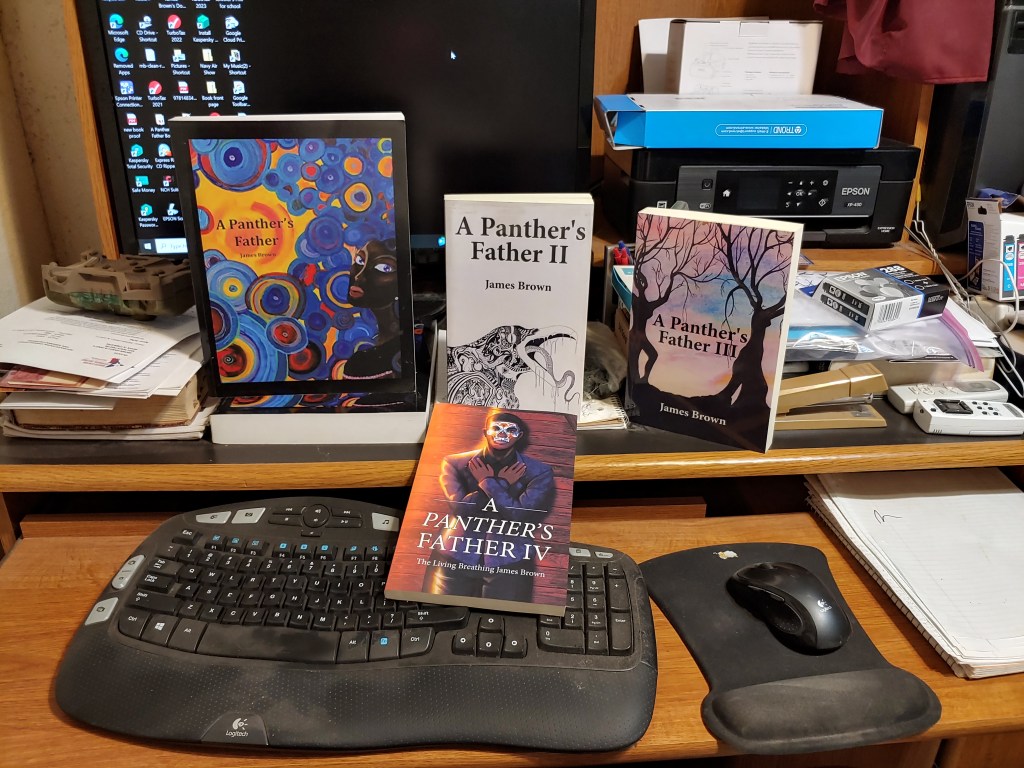
Now, read a great book-Sold Worldwide-loved by millions!




 thelivingbreathingjamesbrown.com
You must be logged in to post a comment.