
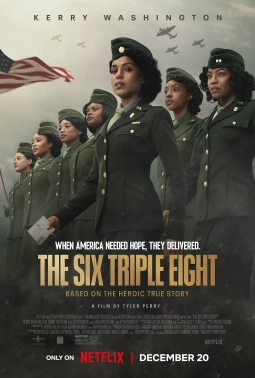
THE SIX TRIPLE EIGHT: Tribute to Valor and Resilience

In the realm of cinematic achievements, The Six Triple Eight, directed by Tyler Perry, brilliantly shines as a poignant war drama that celebrates the indomitable spirit of the 6888th Central Postal Directory Battalion—the only all-Black, all-female battalion in World War II. As a veteran and an avid moviegoer, I wholeheartedly endorse this film, bestowing the Movie with 5-STARS for its remarkable storytelling, captivating performances, and crucial historical narrative.
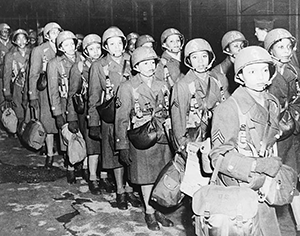
[First African American members of the Women’s Army Corps assigned to overseas duty get off a train at night in England]. February 1945. Library of Congress Prints & Photographs Division
Set against the backdrop of the second global conflict, The Six Triple Eight delves into the struggles and triumphs of Black women who served in the Women’s Army Corps (WAC). Faced with rampant discrimination both at home and in war-torn Europe, these women were not only tasked with an essential mission—to untangle the backlog of mail for American troops—but also bore the weight of racial prejudices and societal scorn. The film beautifully captures this duality, portraying how they navigated through adversity while maintaining an unwavering dedication to their country and fellow soldiers.

The performances in this film are nothing short of extraordinary. Kerry Washington, along with an ensemble cast that includes Ebony Obsidian, Milauna Jackson, and Oprah Winfrey, delivers Oscar-worthy portrayals that bring depth and authenticity to their characters. The emotional impact is palpable, especially in scenes where dramatic confrontations, such as the powerful moment when the Black Major defiantly declares, “Over My Dead Body, Sir,” serve to highlight the systemic racism faced by these courageous women. This moment encapsulates not only the struggles but also the fierce determination to be respected and recognized for their contributions.

The film’s artistic elements—casting, script, direction, wardrobe, and cinematography—are executed with a deft hand. Tyler Perry has crafted a homage that resonates deeply within the hearts of viewers, reminding us of the sacrifices and contributions made by these unsung heroines. The portrayal of harsh realities does not overshadow the essence of hope, resilience, and camaraderie that our servicewomen exhibited.
Additionally, The Six Triple Eight serves as a crucial reminder of the contributions made by Black service members throughout World War II. Just as the women of the 6888th played a critical role in boosting troop morale by ensuring that mail reached its intended recipients, it’s vital to acknowledge the All Black shipbuilding crews who built vessels like the SS Marine Raven(the ship the author’s father served in during WW-II), which transported troops and supplies. Their efforts, while often overlooked in mainstream narratives, were indispensable to the war effort and deserve recognition in our national consciousness.
Encouraging everyone to watch this powerful film on Netflix is not just about entertainment; it’s about honoring a crucial part of American history that should never be forgotten. It shines a light on the voices of marginalized women who served with dignity while advocating for recognition and respect.
In conclusion, The Six Triple Eight is more than a film; it’s a celebration of courage, a historical tribute, and an inspirational story that underscores the contributions of Black women during a transformative period in American history.
As an author, a veteran, and someone who appreciates powerful storytelling, I commend Tyler Perry and the entire cast and crew for creating this masterpiece. God Bless them all for bringing this story to light. It is indeed Oscar-worthy, and I eagerly encourage everyone to witness the brilliance of this film.
Now, here is some Historical info for you-
https://www.womenofthe6888th.org/photo-gallery

And more from the Library of Congress that I researched-
https://guides.loc.gov/6888th-central-postal-directory-battalion
This guide provides an introduction to Veterans History Project (VHP) holdings related to the 6888th Central Postal Directory Battalion. Collections from veterans of the 6888th consist primarily of oral history interviews, as well as photographs, which provide valuable insight into the personal experiences of members of this battalion. The biographical pages within this guide were compiled based on the veterans’ VHP collections and are intended to present the veterans’ stories in their own words as much as possible.

Background
The Women’s Army Auxiliary Corps (WAAC) was established in March 1942 as part of the United States government’s efforts to mobilize American society to fight in World War II. African American civic organizations and political leaders convinced the War Department to open the WAAC—later designated as the Women’s Army Corps (WAC) in July 1943—to African American women. The War Department mandated that African American women be segregated into separate units and be assigned segregated quarters and facilities on Army bases. Due to the War Department’s convoluted means of defining and enforcing segregation policies, segregated units often also included members of Hispanic and Caribbean descent.
African American women who wished to join the WAAC/WAC faced opposition and obstacles from the outset. Post office branches—which were mandated to provide enlistment applications to anyone who asked—often refused to assist African Americans. Many military recruiters likewise refused to work with African American applicants. Women of all ethnicities also faced ridicule and hostility from those who felt that women serving in the military did not comport with accepted gender roles.
After completing basic training, African American WACs encountered blatant discrimination in their duty assignment prospects. Many were not selected for specialty training at all, and worked as generalists assigned to menial tasks and cleaning duties. A disproportionately large number of them were trained as cooks or bakers. The WAC made these assignments even though many of these soldiers had worked as teachers or in other professional roles before the war, and were highly educated. Many Army base commanders refused to accept African American soldiers, claiming that they did not have requisite segregated facilities for them. As a result, many African American WACs waited at their basic training centers for months before being assigned, and then were frequently assigned to jobs that did not make full use of their skills.
African American WACs frequently fought back against this type of discrimination. At Camp Breckinridge, Kentucky, WACs who were assigned only to clean and work in the laundry protested to the commanding general of the WAC Training Command, who ordered them reassigned. Medical technicians at Fort Jackson, who originally were only assigned to clean similarly protested through their chain of command until they were given appropriate assignments. Four African American WACs at Fort Devens staged a sit-down strike to protest being assigned menial tasks. A court martial convicted the four soldiers of mutiny, but the charges were later dropped after pressure from African American political leaders and members of Congress.1
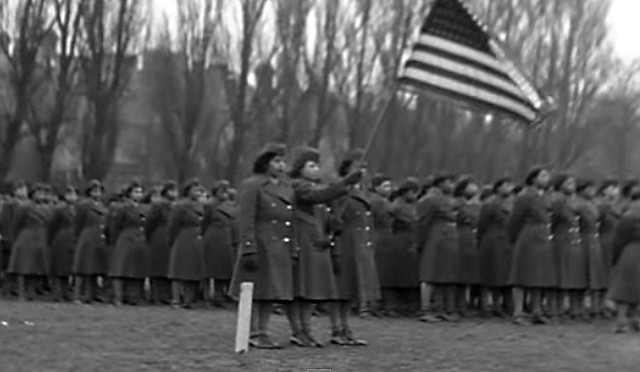
Discrimination within the military establishment was not the only difficulty faced by African American servicemembers; they also faced hostility and even violence from civilians and law enforcement officials off base. In Elizabethtown, Kentucky, a police officer brutally beat three African American WACs for sitting in a “white” waiting area. Local white citizens, especially in the south, would often complain about African American WACs being stationed at a nearby base, and local establishments frequently denied service to African American WACs.

Forming the 6888th

Civil and women’s rights activist Mary McLeod Bethune played an essential role in fighting for equal treatment for African American women in the WAC. With other African American political leaders, she continually pressed the War Department to give African American women the opportunity to deploy to a combat theater. The pressure finally paid off in December 1944 when the War Department decided to form an African American battalion to go to the European Theater as a postal directory unit. Major Charity Adams (later Earley) was selected as the battalion commander, and there was no difficulty in finding volunteers to fill the battalion’s rolls. One veteran named Elsie Oliver even persuaded First Lady Eleanor Roosevelt to intervene and convince her company commander to allow her to join this new battalion.2
The women who constituted what was to become the 6888th Central Postal Directory Battalion formed a cohesive, high-performing unit. They accomplished this despite the fact that they had come to the WAC from all over the country, ranged in age from 17 to 52, came from a wide variety of socioeconomic backgrounds, and had held many different jobs in civilian life and within the WAC. The members of the unit were predominantly African American, but also included soldiers of Hispanic and Caribbean descent. Many veterans of the 6888th credit Adams, the other officers, and non-commissioned officers for strong leadership that brought the group together, but the women were also unified by a resolute sense of purpose and shared experience.
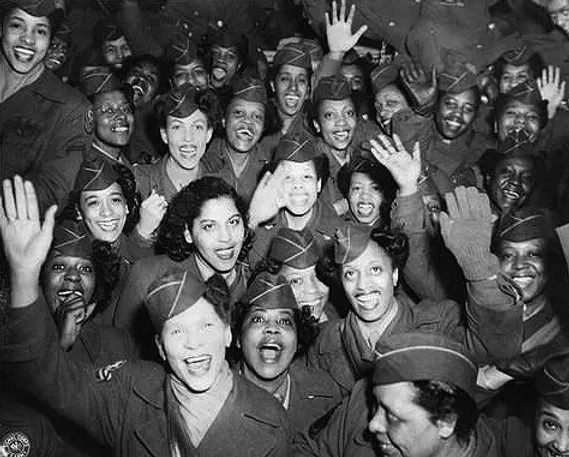
The battalion—which had not yet been given a name—assembled at Fort Oglethorpe, Georgia for training before going overseas. They were prepared in some basic combat skills, such as identifying enemy aircraft and ships, put through gas mask training and obstacle courses, and given additional vaccinations. During their brief time at Fort Oglethorpe, there were reminders that many people within the Army were not prepared to accept them as equals. They encountered separate drinking fountains for “White” and “Colored” soldiers on post, which some of the 6888th’s members protested by drinking out of the “White” fountains.3 When some of the battalion’s officers made reservations to dine at the post’s Officers Club, staff members told them the Club had “overbooked” and kept them waiting, but the officers refused to leave. They waited until they were finally seated, at which point many of the white officers present made racist comments and walked out.4
Service in the European Theater of Operations

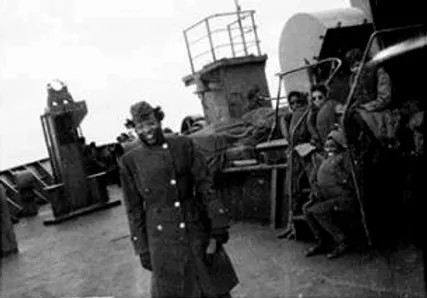
The main body of the battalion’s soldiers boarded a former cruise ship named the Ile de France on February 3, 1945 for transportation to Europe. As they neared the British Isles, their ship was engaged by German U-boats and had to take evasive maneuvers for about 45 minutes. The Ile de France arrived safely in Glasgow, Scotland, on February 11, and the battalion was taken by train to Birmingham, England that same day. In Birmingham, the battalion set up operations at King Edward’s School, a well-known boys school where the 6888th would work and live for the next three months.


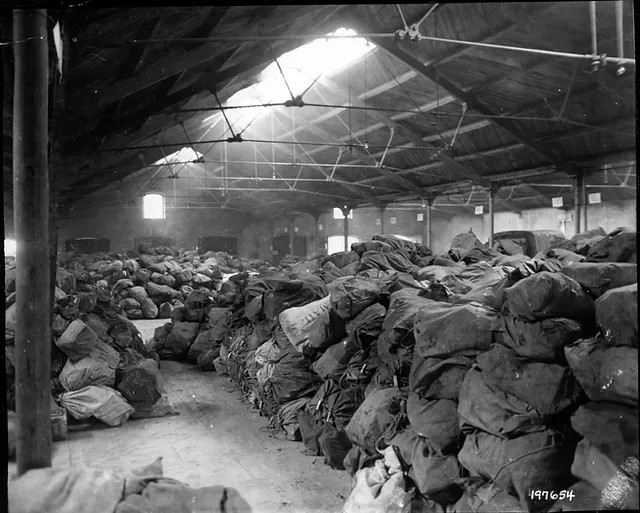
Upon arrival in England, the battalion was greeted by an enormous backlog of undelivered mail, and were told that it was their duty to ensure it was all delivered to the intended recipients within six months. The timely delivery of mail was essential to maintaining the morale of U.S. servicemembers.
As a postal directory battalion, the 6888th received all the mail that could not be delivered on the first attempt, often because the sender had used an incorrect or outdated address for the servicemember they were trying to reach. This was a challenging task, given that there were seven million U.S. personnel in Europe at the time, most of whom moved around frequently, and many of whom had similar names (there were more than 7,500 Robert Smiths, for example). Veterans remember that the large processing rooms within the school had mailbags stacked to the ceiling, and that there were six airplane hangars full of undelivered Christmas packages when they arrived in England. Some of the packages contained food items such as fried chicken and cake that had spoiled and begun to attract rodents.
The battalion was separated into a headquarters company plus four postal directory companies who did the painstaking work of matching pieces of mail to the names of servicemembers posted all over Europe. Locator clerks maintained boxes of locator cards that tracked unit mailing addresses, while postal clerks were assigned alphabetical ranges by surname, within which they processed incoming mail by tracking down the appropriate locator card for each piece of mail. They worked around the clock, divided into three eight-hour shifts, each of which processed an average of more than 65,000 pieces of mail. The 6888th exceeded expectations by clearing the backlog of mail in only three months.
A mostly friendly and curious local populace also greeted the battalion in England. Veterans of the 6888th remember how British families frequently welcomed them into their homes, and Major Adams was invited to meet the mayor of Birmingham and was treated as a dignitary at local ceremonies. British civilians did hold some absurd and racist misconceptions about African Americans—they had been led to believe that African Americans had tails—but eventually exchanged their ignorance for awareness based on their interactions with members of the 6888th. Veterans that have been interviewed about their experiences almost unanimously recall the British as being welcoming, and also recall that local civilians sometimes stood up for them when they were being harassed or insulted by white American soldiers based in the area.
Members of the 6888th were sometimes forced to rely upon the hospitality of British citizens when American Red Cross facilities refused to provide hotel accommodations to African Americans. Indeed, the soldiers of the 6888th boycotted Red Cross facilities in London after the Red Cross informed Major Adams that they had designated a separate hotel for African American personnel.
In May 1945, the battalion was relocated to Rouen, France, arriving on the Continent a matter of days after victory had been declared over Nazi Germany. Veterans remember that burning tanks could still be seen, and the damage to the French countryside and towns was apparent everywhere. In Rouen, the battalion was based in a relatively remote area, and similar to how they had functioned in Birmingham, the battalion was largely self-contained and self-reliant. They had their own library, special services office, beauty parlor, recreation hall, and served as the post exchange service unit for other units in the area while they were in Rouen. The battalion’s beauty parlor—staffed by women who had been beauticians in civilian life—became a sought-after destination for military and civilian African American women based all over Europe. It was while based in Rouen that the battalion suffered tragedy on July 8, 1945. Three of the battalion’s soldiers—Pfc. Mary Bankston, Pfc. Mary Barlow, and Sgt Dolores Brown—were killed in a vehicle accident.

The 6888th made its final move in October 1945 to Paris, where they were billeted in hotels and worked out of a large garage. The soldiers relished the opportunity to see Paris and its environs, and took advantage of chances to travel—and study at French institutions such as the Sorbonne. By November, the battalion’s strength had been cut by a third—from 850 to 558—as soldiers began to be sent home for discharge at the end of the war.

This shortage of workers hurt the battalion’s efficiency, as the workload remained largely the same as before, but the soldiers of the 6888th continued to perform their duties until the bulk of the battalion went home in March 1946. The battalion also had to contend with some of the war’s destructive effects on the French economy and society. They hired French civilians to help with mail processing but were eventually forced to implement searches of these workers after their shifts because the temptation to steal mail was so high.
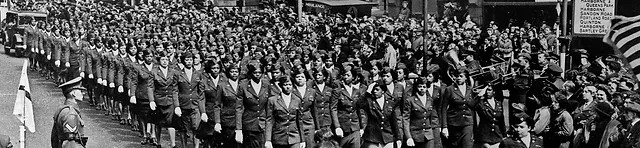
The battalion operated at a breakneck tempo for much of the war, and in her memoir, Adams Earley remembers how they were an object of fascination and scrutiny for the military hierarchy. “As the 6888th maintained its efficiency, we were inspected, visited, greeted, checked out, congratulated, called upon, supervised, and reviewed by every officer of any rank in the United Kingdom who could come up with an excuse to visit Birmingham.”5 The 6888th stood strong under this scrutiny, and were widely praised for the effective and efficient work that they did.

Legacy
The soldiers of the 6888th joined the WAC for a wide variety of reasons – economic, patriotic, and personal. By the time these women made it to the 6888th they possessed a shared experience of discrimination and a shared sense of purpose – to prove themselves as individuals and to prove wrong the misconceptions about African American women as soldiers. As a result, they formed a highly motivated and cohesive unit that had no significant discipline issues and were consistently complimented by high-ranking officers for both their discipline and their effectiveness. Their performance as a postal directory battalion was exemplary; veterans remember that they were expected to clear the backlog of undelivered mail in Birmingham in six months, but got it done in three. The 6888th also proved many people wrong and even changed the minds of some committed racists. In her autobiography, Lieutenant Colonel Adams Earley recalls how a general who had tried and failed to have her court martialed for a contrived offense admitted after the war that working with her had been “quite an education” for him and told her, “You outsmarted me and I am proud that I know you.”6
African American political leaders promoted what they called the “Double V” campaign during World War II, signifying victory over both international fascism and domestic discrimination that they hoped could be achieved through African American participation in the war effort. The women who volunteered to serve in the 6888th were generally believers in this cause, but also pointed out that they were really fighting three battles, not just two. Anna Tarryk, a 6888th veteran, recalled that, “We had to fight the war on three fronts: first we had to fight segregation, second was the war, and third were the men.”7
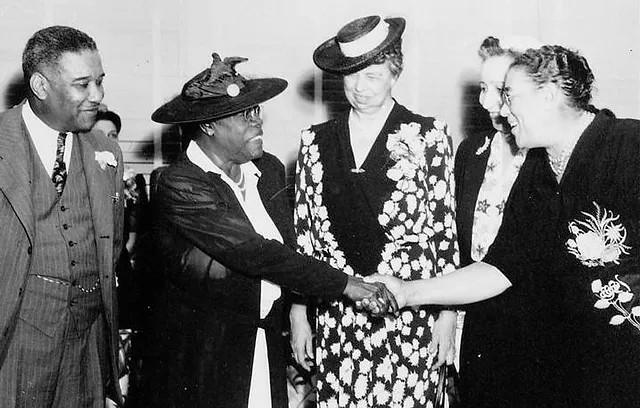
After the war, the women of the 6888th enjoyed success in a wide variety of fields and endeavors. Many used the GI Bill to further their education, and most remained active members of their communities. They are deservedly proud of the role they played in opening opportunities to future generations.
One striking legacy of those who served in the WAC during World War II is the continued service of African American women in the military in the decades following the war up to the present day. In World War II, African Americans accounted for 5.7% of all women in the WAC in 1943, and as of 2020 they accounted for 34.1% of women in the Army.8

Timeline
| September 16, 1940 | Selective Service Act enacted with clauses barring discrimination but not segregation in the military |
|---|---|
| May 15, 1942 | President Roosevelt signs bill creating the Women’s Army Auxiliary Corps (WAAC) |
| August 29, 1942 | First WAAC Officer Candidate School class graduates at Fort Des Moines, Iowa. Class includes 40 African American women, including Charity Adams Earley, Violet Hill Askins Gordon, and four other officers who would serve with the 6888th Central Postal Directory Battalion. |
| September 1942 | First African American enlisted WAACs begin training at Fort Des Moines |
| July 1, 1943 | WAAC is converted to the Women’s Army Corps (WAC), becoming a component of the Army of the United States |
| December 1944 | WAC begins forming an African American battalion for deployment to the European Theater of Operations |
| February 11, 1945 | Main body of the African American WAC battalion that will become the 6888th Central Postal Directory Battalion arrives in Birmingham, England |
| March 8, 1945 | 6888th Central Postal Directory Battalion is officially stood up in Birmingham, England |
| May 1945 | 6888th is relocated to Rouen, France |
| October 1945 | 6888th is relocated to Paris, France |
| December 1945 – March 1946 | Members of the 6888th return to the United States in stages |
| March 14, 2022 | Congressional Gold Medal awarded to the 6888th Central Postal Directory Battalion |
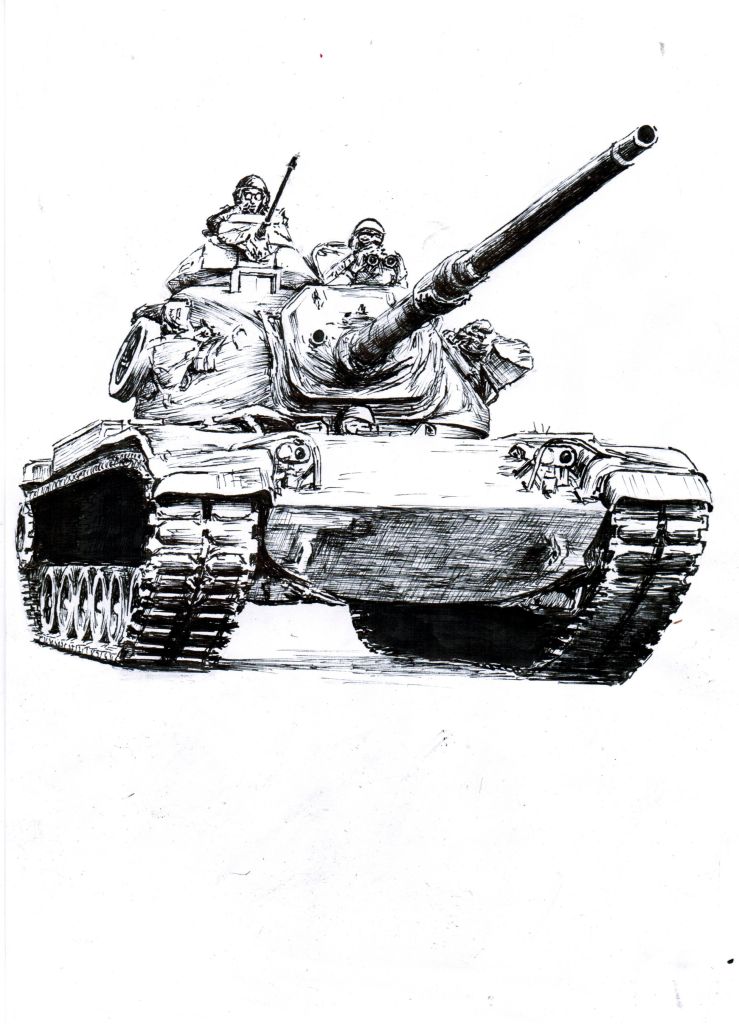
I strongly encourage everyone to watch this Movie and please don’t go into the Movie with your own prejudices. Instead, watch the Movie as a conveying of the Truth about many things like the racial Hatreds Blacks have suffered throughout their Lives all the way to Today. Honor them, remember them, accept them with your open arms and hearts and minds. These Veterans brought cheer to Our Soldiers and cannot and must not be marginalized in any way. When I got Letters Overseas, I was happier than without and “Mail Call” brought Joy to all of us and helped move out minds away from the Death that lay around us. Every family letter was a true Blessing, and my baby sister wrote me beautiful letters and my grandmother’s letters made me laugh. But my father and brothers writing was so appreciated and never forgotten for me. And me. A Gunner on an M60 Tank.
https://en.m.wikipedia.org/wiki/The_Six_Triple_Eight
Now, read a great Boom in Black Literature-these are exceptional books-
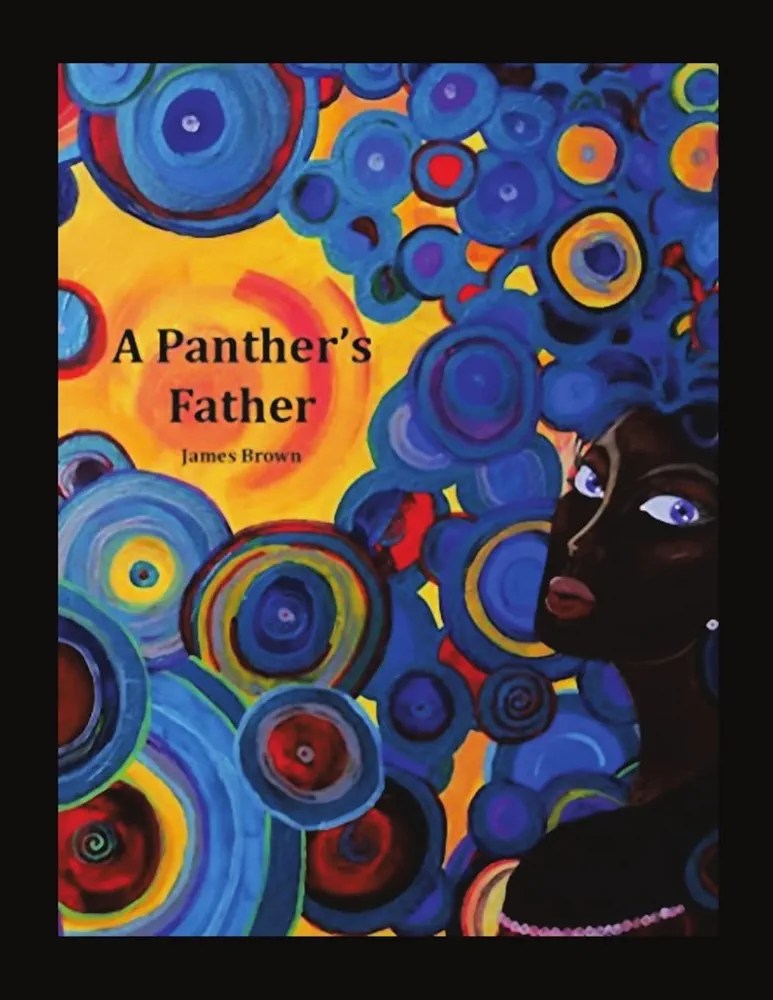
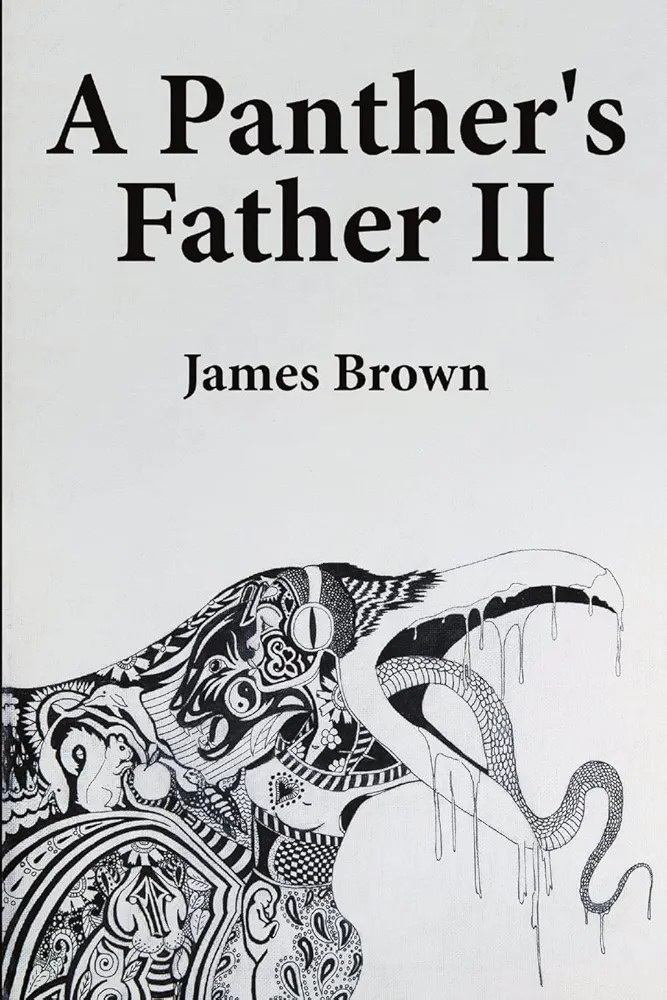
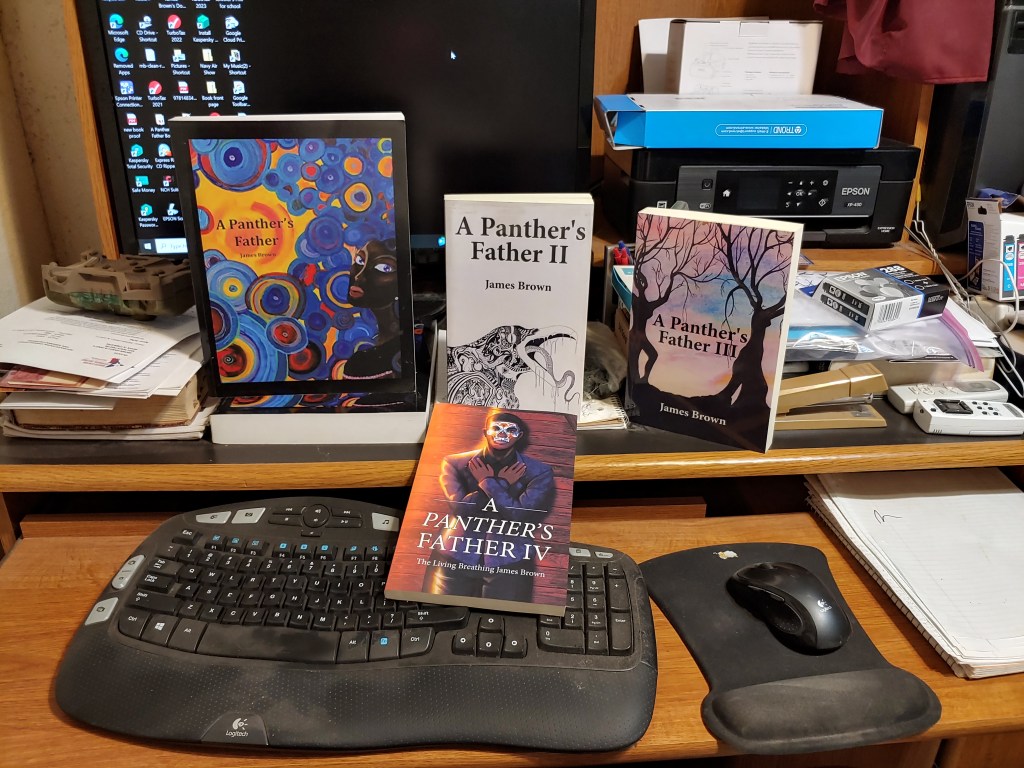
Years of research and interviews went into these books to bring the Black Community the very Best and Hope to all.
 thelivingbreathingjamesbrown.com
You must be logged in to post a comment.