
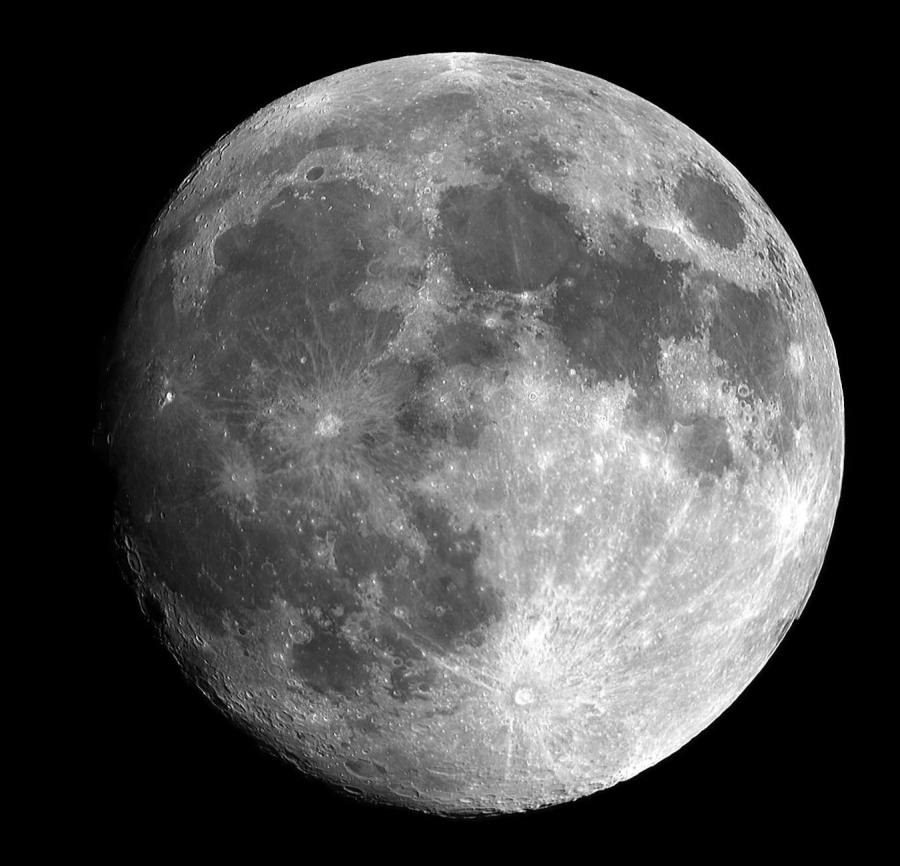
The Case Against Mars and Lunar Exploration.
As humanity stands on the precipice of more space travel, the allure of Mars captivates the imagination of scientists, policymakers, and the public alike. Have we all grown bonkers? However, this crazy ambition comes at a substantial cost—both financially and ethically. Querying the priorities that dictate our exploration of space reveals an unsettling trend: the overwhelming focus on Mars has overshadowed our achievements and responsibilities concerning the Moon, a mere stone’s throw away in cosmic terms. An extended hiatus from lunar landings is not only regrettable but also a critical oversight in our scientific and exploratory endeavors. What do we truly know about the Moon? Has Life ever lived on the Moon?
A Historical Context
The last successful human landing on the Moon occurred during NASA’s Apollo 17 mission in December 1972. Since then, Earth-based observatories and robotic missions have taken center stage, with limited human exploration of lunar resources and physical presence. With over five decades since our last footprint on the Moon, one must ask the question: why have we allowed so much time to pass without returning? The Moon, as our nearest celestial neighbor, offers a wealth of opportunities for scientific research, technology testing, and potential resource utilization.
The Perils of Mars
In our rush to cultivate a presence on Mars, we risk neglecting the lessons learned from the Moon. Mars presents an array of formidable challenges, from its thin atmosphere and extreme temperatures to its harrowing levels of radiation exposure. The reality is that the survival and well-being of astronauts on Mars are fraught with peril, where resources such as water are scarce, and radiation from cosmic rays and solar particles presents significant health risks. The logistical nightmare of ensuring sustainable life-support systems on Mars only amplifies the risks.
The notion that astronauts could die from inadequate water supply and dangerous radiation is not merely sci-fi sensationalism but a genuine concern supported by scientific evidence. The test of human endurance and technology in such harsh environments may rightly make some question the rationality of such an expensive endeavor. With estimates of Mars missions costing hundreds of billions of dollars, one must ponder whether such funds could produce more immediate benefits if redirected toward other crises, such as Earth’s environmental and social issues.
An Ethical Quandary
The ethical implications of space exploration also warrant scrutiny. Funding Mars missions while neglecting pressing issues here on Earth underscores a misplaced sense of priority. Are the extravagant investments in Martian landscapes just justified by the prospect of technological advancement, or is it a distraction from the tangible challenges, from climate change to poverty, that plague our planet? Our quest for knowledge and advancement cannot come at the expense of addressing humanity’s immediate needs.
Moreover, the narrative surrounding Mars often depicts it as a Backup Planet for humanity, as if relocating to another planet could absolve us of our responsibilities on Earth. This mindset perpetuates the idea that we can escape our problems rather than confront them head-on. The crux of the matter lies in our stewardship of Earth, and we must ask ourselves how we can promote sustainable practices that emphasize exploration, innovation, and responsibility.
The Moon: A Renewed Frontier
Redirecting our focus back to the Moon allows for a multitude of benefits that align more closely with current scientific and societal goals. The Moon could serve as a staging ground for deeper space exploration, a site for observing the cosmos through a lunar telescope unfettered by Earth’s atmosphere, and a location for the extraction of resources, such as Helium-3 for future energy solutions. A return to the Moon could also stimulate international collaboration and renewed interest in science, technology, engineering, and math (STEM) among younger generations.
With the nascent Artemis program, NASA aims to return humans to the lunar surface by the mid-2020s, a bold initiative that resonates with the spirit of discovery and the potential for groundbreaking scientific endeavors. Building a sustainable presence on the Moon reorients our aspirations to more readily align with preserving our future on Earth while paving the path toward Mars and beyond in a logical, responsible manner.
In conclusion, while the dream of reaching Mars certainly captures our imaginations, it is imperative that we take a step back to assess our priorities. The Moon stands as an untapped reservoir of potential that has yet to be adequately explored. By fostering a renewed focus on lunar exploration, we can cultivate a foundation of understanding and technology that not only benefits our progress as a species but also honors our commitment to the stewardship of this planet. Thus, the time has come to rekindle our relationship with the Moon before sailing toward the stars, ensuring that our journeys into the cosmos are grounded in sound ethics, practical considerations, and a profound respect for the world we call home. Mankind is destroying his own planet Earth right now. Everyone must address fixing Earth before it’s too late. Monies for further Moon and Mars Exploration must be placed on Hold and instead, spent to fix Earth. Billionaires cannot be allowed to free spend from the American Government’s Bank Account.
Life on the Moon?
No dedicated search for evidence of Life or past Life on the Moon has ever taken place. No Rover! No extensive research by Astronauts.
To enhance the search for life on the Moon, a dedicated rover could be designed and deployed for exploration. This rover could be equipped with advanced scientific instruments to analyze samples, conduct geological surveys, and search for signs of past life or potential habitability.
The rover could include:
- Sample Collection Tools: Instruments for drilling and collecting lunar soil and rock samples for analysis of organic materials and potential biosignatures.
- Spectrometers: Devices to analyze the composition of materials and identify any organic compounds that might indicate the presence of past life.
- Environmental Sensors: Tools to measure radiation levels, temperature fluctuations, and other environmental factors that affect potential habitability.
- Imaging Systems: High-resolution cameras and imaging systems to map the lunar surface and study geological formations that may have harbored life in the past.
- Autonomous Navigation: Advanced AI and machine learning systems to allow the rover to navigate the challenging lunar terrain independently while avoiding hazards.
- Communication Equipment: Systems to relay data back to Earth for analysis and to ensure continuous communication with mission control.
While the Moon’s environment poses significant challenges for life, such a rover could help scientists gather critical information about the Moon’s history and assess its potential for past habitability, thus contributing to our understanding of life’s existence in the solar system.
But man has failed to Land any thing in a good while on the Moon. Not enough collaboration?
 thelivingbreathingjamesbrown.com