

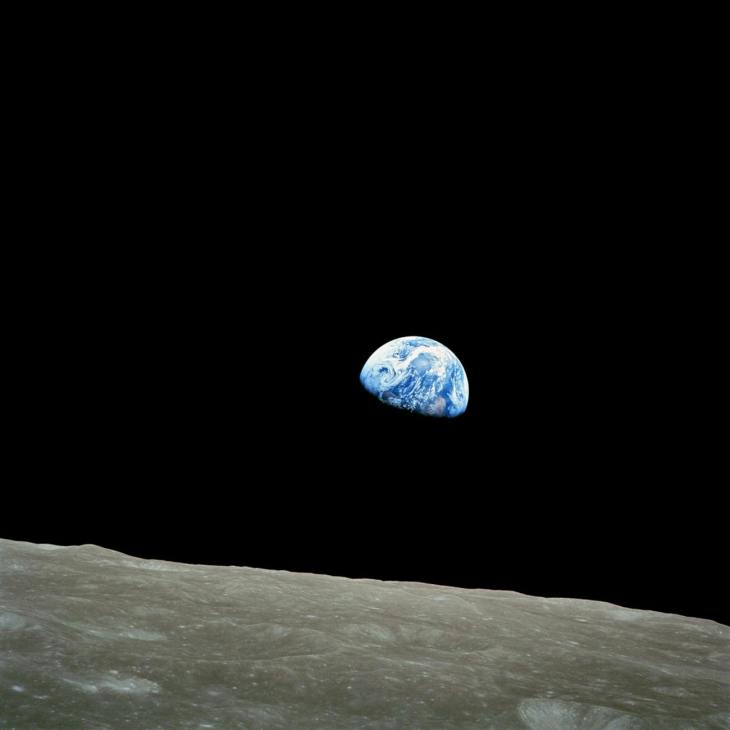
Earth and Humanity: A Solemn Reflection on Existence and Crisis
By
The Living Breathing James Brown
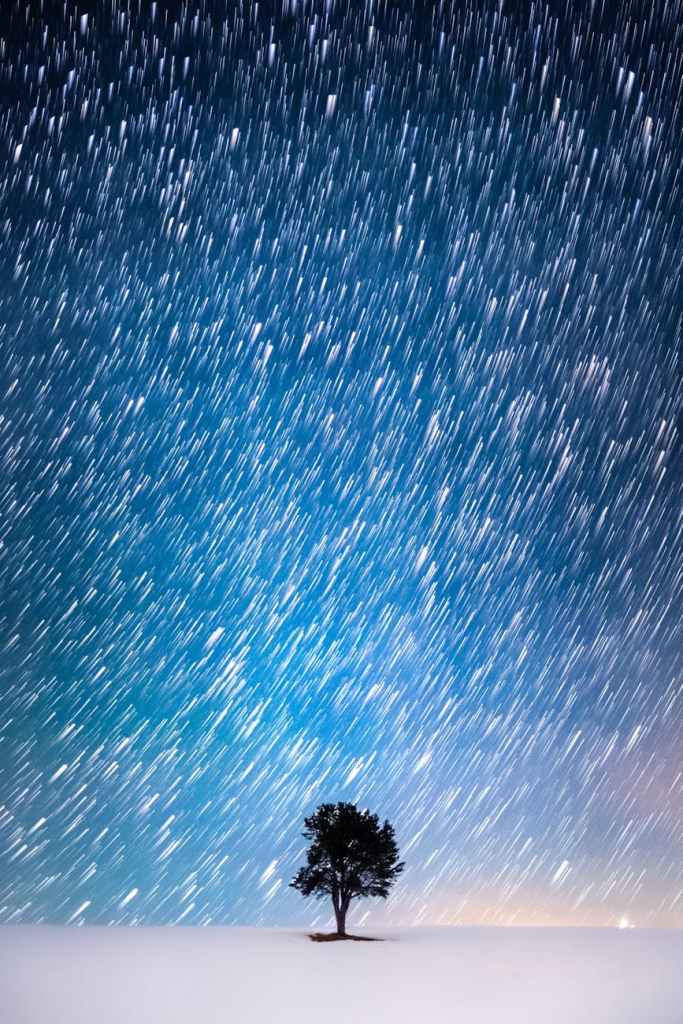
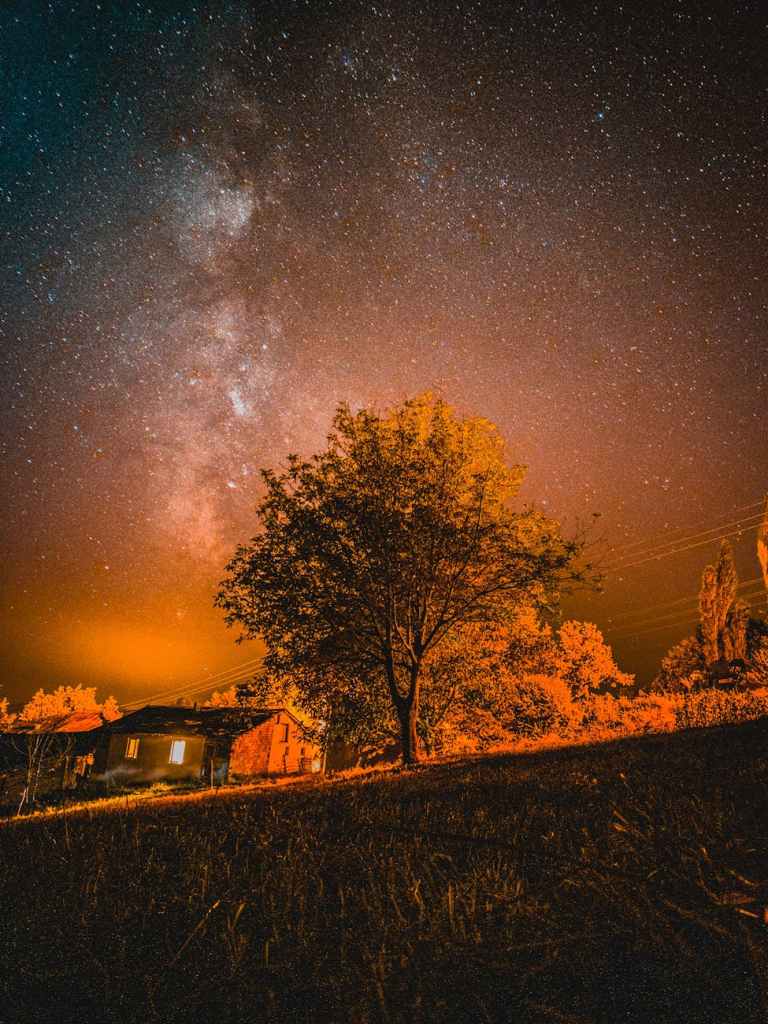
In the expanse of the cosmos, swelling with an unfathomable number of stars and a plethora of entropic phenomena, Earth emerges as the solitary bastion of life, ensconced within its delicate atmosphere—a sanctuary currently under siege. Scientists have recently confirmed that the planet has exceeded a temperature increase of 1.5°C above pre-industrial norms, a sobering milestone that epitomizes the existential threat posed by anthropogenic climate change (IPCC, 2021). However, this trajectory of decline did not occur in isolation. It is crucial to consider, in a speculative narrative, that Earth may very well be the last vestige of sentient life amidst an otherwise inhospitable universe, filled with worlds that were once vibrant and teeming with vigor but have since succumbed to the ravages of war, ecological devastation, and climatic tumult (Ward, 2016).
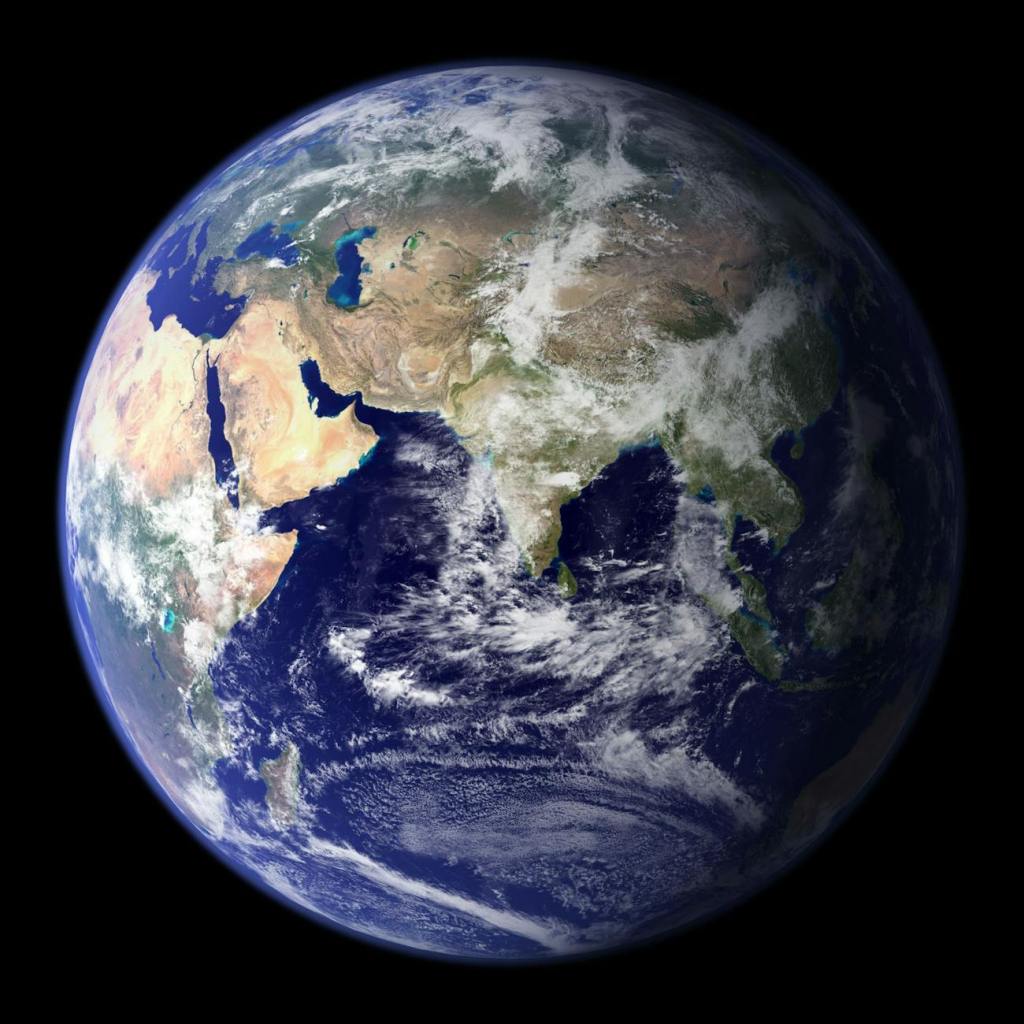

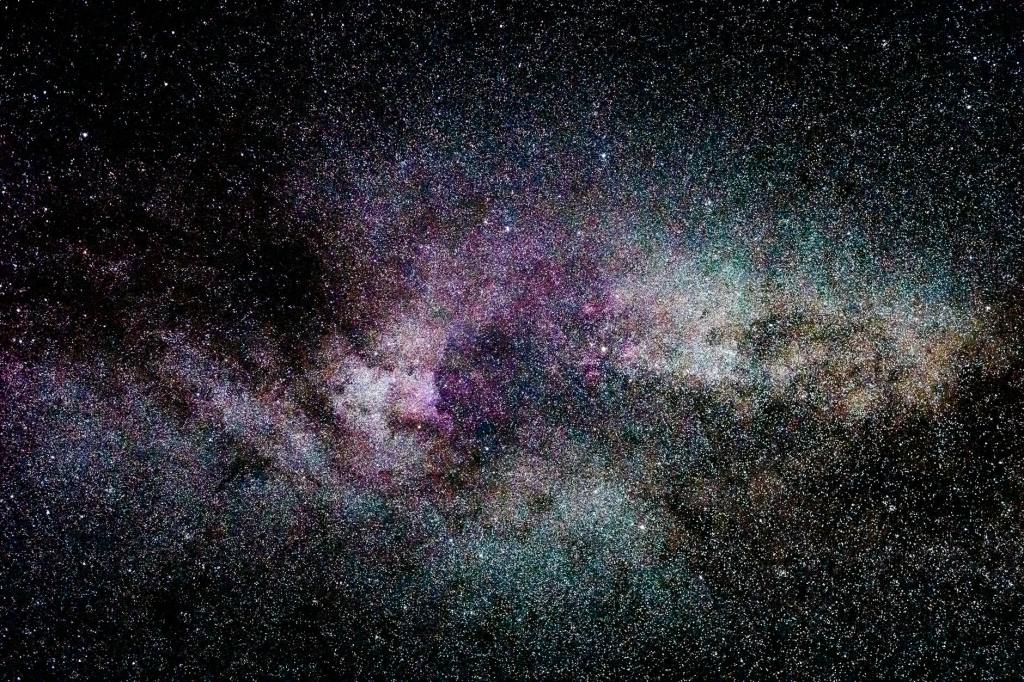

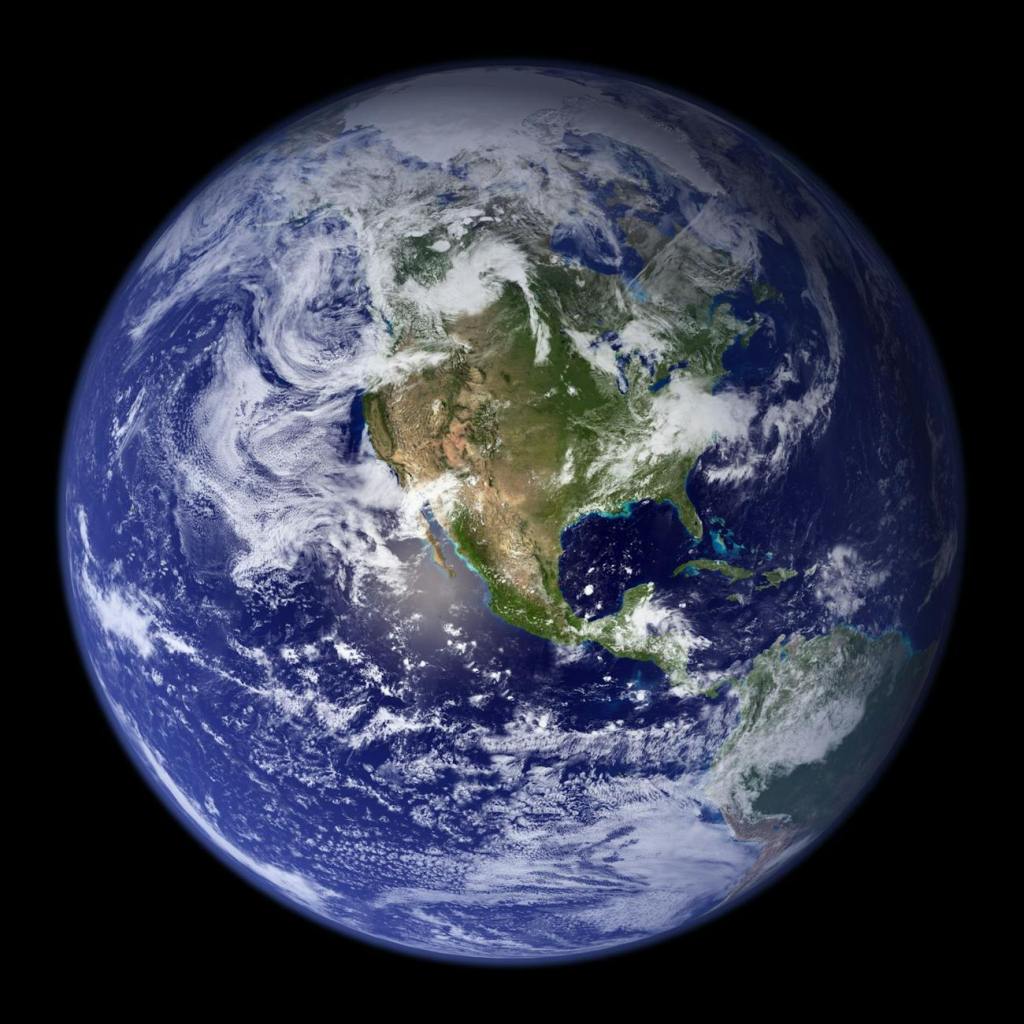



A rich tapestry of life flourished on Earth prior to the catastrophic extinction event that heralded the demise of the dinosaurs approximately 66 million years ago (Daly, 2020). In the aftermath of this cataclysm, it is conceivable to postulate that other celestial bodies—the remnants of which still orbit vast and distant galaxies—observed Earth with a sense of sorrow and desperation. In an act of cosmic kinship, these planets may have dispatched adaptive life forms and resilient seeds to rejuvenate a world once characterized by its overwhelming biodiversity. Alas, the senders of such hope were, themselves, ensnared in the throes of their respective apocalypses, battling internecine conflict and unprecedented shifts in climate that rendered their atmospheres asphyxiating, their clouds dissipated, and their verdant landscapes suffocated (Kasting & Siefert, 2001).
The present-day paradigm of humanity, however, is rife with calamity. Climate change, exacerbated by unsustainable industrial practices and a relentless quest for economic expansion, looms as an ever-present specter over the future of our species (Rockström et al., 2009). The ramifications are manifold—extreme weather events, rising sea levels, and vanishing biodiversity, all of which conspire to undermine the very foundations of our civilization. Concurrently, the specter of nuclear annihilation lurks ominously within the corridors of power, where the madness of geopolitical tensions transforms our most advanced technological accomplishments into harbingers of devastation (Sagan, 1996). Such calamitous scenarios compel us to confront an uncomfortable truth: we stand on the precipice of annihilation—not by an extraterrestrial force but by our own hand.
Moreover, let us temper our gaze toward Mars, a neighboring planet often romanticized as a potential second home for humanity. Geological evidence suggests that Mars has never sustained life as we know it, its atmosphere too thin to support liquid water and its position too distant from the sun to facilitate the warmth requisite for biological activity (Wordsworth et al., 2017). Despite a fervent pursuit of Martian colonization, we must first address the vulnerabilities intrinsic to our own planet— a home that has inherited the ecological legacy and the burdens of history.


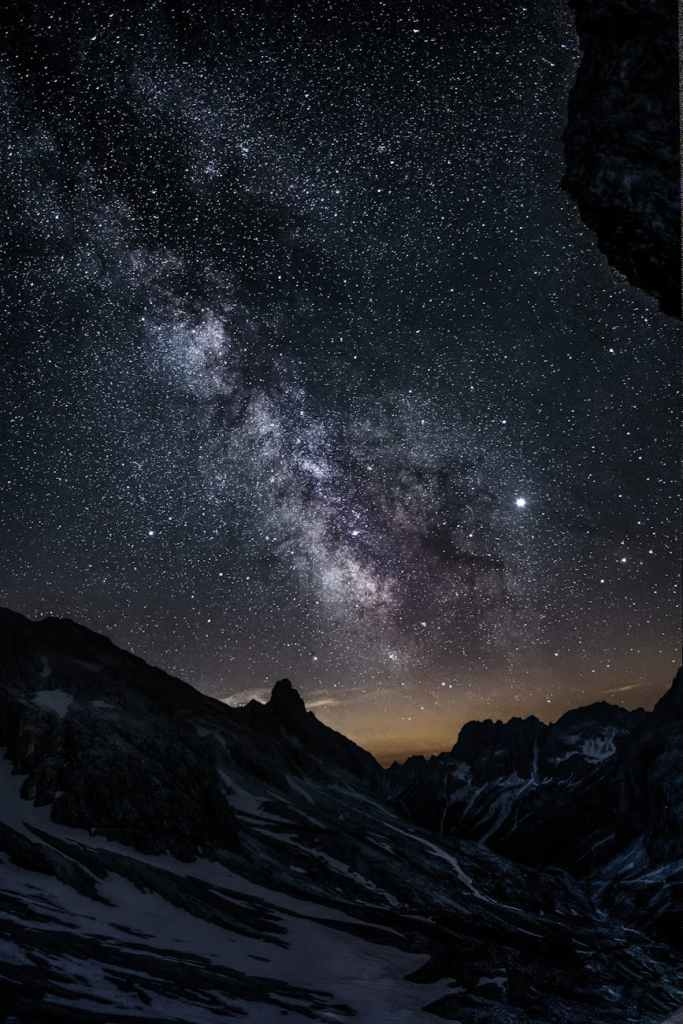

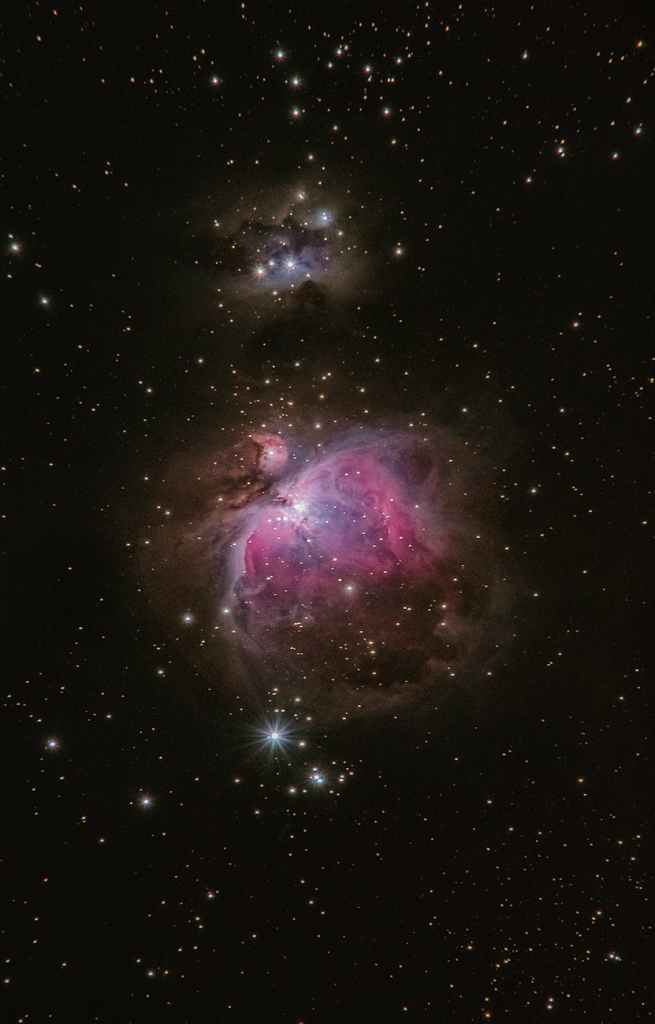

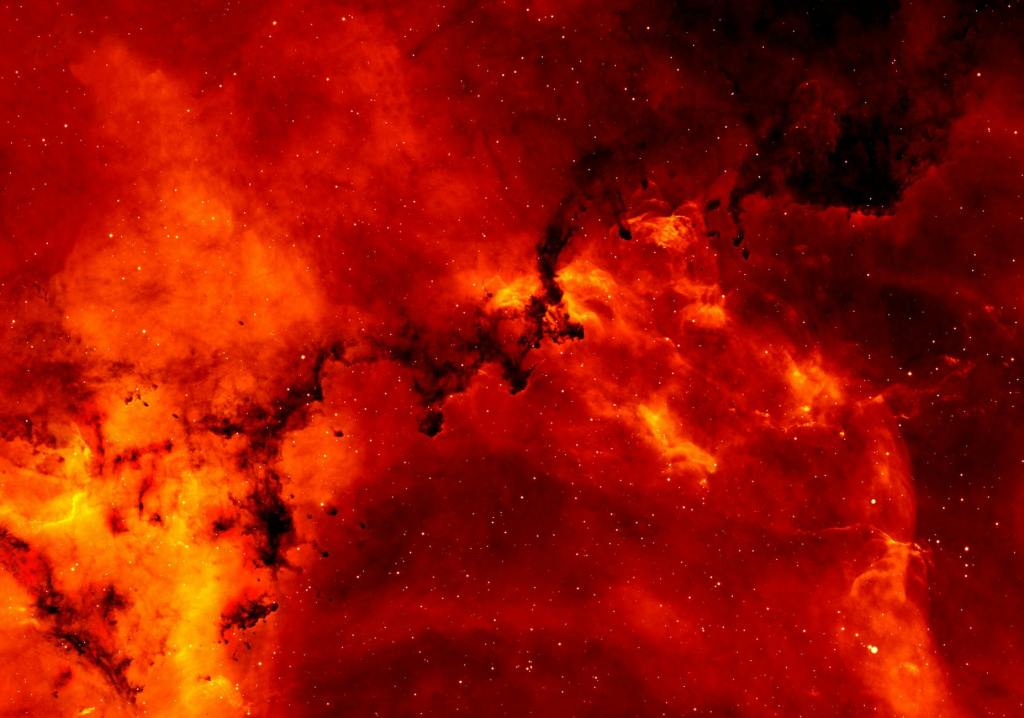

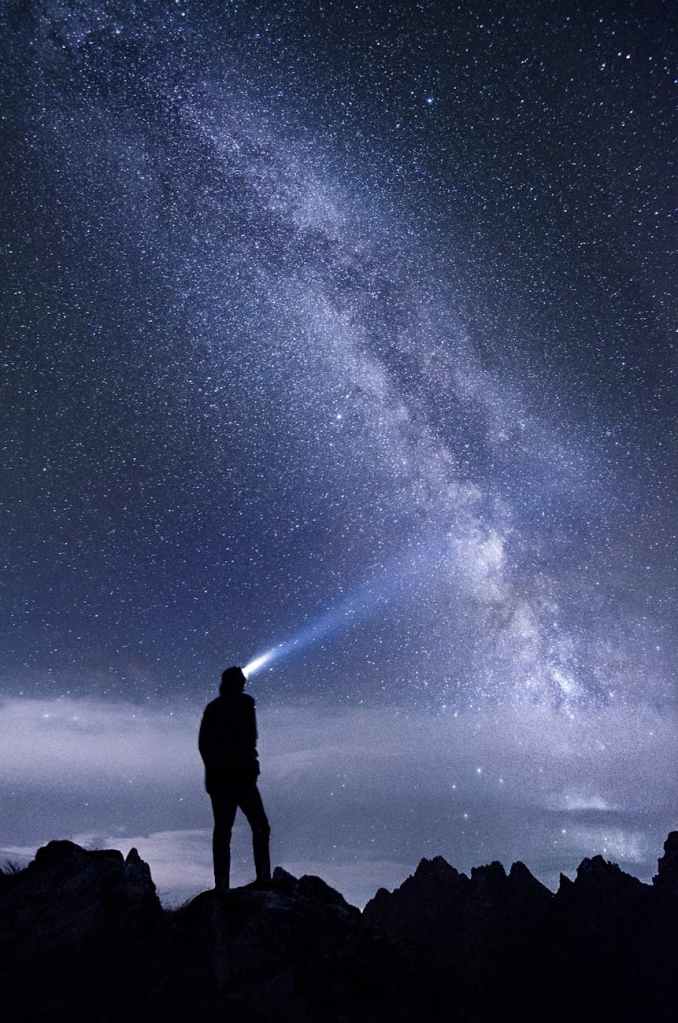
In this epoch of urgency, the clarion call reverberates with a poignant plea: humanity must tend to its own backyard before embarking on fanciful quests for alternative worlds that may be merely monuments to what was lost. This introspection is a humbling reminder that our transgressions against the Earth and one another have not only led us astray but have diminished our capacity to cherish the very existence we inhabit (Meadows et al., 2005). The time for rectification is now; we must enact systemic change to mitigate the impending crises that threaten our survival.








By transforming our collective consciousness and redefining our relationship with the environment, we hold the potential to redirect the course of destiny. Empowered by education and compassion, we can dismantle the structures of inequality that perpetuate environmental degradation while fostering a harmonious balance between our technological ambitions and the sanctity of the biosphere (Rockström & Sukhdev, 2016).
In summary, Earth, as the last vestige of knowable life among a sprawling universe of desolation, implores humanity to awaken from its self-induced stupor of existential peril. The dire need for reform beckons us with an ineffable urgency, demanding not only our attention but also our action. Should we fail to heed this admonition, the legacy we leave to posterity may not be one of hope but rather an epitaph echoing the regret of what could have been—a stark reminder that we are both the stewards of this precious planet and the architects of its potential demise. Let the time for reckoning begin, for it is only through introspective reflection and decisive action that Earth may see the dawn of a brighter tomorrow.
References
- Daly, G. (2020). The Great Extinction: Life Without Dinosaurs. New York: Earth Sciences Press.
- IPCC. (2021). Climate Change 2021: The Physical Science Basis. Cambridge University Press.
- Kasting, J. F., & Siefert, J. (2001). Life and the Evolution of Earth-like Planets. Astrobiology, 1(1), 121-142.
- Meadows, D. H., Meadows, D. L., Randers, J., & Behrens, W. W. III. (2005). Limits to Growth: The 30-Year Update. Chelsea Green Publishing.
- Rockström, J., Steffen, W., Noone, K., & et al. (2009). A Safe Operating Space for Humanity. Nature, 461(7263), 472-475.
- Rockström, J. & Sukhdev, P. (2016). Planetary Boundaries: Guiding Human Development on a Changing Planet. The Lancet Planetary Health, 1(1).
- Sagan, C. (1996). The Demon-Haunted World: Science as a Candle in the Dark. New York: Random House.
- Ward, P. D. (2016). The Call of Distant Mammoths: How Ice Age Explorers opened up the National Parks of the West. New York: Houghton Mifflin Harcourt.
- Wordsworth, R., et al. (2017). Modeling the climate of early Mars. Earth and Planetary Science Letters, 457, 20-24.
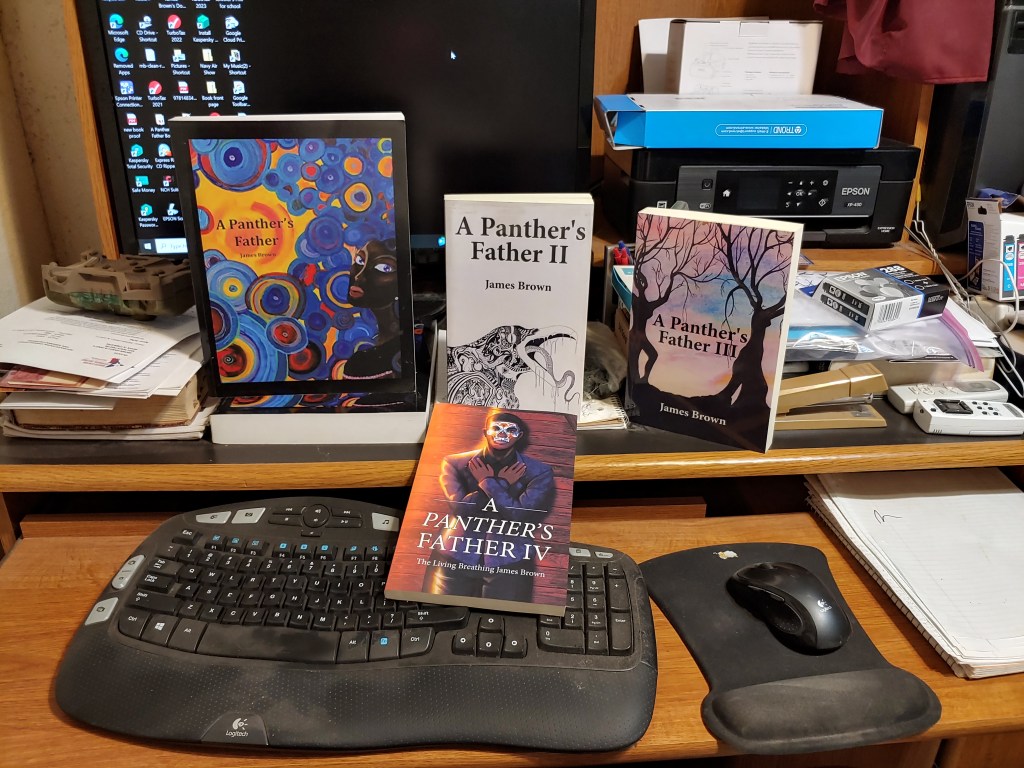
This was written in a very serious manner. Research was added. And I know it can be heartbreaking to read such a serious paper about a very serious subject. But if it hinders your thoughts and your heart seeks Hope, then please turn to one of my books to help your mind shift to a different mindset with a warm full heartfelt load of Hope.




















 thelivingbreathingjamesbrown.com
You must be logged in to post a comment.